
More on this book
Community


Kindle Notes & Highlights


Without a healthy sense of control, kids feel powerless and overwhelmed and will often become passive or resigned. When they are denied the ability to make meaningful choices, they are at high risk of becoming anxious, struggling to manage anger, becoming self-destructive, or self-medicating. Despite the many resources and opportunities their parents offer them, they will often fail to thrive.
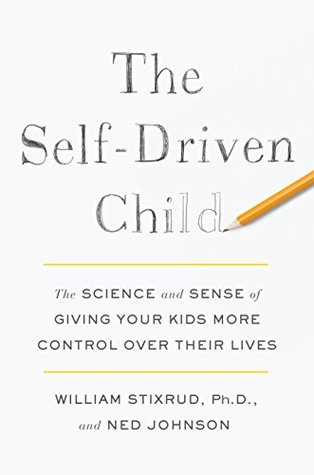
Our role is to teach them to think and act independently, so that they will have the judgment to succeed in school and, most important, in life. Rather than pushing them to do things they resist, we should seek to help them find things they love and develop their inner motivation. Our aim is to move away from a model that depends on parental pressure to one that nurtures a child’s own drive. That is what we mean by the self-driven child.
Even if it were possible to control our kids and mold them into who or what we want them to be, we might be less stressed, but they would be more controlled than self-controlled.
It turns out that it’s the sense of control that matters, even more so than what you actually do. If you have confidence that you can impact a situation, it will be less stressful. In contrast, a low sense of control may very well be the most stressful thing in the universe.
So how do you capitalize on positive or tolerable stress while avoiding the bad kind? It is simple in theory, but tricky in execution: kids need a supportive adult around, they need time to recover from the stressful event, and they need to have a sense of control over their lives.
There’s another moral to Jonah’s story. Teachers can teach, coaches can coach, guidance counselors can outline graduation requirements, but there’s one thing only parents can do: love their kids unconditionally and provide them with a safe base at home.
But we would all do well to remember the big picture: that we want our kids to be thoughtful learners, and want them to be self-disciplined, not well disciplined.
a character from the film Miss Peregrine’s Home for Peculiar Children: “We don’t need you to make us feel safe . . . you made us feel brave and that’s even better.”
