
More on this book
Community


Kindle Notes & Highlights

Read between
January 9 - February 6, 2021

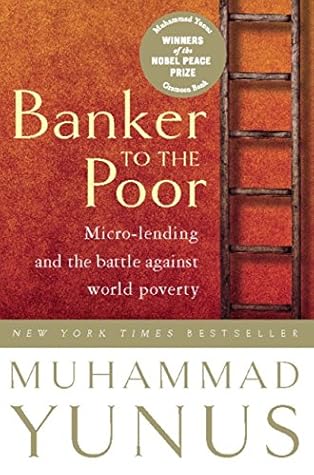
People like Sufiya were poor not because they were stupid or lazy. They worked all day long, doing complex physical tasks. They were poor because the financial institutions in the country did not help them widen their economic base.
credit creates economic power, which quickly translates into social power. When credit institutions and banks make rules that favor a distinct section of the population, that section increases both its economic and its social status. In both rich and poor countries alike, credit institutions have favored the rich and in so doing have pronounced a death sentence on the poor.
There is little doubt that the free market, as now organized, does not provide solutions to all social ills. It provides neither economic opportunities nor access to health and education for the poor or the elderly. Even so, I believe that government, as we now know it, should pull out of most things except for law enforcement, the justice system, national defense, and foreign policy, and let the private sector, a “Grameenized private sector,” a social-consciousness-driven private sector, take over its other functions.
