

What do you think?

In Flanders Fields and Other Poems
John Alexander McCrae (1872 - 1918) was a Canadian poet, physician, author, artist and soldier during World War I. He is best known for writing the famous war poem In Flanders Fields. In Flanders Fields has been labeled the most popular poem written during World War 1. McCrae wrote this poem in 1915 the day after his friend, Lieutenant Alexis Helmer died. The poppies referred to in the poem grew in abundance in Flanders Field where many war casualties had been buried. Now the poppy is a symbol of remembrance.
116 pages, Paperback
First published January 1, 1919
About the author
John McCrae
70 books16 followersLibrarian Note: There is more than one author in the Goodreads database with this name.
John McCrae was a Canadian poet, physician, and soldier whose name became immortalized through his poignant war poem In Flanders Fields. Born in Guelph, Ontario, he showed early academic promise, earning a scholarship to the University of Toronto. He studied both arts and medicine, eventually graduating as a doctor while also serving in the Canadian militia. McCrae balanced a distinguished medical career with military service, seeing combat during the Second Boer War and later volunteering for World War I at the age of 41.
During the Second Battle of Ypres in 1915, while serving as a field surgeon with the Canadian Expeditionary Force, McCrae wrote In Flanders Fields following the death of a close friend, Lieutenant Alexis Helmer. The poem, first published anonymously in Punch magazine, quickly gained widespread recognition and became one of the most enduring literary symbols of the war. Its imagery of poppies growing among the graves of the fallen inspired the red poppy as a symbol of remembrance used around the world today.
McCrae was known for his deep sense of duty, compassion for his patients, and private nature. Despite his fame, he remained humble and continued his medical work, later commanding No. 3 Canadian General Hospital in Boulogne, France. He died of pneumonia in 1918, near the end of the war, and was buried with full military honors in Wimereux, France.
Beyond his famous poem, McCrae's legacy includes a collection of writings published posthumously, In Flanders Fields and Other Poems, as well as numerous schools, institutions, memorials, and even a mountain named in his honor. He remains a national hero in Canada and a lasting voice of remembrance across the world.
John McCrae was a Canadian poet, physician, and soldier whose name became immortalized through his poignant war poem In Flanders Fields. Born in Guelph, Ontario, he showed early academic promise, earning a scholarship to the University of Toronto. He studied both arts and medicine, eventually graduating as a doctor while also serving in the Canadian militia. McCrae balanced a distinguished medical career with military service, seeing combat during the Second Boer War and later volunteering for World War I at the age of 41.
During the Second Battle of Ypres in 1915, while serving as a field surgeon with the Canadian Expeditionary Force, McCrae wrote In Flanders Fields following the death of a close friend, Lieutenant Alexis Helmer. The poem, first published anonymously in Punch magazine, quickly gained widespread recognition and became one of the most enduring literary symbols of the war. Its imagery of poppies growing among the graves of the fallen inspired the red poppy as a symbol of remembrance used around the world today.
McCrae was known for his deep sense of duty, compassion for his patients, and private nature. Despite his fame, he remained humble and continued his medical work, later commanding No. 3 Canadian General Hospital in Boulogne, France. He died of pneumonia in 1918, near the end of the war, and was buried with full military honors in Wimereux, France.
Beyond his famous poem, McCrae's legacy includes a collection of writings published posthumously, In Flanders Fields and Other Poems, as well as numerous schools, institutions, memorials, and even a mountain named in his honor. He remains a national hero in Canada and a lasting voice of remembrance across the world.
Ratings & Reviews
Friends & Following
Create a free account to discover what your friends think of this book!
Community Reviews
Displaying 1 - 20 of 20 reviews

January 21, 2023
Amid earth's vagrant noises, he caught the note sublime:
To-day around him surges from the silences of Time
A flood of nobler music, like a river deep and broad,
Fit song for heroes gathered in the banquet-hall of God.

June 19, 2019
A powerful poem.
November 9, 2019
I managed to get hold of a 1920 edition of this book. Having been very familiar with his ‘in Flanders fields’ poem I was delighted to find other poems he wrote.
However, the best part of the book was to read Sir Andrew McPhail’s essay, which brought to life the character and person behind the poems. At times it was moving, at others humbling, but overall it shone the light on a remarkable man.
Well worth the read.
However, the best part of the book was to read Sir Andrew McPhail’s essay, which brought to life the character and person behind the poems. At times it was moving, at others humbling, but overall it shone the light on a remarkable man.
Well worth the read.

July 31, 2020
Great poem, awful formatting!

March 16, 2021
A captain in the Canadian army was at Flanders Fields (in France) attending a funeral of a fallen soldier(World War 1). He saw all the graves and poppies and got inspired to write this poem. In Canada we have Remembrance Day (Nov. 11) where Canadian wear poppies in remembrance of all of the fallen soldiers.
Read
December 12, 2022This is a poem which is written in the narrative of a Soldier who battled during World War One, it covers the pain, loss and misfortune soldiers experienced. This poem is still used to teach children about the war. The language used within the poem immediately builds an image within the reader's mind. The poem has inspired several young writers when writing their poems.

July 19, 2020
I think poetry is just not my genre. I made it through this book twice and mildly enjoyed it, but didn’t love it the way I see many others did (based on the reviews on here). The poems were thought-provoking and lovely.
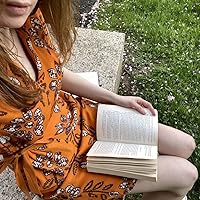
October 7, 2023
"No grief of night can weigh
Against the joys that throng thy coming day."
"Ye think with regret that the world was
bright,
That your path was short and your task was
light;
The path, though short, was perhaps the best
And the toil was sweet, that it led to rest."
Against the joys that throng thy coming day."
"Ye think with regret that the world was
bright,
That your path was short and your task was
light;
The path, though short, was perhaps the best
And the toil was sweet, that it led to rest."

May 4, 2024
This book contains poetry about World War I by Lieutenant Wilfred Owen as well as the most famous World War I poem of all by Lieutenant-Colonel John McCrae.
Poems Included:
• "In Flanders Fields" by John McCrae
• "Strange Meeting" by Wilfred Owen
• "Greater Love"
• "Apologia pro Poemate Meo"
• "The Show"
• "Mental Cases"
• "Parable of the Old Men and the Young"
• "Arms and the Boy"
• "Anthem for Doomed Youth"
• "The Send-off"
• "Insensibility"
• "Dulce et Decorum Est"
• "The Sentry"
• "The Dead-Beat"
• "Exposure"
• "Spring Offensive"
• "The Chances"
• "S.I.W."
• "Futility"
• "Smile, Smile, Smile"
• "Conscious"
• "A Terre"
• "Wild with All Regrets"
• "Disabled"
The narrator is Ralph Cosham, who is my favorite Sherlock Holmes audiobook narrator.
Poems Included:
• "In Flanders Fields" by John McCrae
• "Strange Meeting" by Wilfred Owen
• "Greater Love"
• "Apologia pro Poemate Meo"
• "The Show"
• "Mental Cases"
• "Parable of the Old Men and the Young"
• "Arms and the Boy"
• "Anthem for Doomed Youth"
• "The Send-off"
• "Insensibility"
• "Dulce et Decorum Est"
• "The Sentry"
• "The Dead-Beat"
• "Exposure"
• "Spring Offensive"
• "The Chances"
• "S.I.W."
• "Futility"
• "Smile, Smile, Smile"
• "Conscious"
• "A Terre"
• "Wild with All Regrets"
• "Disabled"
The narrator is Ralph Cosham, who is my favorite Sherlock Holmes audiobook narrator.

May 16, 2017
Painful and beautiful

December 14, 2019
Beautiful, melancholy, touching poems of the deep sorrow of war, yet understanding it's oft unavoidable necessity.
January 29, 2022
It's WWI poetry, so you know what you're in for.
August 15, 2022
Rather dark and morbid at times. It presents war as it is, with no glamour or romanticism.
February 17, 2023
Alluring, not very difficult to understand.

March 30, 2026
In Flanders Fields and Other Poems by John McCrae is a poignant collection shaped by the experience of war. Blending patriotism with sorrow, the poems reflect sacrifice, loss, and remembrance. Simple yet powerful, McCrae’s work captures the emotional weight of conflict, with *In Flanders Fields* standing as a lasting symbol of honor and memory.

June 12, 2013
. . . . The Great War produced many works describing the great historical, social and psychic break that conflict became. I would suggest that In Flanders Fields, although — or perhaps because — it is cobbled together from disparate bits in different hands, deserves a place in the canon of great works on the Great War.
Read my full review here: http://behindthehedge.wordpress.com/2...
Read my full review here: http://behindthehedge.wordpress.com/2...

November 12, 2018
✔️Published in 1919.
Excellent collection of poetry worthy keeping and re-reading.
🟣 Media form: Kindle version.
🟢 Media form: Project Gutenberg .
Excellent collection of poetry worthy keeping and re-reading.
🟣 Media form: Kindle version.
🟢 Media form: Project Gutenberg .

December 23, 2016
These are good poems on WW1 from actual soldiers, but I'm not a big fan of poetry.

December 28, 2016
I'm not a fan of poetry but can appreciate the historic significance of these poems. The diary entries were more interesting to me.

January 10, 2019
4 stars for the poetry.
3 stars for the biographical sketch.
3 stars for the biographical sketch.
Displaying 1 - 20 of 20 reviews