

What do you think?

The Stuff of Life: Profiles of the Molecules That Make Us Tick
A primer that explains the countless substances that make up the most complex of all human beings
Countless chemicals, fluids, and substances mix and merge to make the complex life-form we call a human being. And while there is still much that remains to be understood, science has come a long way toward uncovering the nature and purpose of these essential ingredients.
In The Stuff of Life , Eric P. Widmaier deconstructs the fundamental processes of the human body and focuses on those vital biological substances that are particularly well understood. By examining the blueprints that dictate what we are, Widmaier gets us to rethink basic body processes that we thought we understood but didn't. Such
--Why are some fats worse than others?
--Is cholesterol actually good for anything?
--How does the stomach digest food?
-- Where does our energy come from?
A concise, easy-to-read handbook, complete with illustrations, The Stuff of Life offers answers to these and many more common questions about how the body works.
Countless chemicals, fluids, and substances mix and merge to make the complex life-form we call a human being. And while there is still much that remains to be understood, science has come a long way toward uncovering the nature and purpose of these essential ingredients.
In The Stuff of Life , Eric P. Widmaier deconstructs the fundamental processes of the human body and focuses on those vital biological substances that are particularly well understood. By examining the blueprints that dictate what we are, Widmaier gets us to rethink basic body processes that we thought we understood but didn't. Such
--Why are some fats worse than others?
--Is cholesterol actually good for anything?
--How does the stomach digest food?
-- Where does our energy come from?
A concise, easy-to-read handbook, complete with illustrations, The Stuff of Life offers answers to these and many more common questions about how the body works.
135 pages, Hardcover
First published August 13, 1957
Ratings & Reviews
Friends & Following
Create a free account to discover what your friends think of this book!
Community Reviews
Displaying 1 - 14 of 14 reviews

October 11, 2017
كتاب صغير الحجم غزير المعلومات بسيط الطرح بقدر المستطاع
كيف يعمل جسمك و مم يتكون. كيفية امداده بالطاقة و دور الدهون و السكريات سلبا و إيجابا. كيفية الهضم و آلية تكسير المواد الضخمة و تفتيتها لأجزاء تناسب الخلايا و تناسب طريقة توزيعها عن طريق الإمتصاص المباشر من المعدة أو الأمعاء أو عن طريق الدورة الدموية. دور الملح و الماء في حفظ توازن الجسم و كيف يستطيع الإنسان أن يحيا عدة أشهر بالملح و الماء فقط. غازات الجسم و منظومة التنفس و كيفية صناعة الغازات و تذويبها في الدم و طرق طرد الضار منها. بنية الجسم العضلية و الهيكلية العظمية و طريقة عملها و مشاكلها. الهرمونات و المخ و تناغم عمل أجهزة الجسم و كيفية تكون الإدراك و السلوك.
على صغره فهو مفيد للمهتمين بالتغذية و مرضى الكوليسترول و القلب و الغدد لفهم طبيعة عمل تلك الأمراض و كيفية تجاوبها مع العلاج.
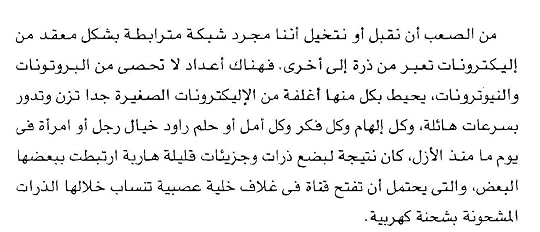
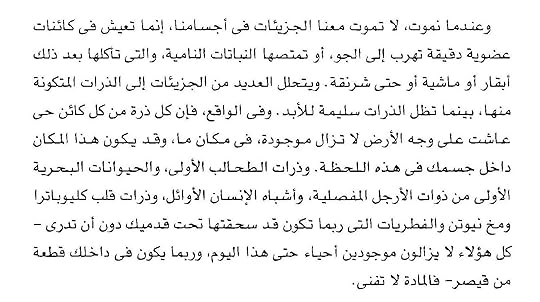
و الخاتمة رائعة جديرة بالإقتباس الكامل و لكني اقتبست منها الآتي فقط

January 2, 2022
برغم صغر حجمه إلا أنه احتوى على معلومات غزيرة. صحيح أنها أساسيات، وهناك أبحاث جديدة ظهرت متقدمة عنه، لكن بالنظر لتاريخ نشره فهو كتاب مفيد خصوصا لو حد حابب يبدأ من الأول.
انقسم ل8 فصول بدأ بشرح المادة الوراثية وكيفية انتقال الجينات ثم مر على أنواع الدهون والسكريات وهضمها، الأملاح والماء، غازات الدم وآليات التنفس والحرق والأكسدة، العظام والعضلات، الهرمونات(كان الجزء الأمتع) ، وانتهى عند المخ وسلوكياته.
كل ذلك بشكل سريع ومبسط نوعا ما (كانت هناك أجزاء تحتاج تركيز مثل آلية حركة العضلات مثلا، وأجزاء في عمل المخ)
تطرق أثناء الشرح لأمراض شائعة شارحا أسبابها والتعامل معها كالسكري وضغط الدم المرتفع، بعض المتلازمات الوراثية، خلل الهرمونات أو الانزيمات وما يتبعه من أعراض مثل مشاكل الغدة الدرقية.
اعتقد يصلح لغير المتخصصين في المجال العلمي مع شوية تركيز لأنه بسيط وغير ممل.
انقسم ل8 فصول بدأ بشرح المادة الوراثية وكيفية انتقال الجينات ثم مر على أنواع الدهون والسكريات وهضمها، الأملاح والماء، غازات الدم وآليات التنفس والحرق والأكسدة، العظام والعضلات، الهرمونات(كان الجزء الأمتع) ، وانتهى عند المخ وسلوكياته.
كل ذلك بشكل سريع ومبسط نوعا ما (كانت هناك أجزاء تحتاج تركيز مثل آلية حركة العضلات مثلا، وأجزاء في عمل المخ)
تطرق أثناء الشرح لأمراض شائعة شارحا أسبابها والتعامل معها كالسكري وضغط الدم المرتفع، بعض المتلازمات الوراثية، خلل الهرمونات أو الانزيمات وما يتبعه من أعراض مثل مشاكل الغدة الدرقية.
اعتقد يصلح لغير المتخصصين في المجال العلمي مع شوية تركيز لأنه بسيط وغير ممل.

May 31, 2013
Did you ever have that feeling? You know, that one where you find yourself staring at the book you're reading like it's your middle school science text? Well, if that's your kind of book, than boy do I have a recommendation for you!
To say this book is dry, is actually very literally true. There is a minimum amount personality and a maximal amount of information. The illustrations in this book are fairly well done, and they do contribute to the overall arc of the book.
There's just really not a lot else to say; read this if you thought your smart phone's 'User's Manual' was well written.
To say this book is dry, is actually very literally true. There is a minimum amount personality and a maximal amount of information. The illustrations in this book are fairly well done, and they do contribute to the overall arc of the book.
There's just really not a lot else to say; read this if you thought your smart phone's 'User's Manual' was well written.

November 29, 2007
reads like a good story. and no mention of intelligent design.

July 24, 2017
عن الجزيئات الحيوية والعمليات والأمراض المتعلقة بها.

Read
December 17, 2017الكتاب رغم جمال موضوعه وغزارة معلوماته إلا أنه ممل، ممل جدا.

September 3, 2019
Good, but limited
The idea here is a short, easy-to-read book that helps the general reader understand the molecular basis of life. The usual approach to this is a text by an expert in the field with close editing by someone whose level of knowledge is closer to that of the general public.
This is what was attempted here, but I don't feel it was entirely successful. As I noted in a review of a similar book (Ball, Philip. Stories of the Invisible: a Guided Tour of Molecules, 2001), there is unfortunately a kind of veil-like quality thrown between the molecular world and our perception of that world by the very fact of its invisibility that it not easy to overcome. It is not a question of readability so much as a question of how to present these very complex structures and ideas in a way that the reader can absorb in some concrete fashion.
This problem is common to all scientific books, but in biochemistry it is particularly difficult because (1) biochemistry is so complex, and (2) it is only touched on superficially in our schools, and (3) its knowledge base is expanding so rapidly. Professor Widmaier, who wrote the popular Why Geese Don't Get Obese (and We Do), gives it a good shot here with editorial help from John Parsley at Times Books, but I think they ran into the bugaboo of all science writing: How much to explain? How fundamental to get?
Let me try to illustrate what I mean using an example from page 81. Widmaier writes, "...[I]f muscles are not used for long periods, as in long space missions, they tend to atrophy." Is this enough said? My feeling is the text could be improved by adding that even though the astronauts exercise often and vigorously and work long days, the reason the muscles tend to atrophy is that there is not the constant pull of gravity on them that forces them to work to support the weight of the body.
Or, for a slightly different example: On page 91 Widmaier mentions "a hormone called [a] melanocyte-stimulating hormone" which he says is "responsible for seasonal changes in coat color in some mammals, but whose physiological role in humans is still debated." He leaves it at that, but I think he ought to have briefly given the sides of the debate. That would help us get a better feel for the hormone and it would be something vivid that we might easily remember.
I also think that the choice to go with largely schematic drawings of the molecules added little to the text. Better would have been drawings showing processes, such as molecules leaving and entering cell membranes, or illustrating how the various hormonal cycles work.
Still there is a lot to learn here. For example, on page 44 Widmaier explains that fiber "tends to inhibit the reabsorption of bile from the intestine" which forces the liver to "extract more cholesterol from the blood to regenerate the bile being lost in the feces." He concludes, "That's one reason why it's believed a fiber-rich diet has the effect of lowering blood cholesterol levels in a harmless, natural way." This is in addition to fiber helping with "regularity." And on page 116 I learned that the reason very dim stars (which might very well be red) appear white is that "their low-level light is only detectable by the color-blind rhodopsin molecules" in the rods of our eyes.
A much more ambitious book on this subject, and one that strongly challenges the reader, is Franklin Harold's The Way of the Cell: Molecules, Organisms and the Order of Life (2001), which I highly recommend.
--Dennis Littrell, author of “The World Is Not as We Think It Is”
The idea here is a short, easy-to-read book that helps the general reader understand the molecular basis of life. The usual approach to this is a text by an expert in the field with close editing by someone whose level of knowledge is closer to that of the general public.
This is what was attempted here, but I don't feel it was entirely successful. As I noted in a review of a similar book (Ball, Philip. Stories of the Invisible: a Guided Tour of Molecules, 2001), there is unfortunately a kind of veil-like quality thrown between the molecular world and our perception of that world by the very fact of its invisibility that it not easy to overcome. It is not a question of readability so much as a question of how to present these very complex structures and ideas in a way that the reader can absorb in some concrete fashion.
This problem is common to all scientific books, but in biochemistry it is particularly difficult because (1) biochemistry is so complex, and (2) it is only touched on superficially in our schools, and (3) its knowledge base is expanding so rapidly. Professor Widmaier, who wrote the popular Why Geese Don't Get Obese (and We Do), gives it a good shot here with editorial help from John Parsley at Times Books, but I think they ran into the bugaboo of all science writing: How much to explain? How fundamental to get?
Let me try to illustrate what I mean using an example from page 81. Widmaier writes, "...[I]f muscles are not used for long periods, as in long space missions, they tend to atrophy." Is this enough said? My feeling is the text could be improved by adding that even though the astronauts exercise often and vigorously and work long days, the reason the muscles tend to atrophy is that there is not the constant pull of gravity on them that forces them to work to support the weight of the body.
Or, for a slightly different example: On page 91 Widmaier mentions "a hormone called [a] melanocyte-stimulating hormone" which he says is "responsible for seasonal changes in coat color in some mammals, but whose physiological role in humans is still debated." He leaves it at that, but I think he ought to have briefly given the sides of the debate. That would help us get a better feel for the hormone and it would be something vivid that we might easily remember.
I also think that the choice to go with largely schematic drawings of the molecules added little to the text. Better would have been drawings showing processes, such as molecules leaving and entering cell membranes, or illustrating how the various hormonal cycles work.
Still there is a lot to learn here. For example, on page 44 Widmaier explains that fiber "tends to inhibit the reabsorption of bile from the intestine" which forces the liver to "extract more cholesterol from the blood to regenerate the bile being lost in the feces." He concludes, "That's one reason why it's believed a fiber-rich diet has the effect of lowering blood cholesterol levels in a harmless, natural way." This is in addition to fiber helping with "regularity." And on page 116 I learned that the reason very dim stars (which might very well be red) appear white is that "their low-level light is only detectable by the color-blind rhodopsin molecules" in the rods of our eyes.
A much more ambitious book on this subject, and one that strongly challenges the reader, is Franklin Harold's The Way of the Cell: Molecules, Organisms and the Order of Life (2001), which I highly recommend.
--Dennis Littrell, author of “The World Is Not as We Think It Is”

August 12, 2018
حته من علم الاحياء بسيطة لكيفية عمل الجسم وامداده بالطاقة من الطعام ,دور بعض الغدد والهرمونات فى الجسم ,اهمية بعض المواد فى جسم الانسان الكوليسترول والانسولين
يوجد بعض التفاصيل لم تثير اهتمامى كثيرا ويوجد بعض الامور لم استطيع فهمها فاستعنت بفديوهات من النت للفهم كالاتى
DNAكيفية تكون البروتين وعملية الترجمة والنسخ من ال
https://www.youtube.com/watch?v=xAcaH...
(تكوين االعضلات (بروتينات) وكيفية عملها (الانقباض
https://www.youtube.com/watch?v=LiOfe...
https://www.youtube.com/watch?v=zopoN...
https://www.youtube.com/watch?v=SauhB...
يوجد بعض التفاصيل لم تثير اهتمامى كثيرا ويوجد بعض الامور لم استطيع فهمها فاستعنت بفديوهات من النت للفهم كالاتى
DNAكيفية تكون البروتين وعملية الترجمة والنسخ من ال
https://www.youtube.com/watch?v=xAcaH...
(تكوين االعضلات (بروتينات) وكيفية عملها (الانقباض
https://www.youtube.com/watch?v=LiOfe...
https://www.youtube.com/watch?v=zopoN...
https://www.youtube.com/watch?v=SauhB...

March 27, 2024
Unfortunately, instead of being a primer for cell biology like I hoped it would be, this book jumps around from topic to topic with no clear focus. We start off with talking about the centra dogma of biology, then start talking about random tissues, hormones, gases, sugars, etc, with no particular rhyme or reason. The book ends talking about quarks for some reason. Two stars because I did learn some new things about different molecules in the body, but only two stars because the book is poorly organized and doesn’t transition well from topic to topic.

November 9, 2019
كتاب رائع ...غني بالمعلومات ..يأخذك في رحله ممتعه عن طبيعه الجسم من اول DNA ال المخ و الناقلات العصبيه ...فعلا استمتعت كثيرا ..ولكن من وجه نظري يجب ان يكون لديك حد ادني من خلفيه علميه او طبيه

June 19, 2020
رغم أن دراستي تتعلق بموضوع الكتاب إلا أن الكتاب غير سهل الهضم ، وأسلوب الكاتب غير شيق وغير جيد ، هذا مع أن موضوع الكتاب شيق لكن الأسلوب وغزارة المعلومات مع ضيق صفحات الكتاب بها أدى إلى هذا.

July 1, 2012
This is a quick whirlwhind tour of the major molecules in the human body. I remember learning some of this in high school but had since forgotten. This book left me feeling in awe at how the human body functions.

February 6, 2009
A good introduction to biochemistry.

November 14, 2015
كمية كبيرة جدًا من المعلومات و كمية كبيرة جدًا من الملل.
الكاتب محاولش يخلي الموضوع مسلي او يشد القارئ بأي طريقة.
الكاتب محاولش يخلي الموضوع مسلي او يشد القارئ بأي طريقة.
Displaying 1 - 14 of 14 reviews