

What do you think?
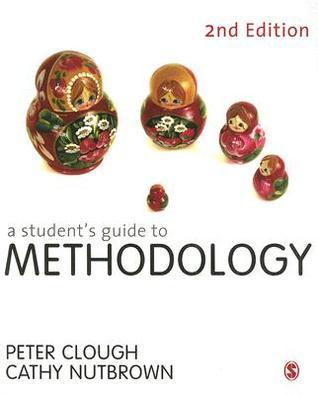
A Student's Guide to Methodology
Essential for anyone undertaking a dissertation or theses, this book presents clear and straightforward information and advice on the process and functions of methodology. Although methodology is normally reported within a single methodology chapter, the authors show how every element of the account-from the framing of Research Questions to the drawing of Conclusions-is a function of methodology. They also clearly differentiate methodology and methods, and explain how their relationship is articulated in practice. This Second Edition includes a range of new examples as well as updated readings and suggestions on using the internet as a research tool and resource.
272 pages, Paperback
First published October 4, 2002
Ratings & Reviews
Friends & Following
Create a free account to discover what your friends think of this book!
Community Reviews
Displaying 1 - 3 of 3 reviews

June 19, 2018
Kitabın anlatımı biraz kuru. Yer yer okuyucuyu sıkabiliyor.
Yazar okuyucuyu yeni bir teze ya da çalışmaya başlamış kabul edip konuları ele alıyor ve bu konularla ilgili, bölüm sonunda ödevler veriyor. Bu ödevlerin içeriğini araştırmacının metodolojiyi inşa ederken halihazırda cevaplaması gereken sorular oluşturuyor. Bu nedenle tez çalışmaları ile paralel okunduğunda çok faydası görülebilecek ve daha keyifli okunabilecek bir kitap.
Yazar okuyucuyu yeni bir teze ya da çalışmaya başlamış kabul edip konuları ele alıyor ve bu konularla ilgili, bölüm sonunda ödevler veriyor. Bu ödevlerin içeriğini araştırmacının metodolojiyi inşa ederken halihazırda cevaplaması gereken sorular oluşturuyor. Bu nedenle tez çalışmaları ile paralel okunduğunda çok faydası görülebilecek ve daha keyifli okunabilecek bir kitap.
April 10, 2025
very nice book

August 27, 2026
This is one of the better research methodology books I have read because it spends less time telling you what to do and more time explaining why you are doing it. The distinction between methods and methodology is something many students struggle with, and this book makes that difference clear early before building on it throughout. By the end, I found myself thinking about research as a series of justified decisions rather than a checklist to complete.
The writing is clear without being overly simplistic, and the examples and activities encourage you to apply the concepts to your own research rather than simply reading about them. It is the sort of book that becomes more useful as your research progresses because you keep returning to different chapters as new questions arise.
My only criticism is that it can feel quite repetitive, with some concepts revisited several times from slightly different angles. There were also sections where the discussion became more abstract than practical, particularly if you are looking for direct guidance on designing a study. Even so, I found it to be an excellent companion for anyone undertaking postgraduate research. It helped me understand the thinking behind good research rather than simply the mechanics of producing a dissertation.
The writing is clear without being overly simplistic, and the examples and activities encourage you to apply the concepts to your own research rather than simply reading about them. It is the sort of book that becomes more useful as your research progresses because you keep returning to different chapters as new questions arise.
My only criticism is that it can feel quite repetitive, with some concepts revisited several times from slightly different angles. There were also sections where the discussion became more abstract than practical, particularly if you are looking for direct guidance on designing a study. Even so, I found it to be an excellent companion for anyone undertaking postgraduate research. It helped me understand the thinking behind good research rather than simply the mechanics of producing a dissertation.
Displaying 1 - 3 of 3 reviews