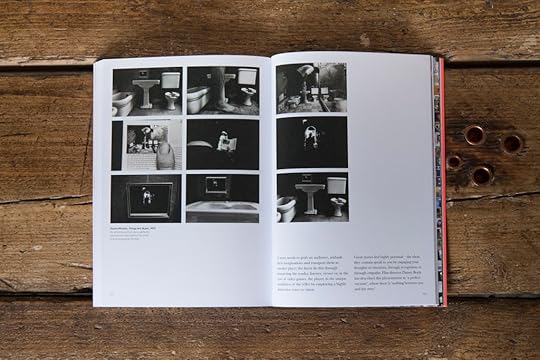
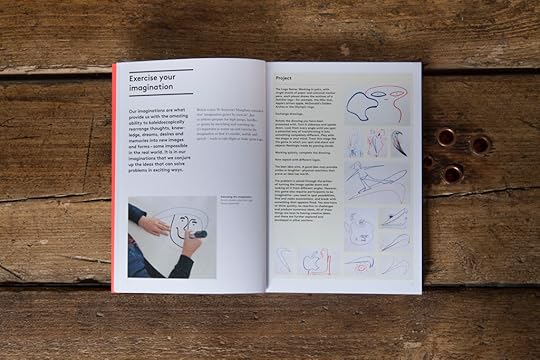
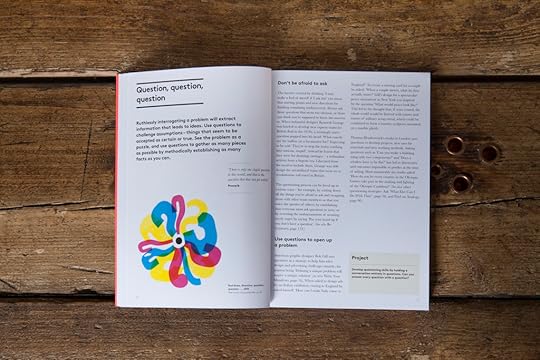
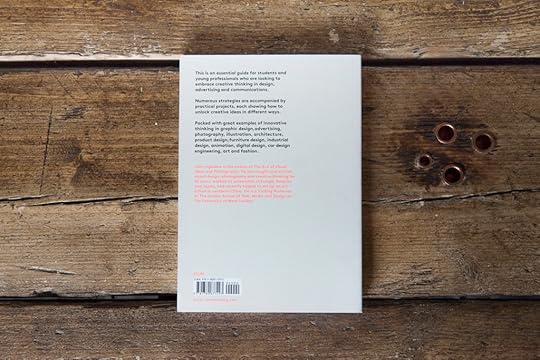
How to Have Great Ideas is the essential guide for students and young professionals looking to embrace creative thinking in design, advertising and communications. It provides 53 practical strategies for unlocking innovative ideas.
Strategies include improvisation techniques, changing the scenery, finding hidden links, looking to nature for inspiration, combining unusual systems, challenging set boundaries and many more. Each strategy is packed with great examples of successful contemporary and historical designs – from a designer dress made out of old converse trainers to ticket machines powered by recycled bottles in China, via the reimagining of famous brand logos and mis-use of photocopiers.
Packed with practical projects to kick-start inventive thought in idea-blocked moments, this book explores creative thinking across all visual arts disciplines.
Останнім часом я взагалі перестав читати книжки не по роботі, а оскільки працюю видавцем, моя робота це читати книжки, і зазвичай я їх читаю перед виданням і тоді це спойлер для ринку, а пізніше писати ревю уже нізя, бо нема коли — на черзі нові книжки. Тому лишається писати про те, що встигається читати в процесі і що не має стосунку до поточного. Наприклад про "як мати вдалі ідеї". Це я прочитав з кількома перервами під час спонтанної поїздки до Франківська. "Книжкою" цей альбом цитат і картинок можна назвати з натяжкою (крутий папір й персиковий пантон!). Це було одне з видань привезених навесні зі стенду Лоренса Кінґа в Лондоні, коли мав мало часу для шопінгу, але шопінг був дуже вдалий фінансово. Коротше, вхопив бо схотілося, зазвичай я розважливіший. Так от, ніхто при своєму розумі не стане читати цей альбом від і до. Це неконструктивно. Задача видання - змусити вас ґенерувати ідеї, коли ідей нема, тож якщо ідей нема, ви відкриваєте на будь-якій сторінці і дивитеся чи є у вас настрій виконувати приписи. • Дійте, як дитина; • Зверніться до природи; • Цінуйте перші ідеї; • Знайдіть зв'язок (направду це і справді гарна пропозиція); • і ще кількадесят у тому ж дусі. Кожен такий припис займає 1-2 розвороти заповнених непоганими чужими ілюстраціями і дуже странними поробками чи фотографіями процесу колективної творчости за алгоритмом припису групою китайських студентів, на яких автор явно випробовував свої методи з перемінним успіхом. Ще там є назва припису (найцінніший елемент!), розжовування припису автором (нездарне), підібрані автором цитати успішніших за нього (доволі вузьке коло, в якому реґулярно трапляються Воргол, Далі, винахідник Джеймс Дайсон і хтось на ймення Томас Гізервік), велемовні підписи до ілюстрацій і так звані "проєкти": пропоновані автором вправи на досягнення результату. Часом автору бракує розуміння що ще можна написати і він починає цитувати прямо в частині авторського тексту ("Як писав видатний британський письменник Вільям Смоерсет Моем..."), а також рясно посилатися на инші розділи з цієї самої книжки, навіть якщо між ними лише пару сторінок. Вдумливий редактор скоротив би всю текстову частину до розмірів твіту, тож будемо вважати, що Джон Інґлдю впорався з креативною задачею розмазування 280 символів на один чи кілька розворотів. Ну і верстка трохи допомагає, це да. Все вищенаписане могло би потягнути на одну, максимум півтори зірочки. Решта ж оцінки спричинена тим, що автор теж розуміє, що зірок (pun intended) з неба не хапає і вся його книжка розлого викладена у змісті. Так от зміст цей і справді хороший. Як людина, чий заробіток повністю залежить від спроможности ґенерувати ідеї, Джон ретельно перелічує достоту всі знайдені людством способи їх отримання (і кілька геть лівих порад ні про що, бо в мінімально дозволений обсяг книжки не вкладався). І на мій смак саме за схемою "розгорнув — прочитав — застосував" книжка працює. Ну, або не працює.
A rather superficial look at creativity, comprised of a lot of quotes from famous creatives, ample imagery but the briefest insights from the author on creativity itself. The book asks merely to be skimmed rather than read and does not have the coherence that it ought to in addressing creativity to any depth. While well-presented and appealing to the eye, anyone looking for an in-depth book on creativity or creative thinking would do well to look elsewhere. It might appeal as a starter book on the topic but the lack of depth on each of the themes addressing and the lack of scaffolding and guidance on the projects that are suggested leaves much to be desired in pursuing guidance on the topic.
Two red flags for me: 1) declaring "winners" in the first project of the book - creativity ought to be about collaboration if a group is working; and 2) a lack of a coherent, clear commentary on the doubt and inner critic that some people may grapple with - there are moments where it is briefly hinted at in passages titled, "Think like a kid" and "Just get started" but the depth of these "chapters" is hardly sufficient to assure people that these challenges are part of the creative process and are worth wrestling with.
A little encyclopedia of creative tricks and practices. It is clearly aimed at students and very young creatives who are still searching for their own process. It might also be useful to art educators or even those, who are hired by the corporate world to save it from a creative block through creative workshops. However, without more context (the book is full of photographs of real-world examples of the exercises in practice, but lacks depth in its textual narrative), it may be quite misleading if read by someone who is trying to apply all tricks at once, in the wrong time and place, without a clear creative purpose.
Don’t be deceived by the very plain cover. This book is oozing with ideas that can jump start your creativity. I am impressed with the 50 concisely explained strategies. Some of these may not be new to me, others are. A few may initially appear a bit lame, but the examples taken from a wide range of visual art disciplines shows different ways these strategies can be applied. I have to admit that the effectiveness of each strategy have tickled my urge to create. Will be referring to this when I have a mental block and recommending this to those creatively challenged.
Denne bog har jeg brugt igennem begge mine semestre på Kunst og Teknologi på Aalborg Universitet. I begge projekter har jeg valgt at genlæse bogen og kan kun konstatere at John Ingledew formår at lave en 'hands on' bog om kreativitet, ideer, processer, design og meget mere. Den er perfekt at tage med i kreativ gruppe proces i starten af et projekt eller arbejdsfællesskab.
A great out of the box approach to creative thinking, with inspiring imagery and heaps of hands on projects to test and practice. A fantastic resource.