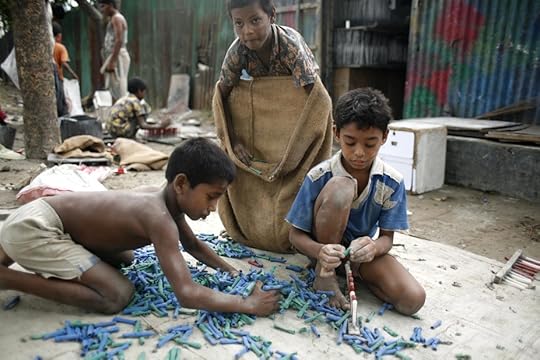
Award-winning journalist David Batstone reveals the story of a new generation of 21st century abolitionists and their heroic campaign to put an end to human bondage. In his accessible and inspiring book, Batstone carefully weaves the narratives of activists and those in bondage in a way that not only raises awareness of the modern-day slave trade, but also serves as a call to action. With 2007 bringing the 200th anniversary of the climax of the 19th century abolitionist movement, the world pays tribute to great visionary figures such as William Wilberforce of the United Kingdom and American Frederick Douglass for their remarkable strides toward framing slavery as a moral issue that people of good conscience could not tolerate. This anniversary serves not only as a commemorative date for battles won against slavery, but also as a reminder that slavery and bondage still persist in the 21st century. An estimated 27 million people around the globe suffer in situations of forced labor and commercial sexual exploitation from which they cannot free themselves. Trafficking in people has become increasingly transnational in scope and highly lucrative. After illegal drug sales and arms trafficking, human trafficking is today the third most profitable criminal activity in the world, generating $31 billion annually. As many as half of all those trafficked worldwide for sex and domestic slavery are children under 18 years of age.
David Batstone, Ph.D., is Professor of Ethics at the University of San Francisco. His book Saving the Corporate Soul & (Who Knows?) Maybe Your Own won the prestigious Nautilus Award for Best Business Book. Batstone also serves as Senior Editor of the business magazine Worthwhile, and was a cofounder of Business 2.0. Batstone appears regularly in USA Today's Weekend Edition as "America's ethics guru."
يوجد الكثير من الاشخاص عندما يتحدث احد أمامهم عن العبودية او تجارة الرقيق يعتقد انه لا يوجد عبودية في ذلك الوقت وان تلك العبودية مضي عليها عقود..وأنه لا يعقل ان يحدث ذلك في عصر الحضارة والانسانية !
ولكن للأسف يوجد ملايين الاشخاص وأغلبهم الاطفال من عدة بلدان مازالوا حتي الان عبيد سواء لغرض جنسي او للعمل او حتي اطفال يتم خطفهم لاستخدامهم كجنود في الحرب .. لأنه يوجد حيونات تذهب للسياحة وممارسة الجنس مع الاطفال ذكورا أو بنات فى تجارة ربحها بالملايين..أو صاحب عمل او يريد عمال بدون أجرة مجرد عبيد لتزيد ارباحه.
الكاتب سرد عدة امثلة من الواقع لنساء واطفال يتعرضوا يوميا للتعذيب او اغتصاب او عنف او خطف واخيرا قتل .. وللأسف في أغلب الوقائع لا يتم محاسبة او محاكمة أحد ومن اتحدث عنهم اغلبهم للاسف اطفال من خمس سنوات لخمسة عشرة سنة يتم خطفهم او دفع ثمنهم لوالديهم الذين يبيعون طفل ليجدوا طعام لبقية العائلة ...
هل نتخيل طفلة ثماني سنوات يخطفها جيش الرب في اوغندا بزعامة جوزيف كوني ليجعلها تحارب..تبدأ الحكاية بأن يتم خطف الطفل ثم يضربوه حتي يطيعهم ويقتل اي مدني من قريته ثم يقولوا اذا هربت سنقتلك او اهل قريتك يقتلوك ويأخذوا بالثأر .واذا ذهبت للجيش سيعذبوك..فلا يعلم ماذا يفعل الطفل وبعد وقت يجد نفسه مرغم علي ان يمارس العنف حتي يعتاده ..فتلك الطفلة يجعلوها محاربة في سن ثماني سنوات حتي تبدأ عامها الحادي العشر ويزوجها لأي جندي ويغتصبها وتكون فى عامها السادس عشر
وقصة لعائلة من عشر افراد فى الهند يقوم رجل بتسليفهم مبلغ ستمائة دولار لشده فقرهم يفرحون بالمبلغ ...ويقول لهم سنمضي عقد عمل في مصنع الطوب ويأخذهم الي المصنع ويقفل الباب ويجبرهم علي العمل يوميا بدون طعام يكفيهم ...ويقول لهم حتي تسددوا ما عليكم..ومن يعترض يتم سحله بل واغتصب نسائهم هو ورجاله..وعندما هربوا اختطف ثلاثة من اقاربها وعذبهم حتي يعترفوا اين هم ...وعندما وصلت الشرطة ووجدوا الرجال المخطوفين وسمعوا شهادات من العشر عمال ولم يتم حبسه يوما واحد!
وذلك ما تكلم عنه الكاتب في كثير من الحالات الشرطة والقضاء اصلا متعانون مع عصابات الخطف او فاسدين وذلك يؤدي الي صعوبة معاقبة العصابات..فتلك ام حاولت الهجرة الي ايطاليا لتأتي بأي نقود لتدخل ابنها المدرسة فيتم خداعها هي وغيرها مستغلين فقرهم ويقولوا لهم سنأخذ جواز السفر ونوصلكم الي ايطاليا عن طريق بلد اخر وفجأة يجدوا نفسهم مخطوفين في منزل عليه حراسة شديدة ومن غير اوراق ولغة غريبة لا يعرفوها ويجبروهم على ممارسة الجنس يومياً..و بعد فترة في صرييا باعوها لشخص في ايطاليا واول من اغتصبها رجال الشرطة ...
بل وفي كثير من الحالات عندما يتم ابلاغ الشرطة بأنه يوجد منزل دعارة به نساء واطفال ذكور او بنات مستعبدين جنسيا يهجم الشرطة وتحبس المخطوفين لأنهم ليس لديهم اوراق ودخلوا البلاد بارواق مزيفة ! وهاجم بشدة الكاتب البلاد التي ترخص الدعارة لأن ذلك يصعب اكثر محاكمة رجل البغاء..ويزيد الطلب علي الجنس فيكثر الخطف والاستعباد
وقصص اخري كثيرة حتي في امريكا يوجد حالات كثيرة مخطوفة ..منهم نساء من الكاميرون يذهب اليهم اشخاص يغروهم بالتعليم والحياة في أمريكا والنقود وعندما يصلون يعملون كخدم في اسوء ظروف بدون نقود ولا تعليم
واب في كنيسة يأخذ اطفال من افريقيا حتي يكونوا في جوقة الغناء ويسهل عملية التبرع ...وايضا يضحك علي عائلاتهم بأنهم سيتعلمون في امريكا...ولكن يعيشون كالحيوانات ويستمرون بالعمل مثل بناء مسرح وهده والغناء كل اليوم. ..
الامثلة كلها مأسي ولكن الكاتب نفسه وعدة اشخاص ذكرهم في كتابه في عدة دول مسخرين حياتهم فقط لمساعدة هؤلاء المستضعفين.. يخاطرون بحياتهم لانقاذ الاطفال ومساعدتهم للتعليم والعمل لبدء حياة جديدة . ...اشخاص تشعر عندما تقرأ ما فعلوه بأنك لا تقوم بأي شئ مهم في حياتك
كتاب قيم وهذا موقع الكاتب وحملته ليس للبيع. https://www.notforsalecampaign.org/ وانشئت مؤسسة ليس للبيع موقع يساعدن المستهلك على الشراء الصحيح وليس من الأماكن والمصانع التى تقوم بمعاملة العمال بطريقة غير أدمية لأننا بذلك نساعده ونزيد من ارباحه ويستمر فى تعذيب عماله وللأسف واضح ان الموقع تم تغيره او الاستيلاء عليه.
صورة تعطينا الأمل من موقع وحملة ليس للبيع فى تايلاند لبعض الاطفال تم انقاذهم
كتاب موجع جداً ويقوّض كل الادعاءات بأن تجارة الرق أُلغيت. كتاب يُظهر الجانب البشع من الإنسان الذي لا يتوانى عن سلب الآخرين حريتهم ويتاجر بأجسادهم لصالح تجارة الجنس والعمل بالسخرة وغيرها من مظاهر الاستعباد التي لا تزال رائجة حتى عصرنا هذا وبأشكال أكثر وحشية ولا إنسانية ..!!
This is a book that everyone should read. Men, women, teenagers. It's not an easy book to read. Not because it doesn't flow or it isn't well-organized, because it is very well-written. But, the material can at times be so brutal and incomprehensible. We don't want to know that the shoes we are wearing were made by children under horrific conditions; and the food at our local restaurant is being prepared by slave labor. It's so much easier to stick our heads in a hole and pretend that all of this ugliness doesn't happen anymore. After all, we have laws against slavery. I mean, it was abolished 100 years ago, right?
Batstone does a fantastic job of taking us, country by country, and showing us just exactly where and how the slave trade works in today's world. How generations of families become indentured in order to bring one person from India to the US.; how seven year old boys are kidnapped and forced to become soldiers in Uganda; how millions of young girls are sold into the sex trade throughout the world. He takes individual cases and we can see the effects that these kinds of servitude have on people's physical and mental states.
But Not for Sale is a call to duty. He asks each of us whether we have it in us to become modern day abolitionists. He describes in detail the signs to look for, both here in the US or if you are traveling abroad, signs that people are being held against their will. And he profiles the many heroes who have stepped up to the plate and said, "Enough is enough. It is time to do something." We all were horrified at the atrocities of Rwanda, and yet there are many Rwandas happening slowly but surely all over the world and most of us stand by and do nothing.
It will be very hard for me to simply read this book and slip it quietly back onto my book shelf. If you read it, be prepared to feel a need to take action. And Batstone does give you some tools for doing so, aside from leaving your husbands and children and flying to Chiang Mai. There are things that we all can and should be doing. Who said that all it takes for evil to triumph is for good men (and women) to do nothing? Here is a classic example. Please read the book. And PLEASE, do something.
Here in lies my passion... Do you ever just cry out to God and say why am I here? What passion have you given me? What can I do? Say it and I'll go. Well, I did. And the first thing God presented to me was the issue of human trafficking. I suppose God thinks a lot of me or at least He knows He can do a lot through me since this issue is overwhelming. 6 months ago, I really had never heard the phrase. It certainly hadn't resonated with me. Now I think about it constantly. I wonder if that is the reason God draws my heart toward Nicaragua. It isn't famous for trafficking. At least not yet. I feel Chinandega and other rural communities near Managua are the perfect spot for it to sky rocket. Trafficking thrives on places where no one believes it exists and the law enforcement do nothing to stop it. I imagine that since many of the men are dying at an early age, women and children are being left in an already poor circumstance, without a provider. This is the perfect environment for the Johns, the captors or slave holders. They can prey on victims who will eagerly give their children a chance at an education or a better life not realizing they are handing them off to sexual slavery.
This book rips at your heart. It breaks it in to a million pieces and makes you weep for distraught Cambodian girls stuck in a place where they are raped at least 12 times a night. Or in Uganda where young men are forced to become child soldiers and kill mercilessly. Or in the United States, yes, our precious country, in Virginia or California or Indianapolis on West US-40 at a massage parlor. Read this book, research trafficking. Your life will be changed. Your heart will break. Your feet will begin to move. And perhaps YOU will become an abolitionist. I used to dream I could have been Harriet Tubman. I wanted to provide freedom to the oppressed. I wanted to face danger and have a hammer thrown at my head because I adamantly believed in the freedom of all human beings. I was almost taken aback when I realized there are still difficult and amazing endeavors to join. I still have no idea where God is leading me in this passion but my heart is stirring. I am ready to obey.
It is estimated that around 1 million people, mostly children, are kidnapped every year by organized crime circles. Most of these victims are then trafficked into foreign lands and sold to pimps/brothel owners wo in turn will have them raped, by paying customers, several times a day until their bodies become completely ravaged by the abuse and disease... usually before the age of 25. This book takes a global look at the problem by addressing what is going on in most every continent. The author chronicles the lives of several real-life victims that have escaped slavery, and tells the story of some ministries and NGO's (non-governement organizations) addressing this global crisis with their various means and strategies. Perhaps the greater tragedy is that most of the church is either indifferent or ignorant of this problem and very little is being done.
Everybody should read this book. If you think slavery was stamped out in the 1800's you would be very much mistaken. 27 million people are currently enslaved in the world, half of them are under the age of 18. This book is a call out for the modern abolitionists to save them. The book is set up in chapters covering sexual slaves in Cambodia and Thailand, the child soldiers of Uganda, sexual exploitation in Europe, the lost children of Peru, and even slavery in our own backyards in the US. Parts of this book were very difficult to read but necessary to understand the problem. The stories were so heartbreaking and they made me angry but just when you feel ready to give up on humanity there is hope in the form of someone who makes it their life mission to save these souls from destruction. Often they do so at great peril and personal cost. Since reading this book I have learned that I live in the state with the third highest amount of slaves in the US. The recent Superbowl is the number one sex trafficked event in the US. Thankfully more and more people are becoming aware of the hidden slaves in our midst. I saw on the news that the police who were working the Superbowl were warning potential sex traffickers that they were more likely to come in contact with a pair of handcuffs than a victim. This is exactly the vigilant attitude that everyone needs to have. A woman from my own state took her fifteen year old daughter up to the Superbowl in order to pimp her out but fortunately the girl end up meeting with a police officer instead of an abuser. We don't have to look far to find the victims who need our help. The author ends the book with some excellent advice that can aid anyone who wants to join in the fight to end slavery. As the author points out we are at a critical juncture for human rights and everyone is needed to stand up for those who cannot stand up for themselves. "I am not for sale. You are not for sale. No one should be for sale."
This book is a must-read. Batstone first learned about human trafficking (i.e., modern slavery) when he discovered the waitresses at his favorite Indian restaurant were slaves. The point of this book is to inspire a new wave of abolitionists who will work against slavery in all its guises throughout the world. Each chapter is a blending of two stories (or more): one of a slave and one of a person who created an organization to fight slavery. So we read about forced prostitution (sex slavery) in Thailand and Cambodia while learning about two organizations working against it, NightLight Design and the Hagar Shelter. Then we learn about bonded labor (slaves forced to make bricks) and the work of International Justice Mission. The third chapter is about child soldiers in Uganda and the work of World Vision there. In chapter four we return to the issue of sex trafficking, but this time in Europe and we learn about the work of Padre Cesare in Italy to rescue the girls. Batstone does not attempt to whitewash the issue as the story in chapter five, of forced prostitution in Peru, is of a girl who continues to work as a pimp despite the best efforts of Lucy Borja and her center that works against the trafficking.
Finally, Batstone brings it home to the United States with in the final chapter writing about the Polaris Project, started by a couple of college students to bring the evil of modern slavery to light. Here he tells the stories of a group of Zambian boys brought to America and forced to tour churches and sing to people who had no idea they were hearing the voices of slaves. This chapter, along with the conclusion, is a call to any and all of us to do what we can to end slavery in our lifetime. This is a book to read and give to friends and family. Many of the abolitionists he speaks of are people who were pulled into this work and bring unique gifts to the table. It is a powerful book written on a level for anyone to read.
"Not For Sale" is one of those books that will leave in an indelible mark in your being. David Batstone has written an eye-opening account on the existing crisis of global human slavery. This fascinating book will take you through various personal accounts of the victims, survivors and abolitionist activists. It is a mind-changing, inspirational book that is a call for action. This 320-page book is composed of the following six chapters: 1. Shining Light into the Sexual Darkness: Cambodia and Thailand, 2. Breaking the Chains of Bonded Laborers: South Asia, 3. Rescuing the Child Soldiers: Uganda, 4. Undermining the Sex Syndicate: Europe, 5. Sheltering the Lost Children: Peru, and 6. Building a New Underground Railroad: USA.
Positives: 1. Wow! Where can I begin? It's a well-written, well-researched, fascinating look at the evil of global human trafficking. 2. This book grabs you, overwhelms you and it ultimately changes you. 3. An eye-opening book about the current form of human trafficking. 4. The author treats this subject with utmost respect and compels the reader through common moral decency. 5. Enough facts to ground the seriousness of the issue of human slavery but it is the author's ability to convey the stories in a lucid manner that drives this gem of a book. 6. This is in fact a global issue! 7. It's an inspirational book that compels you to do something. Mr. Batstone does a wonderful job of inspiring a modern-day abolitionist. 8. Very good quotes abound. "A moral obligation cannot arise from an immoral act". 9. How poverty rips apart a community. 10. The wonderful inspirational stories of the many activists who care. 11. The tools of the slave traders and how they use them for their evil purposes. Coercion and deception among them. 12. The heart-ripping stories of children being sold into the sex trade. 13. The story of a good lawyer...who knew? 14. How the rich and powerful can work around a corrupt system. 15. The evolution of the traffickers. 16. The interesting take of how Germany and the Netherlands handle prostitution. 17. The impact of corruption. 18. Leveraging international diplomacy and its impact. 19. The process of enslavement explained. 20. How to deal with the problem? Recommendations from the activists. 21. The facts from the published report: "Hidden Slaves: Forced Labor in the United States". 22. A sound strategy on what can be done to fight the evil of human trafficking. 23. A great conclusion chapter on how to end the slave trade in our time. 24. A great list of anti human-trafficking resources. 25. Good notes reference.
Negatives: 1. It uses flashbacks to tell the different stories. At first a little confusing but once you get into the rhythm of the stories, it works well. 2. Illustrations and charts would have added value. 3. Having to wait for Mr. Batstone's next book.
In summary, "Not For Sale" is a captivating book that must be read. It's heartbreaking, it's emotional, it's gripping but ultimately it's inspirational and educational. Human trafficking is an evil that must be eradicated and the author does a wonderful job of providing the inspiration and guidance to do so. Bravo!
Further recommendation: "Infidel" by Ayaan Hirsi Ali.
#ليس_للبيع #ديفيد_باتستون يعتبر الكتاب من الكتب التوثيقية الذي يشبه الى حد كبير فيلم وثائقي على احدى القنوات الاخبارية .. ولكنه أكثر جاذبية .. حيث يروي الكاتب قصص متعددة و يمرر بعض المعلومات الاحصائية بين احداث القصة فلا يبعث على الملل .... يتألف من 6 فصول و ينتقل فيها من تايلند الى الهند الى اوغندا الى اوروبا والبيرو والولايات المتحدة .. وفي كل بلد هناك حالة من الاستعباد مختلفة عن الاخرى ... هناك اعمال السخرة وهناك الاستعباد الجنسي والمومسات وهناك تجارة الاطفال والعمال المستعبدين وشبكات التهريب ... كتاب مؤلم و مؤثر و مليء بالمعلومات التي كانت غائبة تماما عن ذهني و اذهان الكثيرين مثلي ... فغالبا ننظر الى العاملات في مصانع الخياطة او في محلات التدليك او الخادمات المنزليات على انهم فقراء يسعون الى لقمة عيشهم و لا ننظر ابعد من ذلك .. هذا الكتاب يشرح ما يجري وراء الواجهات البراقة التي نراها .. حتى ما وراء كيس الأرز الذي نشتريه بمبلغ زهيد او احد القمصان القطنية التي نرتديها ولا ندري ما حصل حتى وصل الينا بثمن بخس ... ماذا عن حقدنا الدائم على السياحة الجنسية في تايلند وعما تقدمه من خدمات لزبائنها .. هل نعلم شيئا عمن يقدم هذه الخدمات و يرفد اقتصاد البلاد !!... ماذا عن الصراع في جنوب السودان و ما يحوطها .. من هو جيش الرب المؤلف من الأطفال !!! ... حتى ان احد الفصول يشرح خلفية الجوقات الغنائية الكنائسية التي تتألف من الاطفال الذين يرق قلوب الاغنياء لهم فيتبرعون اكثر ... من هم هؤلاء الأطفال .. كيف وصلوا الى الولايات المتحدة و من هم اهلهم ؟؟
وعلى الجانب الآخر يروي الكتاب جهود الناشطين ضد هذه العبوديات و ماذا يقدمون لهم حتى يصل في النهاية الى حملة ليس للبيع التي أسسها الكاتب عام 2007 و ازدهرت كثيرا حتى وصلت الان الى ما وصلت اليه .. أنصح كثيرا بالكتاب #علا
موجع هذا الكتاب ومليء بالألم لا سيما إذا أخذنا بالإعتبار أن كل ما كتب فيه هي قصص وحوادث حقيقية وقعت في نفس العالم الذي نعيشه اليوم!
أقرأ وأتعجب، أشعر بأن هذا العالم كبير إلى درجة حدوث أشياء لا نتوقع حدوثها في هذه الأيام. عالم وحشي هو هذا العالم الذي لا نراه. هل فعلًا ما زال عدد البشر العبيد يفوق ٣٠ مليون إنسان في جميع أنحاء العالم؟ إنسان سلبت حريته وحقه بأن يعيش حياة كريمة، إنسان يباع ويشترى وكأنه سلعة! فعلًا شيء يوجع القلب وما يوجعه أكثر عدم معرفتنا أو تجاهلنا لهذا الموضوع المهم.
أغمض عينيك للحظات وتخيل أن في نفس هذا الوقت الذي تجلس به في أمن وأمان هناك الملايين من البشر -نساء وأطفال- يتعذبون ويجلدون على يد ناس امتلكوهم، أو يُغتصبون، أو يرتعدون من الخوف من مصير مستقبل مجهول. يا الله كم هذا العالم ظالم!
ليس للبيع، عنوان حملة عالمية أطلقها مجموعة من الناس الذين يقفون في صف الحرية وضد العبودية في ٢٠٠٧، وهو أيضًا عنوان الكتاب الذي مؤلفه هو أحد مؤسسين هذه الحركة يروي أحداث حقيقية لشخصيات عايشت معنى الرق والعبودية وعانت في سبيل الخلاص. ويحكي الكتاب أيضًا عن دور الدول والحكومات في مواجهة وتحرير العبيد وأخذ حقوقهم. تمتلك الحملة موقع إلكتروني للراغبين بالإنضمام للحملة أو للتبرع لها بنفس إسم الكتاب "Not for sale" .
الكتاب توثيقي مهم جدا ، بأسلوب القص التراوحي، بمعنى أنه يبدأ بقصة إتجار بالبشر معينة، فيدخل نصا إحصائيا وتقييما، ثم يعود للقصة، وقد يقدم قصتين متداخلتين معا، كمسلسل تلفزيوني بشع تمارس فيه كل الأنواع الوحشية والرذيلة، التي لاتخطر على بال، إنه مثير للصداع فعلا رغم محاولة إتقان العرض وطرح حركة "ليس للبيع" للانضمام إليها، وهي مهارة المؤلف، لكسب المزيد من المؤيدين،فهل قضية الاتجار بالبشر تعفي من قضية الاتجار بالعقل؟؟؟. كان وضع 3 مستويات للبلدان التي تضع القوانين وتلزم بها، ومن تضع ولاتلزم ، ومنها مالاتضع ولاتلزم أحدا بها، ومنها صنفت سوريا بكل حزن.... ماذا يعني هذا بالله عليكم؟. لقد قالها في الصفحة 168، مامعناه أن السم يجب ان يبحث عنه من أصل منبع النهر لا منه فقط.، دعوة صادقة لقراءته ومناقشته.
An important that book that focuses on the horrors of the modern slave trade and some of the activists trying to deal with the issue. However, Batstone has little to say about the systemic problems that permit such slavery beyond poor law enforcement. Some more material on the demand side of slavery would have been a great addition to this book.
This book was a heartbreaking and difficult read. It described modern, global slavery, including here in the US (although the US examples, as terrible as they are, seem tame when compared to many of the horrors described).
Despite the diverse locations and types of slavery, slavery and human trafficking stories have common themes. Slavery and human trafficking exploit the weakest members of society. These are usually people who live in poverty or in an unstable community (refugees are a prime target). The government and justice systems of the countries the victims are trafficked from, trafficked to, or both are willing to look the other way (because the government is corrupted or not powerful) or they treat the victims as criminals (e.g., treating underage sexual slaves as prostitutes or trafficked people as illegal immigrants). These factors together work to create a human slave trade with a large supply base and few real consequences for human traffickers.
The traffickers gain power over their victims by first recruiting those with little social power, often taking advantage of a crisis in a family or community. The victims are removed from their home communities and taken to communities where they are looked upon as undesirable outsiders or even criminals. The victims lose all control of their life and are often threatened with violence towards themselves or their families if they attempt to escape. The victims are treated as nothing more as a way for the slave holder and traffickers to gain money.
That is the dark side of the story. There is no sugarcoating how terrible it is. However, there is a movement to fight human trafficking and slavery. This movement has several objectives. First, victims of the slave trade should be rescued, cared for, and taught how to rebuild a life that may seem hopelessly torn apart. Second, the movement hopes to use and strengthen laws against slavery and address the corruption in many locales that causes members of the justice system to look the other way or even participate in the slave trade. Finally, the modern abolition movement hopes to decrease the factors which make people so vulnerable to human trafficking in the first place. This includes deterring potential oppressors, providing economic and community stability to at-risk communities, and giving local authorities the knowledge and power they need to recognize and stop slavery.
This book left me with one urgent question: How am I going to help? Well, I do not know of too much I can do, but here is how I will start. My husband and I have been looking for good causes to donate too, and we will certainly put some of the organizations mentioned in this book high up on our list (especially those that focus on the community strengthening, educational, and vocational training aspects of ending slavery). I have signed up for the weekly newsletter on the Not For Sale Campaign website to keep the issues in my consciousness. When I am looking for gifts, I will check the various stores that sell the products made in the vocational training of former slaves such as the Made By Survivors store and Night Light Design. These actions are not nearly enough, but maybe my little bit will help, and maybe, just maybe, my increased awareness will help me notice if I come across an opportunity to do something more.
This book tackles a distressing topic and examines the many forms of human trafficking that occurs across the world including forced workers, child labor, forced prostitution, and even child soldiers. This book is very thorough and covers the many different forms that slavery can take through personal stories of both victims and activists. This book describes some pretty terrible things which are difficult to read, but these descriptions give you a scope of why human trafficking is such a crisis. This book provides a lot of information, but I can't help but feel that it is somewhat lacking in a few areas. This book is long on content, short on actual method. The author insists that any average person can combat global slavery, but doesn't provide a lot of ways that are feasible for the average person. The example he cites is when he went to El Salvador to help out with no real plan in mind. Don't get me wrong, his efforts are truly admirable, but I have a decent job and I still lack the necessary funds to travel to travel out of the country. I wish he had offered more practical advice for people who want to help, but can't make it to the different countries (especially since it is occurring in the United States). To his credit, Batstone does focus on many helpful organizations who are combating the problem, but I wish he had more suggestions about how to combat the systems that keep the practice of human trafficking alive. What political issues need to be raised? What legislature needs to be put in place? What local organizations and institutions should I seek out in my hometown. I also wished that he had gone into a bit more detail about how to ensure that your support/money makes it to organizations that will help and avoid organizations that are trying to take advantage of "voluntourism" and "slacktivism" (thought to be fair, the Kony 2012 disaster had not yet occurred when this book was written). While I wish this book had a bit more info for the average person, it does give a pretty conclusive look at the issue of human trafficking and will hopefully encourage a bit more conversation about a tough topic.
"Human trafficking can only work if the victims remains invisible to the public eye". David Batstone's excellent book on human trafficking and slavery is captured perfectly by this quote from the book. Each chapter takes you through a different country and a different form of slavery, opening your eyes to the horrific travesties that are often occurring right under our noses. Ignorance only serves the traffickers and those benefiting from this, and if knowledge is the best defense and way to fight , then Mr. Batstone has done us all a great service.
If possible, I truly "enjoyed" reading this book (though the subject is heart-breaking). It was written in a very "down to earth", easy to read, comprehensive manner, and provided a wealth of information. I believe we have a responsibility to educate ourselves and read books like this; it could so easily be us in these precarious, detestable situations. We are very lucky. My hope is that by educating ourselves and therefore becoming more aware to the atrocities around us, we will have the ability to make a difference and stand up for those who have been subjected to this. Educating ourselves will perhaps make us stand up to the traffickers, governments, and corrupt police and legal systems, and take notice to the lives around us, and make it that much more difficult for those profiting from this human slave trade.
It is sad to know that this is happening anywhere and everywhere--all around us, and instead of turning a blind eye, David Batstone has delved into the world of the victims and survivors to cast a light on these sadly ubiquitous, criminal, and cruel acts.
I found this book inspiring, informative, and compassionate. David Batstone provides numerous websites for those who are interested in pursuing the topic further and provides great tips on how we can make a difference and help. I highly recommend reading this book--for anyone and everyone. This is a great forum for starting a conversation, learning more, and hopefully making a step towards eradicating slavery once and for all.
"وإذا تركت وسط أي مدينة كبرى في العالم، وذهبت إلى أماكن الاكتظاظ السكانيّ، والأمكنة الخلفية فيها، فمن المحتمل أن تجد التجارة بالبشر واسعة الانتشار هناك. بل وربما تكتشف أن العبودية تمارس في جوار بيتك، وحتى في حديقتك الخلفية".
كتاب قاسٍ ومرهق استهلك الكثير من روحي ووقتي.
يتناول الكتاب مسح لقصص من مشاركين حول العالم في حملة أطلقها مؤلف الكتاب تحت اسم "ليس للبيع"؛ التي تُعنى بتسليط الضوء ومساعدة الأشخاص الذين وقعوا فريسة للاتجار بالبشر، والتي هي واحدة من أكثر التجارات ربحًا في العالم.
ويركز الكاتب على تناول قضية الاتجار بالبشر على اختلاف مسمياتها وطرقها كالاستغلال الجنسي التجاري وغير التجاري للأطفال والنساء خصوصًا، والعمل بالسخرة، وأسر المهاجرين غير الشرعيين والاتجار بحاجاتهم، وشبكات التهريب السرية العالمية وعدة قضايا أُخر.
يشمل البحث مسح واسع لمناطق مختلفة لمواطن العبودية حول العالم، ويظهر -في معظمها- ثنائية منظمة وهي على الشكل التالي: أن المشكلة تُخلق في الدول النامية وتتنامى بسبب الطلب -الجنسي مثلًا- في الدول المتحضرة والنامية على حد سواء، وفي حالة الكتاب المعسكرين الشرقي والغربي كرديفين للممارسة غالبًا..
ويناقش الكتاب أسباب ارتفاع معدلات الاتجار بالبشر عالميًا وأبرزها الحروب والفقر والانفجار السكاني والتفكك الأسري والبطالة، وغيرها من الآفات التي يرافقها في كثير من الأحيان الفساد الحكومي الواضح والتواطئ من قبل الأجهزة الأمنية، وهذا يظهر جليًا في حالة دول أوروبا الشرقية مثلًا التي تنشط بها هذه التجارة والفساد المؤسساتي..
من الدول التي تطرق إليها الكتاب: تايلاند، الهند، أوغندا، أوروبا (الشرقية تمثل الآفة والغربية تمثل الطلب على الآفة)، البيرو، الولايات المتحدة، السودان، الكاميرون وروسيا وغيرها.
Not for Sale provides a snapshot of the problem of human trafficking as it exists in the 21st century. The book is intended as a primer on the subject for a general audience, and it is useful as such. The author provides snapshots of particular problem areas within human trafficking (child soldiers in Uganda, sexual slavery in SE Asia, forced laborers in India and Pakistan), and highlights the people working to solve these difficult problems in equal measure with the problems themselves. If the book only focused on the problems, it would be overwhelmingly depressing.
I believe this book was also intended for an audience that includes school-age children. Because of the difficult and frightening subject matter (including statements about rape and sexual experiences, though no detailed accounts), it would not be appropriate for younger children. My 5th-grade nephew is 11, and he read the book and learned a lot from it. But he is exceptional ("twice exceptional" as they say in some educational circles), and I'm sure he is on the younger end of the age-appropriate spectrum for this book.
If you already know about human trafficking, this book probably will not enlighten you much. But if you are looking for an easy-to-read beginner's guide to the problem this book is for you.
How this works - there is a chapter about each area of the world so the reader cannot mentally squirm out with a 'this doesn't apply to me' statement and then there is a sum-up followed with the organisations that are trying to help these slaves.
This was so distressing that a chapter a day sufficed and that chapter was early so I could cover it over with enough 'other material' before hitting the truckle. I found the stories of those representing church/organization/charity engaging themselves in the rape of those they are supposed to be helping, were the very worst of the tales.
Hard to know how to rate a book dealing with such revolting human behaviour, so I stick with the middle line.
"Not For Sale" is a captivating book that must be read. It's heartbreaking, it's emotional, it's gripping but ultimately it's inspirational and educational. Is one of those books that will leave in an indelible mark in your being. David Batstone has written an eye-opening account on the existing crisis of global human slavery. This fascinating book will take you through various personal accounts of the victims, survivors and abolitionist activists. It is a mind-changing, inspirational book that is a call for action. Human trafficking is an evil that must be eradicated and the author does a wonderful job of providing the inspiration and guidance to do so.
"In our world today, more than 30 million people live as slaves. The power is on the side of the oppressors at the moment, but the number of abolitionists is on the rise. They will wipe away the tears of the oppressed and deliver justice to the oppressors. The movement gains momentum each time a new individual joins. It's your time. We need you. I am not for sale. You are not for sale. No one should be for sale."
The content of the book is truly something that every person should be made aware of. Given that the author is both a Professor and a writer, I was disappointed in the structure and writing of the novel. These two things made the book a struggle to finish - it was that bad.
There is so much going on in the world that we have no clue about. Everyone needs to read this book to open their eyes to what is going on in the world around them and how we need to get out of our comfortable state of mind.
Everyone needs to read this book. No really. READ THIS BOOK. It's not the best written book ever (thus the three stars) but it is vital! We can totally fight this!
A good primer for anyone who wants to understand the global scale and social forces that make human trafficking one of the largest global industries. David Batstone has been working at the front lines of this battle for decades, and shares both the broad scope and the personal stories that make it real to the reader. He also details some of the interventions and explains the challenges and successes. For example, IJM is frequently mentioned as the organization that takes a law enforcement/litigation approach to human trafficking, while Batstone's org(s) take the economic "upstream" approach. There is not much discussion of policy or the economy of personal choices in this particular book, but it paints a clear picture of how this vile issue transcends political party, having seen strong activists from both the left and right of the political spectrum. My one criticism is that it has a rather expected and typical Christian American horror at sex trafficking, while being predictably less horrified by more common labor rights abuses. It's not that it dismisses them, but having grown up in a context that is certainly much more concerned about the salacious forms of trafficking, even though these are less common, I am always looking for how much pearl-clutching is used to inspire donors and activists. And there is a little in this book. But overall it's a very strong read and will hit hard if you're not familiar with this enormous tragedy.
The book Not For Sale, published in 2007 and later revised in 2010, was written by University of San Francisco’s Business and Ethics Professor, David Batstone. Batstone has written 5 novels, Not For Sale being dedicated to the 30 million trapped in slavery. From India to Europe to our own backyards the novel discloses bona fide stories of child soldiers, slave labourers as well as the truth behind sex slavery and trafficking. The heart wrenching truths are not told in solitude as they are always connected to the work of abolitionists standing up for the rights and freedoms these slaves deserve. Not For Sale provides an insider’s view into the corrupt factories in India, the Brothels bursting at the seams in Thailand, the children fighting wars in Uganda and the orphans being from the abandoned and killed on the streets of Peru. Yet, Batstone not only provides an unparalleled perspective as to where the source of this brutality is coming from but he additionally equips readers with examples of how these horrors can be stopped and continuously encourages one to stand up change what is occurring across the sea and in the developed world. Be it sex slavery, slave labour or child soldiers, fighting to resolve these issues is no easy feet. As Merriam-Webster Dictionary defines an Industry to be, ‘a group of business that provide a particular product or service’ these issues transform into larger industries bigger than governments and exploiting 30 million allowing human trafficking as a whole to generate in total roughly 32 billion dollars annually. In each industry there are multiple variables that contribute to the complexity of each however, Batstone draws a connecting line through all to show the continuous advantage taken and manipulation of the poor and less educated. The novel also shows the abuse of gaps in the legal system and social customs for example, police partaking in the purchasing sex slaves in Brothels, alerting traffickers and brothel owners of upcoming police raids, as well as those in power in developing areas partaking in the societal belief that women, children, and men are objects to be used and abused at their owners disposal. Collectively these factors contribute to an emotionally scarring experience for the individuals involved, increasing the difficulty for abolitionists to rescue and help victims. It is not uncommon for captors, military heads, and brothel owners to abuse and rape victims but also threaten their lives as well as their families. Additionally, the trust is not easily won by victims as they are told lies of abolitionists convinced that more abuse is ahead if they leave their captors ‘protection’. One example to combat this was in the World Vision camp in Uganda, working to rescue child soldiers, upon the arrival of recently rescued children they are greeted by others that have found refuge with open arms, music and dance. However, in other situations this welcome is not feasible Batstone tells stories of abolitionists walking into Brothels instead of paying for services they give the young girls an opportunity to leave; come with us and we will help you rebuild your life or stay here, often the girls choose the first option. With the remarkable work done there comes great risk. Abolitionists and volunteers often receive death threats and must be prepared in case of a violent situation arising. As stated earlier it is common local law enforcement is involved with or support the industries so it is surprisingly tough to receive police backing when trying to rescue victims and insure justice. As Batstone explains, the organization Not For Sale is lucky to team up with The International Justice Mission, that focuses on enforcing the law in addition to local abolitionists yet, issues continue to arise when the police and the individuals who are supposed to vouch for the rights and freedoms of each civilian are immoral. Modern day slavery is an issue so immense and complex, one can feel as though they have already been defeated prior to the start of the war. However, Batstone and his fellow abolitionists have not allowed their work to be swayed by this. To start one can look into the source of the products they buy and switch to more ethically certified brands, educating oneself on the occurrence of sex trafficking in areas we live and work, supporting organizations like International Justice Mission and Not For Sale, and using our voice to refuse to accept what is going on in the world within and voice that to our school community and government through outlets like Amnesty International, for example. This book eloquently and informatively delivers the truth to what is occurring all over the world and helps shine light on what can be done to fight this epidemic. The books provides heavily researched facts and outlets for one to continue sourcing information, in addition to this the use of individual stories transfigured this read into a far more personable and emotional experience. Yet, the novel could provide a little more insight and view of these issues from looking at the larger impact with in the areas opposed to the individual perspectives to allow readers to see how much more immense the human trafficking industry is.
I read the first edition of Not For Sale, and now I've read the second. My enthusiasm is undimmed. Still, there is need for a third edition, because the links in the Afterword are outdated: the slavery map has become something in (Chinese?) whose illustrations do not indicate any relationship to the original.
Slavery still exists all over the world. The US is no exception. Learn about those dedicated to fighting it and see how you can help. This is not an easy read but it is critical.