So What if The Author gets a Fact Wrong?

Research books
Does it bother you if you find a fact wrong in a book?
How about a magazine article or even a blog post?
Do you think, “well, anyone can make a mistake,” and let it go? Or do you even pay attention?
I’m a stickler for facts. Maybe it’s because I trained as a newspaper reporter where, if nothing else, we were to make every effort to get the facts right. Wrong facts doomed the story and if you turned in enough articles riddled with error, you’d be fired.
Reporters and writers are supposed to get the facts right.
I think it’s even more important for an author. We aren’t caught in the fluid moments of an unfolding news story. We’re expected to be the experts on our particular field–whether it’s a novel or a history book.
That’s why I spend so much time checking and rechecking my facts. Because I’m currently writing a book set in World War I and I’m not an expert on that time period, I must google and search the Internet for every three or four paragraphs I write. I cannot abide wrong facts–it’s sloppy writing and probably slopping thinking.
What’s your reaction when you find a fact wrong in a book?
The first time I see an error, I usually crick my neck and think, “what?”
I assume the author has done his homework and so I wonder, “maybe I didn’t remember that right.”
But finding a possible error makes me uneasy and I become alert. Sometime I look up the fact and if I discover I’m right and the author wrong, my emotions are mixed.
I feel smug. I also feel disappointed.
But I’m also irritated if not irrationally angry.
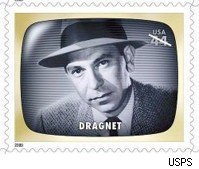
“Just the facts, Ma’am.”
It’s the writer’s job to get their facts right.
Obviously in writing fiction, authors are making up the story. The words and actions come from their mind. But unless they’re writing fantasy or science fiction (and often even if they are), the setting needs to be based in fact. Gravity pulls things down. The sky is overhead. Water runs to the sea. George Washington was the first president of the United States. The Atlantic Ocean separates north American from Europe.
Of course I don’t want to be bored with just facts, like some sort of Joe Friday Dragnet story, I want and need color. But there’s a difference between telling a story in an imaginative way and muffing the obvious.
Don’t make me not trust you.
Some of this, of course, is the editor’s responsibility to question the author and make sure they’ve done their homework. As I’m writing my current book, I’m making notes of pertinent facts that might be questionable, citing the reference when necessary.
That, however, is a story for another day. You can read Editor Jamie Chavez’s opinion right here.
Breaking the author-reader trust.
I’m currently working my way through a best-selling book right now; I’m in chapter six.
I didn’t know much about one historic character used for background and I got excited about how I could use the stories as research for my own book.
The famous author’s main subject, however, is one I’ve studied for most of my adult life. I know the facts very well.
I bet you know a lot of them, too.
The author got paid a lot of money, but he’s getting his facts wrong.
I don’t trust him any more.
Which makes the book so less enjoyable. I have to read it. I need to know the information. But how can I know if the things I don’t know are correct or not?
There’s the rub for me.
How about for you?
If the author gets basic facts wrong, why trust the rest of the book?

The post So What if The Author gets a Fact Wrong? appeared first on Michelle Ule, Author.