What’s In It for Me? A Book for Whatever Interests You
Over the past two weeks I have attended two very different education conferences. One was AASL—The American Association of School Librarians; the other was NYSCATE—New York State Association for Computers and Technology in Education. If I had just attended the first one, I would have thought we authors were doing really well. Many people recognized me from my nametag—a heady experience. (Although not everyone recognized my name, a sufficient number did, so I felt like I’ve made some progress over these years.) At the second conference, I was anonymous although my session: “Authors Collaborating with Teachers and Students” was particularly well attended. Obviously, librarians know about and value authors. Technology teachers have a lot to learn.
This conclusion was not news to me. Four or five years ago, I did my very first videoconference (Skype-type visit) with a school in Pennsylvania. I had been hired by the tech teacher who was looking for something of educational value for her classroom-teacher colleagues. Although my presentation wasn’t about any particular book (it’s called “Science Surprises”) I did mention that some of the tricks we were doing were in my book We Dare You! The tech teacher’s evaluation of my presentation was not a rave. She said something like, “I didn’t hire you to do a book commercial.” When I explained that writing books was what I did, she countered that she wanted me to present material that wasn’t in my books. I mentally sputtered a protest: “But my best stuff is in my books..” My take-away is that you have to set up the proper expectations for a program, especially for people who don’t get what authors are about. And there are a lot of them out there.
According to the Jenkins Group, a book publishing services firm, only 30% of Americans read books. Less than 15% read books on any regular basis. One third of high school graduates never read another book for the rest of their lives. Forty-two percent of college grads never read another book after college. Eighty percent of U.S. families did not buy or read a book last year and 70% of U.S. adults have not been in a bookstore in the last five years. Fifty-seven percent of new books are not read to completion and half of those are not read past page 18. I would be curious to know how much teachers read. If a child asks a question on a subject that the teacher doesn’t know the answer to, does the teacher suggest that the child look up the answer on Google or get a book on the subject? When it comes to teaching content, does the teacher rely on a textbook or explore the availability of other books for children on the same subject? We authors and readers of this blog live in a bubble. Books are so ingrained in our lives we can’t imagine living without them. But if we are going to produce a generation of college and career ready students, as per the CCSS, we are going to have to sell our non-book-reading colleagues on the value of books. Here are a few suggestions:
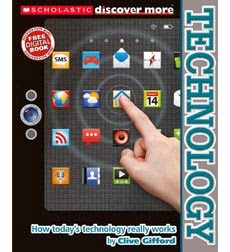
Technology teachers and their students might want to read:
Technology by Clive Gifford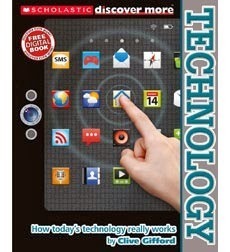
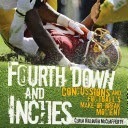
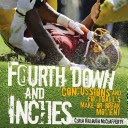
Physical education teachers and their students might want to read:Fourth Down and Inches by Carla Killough McClafferty
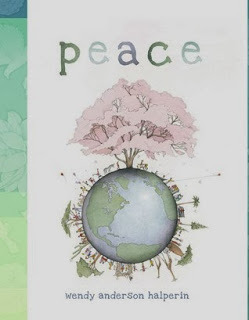
Social workers and students who have anger issues might want to read: Peace by Wendy Anderson Halperin
A music teacher might want every member of the school orchestra to readThe Young Musician’s Survival Guide by Amy Nathan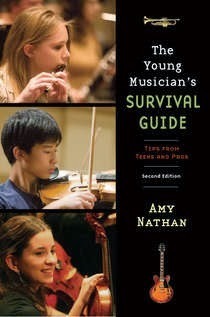
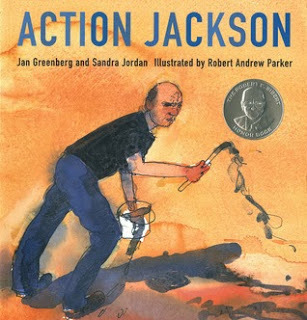
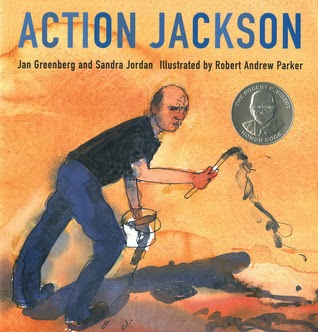
An art teacher might want students to read: Action Jackson by Jan Greenberg and Sandra Jordan.
Orthopedists and school nurses might want to include my book, Your Body Battles a Broken Bone in their waiting rooms.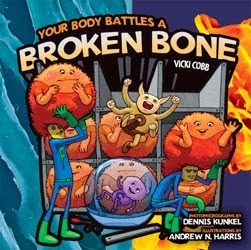
For every situation, discipline, or topic, there may exist a wonderful children’s book that will not only shed new light on the subject but also foster an interest in learning more. It’s time we left our own echo-chamber and became a part of the national education conversation. Books not only answer questions but open up possibilities for every individual. It’s time they were rediscovered.

This conclusion was not news to me. Four or five years ago, I did my very first videoconference (Skype-type visit) with a school in Pennsylvania. I had been hired by the tech teacher who was looking for something of educational value for her classroom-teacher colleagues. Although my presentation wasn’t about any particular book (it’s called “Science Surprises”) I did mention that some of the tricks we were doing were in my book We Dare You! The tech teacher’s evaluation of my presentation was not a rave. She said something like, “I didn’t hire you to do a book commercial.” When I explained that writing books was what I did, she countered that she wanted me to present material that wasn’t in my books. I mentally sputtered a protest: “But my best stuff is in my books..” My take-away is that you have to set up the proper expectations for a program, especially for people who don’t get what authors are about. And there are a lot of them out there.
According to the Jenkins Group, a book publishing services firm, only 30% of Americans read books. Less than 15% read books on any regular basis. One third of high school graduates never read another book for the rest of their lives. Forty-two percent of college grads never read another book after college. Eighty percent of U.S. families did not buy or read a book last year and 70% of U.S. adults have not been in a bookstore in the last five years. Fifty-seven percent of new books are not read to completion and half of those are not read past page 18. I would be curious to know how much teachers read. If a child asks a question on a subject that the teacher doesn’t know the answer to, does the teacher suggest that the child look up the answer on Google or get a book on the subject? When it comes to teaching content, does the teacher rely on a textbook or explore the availability of other books for children on the same subject? We authors and readers of this blog live in a bubble. Books are so ingrained in our lives we can’t imagine living without them. But if we are going to produce a generation of college and career ready students, as per the CCSS, we are going to have to sell our non-book-reading colleagues on the value of books. Here are a few suggestions:
Technology teachers and their students might want to read:
Technology by Clive Gifford
Physical education teachers and their students might want to read:Fourth Down and Inches by Carla Killough McClafferty
Social workers and students who have anger issues might want to read: Peace by Wendy Anderson Halperin

A music teacher might want every member of the school orchestra to readThe Young Musician’s Survival Guide by Amy Nathan

An art teacher might want students to read: Action Jackson by Jan Greenberg and Sandra Jordan.
Orthopedists and school nurses might want to include my book, Your Body Battles a Broken Bone in their waiting rooms.

For every situation, discipline, or topic, there may exist a wonderful children’s book that will not only shed new light on the subject but also foster an interest in learning more. It’s time we left our own echo-chamber and became a part of the national education conversation. Books not only answer questions but open up possibilities for every individual. It’s time they were rediscovered.


No comments have been added yet.