
5 Quotes to Plot Your Novel By
START YOUR NOVEL
Six Winning Steps Toward a Compelling Opening Line, Scene and Chapter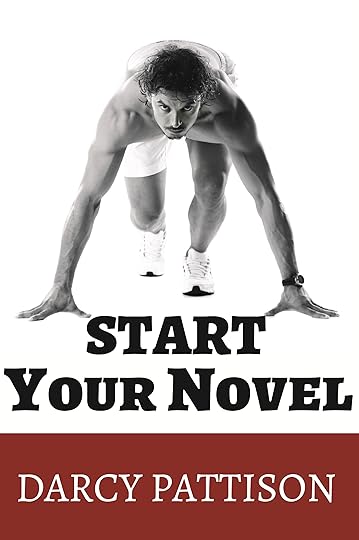
29 Plot Templates
2 Essential Writing Skills
100 Examples of Opening Lines
7 Weak Openings to Avoid
4 Strong Openings to Use
3 Assignments to Get Unstuck
7 Problems to Resolve
The Math adds up to one thing: a publishable manuscript.
Download a sample chapter on your Kindle.
I am currently slogging through plot development of a new series of novels. Here are some helpful quotes.
“A plot is just one thing after another, a what and a what and a what.” Margaret Atwood.
It is hard to narrow down the possibilities of a story to a particular “WHAT happened next?”. It is a tricky process of going back and forth between character and interconnected events, refining both at the same time you make a decision about WHAT. Because I am planning a series, I am writing three plots with the same characters, which gives each character an internal conflict arc for individual books, as well as for the series overall. If an individual plot line doesn’t give me an idea for WHAT, I switch to series conflict; or I switch to a subplot.

Terror: The Doorway to Great Plots
“Real suspense comes with moral dilemma and the courage to make and at upon choices. False suspense comes from the accidental and meaningless occurrence of one damned thing after another.” John Gardner.
In the midst of all the WHAT, I am constantly searching for the moral dilemma. Versus. Good versus good. Understandable versus understandable, even if you might disagree. Moral dilemmas make for great plots.
“Writing about writing, Checkhov instrucs us that no gun should go off unless we have first shown it hanging on the wall: every surprise must have its sublimated genesis.” Cynthia Ozick.
If WHAT happens at the end of Book 3, how can I prepare the reader for it and surprise the reader at the same time? How needs to remain unstated in Books 1 and 2? In Acts 1 and 2 of each book?
“Years ago, someone said to me, ‘Jackson, your books must be printed on scar tissue.’ I was pleased.” Richard Jackson
Beware of characters who are too perfect, of plots that fit together too neatly. Life is messy and while art works to make sense of that mess, if it is too structured, it fails to connect emotionally. Embrace the scars of your characters. Embrace your own scars as a writer, as a person.
“Get your character in trouble in the first sentence and out of trouble in the last sentence.” Barthe DeClements
Pacing of plots is crucial; never give the reader a place to put the story down. This focus on tension on every page begins at the stage of slogging out a plot and continues till the last copyedit.


No comments have been added yet.


