Irregular New Hacks

Last month, self-described “infrastructure analyst” Edward Snowden challenged the world to a real-life game of Where’s Waldo when he fled the country after leaking classified details about the NSA’s data collection processes. He is not the first and likely won’t be the last career computer hacker to threaten the security of the millions of people who entrust their personal information to large organizations like our Department of Defense and credit card companies.

But even in the midst of all of this chaos, a more frightening new kind of hacking is gaining popularity. It hits us closer to home– where we’d least expect it. It is brain hacking.
Everyday, neuroscientists get closer and closer to making what can seem like a science fiction nightmare a reality. Already, one scientist has found a way to control human thoughts by causing experiment participants to associate certain smells with specific sounds. Today’s top companies are employing the help of neuromarketers to closely monitor our reactions and receptiveness to brand messages. And one California-based leadership development company claims to have aligned business and biology to create methods that increase team performances in the workplace.

For some, these technological and biological advances are terrifying (to put it lightly).
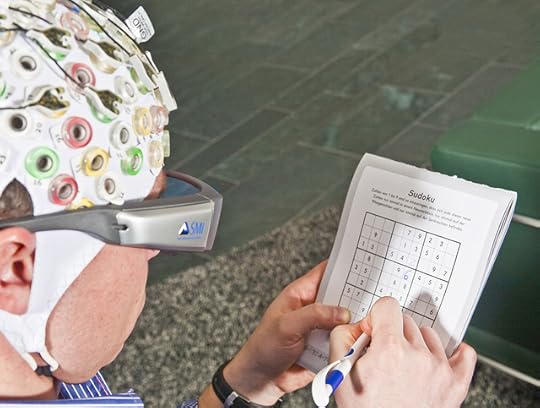
However, with this new knowledge and these advance tools, neuroscientists and even neuro-marketers have the ability to achieve immeasurable good. Scientists have already discovered cures for certain strains of blindness and Alzheimer’s. Companies can now create ads and messages that are equal parts engagement and entertainment.
But you tell me. Is all fair in love, war and science?
Take the poll. Then, tune in to AM970 The Answer at 10AM EST for this Saturday’s The Michael S. Robinson Show, where I’ll be joined by renowned TED speakers neuroscientist, Dr. Moran Cerf, and co-founder of SalesBrain, Patrick Renvoise.
Take Our Poll
Filed under: News & Articles, technology