
Thoughts on Genetic Engineering
 Double-Helix
Image from Wikipedia
by Brian0918Genetic engineering is a hot topic these days. As the human species gains the knowledge to alter the "source-code" of life with ever increasing accuracy, the ethical and medical issues surrounding such advances multiply with equal speed. Everything with DNA (or RNA) can be altered to become something else, from warm-weather plants modified to grow in the Canadian climate to animals that produce spider silk, and even human beings. Genetic engineering has also been a staple of a lot of speculative fiction for decades, and though much of what we see in fiction seems impossible, genetic scientists seem to move the line further out with every discovery.
The most commonly supported form of genetic engineering in humans is its use to cure diseases like diabetes, cystic fibrosis, and the like. Most often, this form of genetic engineering is used to justify the technology. With the power to end the massive suffering caused by genetic diseases, and gene-related diseases like cancer, there is a strong argument that it is our moral duty to explore this area of science and use it. If this were the only use of genetic engineering, there probably wouldn't be as much of an argument beyond the question of whether or not humans should change the basic code of life, but it is not the only way genetic engineering can, or is used.
 Image by PaleWhaleGail at en.wikipedia Right now, the most common forms of genetic engineering (at least that I know of) are used to give an organism, such as a plant or animal, the ability to do something it couldn't before by taking the genes for that ability from another organism. When I worked in a lab during the 1990's we used the technique to transfer whale myoglobin (a protein like hemoglobin that makes meat red in all mammals, and is part of the reason whales can hold their breath for so long) into bacteria, who would then produce the myoglobin in massive amounts. This served as a near limitless supply of myoglobin, and spared the lab from having to draw blood from actual whales every time they needed more for study. This is the same type of technique used to produce goats that make spider silk. The goats can make way more silk than an equivalent number of spiders, so they serve as a better resource for research of the silk.
 Image by Spedona via
Wikimedia CommonsThis type of engineering is also used to modify plants in our food supply to do things like resist pests better, or to grow in places they wouldn't be able to before. Corn, being a major cereal grain, is a common target of modification (along with rice), and have been altered with genes from various organisms, including bacteria, to do things like tolerate drought conditions better. This sounds like a great idea, until one considers that unintended consequences can result. A classic case of this, though created from intentional cross-breeding instead of genetic modification, is the Lenape potato.
Created in the 1960's by a popular snack company, the Lenape potato produced perfect potato chips. They were crispy, and tasted good. The only drawback was that they were also highly toxic. By cross-breeding two different types of potatoes, the company had accidentally created one that produced many times the natural defensive chemicals that potatoes create to ward off pests. People who ate the new potato chips got sick. Although this was a case of cross-breeding the traditional way that farmers have been doing for centuries, it is also a cautionary tale of unintended consequences which can and do occur in genetic engineering.
(By the way, don't eat green potatoes, they contain high amounts of the same defensive chemical.)
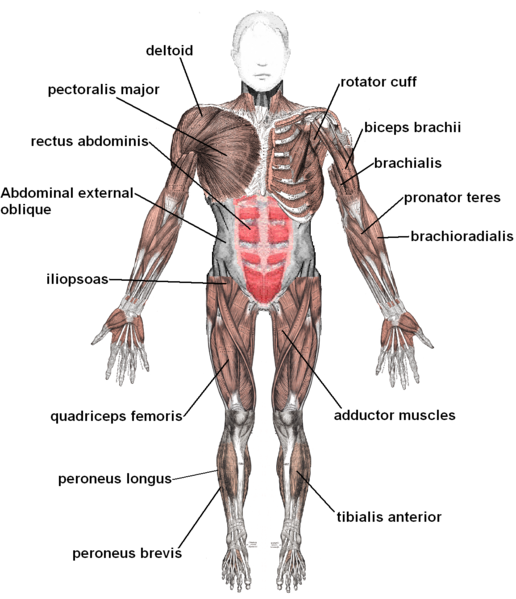 Image via Wikimedia Commons
From Gray's Anatomy, 1918 EditionThe most controversial type of genetic engineering is the modification of humans not intended to cure a painful or fatal disease. Several groups have stated their intentions to accomplish this in the near future around the world, though I don't know of any such research or active procedures that do this right now. The temptation, however, is quite intense. Imagine being able to get a shot at a doctor and, maybe days later, be able to see in the dark or run 20 miles per hour. What about hyper-intelligence? Ultrasonic hearing? Sonar? The ability to regenerate organs and limbs? Super strength, or perhaps you would like the ability to produce electricity like an electric eel? In theory, all of these things are possible by transplanting existing genes (or making new ones) from other organisms. Of course, the possibility is what has people so worried.
Who would control such technology? Who would benefit from it? Would it be restricted, by price, to the rich? Would everyone have access? Could companies require their employees to, say, acquire a gene that makes them need sleep less so they can work more hours? Is it even ethical to explore this possibility? These questions and many more will need to be answered by populations and governments as we move forward into the future.
Do the benefits outweigh the other issues?


No comments have been added yet.
Nero's Niche

Blogging about the things that inspire my writing: science, science fiction, fantasy, and the universe around us!
- Michael Formichelli's profile
- 23 followers

