Books for All, or None
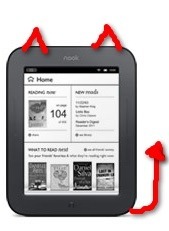
Have you heard about these ebook things? They’re very popular, and publishers are scrambling to make their booklists available electronically. With the success of Apple’s iPad, more and more people are reading new and previously published works on their tablet devices. So it makes sense that the Sacramento, California public library would test out book lending via these very same devices. The library gets books into the hands of readers. Authors find their texts reaching a wider audience. Older patrons who have difficulty finding the books they like in large-print editions can now read nearly any book on a size-adjusting device. Barnes & Noble (whose Nook devices are being used for the pilot program) gets to promote its wares and reading in general. It sounds like a winning program all around.
Unless you’re a grouch who hates happy readers, that is. That’s the impression I got from the National Federal of the Blind, the organization that filed a Department of Justice complaint against the Sacramento library, upset that the devices included in the lending program couldn’t be used by the blind. I’m not complaining about blind patrons who seek access to library books. Anything that the library can do to expand the scope of its reading programs, including to those unable to easily access printed content, is tax money well spent in my mind. I’m complaining about organizations that use the courts and the power of the government to throw a temper tantrum and get their way.
Never mind that the ebook offering in Sacramento was a pilot program, the very purpose of which was to determine if such devices met the needs of its patrons. If blind readers walked up to the librarian and said that the devices did not meet their needs, that would be good and effective feedback. Never mind that the library has shelves and shelves of printed books that have always been difficult or impossible for the blind to use and enjoy, books the library continues to buy. Never mind that Barnes & Noble, as a corporation seeking to expand its share of the reading device market, would likely have swapped out some or all of the devices lacking blind-friendly features with those that have them if the National Federation of the Blind had simply asked nicely. Never mind that the Federation itself could have ponied up money for the more advanced devices for its constituents. But no, they had to threaten a lawsuit, toss the pilot program into legal limbo, and take a new opportunity to read away from the vast majority of the patrons who could have benefited from the reading platform.
The library, of course, had no choice but to submit to bully tactics. According to the summary on the Department of Justice web site, the library settled with the Federation, agreeing to never again purchase those evil, disgusting, rotten devices that brought joy to adults and kids alike, and only purchase the more expensive devices that meet the needs of a tiny minority of patrons. Why can’t the library obtain a mix of devices: a large hoard of units that include the basic features for the ninety-five percent of patrons with basic needs, and a handful of more expensive devices with enhanced features for those with enhanced reading needs? Because that would be normal and logical.