The Globster Phenomenon: Unidentified Sea Blobs
The globster phenomenon involves mysterious, large, decomposing sea blobs washing ashore, baffling scientists and sparking curiosity. These fleshy masses often resemble disfigured animals but lack clear bones, making identification tricky. Theories range from unknown deep-sea creatures to mutated marine life or long-extinct species. Folk stories link them to sea monsters, fueling fascination with ocean mysteries. If you explore further, you’ll uncover fascinating insights into these strange marine enigmas and ongoing scientific efforts.
Key TakeawaysGlobsters are mysterious, large sea masses that wash ashore, often lacking bones or clear identifying features.They are believed to be decomposed remains of whales, large sea creatures, or possibly unknown marine species.Scientific analysis, including DNA testing, helps identify some globsters, but many remain unexplained due to decomposition.The phenomenon fuels folklore, inspiring stories of sea monsters and deep-sea mysteries in coastal communities.Ongoing research and advanced imaging continue to uncover clues, yet some globsters remain a puzzling oceanic enigma.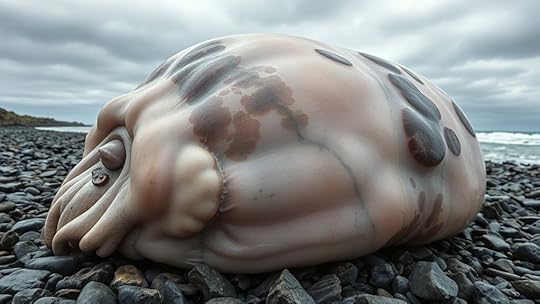
The Globster phenomenon continues to fascinate and mystify both scientists and curious onlookers alike. When you hear about these strange, unidentified sea blobs washing ashore, it’s easy to get caught up in the intrigue. These marine mysteries defy easy explanation, sparking debates among researchers and fueling stories rooted in ocean folklore. You might wonder what these mysterious carcasses truly are and why they appear so suddenly, often after storms or rough seas. The enigma surrounding globsters taps into a deep sense of curiosity about the ocean’s hidden depths and the creatures that lurk there.
The globster phenomenon sparks curiosity and debate, revealing ocean mysteries that captivate both scientists and folklore enthusiasts.
As you explore this phenomenon, you’ll find that globsters are typically large, fleshy masses with no obvious bones or skeletons. They often resemble giant, disfigured animals, but their true identities remain uncertain. Some believe they are the remains of whales or large sea creatures, their tissues breaking down after death and washing ashore in a grotesque state. Others speculate that these blobs could be the remains of deep-sea creatures, unknown to science, or even mutated marine life resulting from pollution or environmental changes. The mystery deepens because, without proper analysis, it’s hard to determine exactly what you’re looking at.
The ocean folklore surrounding globsters adds to their mystique. Stories of sea monsters and ancient creatures have long circulated in coastal communities, and these mysterious carcasses often become part of local legends. People may tell tales of monsters from the deep, fueling fears and fascination at the same time. Marine mysteries like globsters serve as tangible links to these stories, blurring the lines between myth and reality. You might find yourself imagining mythical beasts or undiscovered species lurking beneath the waves, especially when a new globster washes ashore.
Scientists have attempted to decode these strange formations, using modern techniques like DNA analysis and imaging. Yet, even with advanced science, some globsters remain puzzling. The lack of skeletal structure often leads to misidentification, and the decomposition process can obscure features vital for identification. You’ll notice that each new find sparks a fresh wave of speculation, as everyone tries to piece together clues from these enigmatic masses. In the end, globsters remind us of the ocean’s vast mysteries—an ever-changing puzzle that keeps our fascination alive and our desire to understand the unknown burning bright.
Frequently Asked QuestionsHave Any Globsters Been Conclusively Identified as Known Marine Species?Most globsters haven’t been conclusively identified as known marine species. When scientists examine these mysterious blobs, they rely on marine taxonomy and genetic analysis to determine their origins. Often, these analyses reveal decomposed whale or shark remains, helping to classify the globsters accurately. However, many globsters still remain unconfirmed, fueling curiosity and research efforts to understand their true nature and the diversity of marine life beneath the surface.
What Are the Most Common Locations for Globster Sightings?You’ll find globster sightings most commonly along rugged coastlines and remote beaches, where marine mystery enthusiasts often report unusual carcasses. Coastal sightings tend to occur in areas with strong currents and high marine activity, like South Africa, Australia, and parts of North America. These locations attract attention because the mysterious blobs wash ashore, fueling curiosity and speculation about their origins, making them some of the most intriguing marine mysteries for researchers and explorers alike.
How Do Scientists Differentiate Globsters From Marine Carcasses?Scientists differentiate globsters from marine carcasses by examining biological markers and conducting DNA analysis. You can identify unique tissue structures and chemical signatures that distinguish a globster from decomposed animals. By analyzing DNA, they determine if the specimen matches known species or is something unusual. These methods help clarify whether you’re observing a mysterious sea blob or a decayed marine animal, providing a scientific basis for identification.
Are Globsters Ever Linked to Marine Pollution or Human Activity?Yes, globsters can be linked to marine pollution or human activity, especially since they often turn out to be remains of marine debris or dumped waste. When you see these mysterious blobs, it’s important to contemplate their environmental impact, as they can signal pollution that harms marine ecosystems. Such debris can introduce toxins, disrupt habitats, and threaten marine life, highlighting the need for better waste management and pollution prevention efforts.
What Methods Are Used to Analyze the Composition of Globsters?You analyze globsters primarily through DNA analysis and histological examination. DNA analysis helps identify the species by extracting genetic material from tissue samples, revealing their biological origins. Histological examination involves studying tissue slices under a microscope to observe cellular structures and composition. Together, these methods allow you to determine whether a globster is a decomposed marine animal or something else, clarifying its mysterious nature effectively.
ConclusionSo, next time you stumble upon a mysterious sea blob, remember—it might just be a decomposing whale or a giant squid, not some mythical creature. The ocean’s secrets remain hidden, teasing us with tangled masses of flesh that defy identification. Ironically, our fascination with these mysterious blobs reveals more about our desire for wonder than actual oceanic enigmas. Sometimes, the greatest mysteries are simply nature’s way of keeping us humble and guessing.