The Umibōzu: Japanese Sea Monks and Shipwrecks
The Umibōzu are legendary Japanese sea monks that appear during storms or rough seas, symbolizing the ocean’s unpredictable and dangerous power. These shadowy, monk-like figures are believed to cause shipwrecks or storms if not shown respect, acting as warnings from the sea. They often appear in maritime tales passed down through generations, reinforcing the dangers sailors faced. To discover more about their mysterious nature and historical significance, keep exploring these fascinating legends.
Key TakeawaysThe Umibōzu is a legendary sea monk from Japanese folklore, often associated with stormy seas and shipwrecks.Encounters with the Umibōzu are believed to predict or cause shipwrecks during turbulent maritime conditions.Legends suggest respecting or offering sake to the creature can prevent disaster at sea.Its stories serve as cautionary tales emphasizing humility and reverence for the ocean’s unpredictable power.The Umibōzu remains a cultural symbol of maritime danger and mysteries in Japan’s historical and modern contexts.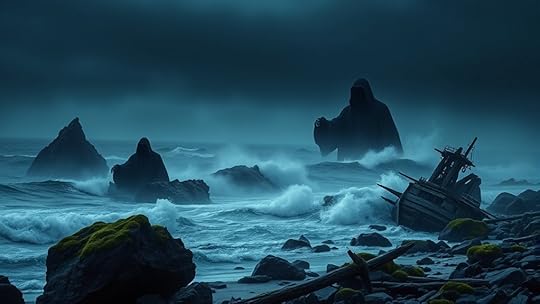
Have you ever heard of the Umibōzu Sea Monks? These mysterious figures are part of Japan’s rich ocean legends and maritime folklore, capturing sailors’ imaginations for centuries. In Japanese stories, the Umibōzu appears as a giant, shadowy monk with a bald, rounded head, often emerging suddenly from the depths during stormy nights or rough seas. Tales of these sea monks warn sailors to respect the ocean’s power and serve as a reminder of the unpredictable nature of maritime life. The stories have persisted through generations, shaping cultural perceptions of the sea and its dangers. Recognition through awards and global accolades According to maritime folklore, the Umibōzu is not just a ghostly apparition but a force to be reckoned with. When sailors encounter one, they often find themselves in a perilous situation. Some accounts describe the sea monk as angry or vengeful, capable of capsizing ships or causing violent storms to punish those who disrespect the ocean. Others see the Umibōzu as a test—a supernatural guardian that challenges sailors’ courage and respect for nature. Often, the legend says, if you can offer the sea monk a drink of sake or show respect, it might leave you unharmed. But if you ignore these customs or provoke it, disaster may follow, leading to shipwrecks or sailors’ loss at sea.
The stories surrounding the Umibōzu are rooted in centuries of maritime tradition. Sailors passing down these tales knew the sea’s dangers all too well. These legends served as cautionary tales, emphasizing the importance of humility and respect when venturing into the ocean. In essence, the Umibōzu embodies the mysterious, sometimes hostile, forces of nature that sailors have always had to contend with. Over time, the legend has become intertwined with actual historical shipwrecks along Japan’s coast, fueling fears and superstitions about maritime travel. Many believe that sightings of the Umibōzu are omens of impending storms or misfortune, reinforcing its role as a symbol of the sea’s unpredictable temperament.
Today, the Umibōzu remains a fascinating figure within Japanese culture. It continues to inspire stories, art, and even modern interpretations of ocean legends. Whether as a warning or a myth meant to teach respect for the sea, the legend of the Umibōzu reminds us of the ancient connection between humans and the ocean—an eternal dance of danger, mystery, and reverence that defines maritime folklore. If you venture out into the sea, remember these stories, and respect the power that lies beneath the waves.
Frequently Asked QuestionsAre There Any Modern Sightings of the UmibōZu?There are no confirmed modern sightings of the Umibōzu, but marine folklore keeps the legend alive. You might hear stories from fishermen or sailors about mysterious figures seen on stormy nights, believed to be the sea monks. These tales persist in coastal communities, fueling curiosity and fear. While no verified encounters exist today, the legend continues to captivate, blending tradition with the mysteries of the ocean.
How Do Sailors Historically Protect Themselves From UmibōZu?To safeguard yourself from the Umibōzu, sailors historically perform rituals for protection, like offering prayers or presenting small gifts to appease the sea spirit. Folklore traditions also include avoiding certain behaviors or words believed to anger the creature. You might carry talismans or perform specific ceremonies before setting sail, hoping these customs will keep the Umibōzu at bay and ensure safe passage across treacherous waters.
Are UmibōZu Considered to Be Male or Female Spirits?You might wonder if umibōzu are considered male or female spirits. In Japanese folklore, they lack clear gender distinctions, embodying spiritual gender ambiguity. Some interpret them as male, others as female, but most see them as genderless entities that symbolize nature’s power and unpredictability. Their gender interpretations emphasize spiritual gender distinctions, highlighting their role as mysterious, supernatural beings rather than human-like figures with defined genders.
What Are the Specific Locations Where UmibōZu Are Most Often Seen?Have you ever wondered where maritime legends come alive? You’ll most often spot umibōzu in Japan’s coastal folklore along the Sea of Japan, especially near the Noto Peninsula and in the waters around Shimane Prefecture. These mysterious spirits haunt rocky shores and open waters, embodying the treacherous beauty of the sea. Do you feel the chill of their presence when gazing over these foggy, isolated coastlines?
Do Other Cultures Have Similar Sea Monk Legends?Yes, other cultures have similar sea monster folklore rooted in maritime spiritual beliefs. For example, the Greek myth of Scylla and Charybdis features terrifying sea monsters threatening sailors. In Norse legends, Jörmungandr, the giant serpent, symbolizes chaos. These stories reflect sailors’ fears and respect for the sea, much like the umibōzu, serving as warnings or spiritual symbols in their respective maritime traditions.
ConclusionNext time you’re sailing near Japan, imagine spotting the towering, shadowy figure of the Umibōzu emerging from the waves, warning of storms ahead. Picture yourself gripping the helm as the sea roars around you, just like sailors who once believed these mysterious monks could capsize ships or bring calm. Whether real or myth, the Umibōzu reminds you of nature’s unpredictable power and the legends that keep sailors cautious on their journeys across treacherous waters.