AI Tools for Content Creation: 12 Game-Changing Platforms That Will Transform Your Content Strategy
You know that moment when you’re staring at a deadline with nothing but a blinking cursor mocking you?
I’ve been there. We’ve all been there.
But here’s what I’ve learned: The entrepreneurs crushing it in 2025 aren’t the ones grinding 16-hour days. They’re the ones who mastered AI tools for content creation strategically.
The AI content creation market isn’t just growing—it’s exploding. The businesses positioning themselves now will capture the lion’s share of that opportunity.
This isn’t about replacing human creativity. It’s about amplifying it with the right AI tools for content creation in ways that seemed impossible just 24 months ago.
Why Most Content Creators Are Using AI Tools for Content Creation WrongBefore we dive into the tools, let’s address the elephant in the room: most people are using AI tools for content creation like expensive typewriters.
They’re focused on output volume instead of strategic advantage. They’re creating more content but not better business results. They’re missing the real opportunity entirely.
The content creators dominating their industries right now understand something crucial: AI tools for content creation don’t just create content—they compress time, unlock insights, and eliminate the bottlenecks that keep most businesses stuck in reactive mode.
Here’s the shift that changes everything: Stop thinking about AI as a writing assistant. Start thinking about it as your strategic partner for building content systems that work while you sleep.
The 8 Core AI Tools for Content Creation Every Business Needs1. ChatGPT: The Strategic Content Partner
ChatGPT revolutionized how we approach content creation, but most people are using maybe 10% of its capabilities. This isn’t just a chatbot—it’s your research assistant, strategy consultant, and creative partner rolled into one.
What makes ChatGPT indispensable:
Web browsing integration means real-time research and current dataCustom GPT creation allows specialized assistants for specific content typesImage analysis capabilities help you reverse-engineer competitor strategiesCode generation features solve technical content challenges instantlyStrategic application: Upload competitor content and ask ChatGPT to analyze their messaging strategy. Use it to identify content gaps in your industry. Build custom GPTs trained on your brand voice for consistent content across team members.
The free version handles 80% of content needs, but ChatGPT Plus removes limits and unlocks advanced features that serious content creators depend on.
2. Claude: The Long-Form Content Specialist
While ChatGPT gets the headlines, Claude delivers when you need analytical depth and consistent quality across extensive projects. The 200,000 token context window means you can work on comprehensive content without losing context.
Claude’s competitive advantages:
Superior analytical thinking for complex content strategiesConsistent voice maintenance across long-form projectsEthical content guidelines that protect brand reputationDocument processing capabilities that handle extensive research materialsBest applications: Comprehensive guides, strategic content planning, brand voice development, and any project requiring sustained quality across thousands of words.
Claude excels at turning complex research into accessible content while maintaining the nuance that separates professional content from generic AI output.
3. Google Gemini: The Workspace Integration Champion
Gemini’s killer feature isn’t what it generates—it’s where it integrates. If your business runs on Google Workspace, Gemini transforms your existing workflow instead of forcing you to adopt new platforms.
Integration advantages:
Native Google Docs functionality maintains formatting automaticallyGmail intelligence that learns your communication patternsReal-time information access keeps content current and relevantCollaborative features that work across distributed teamsStrategic value: Teams already invested in Google’s ecosystem can implement AI without workflow disruption. The learning curve disappears when AI assistance appears within familiar interfaces.
4. Jasper AI: The Marketing Conversion Machine
Jasper built its reputation understanding one crucial truth: marketing content needs to convert, not just inform. Every template and feature focuses on psychological triggers and conversion optimization.
Marketing-specific strengths:
Brand voice training ensures consistent messaging across campaignsConversion psychology frameworks like AIDA and PAS built into templatesCampaign planning tools that coordinate messaging across multiple channelsSEO integration that balances optimization with persuasive copyImplementation strategy: Train Jasper on your highest-converting content, then use it to scale successful messaging patterns across new campaigns. The brand voice feature alone can eliminate months of brand guideline development.
5. Perplexity AI: The Research Intelligence System
Perplexity transforms content research from hours of tab-juggling into minutes of focused intelligence gathering. This isn’t just search with AI—it’s strategic research that cites authoritative sources.
Research advantages:
Source credibility prioritization builds trust and authorityCitation integration eliminates fact-checking bottlenecksFollow-up questioning explores topics comprehensivelyResearch thread continuity builds knowledge bases over timeContent application: Use Perplexity for industry trend analysis, competitive intelligence gathering, and building authority-based content that establishes thought leadership position.
6. NotebookLM: The Document Intelligence Platform
NotebookLM turns your existing research and documentation into conversational AI that understands your specific business context. This eliminates the generic responses that plague other AI tools.
Unique capabilities:
Document-grounded responses prevent hallucination and maintain accuracyPodcast generation features repurpose written content into audio formatsTeam knowledge bases ensure consistent understanding across organizationsContext preservation maintains relevance to your specific industry and audienceStrategic implementation: Upload industry reports, competitor analysis, and internal documentation to create an AI assistant that speaks your business language fluently.
7. Manus: The Autonomous Content Agent
Manus represents the next evolution: AI that thinks and plans independently rather than just responding to prompts. This autonomous approach handles complex, multi-step content projects without constant supervision.
Autonomous advantages:
Independent task planning breaks complex projects into executable stepsReal-time strategy adaptation adjusts approach based on resultsComplete development environment handles technical implementation alongside content creationMulti-step workflow execution manages entire content campaigns automaticallyFuture-focused application: Perfect for businesses ready to move beyond reactive content creation into proactive, systematic content operations.
8. GenSpark: The Content Research Revolution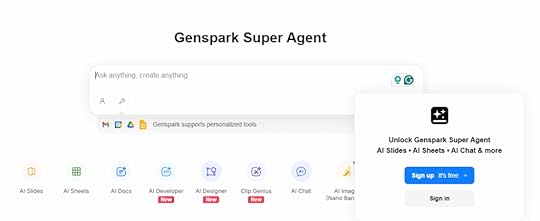
GenSpark eliminates the most time-consuming part of content creation: comprehensive research. Instead of multiple browser tabs and scattered notes, you get synthesized intelligence ready for content development.
Research transformation:
Custom Sparkpages provide comprehensive topic briefings instantlyMulti-source synthesis combines authoritative information coherentlyBuilt-in AI copilot handles follow-up questions contextuallyContent marketing focus understands what information supports compelling contentWorkflow integration: Use GenSpark to build research foundations, then feed that intelligence into your content creation tools for faster, more informed content development.
Strategic AI Tools for Content Creation: Specialized Additions9. Copy.ai: The Social Media Conversion Specialist
Copy.ai understands platform psychology. LinkedIn content hits differently than Instagram because the tool recognizes audience context and platform-specific engagement patterns.
10. Grammarly: The Professional Quality Gatekeeper
Beyond grammar checking, Grammarly’s AI analyzes tone consistency and brand voice alignment. Essential for maintaining professional standards across AI-generated content.
11. Surfer SEO: The Search Optimization Intelligence
Surfer analyzes top-ranking content to identify the specific elements that drive search visibility. Data-driven optimization removes guesswork from SEO content strategy.
Canva AI: The Visual Content Accelerator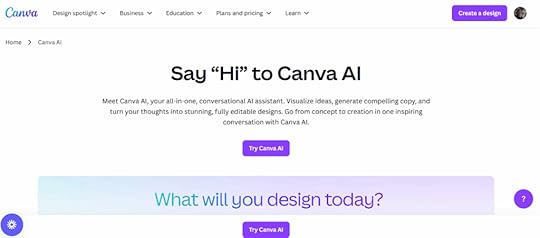
Magic Design features turn non-designers into visual content creators. Professional-quality graphics in minutes, not hours or outsourced projects.
The Strategic Implementation Framework for AI Tools for Content CreationMost businesses fail at AI implementation because they treat tools as isolated solutions instead of integrated systems. Success requires strategic orchestration.
Phase 1: Strategic Foundation: Before touching any AI tool, define your content objectives, audience intelligence, and competitive positioning. AI amplifies strategy—it doesn’t create it.
Phase 2: Tool Selection and Integration: Choose tools that solve your biggest bottlenecks first. Master one completely before adding complexity. Integration beats accumulation every time.
Phase 3: Systematic Content Operations: Build repeatable workflows that leverage each tool’s strengths. Document processes so success becomes scalable rather than dependent on individual expertise.
Phase 4: Continuous Optimization: Monitor performance metrics and adjust tool usage based on actual business results. The best AI content strategies evolve based on data, not assumptions.
The Biggest Mistakes Killing AI Content SuccessMistake #1: Volume Over Value. More content doesn’t equal better results. Focus on strategic content that moves business metrics, not vanity publishing schedules.
Mistake #2: Generic Implementation. Using AI tools without industry context produces generic results. Customize tools for your specific audience, industry, and competitive landscape.
Mistake #3: Set-and-Forget Mentality. AI tools improve with strategic input and feedback. The businesses seeing transformational results treat AI as collaborative partners, not automated solutions.
The Future of AI Content Creation: What’s Coming NextThe next wave isn’t about better individual tools—it’s about intelligent orchestration. AI systems that understand your business strategy and execute content campaigns autonomously while maintaining brand standards and audience connection.
Emerging trends reshaping content:
AI-to-AI optimization where content gets optimized for AI search resultsAutonomous content campaigns that run and optimize without human interventionPredictive content intelligence that identifies trending topics before they explodeReal-time personalization that adapts content based on individual user behaviorFrequently Asked Questions About AI Tools for Content CreationWhat AI tools should I start with as a beginner?Start with just three foundational tools rather than overwhelming yourself with options. ChatGPT handles most writing needs, Canva AI covers visual content creation, and Grammarly ensures professional quality. Master these three completely before adding specialized tools to your workflow.
How much do AI content creation tools actually cost?Many powerful AI tools offer free tiers that handle basic needs. ChatGPT’s free version is surprisingly capable, Canva provides solid design options without cost, and Google Gemini integrates free AI assistance into workspace tools you already use. Paid plans typically range from $10-50 monthly and become worthwhile when tools become essential to daily operations.
Can AI tools really replace human writers?AI tools don’t replace human creativity—they amplify it. The most successful content creators use AI to eliminate time-intensive research and drafting tasks, freeing up mental energy for strategic thinking and creative direction that only humans can provide.
Which AI content tools work best for SEO?Tools like Writesonic and Surfer SEO are specifically designed for search optimization, analyzing top-ranking content to identify elements that drive visibility. However, any AI tool becomes SEO-effective when combined with proper keyword research and strategic content planning.
How do I avoid AI-generated content that sounds robotic?The secret lies in strategic prompting and human editing. Provide AI tools with specific context about your audience, brand voice, and content objectives. Always review and refine AI output to add personality, unique insights, and human perspective that connects with readers.
Are there free AI tools that actually work for content creation?Absolutely. ChatGPT’s free tier, Canva’s design tools, Google Gemini, and Grammarly’s basic version provide genuine value for content creators. The key is understanding their limitations and upgrading strategically when free versions become workflow bottlenecks.
What’s the biggest mistake people make with AI content tools?Treating AI as a content vending machine instead of a collaborative partner. The businesses seeing transformational results spend time training AI tools on their specific needs, providing detailed context, and maintaining human oversight throughout the content creation process.
Ready to Master AI-Powered Content Creation? Join First Movers R&D AI LabsBuilding a successful AI-powered content marketing business isn’t just about having the right tools—it’s about knowing how to use them strategically, avoiding costly mistakes, and staying ahead of the rapidly evolving AI landscape.
First Movers R&D AI Labs isn’t just another online community. It’s your strategic advantage in the AI revolution.
Here’s what makes First Movers different:
Direct Access to Dr. Julia McCoy – Get personalized guidance from someone who’s been building AI-powered content businesses since before it was mainstream. No more second-guessing your strategy or wondering if you’re implementing tools correctly.
Ready-to-Deploy AI Systems – Skip months of trial and error with proven AI assistants, prompts, and workflows that you can implement immediately. These aren’t theoretical frameworks—they’re battle-tested systems generating real results for our members.
Community of AI-Forward Entrepreneurs – Connect with other business owners who are successfully scaling with AI. Share wins, troubleshoot challenges, and discover opportunities together. The collective intelligence in this community is invaluable.
Cutting-Edge Strategy Updates – Stay ahead of AI trends before they hit mainstream adoption. We test new tools and techniques so you don’t waste time and money on what doesn’t work. When breakthrough AI developments happen, you’ll know about them first and exactly how to leverage them.
Implementation Support That Gets Results – Stop wondering “what if” and start seeing measurable outcomes. Our community helps you turn AI knowledge into profitable action, eliminating analysis paralysis and tutorial overwhelm.
The entrepreneurs who join First Movers today will be the ones dominating their markets tomorrow. While others struggle to figure out AI implementation alone, you’ll have proven strategies, expert guidance, and a network of successful practitioners supporting your growth.
The AI revolution waits for no one. Your competition is already moving.
Join First Movers R&D AI Labs today and transform AI tools into your unfair competitive advantage.
No more second-guessing whether you’re using the right strategies. No more wondering if you’re maximizing these powerful tools. Just results, community support, and the confidence that comes from having Dr. McCoy and the entire First Movers network accelerating your success.
Your AI-powered future starts now.
The AI revolution in content creation is happening whether you participate or watch from the sidelines. The question isn’t whether AI will transform content creation—it’s whether you’ll be leading that transformation or struggling to catch up.
Start with the tool that solves your biggest content challenge. Master its strategic application. Then build from there.
Your competitors are either already building AI-powered content systems or they’re about to start. The businesses that move decisively now will establish advantages that become harder to replicate every month.
The future of content creation is intelligent, systematic, and strategic. Make sure you’re part of building it.