Communication and Feedback
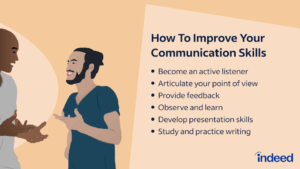
Enhancing Organizational Communication
“Feedback Fridays” with a Twist: Instead of formal reviews, dedicate the last hour of every Friday to informal, anonymous feedback submission via a digital suggestion box. Then, the leadership team spends the first 15 minutes of the following Monday addressing the top 3 most common themes, fostering transparency and quick action.“Reverse Mentorship” Communication Circles: Pair junior employees with senior leaders, but the junior employee mentors the senior leader on emerging communication trends, digital tools, and social media etiquette. This bridges generational communication gaps and encourages new perspectives.“Storytelling Sprint” Workshops: Instead of dry presentations, train employees on crafting compelling narratives about their work, challenges, and successes. These stories are then shared internally through short videos or dedicated “story walls,” making communication more engaging and relatable.“Communication Audit Gamification”: Develop a gamified system where teams earn points for identifying communication bottlenecks, proposing solutions, and implementing new communication protocols. A leaderboard encourages participation and healthy competition.“Silent Brainstorming Boards”: For complex issues or sensitive topics, create physical or digital “silent boards” where employees can post ideas and feedback anonymously over a few days. This allows for thoughtful consideration without immediate pressure and encourages introverted voices.Innovative Feedback Mechanisms“Feedback Fortunes”: At the end of team meetings or projects, provide each participant with a “fortune cookie” containing a single, actionable piece of positive feedback for another team member. This encourages peer appreciation in a fun, unexpected way.“Skill-Share Feedback Sessions”: Instead of traditional performance reviews, dedicate sessions where employees demonstrate a skill they’ve recently developed or improved upon. Peers and managers provide constructive feedback specifically on the application and impact of that skill.“Pre-Mortem Feedback”: Before starting a new project, conduct a “pre-mortem” where the team imagines the project has failed and identifies all the potential communication and feedback breakdowns that could have led to that failure. This proactively addresses potential issues.“Empathy Mapping Feedback”: When giving feedback, encourage the giver to create a simple “empathy map” of the recipient, considering what they might be thinking, feeling, saying, and doing. This helps tailor feedback to be more impactful and less confrontational.“AI-Powered Sentiment Analysis for Internal Comms”: Implement an AI tool that anonymously analyzes the sentiment of internal communications (e.g., team chat, internal forums). This provides high-level insights into overall morale and identifies areas where communication might be misconstrued.Fostering a Feedback Culture“Feedback First Aid Kits”: Provide teams with physical or digital “kits” containing resources like conversation starters, active listening tips, and a “feedback sandwich” guide to help them navigate difficult conversations and deliver constructive feedback effectively.“The ‘What Went Well, Even Better If’ Wall”: Maintain a visible, accessible wall (physical or digital) where teams can continuously post “what went well” and “even better if” observations about processes, meetings, or projects. This encourages ongoing, low-stakes feedback.“Feedback ‘Speed Dating'”: Organize short, structured one-on-one sessions where employees rotate through different colleagues to give and receive quick, targeted feedback on a specific topic or skill. This normalizes frequent feedback exchange.“The ‘Feedback Bank'”: Create a shared digital “bank” where employees can deposit positive observations or constructive suggestions about colleagues, processes, or projects at any time. Managers can then draw from this bank for performance reviews or team discussions.“Leader-Led ‘Vulnerability & Learning’ Sessions”: Senior leaders regularly host open sessions where they share their own communication challenges, mistakes, and lessons learned. This models a culture of psychological safety and encourages employees to be open about their own feedback experiences.The post Communication and Feedback appeared first on Peak Development Strategies.


No comments have been added yet.