Mentoring for Skill-Building: From Soft Skills to Leadership
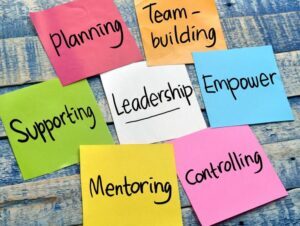
Below are some creative and logical ideas for mentoring programs aimed at building skills, ranging from soft skills to leadership development.
1. Role-Playing ScenariosCreate realistic role-playing exercises where mentees practice soft skills like communication, negotiation, or conflict resolution. For leadership development, simulate decision-making scenarios that require strategic thinking and team management.
2. Shadowing Senior LeadersAllow mentees to shadow senior leaders during their day-to-day work. This exposure helps mentees observe real-world applications of leadership skills such as delegation, adaptability, and stakeholder management.
3. Soft Skills Workshops with Mentor-Led BreakoutsHost workshops focusing on specific soft skills like active listening, empathy, or public speaking. Following the sessions, mentors can lead small group discussions to provide personalized feedback and guidance.
4. Reverse Mentoring ProgramsPair junior employees with senior leaders in a reverse mentoring setup. Junior employees can teach tech-savvy or modern communication trends while gaining insights into leadership styles and strategies.
5. Personalized Skill-Building PlansEncourage mentors to collaborate with mentees on tailored skill-building plans. These plans should outline specific soft skills or leadership competencies to focus on, along with actionable steps and timelines for improvement.
6. Cross-Functional MentoringPair mentees with mentors from different departments to expose them to diverse perspectives. This approach builds collaboration skills while offering insights into organizational dynamics crucial for future leaders.
7. Book Clubs with Leadership ThemesOrganize book clubs where mentors and mentees read and discuss books on soft skills (e.g., emotional intelligence) or leadership (e.g., “Leaders Eat Last” by Simon Sinek). Discussions can lead to actionable takeaways for professional growth.
8. Feedback Loops for Communication SkillsIntroduce structured feedback loops where mentees present ideas or proposals to their mentor regularly. The mentor provides constructive feedback on clarity, tone, body language, and overall communication effectiveness.
9. Leadership Simulation GamesUse gamification techniques by incorporating simulation games that challenge mentees’ problem-solving and decision-making abilities under time constraints—essential traits of effective leaders.
10. 360-Degree Feedback ExercisesEncourage mentees to gather feedback from peers, supervisors, and direct reports about their soft skills or emerging leadership qualities. Mentors can help analyze the results and create an improvement plan.
11. Real-Time Problem-Solving ChallengesAssign real-world challenges aligned with the organization’s goals where mentees must solve problems collaboratively with their mentor’s guidance. This fosters critical thinking and teamwork.
12. Public Speaking Practice SessionsMentors can guide mentees through mock presentations or speeches tailored to their roles within the organization. Constructive critique improves confidence in public speaking—a key leadership skill.
13. Cultural Intelligence Training Through MentorshipDevelop cross-cultural awareness by pairing mentors from diverse backgrounds with mentees who wish to improve cultural sensitivity—an essential skill in globalized workplaces.
14. Networking Mentorship EventsHost networking events exclusively for mentorship participants where they practice relationship-building under their mentor’s guidance while expanding professional connections—critical for both soft skills and leadership growth.
15. Mentor-Mentee Goal Alignment MeetingsSchedule regular check-ins focused on aligning short-term skill-building goals (e.g., mastering adaptability) with long-term career aspirations (e.g., stepping into a managerial role). This ensures steady progress in both areas simultaneously.
By integrating these innovative approaches into your mentoring program, you can create a holistic environment that fosters personal growth in both soft skills and leadership capabilities!
The post Mentoring for Skill-Building: From Soft Skills to Leadership appeared first on Peak Development Strategies.