Benefits of Fall Detection Technology in Medical Alert Devices: Enhancing Senior Safety at Home
As someone who’s researched medical alert systems, I’m excited to share about fall detection technology. This feature can be a lifesaver for seniors and others at risk of falls. Many providers, including lifeassure, offer this advanced capability. Fall detection devices use sensors to spot when someone has fallen and automatically call for help, even if the person can’t press their alert button.
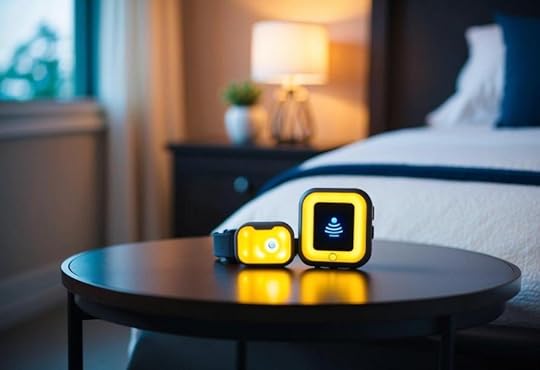
Many top medical alert companies now offer fall detection as an add-on to their systems. It gives extra peace of mind to users and their families. The tech keeps getting better too, with fewer false alarms and more accurate detection.
Fall detection isn’t perfect, but it’s a big step up in safety. For people living alone or with health issues, it could mean getting help much faster after a bad fall. That quick response might prevent more serious problems.
Key TakeawaysFall detection tech can call for help automatically if someone fallsIt adds an extra layer of safety to medical alert systemsQuick response after a fall may prevent more serious health issuesOverview of Fall Detection TechnologyFall detection technology is a key feature in many medical alert devices. It uses sensors and smart algorithms to spot falls and call for help quickly. This can be a lifesaver for older adults and people with mobility issues.
Understanding Fall DetectionFall detection systems use special sensors to track movement and position. These sensors include accelerometers and gyroscopes. They can tell the difference between normal activities and a fall.
When a fall happens, the system notices sudden changes in motion and orientation. It then sets off an alert. This alert can go to a monitoring center, family members, or emergency services.
The tech keeps getting better. Some systems now use machine learning to spot falls more accurately. This helps cut down on false alarms while still catching real falls.
Components of Fall Detection SystemsThe main parts of a fall detection system are:
Sensors: These track movement and position.Processing unit: This runs the fall detection algorithms.Communication module: This sends out alerts when a fall is detected.Power source: Usually a rechargeable battery.Most fall detection devices are worn as pendants or wristbands. Some can be clipped to a belt or put in a pocket. The device needs to be worn all the time to work well.
The algorithms used are complex. They look at things like:
Speed of movementAngle of the bodyImpact forceTime spent in one position after a sudden changeBy looking at all these factors, the system can tell a fall from other movements.
Benefits for Seniors and Vulnerable IndividualsFall detection technology in medical alert devices offers key advantages for older adults and those with health concerns. It provides crucial support to help maintain independence and safety at home.
Enhanced Safety and IndependenceFall detection devices give seniors more freedom to live on their own. These gadgets can spot when someone falls and call for help right away. This quick response can prevent serious injuries and save lives.
Many medical alert companies in Canada now offer fall detection. For example, Galaxy Medical Alert has provided this service for over 25 years. Their goal is to help seniors stay independent.
Fall detectors are easy to wear and use. Some look like watches or pendants. They work 24/7 to keep an eye on the wearer’s movements. If a fall happens, the device sends an alert to a monitoring center.
Medical Alert Systems and Aging in PlaceMedical alert systems with fall detection help seniors stay in their own homes as they age. This is called “aging in place”. It lets older adults keep their routines and familiar surroundings.
These systems give peace of mind to both seniors and their families. Knowing help is always available makes everyone feel safer. It reduces worry about living alone or having health issues.
Fall detection devices can be part of a larger medical alert setup. This may include features like GPS tracking or medication reminders. Together, these tools support seniors’ daily lives and health needs.
For seniors who want to stay active, fall detection offers a safety net. They can go about their day knowing they’re protected if something happens. This confidence can lead to a more fulfilling lifestyle.
Evaluating Fall Detection DevicesPicking the right fall detection device is key. I’ll look at the main features and tech that make these gadgets work. I’ll also talk about how well they spot falls and avoid false alarms.
Features and TechnologiesFall detection devices use special sensors to spot sudden drops. Most have an accelerometer that tracks motion and position changes. Some add a gyroscope for better accuracy. Many devices are wearable, like watches or pendants. They’re made to be comfy and water-resistant for all-day use.
The best devices have GPS to find the user if they fall outside. Two-way talk lets users chat with help right from the device. This is handy in an emergency. Some gadgets can tell the difference between a real fall and just bending over. This helps cut down on false alarms.
Reliability and AccuracyHow well a device spots falls is super important. No one wants to be left on the floor after a fall. Most top devices claim over 95% accuracy in tests. But real-world results can vary.
False alarms can be a pain. They might make users not want to wear the device. Good devices let users cancel alerts if they’re okay. This saves time and stress for both users and emergency teams.
I’ve found that devices with both accelerometers and gyroscopes tend to be more accurate. They’re better at telling a real fall from daily moves. It’s also good to pick a device from a company with a strong track record in fall detection tech.
Choosing the Right Medical Alert Device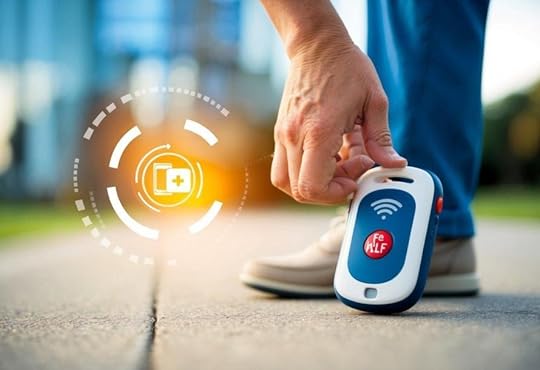
Picking a medical alert device involves weighing several key factors. The right choice can make a big difference in safety and peace of mind.
Factors to Consider for PurchaseWhen shopping for a medical alert device, several important factors are typically considered. Battery life is an essential feature, as a device that maintains power during critical moments is vital. Comfort is another key consideration, especially for those who plan to wear the device all day. The ease of use, particularly in emergency situations, should also be evaluated carefully.
Price often plays a significant role in the decision-making process. Comparing monthly fees and upfront costs helps in selecting the most cost-effective option. Some companies provide free equipment when paired with a subscription plan.
GPS functionality is often a must-have feature, enabling assistance to locate the individual if they are away from home. Devices that include caregiver apps are also popular, as they allow family members to monitor the user’s status remotely.
Fall detection is a crucial feature many people prioritize. This capability can automatically call for help if the user is unable to press the button. Since not all devices offer this feature, it is important to verify its availability during the selection process.
The post Benefits of Fall Detection Technology in Medical Alert Devices: Enhancing Senior Safety at Home appeared first on Geek Mamas .