My Journey to Mammogram Enlightenment
As soon as I turned 40, there was something I was desperately avoiding – getting a mammogram. Why was I so afraid? Because, for the longest time, I had heard crazy horror stories from women who had gone through the process of a mammogram. I consider myself fortunate not to have a family history of breast cancer, cancer, yes, but not breast cancer. Yet, the fear and ignorance kept me away from screening for many years. It wasn’t until I was 43 or 45 that I finally stopped running and went to get my first mammogram. To my surprise, the truth was far from the horror stories I had heard.
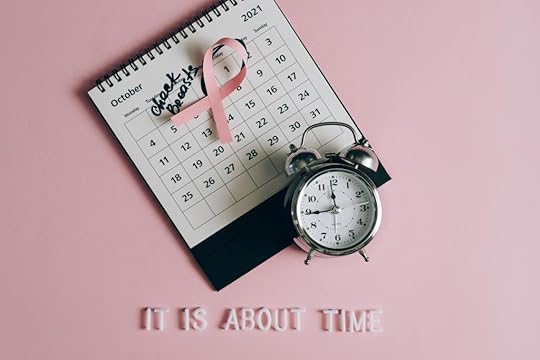
I remember talking to the technician, and she told me that some of those stories may have been accurate in the past, but that technology has advanced, making the process much easier and more comfortable now. To be honest, I found it so tolerable that I wouldn’t hesitate to go every day if needed. It’s quick, painless, and surprisingly comfortable. Yes, you still get tugged a little, but nothing remotely painful. In fact, a pap smear is way more uncomfortable for me than a mammogram.
So, if you’ve been running away from this essential prevention tool, I urge you not to waste another day. Most insurance companies cover this service as part of preventative healthcare, and it’s 100% covered. If you don’t have insurance, the CDC can assist you in obtaining a free or low-cost screening.
Breast cancer screening plays a crucial role in early detection and improved outcomes. It is recommended that all women undergo regular screening for breast cancer. According to the U.S. Preventive Services Task Force (USPSTF), they recommend that women get screened for breast cancer every other year starting at age 50. This is the new recommendation, it used to be 40. This draft recommendation statement emphasizes the importance of regular screening for women.
However, it’s important to note that the balance of benefits and harms associated with adjunctive screening for breast cancer is still being assessed. The USPSTF states that the current evidence is insufficient to make a recommendation for or against adjunctive screening.
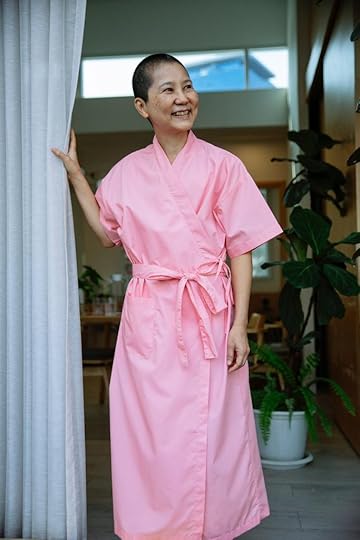
It’s also worth mentioning the guidelines set forth by the American Cancer Society (ACS). The ACS released a breast cancer screening guideline in October 2015, recommending that women with an average risk of breast cancer start regular screening at age 45 and transition to biennial screening at age 55. They also highlight the importance of shared decision-making between women and their healthcare providers in determining the appropriate screening intervals.
In conclusion, regular breast cancer screening is essential for early detection and better outcomes. The USPSTF recommends biennial screening for women starting at age 50, whereas the ACS suggests starting at age 45. It’s important for women to discuss their individual risk factors and preferences with their healthcare providers to make informed decisions about the frequency and timing of their screenings.
Don’t let fear or misconceptions hold you back from taking charge of your health. Get that mammogram and take a step towards a healthier and happier you! Your future self will thank you for it.
As always, be blessed