Monday Notes: Everybody’s Not a Narcissist
A couple months ago, I took a dark triad personality test.* It shows where you are in terms of the three dark personality traits: Machiavellianism, narcissism, and psychopathy. I answered the questions truthfully, and good news: I’m not Machiavellian or psychopathic. However, my narcissism score was a 4.7 out of 5.
Initially, I laughed this off with my husband. I mean, I’ve never been accused of being humble. If we’re talking about intelligence, I do think highly of myself, and many of the questions asked about how you viewed your intelligence compared to everyone else. But I asked my husband…is it narcissistic if it’s true? For example, I attended a high school that was number one in the nation at the time, and I received a degree that only one percent of the population possesses from a top-five public research university. I never throw this in people’s faces, but these are facts, not my opinion. Does this make me a narcissist?
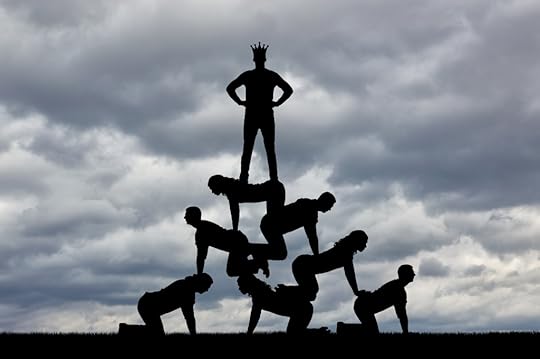
I left the answer lingering, until I found out that one of my former friends once expressed to my husband that I was, indeed, narcissistic. Though her comments were unrelated to the online quiz, it did prompt me to read about the term and traits of narcissistic personality disorder (NPD); they are as follows:
Sense of self-importancePreoccupation with power, beauty, or success EntitledCan only be around people who are important or specialInterpersonally exploitative for their own gainArrogantLack empathyMust be admiredEnvious of others or believe that others are envious of themAfter careful deliberation, I decided that I do not have NPD. Can I be arrogant? Yep. Do I have a sense of self-importance? Sure. Do I lack empathy? Anyone who is close to me, knows that I care deeply about people, and from everything I’ve read, feeling for others is something that narcissists are totally incapable of. Furthermore, I am constantly around folks who are down-to-earth; those are the people with whom I identify. Would I like to sip tea with Oprah, while discussing my book? Sure. Do I think you’re trash if you’re not Oprah. Absolutely not.
So, what’s the point? I hear a lot of people throwing psychological concepts around that have somehow become household terms. But most of us haven’t investigated the meaning of these words, because most of us are not in the mental health field or haven’t invested the time and energy to do deep dives about them. Consequently, your friend, family member, or mate may be selfish, high achieving, or egotistical, but more than likely, they are not a narcissist.
In 2020, I had a candid conversation with Dr. Dinardo for my Mental Health Matters series. In it, she said that much of the population is self-diagnosing, which is leading to misdiagnosing. “One-hundred percent of society experiences situational anxiety,” she says. “If you’re pushing yourself, if you’re trying something new, then that’s gonna be some anxiety, but at the same time, there’s the other side of it, you don’t have the skillset. Your whole entire life, you’ve been protected from failure, which is a natural part of life that happens, and you’re absolutely devastated. That’s not anxiety. That’s just failure.” It was one of the most profound things I’d heard that year. Like narcissism, we’ve used terms like anxiety and depression, when we mean stressed and sad. We say someone is toxic when the person is mean and uncaring. We read a social media quote for two seconds and think we know what trauma is. Many times, we do not.
I’m not saying we all need Psych D degrees to speak with one another, but I do think we should be a bit more careful and less accusatory. After all, calling someone a psychological term without in-depth knowledge of said concept isn’t helpful at all; ultimately, it’s just name calling.
Monday Notes: Everybody’s Not a NarcissistWriter’s Workshop: Show, Don’t TellMonday Notes: Family as Performative ActionInspiring Image #145: Beauty in DeathWriter’s Workshop: 3 Reasons I Chose a Hybrid Publisher