
How does 찾다 mean both “to find” and “to look for” in Korean?
When you look up 찾다 in the dictionary, both “to find” and “to look for” will pop up as its translations. Which one does it mean? Can it mean both? If so, how do you know which meaning the speaker is trying to express?
As you can expect, it all comes down to context, but there are also some ways Korean speakers use to make a distinction between these two meanings.
Let’s look at sample sentences using each 찾다.
찾다 = to find Did you find it? = 찾았어요?I found it! = 찾았어요!Where did you find it? = 어디에서 찾았어요?How did you find it? = 어떻게 찾았어요? Who found it? = 누가 찾았어요?찾다 = to look forWhat are you looking for? = 뭐 찾고 있어요?Is there something you are looking for? = 찾는 거 있으세요?When you look at those sentences, the meaning distinction is easier and you don’t need any other clues to clear things up. But if you want to say things like:
Did you look for it? I looked for it.Things become a bit confusing because if you just say 찾았어요? or 찾았어요, it will mean “Did you FIND it?” and “I FOUND it.” Then how can you express the meaning of “look for” in this case? 
Talk To Me In Korean is here to help!
Learn with our systematic online curriculum, books and ebooks!
That’s when you add the word 보다 and use 찾아보다 instead of 찾다.
When you say 찾았어요?, it sounds almost always like “Did you find it?” and almost never “Did you look for it?”.
 So instead, you need to say 찾아봤어요? to mean “Did you look for it?”.
When you say 여기에서 찾았는데, it usually means “I found it here but” and not “I looked for it here but”.
So instead, you need to say 여기에서 찾아봤는데 to mean “I looked (for it) here but…”
But when you use the present progressive tense, or in other words, say that you are “looking for” something, you can use 찾고 있다 because you are probably not saying that you are “finding” something.
뭐 찾고 있어요? = What are you looking for?제 안경 찾고 있어요. = I’m looking for my glasses.If you say 찾아보고 있어요, it also means something slightly different. You are looking for something, but you are researching for it or looking things up online.
인터넷에서 정보를 찾아보고 있어요. = I’m looking up information online.Start learning today #text-3339098798 { text-align: center; color: rgb(53, 80, 154);}#text-3339098798 > * { color: rgb(53, 80, 154);} Start with online courses first Browse books first #text-box-1777093629 { width: 100%;}#text-box-1777093629 .text-box-content { font-size: 100%;} #banner-1226347250 { padding-top: 300px; background-color: rgb(250, 235, 235);}#banner-1226347250 .overlay { background-color: rgb(250, 235, 235);}#banner-1226347250 .ux-shape-divider--top svg { height: 150px; --divider-top-width: 100%;}#banner-1226347250 .ux-shape-divider--bottom svg { height: 150px; --divider-width: 100%;}
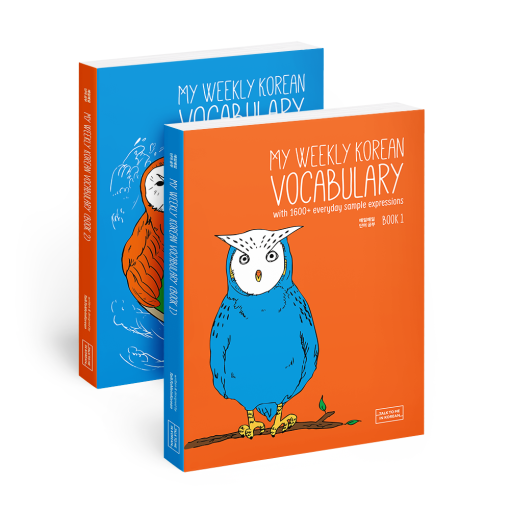 SALE My Weekly Korean Vocabulary Book 1 + Book 2
 $44 $37.40
Each day you have one new keyword, and built upon that keyword are 20 additional phrases and sentences that get progressively longer.
Read more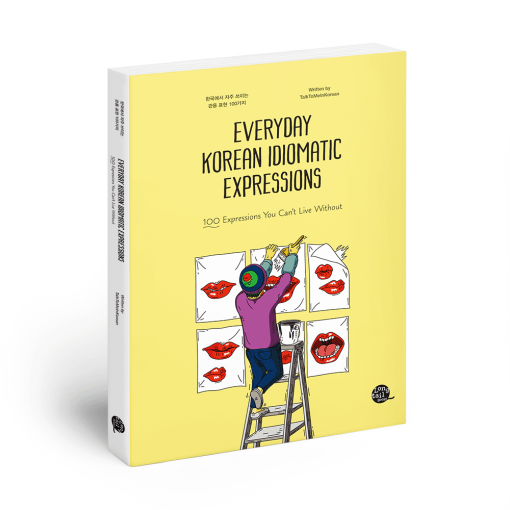 SALE Everyday Korean Idiomatic Expressions
 $21 $18.90
Through this book, you are not only learning the actual idiomatic expressions and how to use them, but also how to explain things in Korean naturally and fluently, by studying with the transcripts and translations.
Read more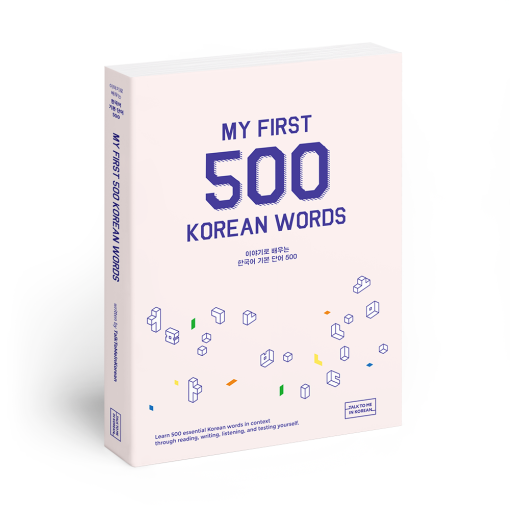 SALE My First 500 Korean Words
 $25 $22.50
Learn your first 500 Korean words and thousands of related words and expressions that you can start using right away in your everyday conversations in Korean!
Read moreStudy with our popular Korean textbooks
SALE
Beginner Package (Hangeul Master + Level 1 Textbook + Workbook) $53 $45.05Add to cart
SALE
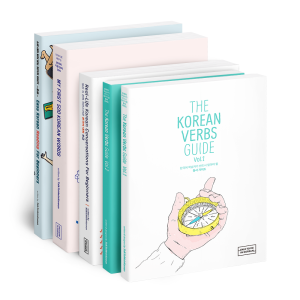
TTMIK Best Sellers (For Beginners) $95 $80.75Add to cart
SALE
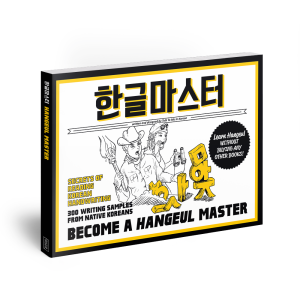
Hangeul Master – Learn how to read and write in Korean $22 $19.80Add to cart
SALE
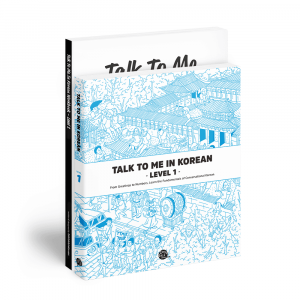
Level 1 Package (Textbook + Workbook) $31 $26.35Add to cart
SALE
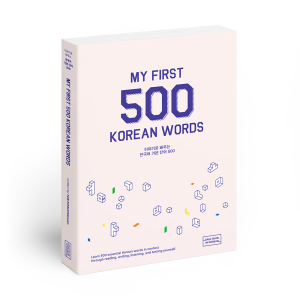
My First 500 Korean Words $25 $22.50Add to cart
SALE
Easy Korean Reading For Beginners $18 $16.20Add to cart


TalkToMeInKorean's Blog

- TalkToMeInKorean's profile
- 254 followers

