Reading Under the Influence: Joan Didion
No
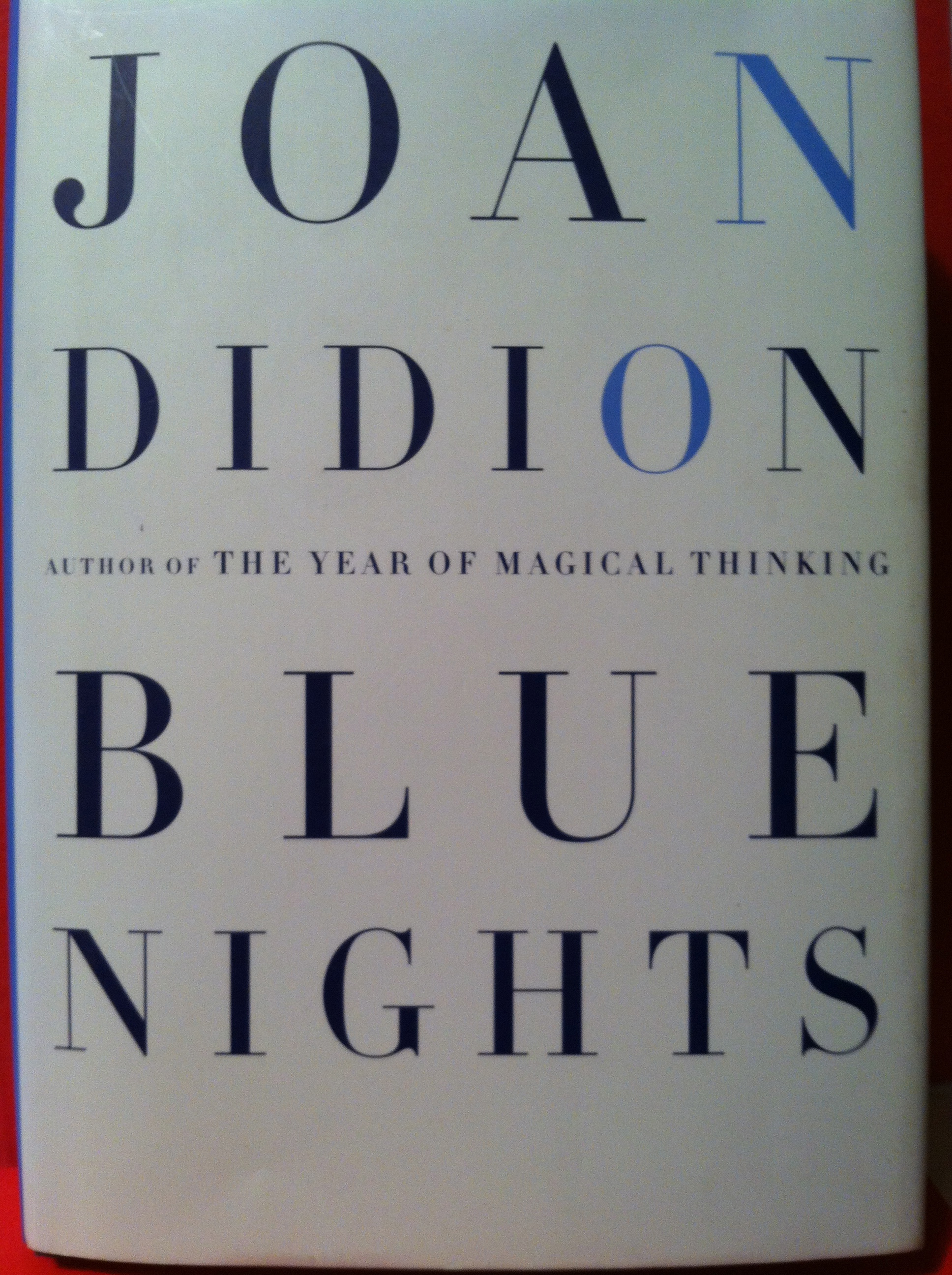
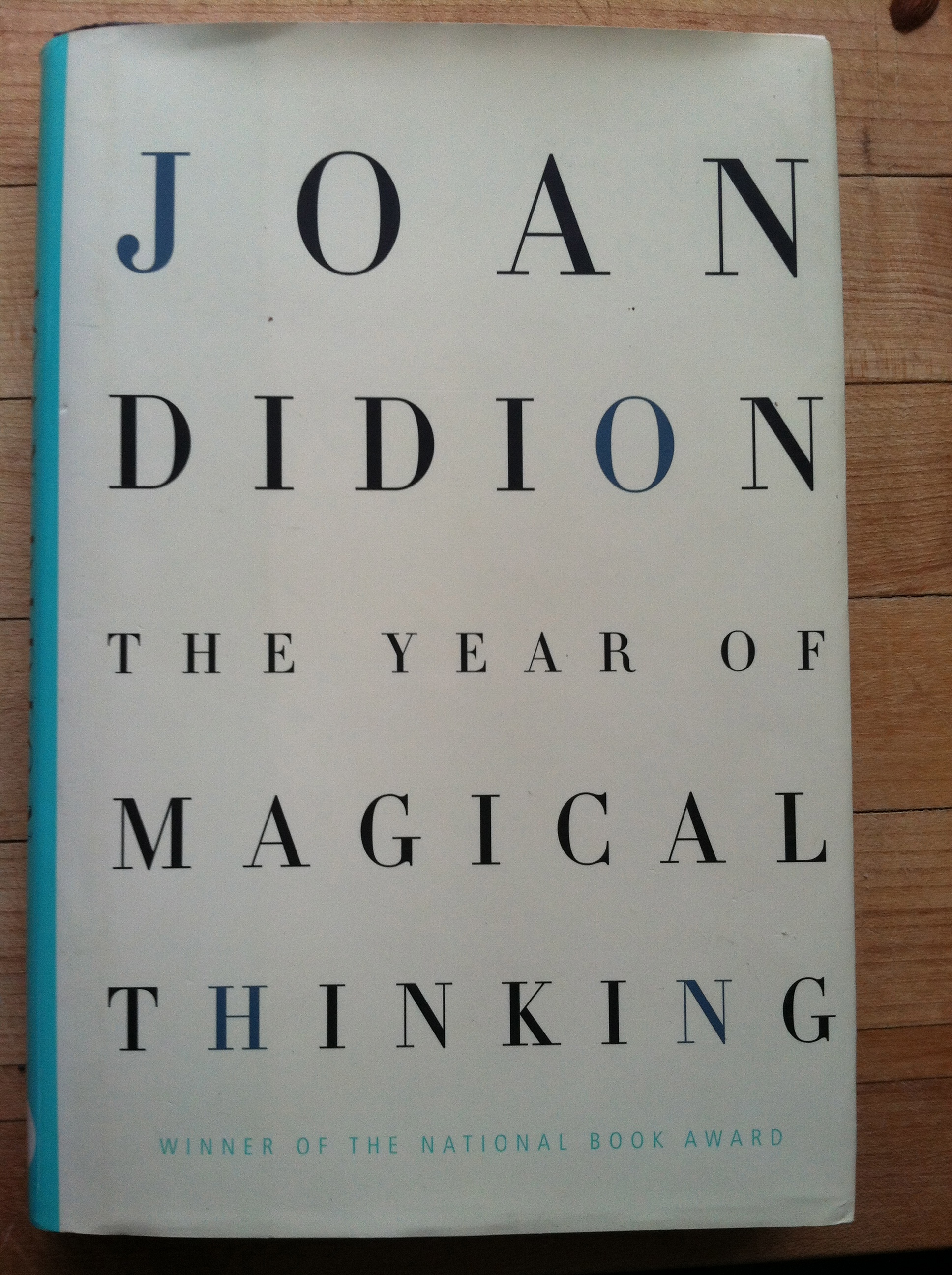
A critic on a radio show not long ago asked how Joan Didion could write about the death of her husband, the death of her daughter, two books, implying something that went unsaid, maybe that Ms. Didion was exploiting her tragedies. But, Radio Guy, she's a writer. That's who she is. She writes about her life. Was she supposed to not write about this? Her husband, the writer John Gregory Dunne, died suddenly at their dinner table. Not long after, their adoptive daughter, Quintana, died as well, a little more slowly. Strangely, Didion doesn't mention Quintana's death in the first book. But I agree: that's a different story. In these books, The Year of Magical Thinking and Blue Nights, Didion explores what we go through in the face of such loss. I say we, because while she is recounting her own experience (and very bluntly) she is speaking universally. She does this by never using a single bromide. Nothing like "Everything happens for a reason," or "Whatever doesn't kill you makes you stronger." Didion tells us the truth. Things happen for no reason. Things that don't kill you
JOHN
often leave you devastated permanently.
I heard her say once (I believe on Charlie Rose, I believe about The Year of Magical Thinking): "I wouldn't say it was about death, it's about whether you'll survive."
Magical thinking refers to the not letting go of someone who is dead, not truly admitting he or she is dead. It's denial. It's a little theatrical, keeping a player onstage. For example a friend called once to tell me that her sister had died in a car crash, and gave the details. And later in the call she asked if I wanted to go visit her sister soon, because of course the sister could use the support. Maybe we'd just go
together and see her. I asked where and the answer was silence. I said, "But you said she has passed away." "Yes. But let's go see her. I think she's in San Francisco." Perfectly serious, perfectly logical. Even in the knowledge that the sister was dead. That was magical thinking.
The phrase "blue nights" refers to a certain time of evening at a certain time of year, a family phrase
at Didion's house, here called up to evoke more magic, but a more atmospherical magic. The book broke my heart. And its message, to the extent is has one, is this: There really isn't any comfort.
A student pointed out that the blue highlighting on the cover of A Year of Magical Thinking spells out J-O-H-N. On Blue Nights, it spells out N-O.