Recognizing Different Learning Styles In The Classroom
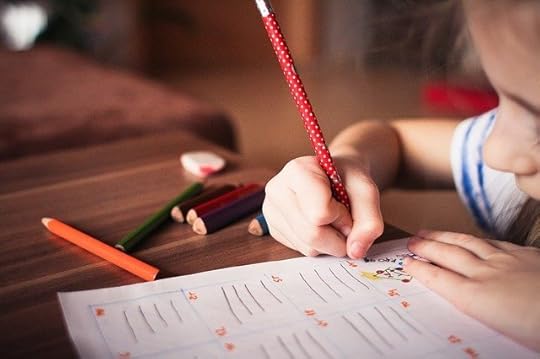
Image by free stock photos from www.picjumbo.com from Pixabay
If you want to keep your students engaged during lessons, it’s important to recognize their learning styles. Children learn in different ways and unless you employ methods that cater to their learning style, they will struggle to take in information.
When you are able to recognize the different learning styles around the classroom, you can then differentiate the curriculum and introduce fun elements to help different learning styles. These are the main learning styles to look out for in your classroom.
Visual LearnersVisual learners take in information by seeing things. These children are often very in tune with the facial expressions and body language of parents. They also think in pictures rather than fully formed sentences a lot of the time, and they will struggle to take in information if they don’t have visual aids. When trying to teach visual learners, make use of bright, colorful educational games from sites like ABCmouse, for example. They also respond very well to demonstrations and diagrams. Whenever you are trying to explain things, always make sure that you have visual aids to hold their attention and help them grasp complex concepts.
Auditory LearnersAuditory learners learn through listening. Written information does not go in very well so they will need verbal explanations too. Auditory learners tend to pick up on information best when they discuss it and talk it through, so group discussions are great. Auditory learners are often distracted by lots of loud noise, so they learn best in a quiet environment where they can clearly hear verbal directions and explanations.
Tactile LearnersTactile learners are practical learners that prefer to do things with their hands. If you explain information to them or show them visual aids, it won’t always stick. They tend to solidify information by drawing it. They also work well with educational toys that teach them new ideas and concepts through play. Tactile learners like environments where they can explore and use toys and games to learn things themselves, instead of sitting down and having things explained to them.
Kinesthetic LearnersKinesthetic learners are a group that often gets overlooked because teachers don’t always know how to deal with them. They are children that like to learn through movement and they often have trouble sitting still. Just like tactile learners, they like to explore their own learning environment, but they need to be active. Kinesthetic learners respond well to simple games that involve full body movement. Try not to keep them glued to their seat either because they will soon become fidgety and lose concentration.
Many teachers struggle to engage their students because they don’t recognize that they have different learning styles and they don’t know how to tailor lessons to different styles. If you try to teach a child with a kinesthetic learning style by engaging them in group discussions, for example, you won’t get very far. So, pay attention to your students and try to determine what their learning style is and you will have much more success.