Interview with Alison Sher on The Homecoming Retreat
Posted by Kathleen Pooler/@kathypooler with Alison Sher
I am very pleased to introduce you to Alison Sher. I first met Alison in 2014 when I attended a women’s writing conference where she was a speaker. Alison describes herself as a “visionary creative, business & editorial consultant”. Most recently, Alison reached out to me to tell me about The Homecoming Retreat when she saw that I had published a book about being the mother of an addicted son. I am thrilled that such a resource exists for addicted people and their families and wish I could have participated in such a program when my son was in the throes of his active drinking.
Welcome, Alison!
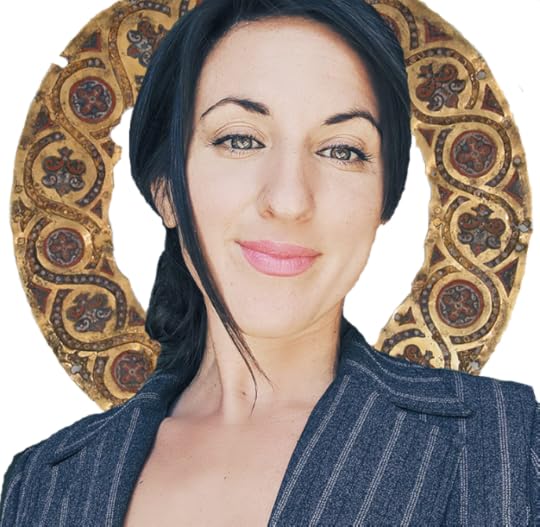 Visionary creative, business & editorial consultant Alison Sher
Interview with Alison Sher on The Homecoming Retreat
Having published a memoir about addiction and recovery, I am thrilled to see a retreat focused on recovery for addicts and their loved ones. Can you describe how this idea came to be?
Well Kathy, I’ve learned so much working with these recovery experts. It turns out addicts is not even a politically correct term to use anymore. Because addict assumes that one’s addictive disorder is a permanent part of their identity and it’s not. It doesn’t have to be and this is what inspired our gathering. To help people who are suffering realize that they can change, that this disorder can eventually become part of their past if they follow certain practices and understand the latest research that’s coming out about how we can cure this life threatening affliction. It’s a disorder. It’s not a disease.
Addiction is a multifaceted problem requiring a multifaceted response. I am impressed with the list to experts who are involved in this effort. How did you all find one another?
I teamed up with Andrea Morris who is a clinical specialist and trainer and has lots of connections in this field. Some of the people are her colleagues and some teachers that I personally admire and reached out to.
This Homecoming Retreat is a unique approach to addiction recovery. Can you describe your program and what you hope to accomplish.
We are hoping to teach people that trauma and the subsequent changes that are created in one’s brain are what most likely lies at the root of addictive patterns. We also want to show them how much the science has progressed over the last 15 years to prove this. We want to introduce them to the therapies that get to the root of this problem, so it wouldn’t take so long for them to find these life changing resources and very skilled practitioners. It takes the average person 10 years to find their way to this information. We wanted to give it to you in one weekend.
It has been established that addiction is a brain disease not a moral failing. This concept has been disputed and there are still some people who cling to the notion that if the addict only had the willpower, they could change their behavior. When my son was in the throes of active addiction, this brain disease theory was disputed. The people around me—counselors, family, friends—tried to be helpful but it only led to guilt and shame for me. I’m happy to see a neurologist on your panel. What are your thoughts on Dr. Michael Trayford’s work?
My personal opinion is that once we heal the underlying traumas and rewire the addicted brain, making healthy, moral decisions becomes a choice once again. Our free will is restored. However, until that happens, so many of us will stay controlled by our impulsive and self-destructive coping mechanisms to self-medicate our pain. You might be out of the denial phase and in some kind of treatment plan like the 12 steps seeking to live in a better way, but it’s so often not enough. People know better, but still act out addictive patterns because the action happens before there’s even a thought to control it. That’s why so many people say they are powerless over their addictions. And its why white knuckling your way through sobriety without that trauma resolution and brain rewiring is unsustainable for many. Dr. Trayford is an amazing supporter of ours and global activist in this cause. He brings that hard science component into the conversation and does so with a very sincere heart. He was named the functional neurologist of the year in 2017. We are lucky to have him presenting. He’s going to share with us case studies of how his protocols at Apex Brain Centers are helping clients restore their mind/body connection and heal their brain.
Addiction Recovery is a long hard journey. Relapse is common. How does your program address this?
Our program is highlighting material that really gets to the source of why this is such a cynical pattern for so many and how to truly break free once and for all. I think de-stigmatizing the condition is important, and moreover we have to cleanse ourselves on a cellular level of the toxic shame that causes people to self-sabatoge in addictive relapses. I think shame causes relapse more than anything. This idea that you’re unworthy of dignity, stability and a loving life experience. It’s also important to address the feelings of isolation that cause people to seek connection from a mind altering substance instead of those around them. We bring a peer support element to the retreat. Having allies in recovery can mean all the difference.
The Homecoming Retreat sounds like a groundbreaking event. I only wish I had access to such a program when I was going through my son’s active addiction. Do you have any preliminary data on how the program is being received?
We won’t know until it’s over, but really had an intuition that it was of great need. We hope to run it again in a different city in the US.
Is there anything else you’d like to say about the program?
I think it’s important for families to address this issue together. Addiction is created in the home. Many scientists now believe that childhood developmental and attachment trauma reside at the core of this affliction. There are also generational and ancestral traumas that recreate themselves through our lineages, and it explains why for some people this “core wounding” and hungry ghost we are born with stems so deep, and from memories we can’t even fully recall. When one member of the family starts doing the work to liberate themselves from this pain because it is manifesting in addiction, there is an opportunity to heal the whole family system. To me, “addicts” are mystics. And recovery almost always results in a spiritual awakening and a complete shift in identity.
 Photo Credit: www.goodnet.org
Here is the link to The Homecoming Retreat
Alison can be found at her website Alison Sher.com
Thank you Alison for all your work on such an important cause. I am fascinated by your line of thinking that addiction is not a disease but a disorder that can be healed by doing the underlying trauma work necessary to break free.This will help so many people find freedom and empowerment in their lives.
How about you? What is your perception about addiction? Do you have any questions for Alison?
We’d love to hear from you. Please join in the conversation below.
Monday, December 16:
Christmas Blessings, 2019