Hyperthyroidism – The Cause, Symptoms, Labs and First Steps to Take
An estimated 30 million Americans have some form of thyroid disease, and up to 60% of those with thyroid disease are unaware of their condition. Hyperthyroidism affects 2-5% of all women mainly between 20 and 40 years old.
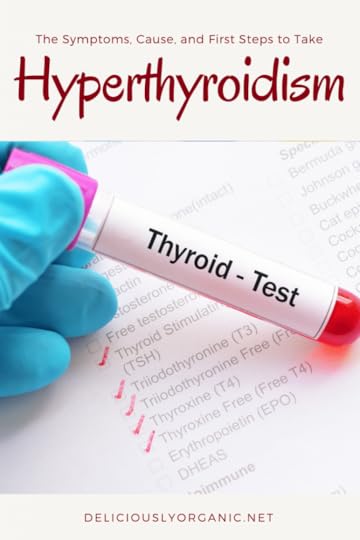
Today we’re going to cover the cause, symptoms, labs and first steps to take from a holistic perspective.
So let’s dive in…
What is hyperthyroidism?
Hyperthyroidism is most often diagnosed when TSH (thyroid stimulating hormone) levels are low and free T4 and free T3 levels are high. Basically, the thyroid is overproducing thyroid hormones.
What is TSH and what is a “normal” level?
TSH is a hormone that the pituitary sends out to tell the thyroid how much or how little thyroid hormones to produce.
Please note: TSH levels tell you what your pituitary is up to, but it’s not telling you what the thyroid is doing.
Everyone is biochemically individual, but in our practice we’ve found that a TSH level between 0.7-2.0 is the range where people feel healthy and vibrant.
What is free T4 and what is a “normal” level?
Free T4 is a hormone produced by the thyroid.
You want free T4 to be in the middle of the lab range. So if the range is 1.0-3.0, you want your free T4 to be 2 or close to it. Each lab has a different range, so you have to look at what the specific range is to know what number to look for.
What is free T3 and what is a “normal” level?
Free T3 is a hormone that mostly comes from T4. The thyroid makes T4 and sends most of it to the liver to be converted to free T3.
You want free T3 to be in the middle of the lab range. So if the range is 1.0-3.0, you want your free T4 to be 2 or close to it. Each lab has a different range, so you have to look at what the specific range is to know what number to look for.
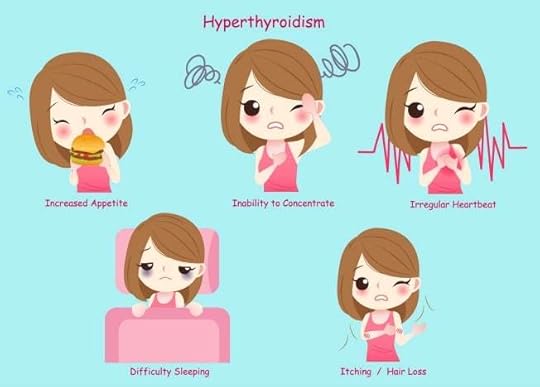
What are the symptoms of hyperthyroidism?
Here’s a list of some of the most common symptoms:
Nervousness
Irritability
Increased sweating
Heart racing
Hand tremors
Anxiety
Difficulty sleeping
Thinning of your skin
Fine brittle hair
Weakness in your muscles—especially in the upper arms and thighs.
More frequent bowel movements
Weight loss
Excessive appetite
Irregular Menstrual cycles
Lots of energy (often too much)
Lack of energy (as the body breaks down)
Bulging Eyes
Goiter
Graves Disease
Why is my TSH low?
The pituitary, hypothalamus and adrenals (also called the HPA axis) are all part of the endocrine system and communicate with one another throughout the day. When the body perceives stress (for those with hyperthyroidism, this is usually in the form of emotional or environmental stress), the hypothalamus tells the pituitary to crank out less TSH so the thyroid will produce more hormones to keep the body functioning.
So, a low TSH level isn’t actually a thyroid problem. Instead, it’s often an imbalance in the HPA axis. Your practitioner’s job is to now figure out why there is an imbalance.
Why is my free T4 high?
Most often, free T4 is high because there is a severe form of emotional or environmental stress (from things such as synthetic pesticides, toxic heavy metals, and possibly glyphosate).
Why is my free T3 high?
Most often, free T3 is high because the thyroid is making too much T4 that is being converted to free T3.
What do you need to do if you’ve been diagnosed with hyperthyroidism?
1. Ask your practitioner for a full thyroid panel. Remember, TSH tells you what’s going on with the pituitary, not your thyroid. So, getting a look at what’s actually going on with your thyroid will give you and your practitioner more insight as to what steps to take next.
Here’s the list of labs to ask for (if your doctor won’t run labs for you, you can order them here):
TSH
TPO
TAA
Free T3
Free T4
Reverse T3
T3
T4
Total T3

2. If your free T4 levels are high, then I recommend increasing your consumption of raw cruciferous and goitrogenic vegetables such as broccoli, kale, leafy greens, Brussels sprouts, cauliflower, etc. These raw vegetables can help inhibit the uptake of iodine into the thyroid which can help lower free T4 levels.
3. Take steps to support your adrenals. (This is one of the most important things you can do!) Why? Because anyone with a low TSH is also dealing with some kind of adrenal issue. I can’t tell you how many people have taken the steps I list and come back a month or two later telling me how much better they are already feeling!
4. Reduce your sugar intake. Sugar and stress do the same thing in the body (minus the calories), so to help balance your TSH, you need to watch your sugar intake. If you’ve got massive sugar cravings right now (I’ve been there before!), make this recipe for buttermints and follow the directions listed.
5. Remember that your practitioner is working for you, not the other way around. It’s ok to ask them questions about the root cause of what’s going on. If they don’t treat you respectfully when you ask them questions about what’s going on with your body, then it’s ok to find another practitioner to work with. It took me 9 months of going doctor-to-doctor before I found someone who would listen to me and run tests. Being persistent to find the right practitioner to work with pays off!
If you’re looking for a practitioner to work with, give our office, Biodynamic Wellness, a call to book a consult. We work with clients long-distance.
6. Start moving away from processed foods and eat real, nutrient-dense foods. I’ve got over 500 recipes here on my site and another 125 in my cookbook. Eating healthy foods will reduce the strain on your body and help bring things back into balance.
The post Hyperthyroidism – The Cause, Symptoms, Labs and First Steps to Take appeared first on Deliciously Organic.