
The contested legacy of Kwame Nkrumah
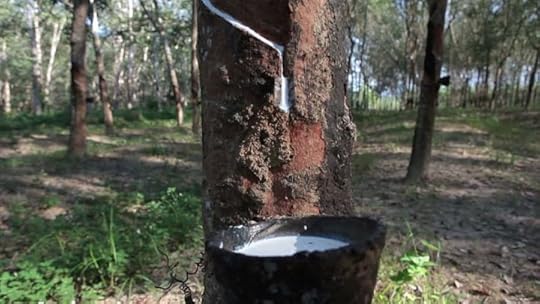
Rubber tap. Image via stock-clip.com.
In late 1961, a group of Czechoslovakian engineers commissioned by Kwame Nkrumah��and the��Convention People���s Party��traveled about western Ghana searching for the ideal site to establish a tire factory.��Eventually, one evening, they arrived at Bonsaso, a small village just south of Tarkwa on the Bonsa River, where the chief, Nana��Atakora��Koi III, offered land free of charge for the sake of the��state���s��industrial development project.��The government��aimed��to use rubber produced locally��on state farms��and��electricity��generated by��the hydroelectric dam at��Akosombo��to manufacture��car��tires that would keep Ghana moving ���forward ever, backward never.�����As the Ministry of Industries worked out plans for the factory��at Bonsaso,��the State Farms Corporation planted thousands of acres of rubber��trees��in��southwest Ghana.��The agro-industrial project fit perfectly with the government���s objectives to diversify Ghana���s cocoa-dependent agricultural sector and��industrialize its economy, all for the sake of shoring up the country���s sovereignty��and��reclaiming��its��potential and��prosperity,��as��per the promise of Nkrumah���s self-proclaimed title, ���Osagyefo,��� the redeemer.
Instead,��the plantations have enriched the upper echelons of those controlling the industry, and rubber has become yet another commodity exported��in a��minimally-processed��form��to countries that ultimately reap the lion���s share of profits from finished goods.
Today,��the tire factory in Bonsaso lies defunct, as it has for nearly two decades.��The��rubber��plantations��originally established by the State Farms Corporation are��controversially��controlled by Ghana Rubber Estates Limited (GREL), a company incorporated in 1967��when the National Liberation Council sought to liquidate state investments per the advice of the International Monetary Fund.��GREL is now��owned by the French firm��Societe��Internationale��de Plantations��d’Heveas��(60%), the Ghanaian government (25%), and a Ghanaian investment firm, Newgen Investments Limited (15%). Newgen, in which the former first lady Nana Konadu Agyeman Rawlings is a primary shareholder, acquired its shares��amidst��corrupt��divestiture��procedures from��1995-8.
The plantations and factory alike are engulfed by tangled outrage and nostalgia, ubiquitous reminders of unfulfilled potential and the uneven dividends of economic growth.��People in the vicinity of these relics of��Nkrumah���s��modernizing mission, however,��have not given up��all��hope that they may�����redeem�����the fruits of his��development visions.��What efforts are people taking now to stake claims to��rubber���s rewards? What does it mean to seize the future of a hurtful past?��What would��substantive��decolonization of��Ghana���s��rubber industry look like?
Like too many state-led development projects, the integrated agro-industrial rubber scheme,��particularly��its state farms,��involved the autocratic expropriation of land from rural farming communities. Under the State Lands Act of 1962, the government seized vast areas of land, on much of which farmers were already cultivating foodstuffs and cash crops.��Communities actively protested the land grab,��but their complaints��fell on��deaf ears, and after the 1966 coup��that��overthrew Nkrumah, none of the ensuing regimes supported the villages��� efforts to reclaim any��of the dispossessed��land. Presently��GREL���s rubber��holdings��encroach upon the land of��86��communities across southwestern Ghana.
Still, many people old enough to remember the Nkrumahist era fondly uphold Osagyefo. The very people whose communities became tightly encircled by a seemingly alien crop, whose livelihoods the state deemed backward, who have lived with the legacies of developmentalist authoritarianism etched across the landscape ever since,��nevertheless��champion Nkrumah���s efforts to uplift Ghana. They cling to his memory not out of��a recognition��of the value now being earned by Ghanaian farmers from rubber, but out of a yearning for the hypothetical������what could Ghana have become if Osagyefo hadn���t been overthrown so soon?�����After all, by 1966, the rubber trees planted during Nkrumah���s incumbency had not even begun to produce latex; the factory was still in its early stages of construction.�����If only the CPP had more time��������But��ensuing��governments, the prevalent opinion goes,��squandered Ghana���s potential, allowing its wealth to be skimmed by avaricious elites, corrupt politicians��and multinational corporations.
Nevertheless, people in western Ghana have cultivated tactics to make this situation work for them to some���albeit limited���degree. Thousands of men and women from the area and��throughout Ghana have been employed by the industry over the years, with the payoffs thereof ebbing and flowing depending on the strength of their unions and the state of the economy. Workers have access to a company health clinic, and some live in company housing quarters with their families. People in the area can send their children to primary schools constructed by GREL, and the Association of Chiefs on whose Lands GREL Operates (ACLANGO) has for the last decade negotiated community improvement projects, such as��bridges,��soccer��pitches and��water tanks,��sponsored by the company as part of its corporate social responsibility agenda and in an attempt to mitigate land litigations. Of course, these measures��really only offer a bandage��for��a wound that has festered for nearly��60��years.
The��extension of rubber state farms��in the 1960s��also served to��eclipse��the growth of the��budding private rubber sector��at that time. Before the launch of the State Farms Corporation, the CPP had in fact promised technical assistance and generous subsidies to farmers and cooperatives interested in planting rubber, and��in the late��1950s/early��1960s, people���s requests for rubber seedlings and subsidies far outstripped supply.��The rubber trees would not begin producing latex for another seven years,��but��farmers were playing the long game.��The future of the rubber industry looked bright,��yet��the CPP���impatient and��doubtful that small farmers could expand agricultural output quickly enough���made other plans.
Ghanaian��farmers��would not��attempt to plant rubber again��until the mid-1990s, when the government of Ghana launched a��program for individual rubber farmers��similar to��that of the��post-independence years.��Since then, thousands of people have planted rubber farms in western Ghana, and for the last several years, small- to mid-scale farmers have produced more than half of Ghana���s rubber output.��Despite��diminishing support from the government, people are scrambling to acquire land to plant rubber, which farmers swear is��much��more lucrative than any other crop, including Ghana���s long-time lifeblood, cocoa���a fact��that��the government of Ghana has yet to take seriously.��However,��GREL���s��massive��concession tightly constricts the acreage��available for��private��development��near the GREL��natural��rubber��processing facility��(the only facility of its kind in western Ghana), leaving rubber farmers to seek out hilly plots far removed from roads and communities.��No��soccer��pitch or borehole well offered by GREL can make up for this fact.
Statistically, Ghanaians are producing more rubber than GREL, but��functionally,��the company still dominates the industry.��What��then��are people in southwest Ghana doing about it?��Some people in western Ghana found hope in the��campaignese��of Nana��Akufo-Addo.��The New Patriotic Party candidate promised ���One district, one factory��� and free secondary school for all. When he was elected,��some mused��this could mean the re-opening of Bonsa Tyre Factory.��But despite a smattering of media articles over the last many years calling for the government���s support of the tire factory��at Bonsaso, former factory workers and people living in the vicinity of Bonsaso hold out little hope that, if the factory is ever revived, it will be the government���s doing. Many only wish that the Divestiture Implementation Committee will authorize a foreign corporation to take over the enterprise��and��inject some life back into the local economy.��The son of Nana��Atakora��Koi III��(who��originally��gave the land for the factory site to the CPP)��even tried to recruit Bridgestone, a multinational tire giant,��to take over the factory. He and many of his neighbors effectively see neocolonialism as preferable to unemployment��and marginality.
Meanwhile, rubber farmers harbor fundamentally different attitudes toward corporate power from those who dream of bringing back Bonsa Tyre Company���s bygone golden years via foreign investment. Instead, working- and middle-class individuals are looking to etch their own legacy into the��industry���s future���a dreamscape they refuse to leave to the state or Newgen or foreign investors.��In early 2016, hundreds of farmers��in southwest Ghana��marched from the town of Agona Nkwanta��to��GREL���s��processing facility,��nearly three miles away.��Together, the��farmers��protested the low producer prices for��raw��rubber offered��by��GREL.��Although��GREL technically pegs its buying price��to the world market standard,��farmers only��receive about half that value (or less) after deductions for marketing and transportation expenses, processing/packing/purchasing/service fees,��contaminant and wetness devaluations,��and��loan payments.��To protest the terms, farmers took to the streets, yet��the company did little to address their complaints.��Not long thereafter,��some farmers��began��protesting in a new way, by��refusing��to do business with the factory��and��instead selling their yields to incipient traders who export raw rubber into the C��te d���Ivoire and to destinations as far as Malaysia.��GREL has argued this jeopardizes��Ghana���s whole rubber industry, but farmers will likely continue to�����side sell��� their yields as long as GREL��otherwise��holds a monopsony.
Other��people��are imagining alternative options: rubber farmers could form cooperatives and purchase small-scale rubber processing machines, or maybe even the rubber farmers��� association could purchase the old Bonsaso site and fund its own processing facility. Less grandiose ideas���indeed, actions now being taken���entail keeping track of the rises and falls of the world rubber market to hold GREL accountable for their monthly price fluctuations, and collectively calling for fairer and more transparent valuation terms. Still others think rubber farmers should contribute a percentage of their profits to a fund that would pay for the establishment of feeder roads and bridges, so that more people can expand more farms throughout the region.
These assorted ideas aren���t guided by any overarching ideology except that things could be better, and that it���s worth the struggle to make them so. Their proponents disagree about the precise path forward.��Visionaries���farmers included���have always debated strategy in the face of colonialisms, new and old.��For all, the very planting of rubber trees is a redemptive discourse in and of itself, a claim-staking to inclusion in an industry that for decades advantaged the��powerful��to the detriment of the plenty.
But��even��these solutions are all��conservative takes on the overarching issues��at hand;��issues that are beyond farmers��� control��and��that only the state can��really��address.��The��GREL has paid the government of Ghana well over $1 million��in rent for its plantation properties in the last two decades,��so��why should farmers have to��fundraise to��construct their own feeder roads?��How is it that��more than��20��years after the rubber industry began rapidly expanding��in western Ghana��that only one processing facility exists��there,��and why has a tire factory��sat��idle since the turn of the millennium?��Given that leaders in the private rubber sector have��for years��lobbied to the government to sponsor Ghana���s membership in the International Rubber Research and Development Board,��why��is Ghana still not a member?��And how,��most��outrageously, does Nana Konadu Agyeman Rawlings��collect��GREL dividends when��local communities��on whose lands GREL operates��only��might,��if they are lucky,��have a��footbridge built��for them?
Today���s rubber farmers in western Ghana recognize the industry���s past is fraught with coercion, marginalization, and disappointment, yet they have fixated on defining its future.��It remains to be seen whether the government of Ghana will��match their��efforts��or continue to dismiss the industry��and��perpetuate��the relegated status��that��rural��western Ghana���s citizens have held��for decades.


Sean Jacobs's Blog

- Sean Jacobs's profile
- 4 followers

