
Winging It
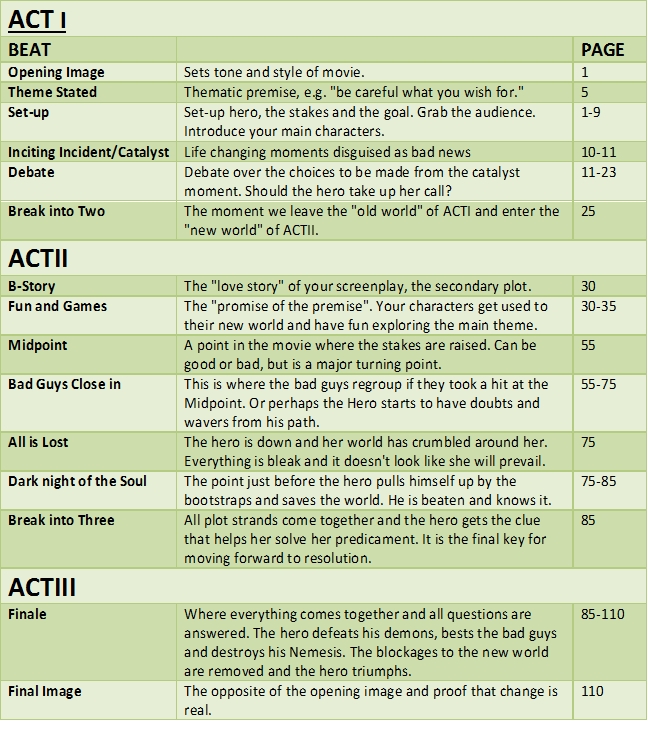
Last week I wrote about how things that look good on paper don't always cut the mustard when it comes to putting it all together. That's what's happening with my current work in progress (WIP. ) I followed my usual formula for when I get an idea–pull out the Blake Snyder beat sheet and fill it in. I mapped out a set up, an inciting incident, a midpoint, dark night of the soul moment, and a satisfying ending. It looked really good on paper.

Then I began to write the story. The basic story line took place on a riverboat leisurely strolling down the Mississippi toward New Orleans. And that's where the wheels, or paddles, in this case, began to come off the story. The boat was too confining for the story line. So I took a deep breath and tossed hero and heroine overboard. And while I was at it, I tossed the beat sheet overboard as well.
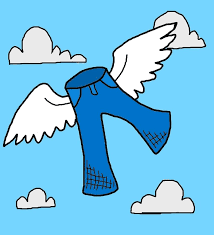
So where does that put me? Up the creek without a paddle, so to speak. I'm totally flying by the seat of my pants this time. No beat sheet allowed. And I'm finding something about this new approach that I really like. Many of you know I'm an obsessive jigsaw player. I've given up on the real ones, but the Magic Jigsaw Puzzle app and I spend a lot of time together. I am becoming quite adept at piecing things together quickly. The same is happening with my story. I've got my damp hero and heroine walking now instead of being on board, and they come upon a fort. It happens to be a Union fort, constructed in 1862. My hero was a Union spy who used to deliver intelligence to the fort, so they're granted access without question. I've got entire scenes from when they were aboard ship that I've abandoned, but there are bits and pieces of those scenes that, with a little tweaking, work well in the new story line. Just like my jigsaw puzzles, it's becoming less and less individual pieces with sharp edges, and is morphing into a discernible picture.
I never thought I'd be one to work by the seat of my pants. I know plenty of great writers who are pantsers, but writing historicals demands that research be done to make the story accurate. But this seems to be working for me for this story, anyway.
 I recall what an early mentor told me when I was doing research for a story that's yet to be written. I asked her when I should stop doing the research, which was overwhelming me. She asked if I had a story to write or not. When I nodded, she said, "Write the damn story then. You'll know what research you'll need to add to the story once the story's on paper."
Sage advice. And that's what I'm doing. I'm writing the damn story.
Then I began to write the story. The basic story line took place on a riverboat leisurely strolling down the Mississippi toward New Orleans. And that's where the wheels, or paddles, in this case, began to come off the story. The boat was too confining for the story line. So I took a deep breath and tossed hero and heroine overboard. And while I was at it, I tossed the beat sheet overboard as well.
So where does that put me? Up the creek without a paddle, so to speak. I'm totally flying by the seat of my pants this time. No beat sheet allowed. And I'm finding something about this new approach that I really like. Many of you know I'm an obsessive jigsaw player. I've given up on the real ones, but the Magic Jigsaw Puzzle app and I spend a lot of time together. I am becoming quite adept at piecing things together quickly. The same is happening with my story. I've got my damp hero and heroine walking now instead of being on board, and they come upon a fort. It happens to be a Union fort, constructed in 1862. My hero was a Union spy who used to deliver intelligence to the fort, so they're granted access without question. I've got entire scenes from when they were aboard ship that I've abandoned, but there are bits and pieces of those scenes that, with a little tweaking, work well in the new story line. Just like my jigsaw puzzles, it's becoming less and less individual pieces with sharp edges, and is morphing into a discernible picture.
I never thought I'd be one to work by the seat of my pants. I know plenty of great writers who are pantsers, but writing historicals demands that research be done to make the story accurate. But this seems to be working for me for this story, anyway.
 I recall what an early mentor told me when I was doing research for a story that's yet to be written. I asked her when I should stop doing the research, which was overwhelming me. She asked if I had a story to write or not. When I nodded, she said, "Write the damn story then. You'll know what research you'll need to add to the story once the story's on paper."
Sage advice. And that's what I'm doing. I'm writing the damn story.


No comments have been added yet.


