The Last of the Shakers
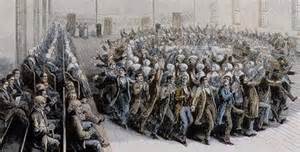
 A friend of mine recently posted an article on Facebook that immediately caught my eye. It was entitled, “One of the Last Shakers Dies.” I have always found the Shakers to be a fascinating group. The name by which we know them is actually a nickname that has been shortened from “Shaking Quakers.” This came from their worship style that apparently included some sort of ecstatic bodily tremors. I’ve never seen them in action, and now I may never get the chance.
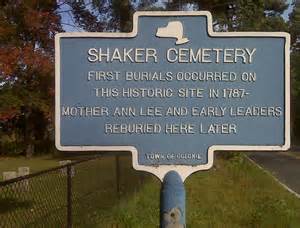
The deceased in question is Sister Frances Carr. She was 89 years of age and was one of three people still living in the Shaker community in Sabbathday Lake, NY. Among the group’s tenets are “pacifism, gender equality, communal ownership and celibacy.” The last of those beliefs undoubtedly contributed mightily to their ultimate demise. The two remaining members are sixty and seventy-eight years old. Time is not on their side.
Celibacy probably accelerated the process.
As I read the article, it caused me to think about the death and demise of an institution that had survived two and a half centuries. The whole celibacy thing probably accelerated the process, but the fatality of a spiritual establishment is a fascinating study in itself. Even if you’re having children, how do you maintain and grow the gathering as a healthy and viable expression of God’s love on this earth? Maybe the deeper question is, “Should we even try?”
 Think about the typical local church. Where (and how) did it start? In many cases, a few enthusiastic Christians gathered in someone’s home for Bible study. The study turned into a fellowship and developed into a small community of believers. They got excited about the Lord, each other, and what they believed. They began to reach out into the surrounding community to meet perceived needs and minister to their neighbors.
Eventually, it became prudent to have a central location from which they could operate. They pooled their resources, saved some money, bought land, and erected a building. Before long, most of their money went into maintaining the building and hiring staff. The church, which started as a small group of vibrant Christian disciples, now becomes a corporation of like-minded people striving to maintain their traditions.
Churches close their doors every year.
It’s no secret that most of the church’s money is spent on herself. It’s not that money is the measuring stick, but it’s often an indicator of what we think to be most important. After the “glory days” of the congregation are over, the church begins to wane and eventually die. The number of churches that close their doors each year is staggering.
 It sounds a bit sad, but it might not be a bad thing. If we spend most of our time protecting what we have, we are spending less and less time serving Jesus.
People live and die—so do congregations and denominations. The Christian communities planted by Paul are long gone. The Shakers are all but extinct. Despite all this, the church lives on. Long live good King Jesus!
[Dave Zuchelli is a graduate of Pittsburgh Theological Seminary and is currently the pastor of Smith Chapel, in Great Falls, VA.]
The post The Last of the Shakers appeared first on Dave Zuchelli.