
Combing Colonial Williamsburg For Answers
I am pleased to have as my guest today a good friend and fellow historical author, Elizabeth Meyette. She has written several books centering on the Revolutionary War in America. Since any historical author will tell you doing exhaustive research to make your work authentic takes almost as much time as writing the book, if not more, any new tricks on how to cut down on the time needed are appreciated. Today, Elizabeth shares with us what she had hoped to accomplish on a work vacation to Williamsburg, VA.
Welcome, Elizabeth!
On a recent visit to Colonial Williamsburg, I was immersed in the patriotic fervor of our Founding Fathers (and Mothers). We spent a week visiting historical sites, chatting with tradespeople in shops, attending reenactments, and visiting Yorktown. A perfect “work-cation” for an author.
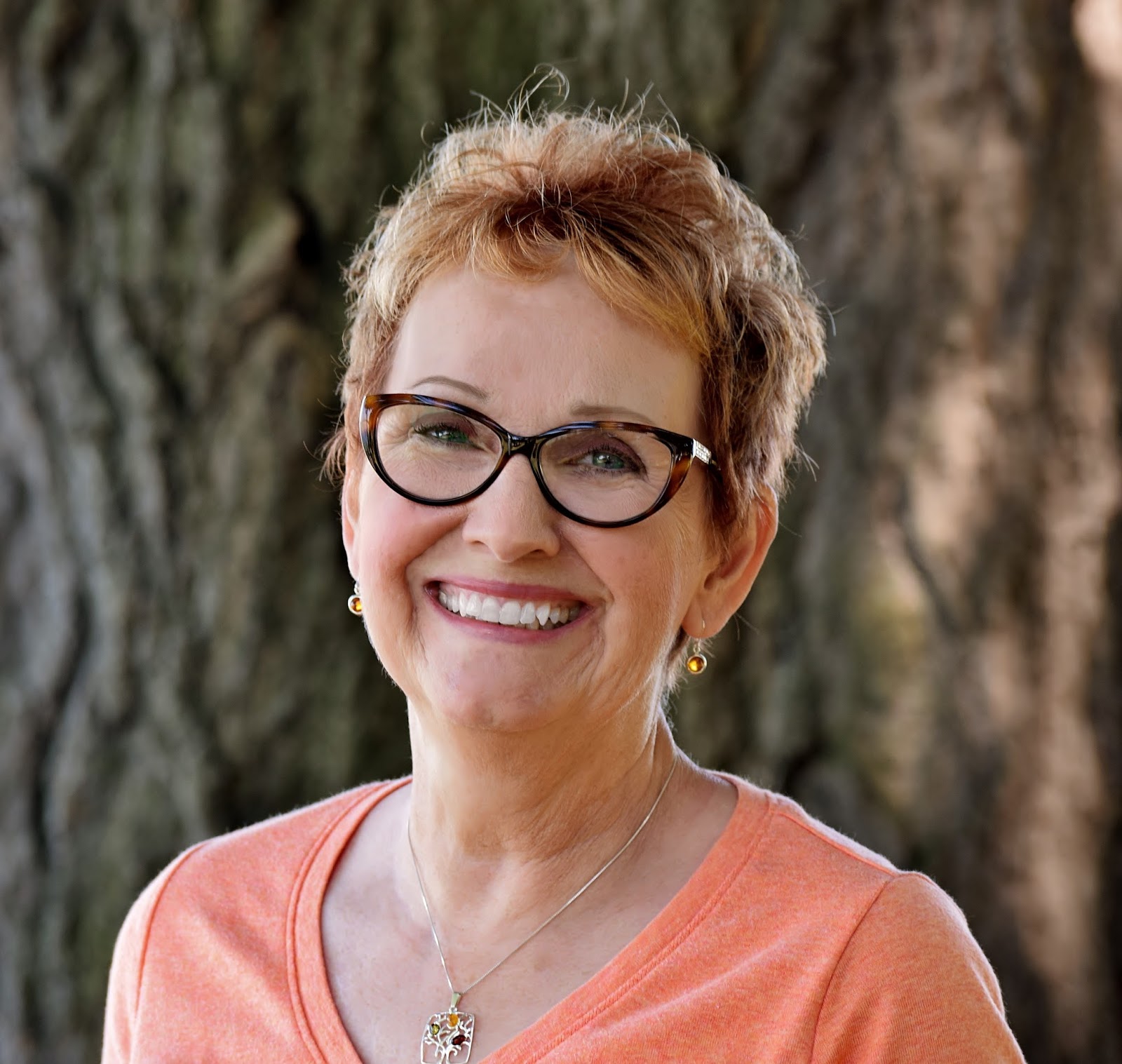
My goal for this research trip was to answer five questions I had while working on my WIP, Love’s Courage. This is the third book in my American Revolution series. Jenny Sutton and Andrew Wentworth are secondary characters in Love’s Spirit, the previous book, and they hounded me with their story until I finally sat down to write it. Now they give me the stink-eye if I linger at breakfast too long. #amwriting!!
So here are my five questions and what I discovered.
Were there bakeries in colonial cities?Since this book involves George Washington’s Citizen Spy Network, where could messages be exchanged? My idea was to have messages hidden in loaves of bread, perhaps placed intentionally on a certain shelf behind the counter or displayed in the window. When Jenny arrived, she would ask for the certain loaf using a code word. After a few times, the baker would recognize her and immediately hand over the secret loaf.Answer:There were no bakeries. People baked their own bread in the kitchens behind the main house.
Was a man’s hat called a tricorn?During a critique session, my critique partners had never heard the term “tricorn.” I explained that it was the three-cornered hat men wore in the colonial era. I thought it was a very common term used in historical fiction. I’m sure I saw it somewhere—I couldn’t make that up!Answer:When I visited the tailor shop, the tailor informed me that they did not use the term “tricorn” until the 19th century. So Andrew would not have “thrown his tricorn on the pier.” He would have “thrown his cocked hat on the pier.” Well,…okay, but I really like tricorn.
Where was the pier in Yorktown in colonial day?Love’s Courage opens with Jenny sailing away on the Destiny, to return to her ailing father. Andrew is desperately trying to stop the ship from sailing so he can either join her or talk her into staying in Williamsburg. I had never visited Yorktown, and I wanted to know the topography, the “feeling” of the area, and the lay of the land. We spent an entire afternoon searching for an answer to this question. We visited the Waterman’s Museum, Black Dog Gallery, and the Yorktown Tavern. No one could find the answer. Answer: When we went to check out Cornwallis’ Cave, there was a wooden sign with an artist’s rendering of the colonial city. There was the pier! Right where I’d imagined it! While the pier’s location may not even be mentioned in this scene, it was important for me to know where it was so I could write the scene as accurately as possible.
Is there saltwater in the York River?Trying to use all five senses in a scene can be tricky, and sense of smell is one of the most difficult unless someone is cooking or dead. I wanted to know if Jenny would smell the salty air of ocean water. Could I describe a “sea spray?” The Yorktown River is very wide here, but would it just smell like…well, a river?Answer:We took a sunset cruise on the three-masted schooner, the Alliance, that evening. From the ship, my view of the shore was what Jenny would see (minus the contemporary buildings). I felt like I was standing in her shoes. Yes, a crew member explained, the York River is brackish, meaning a mixture of river and salt water.
Back to my first question, if there were no bakeries, where could Jenny exchange information?If there were no bakeries, where could Jenny surreptitiously meet someone with whom she could exchange information? It had to be a public place that she had reason to visit. Answer: I found the perfect spot—the apothecary shop. This was my favorite shop of all. In colonial days, most people had gardens, making herbal remedies readily available. If they needed something more exotic, or a mixture of herbs in a tincture, they went to the apothecary shop. The apothecary wrote prescriptions that were more like recipes, and filled them. Since Jenny’s father was seriously injured, it was logical that she would visit the apothecary to get remedies for him.
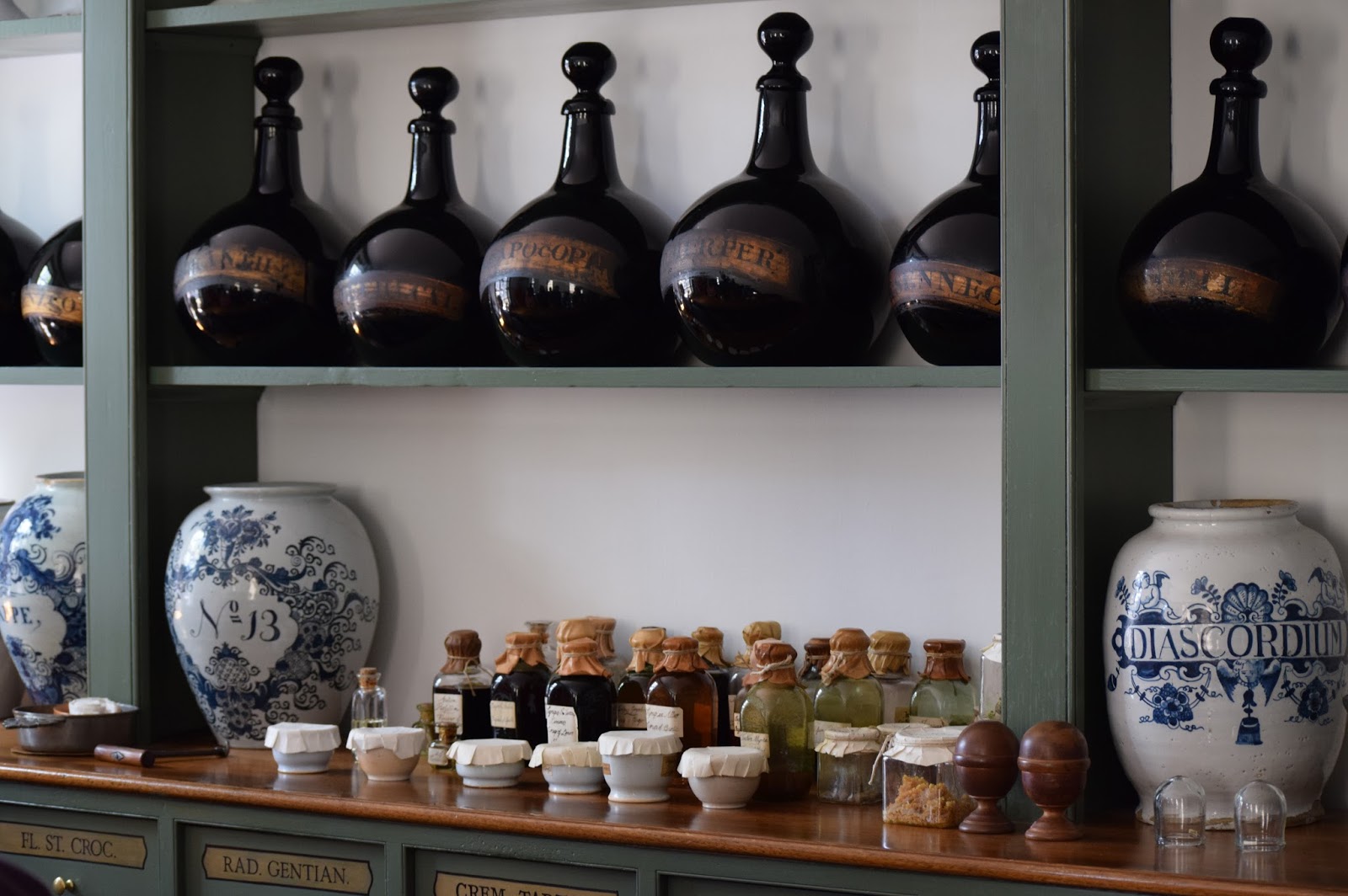 The Apothecary Shop
So, my trip to Colonial Williamsburg and Yorktown was a rousing success. In addition to finding my answers, I was able to explore the Raleigh Tavern, drink chocolate in R. Charlton’s Coffeehouse and go on a nighttime ghost tour. Now, when I’m writing a scene, I can picture Jenny in the parlour, or riding in a carriage, or surrounded by the spicy aromas in the apothecary shop.
Thanks to Jenny and Andrew’s urging, Love’s Courage will be available in spring 2017.
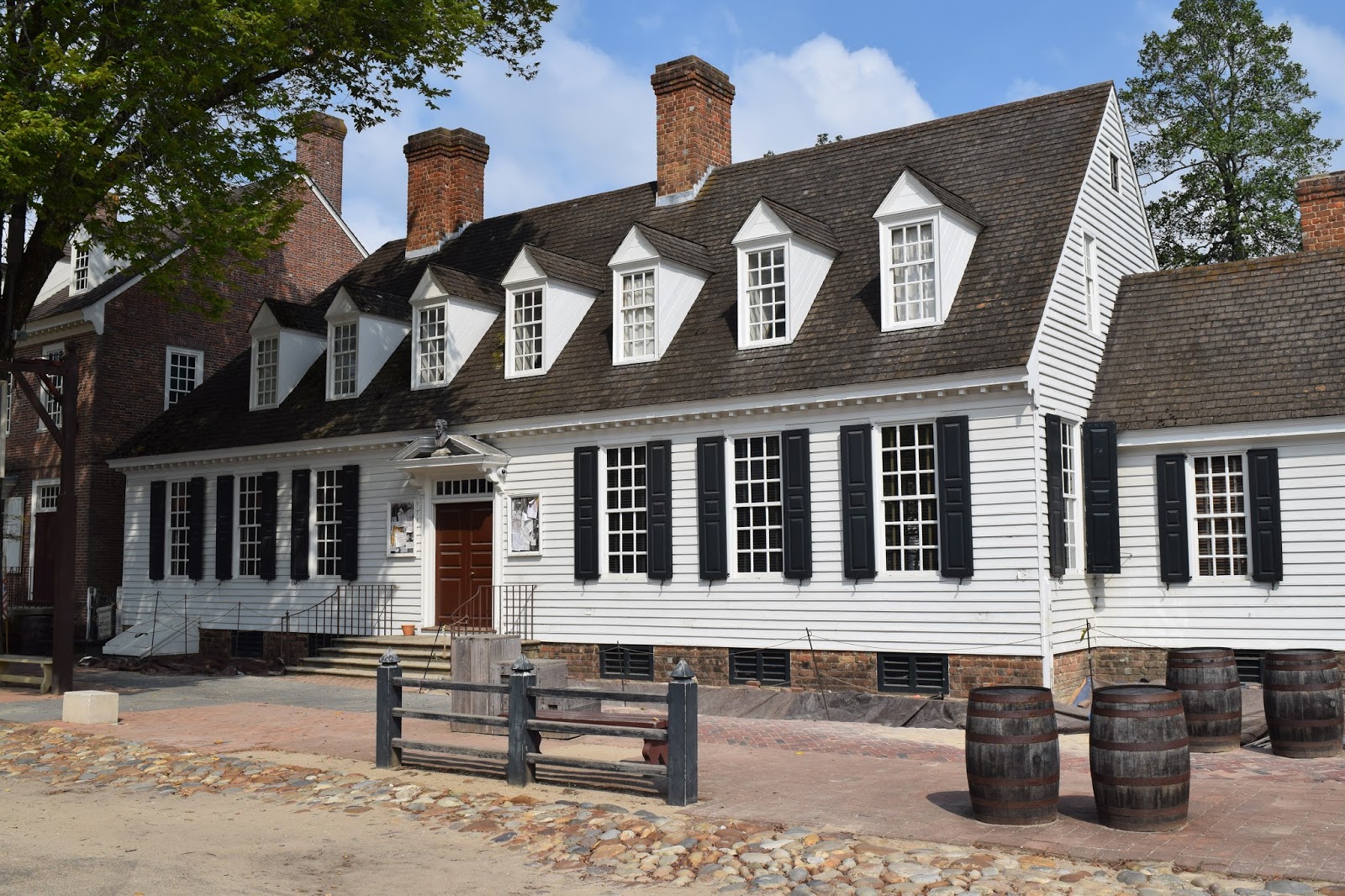 Raleigh Tavern
About the AuthorBeliever in dreams-come-true and self-confessed chocoholic, Elizabeth Meyette is the author of four novels. The Cavanaugh House and its sequel, Buried Secrets, are mysteries set in 1968 in the Finger Lakes region of New York State. Love’s Destiny and Love’s Spirit, are historical romances set in colonial Virginia.Elizabeth is an Amazon Best-selling author, a PAN (Published Authors Network) member of Romance Writers of America, a member of Sisters in Crime and a member of the Society of Children’s Book Writers and Illustrators.Before pursuing her writing career full time, Elizabeth taught English, Journalism, and Library Science/Technology in Midland, Michigan. After retiring from teaching, Elizabeth embarked on her writing career full-time and, in addition to her four novels, has published poetry, magazine articles and her blog site, Meyette’s Musings. A friend said of her, “You haven’t retired, you’ve refired!” She is currently working on her fifth and sixth novels and three picture books.Elizabeth and her husband Richard live in west Michigan where they enjoy the beauty of the Great Lakes. They have an agreement that she cannot cook on writing days after he endured burnt broccoli and overcooked chicken. Fortunately, Richard is an excellent cook.
Elizabeth’s books are available at Amazon
Visit Elizabeth at:Website: www.elizabethmeyette.comBlog: www.elizabethmeyette.com/blogAuthor Page: https://www.amazon.com/Elizabeth-Meyette/e/B0087F27JM/ref=dp_byline_cont_ebooks_1Facebook: https://www.facebook.com/elizabethfmeyette/Twitter: https://twitter.com/efmeyetteGoodreads: https://www.goodreads.com/author/show/6153760.Elizabeth_MeyettePinterest: https://www.pinterest.com/bettymeyette/Linked In: https://www.linkedin.com/profile/preview?locale=en_US&trk=prof-0-sb-preview-primary-button


No comments have been added yet.


