WRITING THROUGH CHAOS

By Francine Mathews
For reasons I won't go into, I spent much of Wednesday, November 9, curled in a fetal position on my couch, experiencing anxiety, dread, and fear of all I cannot control. Or, as it's sometimes called, a panic attack. Adrenalin-flushed bloodsteam, stomach nausea, occasional full-body tremors. My dogs do the same thing when a smoke detector chirps. Only I had no lap to climb into.
At seven a.m., I drank my morning coffee. Caffeine is not advised in a panic attack.
By ten a.m., I was drinking chamomile tea instead and had turned on my gas fireplace for warmth and comfort.
By two p.m., I was able to "take a little soup," as Jane Austen might say--although in her case, it would have been a little thin gruel. Not having the attention span to research gruel recipes on the internet, I settled for heating a kale-vegetable concoction from Whole Foods.
 By four p.m. I was drinking wine, by the fireplace again.
And by six in the evening, I at last got a little work done. Not writing, you understand--but a chunk of reading for research that comforted me profoundly. I might not have been able to focus enough to create prose of my own, but I could take in the stately nineteenth-century passages of an Englishman's memoirs without my brain fluttering like a moth impaled on a hatpin.
And so the healing began.
Writers are creative and thus emotionally sensitive people. Particularly writers of fiction, who unleash their imaginative power in ways that sometimes horrifies even themselves. But at the same time, we're disciplined minds who channel that potency into complex storytelling. We like to think that as professionals, we can summon our creative forces and master the chaos at will. But that's not always the case. Sometimes during periods of upheaval, the words refuse to come. The page stays blank. The story goes untold.
Some call this writer's block. I call it being human.
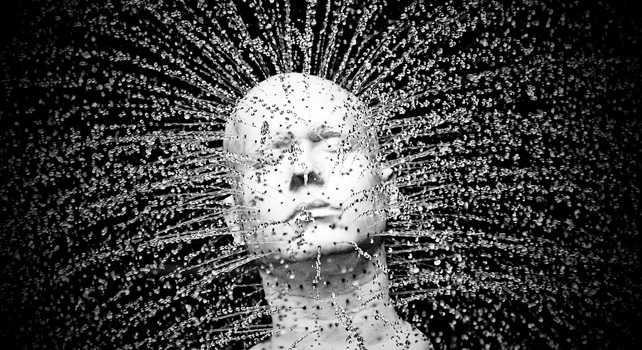
Over the past several decades I've discovered that the answer to blockage is NOT to stare at my computer screen. It's NOT to write pages of forced paragraphs I'll end up deleting. My solution instead is to get out of my desk chair and pick up a garden trowel or a stack of dirty laundry or a jigsaw puzzle. These things have nothing to do with each other except for this--they occupy my hands, which ties up the control-freak in my brain.
I know very little about brain structure, but enough to realize that what I'm about to say is not real science or even accepted fact: that the left brain governs the linear and organizational, while the right side is supposedly abstract and creative. I have found, however, that when my creative (right) brain is stuck, my left (linear) brain goes into overdrive and attempts to analyze my problem to death. This never results in storytelling I love. It results in wasted hours, frustration, and the conviction that I am a failed writer.
What DOES unblock my muse is switching from one side of my brain to the other.
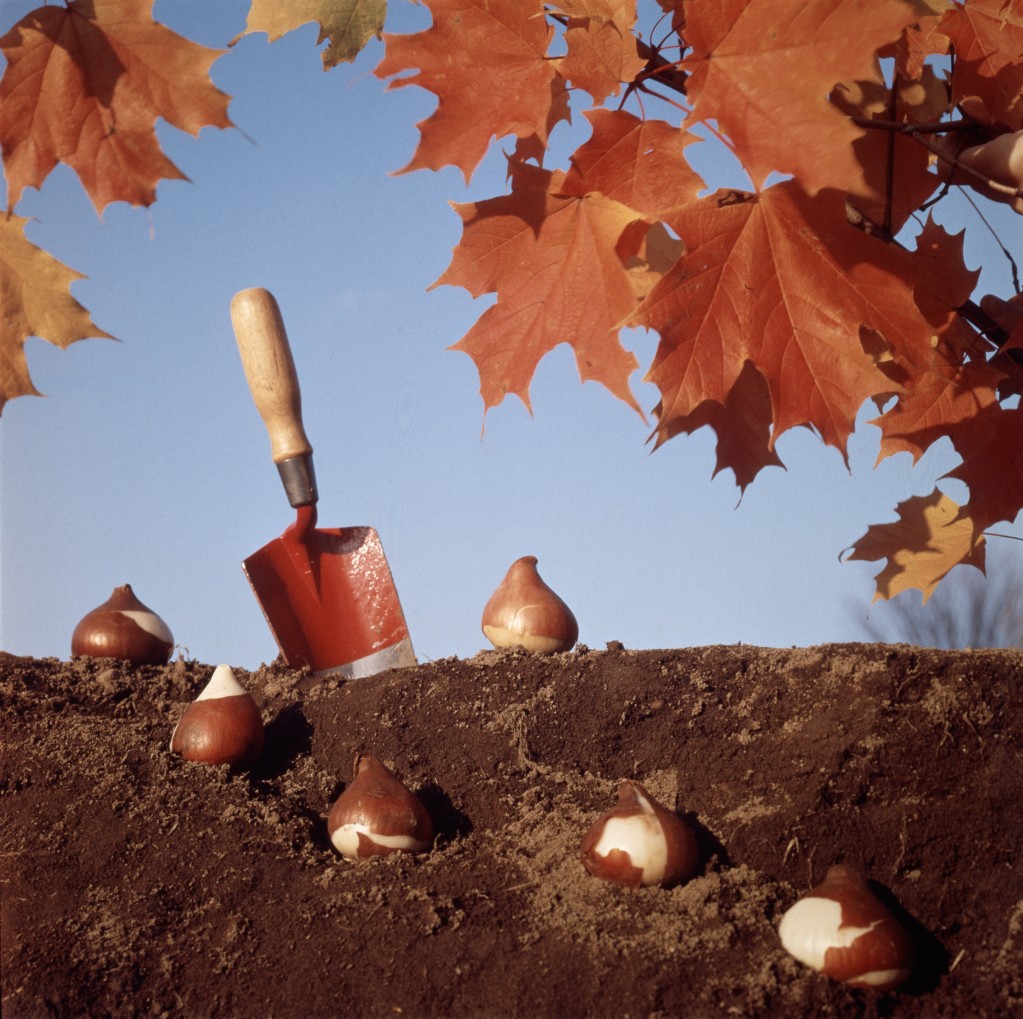 I give the linear half of my mind a simple task to organize: shoveling dirt, for instance, and planting bulbs at a precise depth; sorting colors and delicates and whites into separate piles by family member; driving a predictable route on a familiar errand so unconsciously that I arrive at the grocery store or school pickup line without remembering how I got there. While my left brain manages the task, my right brain roams far and wide--and finds the knot snarled in the thread of my story.
 Creativity does not occur at the conscious level of the mind. Its powers are magical, whimsical, and uncertain. It cannot be summoned or entirely mastered. We can only be open to it--and sometimes, that happens most when we shut down the manic busybody inside our heads.
How do you jumpstart creativity, readers?
Cheers,
Francine
www,francinemathews.com


No comments have been added yet.