Cabbageworm Damage and Organic Control
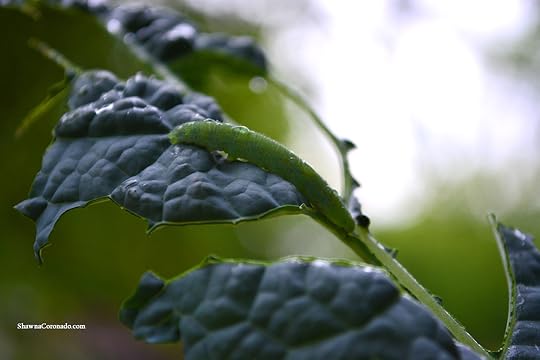
Have little green worms on your vegetables? These might be cabbageworms and they can damage a vegetable crop. Cole crops are the most susceptible – kale, cabbage, cauliflower, broccoli, turnips, collards, and brussels sprouts for instance. They bore into plant heads and eat holes in the structure of a leaf. Find the cabbageworms, then control cabbageworm damage organically. Below are the three top indications that you have a problem.
#1 – Your Plant is Shredded and Filled with Holes
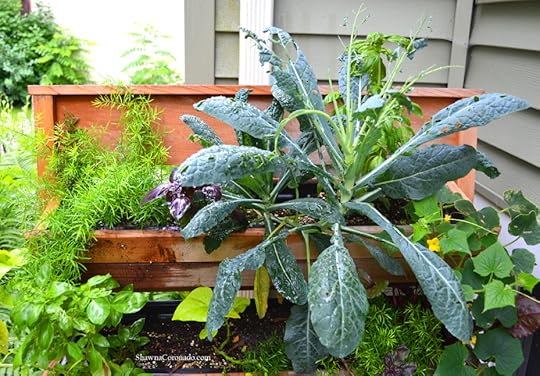
Below is an image of one of my precious dinosaur kale plants totally shredded by a couple cabbageworms. They can completely consume a plant in a matter of days, so once you spot the worms, you need to take action immediately. Signs include holes in leaves and complete defoliation.
#2 – Cabbageworm Poop
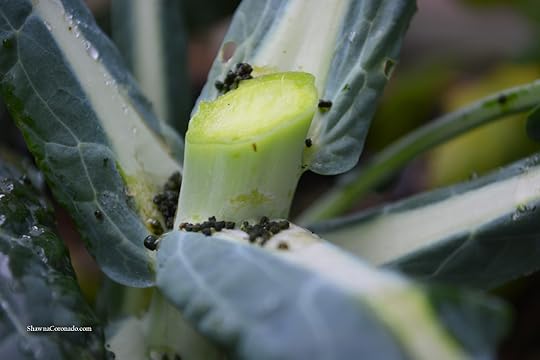
Yep. Poop. There it is in the photo below – dark green bunches of poop balls all over my dinosaur kale. Because of the green color of worms it is often easier to find worm poop than it is to find the cabbageworms.
#3 – Cabbageworms
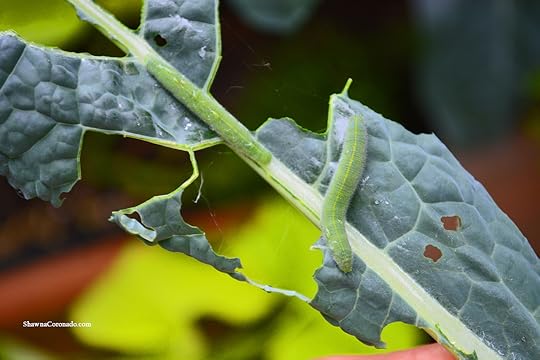
They are green. Search for them stretched out along the ribs of the plants, which is the easiest place for them to blend in and stay hidden.
Organic Control
There are a few forms of organic control; hand picking and biological control are both organic. Hand picking is easy – simply pick off the worms and put them in a bucket of soapy water. Do this until you see no more worms. White cabbage moths are what the worms transform into, therefore, if you see white butterflies flitting around the garden you will soon have a fresh batch of cabbageworms. Keep an eye out for both worms and their flying brethren.
Using row covers helps protect the plant from the cabbage moth and discourages egg laying. Clean debris up in the garden at the end of the season to help prevent any eggs from over wintering.
Spraying Bacillus thuringiensis on the plants can work extremely well, be sure to follow package directions for applications. Parasites such as tachinid flies, trichogramma wasp egg parasites, pteromalus puparum, apanteles glomeratus, and microplitis plutella all work, but application must be followed precisely according to recommendations for strong success. Bacillus thuringiensis, in particular, can help cabbageworm damage control while avoiding a negative effect on the cabbageworms natural enemies, so might be the first choice.
The post Cabbageworm Damage and Organic Control appeared first on Shawna Coronado.