I BLAME MYSELF
Seems I have a lot on my mind today. I hope you don’t mind me working through my own issues with you. Maybe you can add your two cents. Help me… help myself.
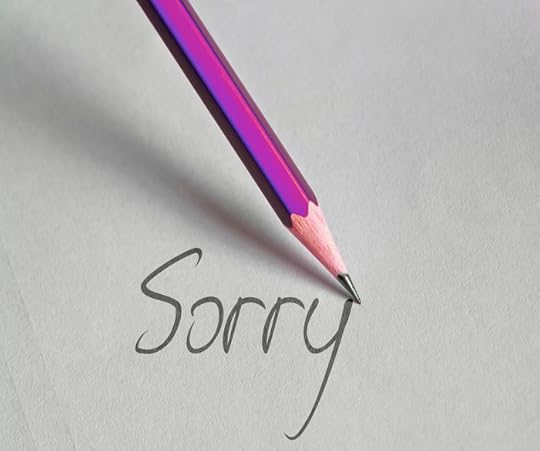
What does it mean to take responsibility?
For someone who gets it wrong quite often for one reason or another I’ve had to learn to take responsibility. And it’s hard. It’s hard to step back and view a situation without historical bias coming into play.
Mental illness is often seen as an excuse but it isn’t. I may be suffering depression but I also know if I have a conversation while in that state it will have been my responsibility for the things I end up saying. Should I isolate? No, because that is dangerous. But by forming safe relationships with people who understand your illness you can mitigate the damage. For example, if I binge drink I need to take precautions to stay safe. If I need to take a sleeping pill I know I shouldn’t drive.
If I have to have a conversation while depressed I need to make sure I make it very clear I am not thinking straight. That is MY responsibility. My best friend Lizzi is my person. She listens and tells me when I need to step back. She tells me when something I am thinking is “wrong” and that I need to “wait” on certain things. Otherwise, I will have some blame accepting to do the next day.
If I know this happens why don’t I stop it? I’d like to know how. I have been through this cycle enough times to know I don’t have much control over my thoughts. Although I am getting more and more control over how those thoughts leak out into the real world.
TIMING
I am not a fan of waiting to see if taking blame is necessary or not. When I make a mistake I want to apologize as soon as possible. I don’t want that mistake to linger because in my experience the more time expires the more likely the problem will get bigger.
Mistakes are like blisters. You leave them alone long enough they will fester and pop and then they stings far worse than if you would have just poked a small hole in the skin to begin with. Quick resolutions are more likely to have a less painful consequence.
EXCUSES
Don’t try to confuse the issue with excuses. Excuses will just make you look like a selfish asshole. If you are having a bad day and having emotional issues then just admit you are having a hard time sorting things out. Make sure the person you jumped all over knows you aren’t blaming them and that you know it was your fault. Ring-around-the Rosy is fun but not when it comes to taking responsibility for something you have done.
Sometimes I get defensive if I try to take responsibility and the other party isn’t open to hearing it. I will often go to a previous situation and try to say, “Hey, remember when you did this and I was understanding and loving?” That isn’t helpful. I fall into this trap a lot and I need to stop doing it. How I deal with someone’s apology is not how everyone else will deal with one. And bringing up past scenarios is not only rude but can look like you are shifting the blame. Your intention to apologize should stay focused on the incident at hand and should be resolved separate from any past experience.
PROBLEM SOLVE
Once a mistake has occurred and responsibility has been taken find ways to move forward. I think maybe this step needs to happen a bit further along once both parties have time to digest all the things that happened and can be fully reasonable. This process will take some explanation by the person who is taking responsibility. I am sorry isn’t often enough. I am sorry, but… isn’t good either because “but” is a set up for an excuse. “I’ve been very anxious lately; however, I know it was wrong to hurt you and I am sorry.”
APOLOGY
Apologies are really hard because everyone has a different perspective of the experience. Sometimes hearing an apology and giving an apology requires taking the time to understand where the other person is coming from. There is no “right” way to see a circumstance. Acknowledge the feelings of the person you hurt. Start there. Is that person “right” to feel that way? It doesn’t matter. Right or wrong they feel that way and therefore an apology is necessary.
I make the mistake of using the word “you” a lot. I have to reread conversations to see that I have done this. By using the word “you” instead of “I” you are shifting blame to someone else.
-I am sorry you felt hurt. Restated: I am sorry I hurt you.
-I am sorry you don’t understand. Restated: I am sorry I am not being very clear.
JUSTIFICATION
I am the queen of justifications. I always want people to see what led me to do the things I did. I want them to walk in my footsteps, not to prove I was right, or that I didn’t have a choice, but to help me figure out a better way to make a different choice next time.
That isn’t the best place to start an apology. It looks like you are justifying the behavior you are trying to apologize for. Whether or not there was miscommunication is irrelevant. You want to say you are sorry for being an ass then say you are sorry for being an ass.
“I was an asshole yesterday. I let depression get out of hand and I took it out on you. I will try very hard not to let that happen again.”
Apologies won’t always be accepted and sometimes it takes the other person some time to think through everything. Forgiveness isn’t something you are owed. It is something that has to be given freely. Once you have apologized then practice patience. Sit back and let them process what happened.
CONSEQUENCE
Once you have stated your regret and apologized sincerely then you have to move on. Take the consequences of your action with grace. Thank your lucky stars if the other party accepts your apology and wants to find a way forward with you.
Tagged: ANXIETY, apologize, Apology, Blame, Depression, genuine, Hurt, Pain, Responsibility, responsible, Sorry, triggers