
Brian Solis's Blog, page 39
April 27, 2021
TechRepublic: When It Comes to Digital transformation in a Time of Crisis, It’s Time to Invent the Future We Want

TechRepublic’s Karen Roby talked with analyst Brian Solis about the impact of COVID-19 on digital transformation. The following is an edited transcript of their conversation.
Karen Roby: Brian, you’ve added a new title, which I think is really interesting, we can talk a little bit about, global innovation evangelist for Salesforce. What does that mean?
Brian Solis: It means that I have to look at all of the trends happening in the market and essentially try to make sense of them, humanize them, so that executives, stakeholders, and even our own ohana, our own team, can help humanize the next steps of our customers and our partners because these are certainly interesting times. And there’s a lot of new things to think about, and so my work is to study those trends and help not only make sense of them, but put them into actionable steps so that we can move forward in more productive and creative directions.
Karen Roby: There’s no time like the present because we are really in uncertain times, and all looking to each other in different ways to see what will come next. Well, one of the things that we’ve talked about before, this concept of novel economy. Talk a little bit about that, how this is giving a new name to this new normal that we’re now in.
Brian Solis: Well, as you and I have talked about so many times, digital transformation leading into this COVID-19 life event, digital transformation was on everybody’s minds. But it meant a million things to a million different people. What was clear that was that when the pandemic struck, digital transformation itself was digitally disrupted. And you could see almost overnight areas that were exposed in terms of weakness, like remote work, e-commerce. And so essentially, while everybody was scrambling, essentially the keywords were business continuity, I wanted to think productively about this moment in time and what it was going to mean thinking forward.
I took a step back and started to just accept that this virus was going to be with us for 12 to 18 months. Until there was a treatment, a universal treatment, and eventually, hopefully a vaccine, that these times were going to be completely new as long as 24 to 36 months from now. As a result, I couldn’t just think about it as the new normal. I wanted to move forward and start thinking about ways to operate in this environment. So I gave it a name, the novel economy, because novel means new and unusual. These are certainly new and unusual times that we don’t have a playbook for, that we don’t have case studies to follow.
Essentially, we get to invent forward, and it’s the optimist in me that wanted to help be a voice to put together what could be a construct for moving forward. Thinking beyond just business continuity is looking at, let’s just say that March 1 would be the day that we could start looking at everything from new employee behaviors to customer behaviors. How would we see those insights differently to rebuild, and then also invent and innovate moving forward? I broke those stages down into Survive, which is basically now, moving into Alive, which is the next, let’s say the next 10 to 12 months. Then Thrive, which is somewhere along that time, we also start seeing opportunities for growth, new doors to open up to new possibilities and opportunities.
Then I sort of talked about this, well, on ZDNet, the novel economy is broken out into technology stages. How should we think about making new investments in cloud, in software, in automation, that allows us to be much more agile and to think differently? And then also, business constructs support that new agility in moving forward. And then lastly, it was really a chance, just the human being in me, to cast the conversation in a positive light. Instead of everything being so just bleak and dark and elusive, let’s productively move forward because we have no choice. I talked about the stoic philosophy and how you can’t control life events, but you can control how you react.
Karen Roby: How do you see roles in companies like CEO, CIO, and CFO changing?
Brian Solis: In any disruptive event, it’s natural to batten down the hatches, control costs, and explore ways to cut costs. And unfortunately, we see this in every level from employees, to assets, to technology. The CFO is essentially in control right now, and rightly so. The thing, though, is that before the pandemic, I used to talk about it in a loving way, of course, this, I called it out-of-touch-ness, which was essentially, executives in many ways focused on shareholder value, on making decisions based on the matrix, or spreadsheets, or visualized data. And we sort of lost the humanity in a lot of this.
When you’re driven by numbers, you work toward those numbers. I actually believe that if you put the CFO in control, the CFO’s going to make decisions, of course, based on costs and numbers, like they should. But this isn’t necessarily just a time to say, “OK. We’re going to hold down the fort, cut costs. And then when this all clears, we’re going to come back out stronger than ever,” because we’re not going back to normal. And normal was actually part of the problem to begin with.
We’re moving in a new direction, and this new direction, this novel economy’s going to be defined by the people who define it. And they’re the ones who are going to be making investments, doubling down on opportunities like understanding customer experience, understanding how to help optimize productivity with the employee experience, and also happiness, and also wellness. And then also looking at ways to invent because in a novel economy that’s new and unusual, we don’t know all of the opportunities for growth, and we have to pay attention to those.
For example, I’ve had several conversations with CXOs, who are all talking about: How we think about technology moving forward. Is it a cost center? What’s our digital transformation strategy moving forward? And the best answer I can give is whatever was happening pre-March 1, you have to really look at it through a new lens. The customer is changing right now, and has been since March 1. Employees, when they were all sent home to work from home, everything changed. And that is sowing new behaviors and many other things that it’s sowing that we could talk about in a future conversation.
But the CFO’s not going to see those things. It’s not going to recognize unless someone within the organization is making the case on behalf of the voice of the customer and the voice of the employee because technology doesn’t have to be a cost center. In fact, if you think about automation for example, we can look at ways to reduce costs. We could free up employees from repetitive tasks to allow them to be more creative, to think differently about the data they have, for example, and apply (artificial intelligence) AI and machine learning to looking for those new opportunities, new processes, etc.
Then lastly, when we do that, when we get into the Thrive stage of the novel economy, we can see technology as actually not even a cost center, not even just reducing costs, but actually a revenue generator because once you start opening new doors, I call this sort of the bimodal digital transformation. Let’s optimize infrastructure for operational excellence. Then let’s also invest in business model innovation, so that we can activate greater market share, greater share of wallet, greater mind share, in these new times.
Karen Roby: Moving to a work-from-home model nearly overnight has been a real challenge for the enterprise.
Brian Solis: This is why technology is more important than ever before, is that we’re seeing opportunities now that we couldn’t see before just because we were so caught up in the day-to-day operations. The same is true also for customers. They have, when you look at this from a psychological perspective, we all have as human beings, a somatic marker in our life now. This is a life event that will be with us forever. And it’ll be connected to deep visceral emotional responses. We’ll talk about one day what we were doing during these times, and how things are different, to our kids and grandkids. And that’s what’s so important to pay attention to because that work from home, we’ve been doing that to some level, but not at the scale.
E-commerce, we’ve been doing for I don’t know how long, 20, 25 years. And now it’s all different. I published recently some insights based on Salesforce’s global shopping index that showed how online spending had shifted and how it was going to continue to shift. And e-commerce just was on this. It’s always been growing, but now it was on this trajectory to become a huge percentage of total sales because even as the economy opens up, people are still going to think, “Well, do I really need to go out? Or can I just click here and get what I need?”
All of these things, this is why CIOs, CEOs, CFOs, have to pay attention to the reality that truly drives digital transformation is the human side of the story. And this is all changing, so everything that we were doing up until this point, it gives us a strong foundation and experience, of course. But now, this is time for innovation. And this is time for human-centered innovation.
Karen Roby: What would be a little quick snippet, words of advice, if you could kind of summarize, or give us a positive message to end this on, what would you say?
Brian Solis: Two quick things: Yesterday, we released a COVID-19 response playbook. Personally, I was moved by it because it’s a blueprint for opening up the economy. And the second part that I want to leave you with is that as we reopen the economy, we have to remember that there’s a live virus still out there. And we have to think differently, and not just differently, but we really do have to think about people, stakeholders, customers, employees, partners, like never before. They have to be front and center of all of the decisions that we make, and realize that this is all new. We are all the architects of the future right now.
Whatever we talked about the future of work, the future of retail, the future of business, we’re rewriting it right now. And what a wonderful opportunity.
Look, I get it. These are scary, uncertain times. I get it. But certainty has never been guaranteed. Now we have an opportunity to invent the future we’ve always wanted to see. I’m here to help you, and if you need anything, let me know. I want to learn from you, too.
The post TechRepublic: When It Comes to Digital transformation in a Time of Crisis, It’s Time to Invent the Future We Want appeared first on Brian Solis.


April 26, 2021
WTF: What’s the Future Podcast – 11 Habits to Become a Master Influencer with Author Jason Harris
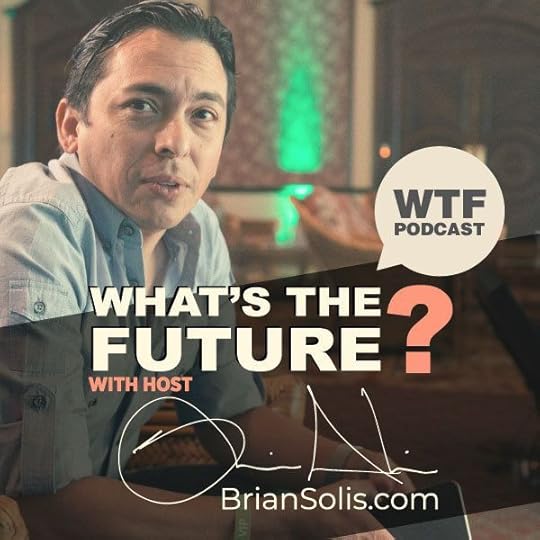
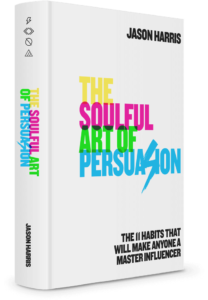
In episode 1 of WTF: What’s the Future, I interview my dear friend Jason Harris explore his new book,The Soulful Art of Persuasion.
The Soulful Art of Persuasion is a revolutionary guide to becoming a master influencer in the age of distrust, through the cultivation of character-building habits that are essential to personal growth and sustained business success.
Jason is also the CEO of the pioneering advertising agency Mekanism. We go WAY back to the early days of digital, before digital marketing was even a universal movement. We pioneered many of the campaigns that would become standard for “viral” and “influencer” marketing. We also reimagined the art and science of book design by taking cues from mobile UX and applying them to print. I tell the story of developing WTF and X as “analog apps” here.
But back to the matter at hand. In this inspiring conversation, we focus on what it takes to earn influence in an age of distrust and the character-building habits that are essential to both personal growth and sustained business success.
We also cover:
Empathy in business
Effective storytelling
Building more human brands
More about this special episode…
There’s no denying it.
We have A LOT of distrust in our world today.
This distrust can manifest from…
… corrupt businesses.
… fake news. 
… inauthentic product reviews.
… hidden fees. 
… phishing attempts. 
… ulterior motives.
… planned obsolescence.
… the amount of air in your bag of chips. 
The list goes on.
We can find reasons to be skeptical almost anywhere.
How do honest brands break through the artificial noise?
Jason fills us in on what it takes for brands to make a real, honest impact.
The key takeaways? 
Empathy.
Real experiences.
Core values.
Storytelling.
Please, Subscribe to WTF


Thank you to the team at Sweet Fish Media for being my production partner in WTF. Sweet Fish produces podcasts for B2B brands.
About WTFWTF: What’s the Future? is a podcast dedicated to digital Darwinism, the evolution of technology and society. WTF host Brian Solis and his special guests tell the human stories driving innovation and the meaning behind the big changes we all face. Whether you’re looking to learn from today’s most influential leaders, disruptors, and tech luminaries or discover the impact that today’s and tomorrow’s tech trends are having on markets, society and us as individuals, this is the show to help you stay ahead of it all. Each episode features topics that explore the human challenges facing digital transformation, innovation and disruption, corporate culture, personal advancement and more.
The post WTF: What’s the Future Podcast – 11 Habits to Become a Master Influencer with Author Jason Harris appeared first on Brian Solis.

April 23, 2021
Celebrating Health Innovation at SXSW Online 2021

SXSW was one of the first industry conferences cancelled in 2020 due to the COVID-19 global pandemic. My friends at Real Chemistry were among the first to support SXSW’s virtual come back. Real Chemistry hosted a unique Healthcare Media Lounge, a two-day virtual event that featured industry experts who explored the future of digital health innovation.
I was invited to join an amazing panel to speak about “Five Things to About Digital Transformation in Healthcare.”
My colleagues on the panel included, Ron Kim, Merck, Manoj Narayanan, Real Chemistry, and Jo Ann Saitta, Real Chemistry.
If you work in healthcare and are working toward innovation in patient care, patient/doctor relationships, digital health or health IT, or patient/customer experience., please take a moment to watch this insightful conversation.

Five Things to Know About Digital Transformation in Healthcare
You can also skim the highlights of the panel here.
Following the conversation at SXSW 2021, Real Chemistry published important research (and an infographic), to spotlight, “5 Things to Know About the Rapid Acceleration of Digital Health.”
I published my take here.
[simple-author-boxThe post Celebrating Health Innovation at SXSW Online 2021 appeared first on Brian Solis.

April 21, 2021
Salesforce Live Australia & New Zealand: The Future of Customer Experience, in the Age of Generation Novel

Please join me today at Salesforce Live Australia & New Zealand, April 22, 11:32-11:55am Sydney Time.
The Future of Customer Experience, in the Age of ‘Generation Novel’ – Link
The New Normal is for everyone else. The Next Normal is where everyone is racing. But not you. This rare Ctrl-Alt-Del moment is both a disruption and a gift. For the last 20 years, the world was changing because of digital. Now, the world has changed and it’s not going back. The emotional and psychological effects of the pandemic are resetting customer values and encouraging them to experiment with other brands, retailers, and services giving rise to ‘Generation-Novel’, the customer segment created by the pandemic. Want to boost customer loyalty in this era of uncertainty? Start with reimagining service and customer experience. Then, think differently about the role your service teams and customer service plays in the customer journey.
In this eye-opening session, Brian Solis will…
Explain the effect of the pandemic on long term customer behaviour and emerging business models.Explore how customers and our teams can learn from one another to create new value in the #NovelEconomy.Share how implementing a relationship transformation (RTx) framework can improve customer experience.https://www.briansolis.com/wp-content/uploads/2021/04/SalesforceLiveANZ_Episode-7_Brian-Solis-Promo_V02.mp4The post Salesforce Live Australia & New Zealand: The Future of Customer Experience, in the Age of Generation Novel appeared first on Brian Solis.

Xclusive Facts about X, Rethinking Books in a Digital World, The Magic of Disney Storyboarding, and the Rise of Experience Design
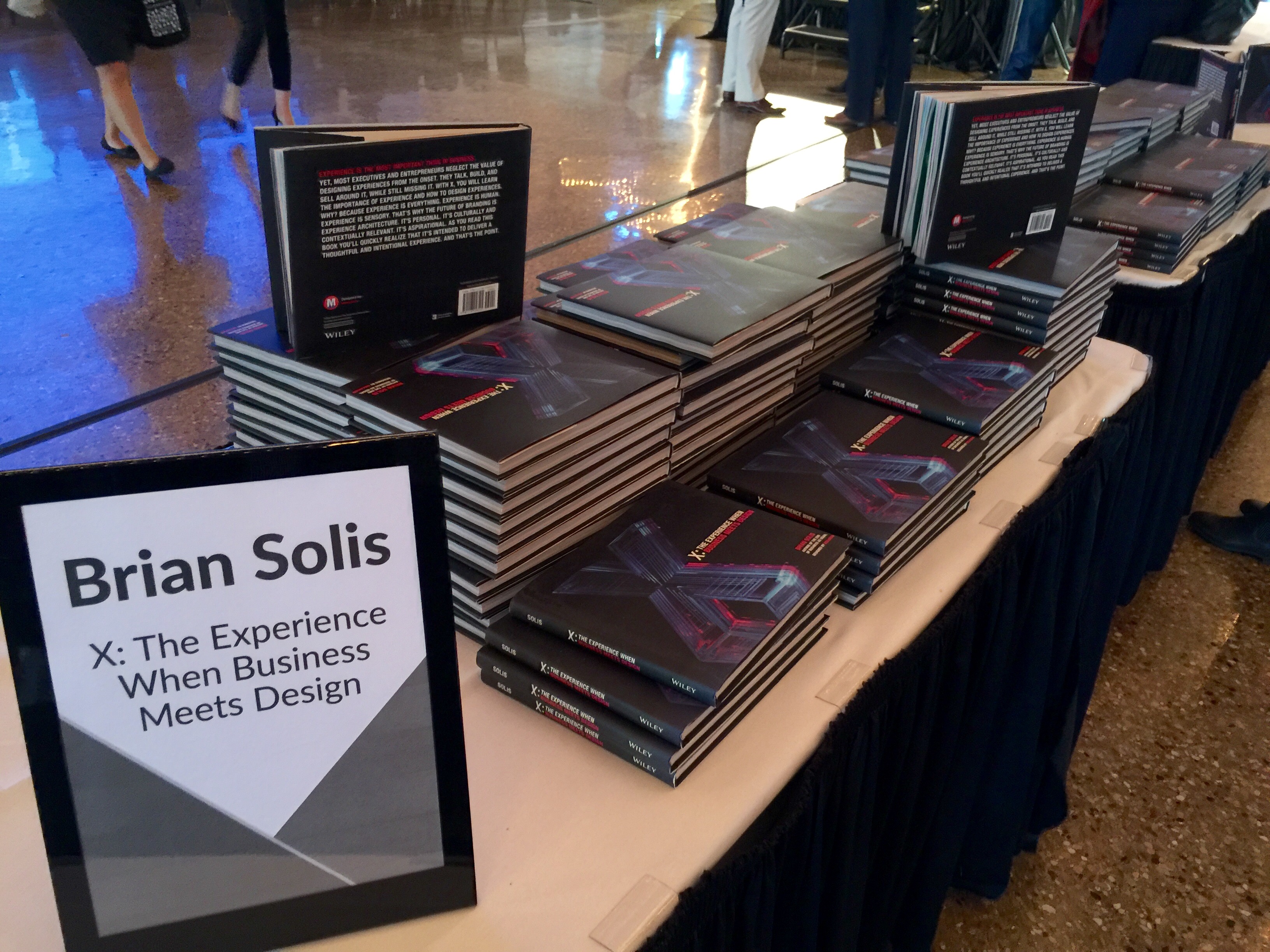
Stumbled across this unfinished post, sitting in my draft folder for years. Figured, I’d blow the dust off of it and share it with you today.
When X: The Experience When Business Meets Design was released in October 2015, it was ahead of its time. Executives didn’t yet understand that the world was becoming more and more digital, and with it, digital Darwinism would reshape the nature of human dynamics and market evolution. It would ultimately take a global pandemic to accelerate this transformation.
The book and its “X” framework explored how to create relevant and aspirational digital, physical, and hybrid experiences that built upon the most enchanting and immersive stories and journeys in the world.
It was the beginning of the experience design movement for a digital-first mindset. This movement is more important today than it was then. The pandemic accelerated between five-and-ten years of digital transformation in a matter of months. I feel inspired to relaunch this to help…
Little Gems about XX was my fourth book in a row with Wiley and my editor (and BFF) Shannon Vargo.
When the book initially went to press, the amount of color saturation on each page initially jammed the process. Everything was re-calibrated to work but not without delaying the release. Because of the intention to make the book feel like an app (see below), there was no other option.
X Broke the Shackles of MediocrityX is the first book, following my initial three with Wiley, to feature a cover without a chain. The chain visually represented complacency and the status quo. X broke the shackles of legacy and mediocrity to design for experiences and relationships in a digital-first economy.
The research, writing and design of this book took every weekend and many weeknights that lasted ~three years.
The Development of X Led to the Creation of WTF, Delaying Its Release by Two YearsI took a break from X to publish WTF (What’s the Future of Business) based on my editor’s advice. In fact, WTF was never on the roadmap. Initially, it was to launch as an ebook to create a bridge between The End of Business as Usual and X.
The thinking went like this…
The reader would have a difficult time making the mental leap between ending business as usual and jumping straight into experience design. So, WTF, told the story of exactly how digital-first customers were evolving, what they valued, and how they made decisions online and IRL to better set the stage for X.
What a wonderful detour!
X Marks the Spot of Multiple Trends and Was Intended as a Series!The original manuscript for X totaled 150,000 words and was later revised down to ~40k. There was talk about releasing an uncut version, released in a special box set.
The name “X” comes from the common denominator of many important, parallel business transformation trends including, CX, UX, BX (Brand Experiences), SX (Service Experience), EX (Employee Experience), et al. X = Experience.
This is why the framework for experience architecture introduced in the book was designed to form the letter “X.”
The Design of X (and WTF) Reimagined Analog Design to Enhance the Print Experience for Digital-first Readers
WTF and X were designed in partnership with Mekanism. This was and is a big deal still. Why would an award-winning advertising and interactive agency take time out of reinventing the world of marketing to collaborate on the experience of reading a book?
Our working relationship and our real life friendship goes back 15 years to when we first collaborated on the launch of EA’s Spore (from the creator of the SIMs).
Mekanism and I had a bigger idea in mind than just creating a beautiful business book that could enhance any cocktail table.
I wondered, here I am writing a book about how to create an immersive, engaging, and unforgettable experience for customers, why would I not challenge myself to reimagine the traditional print book concept for today’s digital-first consumer?
That’s when we decided to take a different approach to book design.
The work was premised on mobile apps that were changing how people navigated not only their screens, but also the real world.
We set out to design an analog app.
The inspiration was to design a book that a high school teenager would feel was intuitive if they were to use it as a textbook in high school. After all, they’re a mobile-first generation. To read a traditional book, page by page, chapter by chapter, linearly, didn’t seem natural for a digital brain.
After much study, I learned, among many things, that brains are rewired for the dynamism and speed of digital because of a very specific and effective practice of mobile user interface and experience design techniques. I would also later learn about persuasive design and how UI/UX can drive behavior changes that benefit the app, but not necessarily the user. That research would later lead to LifeSCALE.
The point is that after using mobile and digital devices, games, apps, social networks, etc., we rewire how are brains fire and the chemical makeup of our bodies, which become a new normal. This happens over time and cannot be easily undone. To then expect someone to embrace analog first methodologies in this state is incredibly difficult. Essentially, analog materials were created for, wait for it, analog first brains. If you borrowed from the most engaging UI/UX methodologies in analog applications, the results are actually astounding.
That’s what we did with WTF and more so, X.
For example the shape of the book is modeled after an iPad Air 2.
We learned that we could help readers navigate by “stages.” There is no table of contents in the book. It is instead designed to emulate our home screen and how we organize our apps.
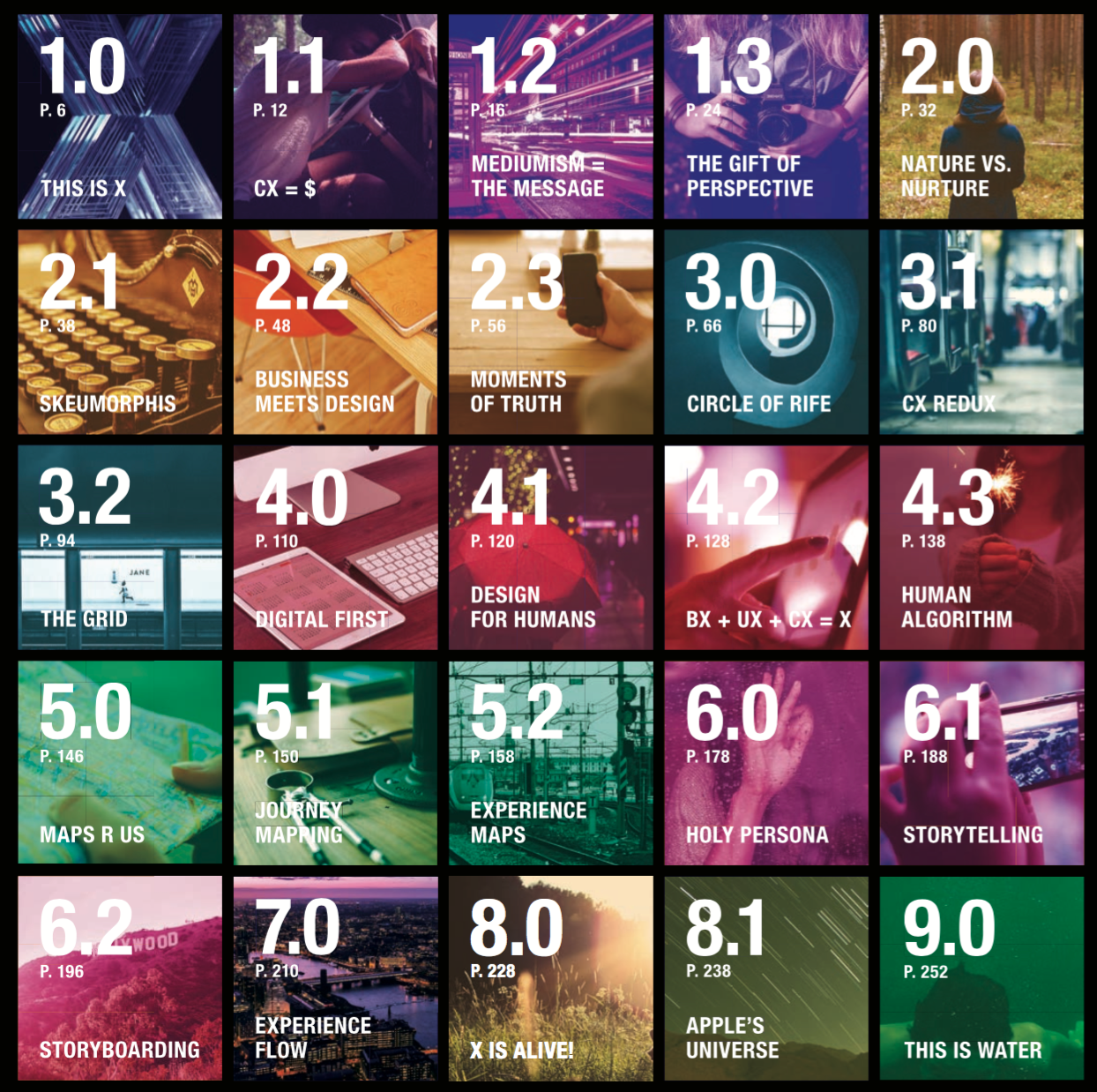
The chapter format is also patterned after software releases, trying themes together rather than traditional numeric progression.
The book features original artwork and frameworks to introduce visual storytelling into the experience. The complex process of ideation and development delayed the book several times.
The cover was originally designed in 2013 and redesigned in 2014. The new cover was was published on Amazon and remained there until a few months prior to official launch when we decided to go back to the original design. This is the alternate cover…
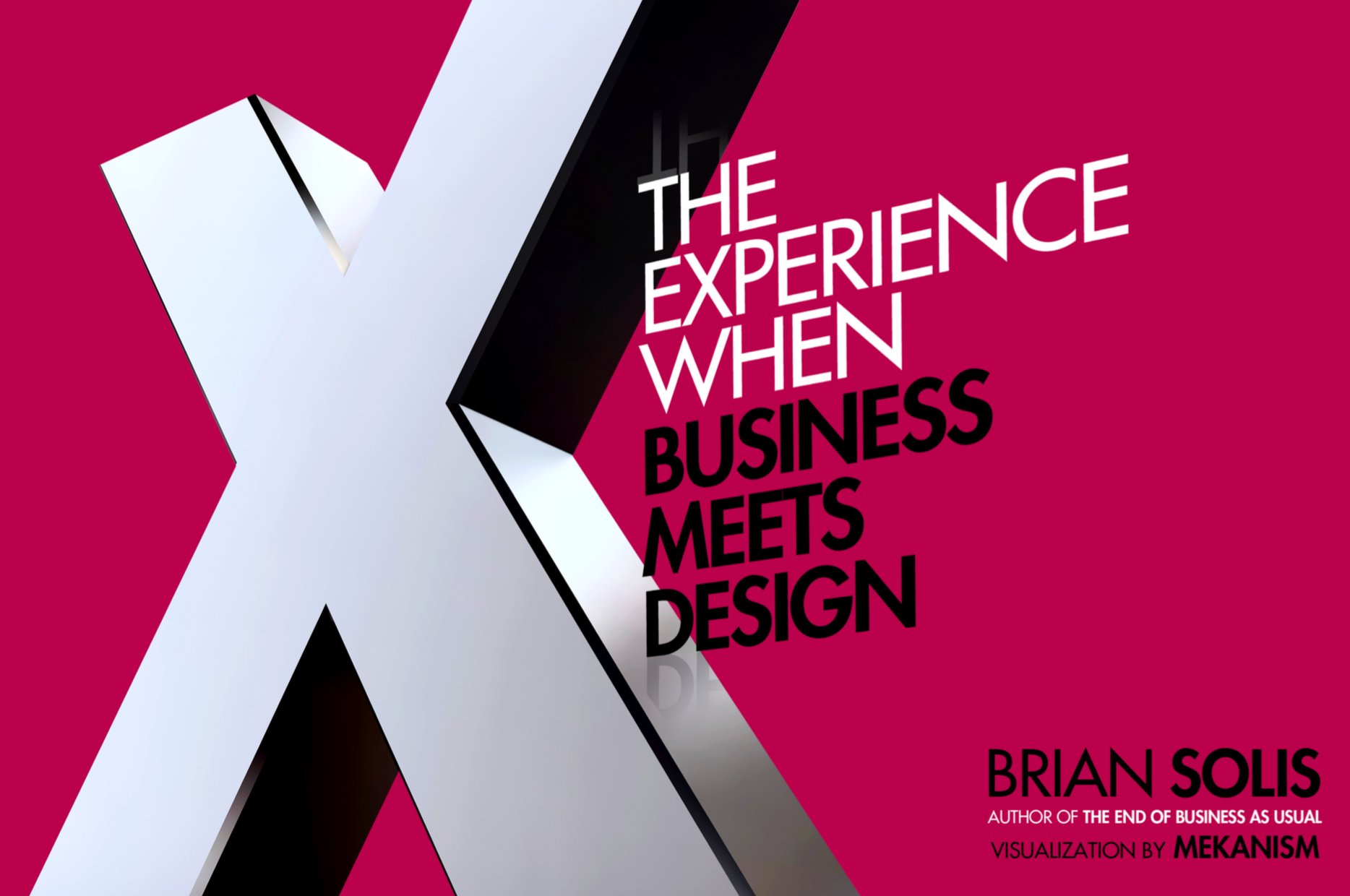
The “X” on the cover is not a product of Photoshop, it’s a physically cut and hand-built multi-layer stack of plexiglas with each layer featuring a different texture.
Hey Jason Harris, can I get that model please!?
The lighting is also analog.
To photograph what would be the cover, the X was placed on a flat screen TV set on its back shooting colors through the layers in a dark room.
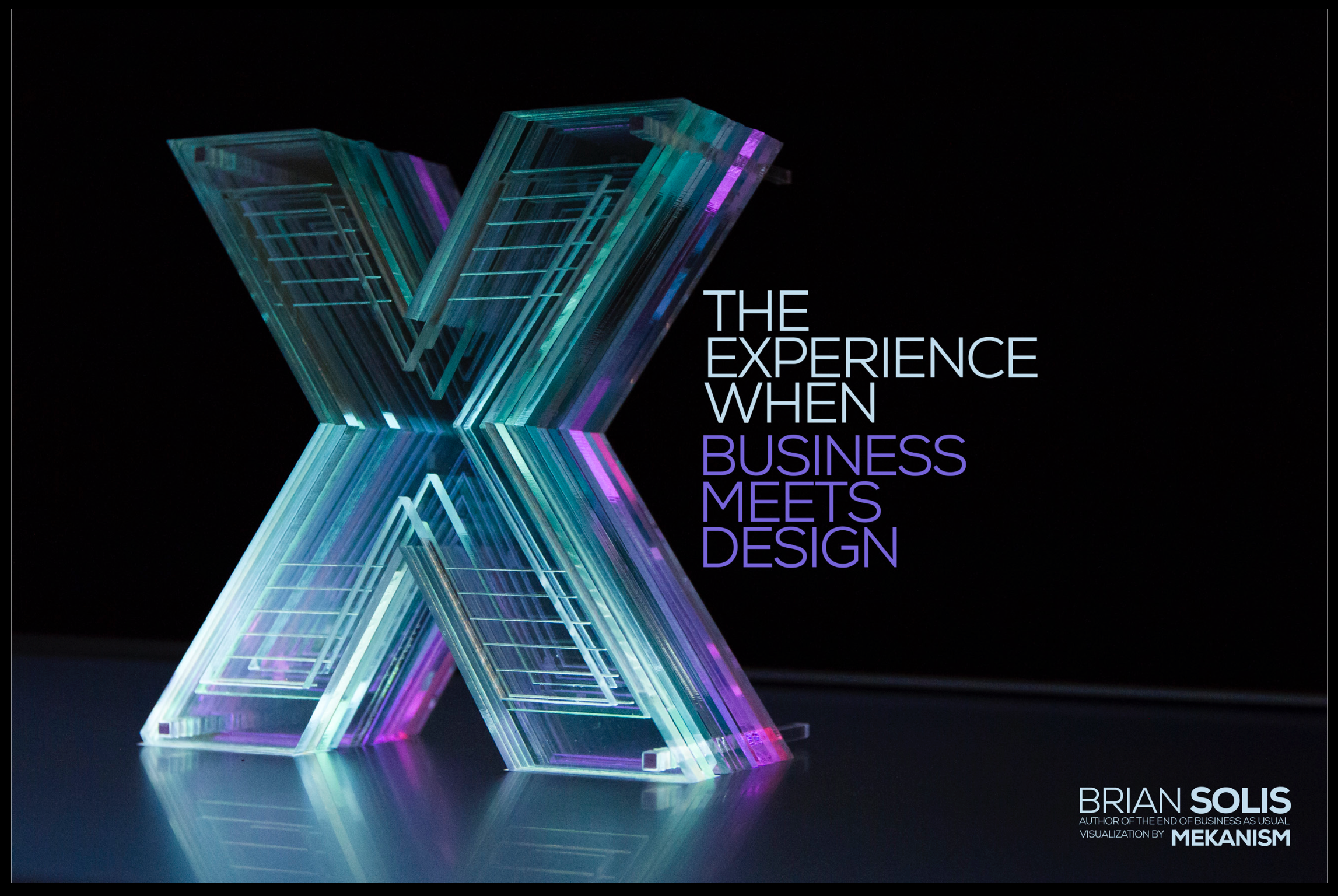
During the shoot, we also captured video to showcase the brilliant spectrum of colors, which would become a teaser video to sell the publisher on the concept of the cover design.
The video was shot in 2013 and not shared publicly until recently.
When I first saw the X model live, I expected to see something that stood several feet tall. Instead, I was surprised to learn that it stands at only 5 inches. It looked so much taller in the movies!
X was Designed Using the Disney/Pixar Storyboarding Process, Also Enhanced by Disney MagicFor those who don’t know, I’m a big Disney geek. I’ll spare you the entire life story here, but with X, I wanted to borrow from the pages of Disneyland and Disney World theme park design and Disney movie storyboarding to reimagine experience design for a new and emerging world.

I met Nick Sung, former Disney/Pixar storyboard artist, following his work with AirBnB. Nick taught me the art and Imagineering of storyboarding and it completely transformed how I approach storytelling. Attempting to understand Disney magic is humbling. After my time with Nick, I had to reimagine the entire book. Nick helped of course. Together, we storyboarded the new premise for X, from the perspective of believable, relatable, and aspiration characters…the change agents who would become tomorrow’s experience designers.
Part of the X storyboard, and the story behind it, and the book, is in the book!
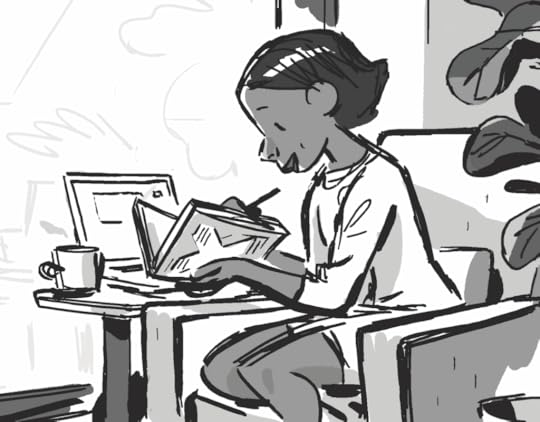
X also tells the story of how Disney influenced my work in the development of the experience framework. Disney actually allowed for the inclusion of special artwork that rarely makes it into print. Fun fact…we delayed the printing of the book for those approvals to come through!
The ultimate testament came in the form of the Disney Institute’s reference of X in its annual CX conference. Wow.
"#CX is the next battlefield for brands. Those that get it right will create long-lasting relationships and will also earn a significant competitive advantage over those that solely compete on product, price or promotion." via @DisneyInstitute from https://t.co/bY8ZW9XJQ7 pic.twitter.com/iwF7pvbB41
— Brian Solis (@briansolis) February 16, 2020
More soon, including a never-before-released trailer for X. That’s a story unto itself! As they say in Hollywood, “coming soon” to a screen near you!
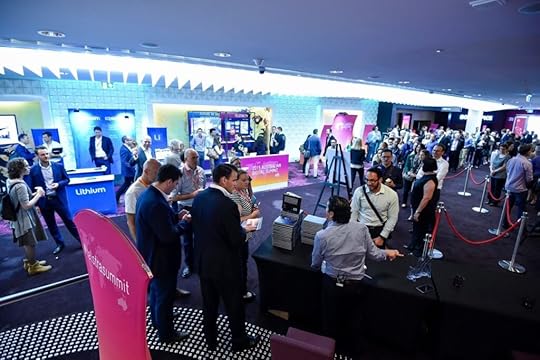
X book signing, Sydney, Australia
The post Xclusive Facts about X, Rethinking Books in a Digital World, The Magic of Disney Storyboarding, and the Rise of Experience Design appeared first on Brian Solis.

April 20, 2021
TELUS International Studios: The Novel Economy and Gen N

On this episode of TELUS International Studios, we’re joined by Brian Solis, Global Innovation Evangelist at Salesforce. Brian wears many other hats as a digital anthropologist, author, and keynote speaker, so there’s no shortage of insights he has to share.
From how the pandemic has changed our relationship with technology, accelerated fear and anxiety, to the stress this time has had on the economy, and what it all means for your company. Brian identifies this time as the “novel economy” and he introduces a new cross-generational demographic, called Generation N.
Finally, Brian deep dives into his latest book, Lifescale: How to Live a More Creative, Productive, and Happy Life. Available on Amazon.
Please listen to the conversation here.
The post TELUS International Studios: The Novel Economy and Gen N appeared first on Brian Solis.

April 19, 2021
Introducing WTF, What’s the Future, a Podcast that Explores the Future of…
In 2019 and early 2020, I worked on plans to launch a new podcast based on the title of my book, What’s the Future of Business (WTF for short). I pre-recorded an entire series and planned on dropping the first season Netflix style. The idea was to surprise everyone with a lineup of shows with amazing guests to binge at will. With LifeSCALE in full swing plus big life changes I was working on at the time, oh yeah, and then the pandemic, I never formally launched the new show.
Now we live in a new world where live video and social audio are now the norms. I’ve since launched a different show with my friend and co-founder John Kao called Intersections.
After time, momentum, and reflection, it’s time to finally launch the first season of WTF. Before I do, I want to say thank you to the people who helped me get the idea off the ground, James Carbary and Ryan Drawdy of Sweet Fish Media. Sweet Fish produces podcasts for B2B brands. The team is incredibly proficient, creative, and a joy to work with.
I’ll be introducing each episode here on a weekly basis until we’re all caught up with season 1. In the meantime, I’ll also start recording a new season of WTF that will double as live rooms on Clubhouse and Twitter Spaces.
Up first, episode zero, “Welcome To WTF: What’s the Future?”
This first show explains the series and what we’ll explore together…
Please, Subscribe to WTF
WTF: What’s the Future? is a podcast dedicated to digital Darwinism, the evolution of technology and society. WTF host Brian Solis and his special guests tell the human stories driving innovation and the meaning behind the big changes we all face. Whether you’re looking to learn from today’s most influential leaders, disruptors, and tech luminaries or discover the impact that today’s and tomorrow’s tech trends are having on markets, society and us as individuals, this is the show to help you stay ahead of it all. Each episode features topics that explore the human challenges facing digital transformation, innovation and disruption, corporate culture, personal advancement and more.
The post Introducing WTF, What’s the Future, a Podcast that Explores the Future of… appeared first on Brian Solis.

April 14, 2021
What is the purpose of a logo? It’s more than design…it’s about purpose and experience
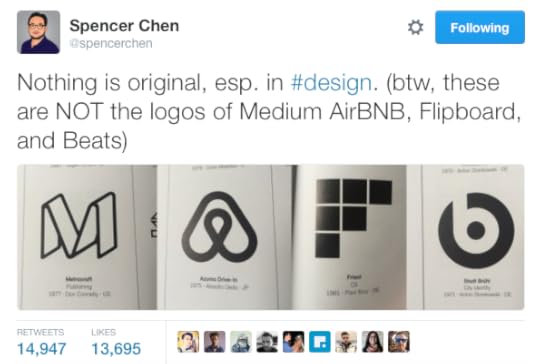
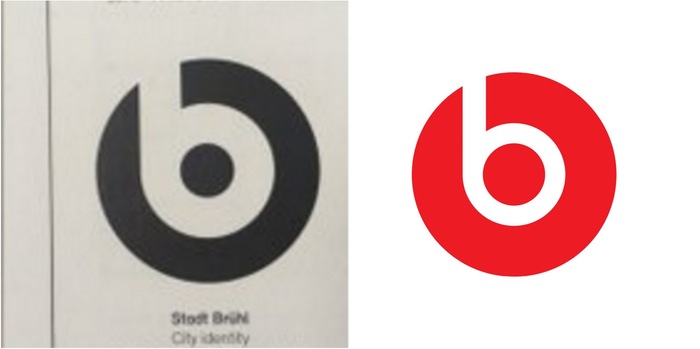
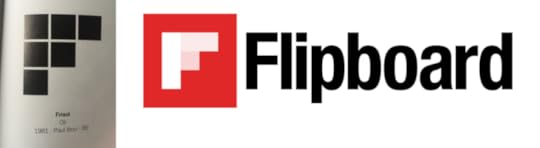
My friend Spencer Chen, CMO of BRD and Blockset, blew up Twitter a while back by observing that many hot tech companies have apparently borrowed their logos from previous designs. While there is a finite set of possibilities specifically for logos based on a single character, the resemblances are striking and uncanny nonetheless. Furthermore, the logos of Airbnb, Beats, Flipboard and Medium all seem to be based on designs featured in a 1989 design book, “Trademarks & Symbols of the World: The Alphabet in Design.”
The.same.book.
Compare for yourself…

Medium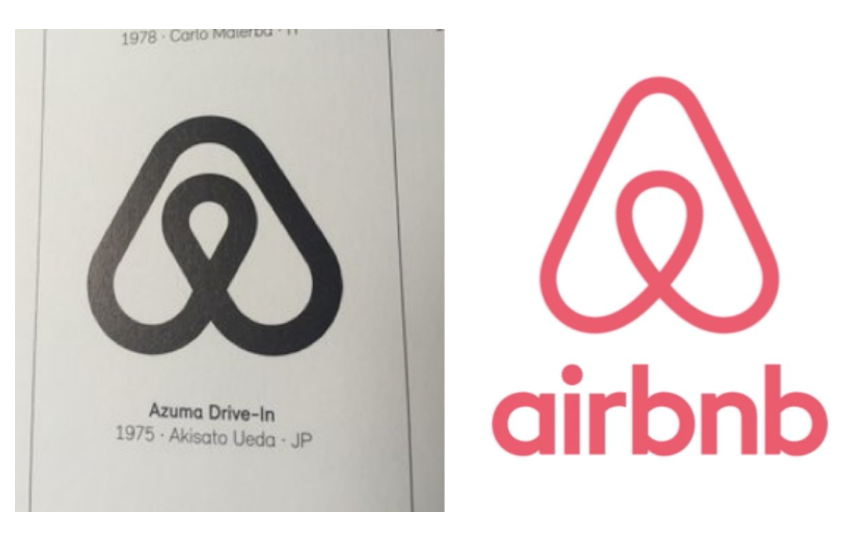
Airbnb
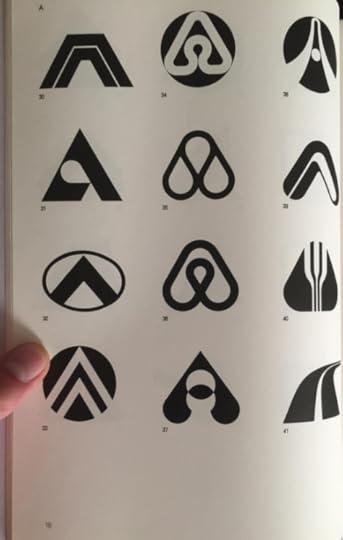
Page 18, “Trademarks & Symbols of the World: The Alphabet in Design.”

Hootsuite
Beats
I often talk about the importance of iteration versus innovation. While both are important, if “innovation” is an essential pillar in your brand, then iteration in design based on previous work communicates the something entirely different.
Iteration (doing the same things better).
Innovation (doing new things that create new value).
Disruption (doing the new things that make the old things obsolete).
Logos are intended to be the face of a company. They’re meant to visually communicate the unique identity of the brand and what it represents. Depending on your design philosophy, simple logos comprised of only essential elements are often the most difficult and also successful. After all, logos need to communicate quite a bit in one visual…
ID + Distinction + Communication.
Studies repeatedly demonstrate that people recognize and relate to imagery faster and better then text. Especially in this always-on, social, mobile, real-time world, a logo has never been so important.
#WDYSF (What Do You Stand For?)While I’m not here to question the source of “inspiration” for some of these newer logos, it’s important to reflect upon your purpose in design and all you do to communicate its value and relatability in design, work, and engagement.
For example, the amount of effort and passion that Airbnb invested into establishing purpose and story for its logo named “belo,” went beyond the logo. The entire undertaking re-imagined Airbnb’s value and brought it to life in every aspect of the company. It set out to build a meaningful community inclusive of hosts, guests and Airbnb employees….a thoughtful and intentional balance of Brand Experience (BX)+ Customer Experience (CX) + User Experience (UX).
Of course, an identity is about more than symbols. So we’ve redesigned the entire Airbnb experience to better reflect the people who make up this community. Our shared vision of belonging is the thread that weaves through every touchpoint on Airbnb. In the end, nothing can express our identity more profoundly than the stories of people who make up this community.
Purpose is about community. And, community is much more than belonging to something; it’s about doing something together that makes belonging matter. It’s really an opportunity to ask and answer “What do you stand for?” #WDYSF
Without purpose, a logo is merely design. If it’s borrowed or if it’s completely original, it makes no difference if it’s unrelatable.
In the end, a meaningful logo is a symbol of what you stand for and what you aspire to do or be that attracts me to stand with you.
It’s how you bring that purpose and meaning to life, in every moment of truth, that shapes my experience.
The post What is the purpose of a logo? It’s more than design…it’s about purpose and experience appeared first on Brian Solis.

April 12, 2021
Customer Service in 2021 and Beyond: Salesforce Study Reveals the Pandemic’s Lasting Impact

Source: Salesforce News & Insights
As the serial crises of 2020 redefine customer engagement, customer service leaders are transforming their operations, accelerating digital transformation, and overhauling their workforce management strategies. That’s according to Salesforce’s fourth State of Service research report, released today, which provides a snapshot of the priorities, challenges, and trajectories of customer service teams around the world. This edition is based on Salesforce’s largest and most global survey of customer service agents, decision makers, mobile workers, and dispatchers: over 7,000 respondents across 33 countries.
The pandemic has exposed customer service shortcomings, but leaders are taking decisive action
Eighty-eight percent of service professionals say the pandemic exposed technology gaps, and 86% say the same for service channel gaps as customers flocked away from physical locations and towards digital methods of engagement. Teams also found shortcomings that went beyond the obvious. For example, 87% realized that their existing policies and protocols — such as cancellation fees for events that were prohibited by public health measures — were not suited for current circumstances.
Faced with these challenges, service teams and their leaders are making transformations that will endure beyond the current crisis. Eighty-three percent of service organizations have changed policies to provide customers with more flexibility, for instance, and 78% have invested in new technology as a result of the pandemic.
“Leaders are taking this time to rethink the value of experiences and reimagine engagement with customers and employees alike,” said Brian Solis, Global Innovation Evangelist at Salesforce.”It’s not just about technology. Sometimes technology is at its best when invisible. We’re going to see significantly more agile, innovative, and relevant organizations emerge from this crisis that provide modern and sought-after experiences that change the game for everyone.”
Digital transformation is accelerating for customers and employees alike
A related research report shows the extent to which customers have shifted to digital, as well as how that shift is expected to persist. Consumers and business buyers estimate that six out of ten of their interactions with companies will occur online in 2021, up from 42% in 2019.
This uptick has coincided with a surge in adoption of various digital channels by service organizations. Video support saw the highest rate of increase in adoption since 2018 (+42%), followed by live chat (+35%) and messenger apps such as WhatsApp and Facebook Messenger (+29%). Conversely, the share of organizations offering in-person service and support fell by 16%.
The digital transformation of customer service goes beyond the increased use of digital channels. Service teams also ramped up their adoption of artificial intelligence by 32% since 2018, and their adoption of chatbots shot up by 67%.
Service teams are being challenged by a new era of workforce engagement
Customer service workforces, rooted in contact centers, were spun into upheaval as stay at home orders spread across the world and social distancing became part of daily life. Over half (54%) of global customer service professionals worked from home during 2020, and only 43% expect to return to their normal workplace in 2021.
The shift to remote work has not impacted productivity as much as some may assume, with a majority (72%) of service agents agreeing they have all the tools and technology they need to work remotely. But as 54% of organizations experienced increased case volume, many of them have brought on contractors (42%) or employees from other departments (62%) to help. Just 25% of service professionals say their organizations excel at training such employees from afar, and even fewer (19%) say the same for their ability to onboard these employees in the first place.
Training is a focus as requisite skill sets evolve
Particularly during a crisis, the role of a customer service agent can no longer be limited to closing tickets. Agents are now expected to be knowledgeable, consultative, and above all, empathetic to customers’ unique needs and circumstances. A mix of hard and soft skills — communication, listening, and product knowledge — are in the highest demand. What’s more, service organizations accelerated their tracking of revenue more than any other metric since 2018 (up 57%), putting new expectations for sales savviness on agents’ plates.
Despite tightened budgets, service organizations by-and-large continue to invest in training programs and infrastructure, with a particularly significant bump in the share of teams with access to on-demand training (61%). Far from an entry level position, customer service agents see their roles as providing increasing opportunity even amidst an economic downturn. Sixty-seven percent of agents say they have a clear career path, up from 59% in 2018.
The post Customer Service in 2021 and Beyond: Salesforce Study Reveals the Pandemic’s Lasting Impact appeared first on Brian Solis.

April 7, 2021
5 Things to Know About The Rapid Acceleration of Digital Health
Following the conversation at SXSW 2021, “The Path Forward to Healthcare Innovation and Digital Transformation,” Real Chemistry published important research (and an infographic), to spotlight, “5 Things to Know About the Rapid Acceleration of Digital Health.”
The study was published by Jo Ann Saitta, Global Chief Digital Officer and Manoj Narayanan, Chief Technology Officer, Real Chemistry
Abstract
A silver lining from the COVID-19 global pandemic is the rapid acceleration of digital health and telemedicine. In early 2021, Real Chemistry set out to better understand the impact of this digital transformation in healthcare, surveying 1,000 patients and 500 physicians across specialties, and conducting qualitative interviews of senior leaders from biopharmaceutical companies. The findings show important shifts in both doctor and patient behavior that deserve new approaches by biopharmaceutical companies. Doctors are more broadly online in their professional and personal life — reaching doctors in the right place with the right message is more complex today than ever before. Companies wanting to be better connected with physicians to improve healthcare will need to use technology and digital approaches that provide advantages in diagnostics, treatment, and monitoring. It is also critical to help empower patients, as they are more active in their ongoing monitoring of disease and seeking new ways to engage within the healthcare system.Those companies seeking to be patient centric must connect, educate and empower patients through ongoing dialogue and direct to consumer attitude and capabilities.
Click here to download the full report.
5 Things to Know About the Rapid Acceleration of Digital Health1. Doctors are more digital. Over 80% of physicians embrace health-related tech in their personal and professional lives.
Overall, more than half of physicians state they are comfortable with digital technology in their practice. While roughly one-third state a high level of comfort with social media, those who treat low incidence/rare diseases are the most comfortable.
Physicians visit a wide array of healthcare-related sites for gathering information, with UpToDate the most frequently visited site, followed by WebMD and Sermo.
When it comes to social media, most physicians use YouTube and Facebook for personal use, and for many, this transfers into their professional use. While Clubhouse is new, there is already some adoption among physicians professionally.
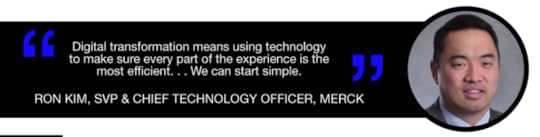
“Digital transformation means using technology to make sure every part of the experience is the most efficient…we can start simple.” – Ron Kim, SVP & Chief Technology Officer, Merck
2. Physicians who are high adopters of technology behave differently. They strongly believe it will improve patient care.
These high technology adopters are far more likely to recommend health-related digital technology like smart phones and wearable fitness devices to their patients.
Although most physicians offer patient portals and email/secure messaging, physicians who are high digital adopters are more likely to offer and place a high value on online scheduling, resource libraries, in-office screens and wearable devices.
Doctors who are high digital adopters are more likely to use videos when treating patients, most often to display information on disease education, procedures or treatments.
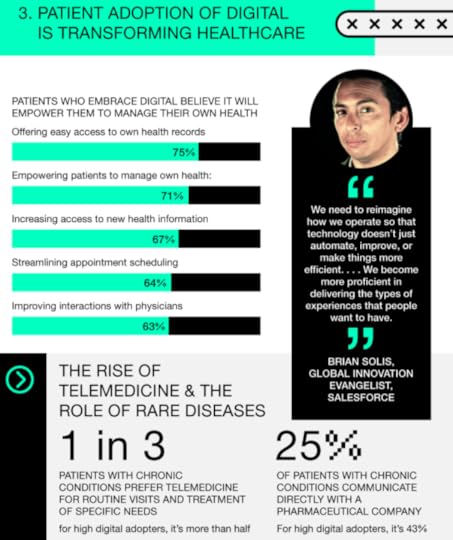
3. Patient adoption of digital is transforming healthcare. Patients who embrace digital believe it will empower them to manage their own health.
Digital adoption for healthcare providers matters to patients. About one-fifth of low/moderate digital adopters are more likely to select a physician based on their digital use, and the rate for higher adopters is nearly twice as high.
The rate of digital adoption among patients who suffer from chronic diseases is very similar to that of physicians, with two-thirds demonstrating moderate or high adoption of digital technology.
Digital technology is also impacting patient visits, as roughly one-third or more of chronic patients already prefer telemedicine for routine visits and check-ins for their disease treatment.
Most patients who have chronic conditions prefer to receive links to specific websites, online disease-related resources and patient advocacy groups for their conditions; 47% of high digital adopting patients also prefer links to pharmaceutical company/product sites.
About one-quarter of chronic patients had direct communication with pharmaceutical companies in the last 12 months; more than half contacted the company for product information. High digital adopters were much more likely to reach out to the companies for information.
“We need to reimagine how we operate so that technology doesn’t just automate, improve, or make things more efficient…we become more proficient in delivering the types of experiences that people want to have.” – Brian Solis, Global Innovation Evangelist, Salesforce
4. The way pharmaceutical companies interact with physicians is also changing.
Although in-person rep visits have declined significantly due to COVID, physicians continue to find in-person rep visits more valuable than alternative interactions. Nearly half of digital adopters find other rep visits to be very/extremely valuable.
When learning about new products, physicians state that reps continue to play an important role; 58% of doctors cite reps as a top source of information, second only to journal articles.
Physicians report that pharmaceutical companies were most effective at providing samples and responding to questions during COVID, but less effective at providing patient materials or supporting other needs.
As companies look to find new ways to communicate and partner with physicians, they will likely need to manage resistance, as doctors continue to see in-person rep visits as their top choice to interact across an array of needs.
5. Doctors and patients see additional transformation coming
While physicians anticipate telemedicine/virtual visits to decrease following COVID (but not to pre-COVID levels), they overwhelming believe that their own use of digital technology will increase.
Patients suffering from chronic conditions expect to increase their use of health and wellness tools over the next two years, particularly health-related apps, wearable fitness devices and smart watches.
As doctors and patients continue to become more digitally focused, companies need to be prepared.
In a digital-first world, the patient experience is no longer driven by a legacy mindset of “the doctor will see you now.” Experience is in the eye of the beholder. Experiences are personal, real-time, and need to be designed as such. For innovative healthcare providers, the mantra is now, “the patient will see you now.”
Please click the image to see the full infographic…

The post 5 Things to Know About The Rapid Acceleration of Digital Health appeared first on Brian Solis.


