Roy Christopher's Blog, page 15
February 12, 2022
Interfaces of the Word
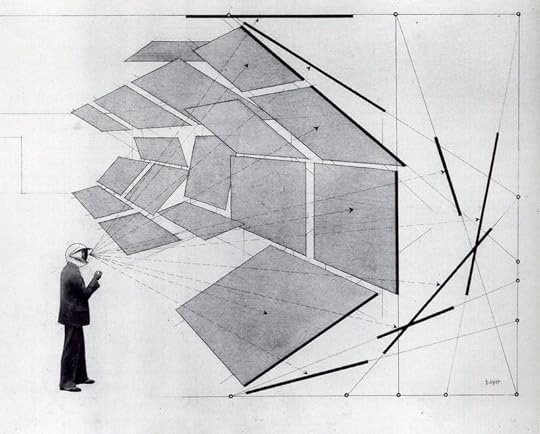
Herbert Bayer, Diagram of the Field of Vision (1930).
People would make fun of you if you were working on software for communicating with the dead even though that’s half the purpose of writing. -- @mathpunk, November 1, 2014
“Written genres,” Lisa Gitelman writes in her book, Paper Knowledge, “depend on a possibly infinite number of things that large groups of people recognize, will recognize, or have recognized that writings can be for. To wit, documents are for knowing-showing.” This “knowing-showing” is the liberation aspect of writing and printing, the enabling of access. She continues, “[J]ob printers facilitate or ensure the pure exchange function. That is, they ensure value that exists in and only because of exchange, exchangeability, and circulation.”
“Digital documents… have no edges,” she adds. A “document” in digital space is only metaphorically so. Every form of media is the same at the digital level. Just as genres of writing emerge from discursive fields according to the shared knowledge of readers, “the ways they have been internalized by members of a shared culture,” digital documents are arranged in recognizable forms on the screen. The underlying mechanisms doing the arranging remain largely hidden from us as users, what Alex Galloway calls “the interface effect.” It’s kind of like using genre as a way to parse massive amounts of text, as a different way to organize and understand writing.
Rita Raley outlines what she calls “TXTual Practice” in her chapter in Comparative Textual Media, describing screen-based, “born-digital” works as unstable, “not texts but text effects.” Her essay moves away from viewing the digital document and other such contrivances as metaphors and toward employing Galloway’s interface effect. Galloway’s view casts the old argument of interfaces becoming transparent and “getting out of the way” in a bright and harsh new light, writing that their “operability engenders inoperability.”
Yet another book on the topic, Lori Emerson’s Reading Writing Interfaces, takes on the “invisible, imperceptible, inoperable” interface, starting with ubiquitous computing. Once our devices obsolesce into general use, “those transparent devices that achieve more the less they do,” as Galloway puts it, they escape everyday criticism. The interface stuff hides in those edges that aren’t really there. The words I write now float and flicker on a screen in a conceptual space I barely understand. Emerson cites the mass seduction of the Macintosh computer interface and the activist digital media poetics that critique that seduction.
If paper didn’t exist, we’d have to invent it. Would anyone say the same for the screen?
This newsletter is a brief excerpt from my book-in-progress, The Medium Picture, for which I just built a new website with excerpts and book-adjacent essays. Check it out!
ICYMI:
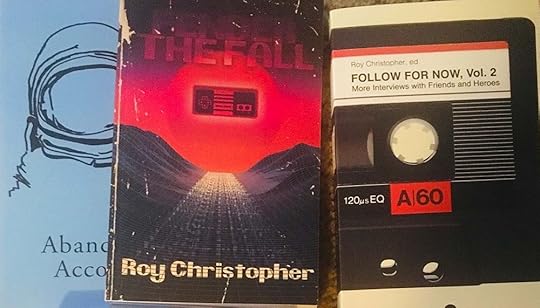
In case you missed them, I got three (3!) new books published last year!
Follow for Now, Vol. 2: More Interviews with Friends and Heroes (from punctum books)
Fender the Fall (a sci-fi novella from Alien Buddha Press)
Abandoned Accounts (poetry collection from First Cut)
And one coming in May (Boogie Down Predictions, an edited collection about hip-hop, time, and Afrofuturism from Strange Attractor Press), which is available for preorder, and one coming out this summer (Escape Philosophy: Journeys Beyond the Human Body from punctum books). In case you missed the former, there’s more about it in this newsletter. More on the latter soon!
Thank you for your continued interest and support! It is appreciated.
Hope you're well,
-royc.


January 20, 2022
Twin Peaks: The Forest of Symbols
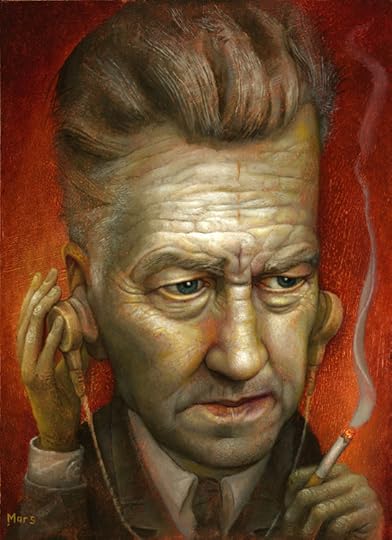
[Portrait by Chris Mars.]
How in the hell Mark Frost and David Lynch's Twin Peaks was ever a hit is one of its many mysteries. The show invaded the living rooms of America just as the Zeitgeist was shaking off the awkward, neon discomfort of the 1980s. I first watched it on appropriately scratchy old VHS tapes, recorded straight off the television. The world was “wild at heart and weird on top,” in the words of Barry Gifford, and even if everyone knew it, no one was saying it. We let Frost and Lynch make our unease explicit. Collective pre-millennium tension notwithstanding, our anxiety never really relented.
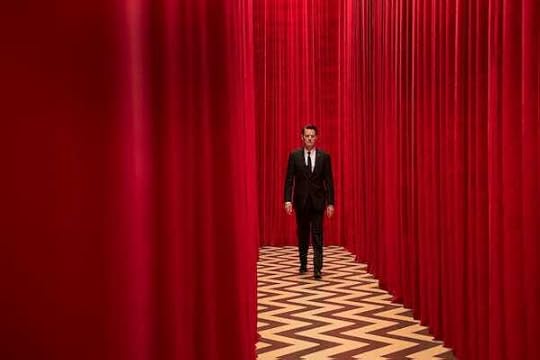
Setting the screen for shows such as Picket Fences (1992-1996), The X-Files (1994-2003), Six Feet Under (2001-2005), Veronica Mars (2004-2007), Pushing Daisies (2007-2009), The Killing (2011-2013), and games like Alan Wake (2010), Mark Frost and David Lynch’s Twin Peaks (1990-1991) was easily the oddest hit show in television history. Set among the trees and mountains of my once adopted home, the Pacific Northwest, the show hosted themes of dangerous dreams, reckless teens, and the paranormal, parallel, and perpendicular.
Incest and child molestation are as American as apple pie. Or should I rather say cherry pie, the dessert choice of David Lynch’s Twin Peaks? Leland Palmer is the all-American Dad if there ever was one, so it’s more than appropriate that he is the one to be possessed by the evil spirit BOB, and to rape and murder his daughter Laura. This deed is necessarily something of a ritual, the founding gesture of the American nuclear family.
— Steven Shaviro, Doom Patrols
Ritual abounds in Twin Peaks. Its liminality, the “between and betwixt” of Arnold van Gennep and Victor Turner, is evident in Laura Palmer’s double life, “none-more-purposeful” (as Daniel Neofetou describes him) Special Agent Dale Cooper’s limbo while investigating her death, the transubstantiation of BOB, and his toggling of Leland Palmer’s consciousness. The ephemeral existence of the Black Lodge is itself a flickering signifier of ritual. The coffee and doughnuts, the family dinner, even the recording and sending of messages are imbued with the gestures of ceremony.
The time of Twin Peaks wasn’t run by social media and cellphones. Secrets traveled via letters and landlines, diaries and cassette tapes. The latter of these played very important roles in the show and helped define the drama surrounding the two main characters. Laura Palmer’s secret diary and Special Agent Dale Cooper’s microcassettes respectively recorded the weaving mysteries of Laura’s short life and their postmortem unraveling. Both have been published as companions to the show. In addition, Frost and Lynch collaborated with Richard Saul Wurman to put together an Access Guide to the town of Twin Peaks. More than mere merchandising, these books prefigured the internet-enabled transmedia narrative of many 21st-century television shows.
The book Fan Phenomena: Twin Peaks, edited by Marisa C. Hayes and Franck Boulègue (Intellect Books, 2013), expands the between and betwixt of Twin Peaks-inspired writings by fans and critics alike. It’s the first such collection aimed at fans rather than academics. For instance, In his Fan Phenomena essay, Andrew Howe catalogs the cultural artifacts of the series: posters, coffee cups, dolls, sculptures, and so on, while David Griffith confronts the show’s misogynist aspects with waves of feminism, what Diana Hume George (1995) facetiously calls a “double-breasted approach.” Fran Pheasant-Kelly explores the physical spaces of Twin Peaks, and there are three Fan Appreciation interludes in between the essays.
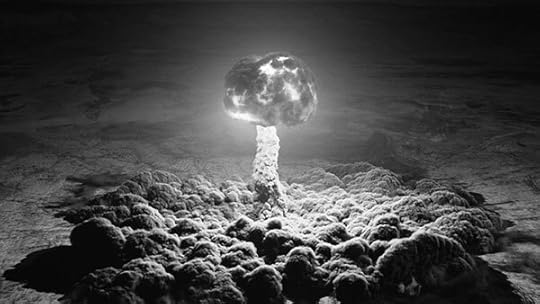
Of course since Fan Phenomena came out, there's been a whole other season of Twin Peaks, and Mark Frost has written and compiled two more books of dossiers, documents, and backstories. Subtitled The Return, season three is just that, a return to the world of Twin Peaks, though it takes half of its 18 episodes to start feeling that way. The turning point is one of the best hours of television ever produced. Part 8, known colloquially as "Gotta Light?," is a post-atomic fever dream. Where his co-writers, Mark Frost in this case, seem to ground him in some semblance of structure, Part 8 is Lynch at his unhinged best.
After the extant mythology is thoroughly explored and comes to a (mushroom) head, the second half of the season cleaves more closely to the drama of the original show. New characters mix with old and for the most part, it's not in that especially 21st-century way where the latter drags down the pace with the nostalgic weight of the past (cf. Star Wars, Ghostbusters, Scream, etc.). For one thing, the last episode of season two set this one up by predicting a reunion 25 years later, so the place was already holding. It has its missteps, but it'll do In lieu of a full-on cinematic feature from Lynch.
Bibliography:
Frost, Scott. (1991). The Autobiography of F.B.I. Special Agent Dale Cooper: My Life, My Tapes. New York: Pocket Books.
George, Diana Hume. (1995). Lynching Women: A Feminist Reading of Twin Peaks. In, David Lavery (Ed.), Full of Secrets: Critical Approaches to Twin Peaks. Detroit, MI: Wayne State University Press, pp 109-119.
Lynch, David, Frost, Mark, & Wurman, Richard Saul. (1991). Welcome to Twin Peaks: Access Guide to the Town. New York: Pocket Books/Twin Peaks Prod./Access Press.
Lynch, Jennifer. (1990). The Secret Diary of Laura Palmer. New York: Pocket Books.
Neofetou, Daniel. (2012). Good Day Today: David Lynch Destabilises the Spectator. Winchester, UK: Zero Books, p. 77.
Shaviro, Steven. (1997). Doom Patrols: A Theoretical Fiction about Postmodernism. New York: Serpent’s Tail, p. 147.
Turner, Victor. (1967). The Forest of Symbols: Aspects of Ndembu Ritual. Ithaca, NY: Cornell University Press.
Turner, Victor. (1969). The Ritual Process: Structure and Anti-Structure. New York: Routledge & Kegan Paul.
von Gennep, Arnold. (1961). The Rites of Passage. Chicago: University of Chicago Press.
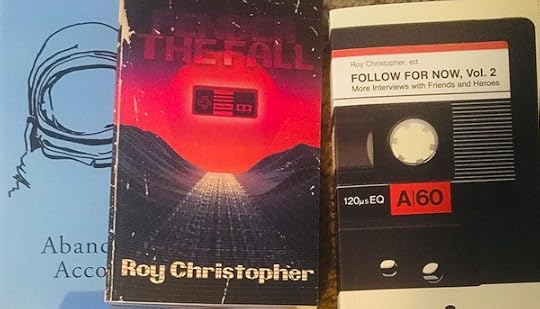
Also, in case you missed them, I have three (3!) new books out:
Follow for Now, Vol. 2: More Interviews with Friends and Heroes (from punctum books)
Fender the Fall (a sci-fi novella from Alien Buddha Press)
Abandoned Accounts (poetry collection from First Cut)
Thank you all for your continued interest and support! It is appreciated.
Hope you're well,
-royc.
December 27, 2021
My 2021 in Links and Images
Here we go:
I had two poems in the April issue of Anti-Heroin Chic.
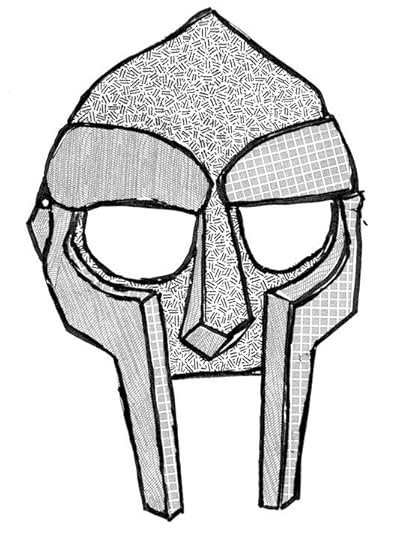
My MF DOOM security-envelope collage (above) was featured in Shadows of Tomorrow: DRO CUP’s DARK SIDE OF THE DOOM Pink Floyd/DOOM Mash-up & Visual Album (MF DOOM Tribute) on The Witzard.
I had a poem called "San Diego" in the inaugural issue of Sledghammer Lit.
And an excerpt from my next book for punctum books, Escape Philosophy: Journeys Beyond the Human Body (see below), is available on the Malarkey Books site.
I have a short story called “Hayseed, Inc.” in Cinnabar Moth’s anthology, A Cold Christmas and the Darkest of Winters.
I did a fairly lengthy interview with Fifteen Questions.
I also did a “Quick 9” interview with Fevers of the Mind.
Todd L. Burns did an interview with me for his Music Journalism Insider newsletter.
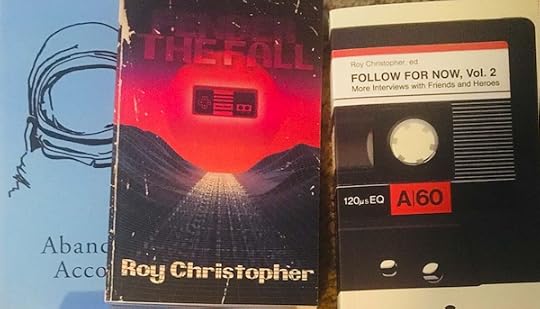
I had three (3!) books come out this year:
Abandoned Accounts -- my first collection of poems from Close to the Bone's First Cut Poetry Series. Here's a bit about how this one came to be.
Fender the Fall -- my first science-fiction novella from Alien Buddha Press. Some background on that one here.
Follow for Now, Vol. 2: More Interviews with Friends and Heroes -- my second anthology of interviews from punctum books. More on that one in this newsletter.
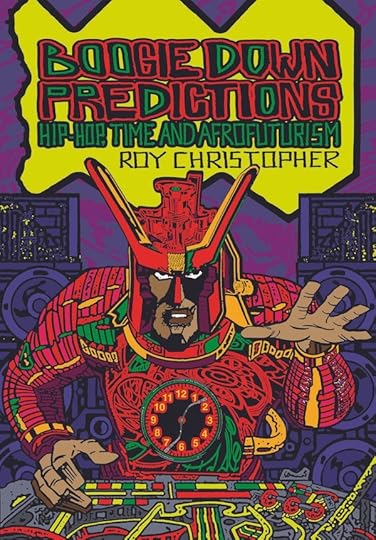
I have an edited collection coming early next year from Strange Attractor Press called Boogie Down Predictions: Hip-Hop, Time, and Afrofuturism. It's available for preorder. There are more details about it, including the table of contents in this newsletter. The list of contributors is out of control!
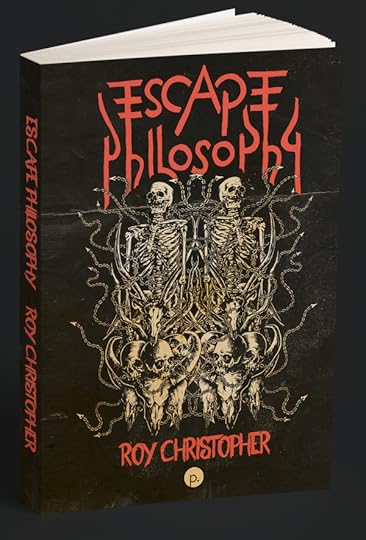
I have yet another one coming out next summer from punctum books called Escape Philosophy: Journeys Beyond the Human Body. More on that one soon!
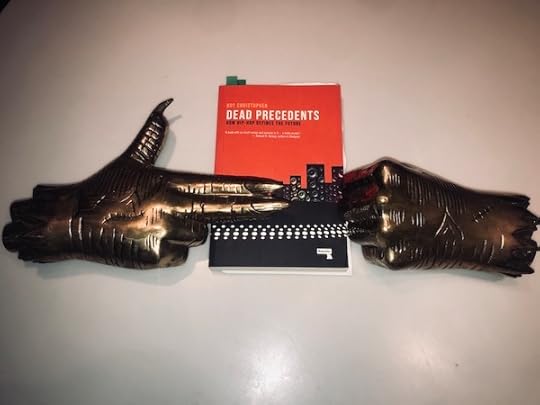
This one is not something I did, but my friend and collaborator Timothy Saccenti sent me these pictures of my book Dead Precedents with the hands he made for Run the Jewels' third record, RTJ3,
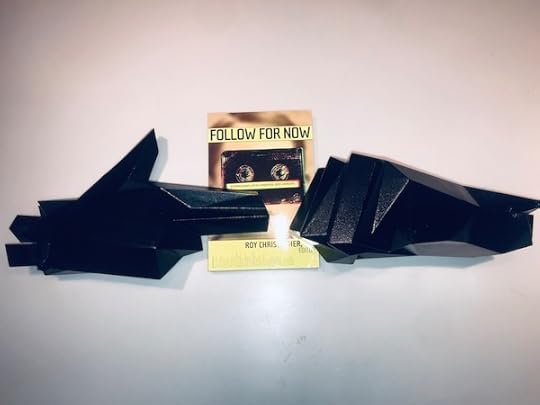
and Follow for Now with the hands from RTJ4!
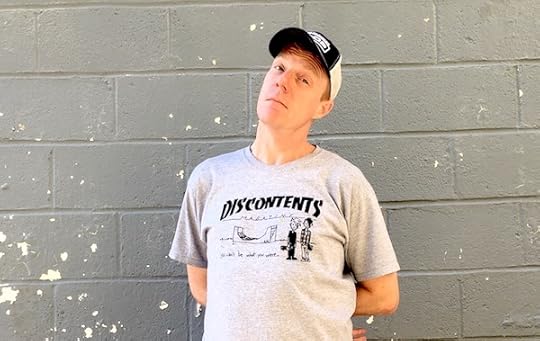
I've been working with my old friends Patrick Barber and Craig Gates on a new zine called discontents. We're just about finished with the first issue, which includes pieces by Cynthia Connolly, Greg Pratt, Peter Relic, Andy Jenkins, Spike Jonze, and a cover design by Tae Won Yu. I just made a batch of T-shirts for the release featuring artwork by me and Craig Gates.

Aside from all the writing, I did several drawings and logo designs. Some are on signs, stickers, and skateboards, as with the Reset Mercantile logo above that Justin April and I did for the new skate shop in Dothan, Alabama.
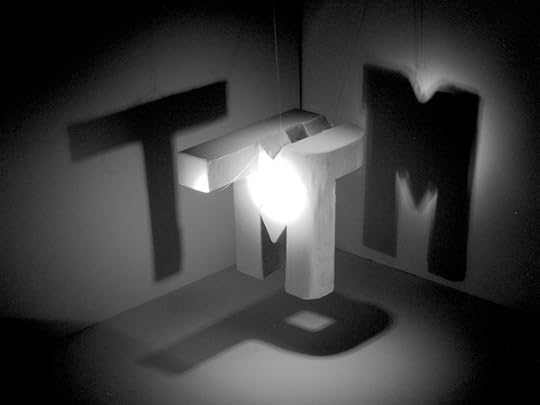
I made and photographed this object for the cover of my book-in-progress, The Medium Picture. I also did a photo-essay of sorts about its making.
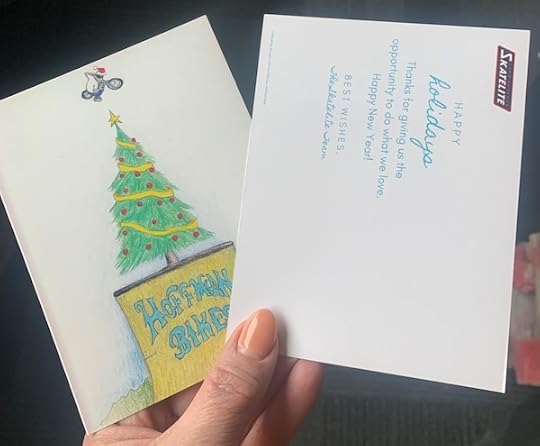
And finally, I drew a picture for this year's Skatelite Christmas card, celebrating 30 years of Hoffman Bikes!
Happy New Year!As ever, here is my annual New Year’s poem:
A Prayer for a New Year
More stretch, less tense.
More field, less fence.
More bliss, less worry.
More thank you, less sorry.
More nice, less mean.
More page, less screen.
More reading, less clicking.
More healing, less picking.
More writing, less typing.
More liking, less hyping.
More honey, less hive.
More pedal, less drive.
More wind, less window.
More in action, less in-tow.
More yess, less maybes.
More orgasms, less babies.
More hair, less cuts.
More ands, less buts.
More map, less menu.
More home, less venue.
More art, less work.
More heart, less hurt.
More meaning, less words.
More individuals, less herds.
More verbs, less nouns.
More funny, less clowns.
More dessert, less diet.
More noise, less quiet.
More courage, less fear.
More day, less year.
More now, less past.
More next, less last.
Thank you for reading, responding, supporting, and sharing my words and work. Doing this newsletter almost every week has been another major project this year, and your attention is appreciated. If you know someone who might be into it, spread the word!
Here's to a peaceful and productive 2022!
Hope you're well,
-royc.
December 19, 2021
When is a Gift Not a Gift?
Writers of all kinds are motivated by the search and pursuit of story. A newspaper reporter from the mid-to-late-1950s until 1969, Herbert employed his newspaper research methods to the anti-superhero idea. He gathered notes on scenes and characters and spent years researching the origins of religions and mythologies. Joseph Campbell, the mythologist with his finger closest to the pulse of the Universe, wrote in The Inner Reaches of Outer Space: Metaphor as Myth and as Religion (1986), "The life of mythology derives from the vitality of its symbols as metaphors delivering, not simply the idea, but a sense of actual participation in such a realization of transcendence, infinity, and abundance… Indeed, the first and most essential service of a mythology is this one, of opening the mind and heart to the utter wonder of all being." Dune is undeniably infused with the underlying assumptions of a powerful mythology, as are its film adaptations.
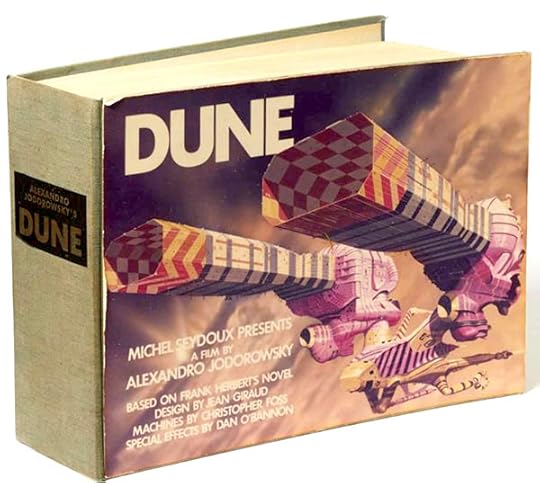
After labored but failed attempts by Alejandro Jodorowsky, Haskell Wexler, and Ridley Scott (the latter of whom offered the writing job to no less than Harlan Ellison) to adapt Dune to film, David Lynch signed on to do it in 1981. With The Elephant Man (1980) co-writers Eric Bergren and Christopher De Vore, Lynch started over from page one, ditching previous scripts by Jodorowsky, Rudolph Wurlitzer, and Frank Herbert himself, as well as conceptual art by H.R. Giger (who had designed the many elements of planet Giedi Prime, home of House Harkonnen), Jean Giraud, Dan O’Bannon, and Chris Foss. Originally 200 pages long, Lynch’s script went through five revisions before it was given the green light, which took another full year of rewriting. “There’s a lot of the book that’s isn’t in the film,” Lynch said at the time. “When people read the book, they remember certain things, and those things are definitely in the film. It’s tight, but it’s there.”
Lynch’s Dune is of the brand of science fiction during which one has to suspend not only disbelief in the conceits of the story but also disbelief that you’re still watching the movie. I’m thinking here of enjoyable but cheesy movies like Logan’s Run (1976), Tron (1984), The Last Starfighter (1984), and many moments of the original Star Wars trilogy (1977, 1980, 1983), the latter of which owes a great debt to Herbert's Dune. I finally got to see Lynch's version on the big screen in 2013 at Logan Theater in Chicago, and as many times as I’ve watched it over the years, it was still a treat to see it the size Lynch originally intended.
Dune is not necessarily a blight on Lynch’s otherwise stellar body of work, but many, including Lynch, think that it is. "A lot of people have tried to film Dune," Herbert himself once said. "They all failed." The art and design for Jodorowsky's attempt, by H.R. Giger, Moebius, Chris Foss, Dan O'Bannon, and others, was eventually parted out to such projects as Star Wars (1977), Alien (1979), and Blade Runner (1982). When describing the experience in the book Lynch on Lynch (2005), Lynch uses sentences like, “I got into a bad thing there,” “I really went pretty insane on that picture,” “Dune took me off at the knees. Maybe a little higher,” and, “It was a sad place to be.” Lynch’s experience with Dune stands with Ridley Scott’s Blade Runner, and Terry Gilliam’s The Man Who Killed Don Quixote (2018) as chaotic case studies in the pitfalls of novel-adapting and movie-making gone difficult-to-wrong. As Jodorowsky says, "You want to make the most fantastic art of movie? Try. If you fail, is not important. We need to try."
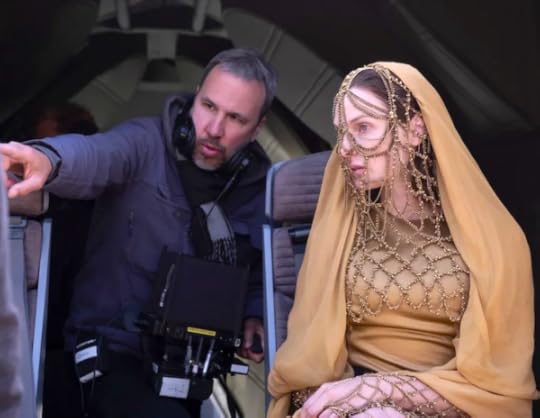
[Denis Villeneuve and Rebecca Ferguson on the set of Dune. Photo by Chiabella James.]
I was as skeptical as anyone would be when Denis Villeneuve's adaptation was announced, even though I'm a big fan of Villeneuve's work and his aesthetic. Everything from the foreboding of Enemy (2013) and the family drama of Prisoners (2013) to the abject and arid borderlands of Sicario (2015), to the damp alienness of Arrival (2016) and Blade Runner 2049 (2017) all seem to prepare Villeneuve to tackle the historical weight of Dune. In an era when it's difficult to imagine any single story having any kind of lasting impact, reviving a story from over 50 years ago seems as risky as trying to come up with something new. Sarah Welch-Larson writes at Bright Wall/Dark Room,
The movie is weighed down by the reputation of the novel that inspired it, by the expectations of everyone who’s loved the story, by the baggage it carries with it. The plot of the original novel is ponderous enough, concerned as it is with ecology and politics and conspiracies to breed a super-powered Messiah. Add 56 years of near-religious reverence within the science fiction community, plus a mountain of fair criticism and a history of disappointing screen adaptations, and any new version of Dune would be justifiably pinned under the weight of its own expectations.
One word that seems inextricable from Villeneuve's Dune is scale. The scale of the planets, the ships, the interstellar travel, the desert of Arrakis, the massive Shai-Hulud, and even Baron Vladimir Harkonnen are all colossal, the sheer size of the story and its history notwithstanding. It's an aspect of the story that the other adaptation attempts don't quite capture. To be fair, Lynch's original cut was rumored to be four hours long, and Jodorowsky had a 14-hour epic planned. The fact that this two-hour movie is only the first part of his version gives us first indication that Villeneuve being realistic but also taking the size of it seriously.

[Rebecca Ferguson is Lady Jessica. Photo by Chiabella James.]
I've now seen it in the theater five times, one of those in IMAX, and the attention to scale is appropriate. The movie is nothing if it isn't immense, as wide as any of Earth's deserts, as dark as any of its oceans. It looms over you like nothing else you've ever seen. In a cast that includes Timothée Chalamet, Jason Momoa, Javier Bardem, Josh Brolin, Oscar Isaac, Sharon Duncan-Brewster, Stellan Skarsgård, Dave Bautista, Stephen McKinley Henderson, and David Dastmalchian, it's Rebecca Ferguson's performance as Lady Jessica that stands out. As powerful and dangerous as she is, she's also the emotional center of the movie. Chalamet's Paul Atreides might be the one you follow, but Ferguson is the one you feel. She's mesmerizing in the role.
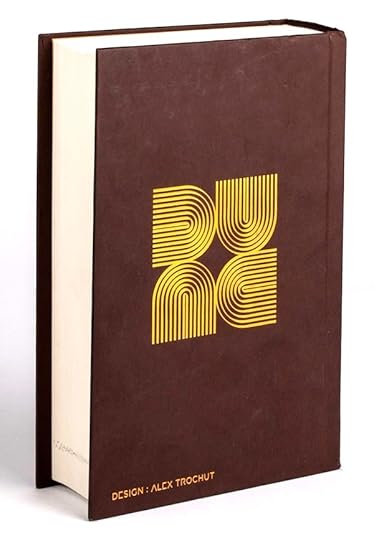
In light of the new movie, Herbert's novel continues to spread the story. The designer Alex Trochut did the cover designs for Penguin’s Galaxy series of hardbacks, including well-worn volumes like William Gibson's Neuromancer, Arthur C. Clarke's 2001: A Space Odyssey, Ursula K. Le Guin's The Left Hand of Darkness, and Herbert's Dune. Trochut's Dune logo is perfect. Not only do all of the letters work as a 90-degree tilted version of the same U-shaped form, but the logo itself works when spun to any side. Weirdly, this version appears on the back of the book. Why you would display the word "dune" any other way after seeing this is beyond me.
Beginnings are indeed delicate times, and Frank Herbert knew not what he had started. "I didn’t set out to write a classic or a bestseller," he said. "In fact, once it was published, I wasn't really aware of what was going on with the book, to be quite candid. I have this newspaperman’s attitude about yesterday’s news, you know? 'I've done that one, now let me do something else.'" He went on to write five sequels, and his son Brian and Kevin J. Anderson have written many other novels set in the Dune universe. Even for its author, the mythology of Dune proved too attractive to escape.
ICYMI:
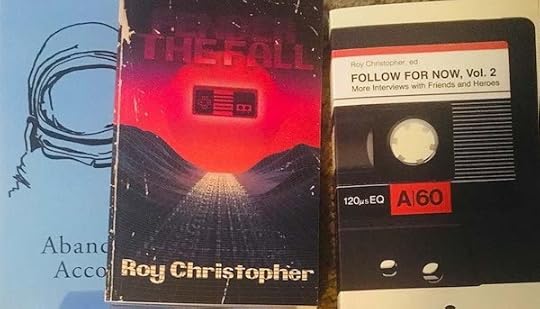
In case you missed them, I have three (3!) new books out this year! They make great Christmas gifts!
Follow for Now, Vol. 2: More Interviews with Friends and Heroes (from punctum books)
Fender the Fall (a sci-fi novella from Alien Buddha Press)
Abandoned Accounts (poetry collection from First Cut)
And one coming early next year (Boogie Down Predictions, an edited collection about hip-hop, time, and Afrofuturism from Strange Attractor Press), which is available for preorder, and one coming out next summer (Escape Philosophy: Journeys Beyond the Human Body from punctum books). In case you missed the former, there’s more about it in this newsletter. More on the latter soon!
Thank you for your continued interest and support! It is appreciated.
Hope you're well,
-royc.
December 13, 2021
Music Journalism Insider Interview
The newsletter collects some of the best stuff I hear, read, and watch every week; highlights news about the industry; and features interviews with writers, scholars, and editors about their work. My goal is to share knowledge, celebrate great work, and expand the idea of what music journalism is—and where it happens.
I first pursued music journalism as a career path in the early 1990s, and though I've strayed, I still feel related to it at least tangentially. What follows are Todd's questions and my answers.
Music Journalism Insider Interview:
Todd L. Burns: How did you get to where you are today, professionally?
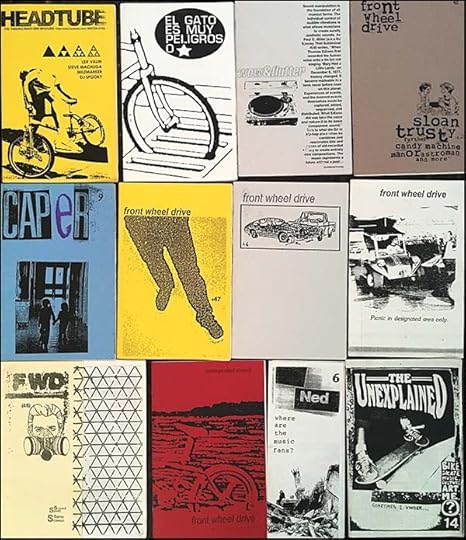
Roy Christopher: My path to this point started with making zines. My friends and I started making photo-copied magazines in high school. We wrote about BMX, skateboarding, and the music we liked. I grew up with an artist mom, so I always thought I’d be an artist. I was an art major for the first three years of undergrad. When we started making zines, the page layouts were the first thing I got really into, but eventually the writing drew me in. If we wanted something covered, we had to write about it.
Other than teaching myself to write, the main thing I picked up there was the fan’s impetus to spread the word. I’m more of a fan than a critic. The reason I do what I do is foremost because I want to tell people about something cool I found.
Writing for zines eventually lead to writing for magazines and then websites. I spent the first half of the 1990s working in record stores and making zines and the second half working at magazines and making websites. I went back to graduate school around the turn of the millennium and got a couple of degrees in communication. Now I write books that combine all of the above. Dan Hancox at The Guardian described my 2019 book, Dead Precedents: How Hip-Hop Defines the Future, as “written with the passion of a zine-publishing fan and the acuity of an academic.” That’s the kind of compliment you hope for, and it comes from pursuing a certain kind of goal.
Did you have any mentors along the way? What did they teach you?
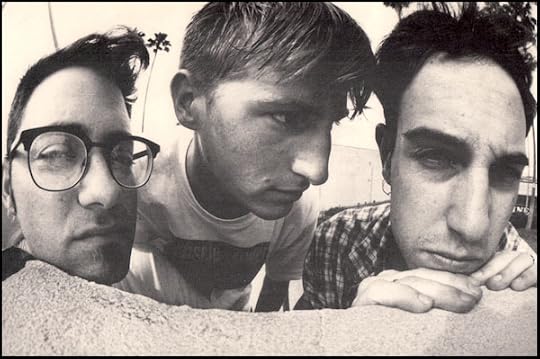
Well, my main trio of heroes and mentors is the Master Cluster: Andy Jenkins, Spike Jonze, and Mark Lewman (l to r above). Not only did they run the magazines I wanted to be a part of (e.g., Freestylin’, Homeboy, Dirt, Grand Royal, etc.), but when I started making zines, theirs were the high watermark. I’ve stayed in touch with them over the years, and they’ve taught me many, many things, but the main one is that you don’t need permission to do something great. Anything is possible.
Other mentors include Douglas Rushkoff, Mark Dery, Dave Allen, Steven Shaviro, Paul Levinson, and Howard Rheingold. There’s no paying back what those guys have taught me over the past twenty years. More recently, Ytasha L. Womack, Tiffany E. Barber, Gary J. Shipley, Drew Burk, Leo Hollis, Charles Yu, Tim Maughan, Peter Relic, and Matt Schulte have all been big helps with writing, editing, publishing, and support.
Walk me through a typical day-to-day for you right now.
On most days, I get up early, make coffee, and get right to it. “It” is usually writing of some kind. I keep several projects going at the same time so that if one stalls or I get stuck, I can work on something else.
If I’m heavy into a book project, I will write until lunch, take a short nap, then edit in the evenings. I never planned my days this way. It’s just a routine I fell into while writing my dissertation, and it recurs every time I take on a large writing project.
It’s not all work though. I do still ride bikes and skateboard, so I often get out in the evenings to do those. I go to bed at least an hour before I intend to go to sleep every night. Though I read whenever I have time, before bed is my daily, dedicated reading time.
How do you organize your work?
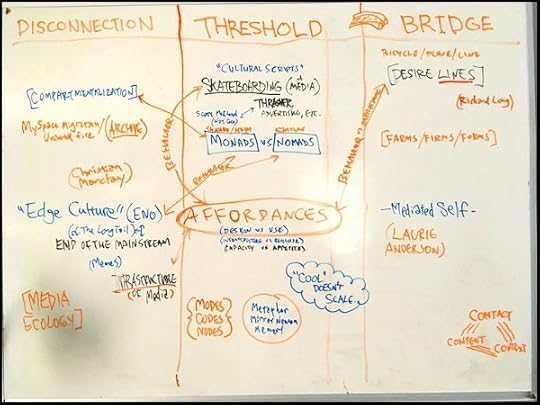
I try to do as much organizing in analog forms as possible. I use notebooks and whiteboards as much as I use computers. No matter the size, I find computer screens claustrophobic. I also try every writing and organizing technique that seems useful, all in the pursuit of different perspectives, rather than just organization.
Where do you see music journalism headed?
Like all forms of journalism, media, and culture, I see it splintering even further. Every genre has its own publication. Almost every subgenre has one as well. It will keep splitting into smaller and smaller niches. The long tail is the media environment now.
What’s one tip that you’d give a music journalist starting out right now?
The piece of advice that I got early on that I always pass on is to give the publication and the people something they can’t get anywhere else. Hone your skills as well as your focus. Become unignorable and irreplaceable.
What’s your favorite part of all this?
Two things: Being in the flow of creative output and connecting with other people. Those were the great things about making zines and working in record stores, and they’ve continued to be the great things about writing about music.
What was the best track / video or film / book you’ve consumed in the past 12 months?
It’s difficult to pick just one thing, which is a good sign for the state of things. I could make a long list, but the one thing I keep coming back to is Crestone directed by Marnie Ellen Hertzler. Ostensibly making a documentary about Soundcloud rappers who move to the desert to grow marijuana, make music for the internet, and start a commune, Hertzler manages to capture a mix of both pre-apocalyptic dread and post-apocalyptic glee. The cast of characters—most of whom Hertzler went to high school with—and the setting—as desolate and demanding as Tatooine or Arrakis—make Crestone a mesmerizing study of people out of place, a whole subculture uprooted and relocated on the edge of the end of everything.
If you had to point folks to one piece of yours, what would it be and why?
I think “In Praise of Pulling Back,” which is an updated version of something I wrote on my website a while back, is a good example of my work. It’s about how creative constraints can be a boon not a burden. It typifies the things I find important, but it’s also full of great examples and bits of advice.
Anything you want to plug?
In the last few years, I have finished several projects that are all coming to the end of the publication process. If you’ll indulge me, here’s an annotated list:
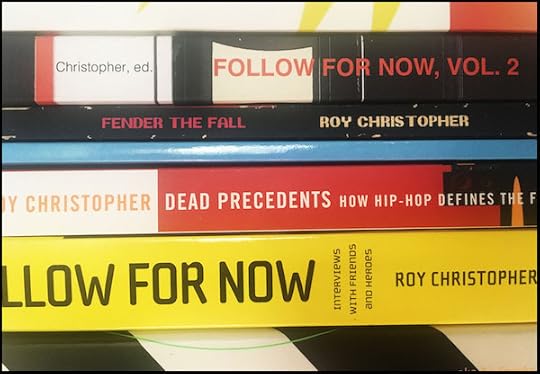
Dead Precedents: How Hip-Hop Defines the Future (Repeater Books): Emerging alongside cyberpunk in the 1980s, the hallmarks of hip-hop—the use of new technologies, sampling, the cutting and splicing of language and sound—would come to define the culture of the new millennium. Taking in the ground-breaking work of DJs and emcees, alongside science-fiction writers like Philip K. Dick and William Gibson, as well as graffiti and DIY culture, Dead Precedents is a counter-cultural history of the twenty-first century, showcasing hip-hop’s role in the creation of the world we now live in.
Abandoned Accounts (First Cut Poetry): My first collection of poems, about which Bristol Noir says, “Perfectly balanced prose. With the subtext, gravitas, and confidence of a master wordsmith. It’s a joy to read.”
Fender the Fall (Alien Buddha Press): “You Don’t Know What You’ve Got Until You Get It Back.” In this sci-fi novella, a lovelorn physics graduate student goes back in time to return the journal of his high-school crush in order to save his marriage and her life. The plan doesn’t go as planned.
Follow for Now, Vol. 2: More Interviews with Friends and Heroes (punctum books): The follow up to my 2007 collection, Volume 2 picks up and pushes beyond the first volume with a more diverse set of interviewees and interviews. The intent of the first collection was to bring together voices from across disciplines, to cross-pollinate ideas. At the time, social media wasn’t crisscrossing all of the lines and categories held a bit more sway. Volume 2 aims not only to pick up where Follow for Now left off but also to tighten its approach with deeper subjects and more timely interviews.
Boogie Down Predictions: Hip-Hop, Time, and Afrofuturism (Strange Attractor Press): Through essays by some of hip-hop’s most interesting thinkers, theorists, journalists, writers, emcees, and DJs, Boogie Down Predictions embarks on a quest to understand the connections between time, representation, and identity within hip-hop culture and what that means for the culture at large. Introduced by Ytasha L. Womack, author of Afrofuturism: The World of Black Sci-Fi and Fantasy Culture, this book explores these temporalities, possible pasts, and further futures from a diverse, multilayered, interdisciplinary perspective.
Escape Philosophy: Journeys Beyond the Human Body (punctum books): The physical body has often been seen as a prison, as something to be escaped by any means necessary: technology, mechanization, drugs and sensory deprivation, alien abduction, Rapture, or even death and extinction. Taking in horror movies and science fiction stories, extreme metal, AI and cybernetics, Escape Philosophy is an exploration of the ways that human beings have sought to make this escape, to transcend the limits of the human body, to find a way out. Cover by Matthew Revert. Title design by Roy Christopher.
The Medium Picture (no publisher yet): The ever-evolving ways that we interact with each other, our world, and our selves through technology is a topic as worn as the devices we clutch and carry every day. How did we get here? Drawing from the disciplines of media ecology and media archaeology, as well as bringing fresh perspectives from subcultures of music and skateboarding, this book illuminates aspects of technological mediation that have been overlooked along the way. "Brilliant, pathbreaking, palpable insights... Worthy of McLuhan," says Paul Levinson, author of New New Media. With a Foreword by Andrew McLuhan, The Medium Picture shows how immersion in unmoored technologies of connectivity finds us in a world of pure media and redefines who we are, how we are, and what we will be.
Many thanks to Todd and Music Journalism Insider for the time and attention.
Snag one of the books listed above for yourself or someone you know who might like it. They make great gifts! I've done my best to ensure that they're all quite good.
Hey, it's my birthday in a couple of days!
Hope you're well,
-royc.
December 7, 2021
The Surface Industry
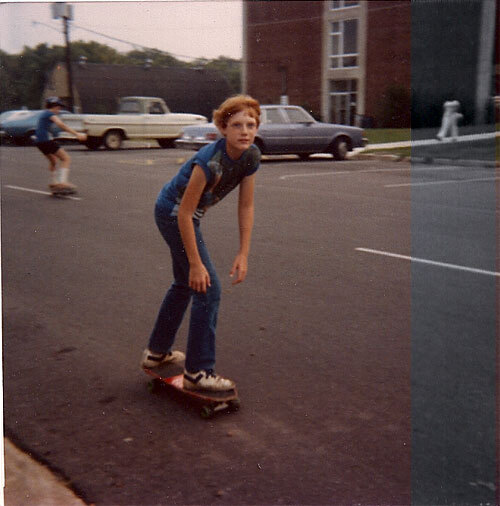
The author at age 11 and the beginning of a very long road.
Ever since I first saw Wes Humpston’s Dogtown cross on the bottom of a friend’s skateboard in the sixth grade, I knew it was going to be a part of my world. I first stepped on a skateboard at the age of 11. There are scant few physical acts and objects that have had a larger impact on who I am and how I am. Through the wood, the wheels, and the graphics, skateboarding culture introduced me to music, art, and attitude. Riding a skateboard fundamentally changed the way I see the world. "Skateboarding is not a hobby,” says Ian MacKaye, “and it is not a sport. Skateboarding is a way of learning how to redefine the world around you.”
Disparaged by pedestrians, police, and business owners, skateboarders reinterpret the urban landscape with style, grace, and aggression. Their instrument of choice, the skateboard, is a humble object of plywood, plastic, and metal. A 2x4 with roller-skates nailed to the bottom, the skateboard started as a way to emulate surfing. Carving the curves of empty pools, skateboards and skateboarders eventually moved on to custom ramps and the streets of the city. MacKaye adds, “It was like putting on a pair of filtered glasses—every curb, every wall had a new definition. I saw the world differently than other people.” Riding a skateboard changes how one sees the world generally and the built environment specifically. Where most see streets, sidewalks, curbs, walls, and handrails, skateboarders see a veritable playground of ramps and obstacles to be manipulated and overcome in the name of fun. Hills are for speed. Edges are for grinding or sliding. Anything else is for jumping onto or over. Looking through this lens all one sees is lines to follow and lines to cross.
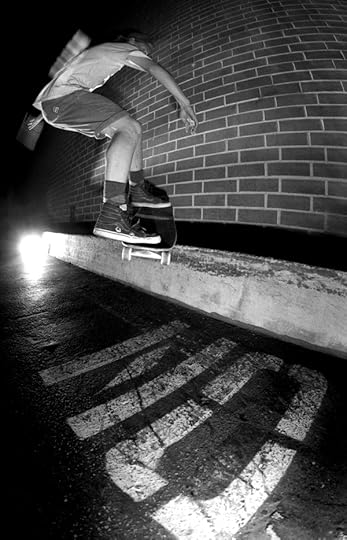
Spike Jonze crossing lines. Photo by Rodger Bridges.
“We lived in a dead-end town with nowhere to go,” says the professional skateboarder Mike Vallely,
and then when skateboarding came along—especially street skating—it made our town bearable. It made our town livable because it blew it wide open… It was like the possibilities were suddenly endless in a town that once felt like we had nowhere to go. Suddenly it was like, this place ain’t so bad because there’s a curb and there’s a bench and there’s some stairs and there’s a wall. Everything was redefined. These weren’t things that confined and defined our lives, they were things we were now defining.
The game designer Brian Schrank defines affordance mining as a way of determining a technology’s “underutilized actionable properties and developing methods of leveraging those properties.” Schrank has done this most famously with computer keyboards, designing games that challenge the use and user of QWERTY keyboards to find new ways of interacting with the common computer. It's a form of hacking, he says, that instead of searching for weakness in a system, is about finding its hidden strengths. Affordance mining can also be found in other underground, punk, and DIY cultures. In her book Adjusted Margin, Kate Eichhorn writes, “If copy machines and their gritty output of posters, flyers, and zines helped to define and spread movements intent on bolstering the rights of people on the margins, it was largely against, not with, the grain of the machines original intentions.”
Skateboarders mine affordances from all of the edges and surfaces of the city, challenging the design of our everyday built environment. Skateboarding is perhaps the best example of the oft-quoted line from Automatic Jack in William Gibson’s 1982 short story “Burning Chrome”: “The street finds its own use for things.” Skateboarders find their own use for everything in the city: ledges, curbs, stairs, handrails—surfaces, edges, and angles of all kinds. Even with the proliferation of skateparks, pure street skating is still the true measure of skill and vision. But just as the skateparks have spread, creating skateable terrain in towns large and small all over the world, the effort against street skating has evolved as well, creating its own countermovement.
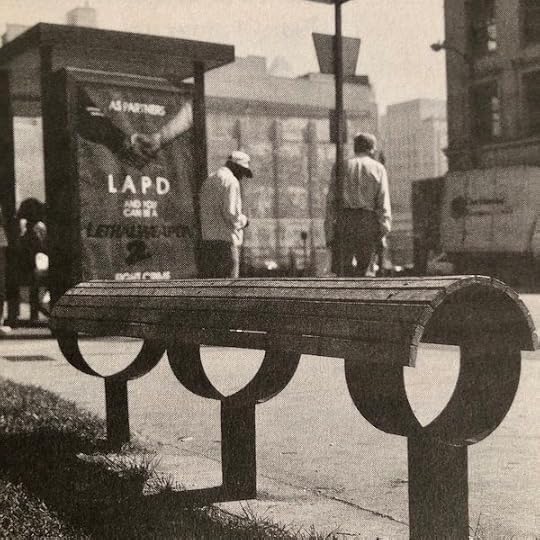
Hostile architecture: a “bum-proof bench” in Los Angeles.
There are several bus-bench designs that allow sitting while waiting for the arrival of mass transit yet prevent the bench from being used as a bed. Most of these designs involve armrests or ridges in the seat to prevent one from lying prone across the bench. In his book, Callous Objects: Designs Against the Homeless, Robert Rosenberger writes, “The websites of bench manufacturers rarely advertise the fact that these designs are specifically intended to discourage sleeping, although on occasion such partitions and armrests are referred to as ‘antiloitering’ features.” My favorite has to be the backless, round-top bench: The seat is shaped like half of a cylinder resembling a barrel and allows one to sit, albeit not a luxuriously comfortable place to park yourself. Without your feet on the ground to stabilize you though, you’re not likely to stay on top. Therefore, there’s no napping on this bench. Urban theorist Mike Davis calls these varieties “bum-proof benches.”
The manipulation of the perceived affordances of objects and surfaces is another great example. Chairs and tables offer surfaces that are affordances for the support of weight. That is, a table affords support. If you have a glass counter on which you don’t want anything placed, it should be slanted. If it’s flat, it gives the perception of affording weight placed on top and often ends up cracked. The handrails around hotel balconies are typically rounded or beveled in such a way as to prevent the setting down of a beverage. This is to keep one from setting a beer bottle on the rail then drunkenly or excitedly knocking it off onto passers-by, cars, or just the ground below. These are not design flaws.
In the past few decades, architects and urban landscapers have made or retrofitted handrails and ledges to make them unusable for skateboarding. Large knobs welded onto metal handrails or blocks bolted to ledges keep skateboarders from using these surfaces as props or obstacles for their maneuvers. These are not mistakes, but hinderances designed — often clumsily or not exactly aesthetically — for preventing certain uses. Even if nonverbal, the message is clear: You are not welcome here.
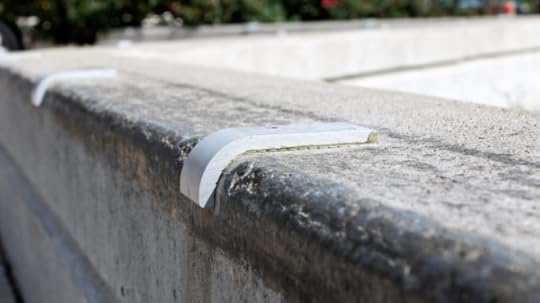
Skateblockers installed on a once throughly enjoyed ledge.
In 1998, Nike attempted to enter the skateboarding market with a line of shoes designed specifically for the sport. Their ad campaign featured unusable athletic spaces and gear like basketball goals permanently blocked by welded crosses of rebar, football fields with chained-off 50-yard lines, baseball diamonds with obstructed home plates. The ads ran with the slogan, “What if all athletes were treated like skateboarders?” It would be years before Nike was able to establish itself within the sport, but the ads were an interesting take on skateboarding’s place in the larger context of sports.
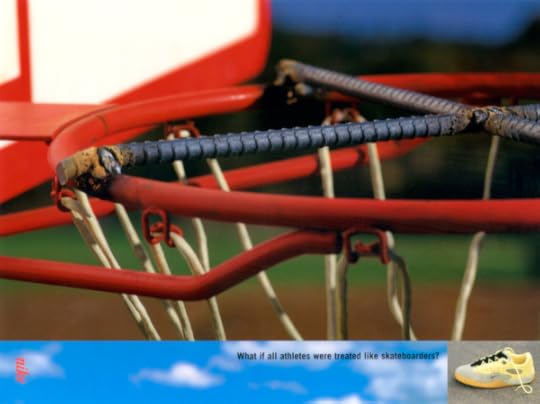
Nike in the 1990s: “What if all athletes were treated like skateboarders?”
“Skateboarding is a rebellion,” says Miki Vuckovich. A photographer and fixture of the skateboarding industry, Vuckovich is currently the Director of Development at USA Skateboarding. “It’s a sport, an activity, a lifestyle adopted primarily by adolescents, and as an individualistic activity, it gives participants a sense of independence. It sets them apart from others who don’t skate, and their own particular approach to skateboarding further differentiates them from their skating peers.” He continues,
Skateboarding, however mainstream it may become will always give skateboarders a unique perspective on the rest of the world. It’s as simple as the difference between crawling on all fours or walking upright. Skateboarders glide around, hopping up and down onto and off of curbs and objects: Benches and handrails are for grinding, not sitting or holding, and staircases are for jumping, not climbing.
Like dirt paths meandering off to the side of paved sidewalks, skateboarding is the slang in the pattern language of architecture. It works constantly against the rhetoric of the built environment. It is where the affordances of design and the desires of humans diverge. MacKaye continues, “For most people, when they saw a swimming pool, they thought, ‘Let's take a swim.' But I thought, ‘Let's ride it.' When they saw the curb or a street, they would think about driving on it. I would think about the texture. I slowly developed the ability to look at the world through totally different means.” Skateboarding is the built environment dreaming.
The Medium Picture
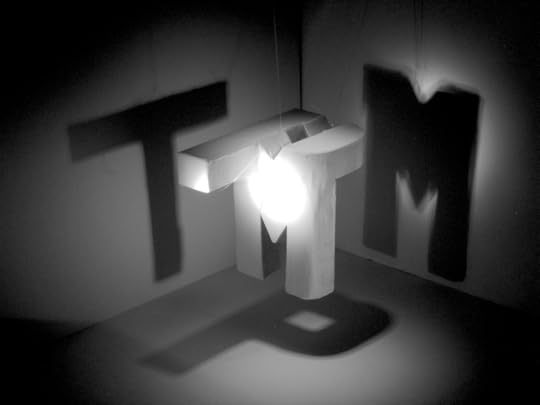
This essay is another edited excerpt from my book-in-progress, The Medium Picture, this time from from Chapter 5 ("The Surface Industry"). I'm really excited because it might finally have a publisher, so I wanted to share another bit of it. More on that soon!
ICYMI:
In case you missed them, I have three (3!) new books out this year! They make great Christmas gifts!
Follow for Now, Vol. 2: More Interviews with Friends and Heroes (from punctum books)
Fender the Fall (a sci-fi novella from Alien Buddha Press)
Abandoned Accounts (poetry collection from First Cut)
And one coming early next year (Boogie Down Predictions, an edited collection about hip-hop, time, and Afrofuturism from Strange Attractor Press), which is available for preorder, and one coming out next summer (Escape Philosophy: Journeys Beyond the Human Body from punctum books). In case you missed the former, there’s more about it in this newsletter. More on the latter soon!
Thank you for your continued interest and support! It is appreciated.
Hope you're well,
-royc.
December 3, 2021
Top Ten for the Year End: The Last Bandcamp Friday of 2021!
To be honest, I listened to Elder's Omens (Armageddon Label), which I missed last year, more than anything else this year, but the ten records below came close. There are a lot of favorites, old and new. And, as they have been for the past several years, all of the links below lead to the album's Bandcamp page where available. Today is also the last Bandcamp Friday of the year, during which the site waves all of its fees, so these artists will get all of the funds you send their way. No one has been able to tour properly for quite some time, so... Please spend recklessly.
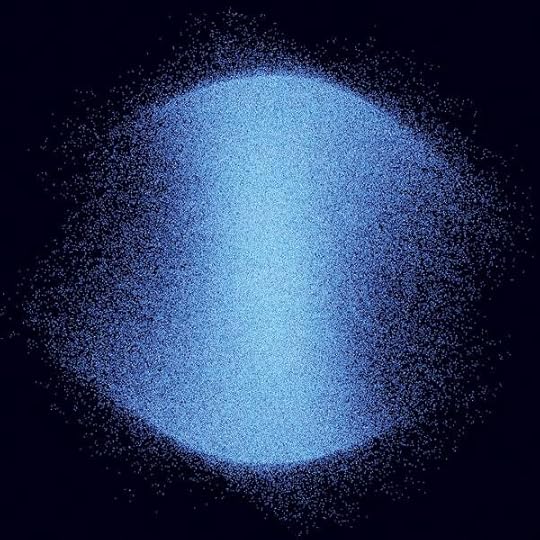
Deafheaven Infinite Granite (Sargent House): This one might not surprise you, but it ended up surprising me. It took me a while to like it. The first thing I ever wrote about Deafheaven was after the release of Sunbather (Deathwish, Inc.) in 2013:
Some of my favorite records are the ones where a band leaps outside the bounds of their past and tries something their fans might not dig. I’m thinking of post-Until Your Heart Stops Cave In (Jupiter polarized their existing fans, while Antenna proved they were onto something new), Corrosion of Conformity’s definitively metal years (starting with Blind, but culminating in the Pepper Keenan-led Deliverance and Wiseblood), and even Kill Holiday’s last record (Somewhere Between the Wrong is Right, on which they abandoned aggressive hardcore for an energized gothic-pop sound, by turns reminiscent of The Smiths, The Cure, and Ride).
I was writing about expectations and how they plague a band's progress. Now that Deafheaven themselves have utterly transformed their sound on Infinite Granite, I thought I was going to immediately lose my mind with glee, but it took a while. I should've known that, given how long it took me to get what they were doing on Sunbather, but I couldn't reconcile my expectations with my initial reaction. They've been headed this way since their demo tape. From Roads to Judah (Deathwish, Inc., 2011) through Sunbather to New Bermuda (Anti-, 2015) and Ordinary Corrupt Human Love (Anti-, 2018), each subsequent record an exploratory arm, a hand reaching past the black-metal and shoe-gaze roots of the one before.
Somewhere around the 100th listen, I finally broke through that and heard Infinite Granite for what it is: The next step in the progression of one of the most dynamic and exciting bands of the 21st century so far. There are no duds here, but "Lament for Wasps" is my favorite right now.
As Jack Dangers used to say, "play twice before listening." And don't make the mistake I made by not playing it loud enough.
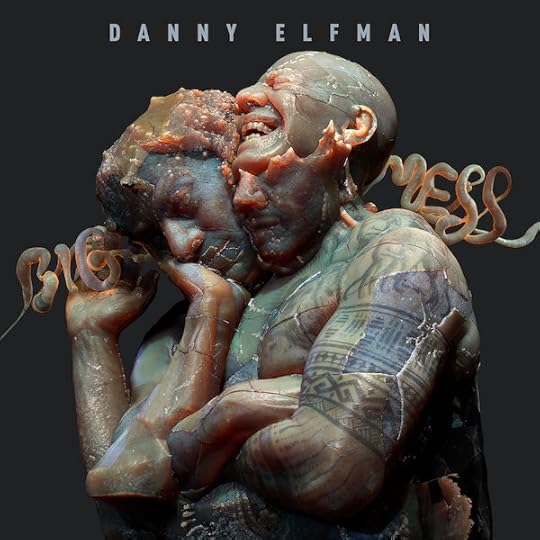
Danny Elfman Big Mess (Anti-): If you know me well, you know that Oingo Boingo was my favorite band during my most formative years. They were my Beatles. As the leader that band, Danny Elfman has always been one of my heroes. He'd long since gone on to scoring films when Oingo Boingo quietly disbanded in 1995, so when he started releasing singles on the 11th of every month last October, the world knew something was up. After the monthly teases, the aptly titled Big Mess finally came out in June. Big Mess is as dark and weird as anything he ever did with Oingo Boingo, but tinged and tainted with the times. Imagine the rambunctious new wave of that band of misfits, combined with Elfman’s orchestral knowledge of decades of film scores, then compressed by recent politics and a year-long lockdown, and you’re almost there. He even redid the Oingo Boingo song, “Insects.” Elfman was the guy who taught me that music could be about something and introduced me to the music that would shape my mind as a teen. Now, music “about something” is typically the last thing I want to hear, but Big Mess has been on repeat in my house and in my head since it came out. The anger, the angst, the energy: decades on, he’s still got it.
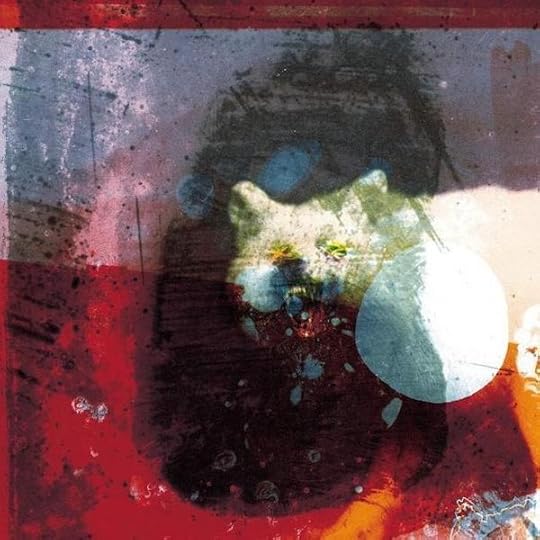
Mogwai As the Love Continues (Rock Action): Mogwai is my most listened-to band. Something about their sound fits into my life more places than any other. They are another act that took me a while to get into, but I loved As the Love Continues as soon as I heard the lead singles, "Dry Fantasy" and "Ritchie Sacramento." If you don't get "Ceiling Granny" stuck in your head after the first listen, you might be a robot. There are parts of Mogwai's past scattered throughout As the Love Continues. It feels as comprehensive as it does fresh, as good an entry point to their 30-year career as any other.
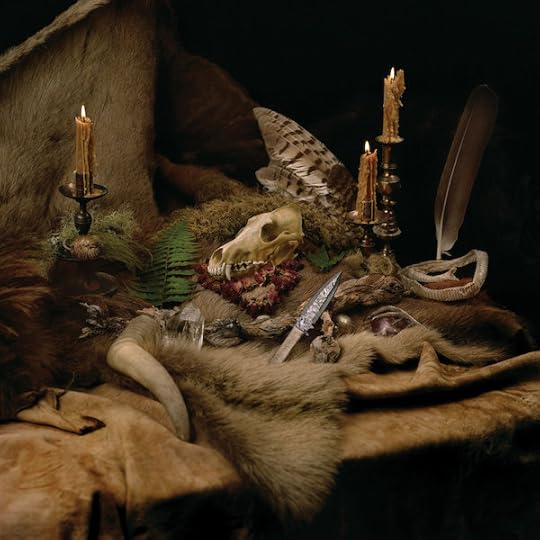
Wolves in the Throne Room Primordial Arcana (Relapse): To see a band grow and expand their sound the way that Wolves in the Throne Room has is nothing less than inspiring. Their brand of Cascadian Black Metal has always been unique, but Primordial Arcana finds them working with a bigger, broader palette to great effect. The ambient aside of 2014's Celestite is seamlessly incorporated here, not only enriching this work but also recontextualizing that one.
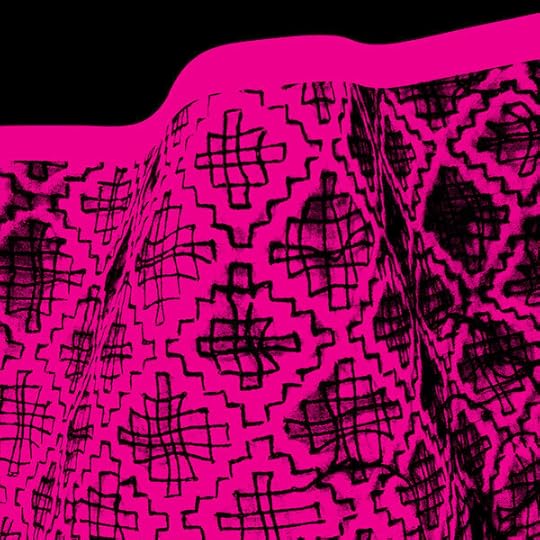
Kristen Gallerneaux Strung Figures (Shadow World): It's easy to describe this as haunted, but as I wrote about her elsewhere, "In another time, Kristen Gallerneaux would’ve been considered a sorcerer, a witch, a medium. She coaxes the ghosts from black boxes of all kinds. In our time, Gallerneaux is an artist, a writer, a researcher, and the Curator of Communication and Information Technology at The Henry Ford Museum in Detroit." Strung Figures is haunted, haunting, and handled by an artist who knows the deepest meanings of those words.
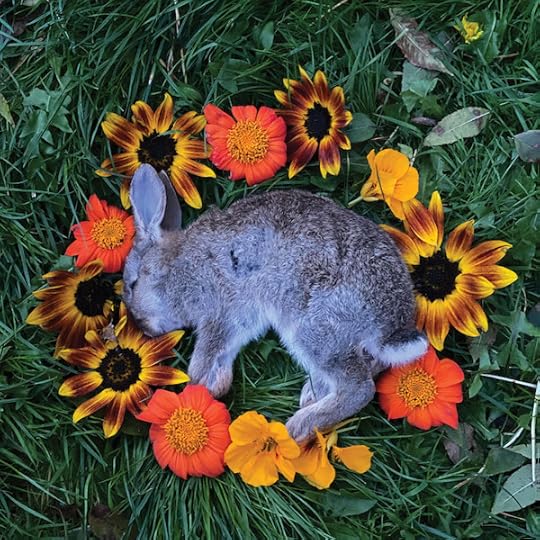
Monolord Your Time to Shine (Relapse): The cornerstone of Monolord's church is The All-Mighty Riff. The leads on "I'll Be Damed," which harken back to the opening groove of "Where Death Meets the Sea" off of 2017's Rust, are undeniably head-nodding. If you enjoy the chug and churn of down-tuned guitars, then it's Your Time to Shine.
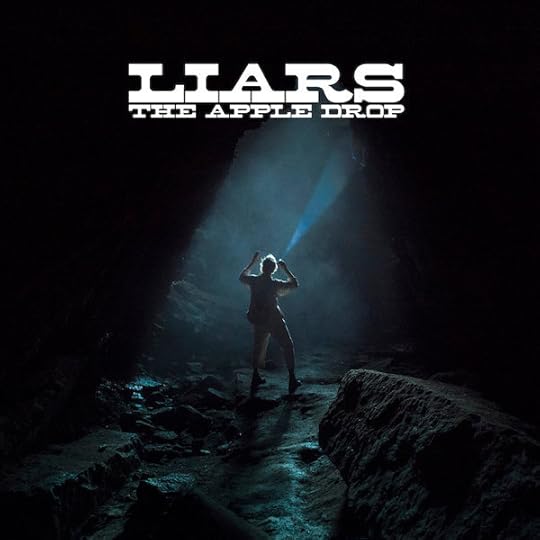
Liars The Apple Drop (Mute): Though I've loved a couple of Liars records in the past (2014's Mess and 2012's WIXIW), The Apple Drop took me back to a time when indie rock was exciting and so weird it was a little scary, before Radiohead codified and normalized so much of what was previously considered experimental, a time when a band like Enon could emerge from the wreckage of a band like Brainiac. As sophisticated as they are strange, Liars continue to push the skewed rock on The Apple Drop.
Low HEY WHAT (Sub Pop): After 2015's beautiful departure Ones and Sixes (Sub Pop) and 2018's further afield Double Negative (Sub Pop), I wasn't sure what to expect from Low this time around, but that uncertainty is just one of the reasons they're one of the most enduring bands of the past three decades. HEY WHAT continues the dual vocals of Mimi Parker and Alan Spearhawk over minimalist sound structures. The electronic turn they've taken on recent records continues as well, and it's all equal parts as soothing and unsettling as it's ever been -- heavier than the heaviest metal. Play loud.
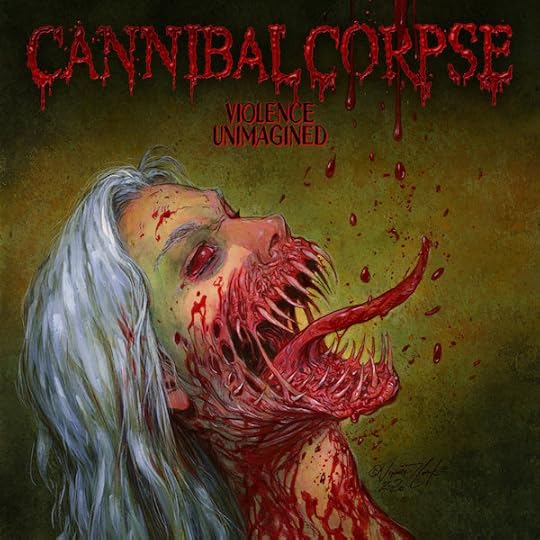
Cannibal Corpse Violence Unimaginable (Metal Blade): I don't know what to tell you except that Cannibal Corpse put a new record out this year and that it's really, really good.
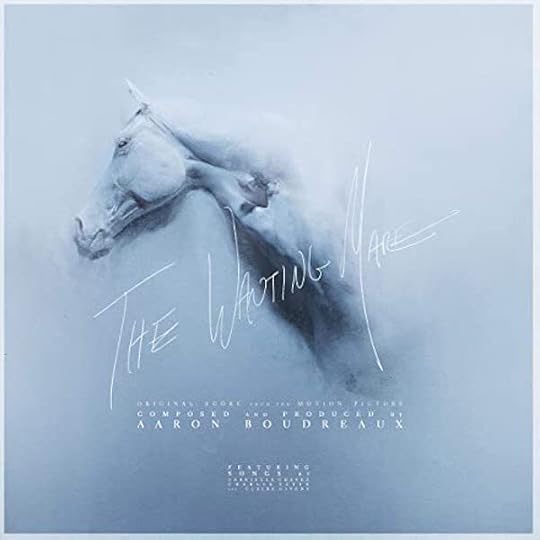
Aaron Boudreaux The Wanting Mare (YouTube link; This one's not available on Bandcamp): From last year's most hauntingly beautiful film comes this year's best score: The Wanting Mare by Aaron Boudreaux. The music is as perfect as the film, written and directed by Nicholas Ashe Bateman. Aside from the Elder record mentioned above, I probably listened to this soundtrack more than anything else this year. The only thing I want from it is more.
NOTE: I put the hip-hop stuff on its own list because there's just so much of it, but here's a quick preview: Fatboi Sharif and Roper Williams Ghandi Loves Children (POW Recordings), Curly Castro Little Robert Hutton (Backwoodz Studioz), Jason Griff and Alaska Human Zoo (Insubordinate), Zilla Rocca Vegas Vic (Chong Wizard), PremRock Load Bearing Crows Feet (Backwoodz Studioz), Career Crooks Never at Peace (Wrecking Crew), Rob Sonic Latrinalia (Sky Pimps), DJ Chong Wizard Blessing Season (Chong Wizard), Tyler, The Creator Call Me If You Get Lost (Columbia), Aesop Rock and Blockhead Garbology (Rhymesayers), and Mars Kumari Mars Kumari Type Beat (deadverse).
You can also double-check last year's list.
Thanks for reading and for supporting artists.
Hope you're well,
-royc.
November 16, 2021
A Year with Open Parentheses
For me, journals are like asides that begin and never end, parentheticals or paratexts, running on in the margins of other projects. Though the writing and thinking there ends up in other pieces that are crafted for consumption, the content of the journals themselves is for me only. Mine are full of drawings, diagrams, lists, and quotes from dreams, friends, films, and books.
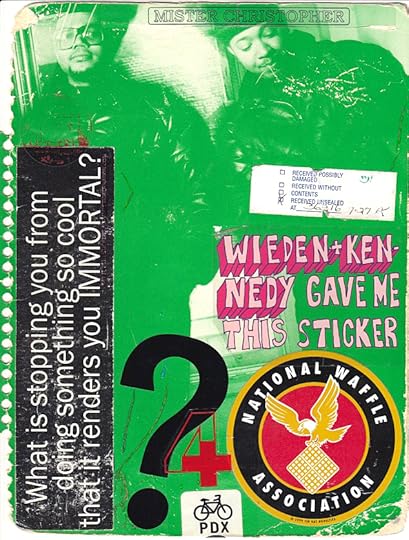
In late 2000, during an especially impoverished period of my adult life, I was going to the Seattle Public Library almost every day. I was reading bits and pieces of so many books. I remember digging deeper into the work of Walter Benjamin, discovering Paul Virilio, and the row volumes I had lined up against the wall in an almost unfurnished apartment, their spines and call numbers pointed at the ceiling. Due dates and new arrivals kept the books rotating, and at some point, I started having a difficult time keeping up with where I'd read what. So, I started a research journal. I've kept three different analog journals ever since.
For the past year, I've been keeping a digital one. I've always struggled with free writing, but I still try it every once in a while. Last November 17th, I opened up a Word file and tried it again. My typed-up thoughts quickly turned to the projects I was working on, and a daily digital log was born. There is weirdly very little overlap between this log and my regular daily journal. The same thing happened with the journal I kept to document my progress while writing my dissertation. Different states of mind, i suppose. One year later, I'm going back through my digital year: 99 pages, 31,019 words.
11/17/2020:
Tentative BIG Goals:
· “Real” job next fall.
· Place The Medium Picture.
· Write a script for something.
· Finish and place short stories.
· Finish Escape Philosophy.
The very first thing in the file is a to-do list of big projects. A year later, a few of these have been crossed off, but the biggest ones remain undone: I am still unemployed and my media theory book is still homeless. I have finished and placed several short stories (one, "Hayseed, Inc.," is coming out soon in this anthology from Cinnabar Moth), I wrote a script based on my short story "Drawn & Courted" (it had a producer interested for a bit, but ultimately didn't come to anything), and I finished Escape Philosophy (it will be out next summer on punctum books).
11/20/2021:
Last night I read Brian Eno’s introduction to the 25th anniversary edition of A Year with Swollen Appendices. He made a list of the words that have emerged since he wrote that book in 1995. His commentary on the list is, as always, more interesting than the list itself.
I thought of that because I was just thinking of the concepts and ideas that seem to be leaking from The Medium Picture as it sits unpublished. Aside from just the desire to be published, that’s part of the impatience. Its impact diminishes as others say the same things. Though I do believe it has a unique approach, it would be better if bits of it weren’t coming out of other people’s mouths in the meantime.
There are lots of notes for and comments about my media-theory book-in-progress, The Medium Picture. There are lots of notes for that thing everywhere on my hard drive, in my notebooks, in my head... It makes sense that some of it would end up here. It's kind of my baby, and I've been shopping it for a while now. I've gotten so many rejections that I made a compilation of them:
05/21/2021:
Collected comments from rejection letters from publishers regarding The Medium Picture:
"This is nice… What a great proposal, and your writing is a real pleasure to read... I found myself agreeing with you on most things within these pages… It’s good! Your writing is engaging, and the way you push on the meaning of terms from “archivist” to “affordance” is thought-provoking… Your chapters have given us much to enjoy and admire… One can readily imagine a reader being able to understand the central issues of the philosophy of technology more quickly from your writing than from years of earnest toil among the monuments… I can see that this will be a terrific book... I do hope that you find the right home for this… Sounds very interesting to me… It seems to do what it says on the tin very deftly… an exciting proposal, well-written, well-argued, and timely, I should think that a press with an interest in media studies and/or alternative politics would be interested… I doubt you will have to wait very long for somebody else to offer you a contract… I do think that this manuscript deserves to be published… It’s an interesting book, clearly needed, and I look forward to seeing it out in the world… All of which is to say that I am very reluctantly going to pass up the opportunity to work with you on THE MEDIUM PICTURE, but thank you so much for the opportunity to consider it."
Pretty funny to see it all together like that.
It's not all whining about book projects (though a lot of it is). Sometimes things get reflectively diary-ish:
06/26/2021:
I was walking in the woods at home one day during this trip. Mom was asleep on the couch. Dad was at work. I had a flashback to my childhood. Mom pregnant with my sister. Dad at work or school or whatever. The only thing missing was my dog... I remember my childhood solitude fondly, and I owe a lot of who I am to those early hours alone.
Weird what comes out when you write everyday.
More whining:
07/08/2021:
Another weird morning in a holding pattern. I have things to work on, but I’m so hung up on responses that I feel paralyzed. This is easily my main problem as a writer.
My journals used to be almost exclusively this kind of thing. One of the therapeutic things about journaling regularly is that you can acknowledge and offload stuff like this and just get it out of your head. You can see the bad habits you didn't even know you had and take steps to change them. I am typically regarded as a very positive person. My partner calls me "chronically happy" and "annoyingly supportive." I think dumping all of the negativity into my journals is part of how I stay up.
Well, I thought there'd be more to share from these 100 pages, but that's the nature of journaling: Though some of it ends up feeding the main projects (I've already shared a lot of things that were seeded in this file and other various journals), it's written just for you, so it can be anything you need it to be. I recommend everyone at least try the practice for a while.
If you have any daily processes, journaling techniques, or other planning tactics you'd like to share, I'd love to hear them.
Hope you're well,
-royc.
]]November 10, 2021
Bedlam and Then Some: This is Not the Future
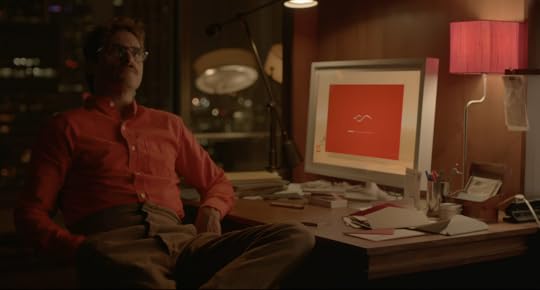
A little further afield, science fiction is another place we look to "see" the future. Citing Karl Marx’s reification and Jean Baudrillard’s simulacrum, Adam Roberts writes, “Science as simulation is the reason why fictional science, or ‘SF’, is so much more fun to watch than real science…” Spaceships, robots, cyberspace, the metaverse: These all exist in some form in the real world, but the widespread perception of these contrivances come from science-fiction books and movies. "In the context of SF,” Roberts writes, “this reification works most potently on the interconnected levels of representation of technology and the technologies of reproduction.” At varying levels, we look to science fiction to show us the potential directions in which the technology of the future is going.
Derek Woodgate, founder of The Futures Lab, calls this method the “wide-angled lens” approach. Analyzing the work of William Gibson, Woodgate writes, “Here, in the various levels of connectivity, we need to study the patterns and signals suggested by the ‘lens’ and models. More important, we must be able to recognize the patterns and make connections between seemingly unrelated data in a way that will provide us with powerful and effective future leverage points." As much as Gibson denies being a predictor of any stripe, his work is invariably consulted as a map to the future of technology.
The above approaches represent applied systems thinking for future planning. I briefly outline them here in order to analyze a few trends I’ve witnessed in recent science fiction, trends I do not believe are reliably predictive. Pointing out the wrongs is much easier than getting it right, nonetheless, the following are four misrepresentations of future technology that I’ve seen popping up on movie screens:
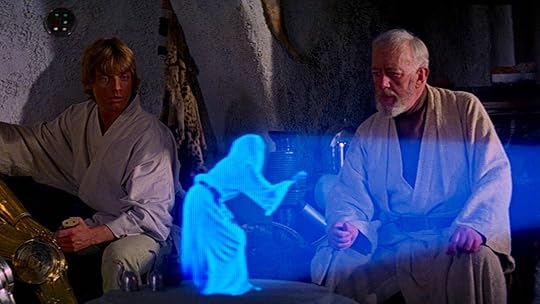
We all remember how futuristic Princess Leia’s message to Obi-Wan Kenobi looked when beamed out of R2D2’s projector in the original Star Wars (1977), and holograms have persisted throughout the series. Dennis Gabor was awarded the Nobel Prize in Physics in 1971 for his invention and development of the holographic technique for 3-D image representation. Since then they’ve shown up all over the science fictional universe in film, television, and novels: Total Recall (1990), Vanilla Sky (2001), Paul Levinson‘s novel The Pixel Eye (2003), The Island (2005), Avatar (2009), the Fringe television series (2008-2013), Spike Jonze’s her (2013), The Giver (2014), and perhaps most famously in the Star Trek series, home of the Holodek, as well as the aforementioned Star Wars films.
The best holograms have the resolution of old, black-and-white television. No one is going to turn away from the high-definition flat-screens found on every surface these days to look at a choppy, transparent, 3-D ghost.
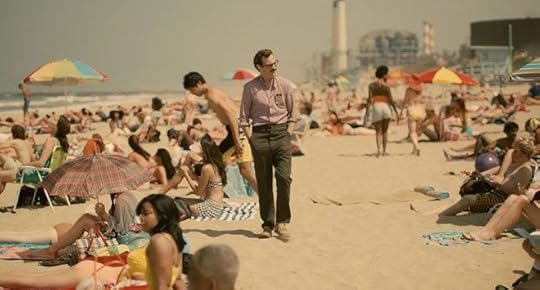
This is another invention that’s been used throughout science fiction, from Edward Bellamy’s novel Looking Backward (1888) to Star Trek. While the movie her (2013) uses voice activation throughout, there’s a particularly unlikely scene showing main character Theodore Twombly (played by Joaquin Phoenix) checking his email while riding home on public transportation. That scenario is currently as commonplace as they come, but he’s doing it via a voice-activated interface. It’s like widespread adoption of the Bluetooth headset: Can you imagine everyone everywhere reciting commands to their communication devices? It would be Bedlam and then some!
Using a microphone for information input is the opposite of listening to headphones. The former is impossible to do in a crowded car, bus, train, office, or living room, while the latter is happens more often than not. I’ve also never seen modality expressed gracefully via voice. Without a supplementary input device, how does one, for instance, differentiate between writing, editing, and just talking?
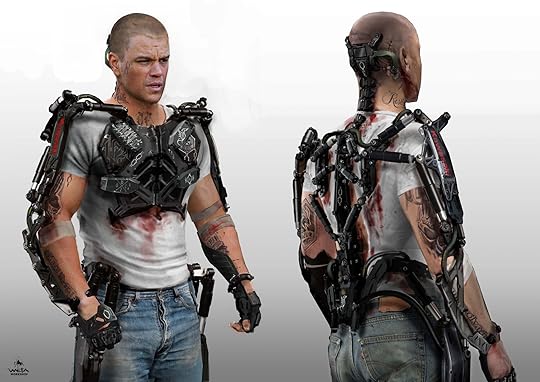
Robotic and semi-robotic exoskeletons are often shown as military contrivances used to augment human strength and agility. They’ve appeared most recently in Elysium (2013) and Edge of Tomorrow (2014). While these provide nice narrative crutches by keeping humans in the fore, and one can easily envision other uses for them, the future of warfare is largely un-personed. Remotely controlled devices like missiles, bombs, satellites, and drones are the more likely path of future skirmishes. For an excellent speculative tale on the latter, see Daniel Suarez’s novel Kill Decision (2012).
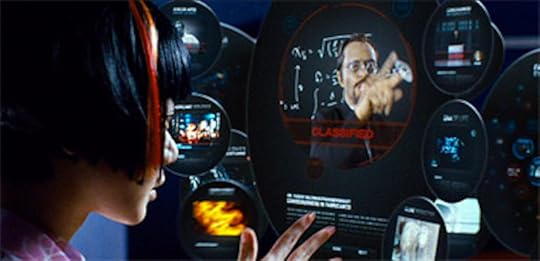
Outside of a radar room, I’ve only seen round screens in one movie. The Wachowskis' adaptation of David Mitchell’s brilliant novel Cloud Atlas (2013) is full of bad ideas, but this has to be one of the most wrong-headed. Like the hologram, round screens look futuristic, but the grid as a textual and architectural form predates Gutenberg. Unless we stop using symbolic language, its displays need to be rectangles. Screens, like the pages they emulate, require right angles.
To paraphrase Kenneth Burke, science fiction provides equipment for living in future and alternative worlds — even when it gets it wrong. As Elizabeth Grosz writes, “History is made an inexhaustible enterprise only because of the ongoing movement of time, the precession of futurity, and the multiplicity of positions from which this writing can and will occur." Science fiction’s speculative trajectories often show us what’s possible, even if its just by showing us what’s not.
Special thanks to my futurist friends Scott Smith, Frank Spencer, Stuart Candy, Jamais Cascio, Bruce Sterling, and Emily Empel for getting me psyched about futures studies in the first place, and to Lily Brewer and Kathleen Tyner for providing additional texts and inspiration.
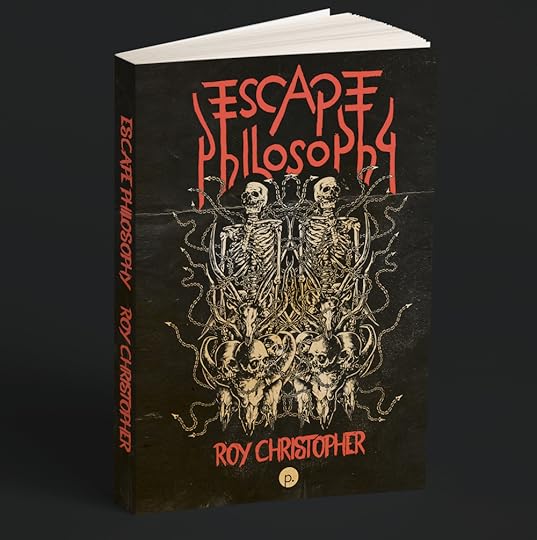
This piece originally appeared on my website a while back. Since finishing my book, Escape Philosophy: Journeys Beyond the Human Body, which is coming out next summer from punctum books (more about the book later), I’ve been thinking about futures studies again. As a member of the Futurist Board of the Lifeboat Foundation and fancying myself an amateur futurist, I enjoy dabbling in these techniques. As a lifelong fan of science fiction, I love using the speculative stories I love to talk about what might happen next.
Bibliography:
Burke, Kenneth. (1974). The Philosophy of Literary Form. Berkeley, CA: University of California Press.
Glenn, Jerome C. & Gordon, Theodore J. (2003). Futures Research Methodology, V2.0. Washington, DC: AC/UNU Millennium Project.
Grosz, Elizaneth. (2000, Summer). Histories of a Feminist Future. Signs, 25(4), pp. 1017-1021.
Hollinger, Veronica. (2010, March). A History of the Future: Notes for an Archive. Science Fiction Studies, 37(1), pp. 23-33
Hurlburt, Allen. (1978). Grid: A Modular System for the Production of Newspapers, Magazines, and Books. New York: Van Nostrand Reinholt Co.
Renfro, William L. (1993). Issues Management in Strategic Planning. Westport, CT: Quorum Books.
Roberts, Adam. (2006). Science Fiction: The New Critical Idiom. New York: Routledge.
Williamson, Jack H. (1986, Autumn). The Grid: History, Use and Meaning. Design Issues, 3(2), pp. 15-30.
Woodgate, Derek (with Pethrick, Wayne R). (2004). Future Frequencies. Austin, TX: Fringecore Publishing.
]]