Rebecca Stonehill's Blog, page 63
February 25, 2016
Should writers be part of a writing group?

Writing groups – what is your opinion of them? Do you think they they’re a brilliant way of stoking our creative fires in a supportive environment, or is our precious time better spent getting down to writing, rather than just chatting about it?
Best-selling author Zadie Smith said one ought to ‘Avoid cliques, gangs, groups. The presence of a crowd won’t make your writing any better than it is.’ But then there are notable groups through history such as The Bloomsbury Group (e.g. Virginia Woolf and E.M. Forster) and The Inklings (e.g. J.R,R Tolkien and C.S. Lewis) whose members consistently claimed that their creative companions only helped to enrich their work.
[image error]
The Bloomsbury Group
So, what’s the deal? Can these kinds of groups be helpful to us as writers, or do they provide yet another layer of procrastination to join hands with Facebook, twitter and all their web-based, time-sapping cousins? After all, we cannot get down to the physical act of bums on seats and words on a page whilst talking about where our writing is or isn’t working, can we?
I spent years firmly in the No Writing Group camp. A couple of less than inspiring experiences left me determined to just get on with it. I remember one in particular when a writer read out one of his pieces of work, laughing uproariously at his own jokes that were completely lost on the rest of us in the room and that painful, prolonged silence at the end when it came to listeners providing feedback. What on earth, I wondered, was I doing there?
But all of that changed not long ago when a scriptwriter friend suggested a few of us try getting together to bounce some ideas around. I avoided her email for as long as I could, but then surprised myself. Because instead of politely declining her offer, I found myself typing Why not?
The results, I can’t deny it, have surprised me hugely. Being part of a writing group has challenged me, putting me out of my comfort zone (I was the child at school who always preferred working alone) and it is helping to keep me accountable. I am feeling so inspired by this group and suspect wherever I live and whatever I’m doing, I shall be seeking out other writers to help me see my work in a new, necessary light.
Why writers groups can be helpful:
Needless to say, writing can be so solitary; lonely even. Most writers are fine with this solitary pursuit. However, you will automatically begin with a common interest. Only other writers will understand what it’s like to get your 20th rejection letter, have people ask why you haven’t had your book published, ask what your ‘real job’ is or truly appreciate what a rigorous discipline it is to complete a full novel / script / collection of short stories etc.
As we all know, we are often too close to our work, so the feedback we receive can be invaluable, making small but powerful differences to our writing.
Listening to other people read our stories can be illuminating. We can get something valuable from this that we cannot get even when reading aloud to ourselves (of which I am a big advocate – click here to read why)
A group provides an exciting network of knowledge about local cultural events, brilliant books to read, writers tips and literary / creative know-how.
How to set up a writers group:
You may think you don’t know other writers in your area but you will be amazed how many people there are out there who long to write. Don’t limit yourself to experienced or ten-times published authors. In fact, I don’t really like the term ‘aspiring writer’. If you write, you’re a writer. Full stop.
Don’t let the group get too big. Any more than five or six you may be struggling with that dynamic that can be so potent amongst smaller groups.
Don’t limit yourself to one or two hours. Give yourself the entire morning, afternoon or evening. Once a month is a good place to start and take it from there.
It can be fun to rotate around houses and let different people play ‘host’, providing coffee / cake / lunch / wine!
You may want to stick to the same genre within your group i.e. fiction, life writing, poetry which automatically gives you something in common with the others. But then again, you may decide you want to widen this remit. See what works for you and your group.
It is SO important to say what we like about the writing of others as well as suggesting revisions.
You can make some rules, but don’t be dogmatic about them. For example, does it feel more helpful to read work for the first time before the meeting or during it? Let the group develop organically until you have found a process and rhythm that works for all members and feels right.
If you are not clicking with your fellow writers after some time, don’t despair. There are plenty of other writers out there who are longing for some kind of writing community.
The most important thing in all of this is the willingness to listen to (and/or read) the work of others and be respectfully honest about it. And then, when you are brave enough, to share your own work. Everybody’s writing – yes, even the work of a ten times published author – can benefit from a fresh perspective.
What is your experience of writers groups? I’d love to hear about it.
The post Should writers be part of a writing group? appeared first on Rebecca Stonehill.


February 20, 2016
Guest Post from Author Renita D’Silva
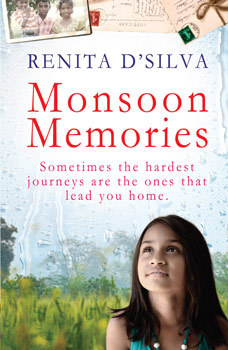
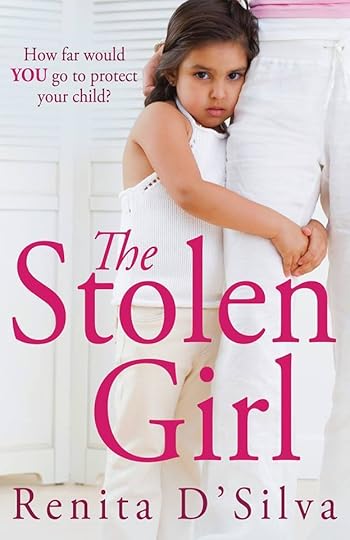
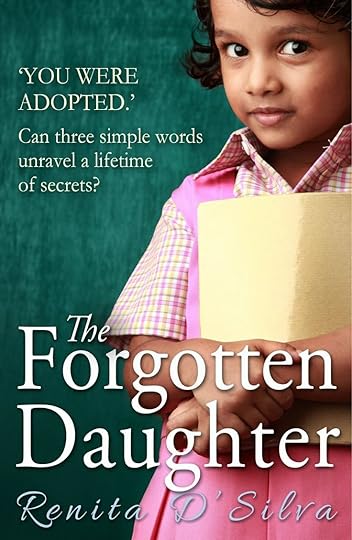
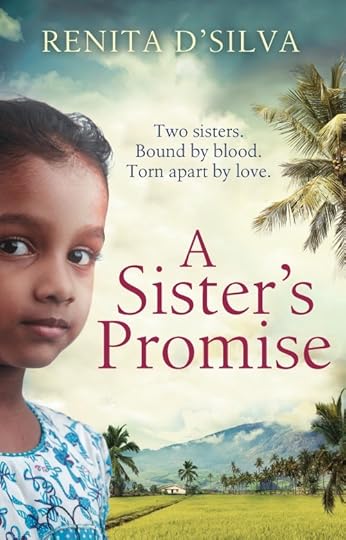
Five-time author Renita D’Silva is interviewed this week on her writing life and inspiration behind her bold, colourful novels that confront difficult and often taboo issues from within India, the country from which she hails and describes as “a land of disparities.” In her books, Renita explores the invisible threads and secrets that both bind families together and tear them apart, taking in themes as diverse as emigration, adoption, rape, eating disorders, arranged marriage, forbidden love, cultural dislocation and the healing power of cooking.

What were you like as a child?
I was a bookworm  Once I discovered the magic of stories I was loath to leave that world and disappeared into it as often as I could. When I was not reading stories, I was creating them in my head. (Not much has changed there!) ‘You and your imagination!’ was a sentence I often heard in cadences ranging from exasperated to annoyed.
When did you know you wanted to become a writer?
It was a dream I secretly nurtured but always thought out of my reach. I only started writing in earnest when my youngest started nursery. And then I knew. Punishing though it can be, it is only when I write that I am truest to myself. Writing is for me, what I must do. It is who I am.
Why did you choose to write in your particular genre or field?
While writing I seem to gravitate towards family dramas, the secrets we keep from those closest to us and how they affect everyone involved. The ever-changing, constantly evolving dynamics between family members intrigue me.
I am riveted by identity, roots, what makes us who we are. I like the thought that an ordinary person whose life is headed along a regular path can make an about turn based on one choice. One bad turn. I also like how the choices a person makes can reverberate into the future, like an earthquake causing aftershocks both big and small. I like how as humans we are all flawed. We try to do our best but sometimes, our best is not good enough. Sometimes, our best turns out to be the worst thing we could have done.
I set my stories in the India I grew up in, a land of disparities, of breath-taking beauty and toxic pollution, of chaos and noise contrasting with the agonised silence of women who are not heard, of people who are as kind as they are bigoted, of spicy food and spicier gossip, of paan-chewing matrons and arranged marriages, of girls who yearn to grow into the women they want to be but are restrained by a culture that levies boundaries on them.
Can you tell us something about your journey to publication?
The process of publication was a huge learning curve. I come from an IT background and did not know any publishers, agents or authors. So, when I penned ‘The End’ on my first draft, I googled what to do next. The one suggestion that stood out, that was reiterated many times, advised new authors to get a copy of The Writers and Artists Yearbook and send off their manuscript to agents who represented books like theirs. And that is what I did. But I was impatient and sent the manuscript off before it was the best it could be. I got some very positive feedback with a few agents requesting the full manuscript but they all came back with, ‘Get back to us when you have worked on it.’ So I worked on it and sent it off again and this time they said it was good but that they were not taking on new authors due to the recession. I had all but given up when I saw an ad for Bookouture in Mslexia. And so I sent my manuscript off to Bookouture. And they said yes!
If you had to choose one or two of your favourite books or authors of all time, what /who would they be?
To Kill a Mockingbird by Harper Lee is my favourite book of all time.
Before you were a writer, what were you doing?
I used to work in IT, programming and testing software.
What advice would you give to aspiring writers out there?
Do not send your manuscript out before it is the best it can be.
Try not to let rejection get you down. J.K.Rowling got rejected umpteen times before Harry Potter was unleashed on the world.
Believe in yourself and keep trying. The published author is someone who has picked himself up after each rejection and persevered. With the advent of the e-book and Indie publishing, there has never been a better time to be an author. It only takes one publisher to say yes and they are waiting just around the corner.
When you’re not writing, what do you do to relax?
Read, cook, spend time with my family.
Is there anything you find particularly challenging in your writing?
I am permanently battling self-doubt, trying to write over the voice in my head which tells me it is all rubbish and asks me why I bother.
Where is one place you want to visit that you haven’t been before?
Oh there are so many. I love travelling and want to experience the world. Short term, I would like to visit Edinburgh, especially during the festival.
Can you give us a peek into what you’re working on right now?
I am currently working on my next book, once again set partly in the UK and mostly in India.
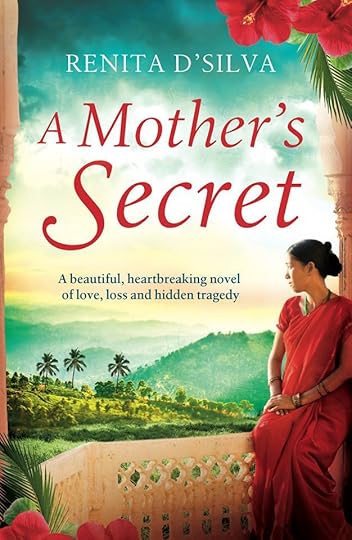
Renita’s new book, A Mother’s Secret, is out on April 7th.
To find out more about Renita’s work, visit her website, like her Facebook page and follow her on twitter.
The post Guest Post from Author Renita D’Silva appeared first on Rebecca Stonehill.
February 11, 2016
Uncovering Enid Blyton
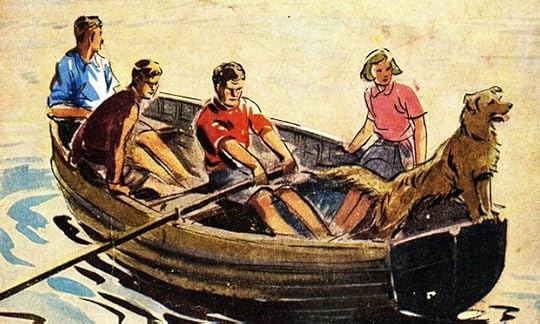
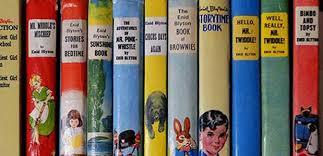
Lauded and loathed in equal measure, since the 1950’s Enid Blyton’s books have been banned from many schools, libraries and homes for being anachronistic, sexist, xenophobic, elitist and racist, not to mention accusations of relentlessly recycled stories, hollow plots and Blyton herself being a ruthless self-promoter whilst exploiting her own children. Despite this, Blyton has entertained millions of children across the globe for generations with her tales of adventure, mystery and derring-do. And love or hate her, none of us can deny Blyton’s enduring appeal. Over the course of her career, she wrote a staggering 10,900 stories and plays and even today, her books are more likely to appear on children’s bookshelves than any other.
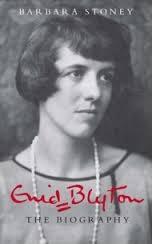
Blyton was born in 1897 late Victorian London to Theresa and Thomas, a cutlery salesman whom she adored and was very close to, introducing her to the joys of nature. When was was 13, he left the family to go and live with another woman, leaving his eldest child devastated, particularly as she had never enjoyed a good relationship with her mother. Several decades later, Blyton’s granddaughter Sophie Smallwood (who was born two years after Blyton’s death and who, in 2008 wrote Noddy and the Farmyard Muddle) explains that this traumatic childhood experience meant that her emotional and physical development froze at this vital point, on the cusp of womanhood, ‘…which is why her writing is that of an intelligent 12-year-old…In my view that’s why adults find it difficult to relate to her because she doesn’t quite have the depth; it has that childlike quality.”
At the same time as her father leaving, Blyton suffered from a gynaecological condition which meant her womb stopped growing and she was only able to have children later in life due to hormonal treatment. ‘Her success,’ says James Hawes (director of 2009 film Enid starring Helena Bonham Carter), and what was wrong with her life, seem to come from exactly the same place. This is armchair psychology, but she did in some way come to an emotional halt at that point and some part of her did stay forever young.” Helena Bonham Carter says of the character she played: ‘She was unbelievably modern. She was a complete workaholic, an achievement junkie and an extremely canny businesswomen. She knew how to brand herself, right down to the famous signature.’
Blyton excelled at school on the sports field and was a popular girl, though did not shine academically with the exception of her strong writing. She trained as a teacher and moved around a lot, all the while trying to get her short stories and poetry published and often being rejected:
“It is partly the struggle that helps you so much, that gives you determination, character, self-reliance – all things that help in any profession or trade, and most certainly in writing.”
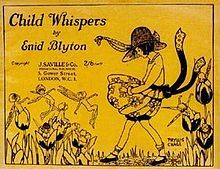
Her first book, Child Whispers – a collection of poems – was published in 1922. It was illustrated by an old schoolfriend who collaborated on many of her early works with her. Two years later, she married Major Hugh Alexander Pollock, inviting neither of her parents nor her brothers to the wedding. Pollock was editor of the book department that became Blyton’s publisher but theirs was not a happy union.
Two daughters were born and one miscarriage suffered, but Pollock withdrew increasingly from public life and began to drink more and more. By WW2, he had embarked on a relationship with a young writer, even installing her at his Home Guard office as his secretary. It is thought that Blyton herself then embarked on a series of extra-marital affairs, culminating in the relationship with Kenneth Fraser Darrell Waters, a London surgeon whom she eventually married after a divorce from Pollock. Blyton knew what a scandal her affair would cause to the public and, ruthlessly devoted to her self-image, forced Pollock to agree to a divorce on the ground of his adultery. He relented, on condition he have access to his daughters, yet after the divorce had gone through Blyton made a point of making it extremely difficult for them to see him, virtually deleting him from her own and her daughters’ lives.
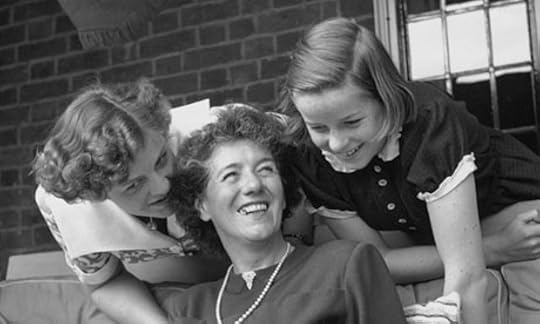
Blyton with daughters Gillian & Imogen
Suffering a further miscarriage after falling from a ladder, Blyton continued to write frenetically and it was not until 1960 that she began to show signs of dementia. She died in a nursing home in 1968 at the age of 71. More than twenty years later, her daughter Imogen published an auto-biography entitled A Childhood at Green Hedges, in which she describes her mother as ‘arrogant, insecure, pretentious, very skilled at putting difficult or unpleasant things out of her mind, and without a trace of maternal instinct.’
By then, of course, it was far too late of Blyton to respond to such charges but it was widely cited that she was cruel to both her children and to her first husband, leading him to drift from her. Despite this, her other daughter Gillian disagreed with her sister, claiming ‘She was a fair and loving mother, and a fascinating companion.’ So was it, then, just a clash of character between Imogen and Enid or was Blyton really cruel to her children? Sophie Smallwood (the aforementioned granddaughter) stated in a 2009 interview that her mother and aunt were four years apart and shared completely different relationships with her grandmother. She felt that Enid was anything but maternal to her Imogen, and praises her mother’s decision to write her auto-biography. Sophie says ‘It was very fair and insightful. I think too it must have been very difficult to show the truth rather than accepting the assumption of a perfect mother because of the way that Enid wrote.’
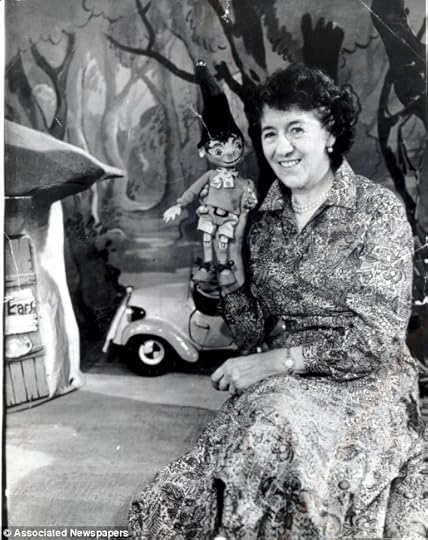
Today, racist and sexist connotations have been stripped out from Blyton’s books, characters have morphed (Fanny is now ‘Frannie’) and slapping at Malory Towers has become scolding. Not only that, but highly accomplished children’s illustrators such as Quentin Blake, Helen Oxenbury and Chris Riddell have designed beautiful, modern covers for many of Blyton’s books to appeal to new generations of children.
Anachronistic Blyton’s books may well be, but their enduring appeal lies in their very escapist delivery. Did she write great literature? No, she did not. Are there superior books out there for today’s children to read? Undoubtedly, yes. (Think: Morpurgo, Pullman & Riordan to name but a few.) Blyton herself was utterly disinterested in and scathing of her critics’ opinions unless they were under the age of twelve. For a child to open a Blyton book is to be delivered into a simple, pre-computer game and blissfully adult-free world in which good always prevails over evil. It doesn’t matter whether we read these books fifty years ago or last week, all children want independence (think Famous Five), all children want fantasy (think the Magic Faraway Tree & The Wishing Chair) and all children secretly want to sneak out in the middle of the night for fun, adventure and midnight feasts (think St.Clare’s and Mallory Towers.)
Children’s writers who think we should be reading Blyton along with other books: Michael Morpurgo, Jacqueline Wilson
Children’s writers who don’t: Michael Rosen, Anne Fine
What is your opinion of Enid Blyton after reading this and through anything else you know about her? I’d love to hear your comments.
For fans amongst you, particularly Magic Faraway Tree fans, you’ll be excited to hear that it’s currently being adapted for the big screen by Sam Mendes’s film company. Not only that, but theatrical rights have been acquired for the Famous Five. Silky, Moonface, Timmy and George – here we come!
The post Uncovering Enid Blyton appeared first on Rebecca Stonehill.
February 5, 2016
Childhood Books Beloved of Authors
‘You are what you eat,’ it has commonly been said. But, I’d argue, you are also what you read. During our childhoods when we are discovering new worlds for the first time, we read with our entire bodies, minds and senses. We literally become those characters and live those experiences, our whole beings absorbed into the magical pages of those books we are drawn to as children.
[image error]
According to the fabulous writer Maya Angelou, ‘You are the sum total of everything you’ve ever seen, heard eaten, smelled, been told, forgot – it’s all there.’ In the same way, every book we have ever read becomes part of us; the stories live on inside us, even if we cannot remember them. An invisible force that is lodged in a small cavern of our memories guides us, influencing our actions, emotions and speech.
With this in mind, I decided to run a survey amongst writers to identify the most beloved of their childhood reads. I was staggered by the response – dozens replied to me, creating conversations and invoking memories of books long forgotten. The replies I received have also enabled me to look up books I have never heard of and discover some wonderful new literature for children that I would like to introduce to my own three.
Do reading tastes change as the years go by? Of course there are some incredible modern writers for children out there right now, but at the end of the day whether we are talking about a child sixty years ago or a child of today, they all want the same thing from a book: a terrific story, compellingly told. So thinking of the results of my survey, of course these favourite childhood books are dependent on the age of the writer, where they come from and the sex (most, but not all who took part were women). Far too many people responded to be able to include everything I’m afraid, but every book that was mentioned more than once you will see below. For many of these writers, these beloved childhood books have even been a driving force behind their current work. Perhaps it is the element of mystery, suspense, adventure, a particularly memorable character. Whatever it is, I know most writers would agree with me when I go so far as to say one of the reasons we became writers in the first place was because of the imprint impressionable books have left on our minds for years. There were also some surprises (for example, Roald Dahl only being mentioned twice and the extreme popularity of a certain writer cited below).
All these books do stand the test of time, they can and should be enjoyed today and many certainly are. So come on, let’s brush off those childhood favourites and let the children in our lives enjoy these classics. All without exception are readily available and just waiting to be discovered.
So, here we go…
The books mentioned twice
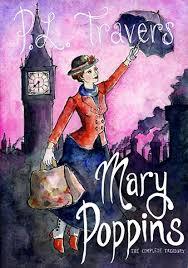
Mary Poppins by PL Travers
The Dark is Rising by Susan Cooper
Treasure Island by Robert Louis Stevenson
The Chalet School Series by Elinor M. Brent-Dyer
Ballet Shoes by Noel Streatfeild
Black Beauty by Anna Sewell
Asterix by René Goscinny and Albert Uderzo
Eagle of the Ninth by Rosemary Sutcliffe
The Worst Witch by Jill Murphy
Animals of Farthing Wood by Colin Dabb
Roald Dahl books
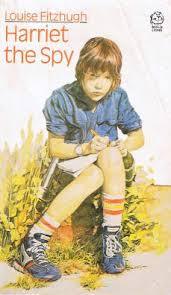
Harriet the Spy by Louise Fitzhugh
The Borrowers by Mary Norton
[image error]
The books mentioned three times
I am David by Anne Holm
Pippi Longstocking by Astrid Lindgren
Little Women by Louisa May Alcott
Just William books by Richard Crompton
Hans Christian Andersen stories
[image error]
The Books mentioned four times
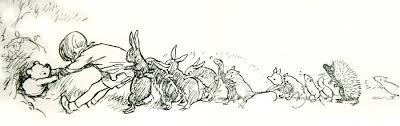
Winnie the Pooh by A A Milne
The Books mentioned five times
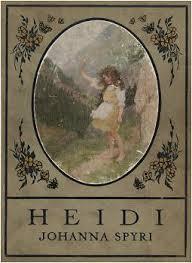
Heidi by Johanna Spyri
The Nancy Drew series by Carolyn Keene
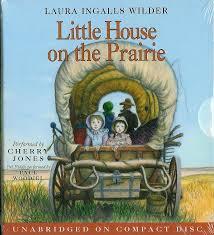
Little House on the Praries series by Laura Ingalls Wilder
The Book mentioned six times
Alice in Wonderland by Lewis Carroll
[image error]
The Books mentioned seven times
The Secret Garden by Frances Hodgson Burnett
What Katy Did by Susan Coolidge
[image error]
The Books mentioned eight times
The Anne of Green Gables series by LM Montgomery
[image error]
The Books mentioned UMPTEENTH times!
Enid Blyton
[image error]
The Wishing Chair
The Naughtiest Girl series
The St Clare’s Series
The Mallory Towers series
Noddy
Brer Rabbit
The Secret Seven series
The Famous Five series
The Magic Faraway Tree series
[image error]
Oh my word. I knew that Enid Blyton has been popular through the generations, but I had never imagined quite how popular. Our friend Enid has been simultaneously celebrated and lambasted as being revoltingly un-PC and classist (not to mention completely incapable of relating to her own children.) Her books today still fly off the shelves and generations of school children the world over have dreamed of ginger beer, dogs called Timmy and changing lands at the top of magical trees. The most popular of the above list were Famous Five and The Magic Faraway Tree – they just came up again and again and again to the point of predictability.
It did get me thinking though – what is it about Enid Blyton that has both delighted children and incensed critics over the years? I’ve decided it will be fascinating to delve a little into the life of this enigmatic writer to find out more about her, what made her tick and how her life influenced her writing. I will be posting this blog next week so stay tuned…(Sign up for my blog updates to ensure you don’t miss it.) See you then!
ps Ooooh, I nearly forgot – I want to share MY favourite childhood book. As numerous writers found, this is SO, SO difficult, to pinpoint it to a single book But if I were forced to chose, it would have to be Harriet the Spy by Louise Fitzhugh. I wanted to be a spy just like Harriet – and in fact, did become one, sitting up trees and in cupboards for hours on end scribbling my observations on all the ‘strange’ goings on in my household and beyond.)
The post Childhood Books Beloved of Authors appeared first on Rebecca Stonehill.
January 31, 2016
Three Fantastic Magazines for Children
Have you ever thought you’d like to subscribe to a magazine for your children, but something with a little more depth and less gender stereotyping than the average glossy mag that can be slipped into the shopping trolley at the supermarket?
Living in Kenya and not having access to any magazines for children at all, I have spent considerable time researching various publications for the Under-12’s and have happily found three fantastic magazines for each of my kids that tick all the boxes and have all been a great success.
What would we, as parents, like to see in a magazine for children?
Engaging content, interesting enough to even draw parents in so we enjoy reading the magazine with our kids
Beautifully presented & illustrated, a bit different from that generic style common in so many kids’ magazines.
A combination of stories, puzzles, facts and activities to engage all the senses
Competitions
The kind of content that our kids wouldn’t necessarily be learning at school
Ideas for further research e.g. You Tube videos, suggestions for further reading
Paper that can actually be coloured on (with many of the glossy mainstream mags, this is nigh on impossible)
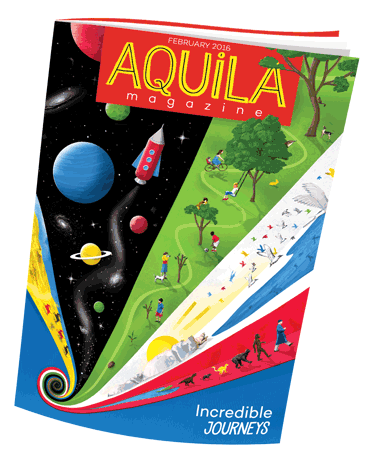
What a brilliant monthly magazine this is. Suitable for children between the ages of 8 and 12, it is jam packed full of history, geography, maths, science, English and so, so much more. The illustrations are gorgeous and not only is there a pen friend club, but there is also always a double spread of fun and challenging puzzles, a story, a page for readers’ letters and jokes. Each month there is a different theme for the magazine such as King Arthur, Memory, Reptiles & Mechanics of Music.
Clearly this is a magazine that is made with a huge amount of thought, humour and love. This is a perfect gift for any curious 8-12 year old out there. Well done Aquila!
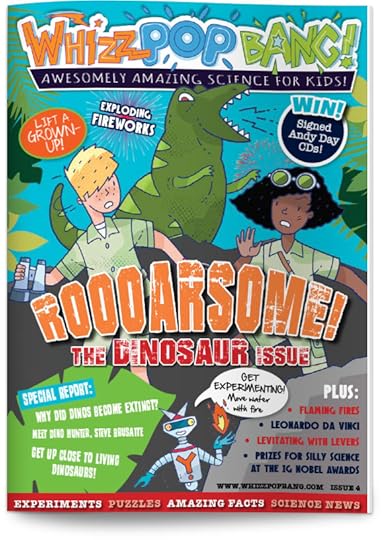
Dubbed as ‘Awesomely amazing science for kids’, I couldn’t agree more. This new monthly magazine targets children roughly between the ages of 6 and 11 to get excited about science in a fun, engaging and thought-provoking way. Past themes have taken in dinosaurs, weather and the moon and I have never seen my seven year old so enthused about their suggested science experiments. The antithesis of ‘boring science’ (which is what I had at school!), Whizz Pop Bang is guaranteed to have your child chomping at the bit to read, think, explore and experiment.
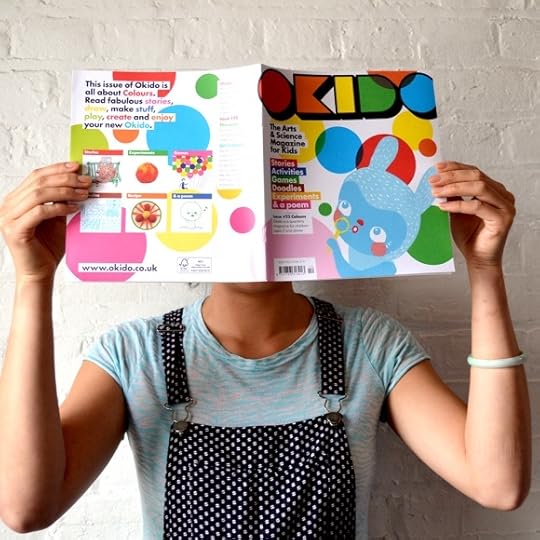
This bi-monthly publication is an Arts & Science magazine for 3 to 8 year olds. Packed full of imaginative activities, stories, games, colouring, doodles, recipes and poems and beautifully presented, it cannot fail to delight its readers. It is also ‘hosted’ by a small gang of quirky, lovable characters that guide you through the various activities. Past issues have included the themes of Holidays, Friends and Seasons and this magazine has hit the spot in every way with my five year old.
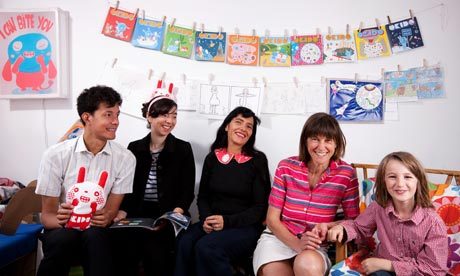
The family founders of Okido
Do you know of any other magazines I have missed off this list?
The post Three Fantastic Magazines for Children appeared first on Rebecca Stonehill.
January 22, 2016
A celebration of writing by hand and why we must retain this ancient artform
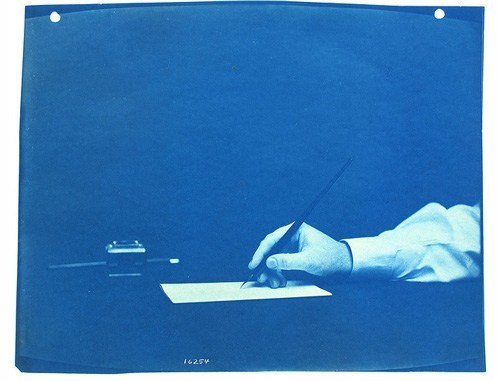
Did you know that Saturday 23 January is National Handwriting Day in the US? Spurred on by Danny Gregory’s ridiculously inspiring blog, I decided that this week was the week to pen (or, ironically, type?) a celebration of writing by hand.
John Steinbeck took great care when choosing his writing implement, and upon finding one that thoroughly charmed him, wrote ‘Oh! Lord, how good this paper feels under this pen. I can sit here writing and the words slipping out like grapes out of their skins and I feel so good doing it.’ Writer Mary Gordon also praises the benefits of this physical experience: ‘Writing by hand is laborious, and that is why typewriters were invented. But I believe that the labor has virtue, because of its very physicality.’
But really, what’s the big deal, whether we write by hand or type on to a keyboard? After all, we all remember, don’t we, those hours sitting in an exam hall scribing page after page whilst our fingers and hands increasingly ached? There is so much to be thankful for that we are now able to type on to a keyboard – not only does it save time but it has numerous helpful word processing features that do, frankly, make our lives alot easier, right? Absolutely. Typing is here to stay, and I’m glad about that. But consider this:
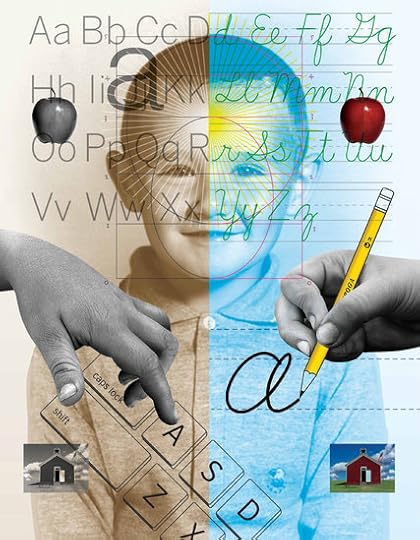
As the art of handwriting fades in its scope and reach, (many children now skip this altogether and go straight to the keyboard), is it possible that this is impacting on cognitive benefits? Ever since writing was thought to have developed, in far off 4000 BC Mesopotamia, it has been through plenty of major upheavals, one of the greatest ones being the invention of printing in the 15th Century. But nueroscientists and psychologists are urging us to reconsider switching pen so conclusively for keyboard, saying it’s not simply what we write but how we write it.
Michael Mabry
In free-form handwriting, a child attempting to learn and form a letter for the first time will produce a variable outcome that is often messy and never exactly ‘right’. By mastering the same letter on the keyboard, there is only a single, correct outcome. So what does this mean and why does it matter? Stanislaus Dehaene, a French psychologist says ‘When we write, a unique neural circuit is automatically activated. There is a core recognition of the gesture in the written word, a sort of recognition by mental stimulation in the brain. And it seems this circuit is contributing in unique ways we didn’t realise. It is making learning easier.’ The process of duplication of letters on paper, in particular cursive, has far greater impact on the three important parts of the brain than when typing, as a number of scientific findings have shown (eg Click here to read a 2012 study).
For children, as in anything, it’s imperative that they are given the space to ‘fail’, to produce imperfect work in order to keep improving. But what does all this mean for adults (who, in our studying and working lives, use keyboards far more than pens)? A number of studies have been undertaken whereby students who take notes at lectures by hand have been found to have a deeper level of processing, reframing and therefore cognitive encoding and understanding of the material.
As a race, we need to think of ways to stay sharp and alert, particularly with dementia on the rise. A test was done by a couple of Norweigan researchers whereby a group of adults were given a new alphabet to learn with twenty letters in it. Half of the group revised the new letters by hand whilst the other half practised them on the keyboard. After a six week period, the level of retention was far greater from the first group. Many tests have also shown that adults who habitually write by hand, particularly the baby boomer generation, are exercising that crucial part of the brain that needs to stay active.
Still unconvinced? Well, are there many more beautiful things to receive in life than this?
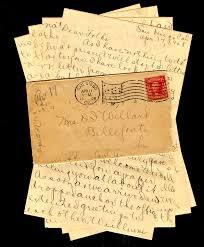
Okay, okay, I know they don’t even look like this anymore. But call me a diehard romantic 
January 17, 2016
How can we as parents turn around reluctant readers?
Do you have a child you really have to coerce into reading? Does it sometimes feels as thought everybody else’s kids are racing through books whilst your child will do anything they can think of to avoid it? We, as parents, would all love our children to be enthusiastic readers. But there are so many reasons why our kids might be turned off reading, or never even turned on to reading in the first place. Don’t worry, you’re not alone. Despite more books being published on a yearly basis than ever before, newspapers are all awash with lamentable statistics of how children (and adults) reading for pleasure is sharply dropping. Where youngsters are concerned, this can impact on general academic achievement, writing skills, concentration and powers of the imagination.
But here’s the good news: There are SO many ways in which this situation can be turned around; some things will take steady, patient work on your part and other methods may, like magic, work overnight. It’s impossible to know how our children will respond unless we try. Here are a few of my favourite methods to transform a reluctant reader into one raring to go.
Reading to animals
[image error]
For many years, links have been made between increased confidence for reluctant readers when reading to animals rather than humans. Animals do not judge, they do not constantly interrupt or correct and their patience and attentiveness are boundless. Reading to such an audience, whether it’s canine or feline or of a small and furry variety, has shown to dramatically improve the confidence of reluctant readers which does, of course, directly correlate with increased fluency and ability in reading.
Going one step further, organizations that recognise the effectiveness of this have actually trained dogs to wag their tails when a child starts reading – could anything really be more encouraging for a child who normally doesn’t want to read?
If you don’t have a pet of your own, a great number of organizations and animal shelters exist to encourage a link-up between readers and furry friends, but have a quick look at this one in the US. And here is a brilliant article written by Melissa Taylor on the benefits of reading with animals.
2. Model reading
[image error]
Few things can be more powerful than modelling behaviour to our children. If you keep on and on at your child to pick up a book and read, chances are they will do quite the opposite. But if you pick up a book yourself (and not just once but habitually, day in day out), you don’t need to say a word. The message you are silently sending is this: Reading is great. I am making time for this activity because it’s enriching and rewarding. Let your child witness you deriving pleasure from this activity (so it wouldn’t hurt, for example, to read humourous books, poetry or articles from time to time and laugh out loud whilst reading) and, over time, they may well want to follow your example. After all, if you’re getting so much from this, why can’t they?
3. YOU reading to your children
I have banged on about this a fair amount in this blog, how good it is for children on so many levels. But for a reluctant reader, it can be even more powerful. If you read the kind of stories they want to hear (and note, this may not coincide with those beloved tales from your own childhood or the ones you want to read), you are on to a winner. For example, if your child loves watching movies but you struggle to get them to pick up a book, find out if a book has been written about that movie (either before or after it has come out) – you’ll find that very often there is an accompanying book. You and your child can discuss what does and does not differ between the book and film.
Oh, and this may sound really sneaky (actually, it is really sneaky), but get hold of a book you think your child will like. Read this to your child in the evenings, get to the really exciting part and then suddenly get ‘too busy’ to read the book and leave it lying around somewhere. More often than not, your child just will not be able to resist if they’ve enjoyed the story and pick it up on their own before too long.
Good luck! I would love to hear if anyone has any experience with any of these
The post How can we as parents turn around reluctant readers? appeared first on Rebecca Stonehill.
January 8, 2016
How to be a writer when you’re not writing
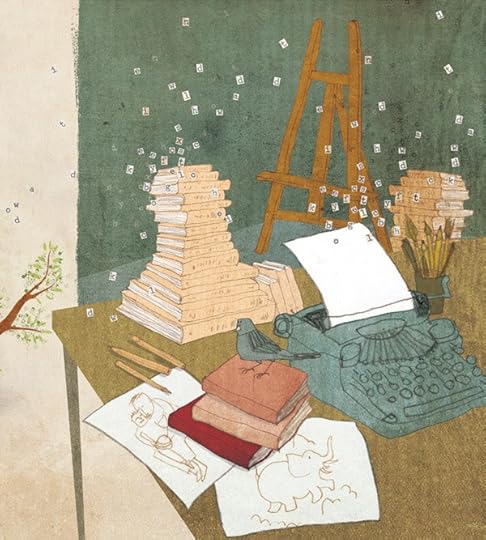
Illustration by Kris Di Giacomo for Matthew Burgess’s book ‘enormous SMALLNESS’
Over the Christmas period, my laptop died. Let’s just say it had a little accident involving water and has, in two words, had it. (I am currently borrowing from various people and snatching my husband’s when I can.)
First reaction? Panic. I had planned to take my laptop away on holiday with me, to spend a little time working on my novel edits each day whilst keeping vaguely up to date with news from the literary world. Yet this was not to be. And whilst I am, naturally, missing my laptop – the comforting touch of it which becomes as familiar as an old friend – until I get another one sorted out, I think it’s helpful to view this as an opportunity.
Don’t get me wrong – writers, ultimately, need to write. Not just talk about, think about or read about writing, but honing that daily habit of putting bums on seats and words on the page. Yet at the same time, what I realised whilst away on holiday that this is crucial time when the ‘field’ (the writer’s mind) lies fallow. This can be a time for composting or breathing space, for gentle magic to be blown into the mind.
I become so preoccupied with my writing, not to mention keeping on top of twitter, facebook and pinterest etc etc that there are times when it all becomes a whirlwind and I’m not sure I can see the wood for the trees. Yes, social media can be an extremely useful tool for writers, but if I spend this time away from it, will my writing suffer? Will I sell less books? Actually, no. I really don’t think so.
Whilst away with my family over new year, I found myself exploring other writing projects away from my novel that had long lain dormant. I didn’t start writing them by hand, but I did find myself making notes about them and starting to form structures. I also read and read, probably more than I would have done if I’d had my laptop with me, and I also heard the voices of my characters, filling out details and scenarios.
Writing, though it sounds like an oxymoron, does not just have to be about writing. It can also be about being still and listening to that voice of calm that comes from a different place than the one that fuses frenzied fingertips to the keys of one’s laptop. So yes, to be a writer you have to write. Obviously. But I’d argue that to be a writer you also need to be the following:
A voracious reader. Do other writers make you forget you’re reading? Literally transform you to another time and place? If so, how? And if not, why not?
A good listener. In the words of Simone Weil, ‘Attention is the rarest and purest form of generosity.’ So listen attentively, astutely and respectfully to another’s words and, equally importantly, to the nuances of the pauses, their words unspoken. What are they not saying? This is invaluable characterisation fodder.
An observer. Try to retain something of that curiosity we all had as children but lose as we grow older. Be an explorer, both of physical places and internal maps sketched across your mind. Never stop asking questions, never stop wondering why things are the way they are (2 websites I’d particularly recommend to whet your appetite are Brain Pickings and It’s Okay To Be Smart). Be a curator of fascinating findings. Take nothing for granted.
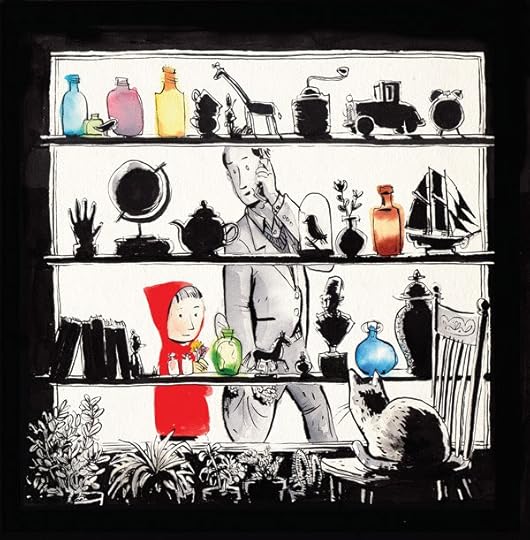
Illustration by Sydney Smith from ‘Sidewalk Flowers’ by JonArno Lawson
Wishing everybody a very Happy New Year. 2016 is going to be an exciting one. I can feel it in my bones.
The post How to be a writer when you’re not writing appeared first on Rebecca Stonehill.
December 12, 2015
Lessons learned about Reading & Writing in 2015
READING
Read outside your comfort zone. There is, I can’t deny, something so wonderful and luxuriant about snuggling down with a book you just know you will enjoy. But taking a few risks with reading can yield surprising, exciting responses. In my case this year, my surprise reads were in two genres I very, very rarely pay attention to: Northern Lights by Philip Pullman (Fantasy) and Lost Girls by Angie Marsons (Crime)
[image error]
If you want your children’s school to have a library, don’t wait for somebody else to do it – nobody else will. You have to do do it.

Very humble beginnings, but it is growing! I am really proud of this
If you wait until a child is seven to learn how to read, they can do it in 3 months. I remember a Swiss friend (a teacher – in Switzerland kids start age 7 to read) once told me that and I didn’t believe her, but now I have seen it with my own eyes with my own daughter.
I may be well behind the game here, but I discovered Feedly this year and I LOVE it. Rather than browsing the web to find the kind of content you want to read about, Feedly enables you to have curated content of your specific interests on one scroll-down page, including podcasts and videos. They also suggest similar websites / blogs etc you may enjoy judging by your current feeds.
WRITING
Kill your darlings. There was one long scene in the current novel I’m reading set in Kenya which I felt was a pivotal scene to the entire novel. I was horrified when my editor suggested I cut it, as it didn’t work. I was far too attached to it to agree. But when she handed it to another editor to read, and she came back with the same advice, there was no way I couldn’t re-visit it with fresh eyes. And yes, now it’s had to go.
As well as discovering Feedly this year, I have also come across Storify. This is a brilliant online tool not only to find some of the great stories scattered across the web but also, if you blog, you can gather together content from others’ blogs, tweets, facebook posts etc in order to create a beautifully presented, magazine style ‘story’ which you can then share. It may sound complicated, but believe me, it’s very user-friendly and straightforward. To take a look at one of my Storify stories, click here.
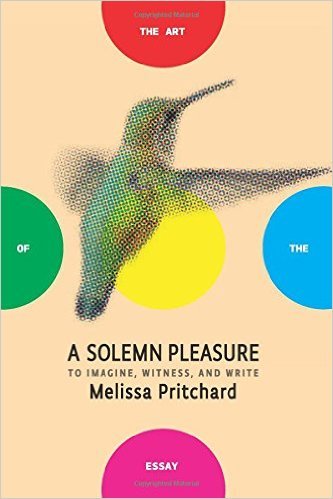
I adore what Melissa Pritchard (American short story writer and author of the wonderful A Solemn Pleasure: To Imagine, Witness and Write) has to say about writing:
‘What you have chosen is a profound vocation of healing, and your stories and poems are as sacraments, as visible blessings. Be at the heart and soul of your time, not resigned to what is safe or peripheral. Try to free yourself from attachment to results, to awards, publications, praise, to indifference, rejection, and misunderstanding. Immerse yourself in the common ground of the universe so that your true voice – not the egoistic voice that clamors vainly for power (for it will ruin you if you listen to it) – your authentic voice, supported by sacred reality, may be heard. May your words illuminate your vision, find you compassionate, attuned to human suffering and committed to its alleviation.’
Something in what Pritchard says here really resonates with me. We all have different reasons for writing; different motivations. Just find your motivation, listen to its truth and pursue it unceasingly.
I’m going to be having a little break from blogging over the Christmas period, my next blog post coming over the weekend of 9/10 January 2016. So, until then, wishing you a wonderful, joyful Christmas and for 2016, let’s make this a year to dust off those dreams and make things happen.
The post Lessons learned about Reading & Writing in 2015 appeared first on Rebecca Stonehill.
What I have learnt about Reading & Writing in 2015
READING
Read outside your comfort zone. There is, I can’t deny, something so wonderful and luxuriant about snuggling down with a book you just know you will enjoy. But taking a few risks with reading can yield surprising, exciting responses. In my case this year, my surprise reads were in two genres I very, very rarely pay attention to: Northern Lights by Philip Pullman (Fantasy) and Lost Girls by Angie Marsons (Crime)
[image error]
If you want your children’s school to have a library, don’t wait for somebody else to do it – nobody else will. You have to do do it.
Very humble beginnings, but it is growing! I am really proud of this
If you wait until a child is seven to learn how to read, they can do it in 3 months. I remember a Swiss friend (a teacher – in Switzerland kids start age 7 to read) once told me that and I didn’t believe her, but now I have seen it with my own eyes with my own daughter.
I may be well behind the game here, but I discovered Feedly this year and I LOVE it. Rather than browsing the web to find the kind of content you want to read about, Feedly enables you to have curated content of your specific interests on one scroll-down page, including podcasts and videos. They also suggest similar websites / blogs etc you may enjoy judging by your current feeds.
WRITING
Kill your darlings. There was one long scene in the current novel I’m reading set in Kenya which I felt was a pivotal scene to the entire novel. I was horrified when my editor suggested I cut it, as it didn’t work. I was far too attached to it to agree. But when she handed it to another editor to read, and she came back with the same advice, there was no way I couldn’t re-visit it with fresh eyes. And yes, now it’s had to go.
As well as discovering Feedly this year, I have also come across Storify. This is a brilliant online tool not only to find some of the great stories scattered across the web but also, if you blog, you can gather together content from others’ blogs, tweets, facebook posts etc in order to create a beautifully presented, magazine style ‘story’ which you can then share. It may sound complicated, but believe me, it’s very user-friendly and straightforward. To take a look at one of my Storify stories, click here.
I adore what Melissa Pritchard (American short story writer and author of the wonderful A Solemn Pleasure: To Imagine, Witness and Write) has to say about writing:
‘What you have chosen is a profound vocation of healing, and your stories and poems are as sacraments, as visible blessings. Be at the heart and soul of your time, not resigned to what is safe or peripheral. Try to free yourself from attachment to results, to awards, publications, praise, to indifference, rejection, and misunderstanding. Immerse yourself in the common ground of the universe so that your true voice – not the egoistic voice that clamors vainly for power (for it will ruin you if you listen to it) – your authentic voice, supported by sacred reality, may be heard. May your words illuminate your vision, find you compassionate, attuned to human suffering and committed to its alleviation.’
Something in what Pritchard says here really resonates with me. We all have different reasons for writing; different motivations. Just find your motivation, listen to its truth and pursue it unceasingly.
I’m going to be having a little break from blogging over the Christmas period, my next blog post coming over the weekend of 9/10 January 2016. So, until then, wishing you a wonderful, joyful Christmas and for 2016, let’s make this a year to dust off those dreams and make things happen.
The post What I have learnt about Reading & Writing in 2015 appeared first on Rebecca Stonehill.