
Cassey Ho's Blog, page 47
May 2, 2022
5 Ways Exercise Supports Mental Health

When Judy Garland told us to chase all our cares away, she didn’t mean it literally—but she could have. Physically chasing something counts as exercise, and exercise has been proven to soothe our mental health.
Grinding at the gym can give us the boost our worry-riddled brains desperately need, so in honor of Mental Health Awareness Month, I’ve rounded up the top 5 ways a quick sweat can tackle your cerebral burdens. Get ready to HIIT them with your best shot.
SleepSleep, not laughter, is the best medicine, especially when it comes to mental fitness. Decent shut-eye helps our brain regulate emotions, but a continuous lack of it increases our chances for a slew of health concerns. One study even found that those with insomnia were 4x more likely to experience depression 3 years down the line.
Habitually bad rest was also associated with bipolar disorder and a greater risk of suicide. There are several medications and DIY remedies to catch some Zzz’s, but a free option is aerobic exercise, which has been linked to an increase in deep sleep.
There is an asterisk though. Dr. Charlene Gamaldo, medical director of Johns Hopkins Center for Sleep, says, “We have solid evidence that exercise does help you fall asleep more quickly and improves sleep quality. But there’s still some debate as to what time of day you should exercise.” If your body says to pump iron at 1 AM, go off, but Dr. Gamaldo recommends keeping the endorphin high to 1-2 hours before bed so it doesn’t interfere with your sheep counting.
 Anxiety
It feels like every time I’m online, someone is talking about anxiety. Considering it’s the most common mental illness in the US (1 in 5 adults are affected), that tracks. Aerobic exercise like riding a bike or dancing to Dua Lipa in your PJs can majorly reduce the risk of anxiety. But if you live in snow country, try hitting the slopes, because a study found that long-time skiers were half as likely to develop clinical anxiety.
If you’re already an Anxious Annie (same), Harvard psychiatry professor John J. Ratey says working out can help reign in symptoms by distracting us from our triggers, reducing muscle tension, and boosting levels of “anti-anxiety neurochemicals, including serotonin, gamma aminobutyric acid (GABA), brain-derived neurotrophic factor (BDNF), and endocannabinoids.” (And if you’re thinking that that last one sounds like cannabis, it’s because they’re from the same branch of the chemical family tree. So, yeah, our brains kind of make weed.)
DepressionDepression isn’t just being “bummed out.” It’s a mood disorder defined by the DSM-5 (aka the ultimate guide to psychological diagnoses) as consistent feelings of hopelessness, sadness, and overall loss of interest in daily activities.
There are many genetic and environmental risk factors like grief or conflict, but a recent analysis of 15 studies found that adults who did 2.5 hours of moderate exercise a week, as recommended by the CDC, had a 25% lower risk of experiencing depression. A brisk walk counts as moderate exercise, by the way, so it’s not like you have to ‘roid out at CrossFit to reap the benefits. The authors of this study also said going past the recommended amount of exercise didn’t substantially improve results. So, going the extra mile isn’t necessary to help stave off the bad feels.

It doesn’t take a rocket scientist—or even someone with any scientific knowledge—to know you can blow off steam by doing angry push-ups. The feeling of melting away our frustration one rep at a time has been backed by studies, but a lesser-known benefit of our 50-minute barre class is how it can make our brains more resilient to stress.
In 2013, a team at Princeton found that mice who regularly exercised were less reactive to an environmental stressor than those who were more sedentary. The exact process by which this happens takes a whole lot of science mumbo-jumbo to explain, but basically, the brains of the more active mice kept their anxiety responses in check, while the others cognitively freaked out.
A later study also showed that people who were physically fit were less reactive to psychologically or physiologically stressful events. The researchers owed the findings to consistent exercise helping regulate hormone responses and minimizing inflammation, which has been associated with chronic stress.
Trauma and PTSDWhen many of us hear PTSD, we think of soldiers returning from war zones. But anyone who has experienced trauma, such as a natural disaster, assault, or even a car accident, can develop the psychological disorder. Therapy and medications are typical treatments, and while revving up fitness isn’t going to cure the condition, it can reduce its symptoms and improve health issues associated with it like cardiovascular disease.
A major barrier though is how having PTSD, just like having depression or anxiety, makes many people less likely to work out in the first place. That makes sense, honestly. Even when I’m in a good mood, it can be difficult to find the motivation to get out of bed, get dressed, and do something that might be uncomfortable for 30 minutes. Adding anxiety on top of that? Not fun. But so are many things that help us grow in the long run. (Example: We wouldn’t have found our perfect haircut if we didn’t go through that bangs phase.)
So, if you’re dealing with any of these 5 issues, try adding fitness to your self-care routine. But if you don’t, that’s totally fine, too. We all have a process, and the only right one is the one that works for you.


April 29, 2022
The Blogilates May 2022 Workout Calendar!
Hey guys!
May is here! I recently wrapped up my 90 Day Journey to Muscle and tbh, I’m a little sad! I loved having a specific plan to stick to and of course YOU as my accountability partner. I learned so much about myself over those 90 days. Now it’s time to figure out what I want to set out to do next! If you’re in a bit of limbo like me, I have something that will help keep us busy in the meantime 
The May Workout Calendar!!!!
Ahhh don’t you just love opening up a fresh workout calendar?!!?
Let’s see what’s waiting for us in May.
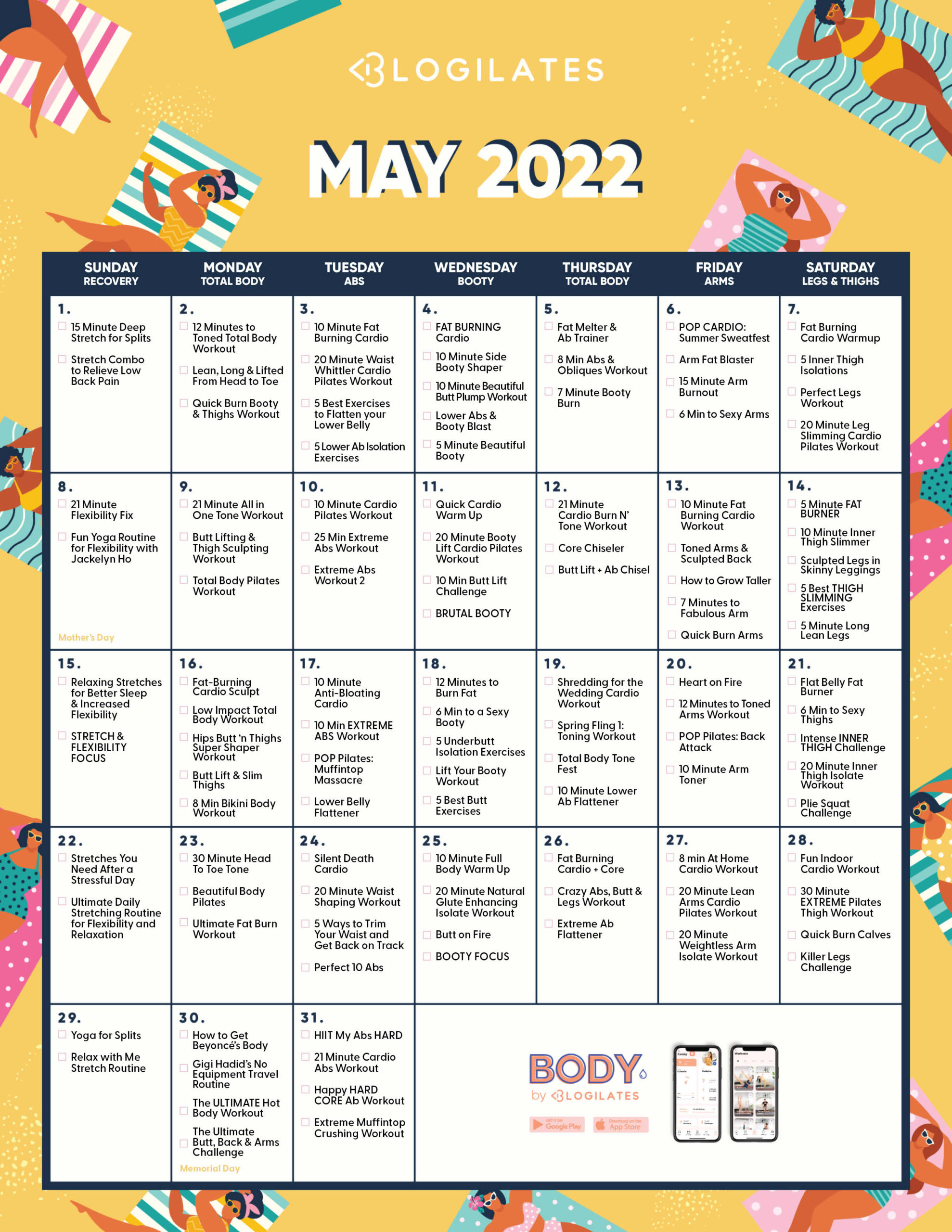
How To Follow The May Workout Calendar
Check the Blogilates YouTube playlists to find all of the videos you need for this month’s calendar!!
If you don’t have the BODY By Blogilates app yet, GET IT! Seriously, it will make your life so much easier when you follow this calendar. You can access not only the calendar, but all of the videos in one place! Find challenges and free programs like the Glow up Sessions there too!
Now that you know where to find your workouts, here’s what you can expect each day of the May Workout Calendar. Let’s goo!
SUNDAY: Recovery
MONDAY: Total Body
TUESDAY: Abs
WEDNESDAY: Booty
THURSDAY: Total Body
FRIDAY: Arms
SATURDAY: Legs & Thighs
Do each video once (unless otherwise stated) and check off as you go! Each day will be around 45 min of exercise.
REMEMBER! If you download the BODY By Blogilates app (on Apple or Android devices), you’ll have the calendar and workout videos in one place! Plus, you get that “workout complete” checkmark, which is sooo satisfying.
If you’re just getting started or want to ease into working out, my Beginner’s Calendar is a great place to start! It’s a free 4-week program to get you stronger so that you can join in on the monthlies when you are ready.
Tell me all about your summer plans in the comments!!
 [image error]
April 26, 2022
Meet Heathers, your capsule collection of luxe workout wear
Hey guys!
Yayyy I’m so excited to tell you what’s new at POPFLEX! Behind every design is an entire story and a purpose, and I love sharing what makes each one so special! For example, Stardust had us shining from the inside out, while Basics is all about those trusty, go-with-anything pieces you always feel great in. When we designed this new collection, I wanted to add small touches to your favorite staples and make you love them even more, but also mix in a little new. Plus YOU asked for more leggings and neutrals, so that was our design starting point.
And what happened? We designed a collection that truly feels like workout luxury. Seriously, I can’t stop touching it.
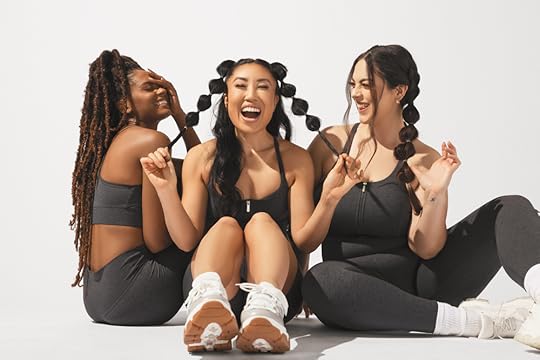
Introducing, Heathers

A capsule collection of luxe workout basics.
Here’s what’s new in Heathers:
Zip Bra in 3 new colors
Lightly brushed heather ButterSmooth fabric – our most luxurious feel yet
Our densest (AKA most squat-proof) fabric
Leggings and shorts with no pockets – I know we LOVE pockets, but you’ll love the no-pocket feel on these.
A center front seam for lower tummy support WITHOUT cameltoe.
 A tee so perfect you’ll need it in every color.
Are Heathers the new black? I think so! Let’s check out the new collection.
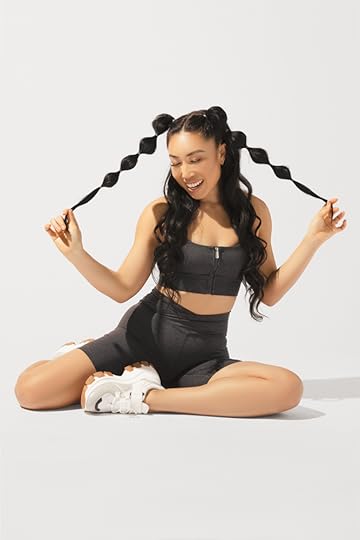
You’ll live in the Sculpt Legging
Like… you’ll never want to take them off.
And this is your first look at the Heathered ButterSmooth Luxe fabric! The heathered fabric is made by blending 2 different fiber colors into one luxurious fabric. The best way to describe how it feels is like a second skin! It just kind of smooths and moves with you. It doesn’t stretch out and it’s 100% squat-proof.
If you’re worried you’ll miss the pockets, don’t worry! They’ll be back. We wanted to give this mini drop a no-pocket moment for variety and so you could fully experience the fabric without any extra bulk. Trust me, you’ll get it as soon as you slip these babies on.
For now, let me show you!
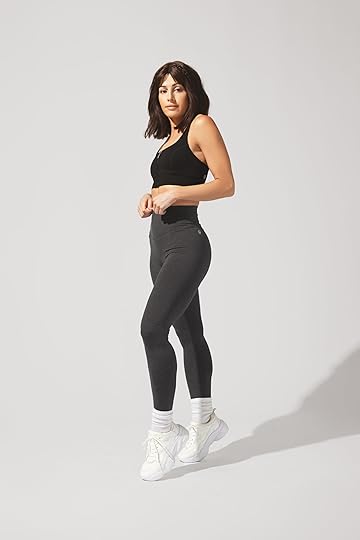
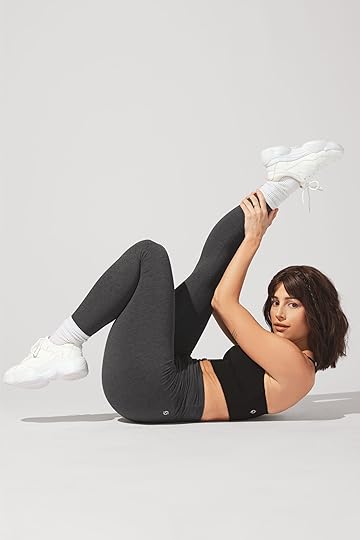
Can’t get enough of the Crisscross Hourglass Legging
 ?!
?!Omg just wait until you get these. They have the super flattering crisscross hourglass waistband we love so much, plus the new heathered ButterSmooth Luxe fabric. These are a must.
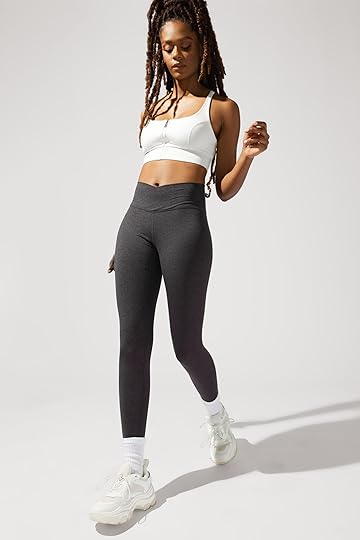
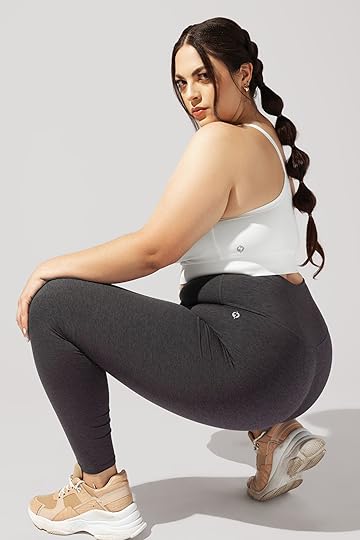
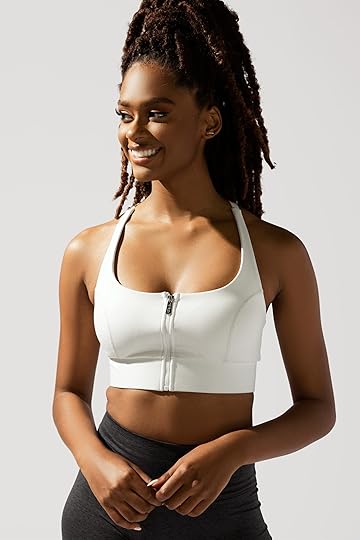
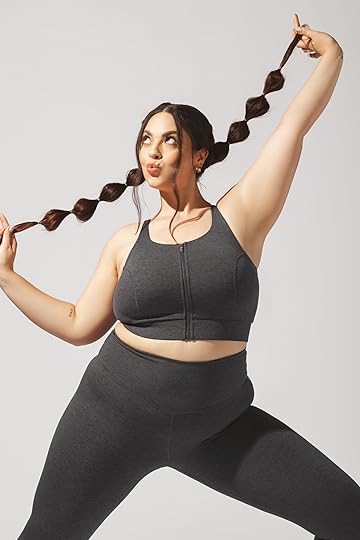
OMG the Don’t Sweat It Zip Front Bra
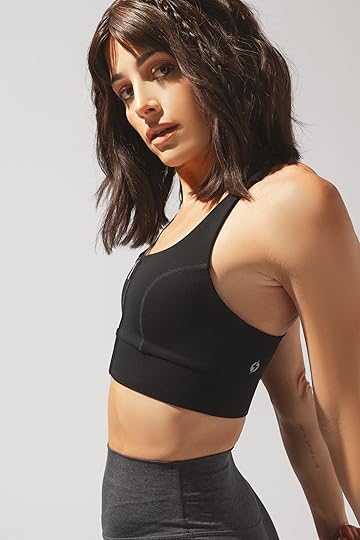
If you’ve never tried a zip front bra, do it nowww! If you already own one and love it, I can’t wait for you to put this one on. The Don’t Sweat It Bra keeps everything secure during your workout and easily zips off after. The zipper stays in place with zero poking or discomfort. We also added triple hook protection, because well, you just never know!
Snag this in Dark Heather Gray to match your leggings and bikers orrrrr grab it in Ivory or Black. Or all three?!
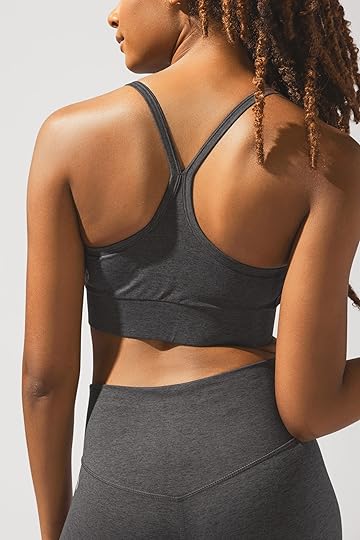
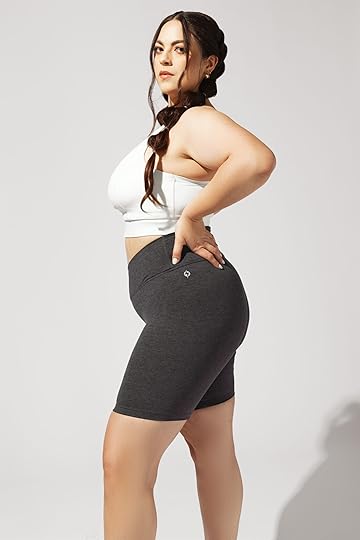
The Sculpt Biker Short
Biker shorts are my summer wardrobe. The Dark Heather Gray fabric is the most perfect happy medium if you’re kinda bored with black bikers, but not feeling bold colors or prints!
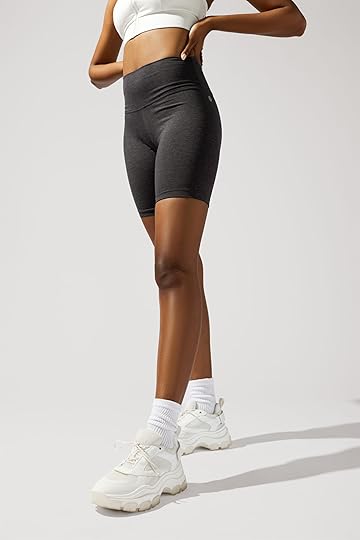
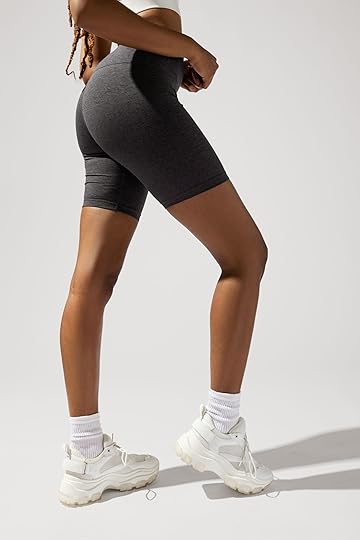
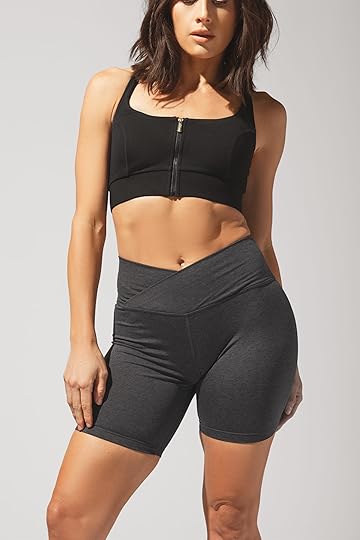
Crisscross Hourglass Biker Shorts
OF COURSE we didn’t leave out the Crisscross Hourglass Bikers! These got the ‘Heathers’ treatment too Oh! And based on your feedback, we extended the inseam on both bikers juuuuust a bit for added coverage. I love how perfectly thick these are while keeping me comfy and cool.
Oh and how did I forget to mention that the design team found a way to keep the center front seam AND prevent camel toe?! They’ve been working so hard at this!!
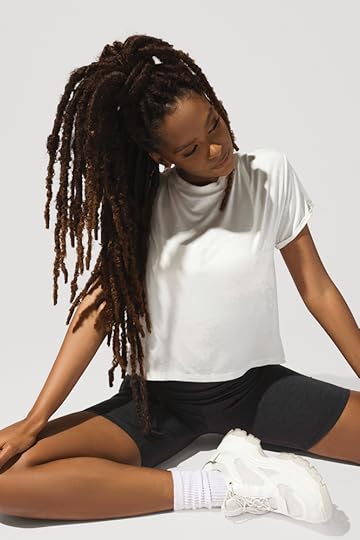
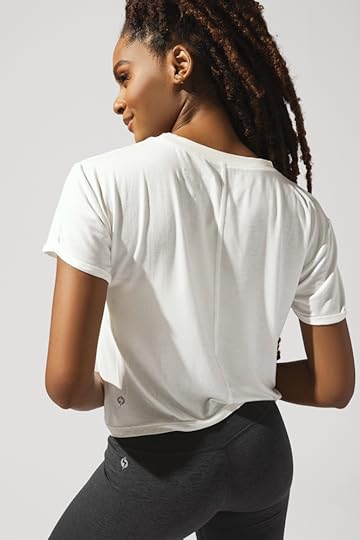
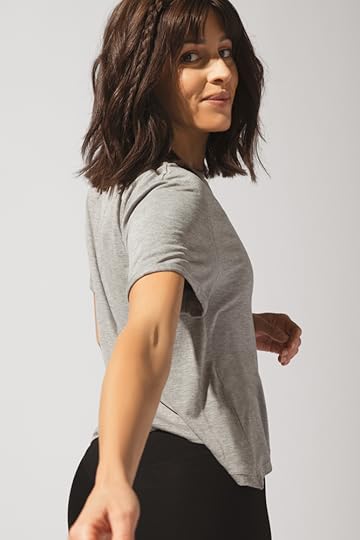
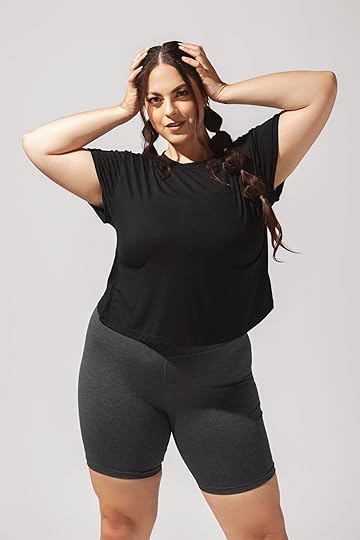
ICYMI – The Perfect Tee
We all dream of finding that perfect t-shirt. It’s buttery soft and flowy, but not too flowy. It’s the perfect length and works with any outfit for any occasion. Once you own it, you must go back and get every color because you aren’t sure how you lived without it before. Or at least I do
The Perfect Tee checks all the boxes. That’s why we created a bundle of all three colors!
 Shop Heathers
And those are Heathers!
What are you thinking – snag a few faves orrr build a new workout capsule wardrobe?!
 Shop Heathers
April 22, 2022
Skinny Mirrors, Mirror Meditation, and What They Say about Body Image

On today’s episode of That Can’t Be Real: Have you heard of skinny mirrors? For those of us who have run through a funhouse, we know our reflection can get seriously warped depending on the surface. Like, it can go from zero to Pixar-mom hips real quick. But when we’re trying on clothes in a store dressing room, we expect what we see to be what we get—until it’s not.
What are Skinny Mirrors?

With Belinda Jasmine’s Skinny Mirror, people see a leaned-out version of themselves that appears 5-10 pounds slimmer—so like the opposite of a Hollywood camera. She launched her business to boost people’s self-confidence as they’re getting ready in the mornings, but soon retailers joined her client list. Why? To no surprise, people are more likely to buy clothes they think they look better in—even if it’s not the clothes doing the work.
Learning all this sent me to the immediate thought of, “Wow, that sounds unhealthy.” And a lot of people had the same reaction, which is why she closed up shop in 2018 following backlash. At the time, Belinda assured the public that each skinny mirror for home use had a logo reminding customers that they were looking into an IRL Instagram filter. Even if these illusion devices are out of circulation, the questions they sparked are still pressing today:
Why do we feel the way we do in front of mirrors? Why is Mulan’s Reflection the only one we 100% stan? I didn’t do so hot in my undergrad philosophy course, so I have no idea. But who does have some insight is Dr. Tara Well, a psychology professor at Columbia University who has spent years studying our relationship with mirrors—and oh, what a complicated one it is.
What’s our Deal with Mirrors?

First off, if you loathe staring at yourself for an hour during your makeup routine, blame biology. According to Dr. Well, humans have developed a negativity bias over time that highlights perceived imperfections while glossing over features we actually like. “That based on evolution, because we’re always looking for things about ourselves that could lead to social rejection,” she says. “It was very important in ancient times to be part of a group, so things that are unusual get our attention really quickly.” Of course, what counts as unusual depends on who you ask—and when you ask it—since beauty standards are as wishy-washy as a Tinder match.
But even if a thicker waist and (gasp!) touching thighs are ringing your internal alarm circa 2022, these so-called flaws probably aren’t garnering the same level of scrutiny from others. Our primate brains analyze our traits since they were “threats” of ostracization forever ago, but the barista at Starbucks doesn’t have the same survival instinct when it comes to the shape of our Cupid’s bow. To put it finely, there’s some science behind the saying, “You’re your own worst critic.” In some cases, this hypercriticism of an aspect of our appearance can escalate to body dysmorphic disorder (BDD), which can also lead to feeling anxious in social settings.
What is Mirror Meditation?

While certain medications and cognitive therapy can help treat BDD, Dr. Well says mirror meditation—which is exactly what it sounds like—could also reset the harmful cycle of: look at reflection, judge, repeat. She even wrote a book that goes into the nitty-gritty neuroscience behind our brains and those pre-party checks that can either make or break our mood. “The idea is to change your association so that when you start to feel socially anxious, you take a glance in the mirror and remember, ‘I have compassion for myself. I accept myself for who I am,’ rather than looking in the mirror and going, ‘Oh my God, I look so old; I look so fat; I don’t look as pretty as other women here’—or whatever it is your standard storyline is,” Dr. Well explains.
I’m not going to pretend it doesn’t seem completely backward to sit in front of the very object that makes us squirm, but Dr. Well’s studies affirm that meditating mano a mirror helps us identify how quickly we are to self-judge, reveals our true emotional state as it’s written on our face, and, after we get comfortable with the practice, builds confidence and comfortability in our own skin.
How do you mirror meditate?

It’s not that hard to test out. Just grab a mirror, watch the most beautiful thing in the world (aka you!) for 10 minutes, and see what happens. (Sidenote: If eye contact with yourself feels weird, you can always focus on your chest rising with your breath instead.) Most importantly, don’t try to “do” something. At the start, your only goal is to observe how your body and mind respond. Does your thinking go straight to nit-picking? Do you feel uncomfortable or powerful or strangely intimate?
The answers to these questions could shed light on some hidden insecurities, which you can then work to dispel. Once you tackle that tiny irritation at the way your nose curves or shoulders slope, you hopefully won’t need a Skinny Mirror to feel like your best self in the morning. That’s ultimately the goal, right? Because just the phrase “skinny mirror” still makes me feel like I’m in the world of Black Mirror—which is somewhere I’d really prefer to avoid.
April 20, 2022
Post-Workout Nutrition: What Should You Eat and When?
Hi guys!
When it comes to fitness, crushing your workouts is only a piece of the puzzle. Nutrition is another piece if you want to get the most out of your sweat sesh – and I don’t mean in the diet culturey “you can’t outwork a bad diet” kind of way – I’m talking about giving your body what it needs so you feel powerful during your workout, and reap the benefits afterwards.
This is true whether you’re working out to build muscle, maintain muscle, or lose weight. Proper fuel is kiiiinda non-negotiable.
This is one of those things that SOUNDS simple enough, but quickly becomes complicated once you start digging into the details. Here are my (evidence-based) thoughts on what and when to eat after a workout.
During your workout, 3 key things happen
Glycogen (a source of energy) is depletedYour muscles are fatigued and damaged with microtearsYou lose fluid and electrolytes
Knowing this makes it a little easier to understand what your body needs to get out of post-workout nutrition, right?!
Answer: Something that replenishes glycogen (carbs), something to help the muscle recover and rebuild (protein), and something to replace fluid and electrolytes (fluid and electrolytes!).
If you’re wondering if PRE-workout nutrition matters too, the answer is YES! We’re not really going there today but ideally, your all-day nutrition and maybe pre-workout snack is preparing your body for these changes too.
Our key players: protein and carbs (for now)
We’re keeping it simple today and focusing on protein and carbs since that’s where we have the most research to work with. However, I wanted to at least mention that they’re not the only nutrients at work post-workout. Our other macronutrient, fat is important too! It just doesn’t have a ton of research when it comes to post-exercise timing…yet.
There’s ongoing research on timing calcium and iron for post-workout benefits too. It’s all so interesting but like I said, post-workout nutrition seems simple until you start digging.
Back to protein and carbs! Let’s talk about why these macronutrients are so important for post-workout nutrition.
CarbsI’m starting with carbs since they always get such a bad rap
So like I said before, your glycogen stores are either reduced or totally depleted during your workout, depending on what kind of exercise you’re doing and how hard you’re working. If you’re doing moderate to high-intensity endurance or resistance workouts, you’re probably using more glycogen.
Either way, it’s a good idea to replenish with carbs. Why? Because your glycogen stores are limited, meaning there is only so much available AND the process of making more glycogen (glycogen synthesis) can be slow. Consuming carbs after your workout can speed up glycogen synthesis so you’re ready to go for your next workout. Lastly, replenishing glycogen creates an optimal environment for building muscle.
ProteinWe know we need protein for muscle growth, but here’s the interesting thing:
It might not actually matter WHEN you eat protein as long as you’re getting enough overall.
The International Society of Sports Nutrition (ISSN) states in their position paper, “Meeting the total daily intake of protein, preferably with evenly spaced protein feedings (approximately every 3 h during the day), should be viewed as a primary area of emphasis for exercising individuals.”
They go on to say that getting essential amino acids optimizes muscle building, as does eating 20-40 grams of high quality protein up to 2 hours after a workout. However, they emphasize again that how necessary this really is can depend on what you ate pre-workout, as well as the rest of the day.
Protein + Carbs = <3You need BOTH for post-workout nutrition. Here’s why.
First, glycogen recovery is faster when you combine carbs and protein vs. just carbs alone. One study actually found that cyclists who consumed carbs + protein within 2 hours of “exhaustive cycling” showed better performance the following day than cyclists who consumed only carbs or protein, due to faster repair of protein function and glycogen synthesis.
And like I mentioned before, carbs help create the best environment for your muscles to repair and rebuild, which is important if you want gains.
How much should you eat?You can find some reallllly specific recommendations on this in the ISSN’s position statement on nutrient timing, but I don’t think most of us need to be as quite precise as professional athletes. If your goals are more specific, it’s probably a good idea to work with a dietitian 1:1.
So here’s my advice. Go for a 3:1 ratio of carbs to protein for those moderate to high-intensity endurance or resistance workouts. For example: 45 grams of carbs, 15 grams of protein. Obviously you can adjust based on your workout and your goals, but this is a good starting point.
If you’re not a fan of tracking all the numbers (which is totally fine, btw), just eat a good source of protein + carbs using some of my ideas below

What is the “anabolic window?”
Basically this is the period of time after your workout when you’re supposed to eat protein to build muscle. Maybe you’ve heard it called the “protein window” or “metabolic window.”
This “window” is 30 minutes. So according to this, if you’re not getting your post-workout snack with protein and carbs within 30 minutes of your workout, you won’t get as much out of it. I’m using a lot of “” here because there’s a lot of question about how legit this window really is and IMO you have much longer than 30 min to refuel. Here are some reasons I wouldn’t stress too much about this window:
This concept came from short-term studies early on. More recent, long-term studies show more inconsistent findings.Refer back to the ISSN’s statement about timing being LESS of a priority as long as you’re getting enough protein throughout the day.Recent studies are showing that this window is much wider (like several hours) to get the same benefit, especially if you’re eating a pre-workout snack.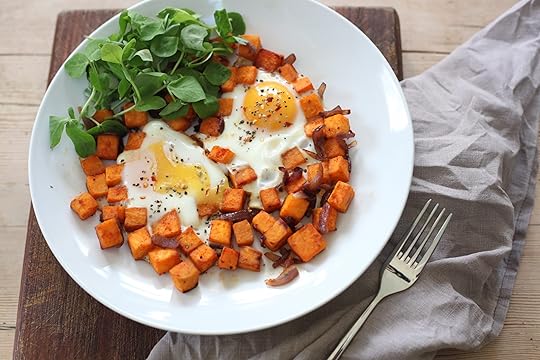
My favorite post-workout meal ideas
Egg + Sweet Potatoes – Eat as an omelette or meal prep little egg cups!
Protein Oatmeal – Just make some plain oatmeal and mix in your choice of protein! This can be nut butter, protein powder, or even egg whites. Then, flavor however you need. Maybe add fruit. Make it delish!
Greek Yogurt + Fruit + Granola – So quick and easy. A 3/4 cup serving of Greek yogurt gives you 17g protein. Fruit and granola take care of the carbs.
Protein Smoothie – Frozen fruit, milk of choice, protein powder. Add seeds, nut butter, or even avocado if you want to bulk it up a little more.
Toast + Nut Butter + Hemp Seeds – If you do two slices, you get ~30g carbs and a little protein from the toast, ~8g protein from nut butter, and a few more grams of protein from hemp seeds. I love this for breakfast too.
Tuna + Crackers – So simple, and a good on-the-go option.
Whole Wheat Wrap – Add hummus, chicken or sliced turkey, veggies and/or greens.
Chicken, Veggie, and Rice Bowl – A great option if you need something more substantial. Sub the chicken for salmon, tofu, or any protein you want!

PSA to HYDRATE
I can’t just write an entire article about post-workout nutrition and recovery without even a whisper about WATER! Even if it makes me feel like a hypocrite because I struggle so much with hydration myself. Just because I’m a dietitian does NOT mean I’m perfect, ok?!
Here’s why water is important (besides needing it to stay alive) – You lose A LOT of water when you workout, through sweat. You also lose electrolytes. These minerals are super important for muscle performance and recovery, and even things like heart health and brain function. Basically if you’re not hydrating before, during, and after your workout, your body isn’t going to function at it’s best.
Make sure you’re drinking water throughout the day, and replenish electrolytes as needed after long or particularly intense workouts. You can do this with food, drinks like coconut water. low-sugar sports drinks, or electrolyte replacement packets.
What should we talk about next?!
And that’s my advice on post-workout nutrition! As always, THANK YOU for reading!
What do you want to talk about next? Let me know in the comments!
 Breanna
April 19, 2022
I feel like a failure. The end of my 90 day journey.
If you have a password, enter it below:
April 13, 2022
Thinking About Trying Collagen? Let’s Weigh the Benefits.
Hi guys!
Since we’ve been talking so much about protein, I thought I’d switch gears and talk about …another type of protein.
Collagen!
There is just sooo much hype around it! I’m sure some of you are wondering if it’s really worth it or if it’s just another trend. And that’s the kind of stuff I like to dive into. So if you’re thinking about taking collagen, or you’re already taking it and not 100% sure what it SHOULD be doing for you, this is the place to be.
Let’s talk about solid collagen benefits vs. what is just hype!
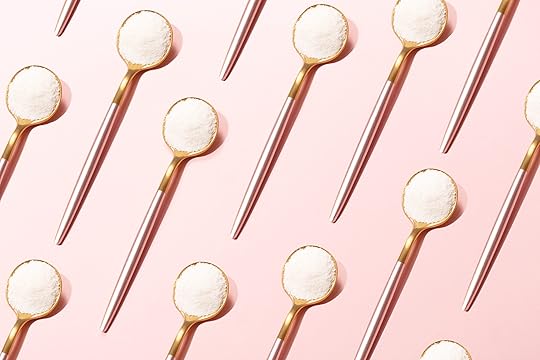
Yes, collagen is a type of protein!
A lot of people don’t know this! There’s actually more collagen in the body than any other type of protein.
Collagen’s main job is structure. It’s integral in connective tissues all over the body, including tendons, ligaments, and cartilage. It also makes up the extracellular matrix in your skin, which makes it look tight and youthful. Collagen is even found in muscles, hair, bones, and smooth muscle tissue that line blood vessels and intestines.
I guess you could say collagen is literally keeping us together, kinda like my morning coffee. Not the same? Okay fine.
As we age, the body makes less collagenCollagen isn’t something you HAVE to get from the diet, because the body makes it on its own! However, production slows wayyy down as we age, eventually leading to signs of aging like sagging skin and wrinkles, and even less mobility in the joints.
Production starts slowing down in our 30’s. Some say it starts as early as 20! To all my fellow 90’s babies reading this, don’t panic. You can support collagen production through nutrition and by avoiding things that damage collagen like:
– UV exposure (wear your sunscreen!!!)
– Smoking
– Drinking excessive alcohol
– Eating a ton of ultra processed foods (hot dogs, bacon, etc.) and added sugar
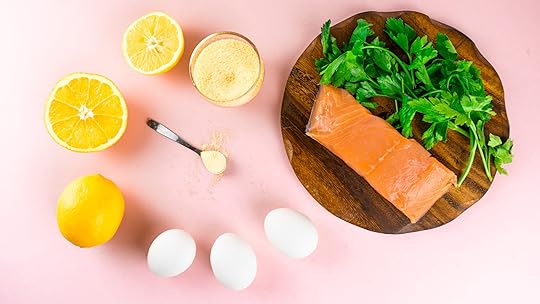
Ways to boost collagen
You know I’m a food first kind of girl, so let’s talk about boosting collagen through food before we get into supplements. You CAN get collagen through food. The problem is, collagen comes from animal connective tissue, bone, and skin. Things most of us won’t be eating on the reg.
This is why there’s serious hype around bone broth, which is made by simmering animal bones and connective tissue over a long period of time to release gelatin, which some believe converts to collagen in the body. At the very least, bone broth is packed with vitamins, minerals, and amino acids.
Foods that SUPPORT collagen productionThe best way to support how your body naturally makes collagen is to make sure it has all of the nutrients it needs to make the process happen. The MVPs of this process are vitamin C and proline, an amino acid.
Get vitamin C from things like citrus, berries, and bell peppers. Egg whites are great for proline.
Nuts and beans are great sources of copper, another important nutrient for collagen production that you might be lacking!
Collagen supplementsYou can usually find collagen supplements in the form of powders of capsules. The source of the collagen can come from cows (bovine), chicken, pigs or even fish (typically called marine collagen).
Supplemental collagen comes as “collagen peptides.” All that really means is the collagen is already broken down so it’s easier for your body to digest and absorb.
Is vegan collagen a thing?Vegan collagen is made from yeast and bacteria that’s been genetically modified to create collagen. I also read that scientists are finding ways to bioengineer it. As cool as this is, we still need solid research to say for sure if vegan collagen provides the same results as animal collagen.
A LOT of “vegan collagen” you’ll see on the market is actually not collagen. Yep. They’re actually collagen boosters, which are basically supplements with a bunch of nutrients that support your body’s natural collagen production. It’s not necessarily a bad thing, but the marketing can be tricky (and slightly annoying IMO).
Collagen benefits – worth the hype?
Collagen supplements are super popular because they have the appeal of making you “healthy from the inside out.” Supplements are usually unflavored and easy to take, and they promise things like beautiful skin, luscious hair, and relief from joint pain. Who doesn’t want that?! Let’s see which collagen claims are legit benefits, vs. which ones could use more research.
Skin and agingCollagen is a big part of your skin’s structure. When collagen production slows down, the skin starts to lose elasticity and looks less supple. That’s when you notice one of the first signs of aging – wrinkles. But maybe taking a collagen supplement can help.
There are some studies that support this! For example, in one study 114 middle-aged women were given either collagen peptides or a placebo. After 8 weeks, the women taking collagen peptides saw not only significantly reduced wrinkles (this study focused on the eye area), but also an increase in procollagen 1 and elastin, two major components of skin structure.
A recent review of 11 studies in the Journal of Drugs in Dermatology (JDD) states that oral collagen supplements have promising results for aging and wound healing. The writers go on to say that collagen supplements may help to increase skin hydration, elasticity, and collagen density in the skin.
So basically, taking a supplement is one way to keep optimal amounts of collagen in the skin and lessen the signs of aging. Of course one common denominator of the studies I read was maintaining a healthy lifestyle – so don’t think of this as some sort of magic solution.
When you think about aging, don’t get caught up in only thinking about your skin! Your joints need some love too. Collagen can help maintain the structure of connective tissue in your joints. If that connective tissue wears down, you lose major mobility. Nobody wants to hobble around.
This benefit isn’t as hyped up as smooth skin, but it’s still important and actually really cool. For example – one study gave a group of 139 athletes complaining of knee pain either oral collagen peptides or a placebo, every day for 12 weeks. At the end of the study, the group taking collagen had less pain during activity and needed less alternative treatment for pain.
Other studies that focus on joint pain in aging and inflammatory conditions like osteoarthritis call collagen a “potential therapeutic agent” and emphasize the importance of other nutrients important to joint health.
Hair and nailsThe truth is, there’s still not enough science to say if collagen is the secret to perfect hair and nails. In a review published this year in the Journal of Cosmetic Dermatology, the authors say that although the potential is there for some of these benefits, right now it seems that the media hypes them up more than science can really back up.
But the people who swear by it SWEAR BY IT.
It’s possible that collagen can play a role in creating luscious locks and strong nails, with the help of vitamins, minerals, and other nutrients like keratin.
Gut healthSome people claim that collagen can heal leaky gut, which in theory is caused by a weak intestinal lining. The science isn’t really there to back this up.
Another claim comes from a study that showed people with inflammatory bowel disease could be deficient in a certain type of collagen. So in theory (again, we need more science), supplementing collagen could treat this deficiency and relieve inflammation.
Heart and bone healthThese potential collagen benefits aren’t as “sexy” as smooth skin and great hair, but they’re important nonetheless.
Decreased bone density is another sign of aging, but one that poses more danger to your health. It’s possible that collagen stimulates bone formation, and supplementation has been shown to help with postmenopausal bone loss in at least one study!
For your heart, collagen could add integrity to the walls of your blood vessels, decreasing the risk for atherosclerosis.
Are there any collagen side effects?
Collagen supplements are pretty well-tolerated for most people. Some people do have issues with bloating and heartburn, but I’m sure that depends on the product and any other ingredients.
Be aware of any allergies you have when you shop for a collagen supplement! Marine collagen is made from fish, which could be an issue for anyone with a shellfish allergy. It’s possible for some products to contain egg too. As always, check the label to be safe!
Is there a “best” way to take collagen?
The “best” time to take collagen is a little controversial. Some swear by taking it in the morning on an empty stomach for maximum absorption, while others say it’s best to take it at night so it can do it’s thing while you sleep and your body is in recovery mode.
My opinion? If you decide to to take it, take it whenever it’s easiest for you to be consistent. Once you decide when to fit it into your routine, you have plenty of options for HOW to take it. You can easily mix it into milk, water, coffee, or a smoothie. You can even bake with it.
What should we talk about next?!
Thanks for reading! Hopefully you feel more confident to decide if a collagen supplement is right for you!
What do you want to talk about next? Let me know in the comments!
Breanna
April 11, 2022
Introducing Blogilates Nutrition x Target!!!
Hey guys!
There has been so much going on behind the scenes at Blogilates that I have been DYINNGGG to tell you about! Thanks to a few delays in production and shipping, I had to wait even longer and the fact that I can finally tell you what I’ve been working on now almost doesn’t even seem real.
But it IS real. So here we gooooo! I’ve been working on…
A Blogilates Nutrition line exclusively available at Target!!!Even as I write this, I still feel like I’m living in a dream with any of my designs on Target shelves. And now nutrition products?! This has been a dream of mine for YEARS (literally, but more on that later), and you better believe I poured my heart and soul into formulating every product. Plus I’ve been using them throughout my entire 90 Day Journey! Now it’s your turn to give them a try.
Here’s the Blogilates Nutrition lineup:
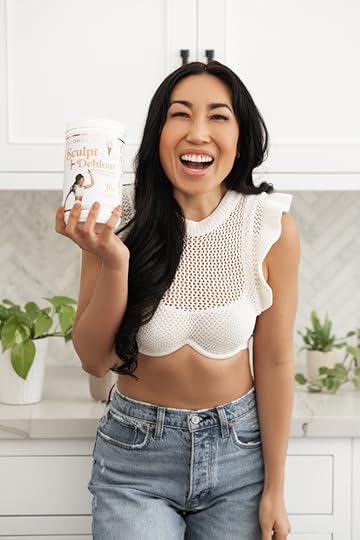
Sculpt + Debloat Protein Powder with Probiotics
Beauty Collagen Peptides with Keratin
Unwind Magnesium Powder
Glow Up Superfood Powder
 Jumpstart Energy Powder
The goal? To not only FIND the joy in fitness, but also FEED the joy in fitness.
Let me tell you a little about each one!
Shop Blogilates Nutrition at Target
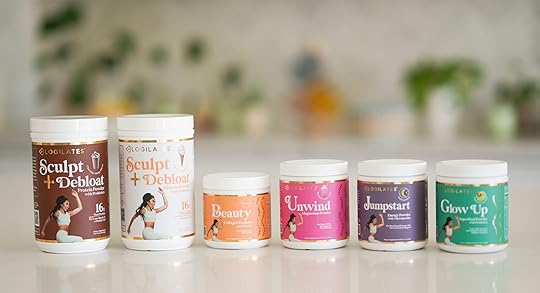
AHHHH so pretty!!!
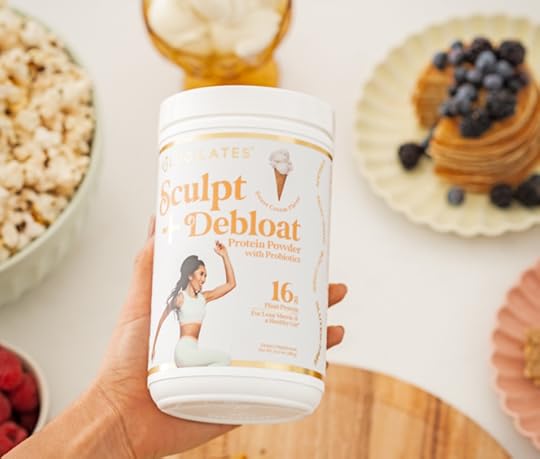
Sculpt + Debloat Protein with ProbioticsFlavors: Sweet Cream and Chocolate Shake
The product that started it all.
I actually started working on a protein powder over 8 years ago!! I was told that creating a product with everything I wanted was impossible. I even gave up once, only to come back to my dream later because I couldn’t let it go. And we finally did it!
My goal was to create a vegan protein powder that:
– Is a complete source of protein to support muscle building
– Contains probiotics and fiber to help with my bloat issues
– Tastes delicious and dessert-like
– Has amazing cookability
When I finally tested the product that checked all of these boxes, I nearly exploded with joy.
Sculpt + Debloat is a blend of yellow pea and organic brown rice protein, which provides all 9 essential amino acids to support muscle building. I added a probiotic blend to help eliminate bloating, and a fiber blend for even more gut support. It comes in two flavors, inspired by my obsession with ice cream: Sweet Cream and Chocolate Shake.
This protein is smooth and creamy mixed into some almond milk, but my favorite thing to do is cook with it! I’ve used Sculpt + Debloat literally every day in my protein pancakes. I love the macronutrient breakdown too – each serving provides 16 grams of protein! I know some powders have higher amounts of protein per serving, but I found that this was the sweet spot to avoid the gritty texture I noticed many plant-based proteins have.
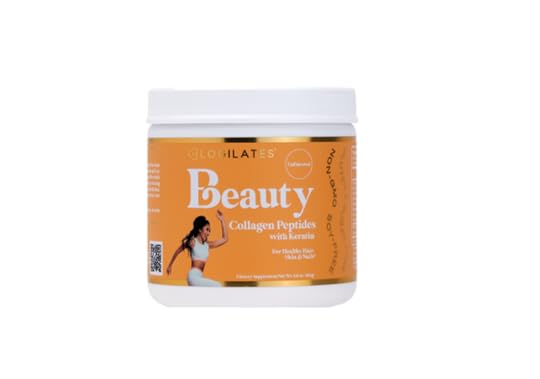
Beauty Collagen Peptides + Keratin
I started taking collagen peptides to help with my hair and skin and OMG what a difference. My hair has been growing at record speed. You’ve even noticed and asked me what I was using! Collagen!
Beauty is unflavored bovine collagen peptides plus keratin for extra hair support. You can mix it into pretty much anything, like your favorite beverage, coffee, tea, or a smoothie. You can even bake with it!
And collagen isn’t just for your hair. It can also help with skin elasticity, joint health, and even gut health.
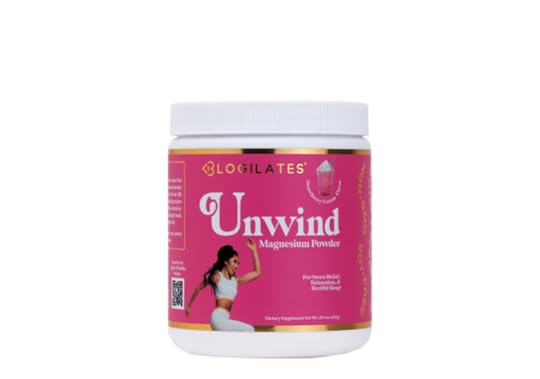
Unwind Magnesium Powder
You guys know sleep has been a struggle for me for a lonnnng time. I just can’t turn my brain off!
That was the inspo for Unwind. Magnesium supports stress relief, relaxation, and better sleep
The Strawberry Cream flavor is amaaazing and all you have to do is mix it into some water! I like to drink this in the evening (you know, for the sleep issues ;))
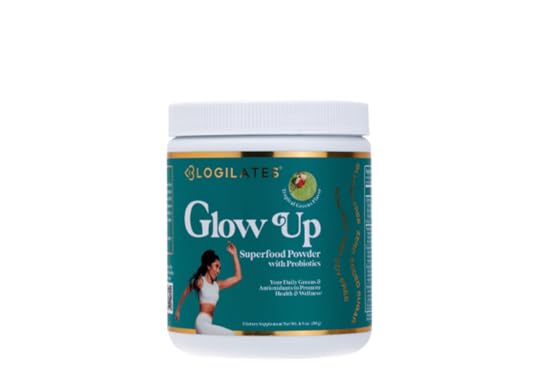
Glow Up Superfood Powder with Probiotics
I looove using this to fill in the nutritional gaps to make sure my body is getting everything it needs to be healthy from the inside out. One serving of Glow Up provides 22 (!) greens, fruits, and mushrooms. Glow Up is packed with antioxidants, probiotics, and fiber to give your body a boost of tons of good stuff with no added sugar or other unnecessary additives.
Of course nutrition should always come from food first! But I feel really good about adding a scoop of this to some water or a smoothie to know I’m getting so many important nutrients no matter what the day throws at me. TBH I think the Tropical Greens flavor is my fave of the entire lineup!
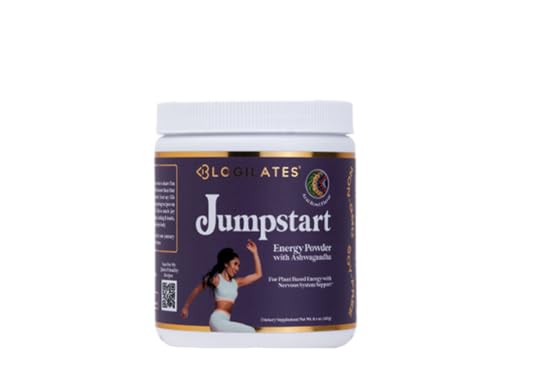
Jumpstart Energy Powder
Energy has been huge during my 90 Day Journey. I wanted to experiment with something to support and boost my energy during workouts without making me feel jittery or making me crash later. That is seriously the worst and I have nooo time for that. I also didn’t want something packed with sugar. Soooo Jumpstart was born!
The star of the show here is ashwagandha. If you’ve never heard of it, it’s a functional herb that’s been used for thousands of years! It offers plant-based energy by helping your body manage stress more efficiently. Exercise is technically stress on your body, so this helps your body handle the stress so you have more energy for your workout! I also added Green Tea leaf extract for plant-based caffeine.
And the Acaí Bowl flavor? OMG.
Like I said, I’ve been taking all of these products throughout my 90 Day Journey. This one seriously blew my mind, especially since I hadn’t found an energy powder that I liked before. I noticed my mile time was a little faster when I take this, which is crazy! I also I have a little more power during my workouts.
Blogilates Nutrition at Target.com
You can also find Sculpt + Debloat in Sweet Cream and Beauty Collagen in-store!
I can’t wait for you to try these!!! Make sure you tag me on IG @blogilates so I can see what you make with the protein!
April 7, 2022
How to Choose the Best Protein Powder, According to an RD
Hi guys!
Now that you have a better idea about how much protein you really need, hopefully it’s easier to decide IF and HOW protein powder fits into your routine. Btw if you missed the post I’m talking about, you can read it here!
Since you’re here, there’s a good chance you’re thinking about either trying protein for the first time or shaking things up with the supplement you’re using now. Annnd maybe you’ve realized that shopping for protein is kind of overwhelming.
So. Many. Options.
If decision paralysis is your toxic trait like mine (hellooo 200 tabs open at all times), I’m here to help! Let’s break down the options, ignore what brands claim you “need,” and figure out what you actually need to choose the best protein powder.
The difference between animal and plant-based protein
Did you wake up knowing you’d be taking Nutrition 101 today?!
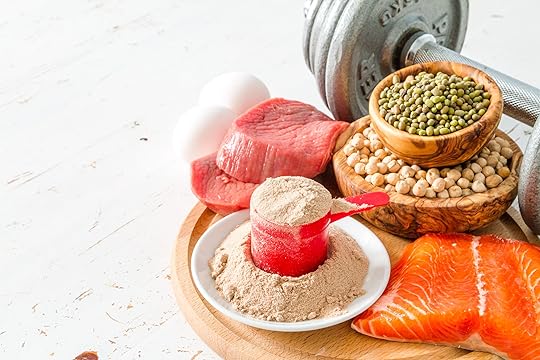
I would say the most common question I get about protein is if animal-based (whey, casein, egg) is “better” than plant-based (soy, pea, brown rice, hemp). To understand the difference between these types of protein powders, we need to (literally) break down protein. This is the first step to choose the best protein powder for YOU.
The key difference is amino acids.When protein digests, it’s broken down into building blocks called amino acids. There are 20 different types that the body uses for functions like repairing tissue, building muscle, producing hormones, and more.
Our bodies can actually make these, except for 9 “essential” amino acids that we can only get from food. To carry out certain functions like building muscle, you need to make sure you’re getting adequate amounts of all 9.
To dig just a liiiiittttle deeper, there is another important group of 3 amino acids called branched-chain amino acids (BCAAs). They have a unique chemical structure and have been shown to stimulate muscle protein synthesis (build muscle), improve workout performance, and reduce post-exercise soreness.
Animal vs. plant-based proteinAnimal proteins are considered “complete” because they contain all 9 essential amino acids. They’re also the best source of BCAAs.
Protein from plant sources like beans, nuts, seeds, and soy contain most of the essential amino acids, but often lack at least one. Here’s the good news – since foods have different amino acid profiles, you can still get all of the amino acids you need as long as you eat a variety of foods – even on a plant-based diet.
Which one is better?That depends! 
Neither option is hands-down better than the other – you’ll see why after we go into more detail about each kind.
I will say this – you CAN build muscle with BOTH. A lot of people assume that plant-based protein isn’t good quality or that it’s a waste of time. I’ll save the bioavailability for later, but IMO, plant-based is a solid choice.
As plant-based protein powder becomes more mainstream, more research is supporting this. For example, a study published in the Journal of the International Society of Sports Nutrition found that combined with resistance training, participants who took a pea protein supplement experienced similar results for muscle growth as participants taking whey protein.
The pros and cons of whey protein
Whey protein is made from milk. It’s actually a byproduct of cheesemaking! When heat or acid is added to milk, it curdles and separates. The liquid part is whey.
That liquid that sits on top of your Greek yogurt? Also whey!
Simple processing transforms liquid whey into protein powder. Whey concentrate is the cheapest and most common form, but you might also see whey isolate and whey hydrolysate. Whey isolate is 90% protein, with no lactose or fat. Whey hydrolysate is “predigested,” which makes it easier to absorb.
The pros: Whey is a “complete” protein, meaning it has all 9 essential amino acids. Whey is also high in BCAAs, which is a big plus for bodybuilders. The body absorbs whey more quickly than other types of protein, making it ideal for post-workout recovery. It mixes well and has mild flavor, and is usually inexpensive compared to other proteins.
The cons: If you can’t tolerate or don’t prefer to eat dairy, whey probably isn’t the best choice for you. It may cause digestive issues for some people. Whey isolate and hydrolysate are better tolerated, but more pricey. If you’re gluten-free, make sure you check the label! Some whey protein powders contain it.
Other animal-based protein powders
Casein
Casein also comes from dairy. Similar to whey, it has all of the essential amino acids and is a good source of BCAAs. However, casein takes a lot longer to digest than whey. This isn’t a bad thing! It actually gives casein some unique benefits. It provides a steady supply of amino acids over a long period of time, which helps to prevent muscle breakdown and also promotes satiety. A lot of people like to take it at night while they are in a fasted state.
Egg ProteinThis is a great option if you’re dairy-free but not 100% plant-based! Most egg protein powder is made from egg whites. The low fat content is easy on digestion and nice for anyone who wants more control over their macros. The downside to being low-fat is that it doesn’t keep you full as long.
CollagenYes, collagen is a type of protein! But here’s the thing – it’s not a “complete” protein. Although it’s important (it IS the most abundant type of protein in your body!), your morning coffee mixed with collagen peptides isn’t meant to replace traditional protein powder or protein from food. Instead, collagen is used as a functional food used to improve things like skin and joint health.
Plant-based protein powders
The first thing to know is that not all plant-based protein powders are vegan. Some could contain non-vegan ingredients like honey. Make sure to check the label if you prefer a vegan supplement!
Soy proteinRemember when I said most plant-based sources aren’t “complete” proteins? Soy actually is! It’s also a good source of branched-chain amino acids. Soy used to be the most common type of plant-based protein powder, but it’s dropped in popularity as more people avoid GMOs (most soy in the US is genetically modified). Some people are also allergic to soy.
Pea proteinPea protein has become popular, for good reason! It’s made from yellow split peas, which are higher in protein than green peas (about 15-20 grams per 1-scoop serving). Pea protein barely misses the mark to being a complete protein, lacking only one essential amino acid that you can easily make up with food.
The other thing that sets pea protein apart from other plant-based protein is BCAAs. I mentioned before that BCAAs are a major benefit for animal-based protein, but pea protein is a close comparison.
Pea protein is easy to digest and has a creamier texture than other plant-based protein powders (others can be kind of gritty). As a bonus, it’s a good source of iron.
Brown rice proteinThis is also pretty easy to find. It also lacks one essential amino acid, but a different one than pea protein. Since they complement each other, some brands use a blend of the two types of protein to create a powder that qualifies as a “complete” protein. This is also another good source of BCAAs.
One concern people have about brown rice protein is arsenic contamination. Avoid this by choosing a reputable brand that uses third-party testing!
Hemp proteinYes, hemp protein comes from the cannabis plant. It can only contain trace amounts of THC, so no – it doesn’t do anything “extra,” if you know what I mean. It’s unique because it provides not only (incomplete) protein, but other nutrients like iron, fiber, and omega-3 fatty acids.
Other typesThose are the most common types of plant-based protein powders, but you might see some others like sunflower seed protein, chia protein, or pumpkin seed protein. Also! I mentioned how brands are creating blends with more than one source of protein, which I love! The pea/brown rice protein blend is the most common type I’ve seen, but I’ve also heard of brands blending quinoa with other plant-based sources to provide a better amino acid profile.
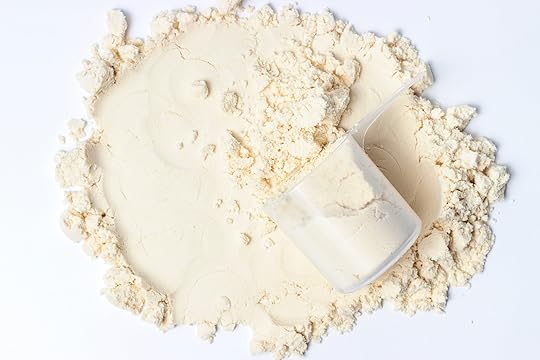
Ingredients we love to see …
If you’re standing (or scrolling) and reading through ingredient lists, here’s what to look for to choose the best protein powder:
A short, simple ingredients list – we are here for the protein, right?
Quality sources – casein and whey from grass-fed cows or plant-based protein from non-GMO sources are a plus.
Added vitamins, minerals, or probiotics
 Natural sweeteners – If you prefer a sweet flavor, natural sweeteners like Monk fruit are a good option that most people tolerate well.
We (probably) do NOT love to see…
AKA ingredients you might want to avoid. I say MIGHT because not all of these ingredients are “bad” for everyone. If you have issues or concerns with any of these, simply choose a brand that avoids them!
Thickeners/emulsifiers – Thickeners are usually added to protein powder to make it more smooth and easy to mix. The most common thickener is carrageenan, which may cause digestive issues for some people. There are also claims that carrageenan is inflammatory, but more research is needed to support this.
Soy lecithin is another controversial additive. It’s used as an emulsifier to make protein easier to mix and to preserve flavor. One reason this ingredient is controversial is because it’s derived from soy, which is usually genetically modified.
Milk solids/milk powders – These are commonly used in lower quality powders to “bulk” up the product.
Dyes – Dyes are added to make it look pretty, but again, they’re not necessary.
Hydrogenated oils – These are used to increase the shelf life and/or make a more desirable texture. The downside is that this is just saturated fat (or even worse, trans fat if it’s partially hydrogenated). These increase cholesterol and risk for heart disease.
Added sugar or artificial sweeteners – A ton of added sugar can interfere with your goals, so beware of any protein powder that tastes too sweet to be true, and check the label. Artificial sweeteners are fine in reasonable amounts if you ask me, but some people prefer to avoid them for a variety of reasons. The biggest issue people have is with certain types of artificial sweeteners like xylitol, which can cause bloating and diarrhea.
Heavy metals and toxins – Hard pass on this one. These sometimes sneak into lower quality protein powders through poor manufacturing processes and questionable farming practices. These obviously won’t be on the label, but you can avoid them by choosing a protein powder that has been third-party tested.
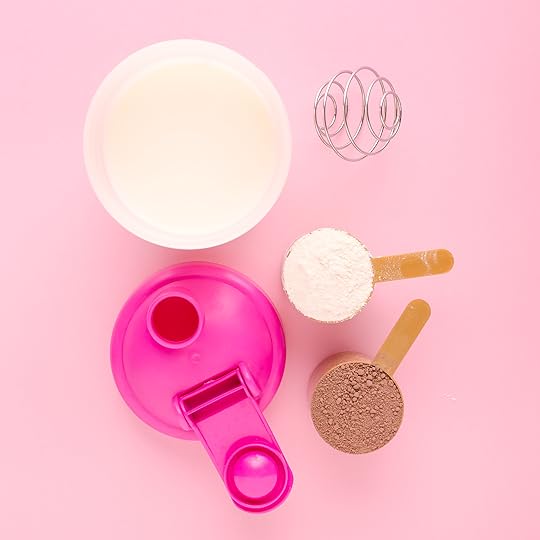
The best protein powder depends on your goals
At the end of the day, the best protein powder for you is the one that you will use consistently to benefit YOUR needs.
First, think about your goals – are you trying to lose weight, build muscle, or just fill in the gaps because it’s hard to consistently meet your protein needs? Will you be taking protein post-workout to boost recovery or should you choose something to take at night to target weight loss?
Then, think about your personal preferences – are you okay with dairy, or do you prefer something plant-based? Will you be using this for mostly shakes and smoothies, or do you want something that bakes well? Maybe you need to experiment with flavor. What is your budget?
Trust me. Trying to fit a square peg into a round hole isn’t worth it in the long run. Forcing yourself to take that expensive, fancy-looking protein that your cousin SWEARS by isn’t going to do you any favors if you hate the taste and it makes your stomach hurt. Take the time to choose the best protein powder for you.
Annnnnd always focus on food first!
What should we talk about next?!
Wheewww that was a lot longer than I planned! Hopefully these posts are helping to clear up some confusion about protein!
What should we talk about next!?!
Breanna
April 1, 2022
7 Signs That Could Mean You’re Not Eating Enough
Hi!
I almost opened with “It’s Bre, the RD!” and then I audibly cringed. Anyways, I’m back to talk about food!
After we talked about protein last week, there were some comments asking me to talk more about portion sizes and how to avoid overeating. I thought a lot about the most helpful way to talk about this that isn’t the same advice you’ve probably seen over and over: chew x amount of times, sip water in between bites, take half of your food home…annnd so on.
Sure, those things can help… but IMO they’re kind of just of band aids. And who wants to count how many times they chew?!
Let’s fix the root of the problem.Of course there are a lot of reasons why someone may struggle with overeating, but it often stems from a history of ignoring signs of hunger and fullness. We’re actually born with a really cool sense that tells us how much food we need. Over time, that sense fades for many of us. It happens for a lot of reasons, but dieting is a big one. If you’ve ever tried to lose weight, there’s a good chance that at some point, you weren’t eating enough. And if you’re like me when I was stuck in a dieting cycle (thanks to growing up in a world RICH in diet culture), you were trained to ignore your body when it told you to eat more.
Which (finally) brings me to my point.
Maybe it’s time to stop trying to find ways to “control” how much you eat. Instead, let’s focus on giving your body what it needs.
Maybe it’s more water. More sleep. An outlet for stress, or more of a specific nutrient. To figure it out, you have to regain trust with your body instead of assuming it’s trying to sabotage your goals
Learn to listen to your body again, starting with the signs that you’re not eating enough.
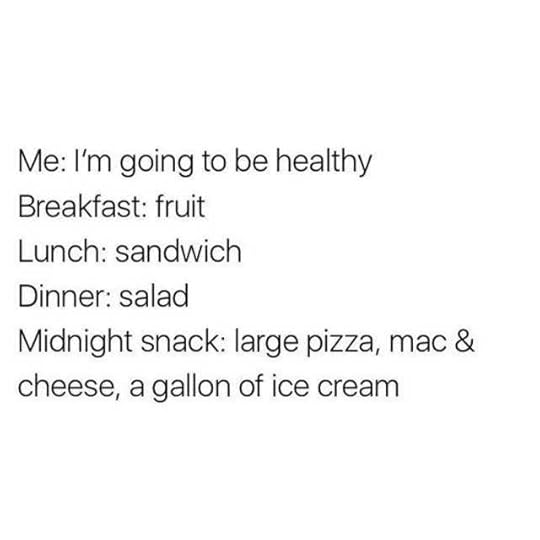
1. You’re extra hungry in the evening
We’ve all seen this meme. ^^^
It’s relatable because most of us have tried and learned the hard way that simply eating as little as possible to lose weight just. isn’t. sustainable. But it’s also a good time to point out that when I say “not eating enough” I’m not just talking about dieting. I’m also talking about not eating enough at certain times of the day.
Back to overeating. If this is the issue you’re struggling with, think about when it happens most often. Is it later in the day? Or maybe when you go out to eat after “preparing” by not eating much the rest of the day?
I know this won’t be the solution for everyone, but if you turn into a snack monster every evening or feel like you have an endless pit for a stomach at dinner time, it’s a pretty good sign that you didn’t eat enough the rest of the day.
2. You’re always thinking about food
If you find yourself watching the clock until it’s “okay” to eat again, or spending wayyyyyyy too much mental energy trying to fight a craving, take that as a sign that your body needs something. Even if it isn’t food, it’s still worth paying attention to.

3. You’re tired
Your body needs calories for energy. There’s a minimum amount that it needs for essential functions (breathing, pumping blood, etc.), called your basal metabolic rate.
If you’re not eating enough, your body is going to respond by preserving energy. Fatigue is eventually going to set in. For some people, it’s almost instant (i.e. hitting a wall in the afternoon after you didn’t eat enough early in the day).
Or, the entire day might feel like a struggle mentally, physically or both. Some people don’t a difference in their normal day-to-day, but really feel it in their workouts.
4. Your workouts feel harder than usual
We all have days when a workout feels like moving through mud. If this is happening consistently, it could be because you’re not eating enough calories for your body to use as energy for exercise.
Of course it’s not quite THAT simple. Maybe you’re just not eating enough before your actual workout. Or maybe your overall intake is too low. The point is, how you feel during your workout is a great indicator of how well you’re fueling your body.
Think about it this way – your hard work in the gym is worth A LOT more if your body has the energy it needs!
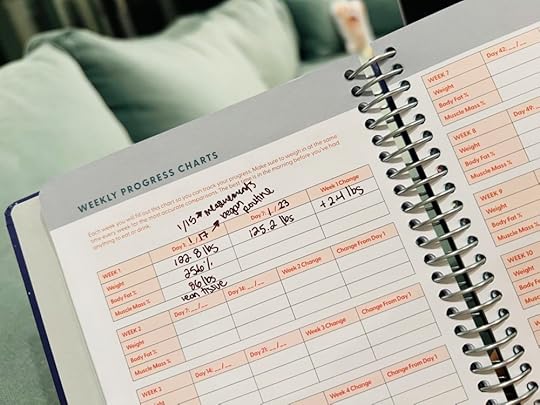
5. You’re not seeing progress
This can go a couple of ways.
If you’re not seeing progress with building muscle – Check your nutrition. It’s easy to forget that building muscle is ADDING MASS to your body, which requires some kind of calorie surplus. It is possible to gain muscle in a calorie deficit, but the window is pretty slim. Eating enough is still key!
If you’re not seeing progress with weight loss – You’d probably assume you need to eat even less right? That’s not always the case! Sometimes you hit a plateau because you’re not eating enough. The mistake many people make is exercising more or with more intensity, without increasing calories. The result is a deficit that’s too big – AKA not eating enough. The body is super smart and doesn’t care what it looks like in a bikini, so it responds with the things we mentioned above like fatigue, and maybe even a slower metabolism.
Another possibility – maybe your plan is too restrictive, but you can stick to it most of the day….until you go ham on the snacks after dinner because your cravings are so strong (see #1 again). Not only is this just not the way to go if you want to feel your best, but you’re probably going to be frustrated with your lack of results.
6. You’re grumpy
Safe to say we’ve all experienced hanger, right?!
Cassey spoke on this when she explained how she wants to go about the “bikini prep” phase of her 90 Day Journey in a healthier way than she did in the past. She recalled being super grouchy before her actual bikini competition 10 years ago because she was severely under eating in order to cut weight.
Her situation is probably more extreme than what most people experience, but the overall point still applies. If you’re skipping meals or just not eating enough, your mood could be the first sign that something is up.
7. You’re catching more colds than usual
Your immune system needs fuel, just like every other system in the body! Technically your immune system isn’t as essential as your heart, lungs, etc. so when you’re not taking in enough calories to cover the body’s basic functions, the immune system takes one for the team.
Undereating can be serious
Of course things can get serious if under eating goes too far. I’m not going to get into too much detail here, but I wanted to at least mention the risks. If you experience ANY of these, don’t ignore them. Meet with your medical provider and/or an RD to help!
Becoming underweightNutrient deficienciesHair lossAmenorrhea (losing your period)OsteoporosisAnxiety/depressionThe right calorie deficit will not deprive you
Here’s one of the things I get realllly fired up about when it comes to dieting. If your goal is weight loss, the appropriate calorie deficit should NOT make you feel any of the above. The equations and calorie calculators you find online can be a helpful place to start, but they don’t exempt you from listening to your body!
Feeling hungry, tired, grumpy, etc. are not “normal.” Constantly battling cravings is not just a test of your willpower.
Your body is yelling at you, and you should listen!
K gonna back off of my soapbox now.
Of course food isn’t always the answer, because things like stress, sleep, medications, and health conditions all play a role in how you feel. Even if how much you’re eating isn’t the root issue, this is a good place to start recognizing what your body needs.
Hopefully this gave you a little insight into one root cause of overeating! What should we talk about next?!
Cassey Ho's Blog

- Cassey Ho's profile
- 49 followers

