Heather Weidner's Blog, page 89
November 2, 2018
Swag for Book Promotions
Everybody loves free stuff! What do you give away at events or as prizes? There are so many items out there that you can personalize. Here’s what I’ve learned along the way.
Shipping - If you are mailing your swag, be careful that what you buy is easy (and cheap) to ship. My author friend bought cute mugs with her book cover on them. But the cost to wrap and ship was outrageous.
And if you’re mailing prizes, make sure that you specify the mailing area. It’s costly if you have to mail items overseas and complete custom forms.
My author friend, Tina Glasneck, said to make sure that your prizes always fit in a standard envelope.
Themes - I try to theme by give aways to match something in the book. I’m part of a dog-themed cozy mystery collection (To Fetch a Thief), and I try to have things that will appeal to dog lovers.
Candy - Candy (the good stuff) is always a hit at events. Just be careful of the temperature. I took chocolate to a summer event, and it was squishy.
Personalized Swag - I had pencils made for my private eye’s company. They also had the book title, my name, and my website. People like pens and pencils. My author friends, Mary Behre and Kristin Kisska, always give away pens with purple ink. People tend to keep them because who doesn’t love purple ink?
I always have bookmarks made for each of my books and short stories. After many events, I’ve seen my ebook sales spike. Some folks prefer ebooks. I always include the cover, my picture, the ISBNs, and my contact information for each book. And don’t forget the back of the bookmark. You can include your other books that the reader may like. Keep a stack with you always. You never know when you’ll run into a reader.
I had notecards made with my book covers on them. The back side is blank. I use these to write notes for just about anything.
I use Vista Print and Next Day Flyers for business cards, note cards, and bookmarks.
Prizes - I use Etsy to find cool give aways that my readers would like. I’ve found wine glass charms, stickers, magnets, pins, and jewelry. (My Delanie Fitzgerald series has an 80s theme in the first book, so I often give away 80s pins instead of candy.) I also give away gift cards because they are easy to mail and fit in a standard envelope. Amazon and other sites have egift cards that you can email to winners.
What kind of swag do you like to give or get? Let me know what you’d add to my list.


October 26, 2018
Getting Back on Track...

I finished my SAFe (Strategic Agile Framework) training and passed certification exam recently. And it’s been a while since I’ve studied and crammed for an exam. I spent a lot of time over the last two weeks reading and studying (and learning hundreds of acronyms).
Needless to say, my book marketing and writing projects have been neglected, and I’ve lost some of the momentum I had on my WIP (work in progress - which is also an Agile term).
Stuff happens. Life and work will often throw your writing off schedule. The holiday season is fast approaching, and that always affects my productivity. Here are some ideas to get your writing back on track.
If you’re an early bird or a night owl, capitalize on that. Start your day earlier or stay up later to build in some extra writing time.
Turn off the TV or electronic gadgets and use that time for writing.
Use your lunch or meal times to build your word count.
Print out chapters and use waiting time to proofread or edit.
Don’t beat yourself up if you neglect your writing. Life happens. Get back to it as soon as possible.
Set a reasonable schedule or goals for the week and try to stick to it. You’ll be surprised how much your word count will grown when you write every day.
Find a writing buddy or someone who’ll tell you if you stray. I have two friends on Facebook who remind their writer friends that they should be writing. Public shaming can be a motivator.
What would you add to my list?

October 19, 2018
10 Things About the Writing Life
When I do interviews or panel discussions, someone always asks what advice I would give to other writers. So I decided to put together my list of 10 things I’d tell someone about writing or the writing life.
Do not give up. If you want to be published, be persistent. Keep writing.
Turn off the TV (or phone or Internet surfing) and write.
Work on your craft. Learn as much as you can about your genre and writing. You need to know about the writing conventions that readers expect.
Learn about the publishing industry and the business of books. (It’s ever-changing.)
Find yourself a writing group. Writing and editing are solitary. You need to be around other writers to share celebrations and disappointments. I learn so much from my writer friends who are generous with their time and advice.
Writing/publishing books is a business. You need to treat it as such. Be professional.
Learn all you can about book marketing and promotion. It’s often harder than writing the book.
If you get stuck, don’t give up. Do something to get your creative energy back.
Don’t be too hard on yourself. Learn from mistakes or from something that didn’t go well and then move on. Don’t get stuck wallowing in self-pity. It’s a mire that’s hard to get out of.
You will doubt yourself and your choices. It happens to everyone. Set goals and look for ways to improve. Don’t get stuck in the pit of self-doubt.
What would you add to my list? I wish I’d known this in my teens and twenties when I started dabbling with writing.
October 12, 2018
Serious Play and How It Can Help Creativity
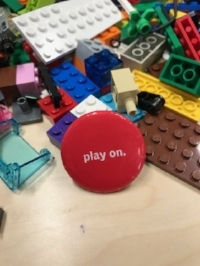
I attended a Leading SAFe (Scaled Agile Framework) class this week, and one of the training methods was to demonstrate team facilitation skills and exercises. One was Serious Play with Lego. Check out the link for the methodology.
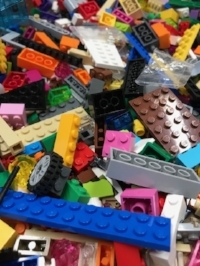
The Serious Play is a good technique for adult learners. It stimulates creativity and causes you to use both sides of your brain while you’re listening or thinking. As a writer, you can do these exercises when you’re plotting or trying to get out of a rut.
Legos/Building Blocks
When you’re brainstorming or plotting, pull out the building blocks and build. You don’t have to have a plan. Let your subconscious guide you. You’ll be surprised at the creativity it sparks.
PlayDoh or Modeling Clay
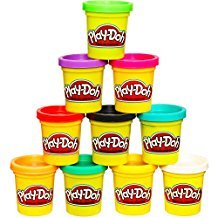
Back in my training years, I’ve used PlayDoh in classes to get people to use their tactile skills and to energize them to come up with new ideas. As a writer, if you’re stuck or need to work out a plot point, break out the PlayDoh. The smell will bring back lots of childhood memories.

Coloring
If you’re stuck, get out the crayons or colored pencils and color or draw. Studies have been done about the recognizable smell of crayons. The hand-eye work stimulates the creative regions of the brain and stimulates activity.
These are some fun ways that will bring back memories to get your creativity kick-started. What else would you add to my list?
October 5, 2018
Book Launch Ideas - Tips for Authors
Launching a book and planning your book birthday events are fun, exciting, and often overwhelming. These are suggestions that I’ve learned over the years:
Organization
Get organized. Create a four-month calendar (2 months before the date and 2 months after). Record all of your tasks and promotional events.
Make a list of all the places (physical and online) where you’d like to promote your book.
Be creative. Look at your list above and think of other options to add. For example, we had wine-themed anthology, so we looked for wineries, wine festivals, and wine shops that would host of us for book signings.
Tasks
Make a list of all the places you need to update with your book information (e.g. social media biographies, webpages, blog, Amazon author page, BookBub page, etc.).
Update your blog and website with your book information.
Order swag for events and give-aways. Make sure that what you order is easy to mail.
Send out press releases to your local media outlets. Don’t forget the weekly publications and the shopper give-aways.
Create a book information sheet with your synopsis, updated biography, social media links, and book links. Make sure you include this with all blog tours and interviews.
Create a page on your website for all of your books. Include a short summary and buy links for multiple outlets.
Look at your task list and add “tell everyone you know.” Don’t forget to submit your announcement to the member news sections of groups you belong to. Many groups have newsletters where they recognize accomplishments. I send all my releases to all my alumni newsletters.
Promotion
Contact all your writer friends who will help you promote your book on their blogs or newsletters. Schedule those on your calendar.
Decide how much and what you’re going to spend your marketing dollars on. What are you going to spend on pre-sales, launch events, and after-launch? Are you going to pay for blog tours, email blasts, or Facebook boosts?
Decide if you plan to host Facebook parties, Facebook takeovers, newsletter takeovers, or Twitter parties. You’ll need to schedule, plan, and recruit other authors to help with the promotion and give-aways. (Check out my past posts on Hosting Twitter and Facebook parties and Facebook Hops. They are fun, but they take a little bit of work to organize.)
I also look for volunteer or charity events for causes that I support. I often donate a prize and book basket for raffles or give-aways. And these are always stocked with book swag.
What else would you add to my list? It’s a time to celebrate your accomplishment!
September 28, 2018
Ideas - How to Keep Them Organized!

I have way more ideas for stories and characters than I can use at any one time. I used to jot them down on paper or sticky notes. I’d clip articles out of newspapers and magazines, so I had folders of ideas. But it became unruly quickly. Here’s how I keep it all organized and usable.
Electronic Links and Pictures: If it’s a picture, web page, or blog post, I have Pinterest boards to organize ideas. For example, I was researching vintage trailers and tiny houses for a WIP, so I built a Pinterest boards to keep my information in one place.
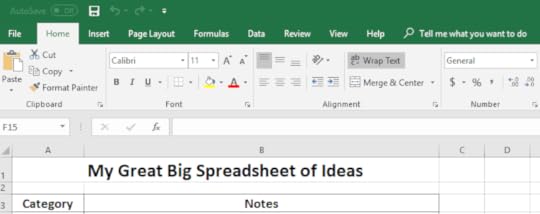
Single Spreadsheet: I finally created a single spreadsheet for all of the hundreds of sticky notes that were cluttering up my life. I created a column to tag each idea (e.g. character name, dialogue sample, story idea, etc.). That allows me to sort by the category when I’m looking for something specific. I also add notes if I’ve used the idea. I may still jot things on sticky notes or paper, but they now get transferred to the spreadsheet.
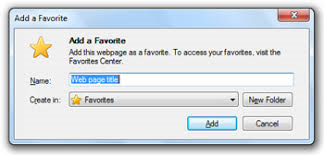
Web Favorites: If you mark favorites in your browser for websites, you may want to export it from time to time to ensure that you have a backup in case of a crash or device failure. (In Internet Explorer, locate your “Add to Favorites” button. Click the down arrow and select Import and Export. Follow the screens to export your favorites to a file.)

Character and Place Name Table: I also build a Word table for each series I write. Each book gets a column. I put basic information about each character and location. I track which books these appear in. When I’m done, I sort my list alphabetically, so I can make sure that I’m not reusing names or naming characters with similar names. This helps me keep the character details consistent in each book.
What other ideas would you add?
September 22, 2018
Why Writers Need a Facebook Author Page

I’ve heard from several writer friends that they don’t want to maintain another social media site. That’s valid. To do a good job, it takes time, but I’d argue that as a writer, you need this platform to promote your work. And here are my reasons for having a site (separate from your personal page).
There is a 5,000 connection limit on Facebook accounts. You could reach a ceiling and be limited.
Based on your number of followers on an author page, you have access to analytics that you don’t get on a personal page. I can see all kinds of demographic information such as visitor numbers, time visited, gender, age, country of origin, etc. These help you get a better picture of your followers. And you can target ads to your biggest audience at the day/time when they are most likely to visit.
Facebook lets you schedule posts on author pages.
You can boost posts or run ads on a Facebook author page.
These pages allow you to see the number of people who viewed or interacted with your posts. This gives you information about what is most popular and what your fans are interested in.
Make sure that you check Facebook’s terms of service regularly. There are limitations on selling items on your personal page. (Facebook’s terms change frequently. I check them before I do each promotion.)
My friends and family post on my personal page or tag me in photos. I have security settings on this site for what I share with the public. If you have these settings in place, you have to remember to loosen them if you are doing some kind of book or event promotion, or people are not able to share your post.
On an author page, you can add “buy my book” links. There are also plug-ins and apps that you can add to the page.
What would you add to the list?
September 14, 2018
What Advice Would You Give to a Younger You About The Writing Life?
What advice would you give to a younger you or someone who wants to be a writer? Here are my thoughts.
Don’t give up. If you want to be published, be persistent.
Work on your craft. You get better by writing and revising your drafts.
Stick with it. See a project through to a good solid draft.
Find a group of like-minded people. You need the support and guidance from other authors.
Don’t take yourself too seriously.
Learn from criticism, but don’t dwell on it. A bad review shouldn’t send you into a tail spin.
You are not in competition with other authors. You need to work to improve your skills.
Help others when you can.
Learn how to say no nicely. People will ask a lot of you. If you take on everything, you’ll stress yourself out.
Guard your writing time. Schedule it if you have to.
Find a good critique group or writing partner. You need a sounding board to read your drafts and to provide constructive feedback. Make sure everyone contributes.
Celebrate other’s successes. And celebrate your own. Writing is hard work.
September 7, 2018
Who is Your Target Audience? Analytics Tips for Authors

Who is your target audience? When I started writing my answer was, "Everyone who likes mysteries." That is a broad category. To be effective and to know your audience, you need to narrow that down a bit. You need data to see who your primary readers/followers are. And you can glean that information from your social media platforms. All of these bits of information will help you put together a picture of your readers and their likes.
How do you know who's interested in your type of book? You can use analytics and demographics from your followers.
Facebook - The amount of analytics you have access to on Facebook depends on the number of followers you have. Every time you reach a follower milestone, you'll be able to see more details. On your author page, click Insights. You will see information about page views and page likes. You can click on any of the information for more details like age, gender, and city/country of origin. This information helps you to target readers in certain age or gender groups.
Click on the Posts link to see how well your posts do. You can see the number of interactions, time of day when people visit your site, and which posts get the most/least attention. This will help you if you decide to do Facebook ads or boosts. This information helps you target the right groups and times for posts/ads.
Twitter - Twitter also has an Analytics link. There is a dashboard that will show you your top followers, top tweet, and number of follower mentions. If you click on the Follower Dashboard, you can see high level interests, occupations, buying styles, gender, and household income of your followers. It will also show you the top language. This gives you insight into who is following you and what type of tweets get the most attention.
Your Blog/Website - Check the analytics on your website. I get numbers on visits and comments. I also get yearly, monthly, weekly, or daily data about popular posts, who's visiting, what browser they use, and what country they are in. If you know when people visit your site, you can target posts on other platforms to drive traffic to your site. I get a lot of overnight visits when I'm sleeping. I use an app to schedule tweets in the early morning hours.
Goodreads - Use the information on your Goodreads author dashboard to view your followers. Each of your books has a wealth of statistics on the page. Also there is a link (far right) for See Top Shelves. This shows you who has saved your book and what keywords they used to find you. This is helpful if you're trying to build your keyword lists or to see how others view your book.
This is like an Easter egg hunt. Each site gives you different information that is often platform specific. But if you look at it holistically, you will get a better picture of your average reader. Mine is female between the ages of 35 and 65 from the United States, Canada, and Great Britain. It can also help when planning your marketing campaigns.
Best wishes with your writing and book marketing efforts. There are no hard and fast methods that work every single time, but your data will help you make decisions and provide you information on who's visiting your social media platforms.
August 31, 2018
Book Promotion Tips for Authors - What I Learned at JRW's The Writing Show
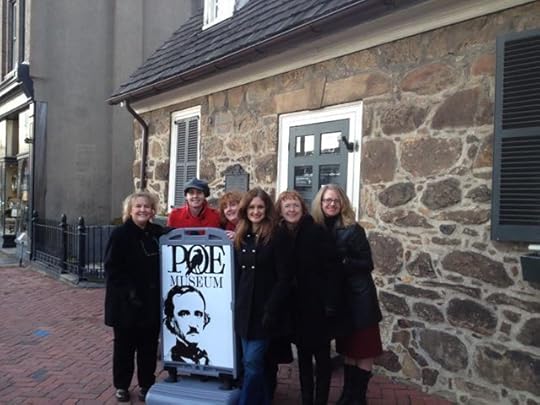
l-r Karen Chase, Sarah Lapallo Beck, Angela Dominguez, and Ellen Whitfield - James River Writers' "The Writing Show"
Recently, I attended James River Writer's "The Writing Show." The topic was Discoverability: Beyond Social Media with Sarah Lapallo Beck, Angela Dominguez, and Ellen Whitfield. Here are some of the things I learned about book and author promotion.
Being an author is a job, and you need to be professional.You need a unified presence (e.g. website, give-aways, blog, social media sites, etc.)Always do your research on agents, publishing firms, and those you hire to assist you with your book.Networking is key for authors. Go to conferences, book events, and join writers' groups.Newsletter swaps are a great (low cost) way to expand your audience. Find another author who does a newsletter, and be a guest or do a take-over of his/her newsletter. When you share, you introduce your book to new readers.We almost always think about editing and proofreading our work. Sometimes, we forget about our marketing materials and website. Make sure that your materials are as polished as they can be.As an author, you need a press or media kit.Make sure that you have a professional author photo (no selfies).Blog tours are a great way to get the word out about your book and you as an author.Make sure you have an elevator pitch for your book. Write it out and practice it. It needs to be a few sentences with a hook. Your goal is to create a connection and for people to want to buy your book. Practice delivering your pitch and find others who will critique it for you. Look at your promotional materials and social media sites.Find ways you can improve.If you're sending out advance reader copies (ARCs) for reviews, and they're ebooks, you may want to explore companies like NetGalley and BookFunnel.