Heather Weidner's Blog, page 84
August 31, 2019
Great Advice That I've Learned from Other Authors on My Writing Journey
I am extremely grateful for all the authors who have shared their ideas, advice, and successes with me through the years. It is so helpful as you begin or move along your writing journey. Here are some key items that I’ve learned.
When I’m working on a new novel, I plot out an simple outline. I learned from Donna Andrews to color-code the different kinds of action in your outline, so you can see it over the course of the book. For example, I mark all romantic elements with pink, humorous items are orange, clues are green, etc.
I learned from Mary Burton to keep a running list of over-used words. Add to it as you write, and then at the end of each revision cycle, search your document and remove the culprits. She also calls your first draft the “sloppy copy.” This isn’t “the end” of your project. It’s the beginning of the revision cycle.
I learned from the late Kathy Mix to keep a list of character names for each book. Her rule was to name each character with a different letter of the alphabet. If she already had a Krissy, then she couldn’t have another character whose first name started with a “K.” I build a chart of characters for my books in a series. I create a column for each book and update where the characters appear. I also create a list of key locations. I enter all the important facts, so I can keep track of the details.
Mary Miley gave me some great advice about honing dialogue. She recommends cutting out the unnecessary pleasantries and chitchat that don’t move your story forward.
Elaine Viets said to know your genre and who is publishing in it. Do your research and know the conventions.
Lynda Bishop, my long-term editor, recommends that authors keep a timeline for each book to make sure all events are in order and make sense. This helps with pacing.
In one of her talks, Tina Glasneck told the group to create a calendar for each book launch. Mine starts three months before the launch and runs three months after. Plan all events, interviews, blogs, and media campaigns.
Jane Friedman tells writers that their platform grows from their body of work. An author’s website and blog should be at the center of this. Also, the website and blog should be on the same site.
Frances Aylor and Alan Orloff gave me the best advice for writing. Butt glue (Frances) or BICFOK (Alan). They’re essentially the same. If you want to be a writer, put your Butt in the Chair and Fingers on the Keyboard.
What would you add to my list?


August 30, 2019
#ThisorThatThursday Author Interview with Samantha McGraw
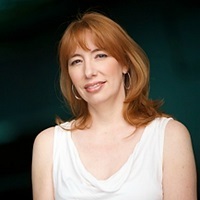
I’d like to welcome author and blogger, Samantha McGraw, to the blog!
A few of your favorite things: Almost any kind of tea (I love to try new ones!), Chocolate (Everyday!!), Cats (Strays know I’m a cat lover and always find their way to my doorstep.)
Things you need to throw out: Many people would say I have too many notebooks, colored pens, and books, but I say those people are crazy! My closet could use a good decluttering though.
Things you need for your writing sessions: Good lighting, quiet, a cup of tea, and a few Hershey’s Kisses.
Things that hamper your writing: A cluttered desk or a long to-do list that’s cluttering my mind.
Things you never want to run out of: Chocolate and Tea.
Things you wish you’d never bought: I seem to have an addiction to various kitchen gadgets that have only been used once, or never been used at all.
Favorite foods: Did I mention that I like chocolate? Any kind of cheese would be at the top of this list too. And if you’re a chocolate and cheese lover too – try a grilled cheese with brie and Nutella. You’ll thank me later.
Things that make you want to gag: I never liked fish. The taste and the smell are not appealing to me.
Favorite smell: I love citrus smells and fruity flowers. Honeysuckle is one of my favorite scents, it reminds me of my childhood at my grandparent’s house. I have a honeysuckle candle on my desk that I often light when I’m writing.
Something that makes you hold your nose: Bleach. I suffer from migraines from time-to-time and this smell is a trigger so I avoid using bleach whenever possible.
Something you’re really good at: Baking. I love trying new recipes and experimenting with new ideas.
Something you’re really bad at: Crafty DIY projects. I’m one of those Pinterest-fail people!
Last best thing you ate: While I’m sure I’ve had something marvelous since, this question takes my memory back to a few months ago on a girl’s trip to Wilmington, NC. We were blessed with discovering some of the best restaurants in town. Fabulous grilled cheese sandwiches, tapas, crepes, and homemade breads. It’s a good thing I don’t eat like that too often!
Last thing you regret eating: My husband offered me a bite of his dish when we were at a Chinese restaurant. I asked if it was spicy and he assured me it wasn’t. He lied!
Things to say to an author: Your story is a fabulous escape for me! I loved taking a trip into the world you created.
Things to say to an author if you want to be fictionally killed off in their next book: Your work reminds me of ______’s work, but their stories are a little better.
Favorite places you’ve been: Wilmington, NC, San Antonio, TX, Napa Valley, CA New York City
Places you never want to go to again: The Jersey Shore. It’s a lovely place to visit, but there are A LOT of bridges to cross in order to get there. Bridges are not my thing!
Favorite books (or genre): Mysteries, of course, and Thrillers, but those are also kind of mysterious. I occasionally enjoy Women’s Fiction too.
Books you wouldn’t buy: I’m not a big fan of history or autobiographies unless it’s someone I really admire.
The coolest person you’ve ever met: Hmm, there are a few. The coolest writers I’ve met are Sue Grafton and David Baldacci. I’m a big fan of both so that was pretty awesome. In a previous life, I was an event planner in Washington, D.C. and planned events that were attended by President Bill Clinton and Vice President Al Gore. I also planned a holiday party for Adrian Cronauer (of the Good Morning, Vietnam fame).
The celebrity who didn’t look like he/she did in pictures/video: I once met Steve Guttenberg and Quincy Jones at an inauguration party and didn’t recognize either one.
About Samantha:
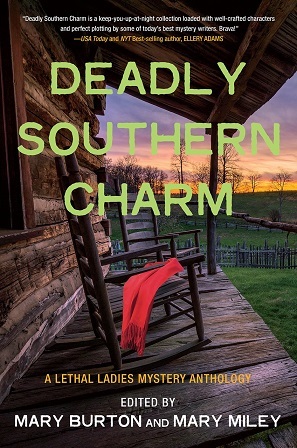
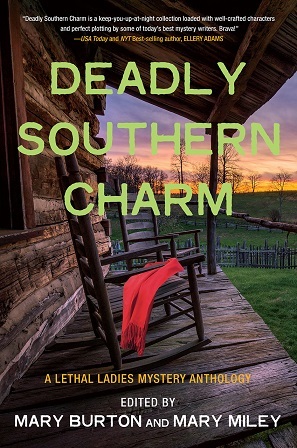
Samantha McGraw has a love of mysteries and afternoon tea. Her short story, “Deadly Devonshire,” can be found in the Deadly Southern Charm Anthology. She lives in Richmond with her husband and very spoiled fur baby.
Freelance Writer
Blogger on the award-winning Tea Cottage Mysteries
Contributing Author to Deadly Southern Charm
Contributor at Huffington Post
Let’s Be Social:
Blog: http://www.teacottagemysteries.com
Facebook: http://www.facebook.com/teacottagemysteries
Instagram: http://www.instagram.com/teacottagemysteries
August 24, 2019
Receiving Feedback on Your Work
Last week, I blogged about giving feedback to other writers. Today’s post is about receiving feedback and the myriad of emotions that pop up. It’s tough. You’ve worked really hard on your manuscript, and now someone is telling you there are problems or that they don’t like something.
You have to develop thick skin if you’re going to be an author. You will always have critiques, criticisms, reviews, and comments. It’s hard, but you need to be realistic (and not emotional) if you want to improve your writing. The GOALS are to get published and to sell books. To do that, you need to hone your craft.
When I come back from critique group or get editorial feedback on my work, I try to wait a day before making changes. That usually gives me time to get over whatever emotions spun up from my first reaction to the comments. Scream, holler, run a mile, eat chocolate, dance in the kitchen, practice boxing, or do whatever helps you get centered. Allow yourself a little bit of time for your pity party. Then, pull up your big-girl pants and get on with your writing career. You can be sad or angry for a bit, but don’t wallow in it. If you want to be published, you have work to do.
After I’ve given myself some time, I look at the comments and changes. Sometimes, they’re not as bad as first perceived. A lot of boo boos are easily fixed. I go through the document and decide what changes I need to make.
When reading feedback from critique group members or beta readers, I look at each comment. If one person didn’t like or get something, it may be an outlier. If the majority of the group had the same comment, I need to look at it.
You don’t have to accept every change that’s suggested. At the end of the day, you’re the writer, and it’s your story. You can often negotiate with editors and agents if you feel strongly about something that they’ve asked you to change, but be professional and leave emotions out of it when you approach them. And here’s the BUT — and it’s a big one… If the editor doesn’t budge, you may have to make a decision. Is the change worth fighting for?
I have been in several anthology projects where a new writer decided that he/she did not want the story edited AT ALL. The coordinator talked to them and explained the editing process that the group decided on was for a quality book (in this case, it was a three-level editing process). The publisher insisted that all stories would be edited. Two of the authors stood firm, and their stories were removed from the book. Decide what you can live with. Professional feedback is to make your work stronger and more marketable.
Everyone has ideas and opinions. And everyone will tell you about what they like and don’t like to your face and on social media. Don’t get in a confrontation or a social media war. Even if you delete posts and comments, they’re still out there somewhere in Internetland. It looks defensive and unprofessional when you start a shouting match. It is so easy to bang out a heated response to something, but don’t. It never helps, and it could damage your brand.
Getting feedback, especially early in your career is tough. If you want to be published, you have to be tenacious and always looking for ways to improve. Criticisms and critiques are a big part of this.
#ThisorThatThursday Author Interview with Kristin Kisska
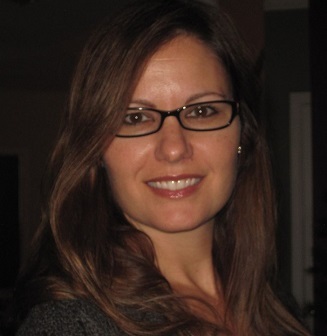
I’d like to welcome author, Kristin Kisska, to the blog for #ThisorThatThursday!
A few of your favorite things: I am a beach girl at heart. I love cats, bookstores, coffee, spring flowers, and Chanel No. 19 perfume.
Things you need to throw out: My college textbooks. Someday I’ll get around to organizing my attic. Maybe in a decade or two.
Things you need for your writing sessions: Complete quiet. No music. Oh, and I need coffee, too.
Things that hamper your writing: Humans breathing near my writer’s cave. I also have a pesky habit of checking Twitter when my creative wave runs dry.
Things you love about writing: Riding a wave of creativity. Every once in a while, one of my characters will do or say something I hadn’t plotted, and it’ll change the course of my story. I love being surprised, even if it means I have more work to do!
Things you hate about writing: Every time I type the words “The End.” It’s a tease. I can celebrate for completing the first draft, but the next step in the process is to revise the story again. And again. And again.
Hardest thing about being a writer: Staring at a blank page wondering how to start a story. That first sentence pulls a lot of weight and can be crazy-intimidating. Also, I harbor an inner fear that someday I’ll run out of story ideas, so I keep a running list of random concepts as they pop into my head.
Easiest thing about being a writer: Spending time in a fictional world that I’ve created, with characters I love. The feeling doesn’t get old!
Things you never want to run out of: Highlighters in all colors. I’m a huge fan of the “rainbow editing” technique, so I use them to help me revise my stories. Unfortunately, they tend to run dry faster than I like, so I stock up whenever I see them on sale. Back to school shopping season is a good thing!
Things you wish you’d never bought: Pens. I placed a large order of purple-ink pens to hand out at my book signing events. The first batch I received had black ink. I contacted the manufacturer and offered to return them in exchange for the correct color, but they told me to keep the bad order and sent me the new ones. Now I have hundreds and hundreds of pens.
Favorite music or song: I’m a big 90s music fan, so I’m waiting for the 80s craze to fade out. One of my favorite songs from the era is “Hey Jealousy” by the Gin Blossoms.
Music that drives you crazy: Rap music.
Favorite beverage: Coffee (I take mine with cream, no sugar)
Something that gives you a sour face: Sweet tea. I enjoy iced tea, but if it’s sweet, I go running the other direction. By admitting this publicly, I risk getting evicted from Virginia.
Things to say to an author: “I loved your story, especially the twist at the end.”
Things to say to an author if you want to be fictionally killed off in their next book: “When is the action going to start?”
Favorite places you’ve been: Savannah, Georgia. Destin, Florida. Prague, Czech Republic. Venice, Italy. Exuma, Bahamas. Sydney, Australia. Bali, Indonesia. (in no particular order)
Places you never want to go to again: Charleston, West Virginia.
Favorite books (or genre): I love domestic suspense, especially if it’s Southern fiction. Right now, I’m reading WHERE THE CRAWDADS SING. I also love anything written by Mary Kubica.
Books you wouldn’t buy: Science fiction. While I enjoy watching it in the movies, reading it doesn’t interest me.
Most daring thing you’ve ever done: In my 20s, I bought a one-way ticket to Prague. I didn’t speak the language, and my parents tried to talk me out of going, but I found a job and an apartment and lived there for three years.
Something you chickened out from doing: Sky diving. Never will I ever.
About Kristin:
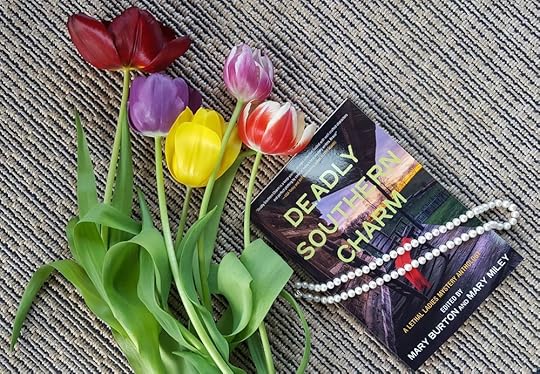
Kristin Kisska used to be a finance geek, complete with MBA and Wall Street pedigree, but now she is a self-proclaimed fictionista. Kristin contributed short stories of mystery and suspense to seven anthologies, including DEADLY SOUTHERN CHARM (2019). She is a member of International Thriller Writers, Vice President of Sisters in Crime-Central Virginia, and James River Writers. When not writing, she can be found on her website~ KristinKisska.com, on Facebook at KristinKisskaAuthor, and Tweeting @KKMHOO. Kristin lives in Virginia with her husband and three children.
Let’s Be Social:
Website - www.KristinKisska.com
Twitter - @KKMHOO
Facebook - KristinKisskaAuthor
August 23, 2019
Critiquing Others' Work

I’ve been a manager, a college instructor, and an editor at my day gigs for a lot of years, and feedback seems to be an hourly thing in those worlds. There’s an art and a science to reviewing and critiquing another writer’s work.
Here’s what I’ve learned.
Their manuscript is their baby. They have spent hours, days, weeks, and years on this, and no one wants to hear you call their baby ugly. Feedback often triggers emotional responses. I try to do the “sandwich” method. Mention something positive or something you like. Then discuss the problem areas, and then sandwich it in with another something positive.
I try to add comments throughout the work when I think word choice is good, when something is funny, or when there’s good tension. This way not all the red marks are of the “you did this wrong” variety.
If it’s a spelling or grammatical error, I mark it. If it’s a subjective thing, I try to state how it made me feel or what I interpreted. That way, it’s one reader’s opinion, and not a pronouncement on the person’s abilities or character. It’s the reader’s opinion of the work.
At work, I used different colored pens if I’m editing on paper. Nobody likes getting a document back that looks like a bloodbath of red ink. Sometimes, that can’t be helped with electronic editing. One of my critique group members uses the highlighter feature in Word instead of track changes. She picks colors for different thing like yellow is a problem, pink is something funny, and blue is something she really likes. That way, my page looks like a rainbow instead of thousands of little comments in the right margin.
As an author, if you want all warm and fuzzy comments, let a family member read your work. That is always good for the ego, but you need to build a network of other writers and super readers who know your genre and who will be brutally honest. They can find plotholes, story issues, and redundancies. They will tell you when it’s boring or when you’ve gone down a rabbit hole. I appreciate it when my critique partners and beta readers point out things.
I try not to give feedback when I’m tired or stressed out. I don’t want my mood to jade my comments.
If someone has a reoccurring problem, I’ll make a note the first time. Then I will highlight it if I see it again (and again and again). Examples of this are misspellings and overused words.
When I finish a critique of someone’s work, I always send a note along with my notes and suggested changes. (At critique group, we do this face to face.) I do a little summary of what I like, what works for the story, and the highlights.
Your time is valuable, and you should be writing your next book. I always like to help authors where and when I can. But time is limited. Occasionally, I have to say no or not right now because of other commitments. Sometimes, there’s a compromise like critiquing a few chapters or the first fifty pages.
And what do you do if you read something that you think is just terrible? I have stopped reading before. And I tell them why. Usually, it’s because they’re not sure what their story is … it’s a romantic science fiction piece set in the American West with aliens and a touch of dystopia, vampires, and time travel with cats, suspense, and a main character with amnesia. I prefer to read mysteries and thrillers. I tell people up front that I don’t know other genres as well, and I probably wouldn’t be able to give them the critique they need on the conventions of their genre. And other times it’s because the work really isn’t ready. My friend, Mary Burton, calls your first draft the sloppy copy. That’s the one you need to work on and polish before you get to the editing and critiquing stages.
August 16, 2019
Social Media and Book Promo No Nos
We all want to promote our work and events, and social media offers us lots of opportunities. Here are some things you should avoid.
Don’t be a leech. If another writer is promoting her work, having an event, or doing a cover reveal, don’t hijack the comments to promote your stuff. I am a part of several anthologies, and we’ve had people tag on to our promotions with comments like, “Hey, if you like this, you’ll love my book at this link.” That’s a quick way to offend others and get your comment deleted.
Automatic messages are annoying when you get so many of them. I’m not sure that unsolicited ones are effective. These are canned and impersonal. Be social. Chat and share posts. Don’t depend on an automated email to build your audience or sell books.
Be creative with your social media posts. Show interesting things and your sense of humor. All of your posts shouldn’t be “buy my book” or “like my page.” If you have hobbies, pets, or visit cool places, incorporate those into your posts.
Don’t spend all of your time on your sites marketing your stuff. These platforms are for social interaction. You need to like, comment, and share others’ posts.
We all need beta readers, forewords, reviews, and blurbs. Make sure you have a relationship with other authors before you make requests. You need a peer group that you can seek help from. I’ve had complete strangers from other genres ask for a review or a blurb and then put demands on it. Be polite. You’re asking a favor. Ask for help and make it easy if you want something from somebody. (When they agree, I always send a synopsis and short bio to help them with titles and character names.) Also, give them as much lead time as possible. Everybody has his/her own deadlines.
Authors and bloggers are busy. Don’t ask people out of the blue to read your 200,000 word manuscript unless they extend the offer to you. I love to help other authors, but I have to guard my writing/editing time, too. I joined a critique group and have beta reader partners. We all agree to read and provide feedback on each others’ work. They also understand my genre, so they know the conventions. Find a critique group or partner to exchange manuscripts. Many times, you can participate in writing workshops that include feedback sessions.
if you’re looking for reviews and you’re targeting book bloggers, read their reviews and look at their site. Make sure your book fits the site. Many post genres that they are interested in and their requirements. Some put out calls and other don’t accept unsolicited requests. Follow instructions. You’ll have more success.
Use book events, workshops, and conferences as opportunities to network. If you take pictures or do a post, make sure to tag that person. Also, later if you do want to contact them for some reason, you have a relationship.
What would you add to my list? What are some of your social media pet peeves?
August 14, 2019
#ThisorThatThursday Interview with Debbie De Louise
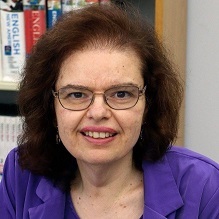
I’d like to welcome author and librarian, Debbie De Louise, to the blog this week for #ThisorThatThursday.
A few of your favorite things: Cats, Black Forest Cake, Scent of Lilacs
Things you need to throw out: All my daughter’s old art and school projects except for some of the special ones.
Things you need for your writing sessions: Quiet, Computer
Things that hamper your writing: Cats, Lack of Time, Full-time Job
Things you love about writing: Creating characters and plots
Things you hate about writing: Selling my work to editors, agents, and readers
Favorite foods: Dark chocolate, Black Forest Cake, Rigatoni in Pink sauce
Things that make you want to gag: Sushi, Olives, raw meat
Something you’re really good at: Writing
Something you’re really bad at: Math
Things you’d walk a mile for: dark chocolate covered cherries
Things that make you want to run screaming from the room: A Bee
Things you always put in your books: Cats or pets
Things you never put in your books: Explicit sex or violence
Things to say to an author: I bought your book, loved it and wrote a 5-star review. Can you sign it for me?Things to say to an author if you want to be fictionally killed off in their next book: Can I have a free, autographed copy of your book?
Favorite books (or genre): Mysteries
Books you wouldn’t buy: Chick-lit Romances
Things that make you happy: Cats, Chocolate, Books
Things that drive you crazy: People who are always late, People who don’t like cats, Keeping track of email and social media
About Debbie:
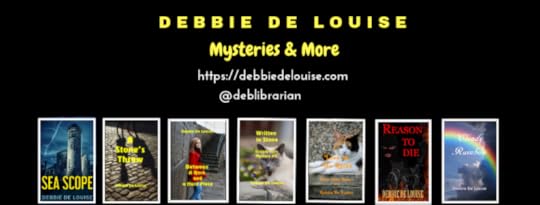
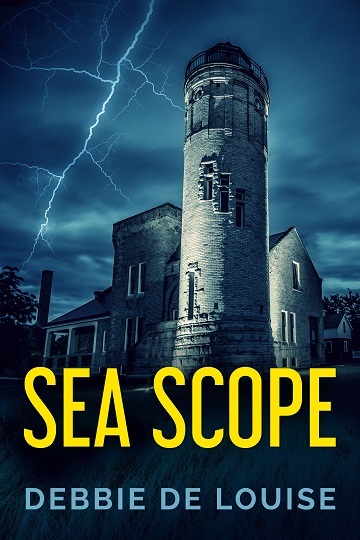
Debbie De Louise is a reference librarian at a public library. She’s a member of Sisters-in-Crime, International Thriller Writers, Long Island Authors Group, and the Cat Writer’s Association. Her novels include the four books of the Cobble Cove mystery series: A Stone’s Throw, Between a Rock and a Hard Place, Written in Stone, and Love on the Rocks. Debbie has also written a romantic comedy novella, When Jack Trumps Ace, a paranormal romance, Cloudy Rainbow, and two standalone mysteries, Reason to Die, and her latest release, Sea Scope. She lives on Long Island with her husband, daughter, and three cats.
Let’s Be Social:
Facebook: https://www.facebook.com/debbie.delouise.author/
Twitter: https://twitter.com/Deblibrarian
Goodreads: https://www.goodreads.com/author/show/2750133.Debbie_De_Louise
Amazon Author Page: http://amzn.to/2bIHdaQ
Bookbub: https://www.bookbub.com/profile/debbie-de-louise
Website/Blog/Newsletter Sign-Up: https://debbiedelouise.com
August 8, 2019
11 Things That Drive Readers and Editors Crazy (And Not in a Good Way)
I’ve been doing a lot of self-editing lately. It’s funny how you can see problems in other peoples’ stories, but they’re not always apparent in your own. I appreciate feedback from editors, beta readers, and critique group members that help me catch some of the boo boos as I polish my WIPs. These pet peeves can be a turn off for readers.
Editors always warn writers about “showing” not “telling.” They’re right. Readers prefer to see and interpret narrative and dialogue and not to get a play-by-play report like a newscast.
Backstory is good and helpful in small doses. Please sprinkle it in throughout the work. Don’t do paragraph after paragraph of data dumps about a character’s past. Too much information!
Sometimes, it’s necessary to have different points of view, and skilled authors do this very well. (Thriller/suspense writers are really good at this.) Typically in mysteries, the story is told from one point of view. When you hop around from different characters, it confuses the reader and breaks the flow of the story. And beginning writers who write in first person (I/me), often switch to another character or show something that happens that the protagonist isn’t privy too. That doesn’t work with first person.
Introduce your characters and mix in what they look like. I’ve found that new writers tend to do a dump of several paragraphs of description every time there is a new character. Your writing reads like a police report or a list of facts when you do this.
Not every piece of dialogue needs a tag or attribute (e.g. “he said,” “she said). One of my editors calls this “talking head syndrome.” If you’ve made it clear in the paragraph who is speaking, you don’t need the tag.
While not every piece of dialogue needs a tag/attribute, make sure that you don’t go for pages and not identify any of the speakers. If there are only two people, the reader assumes that it’s a back and forth, but if you have multiples, you need to give the reader clues. The reader wants to know who is speaking.
Read your dialogue out lout. Delete all the chitchat that doesn’t move your story forward. I know; it’s hard. I’m southern, and I like to say please and thank you a lot. The mundane needs to go.
People do not talk in complete or formal sentences. It’s okay to have phrases and slang in dialogue. That’s the way people communicate. (I had a person in my critique group once who wanted all the sentences to be complete and proper. This doesn’t always work for the speaking parts.)
Writers often want to make sure that the reader understands what’s mentioned in dialogue by adding details about the characters, but sometimes this leads to you stating the obvious. Example: If two sisters were talking, and you bring up another character in dialogue that they both know from childhood, you don’t have to put in all the details to explain who the person is. You can sprinkle in facts in the conversation. The characters should know that Bob is their uncle.
When you are at the editing/revising stage of your project, go back and look at the closing sentence of each chapter. Make sure they are compelling enough to keep the reader reading. Beginning writers like to wrap up things neatly at the end of the chapter. You want your reader to read past her bedtime. Don’t give the reader a convenient place to put a bookmark.
Know what your crutch words are. These are the words and phrases that you use over and over, and often you don’t realize it. I make a list, and then when I’m editing, I go through in search and destroy mode to get rid of them.
What else would you add to my list? What drives you crazy as a reader?
August 4, 2019
#ThisorThatThursday Interview with Author Amy Reade
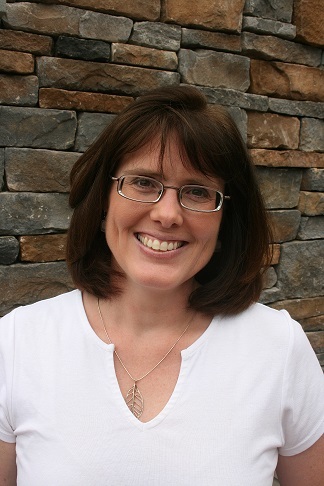
I’d like to welcome author Amy Reade to the blog this week, and I’m so excited that I get to see her in person at the Suffolk Mystery Authors Festival this weekend!
Here’s Amy’s interview…
A few of your favorite things: Cheese, wine, and maple syrup.
Things you need to throw out: So. Much. Stuff…in my attic, from the antique child’s potty chair I planned to use as a planter to the eleven hundred charging cords that don’t match any electronics we have.
Things you need for your writing sessions: Either silence or instrumental music/ambient sounds, depending on what I’m writing.
Things that hamper your writing: Noise and being exhausted.
Hardest thing about being a writer: The soggy middle.
Easiest thing about being a writer: The beginning and the end.
Things you never want to run out of: Enthusiasm and books.
Things you wish you’d never bought: A Hawaiian blouse reminiscent of Carmen Miranda.
Favorite music or song: At the moment, Vintage Italia by Putumayo and the soundtrack to “Outlander.”
Music that drives you crazy: Rap and hip-hop.
Last best thing you ate: A cheese stick.
Last thing you regret eating: The carrot cake at a restaurant last night. They didn’t even use cream cheese frosting. Who does that??
Things you’d walk a mile for: My dog.
Things that make you want to run screaming from the room: Rap and hip-hop.
Things you always put in your books: Mystery.
Things you never put in your books: Sex.
Things to say to an author: “We’d like to put your book on the big screen.”
Things to say to an author if you want to be fictionally killed off in their next book: “I don’t read genre fiction.”
Favorite places you’ve been: Scotland, Hawaii, and the Thousand Islands.
Places you never want to go to again: A rib joint in New York City where the waiter was drunk and ate our onion appetizer on the way to the table.
Favorite books (or genre): Mysteries
Books you wouldn’t buy: There are no books I would categorically not buy, but I will say this—I haven’t bought Marie Kondo’s book about sparking joy.
The nicest thing a reader said to you: “You write just like Victoria Holt.”
The craziest thing a reader said to you: “I killed someone and I think you and I should write a book about it.” This person showed up at my front door after finding my address in a local business’s client database (his wife worked for the business; we don’t use them anymore). This is why I have a big dog.
About Amy:
Amy M. Reade is a recovering attorney who discovered, quite by accident, a passion for fiction writing. She has penned nine mysteries and is working on two more, plus a Cape May County historical mystery series. She writes in the Gothic, traditional, contemporary, and cozy mystery subgenres and looks forward to continuing the two series she has begun since December, 2018. She also loves to read, cook, and travel.
She is the USA Today and Wall Street Journal bestselling author of Secrets of Hallstead House, The Ghosts of Peppernell Manor, House of the Hanging Jade, the Malice series, the Juniper Junction Holiday Mystery series, and the Libraries of the World Mystery series.
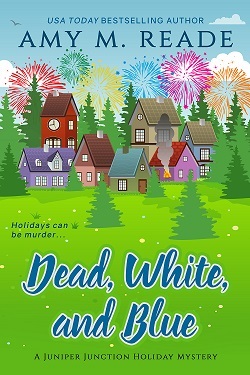
Her most recent work is Dead, White, and Blue, Book Two in the Juniper Junction Holiday Mystery series.
Let’s Be Social:
Website: www.amymreade.com
Facebook: www.facebook.com/amreadeauthor
Facebook: www.facebook.com/groups/AmyMReadesGothicFictionFans
Twitter: www.twitter.com/readeandwrite
Pinterest: www.pinterest.com/amreade
Instagram: www.instagram.com/amymreade
Amazon Author Page: https://www.amazon.com/Amy-M.-Reade/e/B00LX6ASF2/ref=ntt_dp_epwbk_0
Goodreads Page: https://www.goodreads.com/author/show/8189243.Amy_M_Reade
BookBub Page: https://www.bookbub.com/profile/amy-m-reade
August 2, 2019
When Fiction Becomes Reality...

I’m often asked by readers if I base my stories or characters on real events or people. I do. I write where I know. All of my stories are set in Virginia. I’ve lived in the Commonwealth all my life, and I want to share it’s beauty and history.
My characters that are based on real people tend to be mash ups of several different people. My friends and coworkers often find things they’ve said in a book or story. I’m always taking notes. I never base villains or killers on real people. I don’t use real places if a horrible crime takes place there.
But, I’ve also had the opposite happen, and it’s very interesting and often surprising. I’ve written about characters and situations that have come true or that turned out to be real. And I didn’t know they were real. We just finished watching the three seasons of “Stranger Things,” and when I found out about these surprises, I felt like I was in the UpsideDown.
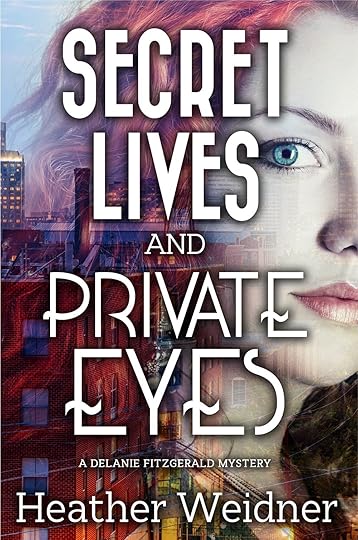
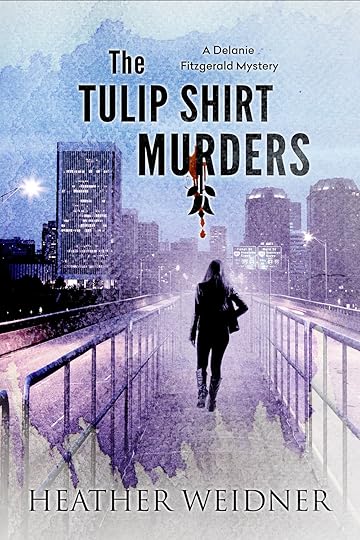
In my Delanie Fitzgerald mysteries, Chaz Smith’s lawyer is named Rick Dixon. One morning, I was driving down the road, and a local business owner came on the radio with an advertisement for his services. I did a doubletake when I heard the name.
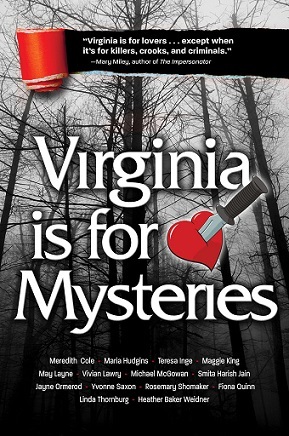
I also had a reader contact me about one of my characters in “Washed up” in Virginia is for Mysteries. The character was named Roy Brown. She said she had to tell me that that was her husband’s name.
Also in “Washed up,” I loosely based the restaurant/bar on one that was at Chicks Beach at the mouth of the Chesapeake Bay in Virginia Beach. When I used to hang out there in the 70s and 80s, it was a snack bar with a deck. Later it became a restaurant. In the story, the characters create a mystery to help save the financially strapped business from going under. The story was published in 2014, and I found out shortly after that that the real restaurant had closed because of bankruptcy.
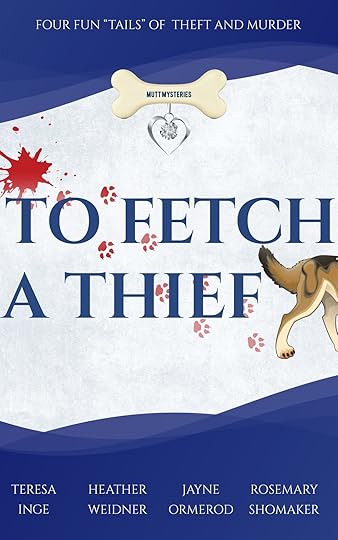
In “Diggin’ up Dirt” in To Fetch a Thief, I wrote about a couple who moved into their new house and found all kinds of things that had been left in strange places. We recently moved, and we found some interesting things that had been left (most were DIY projects gone bad). Thankfully, we didn’t find what the characters in “Diggin’ up Dirt” found in their backyard. The little dog Darby is based in my Jack Russell Terrier, Disney.
I got an odd, woo-woo feeling when I found out about the real situations, but it’s fun to find out fiction isn’t that far from reality.