Eliot Peper's Blog, page 26
June 23, 2014
Paperbacks and Proofreaders
Uncommon Stock
launches in paperback! We had to leap over a number of hurdles to get it out the door: beleaguered type-setters, troublesome printing companies, a little retailer known as Amazon, etc. But it's finally here and I'm thrilled to actually be holding the book in my hands, big thanks to FG Press for making it happen. Don't get me wrong, I love ereaders and I think the digital format is great. But there's something really special about holding a physical book. All those trees didn't die in vain.
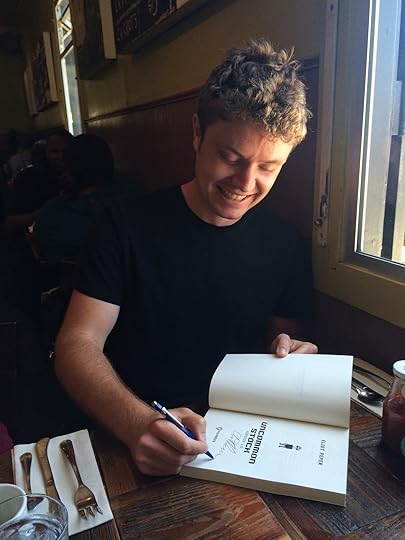 Signing the very first proof from the printer.Launching the paperback is the perfect opportunity to close out the Editing a Novel Series. All you would be authors out there now have a complete overview of the editorial lifecycle from first draft to launch day. Well, "complete" may be an overstatement but hopefully you can learn from how I bumbled through the process.
Here's your guide to the Editing a Novel Series:
Beta Readers. These friendly folks are your first defense against sucking. They triage your manuscript for big flaws and help you find your blind spots. Treat them well and you'll learn a lot.
Developmental Editing. After your beta readers have chewed up your writing and spit it back out, it's time to engage a kickass developmental editor. They will help you improve the structure, balance, and pacing of your story (fiction or nonfiction). I found the process invaluable.
Copy Editing. You simply can't do without a good copy editor. They take a manuscript and turn it into something readers might actually enjoy. Em-dashes, serial commas, consistent dialog tags, there are countless details that we take for granted when reading a book that we're not even consciously aware of. Don't you dare skimp on copy editing if you expect others to read your upcoming book.
Once you're done with copy editing, your manuscript is almost ready for game time. You probably already have your cover design in hand. You're working on setting up your different distribution channels. Maybe you're sending off a few preliminary review copies. The end is in sight. More realistically, the beginning is in sight if you're hoping to build a career as a writer!
But nothing will throw off your launch day like someone pointing out that your story starts, "Once upon a dime..." or "In tje beginning..." It can get much worse than that. The 1632 edition of the King James Bible missed a critical word in the 7th commandment and read, "Thou shalt commit adultery."
That's why you need a proofreader. Good proof readers are obsessively meticulous folks who will tease out dozens of errors that you never knew existed even though you've been through the manuscript 657 times. It pays to sweat the small stuff. No reader wants to break their suspension of disbelief because of a goofy formatting mistake. Those are the easiest things to fix and they make an unduly large impact on how easy it is to enjoy your book.
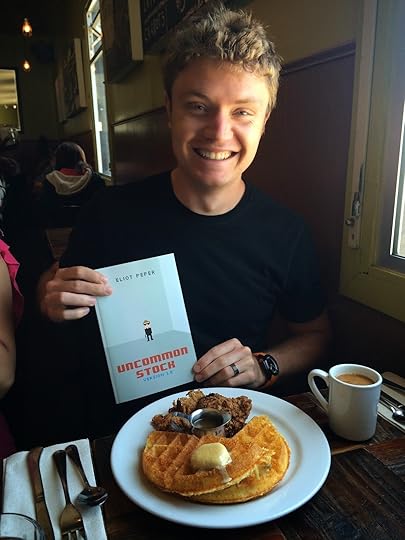 Fried chicken and waffles... and books!It should be as easy as possible to enjoy your book. Thousands of titles are released every day and readers have limited time and an impossibly large pool of books to choose from. My goal is to delight my readers (i.e. you) in every way I can think of and make their day as often as possible. That includes checking for spelling errors.
But you want to know a little secret? Even the best proofreader will inevitably miss things. Once Uncommon Stock was released, readers immediately began reaching out to me with corrections. For example, a carabiner is a rock climbing device but a carabineer is a calvary soldier. Oh, and the colorful row houses you see en route to San Francisco from the airport are not Victorians.
Books are living things and we plan to make constant updates to Uncommon Stock with corrections and more. You guys are as much a part of the process of crafting it into the best story it can be as any professional editor.
So when you turn the last page of the beautiful new paperback, reach out and let me know all the little tidbits you find along the way and share your thoughts on the book in an Amazon review. There is always opportunity for improvement and you guys are the people I'm writing for.
 Signing the very first proof from the printer.Launching the paperback is the perfect opportunity to close out the Editing a Novel Series. All you would be authors out there now have a complete overview of the editorial lifecycle from first draft to launch day. Well, "complete" may be an overstatement but hopefully you can learn from how I bumbled through the process.
Here's your guide to the Editing a Novel Series:
Beta Readers. These friendly folks are your first defense against sucking. They triage your manuscript for big flaws and help you find your blind spots. Treat them well and you'll learn a lot.
Developmental Editing. After your beta readers have chewed up your writing and spit it back out, it's time to engage a kickass developmental editor. They will help you improve the structure, balance, and pacing of your story (fiction or nonfiction). I found the process invaluable.
Copy Editing. You simply can't do without a good copy editor. They take a manuscript and turn it into something readers might actually enjoy. Em-dashes, serial commas, consistent dialog tags, there are countless details that we take for granted when reading a book that we're not even consciously aware of. Don't you dare skimp on copy editing if you expect others to read your upcoming book.
Once you're done with copy editing, your manuscript is almost ready for game time. You probably already have your cover design in hand. You're working on setting up your different distribution channels. Maybe you're sending off a few preliminary review copies. The end is in sight. More realistically, the beginning is in sight if you're hoping to build a career as a writer!
But nothing will throw off your launch day like someone pointing out that your story starts, "Once upon a dime..." or "In tje beginning..." It can get much worse than that. The 1632 edition of the King James Bible missed a critical word in the 7th commandment and read, "Thou shalt commit adultery."
That's why you need a proofreader. Good proof readers are obsessively meticulous folks who will tease out dozens of errors that you never knew existed even though you've been through the manuscript 657 times. It pays to sweat the small stuff. No reader wants to break their suspension of disbelief because of a goofy formatting mistake. Those are the easiest things to fix and they make an unduly large impact on how easy it is to enjoy your book.
 Fried chicken and waffles... and books!It should be as easy as possible to enjoy your book. Thousands of titles are released every day and readers have limited time and an impossibly large pool of books to choose from. My goal is to delight my readers (i.e. you) in every way I can think of and make their day as often as possible. That includes checking for spelling errors.
But you want to know a little secret? Even the best proofreader will inevitably miss things. Once Uncommon Stock was released, readers immediately began reaching out to me with corrections. For example, a carabiner is a rock climbing device but a carabineer is a calvary soldier. Oh, and the colorful row houses you see en route to San Francisco from the airport are not Victorians.
Books are living things and we plan to make constant updates to Uncommon Stock with corrections and more. You guys are as much a part of the process of crafting it into the best story it can be as any professional editor.
So when you turn the last page of the beautiful new paperback, reach out and let me know all the little tidbits you find along the way and share your thoughts on the book in an Amazon review. There is always opportunity for improvement and you guys are the people I'm writing for.


May 30, 2014
How to kill a dragon
Last month my friend Brian hung himself from a tree on a beach in Hawaii. His best friend called to relay the news and suddenly I felt empty. Not a Nirvana kind of emptiness. Not at all. The news simply gave my emotions the excuse they needed to flee into whatever compartment they keep ready for times like this.
Brian and I met in grad school so I passed the news along to our program and to many of the alumni who knew him. I was surprised by some of the responses. Some broke down into tears, some denied that this could be true and questioned my source, some were enraged because Brian hadn't reached out to them for support. Everyone reacts in their own way.
Those in denial had reason to be. Brian excelled. He was an academic star, travelled the world, had a packed social life, and was doing exciting research on the impact of technology on women in the developing world. We spent many happy days hiking and rock climbing together. To all appearances, he was healthy, hearty, and happy. Who would believe he could kill himself?
Those that were angry had reason to be. His suicide didn't just leave behind distraught friends. He was a father figure to his two younger siblings (18 and 20 years old) and now they are essentially left to fend for themselves. Even if he was unhappy, how could he leave them on their own?
Those that broke down had reason to as well. Brian survived a difficult childhood and raised his siblings. Their mom died a few years ago from an aggressive form of blood cancer. His dad was never in the picture. The detectives in Hawaii turned over his journals after his death. They reveal that although Brian was outwardly happy, inside he was tormented beyond belief with paranoia, fear, and self-doubt.
The first half of 2014 has been a whirlwind. We heard about Brian the day after returning from a wonderful wedding of two close friends in Mexico. Drea ramped into her new job in San Francisco. We bought, renovated, and moved into a house in Oakland. I released my first novel. Our dear friend's visa was revoked because of a careless mistake by her employer, risking the loss of years of advanced genetics research. Her friend's toddler developed blood cancer. One of the companies I advise raised a successful Series B financing round. The tragic shooting at UCSB (my alma mater) shocked the world. I discovered the joy of roasting my own coffee. A close friend and mentor was diagnosed with brain cancer and had to get surgery immediately. I married the love of my life, Drea, last weekend in a redwood grove.
We've heard similar stories from many others. Hell, our friend who's an accomplished therapist said that for the first time in her life she's been talking to yoga teachers whose students blow up and throw chairs at them!
I'm not sure what's in the air but I do know what it means: this is the season of being there for each other. Drea and I recently went hiking on one of the trails we had conquered with Brian months before. More than anything else, his suicide was confusing. Why would he have gone to such an extreme? What could be done to help prevent future tragedies? We discussed the dire state of our nation's mental health system and any other take-aways we could work out.
The stigma around depression is insidious. Depression is so difficult to wrestle with because it blurs the lines between temporary mood and chronic illness, it makes friends uncomfortable and frustrates confidantes, it makes those who suffer self-conscious about telling others about it. I told Drea about how I had been moved by Brad Feld's candid writing on his own struggles with depression. By sharing the struggle with family, friends, and the public, this kind of transparency empowers others to open up about their own issues. Honesty takes serious guts. Overcoming the emotional barriers to admit and explore something that's taboo is inspiring.
Our close friend Derek told us a story last week. His six year old grandson was visiting and they were exploring the basement together. He pointed to the door on the left, "What's in there grandpa?"
"Lot's of canned foods and supplies for the kitchen," said Derek.
The grandson pointed to the door ahead of them, "What's in there grandpa?"
"Oh, those are all your grandmothers files, nothing too exciting," said Derek.
The grandson pointed to the door on the right, "What's in there grandpa?"
"I don't know," responded Derek, entirely truthfully. "I have no idea. Maybe dragons?"
"Dragons!" said the grandson, eyes lighting up. "Get me a broomstick!"
"What?"
"A broomstick!"
After a quick search, Derek returned with a broomstick and handed it to the grandson.
"What are you going to do?" asked Derek.
"You're going to open the door," said the grandson. "And then I'll run in there and see what happens. Okay, go!"
Derek complied and the grandson rushed headlong into the dark room, smashing everything right and left. After a few seconds of commotion, grandpa hit the light switch, hoping that nothing too valuable or dangerous had been shattered. The light revealed the grandson stomping his foot into the floor with enthusiasm.
"What are you doing?" asked Derek.
"I'm killing the dragon, grandpa!" he said.
"But I don't see it," said Derek.
"You're silly, grandpa," said the grandson. "Don't you know how to kill dragons? If you run away from them they get bigger and bigger and you'll never escape. But if you charge them right away and face them down they get smaller and smaller until they disappear. I just squished it."
Brian's suicide shook us to our core. The Great Whirlwind of 2014 swept us off our feet. But everything that's happened this year, good and bad, has highlighted one thing: the most important thing is to be there for our loved ones. In the wake of Brian's death, an incredible community has emerged sharing stories, pictures, and help. We put together a GoFundMe fund to support his siblings and celebrate his life (all contributions are deeply appreciated). With honesty in our hearts and friends at our sides, we are all equipped to face down the dragon.
Brian and I met in grad school so I passed the news along to our program and to many of the alumni who knew him. I was surprised by some of the responses. Some broke down into tears, some denied that this could be true and questioned my source, some were enraged because Brian hadn't reached out to them for support. Everyone reacts in their own way.
Those in denial had reason to be. Brian excelled. He was an academic star, travelled the world, had a packed social life, and was doing exciting research on the impact of technology on women in the developing world. We spent many happy days hiking and rock climbing together. To all appearances, he was healthy, hearty, and happy. Who would believe he could kill himself?
Those that were angry had reason to be. His suicide didn't just leave behind distraught friends. He was a father figure to his two younger siblings (18 and 20 years old) and now they are essentially left to fend for themselves. Even if he was unhappy, how could he leave them on their own?
Those that broke down had reason to as well. Brian survived a difficult childhood and raised his siblings. Their mom died a few years ago from an aggressive form of blood cancer. His dad was never in the picture. The detectives in Hawaii turned over his journals after his death. They reveal that although Brian was outwardly happy, inside he was tormented beyond belief with paranoia, fear, and self-doubt.
The first half of 2014 has been a whirlwind. We heard about Brian the day after returning from a wonderful wedding of two close friends in Mexico. Drea ramped into her new job in San Francisco. We bought, renovated, and moved into a house in Oakland. I released my first novel. Our dear friend's visa was revoked because of a careless mistake by her employer, risking the loss of years of advanced genetics research. Her friend's toddler developed blood cancer. One of the companies I advise raised a successful Series B financing round. The tragic shooting at UCSB (my alma mater) shocked the world. I discovered the joy of roasting my own coffee. A close friend and mentor was diagnosed with brain cancer and had to get surgery immediately. I married the love of my life, Drea, last weekend in a redwood grove.
We've heard similar stories from many others. Hell, our friend who's an accomplished therapist said that for the first time in her life she's been talking to yoga teachers whose students blow up and throw chairs at them!
I'm not sure what's in the air but I do know what it means: this is the season of being there for each other. Drea and I recently went hiking on one of the trails we had conquered with Brian months before. More than anything else, his suicide was confusing. Why would he have gone to such an extreme? What could be done to help prevent future tragedies? We discussed the dire state of our nation's mental health system and any other take-aways we could work out.
The stigma around depression is insidious. Depression is so difficult to wrestle with because it blurs the lines between temporary mood and chronic illness, it makes friends uncomfortable and frustrates confidantes, it makes those who suffer self-conscious about telling others about it. I told Drea about how I had been moved by Brad Feld's candid writing on his own struggles with depression. By sharing the struggle with family, friends, and the public, this kind of transparency empowers others to open up about their own issues. Honesty takes serious guts. Overcoming the emotional barriers to admit and explore something that's taboo is inspiring.
Our close friend Derek told us a story last week. His six year old grandson was visiting and they were exploring the basement together. He pointed to the door on the left, "What's in there grandpa?"
"Lot's of canned foods and supplies for the kitchen," said Derek.
The grandson pointed to the door ahead of them, "What's in there grandpa?"
"Oh, those are all your grandmothers files, nothing too exciting," said Derek.
The grandson pointed to the door on the right, "What's in there grandpa?"
"I don't know," responded Derek, entirely truthfully. "I have no idea. Maybe dragons?"
"Dragons!" said the grandson, eyes lighting up. "Get me a broomstick!"
"What?"
"A broomstick!"
After a quick search, Derek returned with a broomstick and handed it to the grandson.
"What are you going to do?" asked Derek.
"You're going to open the door," said the grandson. "And then I'll run in there and see what happens. Okay, go!"
Derek complied and the grandson rushed headlong into the dark room, smashing everything right and left. After a few seconds of commotion, grandpa hit the light switch, hoping that nothing too valuable or dangerous had been shattered. The light revealed the grandson stomping his foot into the floor with enthusiasm.
"What are you doing?" asked Derek.
"I'm killing the dragon, grandpa!" he said.
"But I don't see it," said Derek.
"You're silly, grandpa," said the grandson. "Don't you know how to kill dragons? If you run away from them they get bigger and bigger and you'll never escape. But if you charge them right away and face them down they get smaller and smaller until they disappear. I just squished it."
Brian's suicide shook us to our core. The Great Whirlwind of 2014 swept us off our feet. But everything that's happened this year, good and bad, has highlighted one thing: the most important thing is to be there for our loved ones. In the wake of Brian's death, an incredible community has emerged sharing stories, pictures, and help. We put together a GoFundMe fund to support his siblings and celebrate his life (all contributions are deeply appreciated). With honesty in our hearts and friends at our sides, we are all equipped to face down the dragon.
May 19, 2014
Do what matters
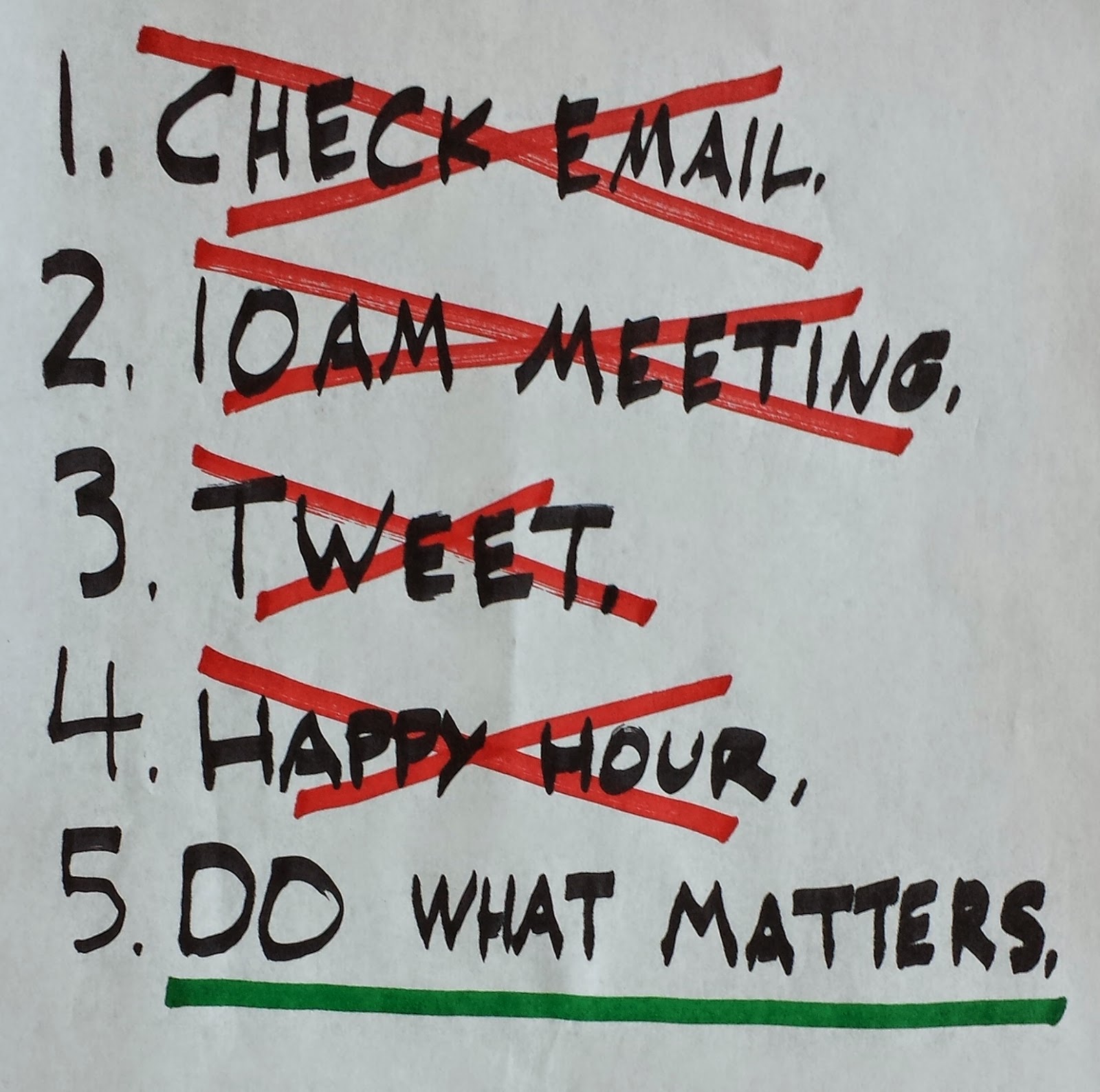
It's so damn easy to do things that don't matter. Inboxes grow to Godzilla proportions. Emails ferment into a slush pile of guilt and loose ends. Social media gushes content like a neighborhood full of broken fire hydrants. Happy hours and meetups whiz by like falling leafs in an autumn wind. Oh, and then there's laundry. The buzz is so seductive, so intoxicating, that it can suck away minutes, hours, days of your life. All it leaves behind are the skeletal vestiges of forgotten dreams.
Most people have a very short to-do list of things that really matter. Olympic athletes train to push the limits of their bodies. Doctors save lives. Sales people close deals. Inventors tinker. Here's my list:Craft stories worth reading. Write the sequel to Uncommon Stock . Publish posts that move the needle. Delight readers. Become a better storyteller.Help others excel. Accelerate my clients to radical success. Support creative projects. Help out friends in need. Improve people's lives. Engage with and inspire those around me.Live an interesting life. Cultivate community and serendipity. Spend time with loved ones. Pursue adventure in all forms.Too often, I find myself messing around on Twitter or Gmail. I take meetings that fill my schedule without advancing the ball. I let calls interrupt my creative time. I allow distractions to dictate my day.
Doing what matters isn't just satisfying. When you do what matters the results speak for themselves. They become evergreen accomplishments, milestones that you and others refer to for years. When you do what matters, you become a center of gravity for excellence. Opportunities seek you out instead of the other way around.
If I'm not doing at least one of the things on my list, I'm not achieving my full potential. What's on your list? I've worked hard to keep this post short so that when you finish this sentence, you can go do what matters.
May 16, 2014
The next big thing for those who already have it all: vanity companies
Franco Faraudo is a good friend and real estate/angel investor. A few months ago we had a highly entertaining conversation over dinner that I knew you guys would want to eavesdrop on. So I invited Franco to write a post on the topic of our chat: vanity companies. Without further ado, here’s Franco:
Many great businesses are not profit-driven. There are companies that pursue social change, strive to be environmentally friendly, or donate a portion of their profit to various great causes. This story is not about those companies. This story is about another type of business. One whose sole purpose is to provide the owner with a personal sense of accomplishment. I like to call these “vanity companies.”
To owners of vanity companies, success does not mean performance, profitability or ingenuity. Instead, they aspire to simply control an enterprise. More than money or power, these owners want something to tell their friends about at cocktail parties. Running a successful business takes time, thought and hard work. Starting a business only takes a trip to the Office of the Treasurer and $50 for the licensing fee.
From the outside looking in, a growing business and a stagnant one look similar. Private companies have few public reporting requirements. So some founders do just enough to create the appearance of success instead of laboring to achieve it. Owners of vanity companies tend to be on the high end of the socio-economic spectrum, usually the beneficiaries of large inheritances. Is complacency the bi-product of trust funds? I have no idea. But independent wealth can buy you a “CEO” title just as easily as it can buy you a yacht.
 Most of the time vanity business owners don’t have bad intentions. They just want others to think they’re cool. But tragedy strikes when these owners convince others to contribute time and money into a business that exists only to satisfy the ego of the founder.
A long time friend of mine is currently working for a vanity business. I will call the owner Vincent Vain. Vinnie, as his friends call him, is the son of a wealthy businessman. He started an eco-friendly manufacturing company to follow in his father’s entrepreneurial footsteps. Here we see an important component of a vanity company: universal attractiveness. No one wants to tell their friends that they started a hog slaughterhouse or a solvent disposal company. The vanity business needs to be sexy in order to achieve its ultimate goal of being a showpiece asset, or in most cases a showpiece liability. Vinnie chose to use environmental responsibility to achieve his desired level of sexiness. Who doesn’t want to be part of a green revolution?
But vanity determines far more than just the industry of choice. My friend works on the manufacturing side of the operation and is constantly at odds with a stream of seemingly unnecessary expenditures. As he put it, “We have done zero product testing, have sold nothing, but apparently we need a budget for social media marketing.” Not even a million Facebook likes or Twitter followers will help a company with a sub par product that has little to no interaction with the end user. What a shiny website and social media footprint does achieve, though, is a veneer of success. Now, the cocktail party guests can go home, Google Vinnie’s business, and have proof of boastful claims. Everything on the Internet is true, right?
Recently, my friend called me because Vinnie’s company had a stroke of luck. A major consumer product manufacturing company was interested in some environmentally friendly plastics and reached out to them as a potential supplier, asking for a demo. This could be the big break that they needed to gain some real traction and credibility. Also, it was an opportunity to have a big name logo to slather all over the myriad of marketing mediums.
Vinnie had just purchased a new formula for bio-plastic from a scientist that was touted as being eco-friendly, cost-effective and durable. The holy trinity of the plastic world, apparently. As the day of the meeting grew closer, the manufacturing staff was eager to test out the new product. “Unnecessary,” said Vinnie, “this stuff is proven to be the best.” Then the staff asked, “What about the proportions, isn’t this a two part product?” Vinnie replied, “It’s 50/50, easy.” Well, as the staff knew, nothing is that easy. “Is it by weight or volume, do we need to bring our scales our measuring cups?” Again, Vinnie shrugged this off, “They will have everything we need there.”
The day of the meeting finally came and the client’s research team assembled to see the product test in the parking lot of their massive campus. Vinnie had assumed they would be able to run the demo in the lab. Scrambling, Vinnie and his assistants found a red Dixie cup to measure ingredients, a stick to stir them together and a dirty bucket to pour them in to cure. The corporate research engineers stood around in a half circle, security tags blowing in the wind. Vinnie and associates did their best to get the untested plastic to set and perform as the scientist told them it would. No luck. The bucket full of plastic fell in on itself like a soggy Angel Food cake. Before any apologies or promises could be made, Vinnie and company were in the van driving off, with a crowd of confused, smirking engineers in the rear view mirror.
Vinnie’s example is extreme. His negligence and lack of preparedness cost him and his company any chance a great, big-name client. Many vanity owners have the drive initially, but become complacent when the path to success turns out to be harder than just coming up with a business idea. As anyone that attended business school knows, when people find out about your degree they like to pitch you their great business ideas. More often than not these ideas consist of little more than a catchy name. Ideas aren’t businesses. The greatest name in the world won’t make a company profitable. When responding to would-be entrepreneurs, I find, it helps to critic people’s ideas gently. Most of them are designed to fish for complements, not get actual feedback. “It is not that I don’t think Jumpin Jack Hashbrowns isn’t a good idea, it just needs more market research.” Challenge their assumptions, but don’t destroy their fantasy. “Don’t get me wrong, A Million To Onesy would be a unique store, but would the general public understand the concept?”
Much like the posers of these questions, vanity owners see the finish line and not the race. Except for a rare few exceptions, a great idea is meaningless without competent execution. Vanity business owners enter into endeavors with good intentions, but once confronted with the inevitable hardships of business-building, they either do not make necessary adaptations, or they get so bogged down in the details that no significant progress is ever realized.
Whether as a prospective employee or investor, beware the of the tell-tail signs of a vanity business. Absentee owners, marketing tricks with no substance, and over promising of results should all be red flags that there might be something below the surface of the enterprise. Or, more likely, nothing.
If you can’t find the perfect gift for the person who has everything, you might want to consider giving them a shiny new company of their own. It’s the adult equivalent of a Superman costume, transforming ordinary citizens into entrepreneurs. Hopefully they won't break their shiny new toy.
Many great businesses are not profit-driven. There are companies that pursue social change, strive to be environmentally friendly, or donate a portion of their profit to various great causes. This story is not about those companies. This story is about another type of business. One whose sole purpose is to provide the owner with a personal sense of accomplishment. I like to call these “vanity companies.”
To owners of vanity companies, success does not mean performance, profitability or ingenuity. Instead, they aspire to simply control an enterprise. More than money or power, these owners want something to tell their friends about at cocktail parties. Running a successful business takes time, thought and hard work. Starting a business only takes a trip to the Office of the Treasurer and $50 for the licensing fee.
From the outside looking in, a growing business and a stagnant one look similar. Private companies have few public reporting requirements. So some founders do just enough to create the appearance of success instead of laboring to achieve it. Owners of vanity companies tend to be on the high end of the socio-economic spectrum, usually the beneficiaries of large inheritances. Is complacency the bi-product of trust funds? I have no idea. But independent wealth can buy you a “CEO” title just as easily as it can buy you a yacht.
 Most of the time vanity business owners don’t have bad intentions. They just want others to think they’re cool. But tragedy strikes when these owners convince others to contribute time and money into a business that exists only to satisfy the ego of the founder.
 A long time friend of mine is currently working for a vanity business. I will call the owner Vincent Vain. Vinnie, as his friends call him, is the son of a wealthy businessman. He started an eco-friendly manufacturing company to follow in his father’s entrepreneurial footsteps. Here we see an important component of a vanity company: universal attractiveness. No one wants to tell their friends that they started a hog slaughterhouse or a solvent disposal company. The vanity business needs to be sexy in order to achieve its ultimate goal of being a showpiece asset, or in most cases a showpiece liability. Vinnie chose to use environmental responsibility to achieve his desired level of sexiness. Who doesn’t want to be part of a green revolution?
But vanity determines far more than just the industry of choice. My friend works on the manufacturing side of the operation and is constantly at odds with a stream of seemingly unnecessary expenditures. As he put it, “We have done zero product testing, have sold nothing, but apparently we need a budget for social media marketing.” Not even a million Facebook likes or Twitter followers will help a company with a sub par product that has little to no interaction with the end user. What a shiny website and social media footprint does achieve, though, is a veneer of success. Now, the cocktail party guests can go home, Google Vinnie’s business, and have proof of boastful claims. Everything on the Internet is true, right?
Recently, my friend called me because Vinnie’s company had a stroke of luck. A major consumer product manufacturing company was interested in some environmentally friendly plastics and reached out to them as a potential supplier, asking for a demo. This could be the big break that they needed to gain some real traction and credibility. Also, it was an opportunity to have a big name logo to slather all over the myriad of marketing mediums.
Vinnie had just purchased a new formula for bio-plastic from a scientist that was touted as being eco-friendly, cost-effective and durable. The holy trinity of the plastic world, apparently. As the day of the meeting grew closer, the manufacturing staff was eager to test out the new product. “Unnecessary,” said Vinnie, “this stuff is proven to be the best.” Then the staff asked, “What about the proportions, isn’t this a two part product?” Vinnie replied, “It’s 50/50, easy.” Well, as the staff knew, nothing is that easy. “Is it by weight or volume, do we need to bring our scales our measuring cups?” Again, Vinnie shrugged this off, “They will have everything we need there.”
The day of the meeting finally came and the client’s research team assembled to see the product test in the parking lot of their massive campus. Vinnie had assumed they would be able to run the demo in the lab. Scrambling, Vinnie and his assistants found a red Dixie cup to measure ingredients, a stick to stir them together and a dirty bucket to pour them in to cure. The corporate research engineers stood around in a half circle, security tags blowing in the wind. Vinnie and associates did their best to get the untested plastic to set and perform as the scientist told them it would. No luck. The bucket full of plastic fell in on itself like a soggy Angel Food cake. Before any apologies or promises could be made, Vinnie and company were in the van driving off, with a crowd of confused, smirking engineers in the rear view mirror.
Vinnie’s example is extreme. His negligence and lack of preparedness cost him and his company any chance a great, big-name client. Many vanity owners have the drive initially, but become complacent when the path to success turns out to be harder than just coming up with a business idea. As anyone that attended business school knows, when people find out about your degree they like to pitch you their great business ideas. More often than not these ideas consist of little more than a catchy name. Ideas aren’t businesses. The greatest name in the world won’t make a company profitable. When responding to would-be entrepreneurs, I find, it helps to critic people’s ideas gently. Most of them are designed to fish for complements, not get actual feedback. “It is not that I don’t think Jumpin Jack Hashbrowns isn’t a good idea, it just needs more market research.” Challenge their assumptions, but don’t destroy their fantasy. “Don’t get me wrong, A Million To Onesy would be a unique store, but would the general public understand the concept?”
Much like the posers of these questions, vanity owners see the finish line and not the race. Except for a rare few exceptions, a great idea is meaningless without competent execution. Vanity business owners enter into endeavors with good intentions, but once confronted with the inevitable hardships of business-building, they either do not make necessary adaptations, or they get so bogged down in the details that no significant progress is ever realized.
Whether as a prospective employee or investor, beware the of the tell-tail signs of a vanity business. Absentee owners, marketing tricks with no substance, and over promising of results should all be red flags that there might be something below the surface of the enterprise. Or, more likely, nothing.
If you can’t find the perfect gift for the person who has everything, you might want to consider giving them a shiny new company of their own. It’s the adult equivalent of a Superman costume, transforming ordinary citizens into entrepreneurs. Hopefully they won't break their shiny new toy.
May 12, 2014
How to Launch a Book in the Top Ten
Last month, bestselling author William Hertling hosted a guest post from me on running a successful book launch. If you haven't read it yet, I've included it below for your perusal. Go write the next blockbuster!
All writers, whether indie, small press, or large traditional publisher, must learn how to market themselves and their books. If they don't get the word out about their book, no one will buy it. (This is also true of musicians and businesses, and I think there's a lot that can be learned from these seemingly disparate areas.)
Eliot Peper is a friend and the author of Uncommon Stock a thriller about a tech startup. I really liked the book, but I also enjoyed watching Eliot's path to publication. Eliot graciously offered to share his lessons learned about the book launch, the all-important first month that helps establish a book on bestseller lists and get word-of-mouth going.
Without further ado, Eliot:
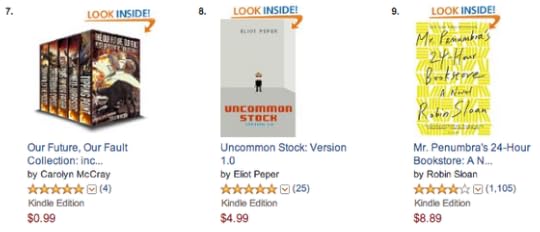
On March 5th my first novel, Uncommon Stock debuted at #8 in its category on Amazon. Will is one of my favorite indie authors and his advice, codified in Indie and Small Press Book Marketing played a critical role in shaping my launch plan. He generously offered to let me share some of my lessons learned along the way. I hope you can use some of these strategies to help launch your own bestsellers! I look forward to reading them.
Here’s what you need to do to launch in the top ten:
Write a good book. Without one, none of this matters. It’s tempting to try to think up devious ways to growth hack your book but at the end of the day, it’s all a wasted effort if your content isn’t truly awesome. My perspective on successful titles is really simple: write a book good enough that people who don’t know you will recommend it to their friends. If you can do that, you can probably ignore the rest of this list anyway. Don’t ask people to buy your book. “Buy my book” sounds like a used-car-salesman. “Read my book” sounds like an author. Influence influencers. If you already have a million Twitter followers and an oped in the New York Times then this won’t matter much to you. But if you’re a regular guy like me, then you’ll need help from people with platforms of their own to share your title. Brad Feld, a well known venture capitalist and tech blogger, shared Uncommon Stock via his blog and social channels and even temporarily switched his profile picture to the cover of the book. Why? Because I had been sending him drafts of the book since I finished writing Chapter 3. Will sums up the right approach to take with influencers of any kind (this includes media): give, give, give, give, ask. Do as many favors as you can think of for people and worry about the ROI later.Leverage your network. On/around launch day I sent ~200 individual personal emails, 2 email blasts to my list of ~600 members, published 3 blog posts, and flooded my social channels with content (you really only have an excuse to do this on Day 1). You need people to R3 your book: read, review, and recommend it. How can you inspire them to act? Create a sense of urgency (it’s launch day!) and tell them why their help is important (books that start strong snowball up Amazon’s algorithms).Cultivate gratitude and humility. Publishing is the path of 1000 favors. Every single person (including your mom) is doing you a solid by taking the time/money to purchase, read, and review your book. Think about how incredible it is that anyone at all is getting a kick out what reading what you write. Never stop telling people how much you appreciate their help, every little bit counts.
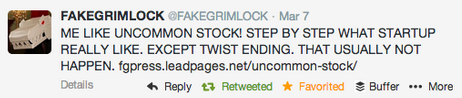 Do something cool. It’s easier to get coverage and social media amplification if there’s more to talk about than the simple fact that it’s launch day. I created a Twitter account for Uncommon Stock’s protagonist (@MaraWinkel) and incited a Twitter battle with a few people with large followings. Heck, we even built a website for Mara’s startup and a major venture capital firm announced an investment in the fictional company. This introduced new people to the story and was a talking point in itself.Do something cool. It’s easier to get coverage and social media amplification if there’s more to talk about than the simple fact that it’s launch day. I created a Twitter account for Uncommon Stock’s protagonist (@MaraWinkel) and incited a Twitter battle with a few people with large followings. Heck, we even built a website for Mara’s startup and a major venture capital firm announced an investment in the fictional company. This introduced new people to the story and was a talking point in itself.All format release. Make sure your book is available in digital and print formats on launch day. I didn’t do this because we were slow getting the print version through typesetting and I know it resulted in significant lost sales. I’ve also had a couple dozen people reach out to ask where they can get the print copy (so there must be many more that didn’t reach out). That sucks. I want to DELIGHT my readers in every possible interaction they have with me.Recruit a cadre of advance reviewers. The more reviews you can get on Amazon as soon as possible the better. I sent advance review copies out to ~50 people a couple of weeks before launch. Then I pinged those people shortly before launch day reminding them how useful an honest review from them would be. Then I reminded them on launch day that now was the time! We debuted with 28 reviews.Be strategic. Choose Amazon categories that are specific and not too competitive. Reach out to your alma mater and try to get in the alumni newsletter. Pitch low-lying bloggers or reporters with concise, compelling stories. Snag some endorsements from folks that have actually read your book. Etc.Write another good book. There’s nothing more important than building a backlist. It gives fans more of what they want. It gives prospective readers a new path to discovering you. Plus, writing books is why you’re doing all of this anyway!There are more details available on how launch week went for Uncommon Stock here. If you’re interested in an adventure through the world of tech startups, read it!
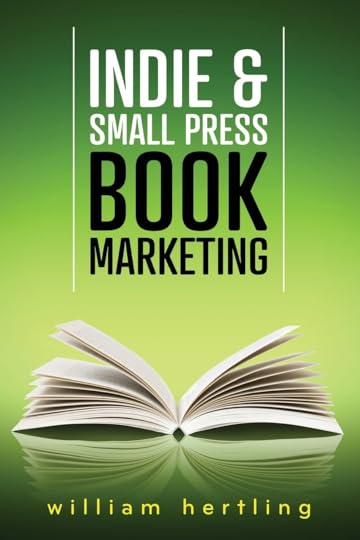
For further reading, I highly recommend Will’s Indie and Small Press Book Marketing . He shares extensive detail on his various successes as an indie author and it’s the only book you need to read in order to prepare for your own release. I’m particularly impressed by how he’s applied growth hacking techniques like A/B testing to optimize his reader funnel. You should also check out the following three posts. I’ve found them insightful and actionable throughout the launch:
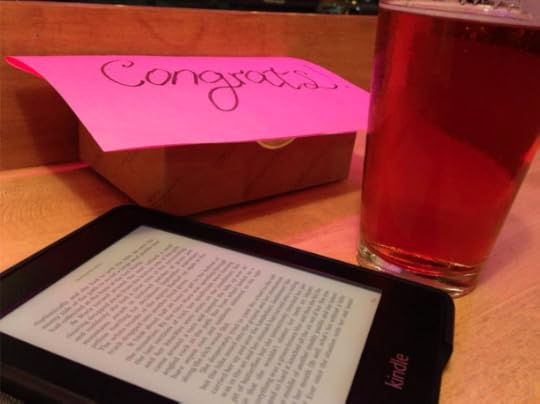
1000 True FansHow To Write a Bestselling Book This Year - The Definitive Resource and How-To GuideDiscoverability and Donald RumsfeldOh, and one final thing. Don’t forget to take time to celebrate! It’s all too easy to get caught up in all the noise on launch day. Make sure to take a moment to appreciate how friggin’ cool it is that readers finally have your book in hand.
—
Eliot Peper is a writer in Oakland, CA. His first novel, Uncommon Stock is a fictional thriller about a tech startup and the lead title for a new indie publishing company, FG Press. You can find it on Amazon and most major retailers. You can even download a free ten-chapter excerpt. When he’s not writing, Eliot works with entrepreneurs and investors to build new technology companies. He also blogs about writing, entrepreneurship, and adventure.
All writers, whether indie, small press, or large traditional publisher, must learn how to market themselves and their books. If they don't get the word out about their book, no one will buy it. (This is also true of musicians and businesses, and I think there's a lot that can be learned from these seemingly disparate areas.)
Eliot Peper is a friend and the author of Uncommon Stock a thriller about a tech startup. I really liked the book, but I also enjoyed watching Eliot's path to publication. Eliot graciously offered to share his lessons learned about the book launch, the all-important first month that helps establish a book on bestseller lists and get word-of-mouth going.
Without further ado, Eliot:

On March 5th my first novel, Uncommon Stock debuted at #8 in its category on Amazon. Will is one of my favorite indie authors and his advice, codified in Indie and Small Press Book Marketing played a critical role in shaping my launch plan. He generously offered to let me share some of my lessons learned along the way. I hope you can use some of these strategies to help launch your own bestsellers! I look forward to reading them.
Here’s what you need to do to launch in the top ten:
Write a good book. Without one, none of this matters. It’s tempting to try to think up devious ways to growth hack your book but at the end of the day, it’s all a wasted effort if your content isn’t truly awesome. My perspective on successful titles is really simple: write a book good enough that people who don’t know you will recommend it to their friends. If you can do that, you can probably ignore the rest of this list anyway. Don’t ask people to buy your book. “Buy my book” sounds like a used-car-salesman. “Read my book” sounds like an author.
 Influence influencers. If you already have a million Twitter followers and an oped in the New York Times then this won’t matter much to you. But if you’re a regular guy like me, then you’ll need help from people with platforms of their own to share your title. Brad Feld, a well known venture capitalist and tech blogger, shared Uncommon Stock via his blog and social channels and even temporarily switched his profile picture to the cover of the book. Why? Because I had been sending him drafts of the book since I finished writing Chapter 3. Will sums up the right approach to take with influencers of any kind (this includes media): give, give, give, give, ask. Do as many favors as you can think of for people and worry about the ROI later.Leverage your network. On/around launch day I sent ~200 individual personal emails, 2 email blasts to my list of ~600 members, published 3 blog posts, and flooded my social channels with content (you really only have an excuse to do this on Day 1). You need people to R3 your book: read, review, and recommend it. How can you inspire them to act? Create a sense of urgency (it’s launch day!) and tell them why their help is important (books that start strong snowball up Amazon’s algorithms).Cultivate gratitude and humility. Publishing is the path of 1000 favors. Every single person (including your mom) is doing you a solid by taking the time/money to purchase, read, and review your book. Think about how incredible it is that anyone at all is getting a kick out what reading what you write. Never stop telling people how much you appreciate their help, every little bit counts.
 Do something cool. It’s easier to get coverage and social media amplification if there’s more to talk about than the simple fact that it’s launch day. I created a Twitter account for Uncommon Stock’s protagonist (@MaraWinkel) and incited a Twitter battle with a few people with large followings. Heck, we even built a website for Mara’s startup and a major venture capital firm announced an investment in the fictional company. This introduced new people to the story and was a talking point in itself.Do something cool. It’s easier to get coverage and social media amplification if there’s more to talk about than the simple fact that it’s launch day. I created a Twitter account for Uncommon Stock’s protagonist (@MaraWinkel) and incited a Twitter battle with a few people with large followings. Heck, we even built a website for Mara’s startup and a major venture capital firm announced an investment in the fictional company. This introduced new people to the story and was a talking point in itself.All format release. Make sure your book is available in digital and print formats on launch day. I didn’t do this because we were slow getting the print version through typesetting and I know it resulted in significant lost sales. I’ve also had a couple dozen people reach out to ask where they can get the print copy (so there must be many more that didn’t reach out). That sucks. I want to DELIGHT my readers in every possible interaction they have with me.Recruit a cadre of advance reviewers. The more reviews you can get on Amazon as soon as possible the better. I sent advance review copies out to ~50 people a couple of weeks before launch. Then I pinged those people shortly before launch day reminding them how useful an honest review from them would be. Then I reminded them on launch day that now was the time! We debuted with 28 reviews.Be strategic. Choose Amazon categories that are specific and not too competitive. Reach out to your alma mater and try to get in the alumni newsletter. Pitch low-lying bloggers or reporters with concise, compelling stories. Snag some endorsements from folks that have actually read your book. Etc.Write another good book. There’s nothing more important than building a backlist. It gives fans more of what they want. It gives prospective readers a new path to discovering you. Plus, writing books is why you’re doing all of this anyway!There are more details available on how launch week went for Uncommon Stock here. If you’re interested in an adventure through the world of tech startups, read it!
For further reading, I highly recommend Will’s Indie and Small Press Book Marketing . He shares extensive detail on his various successes as an indie author and it’s the only book you need to read in order to prepare for your own release. I’m particularly impressed by how he’s applied growth hacking techniques like A/B testing to optimize his reader funnel. You should also check out the following three posts. I’ve found them insightful and actionable throughout the launch:
1000 True FansHow To Write a Bestselling Book This Year - The Definitive Resource and How-To GuideDiscoverability and Donald RumsfeldOh, and one final thing. Don’t forget to take time to celebrate! It’s all too easy to get caught up in all the noise on launch day. Make sure to take a moment to appreciate how friggin’ cool it is that readers finally have your book in hand.

—
Eliot Peper is a writer in Oakland, CA. His first novel, Uncommon Stock is a fictional thriller about a tech startup and the lead title for a new indie publishing company, FG Press. You can find it on Amazon and most major retailers. You can even download a free ten-chapter excerpt. When he’s not writing, Eliot works with entrepreneurs and investors to build new technology companies. He also blogs about writing, entrepreneurship, and adventure.
May 5, 2014
Unconventional Wisdom
This article was published two weeks ago on StartUp San Diego's blog. I figured you guys might enjoy so I'm reposting it here.
Sunshine and Navy SEALs. Craft beer and mobile chipsets. Biotech and retirement homes. Surfer mecca and research haven. San Diego is a city packed with contradiction. As it happens, these contrasts are also the region’s greatest strength.
“My favorite part about San Diego is that it challenges expectations,” says GroundMetrics Inc. CEO George Eiskamp. “We have a wide breadth of knowledge here. From experts in defense contracting to a world leading supercomputer center. Our team is doubling in size over the next three months and our location in San Diego has been an enormous asset. We have a large group of top local talent to draw on and hires from other locations never complain about the move.”
GroundMetrics Inc. is one of the fastest growing startups in the region. They have developed a new kind of electromagnetic sensor system that captures high fidelity geological data. They use these sensors to run surveys for oil and gas companies. It’s almost like an MRI for rocks.
 Illustration of a GroundMetrics' survey.“I’m a UC San Diego alumni,” says George. “We’ve hired multiple alumni from local universities. We’re working on integrating Scripps Institution of Oceanography code with our data processing software. The student-run Rady Venture Fund at UC San Diego invested in our Series A2 financing round. The San Diego chapter of the Tech Coast Angels are some of our most loyal investors.”
Many look to the San Francisco Bay Area as the gravitational center of the startup world. But technological and business innovations are emerging in many places you might not think to look. Boulder, CO has seen a flush of new tech startup success. Last week, Twitter acquired long-time Boulder social data startup Gnip.



San Diego is earning its reputation based on being a little different. GroundMetrics is now the world leader in ground-based electromagnetic sensors. Oberon Fuels is rethinking transportation with its clean-burning, low-cost dimethyl ether fuel. Kapyon Ventures is changing agricultural biotech and Correlation Ventures is doing venture capital differently.
“Like San Diego, our team prides ourselves on being unconventional,” says George. “We’ve uncovered great opportunities and developed incredible inventions by challenging conventional wisdom. Many of Malcolm Gladwell’s books challenge conventional wisdom. Data displaces assumption. So many experts have told us what we’re doing is impossible. Then their jaws drop when they see our technology in action.
“This approach shapes our hiring priorities,” he continues. “We look for outside-the-box thinkers who can’t help but over-achieve. We don’t restrict ourselves to hiring folks from the oil industry. We restrict ourselves to hiring folks who strive to define excellence in whatever they’re working on.”
Diversity is a key ingredient for innovation. As it happens, diversity is one of San Diego’s greatest assets. Home of companies from Qualcomm to Petco, the region has a cross-section of high performers that are now shaping the next generation of American companies. That is, as long as they continue to cultivate unconventional wisdom.
Sunshine and Navy SEALs. Craft beer and mobile chipsets. Biotech and retirement homes. Surfer mecca and research haven. San Diego is a city packed with contradiction. As it happens, these contrasts are also the region’s greatest strength.
“My favorite part about San Diego is that it challenges expectations,” says GroundMetrics Inc. CEO George Eiskamp. “We have a wide breadth of knowledge here. From experts in defense contracting to a world leading supercomputer center. Our team is doubling in size over the next three months and our location in San Diego has been an enormous asset. We have a large group of top local talent to draw on and hires from other locations never complain about the move.”
GroundMetrics Inc. is one of the fastest growing startups in the region. They have developed a new kind of electromagnetic sensor system that captures high fidelity geological data. They use these sensors to run surveys for oil and gas companies. It’s almost like an MRI for rocks.
 Illustration of a GroundMetrics' survey.“I’m a UC San Diego alumni,” says George. “We’ve hired multiple alumni from local universities. We’re working on integrating Scripps Institution of Oceanography code with our data processing software. The student-run Rady Venture Fund at UC San Diego invested in our Series A2 financing round. The San Diego chapter of the Tech Coast Angels are some of our most loyal investors.”
Many look to the San Francisco Bay Area as the gravitational center of the startup world. But technological and business innovations are emerging in many places you might not think to look. Boulder, CO has seen a flush of new tech startup success. Last week, Twitter acquired long-time Boulder social data startup Gnip.
.jpg)
.png)

San Diego is earning its reputation based on being a little different. GroundMetrics is now the world leader in ground-based electromagnetic sensors. Oberon Fuels is rethinking transportation with its clean-burning, low-cost dimethyl ether fuel. Kapyon Ventures is changing agricultural biotech and Correlation Ventures is doing venture capital differently.
“Like San Diego, our team prides ourselves on being unconventional,” says George. “We’ve uncovered great opportunities and developed incredible inventions by challenging conventional wisdom. Many of Malcolm Gladwell’s books challenge conventional wisdom. Data displaces assumption. So many experts have told us what we’re doing is impossible. Then their jaws drop when they see our technology in action.
“This approach shapes our hiring priorities,” he continues. “We look for outside-the-box thinkers who can’t help but over-achieve. We don’t restrict ourselves to hiring folks from the oil industry. We restrict ourselves to hiring folks who strive to define excellence in whatever they’re working on.”
Diversity is a key ingredient for innovation. As it happens, diversity is one of San Diego’s greatest assets. Home of companies from Qualcomm to Petco, the region has a cross-section of high performers that are now shaping the next generation of American companies. That is, as long as they continue to cultivate unconventional wisdom.
April 28, 2014
Video interview on the future of publishing
Brad Feld and I discuss Uncommon Stock, FG Press, startup fiction, and the future of publishing. Check it out!
P.S. Bonus points if you can guess what's on the poster behind us...
P.S. Bonus points if you can guess what's on the poster behind us...
April 21, 2014
How to build a corporate culture
Suspension creaks beneath you, softening the bone-crunching impacts as wheels thump over rocks and through gullies in the sun-scorched deserts of northern Baja. Dune buggies are are unique vehicles. They excel in extreme conditions. They are built to be reliable no matter what. They see obstacles as challenges. When you buy a dune buggy you’re not looking for leather seat covers, a THX-certified surround sounds system, a designer interior or mahogany inlays. No. You’re looking for performance. You’re looking for function over form. You’re looking for beauty at its simplest.
GroundMetrics Inc. is one of the hottest young companies in San Diego and I’ve been advising them for about two years now. They spun out from a world-leading electromagnetic (EM) research group in 2010 to commercialize a suite of fundamentally new sensors. They use those sensors to run surveys for oil, gas, and geothermal companies as well as carbon sequestration organizations. Their technology is almost like an MRI for geology, it models what’s going on underground.
GroundMetrics is a dune buggy.


“Culture is the #1 thing we hire for,” says George Eiskamp, GroundMetrics’ CEO. “It’s more important than years of experience. It’s more important than whether you’ve worked in the industry. Everything else pales in comparison. We’re building a culture based on a sense of ownership, scrappiness, and grit. We don’t have big expense accounts or in-house masseuses. We want smart over-achievers who can accomplish a lot with a little and focus on outcomes, not inputs.”
GroundMetrics is doubling in size over the next few months, bringing on quality engineers, field operators, computer modelers, and signal processors. “Here’s a key to hiring for culture from my mentor, Jim Heaton,” says George. “If you were to send representatives to Mars, who would they be? Write down five names. Now, why did you choose those people? Those are the elements you need to be selecting for.”
“It’s all about who’s on the bus,” Dane McDonald is the CEO of FG Press, a new venture-backed publishing startup in Boulder, CO. FG Press published my new novel, Uncommon Stock , on March 5th and I was out in Boulder last week visiting them. “What kind of car would FG Press be? A Tesla. No question.”


“Publishing is an industry stuck in the past. Although many of the people working in publishing are wonderful, their businesses simply aren’t adapting to pace of technological change,” says Dane. “We’re building a collaborative community of readers and writers. We’re experimenting with all the new storytelling tools we can dream up. We’re leveraging innovations in content sharing and distribution. Ultimately, we’re focused on empowering people who love books, authors and readers alike.”
FG Press just made their first major hire, Chief Marketing Officer Sandy Grason. “We’re thrilled to have Sandy on board,” says Dane. “She fundamentally understands the vision and is already moving mountains. We look at the world like a sandbox. We try new things and explore the boundaries of what’s possible. Our north star is relentlessly producing content that defines excellence so readers can’t help but fall head-over-heels for it.”
Culture is as hard-to-define as it is important. The best companies are able to attract and retain top talent based on culture alone. Nothing sinks a stock price or valuation faster than a poisonous culture. Nothing drives teams to excel like the knowledge that they’re all on the same page.
“Role models are critical,” says George. “Many entrepreneurs think that culture is a bullet list of values you hang on the wall. That simply doesn’t work. You end up with a non-functional organization. The first step in building a corporate culture is to be extremely selective as to who’s at the table. Everyone needs to ‘get it.’ They’re going to set the tone for the entire organization because culture is contagious.”
So if GroundMetrics is a dune buggy and FG Press is a Tesla, who are their role models? Interestingly, not Steve Jobs or Mark Zuckerberg.
“I’ve always admired Andrew Carnegie. His vision and drive to truly make an impact is inspiring. He set out to define the world around him instead of letting himself be defined by it,” says Dane.
“I just finished reading a book about Henry Ford,” says George. “He faced and overcame the exact same challenges that all new CEOs face today. It’s incredible, the fundamentals of launching a disruptive technology company haven't changed in 50 years.”
George and Dane are solving problems from the oil field to the bookstore. One is hiring electrical engineers while the other needs editors. But at the end of the day, both are intensely focused on building cultures that will define their teams and shape the future of their respective industries.
If your company was a car, what would it be?
GroundMetrics Inc. is one of the hottest young companies in San Diego and I’ve been advising them for about two years now. They spun out from a world-leading electromagnetic (EM) research group in 2010 to commercialize a suite of fundamentally new sensors. They use those sensors to run surveys for oil, gas, and geothermal companies as well as carbon sequestration organizations. Their technology is almost like an MRI for geology, it models what’s going on underground.
GroundMetrics is a dune buggy.


“Culture is the #1 thing we hire for,” says George Eiskamp, GroundMetrics’ CEO. “It’s more important than years of experience. It’s more important than whether you’ve worked in the industry. Everything else pales in comparison. We’re building a culture based on a sense of ownership, scrappiness, and grit. We don’t have big expense accounts or in-house masseuses. We want smart over-achievers who can accomplish a lot with a little and focus on outcomes, not inputs.”
GroundMetrics is doubling in size over the next few months, bringing on quality engineers, field operators, computer modelers, and signal processors. “Here’s a key to hiring for culture from my mentor, Jim Heaton,” says George. “If you were to send representatives to Mars, who would they be? Write down five names. Now, why did you choose those people? Those are the elements you need to be selecting for.”
“It’s all about who’s on the bus,” Dane McDonald is the CEO of FG Press, a new venture-backed publishing startup in Boulder, CO. FG Press published my new novel, Uncommon Stock , on March 5th and I was out in Boulder last week visiting them. “What kind of car would FG Press be? A Tesla. No question.”


“Publishing is an industry stuck in the past. Although many of the people working in publishing are wonderful, their businesses simply aren’t adapting to pace of technological change,” says Dane. “We’re building a collaborative community of readers and writers. We’re experimenting with all the new storytelling tools we can dream up. We’re leveraging innovations in content sharing and distribution. Ultimately, we’re focused on empowering people who love books, authors and readers alike.”
FG Press just made their first major hire, Chief Marketing Officer Sandy Grason. “We’re thrilled to have Sandy on board,” says Dane. “She fundamentally understands the vision and is already moving mountains. We look at the world like a sandbox. We try new things and explore the boundaries of what’s possible. Our north star is relentlessly producing content that defines excellence so readers can’t help but fall head-over-heels for it.”
Culture is as hard-to-define as it is important. The best companies are able to attract and retain top talent based on culture alone. Nothing sinks a stock price or valuation faster than a poisonous culture. Nothing drives teams to excel like the knowledge that they’re all on the same page.
“Role models are critical,” says George. “Many entrepreneurs think that culture is a bullet list of values you hang on the wall. That simply doesn’t work. You end up with a non-functional organization. The first step in building a corporate culture is to be extremely selective as to who’s at the table. Everyone needs to ‘get it.’ They’re going to set the tone for the entire organization because culture is contagious.”
So if GroundMetrics is a dune buggy and FG Press is a Tesla, who are their role models? Interestingly, not Steve Jobs or Mark Zuckerberg.
“I’ve always admired Andrew Carnegie. His vision and drive to truly make an impact is inspiring. He set out to define the world around him instead of letting himself be defined by it,” says Dane.
“I just finished reading a book about Henry Ford,” says George. “He faced and overcame the exact same challenges that all new CEOs face today. It’s incredible, the fundamentals of launching a disruptive technology company haven't changed in 50 years.”
George and Dane are solving problems from the oil field to the bookstore. One is hiring electrical engineers while the other needs editors. But at the end of the day, both are intensely focused on building cultures that will define their teams and shape the future of their respective industries.
If your company was a car, what would it be?
April 9, 2014
Free sangria and tech superstars on the beach and in the mountains
 Imagine the possibilities...The next two weeks are packed with events and excitement. Don't miss 'em!
The Internet: Tuesday 4/15 at 4PM PST. Watch a live fireside chat between me and VC-extraordinaire and tech superstar Brad Feld. We'll discuss Mara and James' next adventure and the future of publishing. You can watch it on Youtube here, the countdown has begun.
LA: Friday 4/11 at 5PM. Local startup Cargomatic is throwing a
LA: Saturday 4/12 from 2-4PM. I'll be hanging out at the UCSD Alumni Booth at the LA Times Festival of Books. Come by and say hi and we can chat about Uncommon Stock, FG Press, and indie publishing. More info here.
Boulder, CO: Friday 4/18 at 5PM. I'll be doing a book talk on "Authors = Entrepreneurs" at Spark Boulder. We'll discuss the counterintuitive crossovers between writing and entrepreneurship. Should be a ton of fun and I'm thrilled to meet the next generation of tech leaders in Mara's hometown. Oh, and we'll be giving away some free copies too... RSVP here.
Looking forward to seeing you all!
April 5, 2014
Want to read an ebook but don't have a Kindle?
Since Uncommon Stock launched on March 5th I've been getting the occasional question from readers that want to read the digital version but don't have an ebook reader. Luckily there's a simple solution:
Download the free Kindle app from Amazon and read on any device. Then buy Uncommon Stock through Amazon and start reading. It's that simple. You'll have it up and running in two minutes.
For those of you that want print copies (and signed ones too!), don't worry. We're finishing up typesetting and they should be available soon.
Along with my publisher FG Press, we're experimenting with everything we can think of because the publishing industry is in such a state of uproar. That's why we created a real website for Mozaik, the fictional tech startup featured in the book. That's why a major venture capital firm announced investing in them.
One of those experiments is a "digital first" policy. Preparing a digital book takes days. Preparing the same print book takes weeks. We release the digital versions of the book when they're ready. We don't to make readers wait until the print version is prepared to access the digital version.
I want to get new stories into your hands ASAP and hopefully doing digital first is one way to achieve that. What do you guys think so far?
Download the free Kindle app from Amazon and read on any device. Then buy Uncommon Stock through Amazon and start reading. It's that simple. You'll have it up and running in two minutes.
For those of you that want print copies (and signed ones too!), don't worry. We're finishing up typesetting and they should be available soon.
Along with my publisher FG Press, we're experimenting with everything we can think of because the publishing industry is in such a state of uproar. That's why we created a real website for Mozaik, the fictional tech startup featured in the book. That's why a major venture capital firm announced investing in them.
One of those experiments is a "digital first" policy. Preparing a digital book takes days. Preparing the same print book takes weeks. We release the digital versions of the book when they're ready. We don't to make readers wait until the print version is prepared to access the digital version.
I want to get new stories into your hands ASAP and hopefully doing digital first is one way to achieve that. What do you guys think so far?