
Kory M. Shrum's Blog, page 36
July 8, 2014
#Interview & #Giveaway: Vampires, Werewolves, Witches, OH MY!
Before we get started, tell us about yourselves. Any weird hobbies we should know about?Michael- I don't know about weird, but definitely nerdy. I have a baseball card and a soap opera card collection LOLShelly- Hmm. I love collecting old coins, I have stamped silver coins from England, a two cent piece from the Civil War and a bunch of other old ones. I like anything different. I also love history of the coins. I like to imagine what the person was like who used them, how many hands it passed through and how I got my hands on it. I'm a dork, I know.
You wrote a book called Blood Moon. How could you describe this work to someone who’s never heard of it?Michael- Blood Moon is a story about the fact love overcomes all boundaries when it's real, when it's right. This all takes place amongst supernatural beings called Variants. It involves vampire witches, werewolf witches and shape shifters. It's about ancient grudges and rivalries and the power and importance of blood.Shelly- It's also about choices and how you can't change the past, but you can change things in your life. It's about righting something that went wrong and how we all can do that and there's more Variants than just wolves and vampires.Who were your inspirations for this novel?Michael- Part of the inspiration for the novel came from simply being tired of reading angst ridden vampire and werewolf tales, where the characters sit around, hating themselves for being what they are; our characters celebrate their immortality and abilities. We also wanted something different, a story where the werewolves are not only not subservient to vampires, but are superior to them.Shelly- I also wanted to see more strong women characters. Women who weren't afraid to go after what they want and not be a damsel in distress type. What lead to you agree to collaborate with each other?Michael- We talked about it and it just clicked.Shelly- We have been role play partners for over four years and the characters that we brought to life needed to be heard. It was a world that just continued to grow and finally, we thought it was time to introduce them on a larger scale.What challenges/rewards do you think are unique to collaborative writing?Michael- We know each other so well, our strengths and weaknesses, so it's easy to get a feel for any scene we do together. We're like a seasoned tag team in wrestling. Call us the modern day Road Warriors. Shelly's Hawk and I'm Animal.Shelly- The biggest challenge is that Michael and I are very strong willed people and we are very opinionated. However, Michael and I have a great relationship in the fact that we communicate very well together. If we have issues, we tell the person and get it out in the open. That doesn't happen often, unless we're editing. LOLThis book is the first in a series. How many books do you see unravelling before you?Michael- We have so many stories to tell, I could see at least ten novels in the Dark Moon series.Shelly- We have so many characters who's stories need to be told, clammering to be told. I think you'll see that the Variant Nation is very connected, so we could have a long series.Are there other series or projects in the works for you? Michael- Not at this time, no.Shelly- No, but I could definitely see us expanding out from the Dark Moon Series. I think we could write a great crime drama, but who knows what the future holds.What can we expect to see from you next? Michael- The next book in the series is entitled "Dark Harvest."Shelly- You'll get to see some new, interesting characters in the next one as well.
This or That:Coffee or Tea:Michael- TeaShelly- COFFEE! I love, love, love it.Late Night or Early Morning:Michael- Early MorningShelly- Late Night, which works well since we're on opposite coasts.Sci-fi or Fantasy:Michael- FantasyShelly- Ugh! I can't possibly answer! I love them both equally.
Being called “Self-pubbed” or “Indie”?Michael- IndieShelly- I prefer Indie.Vampires or Werewolves:Michael- VampiresShelly- Well, I love vampires but there haven't been any strong wolves for great examples. The closest for me is Underworld, but again the vampires were the top of the food chain. So I'd like to see it be more equal.
Just for fun:If you could have any (but only one) super power, what would it be?Michael- Super StrengthShelly- TeleportationIf you could pick the brain of any writer/poet/artist from anywhere across time and space, who would it be and why?Michael- Jim Butcher, because I find his stories amazing. His imagination is unshackled. The man had his Harry Dresden character reanimate a dinosaur and ride it through Chicago!Shelly- I'd love to talk to Kresley Cole! She is one of my favorites and also Iris Johansen. Both very talented women and writing role models.What profession other than yours would you like to attempt?Michael- I'd like to write a screenplay. I have a juicy crime drama that has been rattling around my brain for years.Shelly- I wanted to be a police officer and actually went through the training, but life had other ideas for me.What profession would you not like to do?Michael- Garbage ManShelly- Arm pit sniffer (You know to see if the deodorant is working!)If Dante’s Nine Circles of Hell existed, which circle would you be trapped in and why?Michael- One of the less severe circles, I hope! I'm no saint, but I pretty much mind my business.Shelly- I'm good with limbo. I sometimes feel life is like that anyway, so I'd be good with it!
And there you have it! Connect with Michael and Shelly on Twitter and be sure to enter the giveaway below! :D
a Rafflecopter giveaway
You wrote a book called Blood Moon. How could you describe this work to someone who’s never heard of it?Michael- Blood Moon is a story about the fact love overcomes all boundaries when it's real, when it's right. This all takes place amongst supernatural beings called Variants. It involves vampire witches, werewolf witches and shape shifters. It's about ancient grudges and rivalries and the power and importance of blood.Shelly- It's also about choices and how you can't change the past, but you can change things in your life. It's about righting something that went wrong and how we all can do that and there's more Variants than just wolves and vampires.Who were your inspirations for this novel?Michael- Part of the inspiration for the novel came from simply being tired of reading angst ridden vampire and werewolf tales, where the characters sit around, hating themselves for being what they are; our characters celebrate their immortality and abilities. We also wanted something different, a story where the werewolves are not only not subservient to vampires, but are superior to them.Shelly- I also wanted to see more strong women characters. Women who weren't afraid to go after what they want and not be a damsel in distress type. What lead to you agree to collaborate with each other?Michael- We talked about it and it just clicked.Shelly- We have been role play partners for over four years and the characters that we brought to life needed to be heard. It was a world that just continued to grow and finally, we thought it was time to introduce them on a larger scale.What challenges/rewards do you think are unique to collaborative writing?Michael- We know each other so well, our strengths and weaknesses, so it's easy to get a feel for any scene we do together. We're like a seasoned tag team in wrestling. Call us the modern day Road Warriors. Shelly's Hawk and I'm Animal.Shelly- The biggest challenge is that Michael and I are very strong willed people and we are very opinionated. However, Michael and I have a great relationship in the fact that we communicate very well together. If we have issues, we tell the person and get it out in the open. That doesn't happen often, unless we're editing. LOLThis book is the first in a series. How many books do you see unravelling before you?Michael- We have so many stories to tell, I could see at least ten novels in the Dark Moon series.Shelly- We have so many characters who's stories need to be told, clammering to be told. I think you'll see that the Variant Nation is very connected, so we could have a long series.Are there other series or projects in the works for you? Michael- Not at this time, no.Shelly- No, but I could definitely see us expanding out from the Dark Moon Series. I think we could write a great crime drama, but who knows what the future holds.What can we expect to see from you next? Michael- The next book in the series is entitled "Dark Harvest."Shelly- You'll get to see some new, interesting characters in the next one as well.
This or That:Coffee or Tea:Michael- TeaShelly- COFFEE! I love, love, love it.Late Night or Early Morning:Michael- Early MorningShelly- Late Night, which works well since we're on opposite coasts.Sci-fi or Fantasy:Michael- FantasyShelly- Ugh! I can't possibly answer! I love them both equally.
Being called “Self-pubbed” or “Indie”?Michael- IndieShelly- I prefer Indie.Vampires or Werewolves:Michael- VampiresShelly- Well, I love vampires but there haven't been any strong wolves for great examples. The closest for me is Underworld, but again the vampires were the top of the food chain. So I'd like to see it be more equal.
Just for fun:If you could have any (but only one) super power, what would it be?Michael- Super StrengthShelly- TeleportationIf you could pick the brain of any writer/poet/artist from anywhere across time and space, who would it be and why?Michael- Jim Butcher, because I find his stories amazing. His imagination is unshackled. The man had his Harry Dresden character reanimate a dinosaur and ride it through Chicago!Shelly- I'd love to talk to Kresley Cole! She is one of my favorites and also Iris Johansen. Both very talented women and writing role models.What profession other than yours would you like to attempt?Michael- I'd like to write a screenplay. I have a juicy crime drama that has been rattling around my brain for years.Shelly- I wanted to be a police officer and actually went through the training, but life had other ideas for me.What profession would you not like to do?Michael- Garbage ManShelly- Arm pit sniffer (You know to see if the deodorant is working!)If Dante’s Nine Circles of Hell existed, which circle would you be trapped in and why?Michael- One of the less severe circles, I hope! I'm no saint, but I pretty much mind my business.Shelly- I'm good with limbo. I sometimes feel life is like that anyway, so I'd be good with it!
And there you have it! Connect with Michael and Shelly on Twitter and be sure to enter the giveaway below! :D
a Rafflecopter giveaway


June 27, 2014
Dark Side of The Sun Mega Event--Today Only #free #swag & #giveaways galore!
Hi everyone:
Today 17 authors are hosting a mega giveaway event on Facebook. In addition to constant/multiple giveaways, there is the chance to chat with with authors and score 17+ fantasy/horror books for $0.99 each!
Click here to join us at the event.
Also, in addition to the super cheap books and ALL THE SWAG, there is a rafflecopter going for multiple signed paperbacks. You can enter below!
All the swag! All the books! ERMERGERD!
a Rafflecopter giveaway
Today 17 authors are hosting a mega giveaway event on Facebook. In addition to constant/multiple giveaways, there is the chance to chat with with authors and score 17+ fantasy/horror books for $0.99 each!
Click here to join us at the event.
Also, in addition to the super cheap books and ALL THE SWAG, there is a rafflecopter going for multiple signed paperbacks. You can enter below!
All the swag! All the books! ERMERGERD!
a Rafflecopter giveaway
June 25, 2014
Doing “It” Even When You Don’t Want To #amwriting
Yesterday, I read this article, This is Your Brain on Writing, and like all narcissistic and self-involved people, proceeded to apply it directly to my life. Particularly to why I find it so hard to write everyday E.V.E.R.Y. day. A lot of fellow writers have expressed the difficulty in writing everyday. The initial enthusiasm for a project fades as in the tumultuous wake of the actual writing—in the struggle to strong arm your characters, dialogue, and setting into place—or something happens. The dog, baby, or partner gets sick. Your job calls for overtime. Someone dies. You finally finished reading the book you’ve been fumbling through for the last two months and have the worst book hangover ever.
Whatever it is, life happens. And you find that when you finally return to the page that your story is cold and lifeless, not the vibrant, breathing homunculus that it was when you left it. It’s been starved and neglected—what did I think would happen?The article argues that the difference between novice writers and experienced ones is expertise—constantly working the muscles used for that 3-point shot or the perfect block of description—doing whatever it is that you do, often enough that the muscle never gets cold.
So is the easiest way to be successful as a writer is to simply keep writing? Return to the page everyday, even when we would rather not?
Several professionals swear by this technique. Stephen King claims to write everyday, 2000 words a day. Neil Gaiman said (somewhere, don’t ask me to go look for it—there is no coffee to be had)—that a novelist must persevere—that perseverance is absolutely essential. Otherwise, we’d have a bunch of short story/poetry writers, running around. (Even Stephen King must write shorts from time to time—I doubt anyone can sustain novel writing, continuously 2000 words a day, for all their days).(Let’s take a moment for the insufferable know-it-all to run off and find who did, in fact, write 2000 words toward a novel every day—and come back and tell us.)
But just as it is important to write everyday, I think it is also important to acknowledge that it will be IMPOSSIBLE for you to write everyday. Even The King had to take a break when he was hit by that car, you know? Shit happens. Life happens. So maybe it is wiser to plan for your return to the page.
Here are things I found that have helped me to return to the page:*Organizing my desk in preparation of the inevitable
*Organizing my writing, looking through old work—really, just looking for a glimmer of hope here
*Writing exercises or sprints —just short, noncommittal bursts of activity. Think of it as a warm up—even athletes warm up! In the past I’ve used exercises from The Artist’s Way, Writing the Breakout Novel, and Writing Magic—which all proved helpful.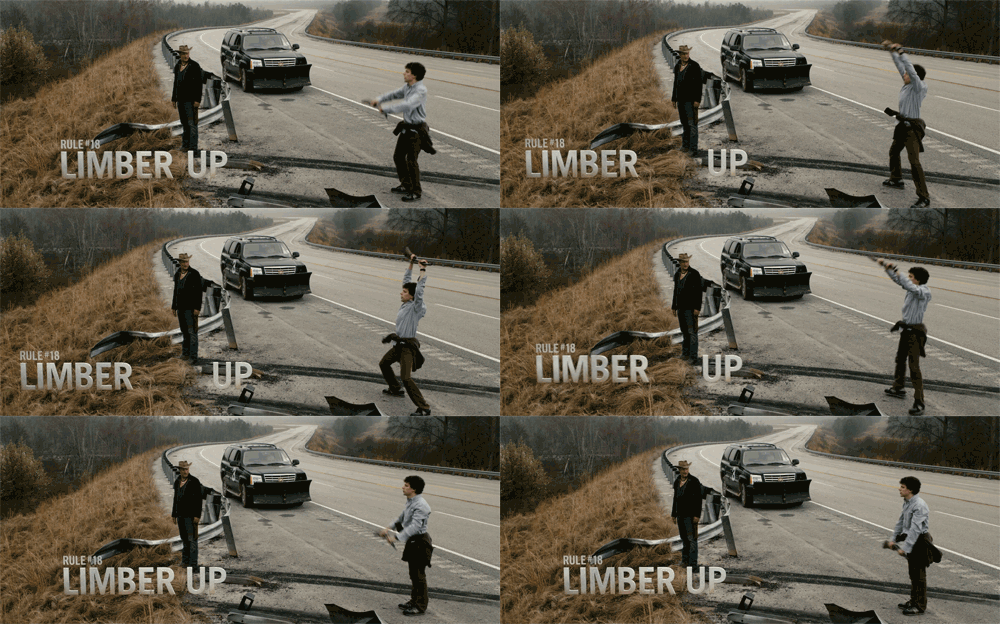
*If you can’t even face the judgmental Word doc cursor yet, blinking its constant derision at you, try writing short scenes in your head instead. I find this easiest to do when walking or showering. Sometimes also during sex--sex can be really inspirational!
*Set the mood—I have Pandora stations for every possible human emotion. I pick one based on the mood for my story or scene. I turn it on WELL before I’m actually ready to write. I read somewhere that the best way to motivate yourself to exercise is to just turn on your jams and put on your workout clothes—then it’s like—OK, yeah. I’ve got this. This also seems to work for writing. I do all the prep (disable the internet/phone, have the chocolate and hot drink at hand) and turn on the tunes—it seems to work equally well.
So what do you do when your “muscles” go cold? How do you get back to it?
Kory
Whatever it is, life happens. And you find that when you finally return to the page that your story is cold and lifeless, not the vibrant, breathing homunculus that it was when you left it. It’s been starved and neglected—what did I think would happen?The article argues that the difference between novice writers and experienced ones is expertise—constantly working the muscles used for that 3-point shot or the perfect block of description—doing whatever it is that you do, often enough that the muscle never gets cold.
So is the easiest way to be successful as a writer is to simply keep writing? Return to the page everyday, even when we would rather not?
Several professionals swear by this technique. Stephen King claims to write everyday, 2000 words a day. Neil Gaiman said (somewhere, don’t ask me to go look for it—there is no coffee to be had)—that a novelist must persevere—that perseverance is absolutely essential. Otherwise, we’d have a bunch of short story/poetry writers, running around. (Even Stephen King must write shorts from time to time—I doubt anyone can sustain novel writing, continuously 2000 words a day, for all their days).(Let’s take a moment for the insufferable know-it-all to run off and find who did, in fact, write 2000 words toward a novel every day—and come back and tell us.)
But just as it is important to write everyday, I think it is also important to acknowledge that it will be IMPOSSIBLE for you to write everyday. Even The King had to take a break when he was hit by that car, you know? Shit happens. Life happens. So maybe it is wiser to plan for your return to the page.
Here are things I found that have helped me to return to the page:*Organizing my desk in preparation of the inevitable
*Organizing my writing, looking through old work—really, just looking for a glimmer of hope here
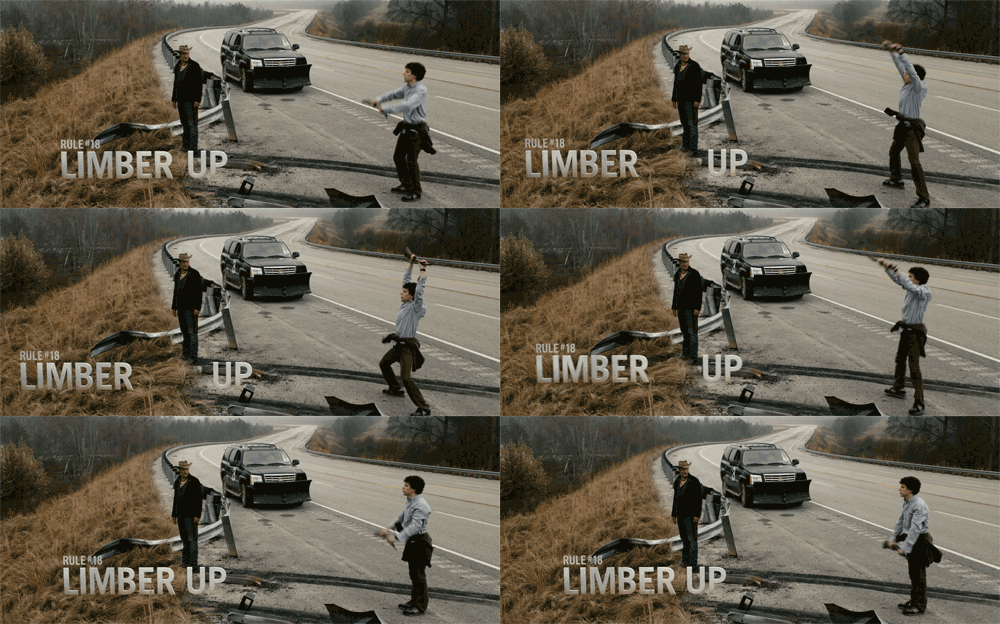
*Writing exercises or sprints —just short, noncommittal bursts of activity. Think of it as a warm up—even athletes warm up! In the past I’ve used exercises from The Artist’s Way, Writing the Breakout Novel, and Writing Magic—which all proved helpful.
*If you can’t even face the judgmental Word doc cursor yet, blinking its constant derision at you, try writing short scenes in your head instead. I find this easiest to do when walking or showering. Sometimes also during sex--sex can be really inspirational!
*Set the mood—I have Pandora stations for every possible human emotion. I pick one based on the mood for my story or scene. I turn it on WELL before I’m actually ready to write. I read somewhere that the best way to motivate yourself to exercise is to just turn on your jams and put on your workout clothes—then it’s like—OK, yeah. I’ve got this. This also seems to work for writing. I do all the prep (disable the internet/phone, have the chocolate and hot drink at hand) and turn on the tunes—it seems to work equally well.
So what do you do when your “muscles” go cold? How do you get back to it?
Kory
June 20, 2014
What I Do When I'm Not Writing; A Reblog
Look at me in my crazy socks and bright green shoes! Trapising around in the woods! Getting feasted upon by the bloodsuckers!
Look if you DARE :
Manistee River Trail 2014: Trip Recap
What do you guys do when you're not writing?
Kory
Look if you DARE :
Manistee River Trail 2014: Trip Recap
What do you guys do when you're not writing?
Kory
#DIY Graphics for #Authors on a Budget
Bookmarks, book covers, rack cards, business cards and other author promo goodies can really pinch a writer's budget. And while I've worked with amazing designers and think that real skill and knowledge is impossible to replace, sometimes you just have to do things yourself--either because you literally don't have an extra penny to your name, or because you are one of those creative types, who enjoy the challenge.
If either of these factors are true for you, then let me tell you about my new favorite thing!
Pixlr!
Here are a couple of things that I made using Pixlr:
 click this for more info on how to get free goodies!
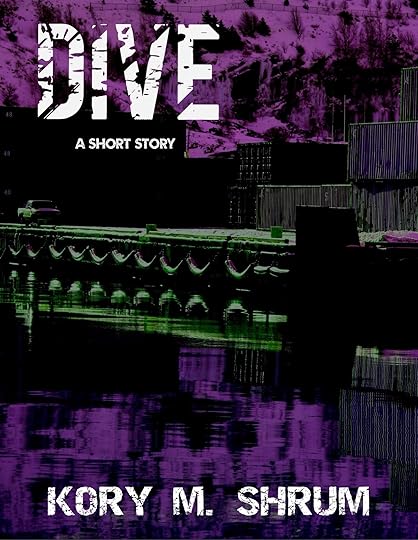
and I am certain that you can do so much better! But I was low on time (and money) and BAM! This happened. The reason why something like Pixlr is so much better than your basic photoshop is because it can do layers. That is the one thing missing from most photo editing which leaves pictures looking flat and unappealing to your fans. So it is really important that you consider a program that can utilize layers. In addition to Pixlr, I've heard good things about GIMP, though I haven't used it myself.
For tips on how to use Pixlr, here are some tutorials that may help (though I found the program pretty intuitive--there is an argument in here somewhere that my product would be better if I HAD read these):
Wikihow
YouTube
Instructables
Have any of you used Pixlr or other photo editing programs? I'd love to know more about free, accessible options for authors on a budget. So share the love!
Kory
If either of these factors are true for you, then let me tell you about my new favorite thing!
Pixlr!
Here are a couple of things that I made using Pixlr:
click this for more info on how to get free goodies!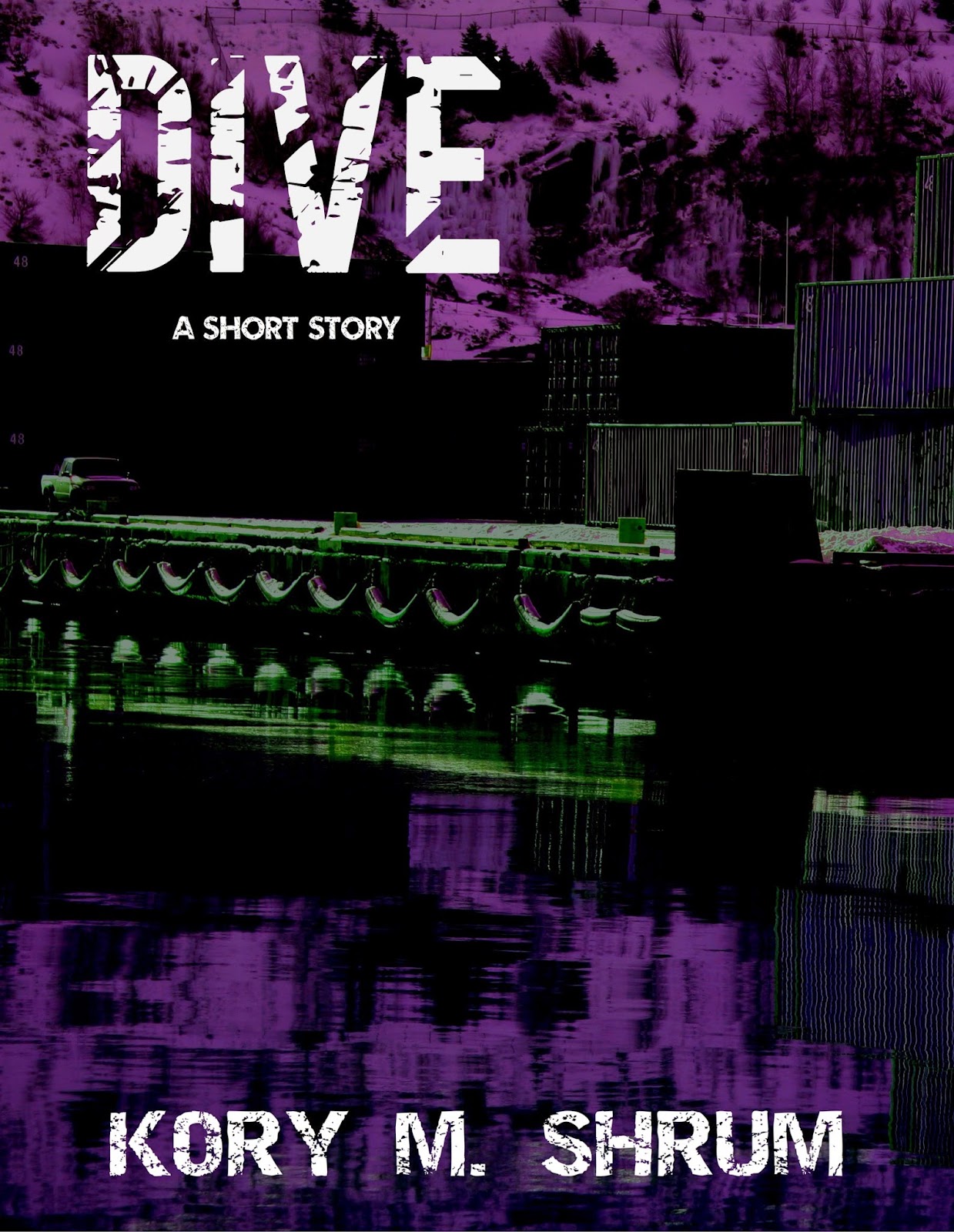
and I am certain that you can do so much better! But I was low on time (and money) and BAM! This happened. The reason why something like Pixlr is so much better than your basic photoshop is because it can do layers. That is the one thing missing from most photo editing which leaves pictures looking flat and unappealing to your fans. So it is really important that you consider a program that can utilize layers. In addition to Pixlr, I've heard good things about GIMP, though I haven't used it myself.
For tips on how to use Pixlr, here are some tutorials that may help (though I found the program pretty intuitive--there is an argument in here somewhere that my product would be better if I HAD read these):
Wikihow
YouTube
Instructables
Have any of you used Pixlr or other photo editing programs? I'd love to know more about free, accessible options for authors on a budget. So share the love!
Kory
June 17, 2014
Oh The #Horror! & #Prizes
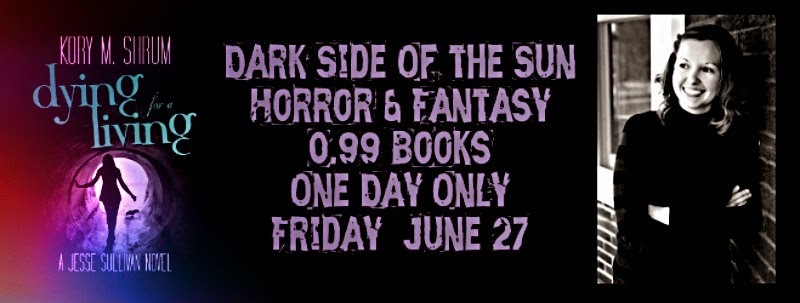
Many writers ask me whether or not cross promotion with other writers is helpful in selling their own books. Because Dying for a Living has only been out for a couple of months, I usually say: I don't know. I've never been involved in cross promotion before--until now.
On June 27, 12+ authors (including myself) will have a one-day sale of horror, dark fantasy and contemporary fantasy books--everything is .99. From what I understand this is typical cross-promo procedure. And since this is my first cross promo event, I plan to take lots of notes about what does or doesn't work (for a forthcoming post, of course).
Here is the link to the event: Dark Side of The Sun:
You should click "going" for this event because there are lots of giveaways and prizes happening, but I also want to give away my own prize. So for everyone who clicks "going" in the event forum and comments saying "Kory sent me" will be automatically entered to win an autographed paperback and bookmarks of Dying for a Living.
In addition to the chance to win a signed paperback and fancy bookmarks, I want to give EVERYONE who enters a free short story--either Dive or Blind--your choice.
So:
1) click "going"
2) comment "Kory sent me" in your "going" bubble that appears on the event page.
3) leave a comment here letting me know which story you want and what kind of eReader you have.
I will send the short stories ASAP. And I will do the paperback drawing shortly after the event ends.
So stay tuned! :D
Kory
June 10, 2014
How To Edit Your Book For Free
So just yesterday I received a very kind, very sweet email from a fan telling me she loved Dying for a Living (wait for it--)
BUT—
She had found a “few” typos. She was also sweet enough to pass along these errors so that I can make changes to the book file and upload it. (That’s one great thing about KDP—instant edits!) I would love to say this is the first time that I’ve received such an email, but sadly, that is not the case. I’ve received a few from different people, pointing out different things.
Why?
Because not everyone can see everything.
Not even publishing houses rely on ONE person to do the editing for an entire book. Because like the author who has read/reread/rerereread the book so many times that all the words are the same, every brain has the ability to perform its own “autocorrect”.
So what to do if you are 1) self-published and 2) too poor to hire an editor?
Here are some options:
Get a writer’s groupMy writer’s group The Four Horsemen of the Bookocalypse are great at helping me develop content as well as catching nonsense on the sentence level. And it cost nothing to have a writer’s group, except time. So I highly encourage you to seek out other writers to support you and help you grow.
Get beta readersI have a few friends who are writers themselves or at least good readers who can spot errors. They cost nothing and are an absolutely valuable part of the writing process.
Enlist the help of your early reviewersAs with my first book, I sent out my book to early reviewers. Many of them were kind enough to point out errors as they read, which led to me being able to make editorial changes before the book was actually published. And while your reviewers are bound to being fair and giving you an honest review, there is no rule that says they can’t point out a typo or tense shift. At least, it doesn’t hurt to ask.
Be humbleenough to accept the criticism gracefully—even after the book is publishedEven after your writer’s group, beta readers, and reviewers, your book is likely to be published with a few minor errors. It happens! Sometimes new errors get written in as changes are made. Or sometimes it is an editorial glitch that most people just won’t notice—but someone will because different flaws irk different people. So when that—kind but inevitable—email rolls in, accept it with grace and gratitude. Someone was nice enough to give you a heads up and though you may be embarrassed, you should also be appreciative.
Consider other cost effective options
Here are a few resources you may want to consider:
Writer’sDigest article on editing
GrammarGirl Editing Checklist
eHow—Get yourbook edited for free
Top Tips from Indie Writers
And this is just the beginning. I am learning all of this myself (I’ve only got 1 book out ya’ll and 1 on the way!) So if you have other great tips for editing your own work for little to no cost, please share that gold below.
Kory
BUT—
She had found a “few” typos. She was also sweet enough to pass along these errors so that I can make changes to the book file and upload it. (That’s one great thing about KDP—instant edits!) I would love to say this is the first time that I’ve received such an email, but sadly, that is not the case. I’ve received a few from different people, pointing out different things.
Why?
Because not everyone can see everything.
Not even publishing houses rely on ONE person to do the editing for an entire book. Because like the author who has read/reread/rerereread the book so many times that all the words are the same, every brain has the ability to perform its own “autocorrect”.
So what to do if you are 1) self-published and 2) too poor to hire an editor?
Here are some options:
Get a writer’s groupMy writer’s group The Four Horsemen of the Bookocalypse are great at helping me develop content as well as catching nonsense on the sentence level. And it cost nothing to have a writer’s group, except time. So I highly encourage you to seek out other writers to support you and help you grow.
Get beta readersI have a few friends who are writers themselves or at least good readers who can spot errors. They cost nothing and are an absolutely valuable part of the writing process.
Enlist the help of your early reviewersAs with my first book, I sent out my book to early reviewers. Many of them were kind enough to point out errors as they read, which led to me being able to make editorial changes before the book was actually published. And while your reviewers are bound to being fair and giving you an honest review, there is no rule that says they can’t point out a typo or tense shift. At least, it doesn’t hurt to ask.
Be humbleenough to accept the criticism gracefully—even after the book is publishedEven after your writer’s group, beta readers, and reviewers, your book is likely to be published with a few minor errors. It happens! Sometimes new errors get written in as changes are made. Or sometimes it is an editorial glitch that most people just won’t notice—but someone will because different flaws irk different people. So when that—kind but inevitable—email rolls in, accept it with grace and gratitude. Someone was nice enough to give you a heads up and though you may be embarrassed, you should also be appreciative.
Consider other cost effective options
Here are a few resources you may want to consider:
Writer’sDigest article on editing
GrammarGirl Editing Checklist
eHow—Get yourbook edited for free
Top Tips from Indie Writers
And this is just the beginning. I am learning all of this myself (I’ve only got 1 book out ya’ll and 1 on the way!) So if you have other great tips for editing your own work for little to no cost, please share that gold below.
Kory
June 6, 2014
Creatures, Lands, and Powers, Oh My! World Building 101
Recently I traveled to Orlando and visited The Wizarding World of Harry Potter at Orlando Studios. As I walked around Hogsmeade, looking into the shops full of books, brooms, I couldn't help but be impressed by the togetherness of the scene and how all of it came from J.K. Rowling's imagination. Of course, I've no idea how authentic it is. After all, did Rowling picture Hermione to look exactly like Emma Watson? The robes to be exactly as they were in the movies? Or the butterbeer served in plastic collectors cups rather than frosty glass mugs? I can't say for sure, but surely the movies and the merchandising warped the original vision, before it made its way down to me.
But the details are still impressive. Not only did she name a village (Hogsmeade), but also the shops there, what would be inside, the money used--galleons, sickles, etc--to pay for those items. What people would be wearing when they bought them and for what purpose. The rules of the village (can't go to Hogsmeade without those permission slips) and so on. The same can be said about the other details of Rowling's world:
Housing: Diff wizard houses and Hagrid's hut, muggle houses and dormitories
Transportation: flying cars, portkey's, hippogriffs, brooms,
Clothing: formal robes, school uniforms, and otherwise
Food: school lunches vs. homecooked meals vs. sweets: every flavor beans, chocolate frogs, etc.
Sports: Quidditch--professional and otherwise
Occupations: which the children must study for.
In a lot of ways these details mirror our own world--we have clothes, school, jobs, homes, and transportation after all. In other ways they are unique and to each situation and wizard's capabilities. So when a writer wants to create their own world, they might want to take Junot Diaz's advice and consider: "What are its primary features—spatial, cultural, biological, fantastic, cosmological? What is the world’s ethos (the guiding beliefs or ideals that characterize the world)? What are the precise strategies that are used by its creator to convey the world to us and us to the world? How are our characters connected to the world? And how are we the viewer or reader or player connected to the world?"
And like any good teacher, Diaz provides a reading list where you can see a good amount of world building: “You will need to have seen Star Wars (episode four: A New Hope) and read The Lord of the Rings by JRR Tolkien"...and read:
“A Princess of Mars” by ER Burroughs
“Dracula” by Bram Stoker
“Batman: The Dark Knight Returns” by Frank Miller
“Sunshine” by Robin McKinley
“V for Vendetta” by Alan Moore
“The Hunger Games” by Suzanne Collns
“The Hundred Thousand Kingdoms” by NK Jemisin
“Lilith’s Brood” by Octavia Butler
“Perdido Street Station” by China Miéville
“Snow Crash” by Neal Stephenson
So keeping all of this in mind, what struggles do you personally face when world-building? What details do you think are absolutely essential to a cohesive world? Any good examples of world-building you want to share? What are your favorites and why?
Kory
But the details are still impressive. Not only did she name a village (Hogsmeade), but also the shops there, what would be inside, the money used--galleons, sickles, etc--to pay for those items. What people would be wearing when they bought them and for what purpose. The rules of the village (can't go to Hogsmeade without those permission slips) and so on. The same can be said about the other details of Rowling's world:
Housing: Diff wizard houses and Hagrid's hut, muggle houses and dormitories
Transportation: flying cars, portkey's, hippogriffs, brooms,
Clothing: formal robes, school uniforms, and otherwise
Food: school lunches vs. homecooked meals vs. sweets: every flavor beans, chocolate frogs, etc.
Sports: Quidditch--professional and otherwise
Occupations: which the children must study for.
In a lot of ways these details mirror our own world--we have clothes, school, jobs, homes, and transportation after all. In other ways they are unique and to each situation and wizard's capabilities. So when a writer wants to create their own world, they might want to take Junot Diaz's advice and consider: "What are its primary features—spatial, cultural, biological, fantastic, cosmological? What is the world’s ethos (the guiding beliefs or ideals that characterize the world)? What are the precise strategies that are used by its creator to convey the world to us and us to the world? How are our characters connected to the world? And how are we the viewer or reader or player connected to the world?"
And like any good teacher, Diaz provides a reading list where you can see a good amount of world building: “You will need to have seen Star Wars (episode four: A New Hope) and read The Lord of the Rings by JRR Tolkien"...and read:
“A Princess of Mars” by ER Burroughs
“Dracula” by Bram Stoker
“Batman: The Dark Knight Returns” by Frank Miller
“Sunshine” by Robin McKinley
“V for Vendetta” by Alan Moore
“The Hunger Games” by Suzanne Collns
“The Hundred Thousand Kingdoms” by NK Jemisin
“Lilith’s Brood” by Octavia Butler
“Perdido Street Station” by China Miéville
“Snow Crash” by Neal Stephenson
So keeping all of this in mind, what struggles do you personally face when world-building? What details do you think are absolutely essential to a cohesive world? Any good examples of world-building you want to share? What are your favorites and why?
Kory
June 4, 2014
About Me, About the Book & So Much #Swag! #Giveaway
I had my first blog tour this past week. Not only do these posts reveal a lot about me and the book...
Review on Bibliophile Mystery
Dying for a Living playlist
5 Random Things
Review on A World of Words
Review by AYA M. Productions
This or That Game
7 Favorite Books Read This Year
Book Blitz and 10 Favs
Dream Cast and Review
One Hell of an Interview and Liquor!
...but they also have a rafflecopter for ALL THE PRIZES:
You could win one of 4 e-Copies of Dying For a Living Autographed Bookmarksand one winner will receive a $25.00 Amazon Gift Card
Fun ends at 11:59PM, Friday, June 6.
PLAY WITH ME. Kory
Review on Bibliophile Mystery
Dying for a Living playlist
5 Random Things
Review on A World of Words
Review by AYA M. Productions
This or That Game
7 Favorite Books Read This Year
Book Blitz and 10 Favs
Dream Cast and Review
One Hell of an Interview and Liquor!
...but they also have a rafflecopter for ALL THE PRIZES:
You could win one of 4 e-Copies of Dying For a Living Autographed Bookmarksand one winner will receive a $25.00 Amazon Gift Card
Fun ends at 11:59PM, Friday, June 6.
PLAY WITH ME. Kory
May 28, 2014
The Man Who Quit Money
Surprisingly, I've been reading a lot of nonfiction lately. It is good for me and encourages me to consider the world more deeply--like in the case of Suelo, a dude who gave away ALL of his money (even the pennies !) and decided to live off the land.
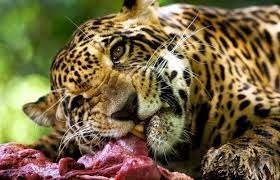 imagined survival skillsI found the book "The Man Who Quit Money" by Mark Sundeen horrifying, inspiring, thought-provoking, harrowing and fascinating all at the same time. While I would love to envision myself as capable as a panther in the wild, I am well-aware that I am more like a fat house cat who begins to MEOW incessantly when half of my fancy feast kibble disappears.
[image error] actual survival skills
So it was fascinating to read a story about a man who literally gave up everything and still--to this day as far as I know--lives entirely off the land, trusting that the Earth will provide for him just as well as she provides for all the other creatures who live here.
And while I can't see me giving up all my worldly goods and living in a cave, I do think there was quite a bit of wisdom here that I definitely want to put into practice in my own life.
For example, the book talks about how--before Suelo gave up money--he got a job with a long commute to pay his bills and how he thought living like that--working so hard for money to buy *&^% he didn't need was insane. And I have to agree.
[image error]
Many of my most creative friends (hell, most people I know), talk about how if they only had more time or money they would do A, B, and C. And a great deal of what the book is talking about, is how you can do A, B, and C NOW--not in some imaginary future--, if you just let go of other things that aren't really enriching your life at all.
I don't know about you, but this is true for my own life at least. I wanted a better work schedule, where I would have more flexibility and time and so I started teaching online rather than in-seat classes. It took time to iron out the details, and I had to forgo the pleasure of my students' company in the classroom, but I achieved what I wanted.
And in regards to money, I think if I simply spend less money, I won't have to work as much to make money. And before many of you dismiss this, I think you will can name 3-5 things that you currently pay for that you don't HAVE to have. And imagine what your life would be like if you didn't have them? Would it be so terrible? Or would you get freedom, skills, etc. in return?
I think the real challenge for people like me will not be building the life they dream of, but instead, untangling themselves from the money system so they can do so. I can't, for example, go live in a cave while I still have student loan debt. And I imagine that if you have a house, cars, etc, you also feel like it isn't possible.
So I wonder if getting out of the money system is the answer--or even possible--or if, in what ways, we could free up a little more of our space and time?
And I think everyone would love to feel a little more free to do the things that they want to do. It is just a matter of identifying what should be discarded and having the guts to let those things go.
And it is hard. It is hard to imagine that we can live without a 4-bedroom house or a two car garage. We fill safer when we are paying into retirement and have good insurance. But no matter how much stuff we pile around us, we are not going to actually be any safer.
[image error] No really--this book reminds me of something, but I just can't quite put my finger on it..
So if we can't be safer, maybe at least we can be freer.
What are you willing to let go of, so you can be free?
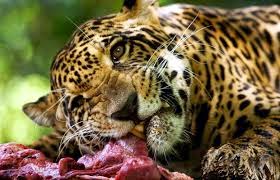 imagined survival skillsI found the book "The Man Who Quit Money" by Mark Sundeen horrifying, inspiring, thought-provoking, harrowing and fascinating all at the same time. While I would love to envision myself as capable as a panther in the wild, I am well-aware that I am more like a fat house cat who begins to MEOW incessantly when half of my fancy feast kibble disappears.
[image error] actual survival skills
So it was fascinating to read a story about a man who literally gave up everything and still--to this day as far as I know--lives entirely off the land, trusting that the Earth will provide for him just as well as she provides for all the other creatures who live here.
And while I can't see me giving up all my worldly goods and living in a cave, I do think there was quite a bit of wisdom here that I definitely want to put into practice in my own life.
For example, the book talks about how--before Suelo gave up money--he got a job with a long commute to pay his bills and how he thought living like that--working so hard for money to buy *&^% he didn't need was insane. And I have to agree.
[image error]
Many of my most creative friends (hell, most people I know), talk about how if they only had more time or money they would do A, B, and C. And a great deal of what the book is talking about, is how you can do A, B, and C NOW--not in some imaginary future--, if you just let go of other things that aren't really enriching your life at all.
I don't know about you, but this is true for my own life at least. I wanted a better work schedule, where I would have more flexibility and time and so I started teaching online rather than in-seat classes. It took time to iron out the details, and I had to forgo the pleasure of my students' company in the classroom, but I achieved what I wanted.
And in regards to money, I think if I simply spend less money, I won't have to work as much to make money. And before many of you dismiss this, I think you will can name 3-5 things that you currently pay for that you don't HAVE to have. And imagine what your life would be like if you didn't have them? Would it be so terrible? Or would you get freedom, skills, etc. in return?
I think the real challenge for people like me will not be building the life they dream of, but instead, untangling themselves from the money system so they can do so. I can't, for example, go live in a cave while I still have student loan debt. And I imagine that if you have a house, cars, etc, you also feel like it isn't possible.
So I wonder if getting out of the money system is the answer--or even possible--or if, in what ways, we could free up a little more of our space and time?
And I think everyone would love to feel a little more free to do the things that they want to do. It is just a matter of identifying what should be discarded and having the guts to let those things go.
And it is hard. It is hard to imagine that we can live without a 4-bedroom house or a two car garage. We fill safer when we are paying into retirement and have good insurance. But no matter how much stuff we pile around us, we are not going to actually be any safer.
[image error] No really--this book reminds me of something, but I just can't quite put my finger on it..
So if we can't be safer, maybe at least we can be freer.
What are you willing to let go of, so you can be free?



![[image error]](http://4.bp.blogspot.com/-a_gZ0hTqazM/U4Yy1-aL8BI/AAAAAAAABH8/EBU_NpqvlGw/s1600/cat%20gif.gif)
![[image error]](http://1.bp.blogspot.com/-qXxnR2Hqq2I/U4Y4EQG5heI/AAAAAAAABIU/PQ5ZvjGXoXM/s1600/FC%20gif.gif)
![[image error]](http://4.bp.blogspot.com/-ase8icw8laI/U4Y5oCX0HjI/AAAAAAAABIg/vifGsUw10rM/s1600/FC%20gif%202.gif)