Kory M. Shrum's Blog, page 15
January 25, 2016
#Mondayblogs: The Universe Provides! #lettinggo #selfwork
So as you may know from reading the blog this month, it's all about Letting Go. Cue Elsa: "Let it go...let it go!"
Well, the funny thing about life is that the universe tends to provide you with lessons as you go along. For example, I thought I had made such awesome progress this month! I'd singled out several things that snagged me and was learning to let them go, I was breaking old agreements, I was winning at life!
Then something happens.
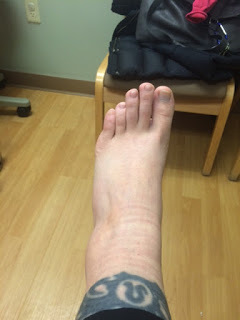
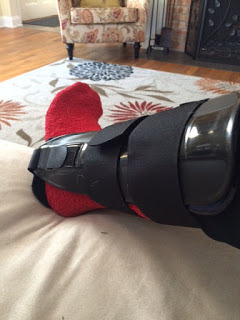
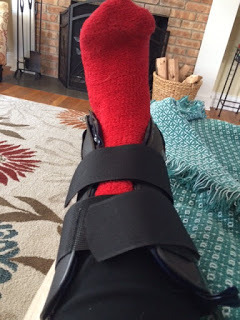
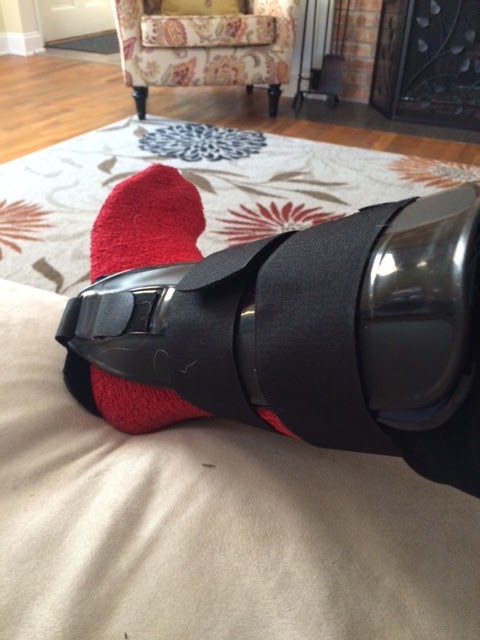
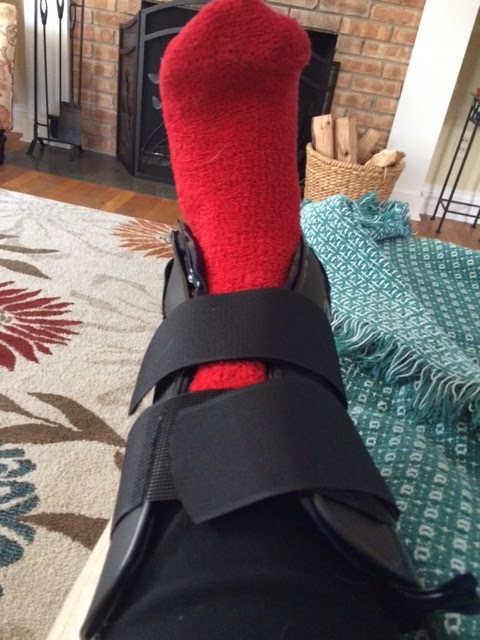
At aikido last Monday night, I sprained my ankle. I went to attack someone (with their permission of course), I heard a loud popping sound, and BAM. I hit the mat like a brick. At first I was just shocked. Then the pain came. Then the anger. And then the fear...which lead me to several realizations:
1. I have a fear of mortality.I think anyone who has ever read the Jesse Sullivan books will know that I'm constantly trying to make death funny, probably to lighten my own terror of it. But actually, what this experience taught me was that it isn't death itself that scares me most. It's weakness, immobility, getting old and no being able to get around on my own. I know this makes me sound like an ungrateful twat to elderly people, but it's scary! And having a sprained ankle awakened all that. My mobility is limited, I'm worried about healing poorly and having problems later. What happens if I can't walk when I'm 80, or 70, or...
2. I am still extremely hard on myself.
 While it is true that I've become more patient, more kind, and more loving to the people around me, I can't seem to do that for myself yet. When I sprained my ankle, my interior dialogue was brutal: "God this is all my fault! I'm so stupid! Who hurts themself when attacking someone?! I'm the worst ninja in the world! Who am I kidding, I was never a ninja to begin with! My blackbelt days are behind me. I'm not half the fighter I used to be--and I probably wasn't even a good one to begin with!"
And on and on it went. It didn't matter that sprained ankles are extremely common or that it happens to almost everyone who does any kind of athletic stuff. I forgot all of that as I beat the hell out of myself.
3. I'm not okay with physical weakness.
 This is obvious to me and kind of mixed up with 1 and 2. But it comes down to the fact that in my past I was taken advantage of for being small and weak (yes, abuse) and so now if I even register pain I'm horribly hard on myself. Partly because being in pain is too closely related with tolerating abuse. YES, YES, YES, I know this isn't true. But you can't make the irrational fears sensible even to the knows-better mind.
So bottom line, hurting my ankle showed me that I still have a long way to go with "letting go" and that work will probably extend far beyond the month of January.
Well, the funny thing about life is that the universe tends to provide you with lessons as you go along. For example, I thought I had made such awesome progress this month! I'd singled out several things that snagged me and was learning to let them go, I was breaking old agreements, I was winning at life!
Then something happens.
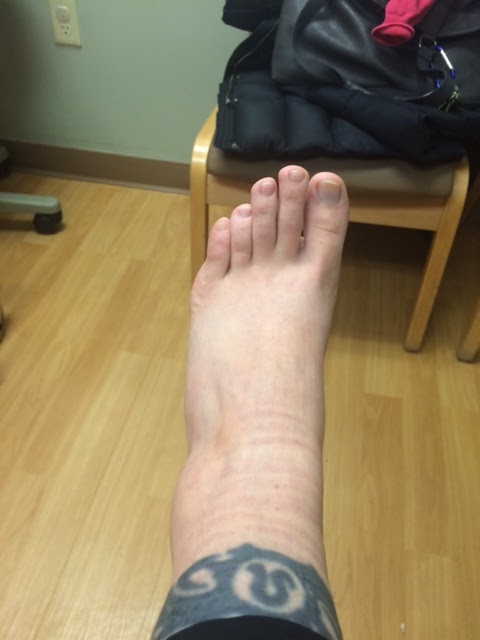
At aikido last Monday night, I sprained my ankle. I went to attack someone (with their permission of course), I heard a loud popping sound, and BAM. I hit the mat like a brick. At first I was just shocked. Then the pain came. Then the anger. And then the fear...which lead me to several realizations:
1. I have a fear of mortality.I think anyone who has ever read the Jesse Sullivan books will know that I'm constantly trying to make death funny, probably to lighten my own terror of it. But actually, what this experience taught me was that it isn't death itself that scares me most. It's weakness, immobility, getting old and no being able to get around on my own. I know this makes me sound like an ungrateful twat to elderly people, but it's scary! And having a sprained ankle awakened all that. My mobility is limited, I'm worried about healing poorly and having problems later. What happens if I can't walk when I'm 80, or 70, or...
2. I am still extremely hard on myself.
 While it is true that I've become more patient, more kind, and more loving to the people around me, I can't seem to do that for myself yet. When I sprained my ankle, my interior dialogue was brutal: "God this is all my fault! I'm so stupid! Who hurts themself when attacking someone?! I'm the worst ninja in the world! Who am I kidding, I was never a ninja to begin with! My blackbelt days are behind me. I'm not half the fighter I used to be--and I probably wasn't even a good one to begin with!"
And on and on it went. It didn't matter that sprained ankles are extremely common or that it happens to almost everyone who does any kind of athletic stuff. I forgot all of that as I beat the hell out of myself.
3. I'm not okay with physical weakness.
 This is obvious to me and kind of mixed up with 1 and 2. But it comes down to the fact that in my past I was taken advantage of for being small and weak (yes, abuse) and so now if I even register pain I'm horribly hard on myself. Partly because being in pain is too closely related with tolerating abuse. YES, YES, YES, I know this isn't true. But you can't make the irrational fears sensible even to the knows-better mind.
So bottom line, hurting my ankle showed me that I still have a long way to go with "letting go" and that work will probably extend far beyond the month of January.


January 22, 2016
#Read a #poem: If by Rudyard Kipling #poetry
If you can keep your head when all about youAre losing theirs and blaming it on you,If you can trust yourself when all men doubt you,But make allowance for their doubting too;If you can wait and not be tired by waiting,Or being lied about, don’t deal in lies,Or being hated, don’t give way to hating,And yet don’t look too good, nor talk too wise:If you can dream — and not make dreams your master;If you can think — and not make thoughts your aim;If you can meet with Triumph and DisasterAnd treat those two impostors just the same;If you can bear to hear the truth you’ve spokenTwisted by knaves to make a trap for fools,Or watch the things you gave your life to, broken,And stoop and build ’em up with worn-out tools:If you can make one heap of all your winningsAnd risk it on one turn of pitch-and-toss,And lose, and start again at your beginningsAnd never breathe a word about your loss;If you can force your heart and nerve and sinewTo serve your turn long after they are gone,And so hold on when there is nothing in youExcept the Will which says to them: “Hold on!”If you can talk with crowds and keep your virtue,Or walk with Kings — nor lose the common touch,If neither foes nor loving friends can hurt you,If all men count with you, but none too much;If you can fill the unforgiving minuteWith sixty seconds’ worth of distance run,Yours is the Earth and everything that’s in it,And — which is more — you’ll be a Man, my son!
January 21, 2016
How to Let Go of Old Agreements #TheBestofMe
One of the important aspects of honoring the Toltec “Four Agreements” is to also break your old agreements so that you can have room for new, more beneficial agreements. If you don’t know what an agreement is, start here.
If you do, let’s talk about how to break them. The answer is little by little over time and the most important first step is to identify those old faulty agreements that you’ve made in your past. You’ve got to open the junk drawer to know what’s in there!
It’s about freeing yourself and to do that you must forget everything you learned.
Here is some of the nonsense I’ve learned:
Old Agreements worth breaking New Agreements
I am ugly: buck teethed, thin lipped, bow legged, fat, with jowls.
I am beautiful and attractive to many people. But more importantly, I make people feel good
Physical appearance is really important It isn’t what you look like, but how you make people feel that matters.
Only rich people are powerful.
Warriors are the most powerful.
Only physical power matters.
All bodies grow weak and die.
I waste too much time.
Curiosity and creativity is worth my time.
Being a writer isn’t a worthy occupation.
Words change the word.
Charm and people-pleasing are the keys to love.
Kindness and gentleness are key to love.
Failure makes you weak.
Giving up makes you weak.
It is important to make a lot of money.
It is important to spend my days exactly as I wish. It is important to find pleasure in all things.
My home isn’t good enough.
My home is a loving, comfortable space
My car isn’t good enough.
I am so lucky to have private transportation
Recognition validates my talent.
Mastery and challenge validates my talent.
I need external validation.
I must believe in myself.
I need to be thin.
I enjoy feeling strong. I must be amazing in order to impress and be worthy of admiration. I must be exactly what I am* in order to impress and be worthy of admiration.
I was cheated out of a loving family.
My life is full of amazing people.
I was cheated out of a happy childhood.
I have been strong from an early age.
What are some of the silly things you’ve learned over time? What agreements do you need to break?
If you do, let’s talk about how to break them. The answer is little by little over time and the most important first step is to identify those old faulty agreements that you’ve made in your past. You’ve got to open the junk drawer to know what’s in there!
It’s about freeing yourself and to do that you must forget everything you learned.
Here is some of the nonsense I’ve learned:
Old Agreements worth breaking New Agreements
I am ugly: buck teethed, thin lipped, bow legged, fat, with jowls.
I am beautiful and attractive to many people. But more importantly, I make people feel good
Physical appearance is really important It isn’t what you look like, but how you make people feel that matters.
Only rich people are powerful.
Warriors are the most powerful.
Only physical power matters.
All bodies grow weak and die.
I waste too much time.
Curiosity and creativity is worth my time.
Being a writer isn’t a worthy occupation.
Words change the word.
Charm and people-pleasing are the keys to love.
Kindness and gentleness are key to love.
Failure makes you weak.
Giving up makes you weak.
It is important to make a lot of money.
It is important to spend my days exactly as I wish. It is important to find pleasure in all things.
My home isn’t good enough.
My home is a loving, comfortable space
My car isn’t good enough.
I am so lucky to have private transportation
Recognition validates my talent.
Mastery and challenge validates my talent.
I need external validation.
I must believe in myself.
I need to be thin.
I enjoy feeling strong. I must be amazing in order to impress and be worthy of admiration. I must be exactly what I am* in order to impress and be worthy of admiration.
I was cheated out of a loving family.
My life is full of amazing people.
I was cheated out of a happy childhood.
I have been strong from an early age.
What are some of the silly things you’ve learned over time? What agreements do you need to break?
January 20, 2016
The Fourth Agreement #TheBestofMe
The 4th agreement from Don Miguel Ruiz’s book The Four Agreements is: “Always do your best”. He qualifies this immediately with the changeable nature of your best. “Your best is going to change from moment to moment; it will be different when you are healthy as opposed to sick. Under any circumstance, simply do your best, and you will avoid self-judgment, self-abuse, and regret.”
So what is “my best”?
My best is:
apologizing when I realize I am wrong.
Letting go of the need to be right.
Forgiving others when they slight me.
Laughing more.
Being patient with myself and others
practicing gratitude every day, even in the toughest of situations
Appreciating my progress
Trying again when I fail
Being kind even when I am tired or angry and don’t want to be kind
And while this might be the baseline for my “best”, it will change. It will change as I grow and it will changed based on my mental/emotional/physical state. It is only important that my best be a challenge, something to aspire to that promotes my growth and well-being.
What is your best?
So what is “my best”?
My best is:
apologizing when I realize I am wrong.
Letting go of the need to be right.
Forgiving others when they slight me.
Laughing more.
Being patient with myself and others
practicing gratitude every day, even in the toughest of situations
Appreciating my progress
Trying again when I fail
Being kind even when I am tired or angry and don’t want to be kind
And while this might be the baseline for my “best”, it will change. It will change as I grow and it will changed based on my mental/emotional/physical state. It is only important that my best be a challenge, something to aspire to that promotes my growth and well-being.
What is your best?
January 19, 2016
The Third Agreement #Lettinggo #TheBestofMe
As I continue to make my way through The Four Agreements, we arrive at agreement #3: Make no assumptions. In the book, the advice is as follows: “Find the courage to ask questions and to express what you really want. Communicate with others as clearly as you can to avoid misunderstanding, sadness, and drama.”There are many ways that we make assumptions:- We take insults personally
- We assume that everything is about us
- We assume people just know what we want
- We assume people know what we mean, when maybe our communication is unclear
- We assume we know what someone means when they speak.
- We assume that we can change people
- We assume certain events, people, actions are horrible or goodOf course, this makes me think of the age old adage—Assuming makes an ASS out of U and ME.
So how do we keep ourselves from making assumptions?
-When someone is horrible to you, don’t take it personally. It might be because they had a bad day or because someone was horrible to them. It could be they are fighting with their own issues and you are just a mirror for that problem. Whatever the case, even if they call you fat and ugly, it’s not about you. It’s about them.
-We assume everything is about us. If our partners don’t do the dishes, it’s a slap in the face, rather than the fact they might just be exhausted. If we are passed over for promotion, it’s because someone hates us rather than someone else was more qualified.
-We assume people know what we want. It’s very romantic, the idea that someone can just look at me and know my deepest desires, fulfilling them without effort. If this magic was commonplace, novels about mindreading boyfriends wouldn’t be so popular. The fact is that people don’t know what we want. They are so wrapped up in their own dramas, that if we want something we are going to have to ask. Asking questions is the best way to clarify communication. - We assume people know what we mean, when maybe our communication is unclear. We assume we know what someone means when they speak. Half the time I don’t even know what I mean when I’m talking, so assuming that other people know what I mean is ridiculous. The reverse is also true. Just because someone says something, it doesn’t mean that’s what they meant. If that were always true, we would haven’t the saying “Don’t say things you don’t mean.” -We assume that we can change people. We cannot change people. They can only change themselves. Period. Yet that doesn’t stop us from trying though and the trying part is the exact opposite of “letting go”. So instead of working so hard to make people the way we want them to be (children, friends, spouses) we should focus on our own growth instead.
-We assume certain events, people, actions are horrible or good. This is another one of those ideas that I came across in Buddhism. And it relates to Shakespeare’s famous quote which I mentioned before: “Nothing is neither good nor bad, it is our thoughts that make it so.” I personally find it beneficial to apply positivity in all situations regardless of whether they are good or bad. (Buddhists: nothing is good or bad). If something terrible happens, I can cry about it or I can say "what an awesome opportunity to strengthen my "letting go" muscles. I can despair at my circumstances or I can be grateful for what I have. Of course, even applying positivity is unnecessary, if I manage to not assume something was "horrible" to begin with.
What assumptions do you often make?
- We assume that everything is about us
- We assume people just know what we want
- We assume people know what we mean, when maybe our communication is unclear
- We assume we know what someone means when they speak.
- We assume that we can change people
- We assume certain events, people, actions are horrible or goodOf course, this makes me think of the age old adage—Assuming makes an ASS out of U and ME.
So how do we keep ourselves from making assumptions?
-When someone is horrible to you, don’t take it personally. It might be because they had a bad day or because someone was horrible to them. It could be they are fighting with their own issues and you are just a mirror for that problem. Whatever the case, even if they call you fat and ugly, it’s not about you. It’s about them.
-We assume everything is about us. If our partners don’t do the dishes, it’s a slap in the face, rather than the fact they might just be exhausted. If we are passed over for promotion, it’s because someone hates us rather than someone else was more qualified.
-We assume people know what we want. It’s very romantic, the idea that someone can just look at me and know my deepest desires, fulfilling them without effort. If this magic was commonplace, novels about mindreading boyfriends wouldn’t be so popular. The fact is that people don’t know what we want. They are so wrapped up in their own dramas, that if we want something we are going to have to ask. Asking questions is the best way to clarify communication. - We assume people know what we mean, when maybe our communication is unclear. We assume we know what someone means when they speak. Half the time I don’t even know what I mean when I’m talking, so assuming that other people know what I mean is ridiculous. The reverse is also true. Just because someone says something, it doesn’t mean that’s what they meant. If that were always true, we would haven’t the saying “Don’t say things you don’t mean.” -We assume that we can change people. We cannot change people. They can only change themselves. Period. Yet that doesn’t stop us from trying though and the trying part is the exact opposite of “letting go”. So instead of working so hard to make people the way we want them to be (children, friends, spouses) we should focus on our own growth instead.
-We assume certain events, people, actions are horrible or good. This is another one of those ideas that I came across in Buddhism. And it relates to Shakespeare’s famous quote which I mentioned before: “Nothing is neither good nor bad, it is our thoughts that make it so.” I personally find it beneficial to apply positivity in all situations regardless of whether they are good or bad. (Buddhists: nothing is good or bad). If something terrible happens, I can cry about it or I can say "what an awesome opportunity to strengthen my "letting go" muscles. I can despair at my circumstances or I can be grateful for what I have. Of course, even applying positivity is unnecessary, if I manage to not assume something was "horrible" to begin with.
What assumptions do you often make?
January 18, 2016
#Mondayblogs: Don't Take This Personally #TheBestofMe #power project
As with the first agreement, the second agreement focuses on letting go of the habits and attitudes that keep us attached, upset, angry, and unenlightened.
The second agreement is "Don't take anything personally."
This is another one of those ideas that I feel I've come across in Buddhism.
When someone says you're stupid, you take it personally. Maybe you retort with "no, you're the idiot!" Or maybe you cry. Or maybe you punch them in the face. All responses would be appropriate in these situations, by normal standards.
However, Ruiz encourages us to realize that everything out of everyone's mouth is about them not us. Because of the beliefs we hold or rather the falsehoods we believe, we perceive the world a certain way and interact with others accordingly.
Because we take someone's words or actions personally (that guy just cut me off and flipped me the bird, what an asshole!) then we become angry, upset, jealous, etc. Sure this all sounds simple on paper, Ruiz, but if you'd told my 20-year-old self not to take my ex-girlfriend's infidelty personally, I would have clawed someone's eyes out!
But this isn't an idea that is limited to The Four Agreements, but reoccurs throughout the ages. Shakespeare says, “There is nothing either good or bad, but thinking makes it so.” which is the same idea because we're thinking "hey look what happened to me!"
And in Buddhism the same is emphasized--that our attachments to outcomes or our expectations for moments create the conflict. We make every minute of our lives "all about me".
So what must I let go in order to honor the second agreement:
-My need for praise or positive affirmations (But like Rubin, I love those gold stars!)
-My belief that a person's poor behavior or attitudes have anything to do with me
-concern regarding what other's think of me (or my work by extension)
-the idea that I must do or say or believe anything to be loved
-taking myself or my life too seriously, as this is also taking it personally.
-inner self-criticism/negative internal dialogue, which is also making it all about me, when it's not.
Yeahhhh....wish me luck!
The second agreement is "Don't take anything personally."
This is another one of those ideas that I feel I've come across in Buddhism.
When someone says you're stupid, you take it personally. Maybe you retort with "no, you're the idiot!" Or maybe you cry. Or maybe you punch them in the face. All responses would be appropriate in these situations, by normal standards.
However, Ruiz encourages us to realize that everything out of everyone's mouth is about them not us. Because of the beliefs we hold or rather the falsehoods we believe, we perceive the world a certain way and interact with others accordingly.
Because we take someone's words or actions personally (that guy just cut me off and flipped me the bird, what an asshole!) then we become angry, upset, jealous, etc. Sure this all sounds simple on paper, Ruiz, but if you'd told my 20-year-old self not to take my ex-girlfriend's infidelty personally, I would have clawed someone's eyes out!
But this isn't an idea that is limited to The Four Agreements, but reoccurs throughout the ages. Shakespeare says, “There is nothing either good or bad, but thinking makes it so.” which is the same idea because we're thinking "hey look what happened to me!"
And in Buddhism the same is emphasized--that our attachments to outcomes or our expectations for moments create the conflict. We make every minute of our lives "all about me".
So what must I let go in order to honor the second agreement:
-My need for praise or positive affirmations (But like Rubin, I love those gold stars!)
-My belief that a person's poor behavior or attitudes have anything to do with me
-concern regarding what other's think of me (or my work by extension)
-the idea that I must do or say or believe anything to be loved
-taking myself or my life too seriously, as this is also taking it personally.
-inner self-criticism/negative internal dialogue, which is also making it all about me, when it's not.
Yeahhhh....wish me luck!
January 17, 2016
Cover Reveal: Worth Dying For (A Jesse Sullivan Novel)

Behold! The cover of Worth Dying For, the fifth novel in the Jesse Sullivan series. Pretty right? I think it looks great beside the other four titles. Don't you?
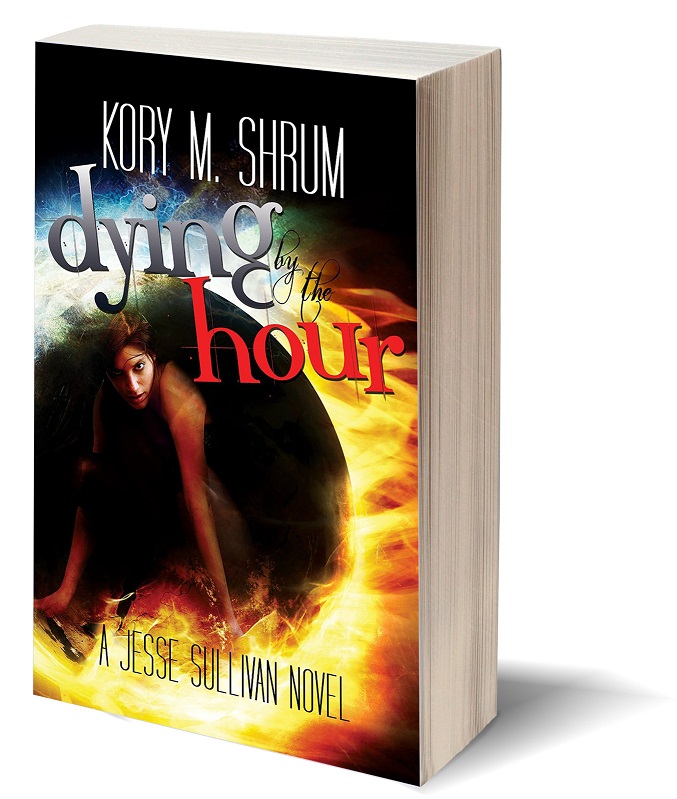


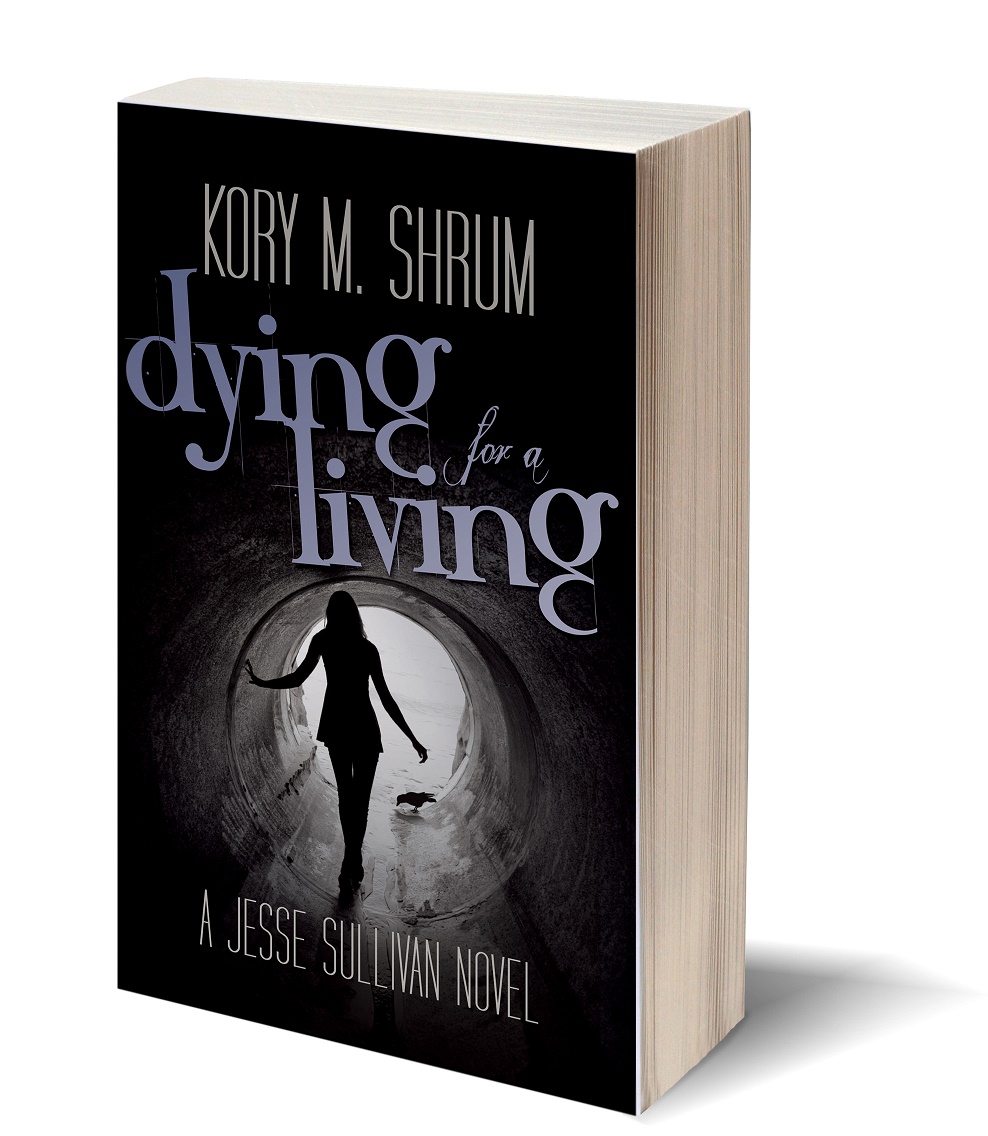
Worth Dying For is due to be released May 2, 2016. If you're new to the Jesse Sullivan contemporary fantasy series, good news--Book 1, Dying for a Living is free! Learn why this book has over 175 5-star reviews here.
January 15, 2016
#Fridayreads: A #poem by Wislawa Szymborska
The Joy of Writing
Why does this written doe bound through these written woods?
For a drink of written water from a spring
whose surface will xerox her soft muzzle?
Why does she lift her head; does she hear something?
Perched on four slim legs borrowed from the truth,
she pricks up her ears beneath my fingertips.
Silence - this word also rustles across the page
and parts the boughs
that have sprouted from the word 'woods.'
Lying in wait, set to pounce on the blank page,
are letters up to no good,
clutches of clauses so subordinate
they'll never let her get away.
Each drop of ink contains a fair supply
of hunters, equipped with squinting eyes behind their sights,
prepared to swarm the sloping pen at any moment,
surround the doe, and slowly aim their guns.
They forget that what's here isn't life.
Other laws, black on white, obtain.
The twinkling of an eye will take as long as I say,
and will, if I wish, divide into tiny eternities,
full of bullets stopped in mid-flight.
Not a thing will ever happen unless I say so.
Without my blessing, not a leaf will fall,
not a blade of grass will bend beneath that little hoof's full stop.
Is there then a world
where I rule absolutely on fate?
A time I bind with chains of signs?
An existence become endless at my bidding?
The joy of writing.
The power of preserving.
Revenge of a mortal hand.
Why does this written doe bound through these written woods?
For a drink of written water from a spring
whose surface will xerox her soft muzzle?
Why does she lift her head; does she hear something?
Perched on four slim legs borrowed from the truth,
she pricks up her ears beneath my fingertips.
Silence - this word also rustles across the page
and parts the boughs
that have sprouted from the word 'woods.'
Lying in wait, set to pounce on the blank page,
are letters up to no good,
clutches of clauses so subordinate
they'll never let her get away.
Each drop of ink contains a fair supply
of hunters, equipped with squinting eyes behind their sights,
prepared to swarm the sloping pen at any moment,
surround the doe, and slowly aim their guns.
They forget that what's here isn't life.
Other laws, black on white, obtain.
The twinkling of an eye will take as long as I say,
and will, if I wish, divide into tiny eternities,
full of bullets stopped in mid-flight.
Not a thing will ever happen unless I say so.
Without my blessing, not a leaf will fall,
not a blade of grass will bend beneath that little hoof's full stop.
Is there then a world
where I rule absolutely on fate?
A time I bind with chains of signs?
An existence become endless at my bidding?
The joy of writing.
The power of preserving.
Revenge of a mortal hand.
January 14, 2016
The First Agreement #TheBestofMe #Power #Inspiration
As part of my Power Project exploration, I’m doing lots of reading. One such book (which I am not finished with) is
The Four Agreements
by Don Miguel Ruiz. This is another one of those books, like The Happiness Project that was super hot for a minute and everyone read it—but me.
Anyhoo, I am struck by a concept in this book that Ruiz calls “making an agreement”. Here is a good example from page 35-36:
“There was a woman, for example, who was intelligent and had a very good heart. She had a daughter whom she adored and loved very much. One night she came home from a very bad day at work, tired, full of emotional tension, and with a terrible headache. She wanted peace and quiet, but her daughter was singing and jumping happily. The daughter was unaware of how her mother was feeling; she was in her own world, in her own dream. She felt so wonderful, and was she jumping and singing louder and louder, expressing her joy and her love. She was singing so loud that it made her mother’s headache even worse, and at a certain moment, the mother lost control. Angrily she looked at her beautiful little girl and said, ‘Shut up! You have an ugly voice. Can you just shut up!’
The truth is that the mother’s tolerance for any noise was nonexistent; it was not that the little girl’s voice was ugly. But the daughter believed what her mother said, in that moment made an agreement with herself. After that she no longer sang, because she believed her voice was ugly and would bother anyone who heard it. She became shy at school, and if she was asked to sing, she refused. Even speaking to others became difficult for her. Everything changed in the little girl because of this new agreement: she believed she must repress her emotions in order to be accepted and loved.”
We receive information every day from friends, family, coworkers, loved ones, strangers, the news and media—they tell us things that may be true, but most likely is as untrue as the little girl having an ugly voice. We hear these things and believe them to be true. We uphold these “agreements” they are true and they change us entirely.
I can’t help but wonder: how much of my personal power is wrapped up in shoddy agreements that I’ve made? 15%? 45%? I have a terrible feeling the number is much muchhigher.
So one important step toward reclaiming my power would be to sniff out all of the little agreements I’ve made over the years, and break them one by one, setting myself free.
I made an agreement that I am too fat. And I should break that agreement and make a new one “I am beautiful”. Though I suspect it will take me a long time to work through the backlog of agreements I currently function with, it will be equally important to refrain from making any new agreements as I move forward. This doesn’t sound easy to do at all and I’m a little daunted by the task. But I can see truth in Ruiz’s advice. I am making an agreement that I must break all old unworthy agreements and focus on only one’s based on truth from now on.
What about you? What agreements have you made with yourself that are holding you back? Which ones should you let go of today?
Anyhoo, I am struck by a concept in this book that Ruiz calls “making an agreement”. Here is a good example from page 35-36:
“There was a woman, for example, who was intelligent and had a very good heart. She had a daughter whom she adored and loved very much. One night she came home from a very bad day at work, tired, full of emotional tension, and with a terrible headache. She wanted peace and quiet, but her daughter was singing and jumping happily. The daughter was unaware of how her mother was feeling; she was in her own world, in her own dream. She felt so wonderful, and was she jumping and singing louder and louder, expressing her joy and her love. She was singing so loud that it made her mother’s headache even worse, and at a certain moment, the mother lost control. Angrily she looked at her beautiful little girl and said, ‘Shut up! You have an ugly voice. Can you just shut up!’
The truth is that the mother’s tolerance for any noise was nonexistent; it was not that the little girl’s voice was ugly. But the daughter believed what her mother said, in that moment made an agreement with herself. After that she no longer sang, because she believed her voice was ugly and would bother anyone who heard it. She became shy at school, and if she was asked to sing, she refused. Even speaking to others became difficult for her. Everything changed in the little girl because of this new agreement: she believed she must repress her emotions in order to be accepted and loved.”
We receive information every day from friends, family, coworkers, loved ones, strangers, the news and media—they tell us things that may be true, but most likely is as untrue as the little girl having an ugly voice. We hear these things and believe them to be true. We uphold these “agreements” they are true and they change us entirely.
I can’t help but wonder: how much of my personal power is wrapped up in shoddy agreements that I’ve made? 15%? 45%? I have a terrible feeling the number is much muchhigher.
So one important step toward reclaiming my power would be to sniff out all of the little agreements I’ve made over the years, and break them one by one, setting myself free.
I made an agreement that I am too fat. And I should break that agreement and make a new one “I am beautiful”. Though I suspect it will take me a long time to work through the backlog of agreements I currently function with, it will be equally important to refrain from making any new agreements as I move forward. This doesn’t sound easy to do at all and I’m a little daunted by the task. But I can see truth in Ruiz’s advice. I am making an agreement that I must break all old unworthy agreements and focus on only one’s based on truth from now on.
What about you? What agreements have you made with yourself that are holding you back? Which ones should you let go of today?
January 13, 2016
Why I Cried in the Shower #TheBestofMe
Lessons about letting go and power can come when you least expect it. This can be great, as it reminds me that opportunities for growth are present in every difficult moment. Also, that my optimism about growing as a person can make the difficult situation in question easier to bear.
One day I'll be like: something shitty happened. First thought: yay! A chance for growth and enlightenment!
This past weekend was my last weekend before the new semester started. Naturally, this looming "deadline" gave me a pressing urgency to get done some (a lot) house projects that I’d intended to finish over the holiday break. So I spent both days running around from project to project, hardly stopping to catch my breath.
Then on Sunday I had a tantrum (crying and all, I’m ashamed to admit), in my shower. Now…what happened?
Was it that applying grout was especially challenging? No
Did a giant spider jump on my face? No.
Did I get injured or the house explode? Nope and nope.
Here’s what happened:
1. I undervalued the importance of self-care.I ate very little on Saturday or Sunday and yet I worked a lot. Ditto sleep. My body and mind (as that requires calories too) were hungry and tired. And when you’re hungry and tired it is harder to focus, complete projects, problem solve etc. I seem to forget this when I'm working. I neglect my physical needs in order to get the work done.
Sure, one day if I'm on the battlefields slaking my bloodlust, this tendency will come in handy. But in my current "fat and contented house cat" life, I’m realizing a sandwich and a nap is just as important to Buddhahood as meditating. Sure, one day I may transcend beyond my blood sugar levels, but for now, I’ll just heap on the avocado. This is directly related to the fact that...
2. I didn’t take enough breaks.Kim loves to remind me of the time we hiked 12 miles in one day and I was a tyrant because I didn’t want to take any breaks. Well, this is a pretty good example of how I approach life. When I need to do something, I power through. I LOVE to power through and while it is important in some cases, it is equally, if not more important in other cases to break it into smaller bites. Part of it is about taking care of one’s self, but it’s also about being your best in a situation. You are not your most powerful in a moment, if you're worn down. Being fully present, resetting, so that you can go at it again with renewed vigor is a good way to be your strongest in a moment.
3. My unnecessary standards created “war” where there was none.No one MADE me do all the house projects this weekend. No one was going to show up at my house and make fun of me if I didn’t finish painting the kitchen. No one was going to take my house away because I “neglected” it. So why did I get so upset? Because I wanted to get it done! I’d put “paint the cabinet doors” on a list! Now it was mocking me every moment I didn’t scratch it off! This kind of false imperative is something I’m quite guilty of. And while it’s true it can be motivating at times, it’s a two-headed beast at best. It can turn on me and control my actions just as easily. And applying these demands did nothing but stress me out and rob me of a nice quiet weekend before another hectic semester. No one did that to me but me. And this self-policing compulsion seems complex, so I will probably have to explore it more at a later time.
So you might be asking by now, “Kory, what the hell does this have to do with power and your 2016 Power Project?” To which I have an answer:
Sometimes being weak is simply a matter of giving away your power.
This weekend I weakened myself by imposing horrible standards and then not taking care of myself while I powered through tasks. I essentially tied both my hands, skipped meals and said “Now, through the hoops!”
In this case, I didn’t give it away to anyone in particular, but I gave it away nonetheless. And there are some things I could have done differently. I could have employed more positivity and enthusiasm. Instead of getting mad about the work, I could remind myself “working on your house is fun!” Realized that my desire to have it ALL done by 8pm on Sunday was unrealistic and too demanding. So cutting myself some slack was in order too, as well as the self-care and breaks I mentioned before. Lastly, an appreciation for progress—sure, I didn’t get everything done, but the cabinets look good! The basement is tidy! The sink is fixed! I could have practiced gratitude that I have a house at all (side-eye to the Syrian refugees. Hope to god they haven’t heard my drivel over here).
All of these actions: enthusiasm, positivity, gratitude and appreciation come from a place of strength. If I’d eaten some breakfast, maybe I would have remembered that.
I think this is also connected to the idea that "you are your own worst enemy". Most of us expect too much of ourselves, are the most critical of ourselves, and cut ourselves the least slack. So perhaps being powerful is about being gentle with myself first and foremost. But I think the intersection of gentleness and power is a contemplation for another day.
For now I'll simply close with what I learned: Letting go of my need to finish all the things--my all or nothing mentality--would have improved my fortitude in that moment. And that sometimes power isn't about acquiring MORE strength and dominance over a situation, but about recognizing the power you already have.
One day I'll be like: something shitty happened. First thought: yay! A chance for growth and enlightenment!
This past weekend was my last weekend before the new semester started. Naturally, this looming "deadline" gave me a pressing urgency to get done some (a lot) house projects that I’d intended to finish over the holiday break. So I spent both days running around from project to project, hardly stopping to catch my breath.
Then on Sunday I had a tantrum (crying and all, I’m ashamed to admit), in my shower. Now…what happened?
Was it that applying grout was especially challenging? No
Did a giant spider jump on my face? No.
Did I get injured or the house explode? Nope and nope.
Here’s what happened:
1. I undervalued the importance of self-care.I ate very little on Saturday or Sunday and yet I worked a lot. Ditto sleep. My body and mind (as that requires calories too) were hungry and tired. And when you’re hungry and tired it is harder to focus, complete projects, problem solve etc. I seem to forget this when I'm working. I neglect my physical needs in order to get the work done.
Sure, one day if I'm on the battlefields slaking my bloodlust, this tendency will come in handy. But in my current "fat and contented house cat" life, I’m realizing a sandwich and a nap is just as important to Buddhahood as meditating. Sure, one day I may transcend beyond my blood sugar levels, but for now, I’ll just heap on the avocado. This is directly related to the fact that...
2. I didn’t take enough breaks.Kim loves to remind me of the time we hiked 12 miles in one day and I was a tyrant because I didn’t want to take any breaks. Well, this is a pretty good example of how I approach life. When I need to do something, I power through. I LOVE to power through and while it is important in some cases, it is equally, if not more important in other cases to break it into smaller bites. Part of it is about taking care of one’s self, but it’s also about being your best in a situation. You are not your most powerful in a moment, if you're worn down. Being fully present, resetting, so that you can go at it again with renewed vigor is a good way to be your strongest in a moment.
3. My unnecessary standards created “war” where there was none.No one MADE me do all the house projects this weekend. No one was going to show up at my house and make fun of me if I didn’t finish painting the kitchen. No one was going to take my house away because I “neglected” it. So why did I get so upset? Because I wanted to get it done! I’d put “paint the cabinet doors” on a list! Now it was mocking me every moment I didn’t scratch it off! This kind of false imperative is something I’m quite guilty of. And while it’s true it can be motivating at times, it’s a two-headed beast at best. It can turn on me and control my actions just as easily. And applying these demands did nothing but stress me out and rob me of a nice quiet weekend before another hectic semester. No one did that to me but me. And this self-policing compulsion seems complex, so I will probably have to explore it more at a later time.
So you might be asking by now, “Kory, what the hell does this have to do with power and your 2016 Power Project?” To which I have an answer:
Sometimes being weak is simply a matter of giving away your power.
This weekend I weakened myself by imposing horrible standards and then not taking care of myself while I powered through tasks. I essentially tied both my hands, skipped meals and said “Now, through the hoops!”
In this case, I didn’t give it away to anyone in particular, but I gave it away nonetheless. And there are some things I could have done differently. I could have employed more positivity and enthusiasm. Instead of getting mad about the work, I could remind myself “working on your house is fun!” Realized that my desire to have it ALL done by 8pm on Sunday was unrealistic and too demanding. So cutting myself some slack was in order too, as well as the self-care and breaks I mentioned before. Lastly, an appreciation for progress—sure, I didn’t get everything done, but the cabinets look good! The basement is tidy! The sink is fixed! I could have practiced gratitude that I have a house at all (side-eye to the Syrian refugees. Hope to god they haven’t heard my drivel over here).
All of these actions: enthusiasm, positivity, gratitude and appreciation come from a place of strength. If I’d eaten some breakfast, maybe I would have remembered that.
I think this is also connected to the idea that "you are your own worst enemy". Most of us expect too much of ourselves, are the most critical of ourselves, and cut ourselves the least slack. So perhaps being powerful is about being gentle with myself first and foremost. But I think the intersection of gentleness and power is a contemplation for another day.
For now I'll simply close with what I learned: Letting go of my need to finish all the things--my all or nothing mentality--would have improved my fortitude in that moment. And that sometimes power isn't about acquiring MORE strength and dominance over a situation, but about recognizing the power you already have.