
Christiane Northrup's Blog, page 2
May 8, 2024
Do You Practice Enough Self-Care
One of the biggest challenges women face is learning how to care for themselves while caring for others. It requires a delicate balance between what often feels like polar opposites. I’ve spent a lifetime studying self-care. And I’ve come to the conclusion that good self-care is the single most important aspect of our health— period.
On the other hand, the programming of self-sacrifice ultimately leads to health-destroying sentiments such as guilt, resentment, anger, and other emotions linked to high levels of stress hormones. Self-sacrifice feels wrong to us on a soul level because our spirit gravitates naturally toward joy and happiness.
That’s why self-sacrifice ultimately makes us sick and keeps us stuck in dead-end situations—and why self-care is so essential to living a happy, healthy life. How well we care for ourselves is determined, in part, by how well our mothers cared for us (and themselves). Ultimately, however, it’s our responsibility to learn how to optimally care for ourselves regardless of what happened (or didn’t) with our mothers. We refine this process throughout our entire lives.
The key is knowing in your heart that the best way you can care for others is by caring for yourself. I know this requires a paradigm shift for many of you!
Despite what you’ve been brought up to believe, caring for oneself is not an example of a zero sum model where your gain is someone else’s loss.
Everyone benefits from a woman who knows how to care for herself. Self-care sustains and enhances the health of all those around you. That’s why flight attendants tell you to secure your own oxygen mask before assisting others.
9 Easy Ways to Enhance Your Health Through Self-Care
When women think of self-care, they often think it will be expensive—like you have to go get a massage or a facial. But really there are many ways to take care of yourself—body, mind, and spirit—using just what you have readily at your disposal.
Here are some of my tips for making self-care a part of your daily health:
1. Tap into healing energy regularly. Your body is connected to a healing stream of energy (also known as chi, prana, light, Source, and God) that you can absorb at will. All you need to do is be aware of it and be open to receive it! This is the basis for the healing power of prayer. One prayer service I like is Silent Unity. Silent Unity has volunteers who will pray with you and then pray continuously for 30 days. You simply tell the volunteer your concerns and they will pray with you.
Another particularly powerful way to absorb this healing energy is through Divine Love Petitions as taught by Robert Fritchie, founder of The World Service Institute. Divine Love is the most powerful energy in the universe. You receive it into your body through your thymus gland, located just below your sternum. To learn how to do a Divine Love petition go to The World Service Institute website. This practice has been associated with many well-documented physical and emotional healings that conventional medicine cannot explain.
2. Become your own best mother. Treat yourself the way your ideal mother would. Talk to yourself in a nurturing way. Provide for yourself that which you wish you had received from your own mother. For example, say to yourself, “Darling, I see that you’re tired. Why don’t you lie down and take a nice nap. When you get up, we’ll have a nice cup of hot tea” or “I see that you need a break. How about a nice hot bath and a good book.” You get the picture.
3. Do something pleasurable every day. Taking time for pleasure and fun decreases the stress hormones cortisol and adrenalin, which over time, are responsible for heart disease, cancer, and most chronic diseases such as arthritis and high blood pressure. Plus when you take time for enjoyment, you’ll be able to approach arduous tasks with more energy and a better outlook.
4. Breathe. Breathing in fully through your nose instantly engages the rest and restore parasympathetic nervous system and helps the body metabolize stress hormones. Put Post-it notes on your phone, your computer, and your bathroom mirror. Write BREATHE in beautiful letters to remind yourself to breathe fully.
5. Get support. Find a self-care buddy and agree that each of you will hold the other accountable for taking care of herself. Start with my suggestions and add your own ideas. Brag to each other about how well you’re doing and especially how well you are caring for yourself. Plan to call your friend whenever you start to slip into over-care of others.
6. Just say “no.” When someone asks you to do something you don’t really want to do, say “no.” Saying “no” to something you don’t want to do is saying “yes” to yourself! If saying “no” makes you feel guilty or unworthy this usually means you’re letting the needs of others overshadow your own. Only you know how much you can handle without over-committing. Over time, you’ll strengthen your “no” muscle and also attract friends who support your need to set healthy boundaries.
7. Don’t ask for permission. No one is going to give you permission to take care of yourself, although we often desperately want someone to do so! I remember being on call in the hospital watching the nurses give each other breaks. I yearned for one of my colleagues to give me permission to take a break after being up all night. But no one did because the culture of medicine (particularly a surgical specialty) is so macho. I ended up with a huge breast abscess that dissected into my chest wall while I was trying to nurse my first daughter and work full-time. I learned a huge lesson about self-care because I destroyed my ability to nurse my second child from both breasts!
8. Prepare to be called “selfish.” When you start taking better care of yourself, people may accuse you of being selfish. If this happens, celebrate! Then call your self-care buddy to brag about it! After all, taking care of yourself is prevention at the most fundamental level. If you find yourself constantly saying you don’t have time to care for yourself, then ask yourself whether you time to be sick, or if dying prematurely is the best way to take care of your loved ones.
9. Treat your body as a temple. Your body houses your soul. It’s your job to take care of your body until you leave it—the same way you take care of your house or your car. This is your responsibility. It doesn’t belong to your doctor, your spouse, or your mother. It’s that simple. We are beings of light. Our bodies are the densest, darkest matter. When you see your body as a temple for your soul and treat it with love, and kindness and respect, you are bringing light into the darkest area.
5 More Ways to Improve Your Level of Self-Care
1. Change your beliefs. Optimal care of your body begins with your beliefs. Every thought you think is accompanied by biochemical signals that move throughout your body. Serotonin, dopamine, and epinephrine are neurotransmitters that affect all areas of your body, and their production is based on what you think and feel. Stressful thoughts filled with anger, fear, or sadness increase stress-hormone levels in your body, which ultimately leads to cellular inflammation—the root cause of osteoporosis, depression, diabetes, heart disease, arthritis, and cancer. But this isn’t the only way your thoughts affect your health. They can literally determine which genes get expressed! It’s important to know and believe that your body was designed for health, vitality, and well-being for your entire life. Cultivate a healthy belief system about what’s possible physically—especially as you move through time. And engage in the physical activities necessary to maintain your physical self.
2. Treat yourself like a precious child. Self-care is something that our society does not reward us for. In fact, it is often looked down on when someone, especially a woman, takes care of herself. I was reminded of once when I was watching my granddaughter, Penelope. I was cleaning up the living room and realized that she was hungry. Of course I stopped to take care of her. I would never starve my granddaughter. Yet, I have certainly done this to myself! Learning to treat ourselves the way we would a precious child connects us with our Divinity. You can practice this by doing simple things such as using the rest room when you have the urge, or eating when you are hungry and stopping when you are full. It also helps to set out a meal for yourself on a plate and actually sit down and enjoy it instead eating on the run or standing at the kitchen counter.
3. Make gravity work for you. Sitting for more than 6 hours a day increases your risk of disease including heart attack, stroke, diabetes, obesity, and cancer. In fact, even if you exercise regularly, prolonged sitting cancels out a lot of the good effects. Standing all day is not the answer. The answer is moving your body through the gravitational field of the earth. Every time you move your body through gravity your body goes through thousands of minute physiologic changes in blood pressure, fluid exchange, hormone secretion, and stresses on bones and joints that help ensure health. So, if you sit at a desk, get up at least 6 times per hour. But if you can, it’s always best to add in something more such as stretching, knee bends or even squats. And remember, since the soul knows no timeline, it’s never too late to try some activity you have always wanted to do—dance, ride horses, ski, hike— whatever will keep you moving.
4. Take Care of Your Fascia. Fascia is the connective tissue that runs throughout your body. It connects skin to muscle and muscle to bone and every organ in the body. Our fascial network is a secondary nervous system. It can become dense, scarred, and thickened as a result of physical, emotional, or mental stress. Working your fascia regularly through body work, resistance flexibility, yoga, and other exercises can help you release old patterns that are stored there.
5. Feel Your Human Emotions. Being a spiritual being on a human journey requires that we feel human emotions. But with spiritual practices becoming very popular, so too is the practice of taking a “spiritual bypass” to avoid dealing with painful feelings, unresolved wounds and developmental needs. A spiritual bypass looks something like this: “It’s all good.” “Everything happens for a reason.” “Spiritual people don’t cry or have negative feelings.” “If you feel sad, you’re not spiritual enough.” While this may seem better than using alcohol or drugs, it has the same effect. Being a human being on a spiritual path requires that you are present in each moment for all of your feelings without letting those feelings define you. Now, this does not mean that you want to stay in a perpetual state of anger, victimhood, grief or sadness. These emotions lower your vibration. It simply means you allow your emotions to surface and embrace them fully without judgment, and then allow full expression of those emotions safely. That is the only way to deal with them successfully. Your soul actually learns from this process of deep awareness and release.
Doctor’s Orders: Prescription for Self-Care
When all else fails and you are having difficulty taking time to care for yourself, imagine that you have a prescription in front of you with your name, a doctor’s signature, and the following words on it:
• Rest when you are tired.
• Go the bathroom when you have to go.
• Do something that is fun and pleasurable every day.
• Breathe deeply and fully.
• Enjoy your life.
• Absorb the healing stream that comes from God.
• Remember that you are meant to live your life fully and joyfully.
• Mother yourself well.
Taking care of yourself regularly takes courage in our society. Far too many women get sick because it’s the only socially acceptable way to get the self-care they require.
What are you doing to take care of yourself regularly?
The post Do You Practice Enough Self-Care appeared first on Christiane Northrup, M.D..


March 20, 2024
Avoid and Treat Back Pain Naturally
It is estimated that up to 80% of adults will experience back pain in their lifetimes. Back pain is one of our culture’s most debilitating and costly health problems. All you have to do is look up the statistics to see for yourself. And women are more likely than men to experience low back pain.
Given that our backs are designed to support us for a lifetime, I find these statistics staggering. More shocking is that mainstream medicine fails to treat back pain successfully and increases disability and reliance on opiates.
Why is Back Pain Misunderstood?The cause of most chronic back pain is generally misunderstood by the medical community. Although we’ve been taught that back pain results from damaged or defective tissues in the back, a great deal of scientific research has shown that this simply is not true.
For example, a landmark study reported in the New England Journal of Medicine pointed out that a full 64 percent of normal people with no back pain whatsoever had evidence of abnormal disks including bulge, herniation, or some other abnormality. And what’s even more interesting is, extensive testing on many chronic back pain sufferers fails to reveal any abnormalities whatsoever!
While the evidence is clear that these findings are common and not evidence of injury or disease, unfortunately they are regularly presented to back pain sufferers as the “cause” of their back pain. Risk factors that traditional medicine often cites as the primary causes for back pain include advancing age, lack of exercise, being overweight, having poor sleep quality, sitting too much, and lifting heavy objects. While acute physical injuries or strains can certainly begin the cycle of back pain, they tend to heal quickly on their own or with minimal intervention. So if abnormalities are not the primary cause of chronic back pain, what is? What keeps the pain going?
True Causes of Back PainIn my New York Times bestseller, Women’s Bodies, Women’s Wisdom, I shared the pioneering work of John Sarno, M.D. who identified the role of muscle tension and suppressed emotions in triggering the chronic pain cycle. Dr. Sarno, a Columbia-trained physician who passed away in 2017 at the age of 93, Dr. Sarno believed that the brain uses pain to distract us from feeling negative emotions. He taught that most cases of back pain and sciatica are related to Tension Myoneural Syndrome (TMS)—also known as Tension Myositis Syndrome, a condition in which the back muscles become painfully tense.
I’ve long been an advocate of Dr. Sarno’s groundbreaking work because where mainstream medicine fails to treat chronic pain successfully (and increases disability and reliance on opiates), his approach recognized that the pain cycle is often triggered by unrecognized or unresolved emotions such as anger and anxiety.
These emotions, along with rage—specifically called out by Dr. Sarno—cause physiological changes and symptoms.
This makes perfect sense and explains why treating merely the physical symptoms with bedrest, medications and often surgery does not work. In his practice Dr. Sarno worked with people to overcome their back pain by acknowledging their psychosomatic origins. And upwards of 80% of his patients felt better after being treated with Dr. Sarno’s method.
The Muscle Tension–Stress Connection in Chronic Pain SyndromesBecause of mainstream medicine most people assume that pain and illness are purely physical. And that’s a difficult belief to give up. But, if you have ever suffered from chronic pain and then taken a vacation only to notice your pain is gone, you may have some clue that something else is going one. That “something else” is stress!
One of the first things that happens to all of us when we’re under stress is that we tense up—preparing to take action as part of the ancient fight-or-flight pathway in our body. When we can’t run or express our distress, and that distress is chronic, we tense even further.
Chronic muscle tension is the direct result of emotional stress that is not consciously acknowledged. Stress over the pain, worries about the future, the stress of living with a difficult spouse or family member, financial worries, and more all add up to chronic muscular tension. This pain is not “all in your head.” It’s real. Chronic muscle tension hurts a great deal.
Interestingly, we use the same word “tension” to describe both emotional and physical conditions. We feel “tense” emotionally and our muscles also “tense up.” And this is painful. Remember the last time you had a muscle cramp? You can’t move or think of anything else until that muscle relaxes. It’s not surprising that exactly the same class of drugs—the benzodiazepines such as Valium and Ativan— can relax both muscles and anxiety. But these drugs don’t solve the problem; they merely mask it, and worse yet, they are highly addictive.
Going to physicians, chiropractors, physical therapists, and other experts can help temporarily with the physical pain caused by chronic muscle tension. This is why chiropractors and others are in business. However, until you address the true underlying cause of your chronic muscle tension and pain, it will continue to flare up—often at the most inopportune times.
This is not easy work! We are conditioned to downplay stress and many people are unaware of how specific events can be stressful. The truth is ordinary everyday emotions and circumstances can result in muscle tension that we’re not even aware of.
Here is a list of life events that researchers have found to be the most stressful.
Death of a friend or loved one.Getting married, marital separation, divorce, or reconciliation.Personal injury or illness.Changing jobs, being fired, or retiring.Pregnancy, sexual difficulties.Moving, getting a mortgage.Child leaving home.Trouble with relatives.Beginning or ending school.Changes in daily routines, taking a vacation, holidays (particularly Christmas!)Natural Ways to Help Heal Chronic Back PainWhile not everyone with back pain will be able to avoid using traditional therapies and surgery, everyone can still be helped by addressing emotional and psychological factors that can contribute to chronic pain and affect pain perception. And it just may be the key to returning to normal functioning!
Here are some of the ways you can help yourself if you suffer from back pain:
Get a thorough medical evaluation. See a doctor to rule out any serious condition. Once you’ve gotten the medical “all clear,” work with an expert who will support you in resuming exercise and activity. You can do this even if your tests show evidence of a bulging disc or other common “abnormality.” The best way to do this is to go to a physiatrist—a physician who specializes in rehabilitation and understands the role of activity in recovering from back pain.Work consciously with your stressors. Identifying your everyday stressors is a starting place for healing back pain. When you notice pain, ask yourself, “What happened?” “How did I feel when it happened?” If you can’t trace your pain to a specific event, ask yourself “what was going on around that time?” “Who else was there or involved?” Then try to drill down to the emotions these events bring up. Once you are able to connect the dots, allow yourself to fully feel the emotions. Keep moving. This is critical to full recovery because chronic back pain is often due to muscular tension and disuse. The keys to regaining freedom of movement include flexibility (stretching), strength (weight training), and endurance (aerobic) training. There’s also an ingenious at-home program anyone can do called The Core Program, developed by physical therapist Peggy Brill. The Core Program is a series of exercises that can be done in a small space with only a mat and some ankle weights.Express negative emotions. Expressing negative emotions associated with your pain can help your lesson physical pain. When you let go of something you’ve held onto that is causing tension, you will often feel a physical release as well. It won’t happen all at once. It’s more like peeling an onion. If you are not sure how to express negative emotions (as many women aren’t!) you can start by saying something like, “I choose to release all anger and hurt (or another emotion) associated with my pain.” You can also use Divine Love petitions to assist with release of both emotional and physical pain. Listen to your dialogue. There is immense power in words! If you find yourself saying things like, “my back is killing me,” or “I feel backed into a corner,” or I don’t get any support,” you may be unconsciously reinforcing beliefs that don’t serve you. Practice listening to your own dialogue. If you hear any implications of outmoded belief systems work to revise these internally, and then in your external conversations. You can also ask your friends and family help. You can say, “I’m really working on strengthening my back and my life in every way. Please don’t treat me as if I’m special or remind me that I have a bad back.” Don’t blame yourself. Emotional and psychological factors are present with any dis-ease. This means that in order to effectively manage dis-ease, including pain, you need to address the underlying emotions. However, this does not mean you are to blame for your emotions or your pain. It simply means that you acknowledge them. When we accept and experience emotions more directly, it helps trigger our bodies into relaxation and ultimately relief from pain.Be mindful. Mindfulness is simply the practice of bringing your attention into the present. So if you are walking, notice how the ground feels under your feet. Notice what your surroundings look like. Notice the weather. When your thoughts wander, gently bring them back to the present. This practice works because anxiety about back pain (or any other pain) is usually connected to thoughts about the future—fear of loss of normal function and activities or imagining the worst-case scenario. By keeping yourself tuned in to the present, you take your attention off your sore back and neutralize negative thoughts about the future.Keep a journal. Set aside 15 minutes per day to write in a diary. Write about your emotions, including fear, hurt, sadness, anger—whatever shows up for you. Don’t hold back. Try writing every day for the first several days, then once per week. Write continuously without self-editing, and let it flow. Studies have shown that writing about your emotional “hot buttons” enhances immune function and health and reduces stress. In fact, journal writing has long been part of my core program for creating health daily. I recommend it for every woman, regardless of whether you are experiencing back pain.Psychological and emotional stressors are contributing factors in every illness. And excessive emotional stress that goes unexpressed or unreleased generates further stress. But stress is a part of life. Turn these easy techniques into healthy rituals to release stress and put the mind-body connection to work for healing back pain and other pain syndromes.
Do you have back pain or chronic pain? What have you done to heal?
Learn More — Additional Resources Back Sense , by Ronald D. Siegel, Psy.D., Michael H. Urdang, and Douglas R. Johnson, M.D.Healing Back Pain: The Mind–Body Connection by Dr. John SarnoThe Core Program: Fifteen Minutes a Day That Can Change Your Life, by Peggy W. Brill Healing Mind, Healthy Woman: Using the Mind-Body Connection to Manage Stress and Take Control of Your Life , by Alice D Domar & Henry Dreher The Relaxation Response , by Herbert Benson, M.D., president of the Mind/Body Medical Institute. Women’s Bodies, Women’s Wisdom , by Christiane Northrup, M.D., Chapter 15, “Steps for Creating Vibrant Health” The Wisdom of Menopause , by Christiane Northrup, M.D., Chapter 12, “Standing Tall for Life: Building Healthy Bones”The audiotape program Anger Releasing by Louise HayThe post Avoid and Treat Back Pain Naturally appeared first on Christiane Northrup, M.D..
March 6, 2024
Natural Strategies to Beat Fatigue
Many people experience fatigue every now and then. An NIH study showed that 38% of U.S. workers reported feeling fatigued. Despite the fact that fatigue is not something you should expect to experience as you grow older, many women at midlife complain about fatigue. Most of the time fatigue is related to something that is going on in your life. When this is the case, getting a good night’s sleep, eating a well-balanced diet, and exercising can usually help you get your energy back pretty quickly.
However, constant or debilitating fatigue can be a symptom that something else is going on. For example, sometimes fatigue can be the first symptom of a medical condition such as sleep apnea, hypothyroidism, pain, arthritis, diabetes, heart disease, and even cancer. Feeling constantly run down and tired could also be due to adrenal fatigue. Plus, medications and medical treatments can cause fatigue as well.
When to See Your Doctor about Fatigue
If you have a medical condition, take medication, or are undergoing treatment for an illness, be sure to speak to your health-care provider about whether fatigue is a side effect of your condition, medication, or treatment; and ask what you can do to have more energy.
If you suspect that your fatigue is due to an undiagnosed health problem, see your doctor. Before your appointment, keep a fatigue journal so that you can accurately remember the level of fatigue you are experiencing when you typically feel tired, and any activities or circumstances that may be contributing to your fatigue.
If you are healthy and still experience fatigue on a regular basis, you still may want to check in with your health-care provider to uncover possible causes of fatigue. Often, the causes are lifestyle-related, so it may be time to make some changes.
When Fatigue Is a Symptom of Your Life
If you are constantly tired even after a good night’s sleep, it may be time to make some lifestyle changes.
Here are 9 common causes of fatigue and how you can combat them:
Stress. Stress can be caused by work, family, money, or feeling you have no control over your life. When you’re under stress, your cortisol levels rise, and your body goes into fight, flight, or freeze mode. When you’re chronically stressed, cortisol continuously floods your body, keeping it in overdrive. Eventually, fatigue sets in, and your immunity plummets, making you more susceptible to infections as well as cellular inflammation.
Lack of quality sleep. While sleep disorders, including sleep apnea, can cause fatigue, having poor sleep habits is often the main reason you can feel tired.
Sedentary lifestyle. Being a couch potato contributes to fatigue in several ways. People who are sedentary typically have higher levels of cortisol, which is linked to insomnia. In addition, a sedentary lifestyle can lead to an increased heart rate and lower oxygen consumption, causing fatigue. Finally, people who sit most of the time have weaker muscles, causing them to use more energy and feel more exhausted when performing daily tasks.
Unresolved emotions. Negative thoughts and emotions such as fear, anger, and grief, when held too long, can trigger a stress response. In excess, this stress hormone cascade can make you feel drained.
Too much caffeine. Drinking too much caffeine, especially late in the day, can keep you from getting a good night’s sleep and lead to next-day fatigue and the desire for more caffeine. As your body becomes accustomed to needing more and more caffeine during the day and then not sleeping well at night, the cycle can contribute to a constant low level of fatigue.
Poor diet. Eating highly processed foods that are high in calories and added sugar and low in nutrients spikes your blood sugar. This causes insulin to surge, leading to a quick drop in blood sugar that makes you feel tired and hungry. Over time, a poor diet can slow your metabolism and even lead to insulin resistance.
Menopause. Many perimenopausal and postmenopausal women complain of fatigue. Often this is due to a combination of changing hormone levels and increased life stresses that together can cause a lack of sleep with night sweats and anxiety.
Drinking alcohol. Alcohol has an initial sedative effect, but it can disrupt your sleep and lead to fatigue. Several hours after ingesting, alcohol stimulates your body by raising stress hormones and increasing your heart rate, leading to poor sleep quality. This is why having a couple of glasses of wine in the evening may put you to sleep only to cause you to wake up around 2:00 AM and make it hard for you to get back to sleep. Alcohol also acts as a diuretic, which can cause you to wake several times per night to urinate.
Energy vampire relationships. Fatigue is a common symptom of being in an energy vampire relationship and can lead to a whole array of physical ailments that do not respond well to medical treatments until the relationship is addressed.
13 Easy Ways to Combat Fatigue
Engage in activities you enjoy. Doing something you love on a regular basis can energize you. Think about what interests you, then participate in that activity once per week until it becomes a regular part of your routine. You may want to take a class, volunteer in your community, or join a book club or a walking group.
Develop a relaxation practice. Stress causes fatigue. We feel stress when we believe we must do something that contradicts our core values or when we wish that something is different from what it is. Developing a relaxation practice, such as gentle yoga, meditation, or Tai Chi, can help you tap into your true self so you are more able to notice where you might be doing too many things on a day-to-day basis that goes against what you hold important. Reading books such as Eckhart Tolle’s The Power of Now can also help.
Keep a journal. Writing down your daily routines and when you feel tired can help you discover patterns throughout the day including anything that you are doing or not doing that might be associated with your fatigue.
Say “no” to empty calories. You are what you eat. Nourish yourself with real food, and avoid highly processed foods and sweets, which have few nutrients and are high in fat and sugars. Be careful of fad diets that can leave you feeling tired. And don’t deprive yourself. Use the 80-20 rule so you can stick with a healthy diet long-term.
Avoid long naps. Short naps can sometimes make you feel energized. But if you regularly take long naps (30 minutes or longer)—especially late in the day—it can leave you feeling groggy. Long naps can also make it harder to fall and stay asleep during the night.
Ask for help. Feeling overwhelmed can lead to stress and fatigue. One of the most empowering ways to break free from overwhelm is to ask someone for help. Plus, when you allow others to help you, you are able to get things done faster and even have fun.
Exercise regularly. Regular exercise can increase energy levels, even among people suffering from medical conditions that cause fatigue. Plus, exercise can help improve your mood and make you feel mentally more energized. In addition, low- to moderate-intensity exercise helps decrease stress hormones, which can help you sleep better so you feel more refreshed the next day. Choose activities that you enjoy. For example, you can take a short walk during your lunch break or try a yoga class. The important thing is to find something that you can do regularly. Just don’t overexercise, which can tax your adrenals. Listen to your body.
Remove clutter. Clutter literally increases your cortisol level! When we have a lot of clutter in our homes, it has the effect of distracting us and can even cause chronic restlessness, weigh you down emotionally, and cause fatigue. While I’m a huge fan of the KonMari method of tidying, I realize that sometimes this method is not feasible for everyone. If you are not able to discard clutter and organize your space in one session, try cleaning up a small cluttered area, then notice your mood and energy level. I personally make sure that my kitchen and sink area are clean and organized before going to bed even when I haven’t managed to clear clutter in the rest of the house. That one focus of order does me a world of good!
Resolve unhealthy emotions. There are many ways to release negative emotions. Some techniques you can try include tapping (EFT), energy-clearing modalities, and using Divine Love Establishing a mindfulness practice, such as RAIN, can also be a great way to acknowledge and release difficult emotions. RAIN stands for: (R) recognition of the negative thoughts arising; (A) acceptance of their existence; (I) inquiry into their underlying nature (The inquiry is a contemplative process. You can inquire into how you are experiencing the emotions in your body or what these emotions are causing in your life.); and (N) nourishment of self, where you detach from, or stop identifying with, the negative emotion. Another great tool is cognitive-behavioral therapy (CBT). One of the very best ways to off-load stress is to express how you feel creatively. You can try writing, singing, dancing, painting, or acting out your fatigue and emotions. This takes the energy out of your body and leaves you feeling much more energized. I did something called “process painting” for about a year. There is nothing like putting on soothing music and simply putting paint on canvas or paper with no prior plan. It’s very therapeutic. I even sold one of the paintings!
Develop a bedtime ritual. Establishing a bedtime ritual can help you combat fatigue caused by lack of quality sleep. Some things you can do as part of your sleep ritual include turning off all electronics at least an hour before you go to sleep, taking an Epsom salt bath with lavender essential oil, avoiding difficult conversations, going to bed and waking up at the same time every day including weekends, avoiding caffeine and alcohol close to bedtime, and making sure your bedroom is the right temperature.
Do a short detox. If your liver isn’t functioning well—whether due to medications, dietary stress, alcohol use, or everyday low-level toxin buildup—you can experience fatigue. Along with eating a healthy diet, you may consider trying a short detox cleanse.
Balance your hormones. At perimenopause, skipping ovulations and having progesterone levels that are very low and estrogen levels that are high can cause your body to convert estrogen into stress hormones. Hormone support—either via prescription or herbs like Pueraria mirifica—can help while you work on the other aspects of your life that may be contributing to fatigue.
Get out in the sun. Sunshine in a nutrient and can help fight fatigue in a couple of ways. Sunshine increases serotonin Higher serotonin levels are associated with improved mood. When you are happy, you typically feel more energetic. Regular sun exposure also helps in maintaining a normal circadian rhythm, so you are more likely to experience restful sleep and have more energy when you awake. If you are using a full spectrum light, be sure to avoid excess exposure and don’t use it at night. This could suppress melatonin production and disrupt your sleep.
Do you experience fatigue? If so, what are you doing to improve your energy levels?
The post Natural Strategies to Beat Fatigue appeared first on Christiane Northrup, M.D..
February 21, 2024
The Truth About Cholesterol
According to the American Heart Association (AHA), heart disease—including hypertension and stroke—is the most frequent cause of death in women today. And, more than 1 in 3 women has some form of cardiovascular disease (CVD). CVD results, in part, from an accumulation of oxidized fat in blood vessels that calcifies and eventually causes blood vessel and heart damage.
The risk of CVD can be quickly and easily lowered by diet, exercise, and other lifestyle changes, but most doctors focus primarily on lowering cholesterol.
Why Cholesterol Doesn’t Always CountWe have been conditioned to categorize cholesterol as either “good” (HDL) or “bad” (LDL). Moreover, we have also been told that we need to keep our total cholesterol below 200. This is ridiculous! And I am convinced that the American Heart Association created this number under direct pressure from the pharmaceutical industry, which seeks to increase prescriptions of cholesterol-lowering drugs known as statins.
The truth is, neither type of cholesterol is inherently good nor bad. And both are necessary for good health. Plus, most of the studies on heart disease and blood lipid levels have been done in men, so we still don’t know exactly what levels are optimal for women.
Still, if a woman has total cholesterol levels of 225-240, she is not likely to be at serious increased risk of heart disease—especially if her HDL is high (45 or above) and she has no other risk factors for heart disease. In fact, half of the people who get heart disease don’t have high cholesterol!
You see the LDL cholesterol that statins are prescribed to reduce is not a disease! And lowering levels won’t necessarily prevent disease in someone who is otherwise healthy and at low risk. But statins carry risk, and this must be weighed against the relative and absolute risk of dying.
7 Reasons Not to Take StatinsYour body and brain need cholesterol to function properly. I feel strongly that prescribing statins to healthy women to prevent heart disease misses the mark. It’s the same flawed reasoning that led doctors to prescribe Premarin to millions of women in the 1980s and 1990s because it was shown to raise HDL levels.
The truth is too low cholesterol can put you at increased risk for serious disease.
Here just a few reasons to avoid cholesterol-lowering drugs called statins:
Deplete vital nutrients. Studies show that statins deplete the body’s CoEnzyme Q10 (CoQ10) needed for producing energy in the cells. Your heart requires CoQ10 to function properly. So why take a medication for heart health that depletes a vital nutrient shown to support the heart—as well as every cell in your body?Negatively affect your balance. Studies show that statins (along with other medications) have been shown to carry an increased risk of balance deficits and greater likelihood to sustain a fall, which puts older adults at increased risk for fractures.Cause muscle weakness, pain and fatigue. The biggest complaint among people taking statins is that they cause muscle weakness and associated pain and fatigue. This is directly related to depletion of CoQ10. These symptoms can be worse for women who are hypothyroid.Creates cognitive problems. The second most common “side effect” is nerve and brain damage n the form of memory and mood issues and even dementia. Again, this is directly related to depletion of CoQ10. The good news is studies show that when people stop taking statins their cognitive function improves—sometimes in a matter of days!Difficulty detoxing your body. You liver is constantly detoxing your blood. To do this is also require a lot of CoQ10. Even a small deficiency can cause liver problems, which can show up as elevated liver enzymes on test. Liver damage begins the minute you start taking statins and people taking these drugs need to get their liver enzymes checked regularly.Increases psychiatric problems. There are reports of increased psychiatric adverse reactions to statins, including depression, confusion and aggressive reactions. Impotence, sleeping disorders, nervousness and more have also been reported.Suppresses the immune system. Statins are known to suppress the immune system and are often prescribed for people with inflammatory condition such as arthritis. Unfortunately, drugs that suppress the immune system increase your risk for cancer. I am particularly concerned about the increased risk of breast cancer in women on statins.Statistics Everyone Should UnderstandOne more thing you need to be aware of regarding statins (and all drugs) is something called the NNT, the Number Needed to Treat. The NNT refers to the number of people who need to be given a drug in order for one person to benefit from the treatment with that drug. The smaller the number the better. I have written more about NNT as well as NNH, the Number Needed to Harm, here.
When it comes to statins, the NNT in people without known heart disease is 104. This means 104 people without known heart disease need to be treated with statins in order to prevent a heart attack in 1 person. The NNT is 154 in order to prevent stroke. In people with known heart disease the NNT with statins to save one life from heart attack is 83. For stroke it is the NNT is 125.
The NNH is 10—1 out of every 10 people taking statins suffers myopathy (muscle pain.)
7 Natural Ways to Support Your Heart Health without StatinsIf you get regular lipid profiles and are concerned about cholesterol, there are many things you can do to protect your heart naturally.
Here are 7 ways to get started:
Cut out Sugar. Dietary fat is not the cause of heart disease as so many of us have been led to believe. Evidence shows too much sugar (in all forms) is the root cause of heart disease—not fat or cholesterol. Sugar causes inflammation. And the huge increase in sugar consumption in the United States parallels the rise in obesity and diabetes—both of which are risk factors for heart disease.Take Magnesium. Among its many roles in the body, magnesium helps stabilize electrical conduction in the cardiac muscle. It also helps relax the smooth muscle in blood vessels, so magnesium contributes to maintenance of normal blood pressure and vascular tone. Because it helps all muscles relax, it’s very effective in helping prevent cardiac damage and even death after a heart attack. In fact, up to 40 to 60 percent of sudden deaths from heart attack are caused by spasm in the arteries—not blockage from clots or arrhythmias! Magnesium also assists insulin in transporting glucose into cells, fighting glycemic stress. Magnesium deficiency is much more common than you would think due to commercial farming practices, which rob the soil of nutrients. Certain medications also cause depletion of magnesium. Magnesium comes in many forms. You can take magnesium oxide, chloride, or chelated magnesium. Capsules usually contain 250–500 mg of magnesium. If you have cardiovascular challenges, you should aim for 500 mg per day in divided doses. Eat fatty, cold water fish. The well-known Nurse’s Health Study found that women who ate fish once per week cut their risk of stroke by 22 percent, while those who ate fish five or more times per week cut their risk by 52 percent. Studies have also shown that 3 grams per day of fish oil containing both EPA and DHA is cardioprotective because it makes platelets more slippery and decreases cellular inflammation. The evidence that the Omega-3 fats in fish are heart-healthy is so compelling that the American Heart Association recommends all adults consume fish at least twice per week. Fatty cold-water fish such as wild Alaskan salmon contains the most Omega-3 fats. If you prefer to take a supplement, take 1,000–5,000 mg of Omega-3 fats per day from fish oil, flax oil, hemp oil, or an algae-derived product. Try natural progesterone cream. Perimenopause is the time when a progesterone deficiency is likely to make coronary arteries most susceptible to damage. Evidence that progesterone protects the heart is becoming more prevalent. And I predict that clinical trials in this decade will show without a doubt that progesterone decreases the magnitude and duration of coronary artery constriction. But not all progesterone is created equal. I urge you to research this issue for yourself before turning to potentially harmful drugs or synthetic hormones. While a substantial clinical trial is needed for proof of the cardiovascular benefits of progesterone, smaller studies have shown that angina can be treated effectively by as little as 20 mg of natural progesterone applied to the skin (chest, hands, or abdomen) once or twice per day. You can buy natural progesterone cream in many pharmacies or online. Emerita or ProGest are good brands. Taking progesterone orally doesn’t work nearly as well. Feast on red yeast rice. Red yeast rice contains a naturally occurring lovastatin. (Lovastatin is also the generic name for Mevacor, a statin manufactured by Merck.) A number of compelling studies have shown that red yeast rice (which is actually a fungus grown on a form of rice prevalent in Asia) is as effective as statins at reducing cholesterol, especially LDL cholesterol. One reason red yeast rice has been gaining in popularity is that is confers similar benefits to statins without the associated muscle pain. I recommend 600 mg of red yeast rice 2 or 3 times a day. If you supplement with red yeast rice, make sure to also supplement with 30–100 mg of Coenzyme Q10 every day.Add niacin. Niacin (vitamin B-5) is also a naturally occurring statin. Doctors often recommend it to help increase HDL (good) cholesterol, reduce inflammation, and lessen arterial constrictions. Studies show that niacin reduces plaque buildup significantly in high-risk patients. It works by keeping the liver from eliminating HDL cholesterol. Listen to your heart. Emotions such as depression, anxiety, panic, and grief have been shown to cause constriction in blood vessels, thereby impeding the free flow of blood. Over the years I have seen happy, joyful women with high cholesterol levels live healthy lives into their 80s and even 90s while much younger women whose lives were characterized by depression, anxiety, or hostility might have their first heart disease symptoms in their early 50s despite normal cholesterol levels. That’s why the one-size-fits-all approach of prescribing a statin drug doesn’t really get at the heart of the matter. Pun intended!Do you worry about high cholesterol. If so, what are you doing to supports your heart health?
The post The Truth About Cholesterol appeared first on Christiane Northrup, M.D..
December 20, 2023
How to Honor Your Body and Live Heaven on Earth
Having spent the last 40 years assisting women in healing themselves on all levels and at all life stages, I’ve learned that our bodies are true altars—the most sacred places in our lives.
Without flourishingly healthy bodies, nothing else matters. Yet, many women take their bodies for granted—especially during times of stress and uncertainty.
While paying loving attention to your body may sound silly, selfish, or self-absorbed, then consider this: Your body needs regular doses of comfort and pleasure to be optimally healthy. Without it, you are much more likely to seek pleasure from external and unsustainable sources and behaviors, including drugs, alcohol, and sugar.
So for my last blog of this year I want to give you the permission to deliberately pay loving attention to your body. And if permission is not enough, think of this as a prescription to “listen to and respect your body more than you have ever done before.”
My Tips for Honoring Your Body Now and For LifeHere are my tips for honoring your body. You can use these any time, in any order or simply pick one or two that resonate with you. I suggest you find time every day and make honoring your body a ritual as you do other health-enhancing practices.
Love your body all the time. Your body is where your soul lives. It is truly a temple. So, whether you feel too weak, too fat, or too tired, or you dislike some other feature you simply love your body. You can say an affirmation such as “I love my body in its current state even with its perceived flaws. I beautify and worship my body-temple when I care for and love myself.” Acts of love toward your body can be as simple as flossing your teeth, exercising and stretching, eating slowly and sensually, and breathing fully.Do things that comfort you. It’s ok to want to improve your body, whether you are seeking to be stronger, lose weight, improve your skin tone, or whatever your goals. But you must also remember that honoring your body is about giving it what it truly needs. Take a nap if you are tired. Relax with a cup of tea. Go for a walk in the fresh air. When your body feels nourished and comforted, you are more likely to achieve the goals you are seeking.Bring pleasure into your life. We are hard-wired for pleasure. And taking time for pleasure decreases the stress hormones cortisol and adrenaline. Try to take time to experience something pleasurable every day. This can be anything that feels good to you. It may be something as simple as enjoying a meal with loved ones and allowing ample time for digestion the way the French and Italians do. (When food is savored and enjoyed not gulped down at our desks or eaten on the run it’s metabolized differently.) Commit to a minimum of fifteen minutes of true enjoyment every day. Not only will you feel better, but you’ll be also able to approach arduous tasks with more energy and a better outlook.Honor your emotions. We cannot heal negative emotions with our minds. We must acknowledge and fully feel our emotions, including the difficult ones such as sorrow, grief, and anger. It’s much healthier to feel these fully and much healthier for your body-temple that reaching for a glass of wine, a cookie, or a pill, or to criticize yourself for having negative emotions. When we honor our feelings, we are practicing compassion.Ask for help. Everyone needs help and support. My friend told me how her husband recently attempted to carry their Christmas tree inside by himself. Even though she offered to help him, he went ahead and put the 10-foot tree over his shoulder, climbed the small hill on their front lawn, tripped and fell flat out on the walkway. Aside from a few minor scrapes, he was ok. But he certainly could have been injured. And asking for help is about putting yourself first. When you do, you give others the gift of being of service to you.Invoke the Divine. We are Divine beings living in physical form. This means the perfect solution for ALL of our problems and all of our requests has already been chosen. When we simply relax into being guided to the right action, everything falls into place easily. This approach is far less stressful than trying to make things happen all of the time. You can also use Divine Love petitions to help.Breathe fully. Breathing fully in through your nose and out through your mouth is a great way to reset your body, mind and spirit. Physically, breathing properly balances your nervous system and effectively calms any excess stress.Smile at yourself in the mirror. This may sound difficult at first, especially if you are used to looking in the mirror critically and “fixing” the things you don’t like. Instead, take a moment to smile and imagine your smile being directed into every cell in your body. Then close your eyes and send well-being and acceptance to all of your body parts, one by one. Do this once per day.Enjoy nature. I enjoy being outside and regularly walk barefoot on the Earth. This practice—known as Grounding—does wonders for our bodies due to the Earth’s healing electromagnetic field. This for me is connecting to true Source. I regularly commune with all of the elements—the wind, fire, water, and earth. I commune with trees, flowers, plants, and animals, and they commune with me.Expect magic. Try greeting each new day with the anticipation of a young child. Remember what it feels like to be eager to see what wonders await you!You can use these tips to create affirmations or try meditating on one or several of these as needed. You can even write them in your journal and update your progress.
When you spend time every day worshiping the temple of your soul your body will reward you many fold.
The post How to Honor Your Body and Live Heaven on Earth appeared first on Christiane Northrup, M.D..
December 6, 2023
How to Have a Stress-Free Holiday Season
When I was a child, my mother and father did an amazing job of creating Christmas magic. I used to rearrange the presents under the tree every night and watch all those wonderful Christmas movies. And, like most kids, I got up at 5:00 am when it was still dark to sneak downstairs to see what Santa had left. I enjoyed every minute of Christmas dinner and then Christmas week when so many friends came to our ski town for vacation.
When I got married, I did everything in my power to recreate the magic of my own childhood for my daughters on Christmas morning. But I was also working long hours, so I also felt guilty. And I turned that guilt into buying more and more. As the girls got older, this became quite expensive. After my divorce, I really went overboard. They had to take a break from opening presents because there were simply too many! And it was certainly stressful trying to do more and more each year.
Why The Holidays Cause StressFor many people, the holidays can feel stressful. This is in large part due to the massive cultural build-up of expectations that the holidays will be a time when families get together and all past wounds are healed (think Scrooge in The Christmas Carol). The reality is, this belief often leads to incredibly unrealistic ideas about what you owe your family during the holidays and ultimately culminates in a group of people getting together who don’t really want to be there.
Where is the holiday cheer in that? And how did we get here?
Dr. Mario Martinez, author of the Mind Body Code, says that the pleasure of mindful ritual—for example, going caroling or to a tree lighting ceremony with loved ones—has been replaced by mindless routines laden with obligation. These mindless routines often involve what he calls “ledger” relationships. A ledger relationship is when you feel obligated to buy a present for someone you don’t know (or even like) because it’s expected, or when you feel obligated to see a toxic family member out of guilt “because it’s Christmas.”
But just because you have a “Christmas Past,” does not mean you have to repeat it each year. You have the power and ability to make your holidays as joyful as you want and deserve them to be. It just takes a little planning.
10 Tips for Creating Joyful HolidaysIf you are ready to lose the holiday stress brought on by feelings of guilt and obligation, here are some of my tried and true (and tested) strategies that anyone can put into practice—starting now!
Release guilt and shame. Guilt is the feeling you have done something wrong or made a mistake. Shame is the feeling you are the mistake! When guilt and shame arise during the holidays it feels just awful! And truly releasing these feelings, takes practice and time. But you can start simply by acknowledging the Divine part of yourself that existed before you were born and able to experience feelings of guilt and shame. Try to find humor in the situations that bring up feelings of guilt and shame. Depending on the situation, humor can help you release tension and anger associated with shame. Write down your expectations. Write down what you wish for this holiday season. For example, do you want everyone to simply show up at your home and relax while you prepare meals, or do you want everyone to contribute? Do you envision your holidays as a quiet time, or do you love having lots of people around, including those difficult family members? Be honest with yourself about what you care about, how much time, energy, and money you want to spend. Acknowledge any unrealistic expectations. This can help you cultivate more peace during the holiday season. Update your gift-giving practices. A number of years ago my family updated our gift-giving practices. While abundance on all levels is something I believe in, I had been going overboard during the holidays for many years. The truth is gift-giving should be meaningful, and not stressful. Start by determining your personal truth around giving gifts. Do you need to stick to a budget? Do you have too many things and would prefer not to have more clutter. Would giving to others in need be a good fit for your family? Or maybe you prefer to enjoy a nice lunch or outing with a loved one—the gift of your presence. Be real about your finances. No one likes feeling as if the gifts they give are not equal to the gifts they receive. But no one wants to come out of the holidays in debt and unable to pay their bills either! If you find yourself in this situation after the holidays, it’s time to get real about money. One great way to ensure everyone is happy is to agree on a spending limit—whether it’s a total on what you will spend, or a “cap” on what each individual in your family spends per gift. While there will always be someone who breaks the rule and spends more, you don’t need to feel guilty.Stick to your routines. Most of us have our daily routines that structure our lives and keep us grounded. Often these are often disrupted during the holiday season. If you have certain routines that you love and are health-supporting, be sure to make time each day during the holidays to maintain those practices. Maybe you need to take a walk every afternoon or have a cup of tea to feel refreshed. Maybe you like to go to the gym at a certain time of day. You can still do this to maintain some semblance of normalcy during the holidays.Learn how to receive with joy. Most children know how to receive with joy. Sadly, as adults we often forget how to receive. In fact, in my practice I often saw women that only knew how to receive when they were sick! Relearning how to receive allows you to experience the joy of the season—and in your life! You can start by receiving compliments. If someone says, “I like your dress,“ respond by saying, “Thank you.” That’s it! Just “Thank you.” Keeping a gratitude journal is another great way to increase your joy. By the same token, if you have a “Negative Nancy” at your holiday celebration—you know the one that asks if you have gained weight or of what you did to your hair—use the tactics I’ve mentioned here to let it go. Then, if that person is someone that truly detracts from your joy each year, make a note to add that person to your “do-not-invite” list next year. Even if you still invite her, you’ve taken a step to increase your power and joy.Let go of perfection. Many people put pressure on themselves to make things “perfect” during the holidays. And when you perceive that you have failed to meet this unrealistic expectation, you can feel frustrated, disappointed, or even depressed. Coming to the realization that you don’t “owe” anyone a perfect holiday will truly free you from the stress of the season. When my friend was a child (and all through her college years) her mother threw huge holiday parties at their home. Everyone was invited—neighbors, friends, and anyone who didn’t have a place to go. One year the cat jumped into their very large tree pulling it down, breaking many of the ornaments, and triggering the house alarm so that the police arrived—just a couple of hours before their big Christmas dinner party! It certainly could have been a disaster. But my friend’s father (with the help of the police officers) stood the tree back up and re-wired it to the French doors. The family redecorated the tree with the salvageable ornaments, and everyone helped get dinner ready afterwards. They just laughed it off. Their guests got a laugh as well when they heard the story. So what if you spill the gravy at dinner, or you don’t get around to wrapping a certain gift? Remember the biggest gift you can give your loved ones and yourself is happiness.Be present. When we are rushed and distracted it’s not easy to feel the joy of the season. In fact, all the “hustle and bustle” contributes to stress. When you feel yourself living in the hectic pace, take a minute to slow down. You can use your breath to bring you back to the present moment. Breathing fully in through your nose and out through your mouth resets your parasympathetic nervous system. You can also try grounding. Or simply say to yourself quietly or out loud, “distracted” or “be present.” Practice Self-Love. We often forget to extend love and compassion to ourselves, and this can be especially true during stressful times. I like to say do unto YOURSELF as you do to others. This is the truest form of self-love. Take time to reflect on how you talk to yourself. Try to imagine you are talking to a precious child. You can even do this in the mirror. Or try writing a letter or short notes of appreciation to yourself as if aChoose rituals of meaning. Having the courage to mindfully choose the rituals that give meaning to your holidays (and ditching those that don’t) can feel empowering. Including holiday rituals that appeal to you—the ones that contain magic and meaning or truly speak to you—are a great way to continue family traditions or start new ones without the guilt and stress.If you are willing to truly invest in what has the most meaning for you, you will also be a beacon of sanity and magic for which your entire family will be grateful. Maybe not immediately, but eventually. This will be a family legacy—a new mindful ritual—that everyone will want to carry on for generations.
The post How to Have a Stress-Free Holiday Season appeared first on Christiane Northrup, M.D..
November 15, 2023
Why You Need a Holistic Dentist
Oral health is crucial for your overall health. And poor oral health is a risk factor for (and may indicate the presence of) chronic diseases such as diabetes, heart disease, and stroke.
I don’t get regular annual health check-ups or disease screenings, but I do get my teeth cleaned twice per year! That said, the recent uptick in fraudulent dental practices is alarming and it pays to be vigilant when it comes to choosing a dentist, and the more holistic the better!
What is a Holistic Dentist?I am a huge fan of holistic dentists and holistic dentistry. It’s true preventive health care. Holistic dentists practice a form of dentistry that considers a person’s entire state of health—physical, emotional, and even spiritual.
Since 1978, the Holistic Dental Association has supported holistic dentists and helped to educate the public about the health benefits of dentistry. Well before that time my father practiced holistic dentistry. He taught his patients the importance of oral health, and he actually could tell a person’s state of health just by looking in their mouth.
But most holistic dentists advise and offer programs on preventative care that goes beyond practicing good oral hygiene. For example, they may educate you on the importance of good nutrition, advise you to quit smoking, and tell you why you should consume alcohol in moderation if you drink.
Many holistic dentists also use digital X-ray equipment, which means you are exposed to substantially less radiation. And they typically do not take nearly as many X-rays as traditional dentists. In addition, holistic dentists do not us amalgam for topical fluoride.
Many holistic dentists use natural antibacterial agents including ozone treatments when performing common dental procedures such as gum cleanings and removal of amalgam fillings.
How to Know if Your Dentist if HolisticViews among holistic dentists may differ. Here are some questions you can ask your dentist to determine if the practice is the right fit for you:
What materials do you use to fill cavities? Holistic dentists do not use metals such as amalgam, nickel, or other metals to fill cavities. Instead, they use composite resin. This practice has also become common among dentists who do not describe themselves as holistic.How do you treat gum disease? Using non-surgical approaches to healing gum disease is something that many holistic dentists believe in. Some holistic dentists treat different stages of gum disease using highly effective lasers and ozone treatments to clear the areas of bacteria. They may use an iodine irrigation system to help prevent harmful bacteria from entering the gums. And some may prescribe herbal remedies to promote faster, natural healing.What is your view on fluoride? Most holistic dentists are against fluoride treatments because they know that fluoride does not prevent tooth decay and that it can cause long-term health problems, including an increased risk of cancer. Truly holistic dentists do not even offer fluoride treatments. Now, even some traditional dentists are starting to ask parents whether they want their children to have fluoride or not.Do you remove wisdom teeth? It seems that removing wisdom teeth has been a rite of passage for young adults for a long time. But it’s not always necessary. In fact, it’s estimated that nearly 2/3 of wisdom tooth extractions are unnecessary. If your wisdom teeth are correctly positioned, fully erupted and not crowding other teeth, you probably don’t need to have them removed. If your dentist routinely removes wisdom teeth even if there is no pain or infection, that is a big clue that he is not holistic.Do you perform root canals? Some holistic dentists are firmly against root canals because they believe that root canals can put your health at risk due to the spread of bacteria. These dentists believe that the best option is to pull infected teeth. This way of thinking began in the early 1900s when a dentist named Dr. Weston Price wrote extensively about a wide range of medical problems related to treating infected teeth. You can learn more about Dr. Weston Price’s views on dentistry here.In my experience, the best holistic dentists are open-minded about root canals and other procedures and treatments, and they may even recommend or perform them. If your dentist says he absolutely never would perform or recommend a root canal or other common procedure, you may want to consider looking for a dentist who is open to evaluating each person—and tooth—individually.
What To Do If You Have Amalgam FillingsIn the past, many dental treatments such as fillings required using substances that we now know can be toxic. For example, most fillings were done with amalgam, which contains more than 50% mercury and can damage your central nervous and immune systems. But not everyone who has amalgam fillings has a problem with them. I am not a fan of amalgams and had all of mine removed in 1985.
If you have amalgam fillings you don’t need to live in fear. Just get regular check-ups and make sure that they are not leaking. Now if you have symptoms that could be attributed to mercury, such as muscle and joint pain, stiffness and cramping, chronic fatigue, chemical or food sensitivities, or significant neurological symptoms that can mimic Multiple Sclerosis and other neurological diseases, then you may want to see about having your amalgam fillings removed.
It’s much easier today to find dentists who really know how to do this safely. One of the best places to get amalgam fillings removed is at Sanoviv Medical Institute’s Sanoviv Amalgam Removal Program (ARP) in Baja California, Mexico.
What To Do If You Need a Root CanalRoot canal surgery is used to save a tooth that is fractured or badly decayed, and to prevent or treat infection. During a root canal procedure, your dentist will remove the nerve and pulp from your tooth, clean the inside of your tooth and then seal it. Traditional dentists will typically treat a bad tooth with medication and lifestyle changes and may delay a root canal procedure until the tooth is in a severe state.
On the other hand, many holistic dentists believe that the time to do a root canal is when the problem is mild. This way the tooth is being treated when it is not in an inflamed state and the nerves inside the tooth haven’t shrunk, which can make the tooth even more difficult to treat. By performing a root canal in the earlier stages, you are more likely to get a good result.
If you have been advised that you need a root canal, be sure to learn everything you can about the procedure, including what medications and tooth-sealing materials your dentist (or endodontist) will use. Also, a root canal can become re-infected if the restoration leaks, so you need to maintain good oral hygiene and be sure to get regular check-ups to ensure that the tooth or the sealing materials haven’t broken down over time.
As with any medical procedure, don’t allow yourself to be pressured into making decisions or undergoing treatment until you have all of your questions answered. Choose the dentist you are most comfortable with and who listens to your needs. You may also want to search the Holistic Dental Association database to find a holistic dental practice near you.
9 Easy Way to Keep Your Mouth HealthyThere are many practices you can employ at home to keep your mouth healthy in between dental visits. Most are simple lifestyle changes that are easy and inexpensive.
Try oil pulling. Oil pulling is an ancient Ayurvedic dental technique that involves swishing a tablespoon of oil (usually coconut, sesame or olive oil) in your mouth for 10-20 minutes. Then spitting it out. While there is no proof that this technique can draw out toxins from your body, oil pulling is a great replacement for mouthwash because it doesn’t kill all of the good bacteria in your mouth. It may also help to remove plaque and whiten your teeth, among other benefits.Ditch the sugar. When you were a child someone probably told you not to eat sugar because it would rot your teeth. And, this one is actually true! Tooth decay happens when the acid in your mouth attacks your enamel and dentine causing cavities. This happens when you eat sugar because plaque uses sugar as fuel, then releases acid as a waste product. So, the sugar you consume actually helps to create an environment that leads to tooth decay.Get acupuncture. Each tooth is at the end of an acupuncture meridian. So a problem with a tooth can be an indication that you have an imbalance in another organ or system. In addition, a filling or trauma to a tooth can create chronic stimulation of an organ along its energy meridian and create an imbalance. Acupuncture can help bring your energy system back into balance. Sometimes treating the tooth is necessary as well. For more information, you can download a tooth meridian chart here.Quit smoking. There are really no benefits to smoking, just tons of health risks. The important question to ask whenever you put anything in your mouth habitually, whether it be cigarettes, gum, candy, or whatever is this: Why are your oral needs not being met? Do you eat too much processed food? Are you now fully chewing your food enough? Are you stuffing down your needs and “blowing smoke” rather than speaking your truth?Brush with hydroxyapatite. Most of the benefits of tooth brushing come from the actual act of brushing not toothpaste, which is often filled with potentially harmful ingredients such as sodium laurel sulfate (SLS), fluoride, artificial flavors, and more. Hydroxyapatite is a mineral that is naturally present in our teeth and bones. As an active ingredient in toothpaste, hydroxyapatite works to re-mineralize, strengthen and protect teeth, and has been shown to reduce cavities. There are several on the market. Another alternative to toxic commercial toothpaste is to create your own paste out of Indian Lilac (neem). Neem has antibacterial properties that help fight the bacteria that cause cavities, plaque, and gum disease. You can also brush with sea salt!Use floss. Flossing helps keep your gums healthy and removes bacteria and food from between your teeth where it can cause plaque to form. If you don’t like using floss, you can try air or water flossing with an electric air or water flosser.Eat a balanced diet. Like the rest of your body, your teeth need nutrients to stay healthy, especially calcium, phosphorus, vitamin D, and magnesium to build and strengthen tooth enamel and protect your teeth.Drink pure water. Water helps wash away food and bacteria left in your mouth. It also neutralizes acid that can erode tooth enamel. Make it a habit to rinse your mouth with water any after meals. It’s best if you can filter the chemicals from your water with a water purification pitcher or system that removes chlorine, fluoride and other toxins.Don’t ignore symptoms. Tooth sensitivity or discoloration, bleeding gums, or oral pain may have underlying causes. If something unusual or new has happened to your teeth, gums or mouth, let your dentist know right away.Steer Clear of FluorideFluoride is a neurotoxin. In 1992, Robert Carlton, Ph.D. called adding fluoride to public water supplies the greatest case of scientific fraud of the century. There are also many causal links between fluoride and cancer, diminished IQ, memory problems, birth defects, behavioral problems, declining birth rates, diabetes, heart disease, thyroid problems, hormonal imbalances, arthritis, and osteoporosis. These have been documented in major medical journals over the decades, and even mainstream media publications such as Time Magazine (2011).
Fluoride can also increase lead absorption. If you have ever read the warning on commercial toothpaste labels, you know they typically tell you to call poison control if you swallow over 0.25 mgs! It’s truly hard to believe we are even still talking about fluoride. Yet, we are being widely poisoned against our consent today.
Gram for gram fluoride is more toxic than lead, and it is equally as toxic as arsenic. In fact, it was used as rat poison, nerve gas and is used in nuclear weapons. In his book The Devil’s Poison: How Fluoride is Killing You, Dean Murphy, DDS documents how he noticed the increasingly prevalent lines and spots he saw on the tooth enamel of children. He noted that they were caused by excessive fluorine exposure and wanted to understand why fluorine caused these marks. He learned that fluoride, like arsenic and lead, accumulate in our bodies blocking our cells’ ability to function properly.
Most people know that fluoride is an ingredient in commercial toothpaste and dental rinses. And many traditional dentists still believe in giving fluoride treatments to children! But that’s not all. Fluoride is hidden in many of the products and foods you use or consume every day such as non-stick cookware, refined sugar, certain medications (including antidepressants, statins among others,) soy and soy baby formula, breakfast cereals, green and black tea, wine, soda, and more. It’s in the water we drink and bathe in. It’s even in the air we breathe.
My recommendation is to avoid commercial dental hygiene products that contain fluoride. You should also drink pure, filtered water and detox your pineal gland with supplements, iodine, boric acid and more on a regular basis.
How do you maintain good oral health? Please leave your comments below.
The post Why You Need a Holistic Dentist appeared first on Christiane Northrup, M.D..
October 18, 2023
Strategies to Heal Common Breast Symptoms
Many women experience breast pain. In fact, breast pain (also known as mastalgia or mastodynia) is the number 1 reason women visit clinics specializing in breast care. The burning question that most women with breast pain want answered right away is this: “Is my pain a sign of cancer?” The answer to this is almost always “no.” But, if you have significant breast pain and you are concerned, you should see your health care provider.
Remember to find a healthcare practitioner with whom you do not feel hurried. And be sure to provide them with a full history of your breast concerns. It’s ideal when your healthcare provider can also offer you the emotional support you need when dealing with breast pain.
What Causes Breast Pain?
It’s important to understand that sore, lumpy, tender breasts are common. Breast pain can be cyclical or episodic and can occur before, during, and even after your childbearing years.
The most common type of breast pain occurs premenstrually and is related to the hormonal changes in your body that are part of your menstrual cycle. In other words, your breast tissue actually goes through cyclic changes each month that mirror those that are happening in your uterus.
In the luteal phase of your cycle (the two weeks before your period begins), all women have an increased tendency to retain fluid and gain a pound or two. The difference is that the buildup of fluids and tissue in your uterus passes out of your body in the form of your menstrual flow. But the buildup of fluid and cellular tissue in your breasts must get reabsorbed back into your body before it can be eliminated.
In susceptible women, this slight fluid increase, as well as other hormonal changes associated with the menstrual cycle, can cause pressure or inflammation in the breast tissue resulting in breast tenderness. In fact, the same inflammatory chemicals known as prostaglandins and cytokines that cause menstrual cramps can also cause breast tenderness! These cyclic hormonal changes also explain why women are so often offered a variety of hormonal therapies for their breast complaints.
Some women experience breast pain that is not related to the menstrual cycle at all. Some experts believe this type of breast pain is related to inflammation in the body. This could occur if you eat inflammatory foods that are highly processed, chemical-laden, or high on the glycemic index. Other experts believe non-cyclic breast pain is related to neuroendocrine changes resulting from subtle interactions between our environment, our perceptions, and our hormonal and immune systems. This may also be true. Breast pain has been linked to alterations in steroid and protein hormones, including estrogen, progesterone, LHRF (luteinizing hormone-releasing factor), and prolactin.
Breast pain can also occur when you’re under chronic stress for prolonged periods.
Holistic Treatments for Breast Pain
Many women with cyclic breast pain respond well to dietary change alone. A diet that decreases cellular inflammation and minimizes excess estrogen production may be all you need to resolve cyclical breast pain. If breast pain is a problem for you, here are some additional strategies you can try at home that may give you relief:
Eliminate Dairy. Stop eating all dairy foods for at least one month as a trial run. If it hasn’t helped after one month, then you can add dairy foods again. Over the years I’ve seen this relieve the breast pain of many women.Cut out caffeine. As with dairy foods, a caffeine elimination trial, usually for one full menstrual cycle, is worthwhile.Increase intake of Omega-3 fatty acids. Natural dietary sources include free-range meats, eggs from cage-free hens, dark green leafy vegetables, ocean-raised (“wild”) cold water fish, flax seed (one-quarter cup ground seeds, 3–4 times per week), walnuts, and sesame. You can also supplement with high-quality EPA and/or DHA. (Usual dose of DHA is 100–400 mg per day, or 400–800 mg per day for pregnant women and nursing mothers.)Get plenty of soluble fiber. Soluble fiber from vegetable sources will help, including cruciferous vegetables such as cabbage, broccoli, kale, Brussels sprouts, and turnips.Add antioxidants. Vitamins E, A, selenium. Take a comprehensive multivitamin/mineral supplement that is rich in antioxidants, including vitamins C, E, B-complex, D, beta-carotene is a must. (This means at least four pills per day.) Antioxidants help the cells in your breasts fight cellular inflammation, which can be a precursor to breast cancer.Get plenty of vitamin D. Studies show that women with optimal levels of vitamin D have a lower risk of breast cancer. Your vitamin D level should be at least 40 ng/ml. If it’s not, talk with your doctor and come up with the best strategy for raising your levels of this important nutrient. Be prepared to take up to 50,000 IUs per week until your levels are high enough and then 1,000–5,000 IUs per day after that.Try castor oil packs. Applied to the breasts 3 times per week for 1 hour, over 2 or 3 months, castor oil packs often eliminate breast pain, particularly if there is swelling of breast tissue. A maintenance program of once per week thereafter is recommended.Exercise regularly. Regular exercise is associated with lower levels of body fat and less total circulating estrogen.Massage your breasts. Every cell in the breasts and other organs is bathed in lymph. Lymph carries nutrients and immune cells throughout the body and filters waste products through the lymph nodes, where they can be detoxified. Stimulating lymph circulation through regular massage of the breast and chest wall area can help maintain healthy breast tissue.Accept support from others. Many women with breast pain are “over-givers”—they give themselves away to others without nurturing themselves. Breast symptoms are often the body’s way of getting you to nurture yourself more fully. Learn how to say “no” to what you don’t want and “yes” to what you truly want and that which supports your well-being.Use Iodine to Heal Breast Pain
When I was seeing patients, I prescribed iodine supplements for women with breast pain and saw excellent results, usually within only 2 weeks. I usually recommended a minimum of 12.5 mg/day. However, research has shown that those who take iodine in doses ranging from 6 mg to 90 mg per day feel healthier and have a greater sense of well-being. Taking iodine at these levels eliminates breast pain from fibrocystic changes about 70 percent of the time.
Iodine deficiency is rampant in the United States. In addition to breast pain. symptoms of iodine deficiency may include goiter (swelling in the front of the neck due to thyroid gland enlargement), unexplained weight gain, hypothyroidism, fatigue, weakness, hair loss, dry skin, cognitive issues, heavy or irregular periods, and more. Iodine deficiency is also linked to breast cancer.
There are no standard guidelines that I’m aware of regarding the optimal intake and dosage of iodine. And there are plenty of cautions about taking too much. But, if you are experience breast pain it’s more than likely you are not getting enough iodine.
Here are some ways to increase your iodine intake:
Use nascent iodine drops. Atomidine is the antiseptic form of iodine. The psychic Edgar Cayce recommended taking it internally in a cycle to treat a wide variety of symptoms.Paint it on. A safe way to get iodine into your body is to paint it on your skin. You can paint a quarter-size dot right over the painful spot on the breast or on the nipple once a night for two weeks. Or paint the entire breast.Eat iodine-rich foods. Seaweed, kelp, cod, eggs, oysters, and liver contain iodine. Adding these to your diet may help alleviate breast pain.Avoid unsaturated fat and bromide. Unsaturated fat depletes your body of the iodine you ingest. Commercial baked goods and flour in the U.S. contain a form of bromide called potassium bromate, an environmental toxin and endocrine disruptor that can deplete iodine stores in your body.Now, rarely a person will get a “reaction” when using iodine—usually in the form of a skin rash or bad taste in the mouth. The reaction is known as iodism, and it is a result of the iodine releasing excess bromide, fluoride, and other toxins from your body. It’s actually a detox reaction and not an iodine reaction per se. Just decrease your dose of iodine if this happens to you.
If you are on thyroid medication, taking higher amounts of iodine will often decrease your need for thyroid medication. But if you don’t know this, you can end up with heart palpitations from the effect of too much thyroid hormone. So add iodine to your diet very, very slowly, and discuss this with your health care provider.
Have you use iodine for breast pain or other symptoms? Please leave your comments below!
The post Strategies to Heal Common Breast Symptoms appeared first on Christiane Northrup, M.D..
October 4, 2023
The Benefits of Fascial Release
For a long time, muscle fascia was considered to be just the white “saran wrap” around your muscles. In fact, when I was in medical school we were instructed to remove the fascia from cadavers so we could study “the important stuff” underneath. This is how most doctors, massage therapists, yoga instructors, and other movement specialists have been taught to view the human body. As it turns out, this is a huge mistake!
Your muscle fascia is important to every move you make. And when your fascia is tight or damaged, you may suffer from any number of symptoms including headaches, muscle pain, neck and back pain, general lack of flexibility, and poor posture. The most common reasons for tight fascia are prolonged sitting or standing, poor posture, and lack of stretching.
In addition, intense physical training such as marathon running, as well as chronic inflammation can cause your fascia to be tight. Of course, trauma can also be a culprit. This can be in the form of physical trauma, such as falls, injuries, and surgery or emotional trauma.
What is Fascia?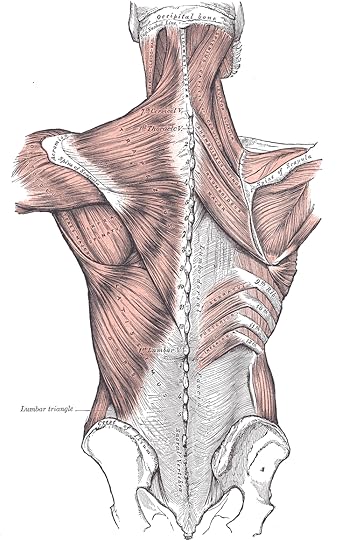 © Wikipedia Commons
If you have ever had Plantar fasciitis, a painful condition that is also called jogger’s heel, then you know something about your fascia. But what you may not know is that every inch of your body is encased in fascia.
Fascia is made up of densely packed collagen fibers that wrap around each of your internal organs and connect them to your muscles and bones. It is responsible for stabilizing your entire body and giving you your human form. It is also a fluid system that every cell in your body relies on for proper functioning. It is the crystalline structure that literally holds all the information of your life!
Your fascia has the ability to contract and relax independently of the muscles it surrounds. SO your fascia can actually respond to stress without you knowing it! Needless to say, when your fascia is tight or inflamed it can cause a great deal of pain. In fact, it can be a primary source of chronic or referral pain for many people. (Referral pain is when you feel pain in one area of your body, but the actual source of that pain is coming from somewhere else.)
5 Ways Your Fascia Affects Your HealthFascia affects your health in many ways, from how you feel to how you look and more. Here are some of the ways your fascia works to keep you healthy:
Acts as a secondary nervous system. It’s no coincidence that acupuncture points commonly used in Traditional Chinese Medicine (TCM) mostly lie along the fascial pathways and planes in your body. That’s because fascia is your body’s secondary nervous system. Science shows that one of the ways acupuncture works is by changing the signals that go through your fascia. Connective tissue, including fascia, is loaded with receptor membranes that communicate with all of the other receptor membranes in your body. This is why when your feet hurt, your whole body hurts! Protects you from injury. Your fascia stretches and moves to support your body, and actually protects you from overstretching. But if you hurt yourself, your fascia adapts to protect your body from further injury. Likewise, if you sit all day slumped over a computer, you put abnormal stress on your fascia, so it molds itself along the lines of your posture with the end result that your shoulders hunch forward and the circulation of blood, lymph, and energy to your chest, lungs, and heart become suboptimal. Over time, this can lead to impairment throughout your entire body. On the other hand, when you change your alignment, get regular massage, or even massage the bottoms of your feet with a tennis ball on a regular basis, you can create health throughout your entire body. Determines the aging process. Aging is in part due to dry, tight fascia. This is often at the center of chronic pain, illness, injury, and the limited mobility many people associate with aging. Fascia experts point out that many of our physical limitations and pain are the result of fascial scarring and the accumulation of dense, dry fascia around muscles and joints, and even in your skin! Conversely, healthy fascia is a Fountain of Youth. When fascia is healthy, it’s flexible and returns to its original shape after being twisted and squeezed.Clues you into your emotions. Your fascia holds your emotional memories. Sadness, pain, and past trauma (even from past lives) can get locked deep in your fascia. If you have ever found yourself crying on the massage or acupuncture table, it’s because the therapy has assisted you in releasing emotions, including anxiety, fear and anger, that can take up residence in your fascia. Tells you how your body is working daily. Better than X-rays, MRIs, and other scans, your fascia lets you know how healthy you are on a daily or even hourly basis. To see this for yourself, sit at a desk for an hour or longer, then stand up. Notice how your hips feel. If they feel tight or you need to rise slowly due to pain in another part of your body, this is your fascia telling you that it needs attention.6 Ways to Keep Your Fascia Healthy for LifeWhen it’s healthy, your fascia is smooth and supple. But when you are sedentary, your fascia fibers can become like cement. Also, if you are under chronic stress or have an injury your fascia fibers can thicken in an attempt to protect the underlying muscle or bone. This can even result in adhesions.
Other patterns that can take their toll on your fascia include poor posture, lack of flexibility and repetitive movements. The good news is you can reverse any damage to your fascia with the proper techniques. And caring for your fascia can be easy.
Here are some ways you can improve your fascia and improve your health:
Stretch your body every day. When you stop moving for long periods of time, such as when you sleep at night, your fascia starts to get sticky. This is why you may feel stiff in the morning. In addition, when you are injured adhesions can form in your fascia. Over time, these adhesions can become permanent and can even inhibit your range of motion. Take a few minutes first thing in the morning to stretch out from head to toe. If you aren’t sure what to do, just watch how your cat or dog moves after a nap. Notice how they tense their muscles at the same time that they stretch. Think of yawning and how good it feels. You are not only tensing your muscles, but you are also stretching your fascia. Just be sure not to force your way through a stretch or you could do more damage to your fascia. Just stretch gently for three to five minutes. Relax into the hold, breath and enjoy the process. Try making this part of your morning ritual. Stay hydrated. Healthy fascia has a gel-like consistency. Just like every other tissue in your body, your fascia works better and feels better when it’s properly hydrated. Be sure to drink enough pure water and replace fluids after exercise. However, you need to take it one step further because, unlike blood that is pumped by your heart, there is no other organ pumping fluid to your fascia. That’s where stretching comes in. This gets fluid moving into your fascia. In addition to your morning stretches, try rhythmic contraction and relaxation throughout the day. You can also try getting upside down—headstand or shoulder stand poses can be beneficial. Roll it out. Using tissue mobilization tools such as a soft foam roller, or even a small ball, can be beneficial for your fascia. Like stretching, using a foam roller on your fascia is different than on your muscles. Be gentle and slow in your movements, and when you find an area of tension hold sustained pressure for three to five minutes. You may practice self-massage with the same rules (see below.) Try assisted fascial release. In my experience, assisted fascial release with an experienced practitioner can truly help your body age in reverse! Some methods of assisted fascial release include myofascial release massage, Kenesis Myofacial Integration, fascial unwinding, Active Release Techniques (ART), the Alexander Technique, the Feldenkrais Method, and even Rolfing. Many osteopaths, chiropractors, physical therapists and massage therapists are beginning to embrace fascial therapies. Talk to different therapists and ask questions about their techniques to determine what feels right for you. Acupuncture is another good method. Remember, you don’t need to be injured to try these techniques. In fact, many athletes, dancers, and musicians use fascial release to keep themselves in peak condition. Perform self-fascial release. Yoga, Pilates, stretching, self-massage, the MELT Method and other self-fascial release techniques, can keep your fascia moving freely. Be sure to warm up the area you are working on, then slowly work deeper into the tissue for more release. If you use a foam roller, remember a softer pressure is better and you should not feel pain. If you push into the pain zone, your muscles will tighten up. This causes your fascia to grip down and crystallize. Also, tightness in one area of your body can affect your entire body. Your iliotibial (IT) bands are a good example. If you have a tight IT band, most likely the mid-thoracic area of your back is tight. When you work on releasing this area of your back, your IT band will also release. These external techniques for addressing fascia tension can help support your stretching or assisted stretching program. Listen to your body. Bodies need time off to rest. This is a basic self-care premise. Trying to “push through” an injury sets you up for a potential chronic problem. So take some extra time to relax when you need to. This allows your body to regenerate and ensures that a temporary imbalance does not become permanent. One easy way to relax your body and mind is by taking a warm Epsom salt bath for 20 minutes before bed each night. When you get out of the tub, move your body lightly for about 10 minutes. This will keep blood from stagnating in your muscles.Get Rid of Dowager’s HumpI like to watch people walk. And what I notice is how so many people walk with their head tilted forward. This tendency increases with age and with certain habits and can be a root cause of the dreaded Dowager’s Hump, also known as kyphosis, because carrying the weight of the head forward places pressure on the spine. (Of course, bone loss and fractures due to osteoporosis also contribute to Dowager’s Hump.) I believe my mother’s Dowager’s Hump was due to so many years of hiking with her head down. But when I started to get one, I was mortified!
The good news is I have completely reversed any signs of a Dowager’s Hump by breaking up the dense fascia at the back of my neck. I did this by practicing the Thymus Roll Down. This is an exercise where you lay on your back and lift your legs and buttocks off the floor. Then pressing your arms into the floor, you roll down your spine from your neck to your tailbone vertebrae by vertebrae until your buttocks are back on the floor. You can search online for videos on how to do this.
This exercise also helps to increase the flexibility of your spine and strengthen your abdominal muscles. Plus, when you stimulate your thymus gland you get the added benefit of helping it produce more T cells, which can help strengthen your immune system.
Remember, you don’t need to be injured, experiencing pain, or getting a Dowager’s Hump to try any of these exercises or techniques. The benefits of facial release are numerous including better posture, deeper breathing, increased energy, improved flexibility and coordination, and even better-fitting clothes! In fact, many athletes, dancers, and musicians use fascial release techniques to keep themselves in peak condition for their profession.
Have you tried fascial work? If so, what have you tried? And what improvements have you experienced?
The post The Benefits of Fascial Release appeared first on Christiane Northrup, M.D..
September 20, 2023
Get Rid of Nighttime Leg Cramps
Many adults over the age of 60 experience nighttime, or nocturnal, leg cramps. And for many women, it’s a common occurrence during the menopausal transition, which can make other menopausal symptoms such as insomnia, mood swings, and fatigue even worse.
Nocturnal leg cramps primarily affect the muscles in the calves and feet and can be extremely painful because they typically come on suddenly in the middle of the night and can take several minutes to resolve. They can be caused by any number of factors, including magnesium deficiency. And since most people are deficient in magnesium, it’s definitely worth adding a high-quality magnesium supplement routine to see if your cramps resolve.
However, nocturnal leg cramps can also be caused by certain medications or can be an indication of some other deficiency or condition including dehydration, peripheral vascular disease (PAD), venous insufficiency, lumbar canal stenosis, nerve dysfunction, and more.
9 Strategies to Alleviate Nocturnal Leg CrampsIf you suffer from nighttime leg cramps, you may feel as if you will never get a good night’s sleep. However, there are steps you can take to get to the bottom of the issue, starting with things you can try at home.
Here are some remedies and tactics you can try to alleviate painful nocturnal leg cramps:
Take a magnesium supplement. Magnesium deficiency is almost always part of the problem, but adding magnesium alone may not completely solve the problem. I would still recommend this as the first line of treatment.Add B Vitamins. Some research shows that taking a daily B vitamin complex containing B1 (thiamine), B2 (riboflavin), B3 (niacin), B5 (pantothenic acid), B6, B7 (biotin), B9 (folate), and B12 may prevent cramps.Try homeopathy. Homeopathy uses very low doses of natural substances to address the body’s imbalances. The theory behind homeopathy is “like cures like” and there are many studies to support its efficacy. You can work with a practitioner or try a formula such as Hyland’s specifically for leg cramps. The best part is homeopathic remedies do not interact with medications or other therapies.Address circadian rhythm changes. Age-related circadian rhythm changes can prevent you from getting the sleep you need and make treating nocturnal cramps more difficult. Some ways to improve your circadian rhythm include adding melatonin, spending time in nature, and optimizing your vitamin DGet a massage. Deep tissue massages may help relieve and prevent nocturnal leg cramps; however, this is highly individual.Stay hydrated. Optimal hydration is important for all =of your bodily functions. Drink (or eat) the equivalent of six to eight glasses of water a day for optimal hydration since dehydration is a principal cause of muscle cramps at all ages. Stretch your calves. Gentle stretching before bed can sometimes help prevent nocturnal leg cramps. Try a standing wall stretch. You can also hang your heels off the end of a step, letting them dip below the level of your toes. Raid your refrigerator. Some people swear by drinking pickle juice for leg cramps. When pickle juice (specifically the vinegar content) contacts the back of the throat it “turns off” the cramping feeling by blocking motor neuron stimulation that causes muscle cramps. Plain old yellow mustard is another refrigerator cure for some muscle cramps.Relax before bed. Doing relaxation exercises before bed can help relax your muscles and your nervous system so you may be able to avoid painful nocturnal leg cramps.Do you suffer from nocturnal leg cramps? What do you do to alleviate them?
The post Get Rid of Nighttime Leg Cramps appeared first on Christiane Northrup, M.D..
Christiane Northrup's Blog

- Christiane Northrup's profile
- 396 followers

