Elizabeth Ellen Carter's Blog, page 3
November 20, 2022
Turning the tables on seduction – the erotic history of Backgammon
Backgammon doesn't leap to mind when thinking about games that evoke amorous thoughts, but it contains all sorts of double-entendres...
The post Turning the tables on seduction – the erotic history of Backgammon appeared first on Elizabeth Ellen Carter.


May 4, 2022
A Conversation with Rue Allyn
An interview with Rue Allyn, author of the new historical romance The Pirate Duchess and a contributor to the Desperate Daughters anthology out on 17 May.
The post A Conversation with Rue Allyn appeared first on Elizabeth Ellen Carter.
December 4, 2021
Historical Romance Authors Holiday Cookie Hop!
Welcome blog hoppers!
 I hope you’ve been enjoying following all of these terrific historical romance authors and their favourite holiday treats. Mine is one I found from a local supermarket magazine and I love it because it has all the rich, spiced flavours that I love.
I’m writing this on Sunday where hubby and I have decorated the tree with our favourite ornaments. I know some of you like to go all out with themed trees, but ours is pretty simple, not necessarily colour-coordinated but full of decorations which have special significance for us.
I’m in Australia, so we’re just starting summer. We have the windows wide open in the evenings to hear the cicadas and the baleful call of the storm bird. Then we’ll go out for a mid-evening walk around the neighbourhood and admire the Christmas lights. One tradition I hope will come back next is Carols by Candlelight. We have a park just a couple of hundred metres from our home which is on the edge of a river. The park has a natural amphitheater and families would gather with torches and glowsticks to sing Christmas carols.
Unfortunately, we’ve had a very rainy start to summer, so some of these events have had to be cancelled, but there is nothing stopping us from getting together under cover.
Thank you for spending a little time with me today.
If you would like to enjoy some of my Christmas stories, I have a few you might enjoy:
The Thief of HeartsA Small Tale of Blessing in the anthology Star of WonderFather’s DayWarming Winter’s HeartA Fine Chance and Three Ships both in the anthology Time After Time.This week I release the Christmas edition of my reader’s magazine, Love’s Great Adventure. Do subscribe and it will drop into your inbox on December 11.
Spiced Christmas Cookies
1 1/4 tsp ground ginger
1 1/4 tsp mixed spice
1 1/4 tsp ground cinnamon
150g butter, softened
2/3 cup caster sugar
1 eggs
1/3 cup golden syrup
3 cup plain flour
2/3 tsp Bi Carb Soda
1 3/4 tsp Cream Of Tartar
Beat butter, caster sugar and egg with electric mixer until pale and thickened. Stir in golden syrup, and then sift all remaining dry ingredients into the mixture. Mix to combine.
Knead dough on lightly floured surface until smooth. Wrap in cling wrap and refrigerate for 30 minutes.
Preheat oven to 150°C (130°C fan forced). Roll out dough to 5mm thick on baking paper. Cut out your favourite Christmas shapes. Bake for 15 minutes and then cool on trays.
Decorate with icing and Christmas sprinkles.
Let’s Go To The Hop!Make sure you visit all the authors for your chance to win a $150 gift card!
Alanna Lucas Amy JareckiAngelina JamesonAnna St. ClaireAubrey WynneCeleste BarclayDeb MarloweE. Elizabeth WatsonEliza KnightElizabeth Ellen Carter
Elizabeth JohnsGina ConkleHeather McCollumJane CharlesJerrica Knight-CataniaJessica A. ClementsKatherine BoneKatherine GrantKathryn Le VequeLisa RayneLori Ann BaileyLynne ConnollyMadeline MartinMichelle McLeanRuth A. CasieSamantha GraceSandra SookooSapna BhogTammy AndresenTara Kingston
Email your completed list of author names, with their treat names, to Heather@HeatherMcCollum.com with the heading: “Historical Romance Authors are Sweet” to be entered into the $150 gift card grand prize random drawing.
.fusion-body .fusion-builder-column-1{width:66.666666666667% !important;margin-top : 0px;margin-bottom : 20px;}.fusion-builder-column-1 > .fusion-column-wrapper {padding-top : 0px !important;padding-right : 0px !important;margin-right : 2.88%;padding-bottom : 0px !important;padding-left : 0px !important;margin-left : 2.88%;}@media only screen and (max-width:1024px) {.fusion-body .fusion-builder-column-1{width:100% !important;order : 0;}.fusion-builder-column-1 > .fusion-column-wrapper {margin-right : 1.92%;margin-left : 1.92%;}}@media only screen and (max-width:640px) {.fusion-body .fusion-builder-column-1{width:100% !important;order : 0;}.fusion-builder-column-1 > .fusion-column-wrapper {margin-right : 1.92%;margin-left : 1.92%;}} .fusion-body .fusion-builder-column-2{width:33.333333333333% !important;margin-top : 0px;margin-bottom : 20px;}.fusion-builder-column-2 > .fusion-column-wrapper {padding-top : 0px !important;padding-right : 0px !important;margin-right : 5.76%;padding-bottom : 0px !important;padding-left : 0px !important;margin-left : 5.76%;}@media only screen and (max-width:1024px) {.fusion-body .fusion-builder-column-2{width:100% !important;order : 0;}.fusion-builder-column-2 > .fusion-column-wrapper {margin-right : 1.92%;margin-left : 1.92%;}}@media only screen and (max-width:640px) {.fusion-body .fusion-builder-column-2{width:100% !important;order : 0;}.fusion-builder-column-2 > .fusion-column-wrapper {margin-right : 1.92%;margin-left : 1.92%;}}.fusion-body .fusion-flex-container.fusion-builder-row-2{ padding-top : 0px;margin-top : 0px;padding-right : 0px;padding-bottom : 0px;margin-bottom : 0px;padding-left : 0px;}
The post Historical Romance Authors Holiday Cookie Hop! appeared first on Elizabeth Ellen Carter.
October 29, 2021
Elizabeth Ellen Carter – USA Today Bestselling Author
 I’m thrilled to announce that thanks to you, dear readers, I am a USA Today bestselling author.
Upon A Midnight Dreary, the spookily romantic historical romance anthology hit #108 on the USA best sellers charts this week.
I’m over the moon and beyond grateful to you, my amazing publisher Kathryn Le Veque and my darling husband who has been my cheerleader.
The Ghost Bride is my story and it’s one I enjoyed writing. Monty and Jemima are a cute couple.
So again, thank you from the bottom of my heart. I hope you like the tales as much as we did bringing them to you.
Do stay tuned. I have a new short story out next week (November 11) in the Christmas anthology Star of Wonder.
My story, A Small Tale of Blessing is a romance between a secondary character Roddy McClane who makes his first appearance in Deceiving The Duke, the first in the London Gems series, which will be out early next year.
I have another tale in another anthology coming out in May 2022. The Four-to-One Fancy will be out in the Bluestocking Belle’s Desperate Daughters anthology.
Also in the first half of 2022 I’ll be writing another Lyon’s Den story featuring Lady Beatrice, who is another secondary character from Deceiving The Duke.
The second book in the London Gems series is A Curio For The Count which I’m working on now.
And, because I can’t get enough of writing short stories for anthologies, I’m going to be turning up the heat a little for Dicing With The Duke which will appear later this year in another anthology.
Do let me know which of my stories you like and what you want to see more of!
with much love,
Elizabeth Ellen Carter
 .fusion-body .fusion-builder-column-4{width:33.333333333333% !important;margin-top : 0px;margin-bottom : 20px;}.fusion-builder-column-4 > .fusion-column-wrapper {padding-top : 0px !important;padding-right : 0px !important;margin-right : 5.76%;padding-bottom : 0px !important;padding-left : 0px !important;margin-left : 5.76%;}@media only screen and (max-width:1024px) {.fusion-body .fusion-builder-column-4{width:100% !important;order : 0;}.fusion-builder-column-4 > .fusion-column-wrapper {margin-right : 1.92%;margin-left : 1.92%;}}@media only screen and (max-width:640px) {.fusion-body .fusion-builder-column-4{width:100% !important;order : 0;}.fusion-builder-column-4 > .fusion-column-wrapper {margin-right : 1.92%;margin-left : 1.92%;}}.fusion-body .fusion-flex-container.fusion-builder-row-2{ padding-top : 0px;margin-top : 0px;padding-right : 0px;padding-bottom : 0px;margin-bottom : 0px;padding-left : 0px;}
The post Elizabeth Ellen Carter – USA Today Bestselling Author appeared first on Elizabeth Ellen Carter.
October 17, 2021
Uncle Abraham’s Romance by Edith Nesbit
With the release of the Halloween historical romance anthology Upon A Midnight Dreary just days away, I thought it would be nice to show how romance can be deftly blended with ghost stories. This tale (now in the public domain) was written by Edith Nesbit (1858-1924) who is best known for the children’s classic The Railway Children. But she also wrote ghost stories and in Uncle Abraham’s Romance she tells of a romantically-minded 18 year old who elicits from her aged bachelor uncle the story of the one love of his life.
“NO, my dear,” my Uncle Abraham answered me, “no—nothing romantic ever happened to me—unless—but no: that wasn’t romantic either—”
I was. To me, I being eighteen, romance was the world. My Uncle Abraham was old and lame. I followed the gaze of his faded eyes, and my own rested on a miniature that hung at his elbow-chair’s right hand, a portrait of a woman, whose loveliness even the miniature-painter’s art had been powerless to disguise—a woman with large lustrous eyes and perfect oval face.
I rose to look at it. I had looked at it a hundred times. Often enough in my baby days I had asked, “Who’s that, uncle?” always receiving the same answer: “A lady who died long ago, my dear.”
As I looked again at the picture, I asked, “Was she like this?”
“Who?”
“Your—your romance!”
Uncle Abraham looked hard at me. “Yes,” he said at last. “Very—very like.”
I sat down on the floor by him. “Won’t you tell me about her?”
“There’s nothing to tell,” he said. “I think it was fancy, mostly, and folly; but it’s the realest thing in my long life, my dear.”
A long pause. I kept silent. You should always give people time, especially old people.
“I remember,” he said in the dreamy tone always promising so well to the ear that loves a story—”I remember, when I was a young man, I was very lonely indeed. I never had a sweetheart. I was always lame, my dear, from quite a boy; and the girls used to laugh at me.”
He sighed. Presently he went on—
“And so I got into the way of mooning off by myself in lonely places, and one of my favourite walks was up through our churchyard, which was set high on a hill in the middle of the marsh country. I liked that because I never met anyone there. It’s all over, years ago. I was a silly lad; but I couldn’t bear of a summer evening to hear a rustle and a whisper from the other side of the hedge, or maybe a kiss as I went by.
“Well, I used to go and sit all by myself in the churchyard, which was always sweet with thyme, and quite light (on account of its being so high) long after the marshes were dark. I used to watch the bats flitting about in the red light, and wonder why God didn’t make every one’s legs straight and strong, and wicked follies like that. But by the time the light was gone I had always worked it off, so to speak, and could go home quietly and say my prayers without any bitterness.
“Well, one hot night in August, when I had watched the sunset fade and the crescent moon grow golden, I was just stepping over the low stone wall of the churchyard when I heard a rustle behind me. I turned round, expecting it to be a rabbit or a bird. It was a woman.”
He looked at the portrait. So did I.
“Yes,” he said, “that was her very face. I was a bit scared and said something—I don’t know what—and she laughed and said, did I think she was a ghost? and I answered back, and I stayed talking to her over the churchyard wall till ’twas quite dark, and the glow-worms were out in the wet grass all along the way home.
“Next night I saw her again; and the next night and the next. Always at twilight time; and if I passed any lovers leaning on the stiles in the marshes it was nothing to me now.”
Again my uncle paused. “It’s very long ago,” he said slowly, “and I’m an old man; but I know what youth means, and happiness, though I was always lame, and the girls used to laugh at me. I don’t know how long it went on—you don’t measure time in dreams—but at last your grandfather said I looked as if I had one foot in the grave, and he would be sending me to stay with our kin at Bath and take the waters. I had to go. I could not tell my father why I would rather had died than go.”
“What was her name, uncle?” I asked.
“She never would tell me her name, and why should she? I had names enough in my heart to call her by. Marriage? My dear, even then I knew marriage was not for me. But I met her night after night, always in our churchyard where the yew-trees were and the lichened gravestones. It was there we always met and always parted. The last time was the night before I went away. She was very sad, and dearer than life itself. And she said—
“‘If you come back before the new moon I shall meet you here just as usual. But if the new moon shines on this grave and you are not here—you will never see me again any more.’
“She laid her hand on the yellow lichened tomb against which we had been leaning. It was an old weather-worn stone, and bore on it the inscription—
‘SUSANNAH KINGSNORTH
Ob. 1713.’
“‘I shall be here.’ I said.
“‘I mean it,’ she said, with deep and sudden seriousness, ‘it is no fancy. You will be here when the new moon shines?'”
“I promised, and after a while we parted.
“I had been with my kinsfolk at Bath nearly a month. I was to go home on the next day, when, turning over a case in the parlour, I came upon that miniature. I could not speak for a minute. At last I said, with dry tongue, and heart beating to the tune of heaven and hell—
“‘Who is this?’
“‘That?’ said my aunt. ‘Oh! she was betrothed to one of our family many years ago, but she died before the wedding. They say she was a bit of a witch. A handsome one, wasn’t she?’
“I looked again at the face, the lips, the eyes of my dear and lovely love, whom I was to meet to-morrow night when the new moon shone on that tomb in our churchyard.
“‘Did you say she was dead?’ I asked, and I hardly knew my own voice.
“‘Years and years ago! Her name’s on the back and her date—’
“I took the portrait from its faded red-velvet bed, and read on the back—‘Susannah Kingsnorth, Ob. 1713.’
“That was in 1813.” My uncle stopped short.
“What happened?” I asked breathlessly.
“I believe I had a fit,” my uncle answered slowly; “at any rate, I was very ill.”
“And you missed the new moon on the grave?”
“I missed the new moon on the grave.”
“And you never saw her again?”
“I never saw her again—”
“But, uncle, do you really believe? Can the dead—was she—did you—”
My uncle took out his pipe and filled it.
“It’s a long time ago,” he said, “a many, many years. Old man’s tales, my dear! Old man’s tales! Don’t you take any notice of them.”
He lighted the pipe, puffed silently a moment or two before he added: “But I know what youth means, and happiness, though I was lame, and the girls used to laugh at me.”
.fusion-body .fusion-builder-column-3{width:100% !important;margin-top : 0px;margin-bottom : 20px;}.fusion-builder-column-3 > .fusion-column-wrapper {padding-top : 0px !important;padding-right : 0px !important;margin-right : 1.92%;padding-bottom : 0px !important;padding-left : 0px !important;margin-left : 1.92%;}@media only screen and (max-width:1024px) {.fusion-body .fusion-builder-column-3{width:100% !important;order : 0;}.fusion-builder-column-3 > .fusion-column-wrapper {margin-right : 1.92%;margin-left : 1.92%;}}@media only screen and (max-width:640px) {.fusion-body .fusion-builder-column-3{width:100% !important;order : 0;}.fusion-builder-column-3 > .fusion-column-wrapper {margin-right : 1.92%;margin-left : 1.92%;}}.fusion-body .fusion-flex-container.fusion-builder-row-2{ padding-top : 0px;margin-top : 0px;padding-right : 0px;padding-bottom : 0px;margin-bottom : 0px;padding-left : 0px;}Buy/Pre-Order Upon A Midnight DrearyAmazon – https://bit.ly/UponAMidnightDrearyB&N – http://bit.ly/UponAMidnightDreary-BNKOBO – https://bit.ly/UponAMidnightDreary-KOBOApple – http://bit.ly/UponAMidnightDreary-Apple.fusion-body .fusion-builder-column-4{width:66.666666666667% !important;margin-top : 0px;margin-bottom : 20px;}.fusion-builder-column-4 > .fusion-column-wrapper {padding-top : 0px !important;padding-right : 0px !important;margin-right : 2.88%;padding-bottom : 0px !important;padding-left : 0px !important;margin-left : 2.88%;}@media only screen and (max-width:1024px) {.fusion-body .fusion-builder-column-4{width:100% !important;order : 0;}.fusion-builder-column-4 > .fusion-column-wrapper {margin-right : 1.92%;margin-left : 1.92%;}}@media only screen and (max-width:640px) {.fusion-body .fusion-builder-column-4{width:100% !important;order : 0;}.fusion-builder-column-4 > .fusion-column-wrapper {margin-right : 1.92%;margin-left : 1.92%;}}.fusion-body .fusion-builder-column-5{width:33.333333333333% !important;margin-top : 0px;margin-bottom : 20px;}.fusion-builder-column-5 > .fusion-column-wrapper {padding-top : 0px !important;padding-right : 0px !important;margin-right : 5.76%;padding-bottom : 0px !important;padding-left : 0px !important;margin-left : 5.76%;}@media only screen and (max-width:1024px) {.fusion-body .fusion-builder-column-5{width:100% !important;order : 0;}.fusion-builder-column-5 > .fusion-column-wrapper {margin-right : 1.92%;margin-left : 1.92%;}}@media only screen and (max-width:640px) {.fusion-body .fusion-builder-column-5{width:100% !important;order : 0;}.fusion-builder-column-5 > .fusion-column-wrapper {margin-right : 1.92%;margin-left : 1.92%;}}.fusion-body .fusion-flex-container.fusion-builder-row-3{ padding-top : 0px;margin-top : 0px;padding-right : 0px;padding-bottom : 0px;margin-bottom : 0px;padding-left : 0px;}The post Uncle Abraham’s Romance by Edith Nesbit appeared first on Elizabeth Ellen Carter.
October 7, 2021
Would You Be A Time Traveler?
Have you ever wondered what it might be like to live in another time and another place? I have!
I was pondering the question earlier this year when I released my collection of short stories, Time After Time.
To close one’s eyes and open them to find a world unlike your own would be quite a trip. Let’s go back medieval England, for example.
First of all, even if you’re a native English speaker, you would struggle to be understood because Middle English was strikingly different to our language today.
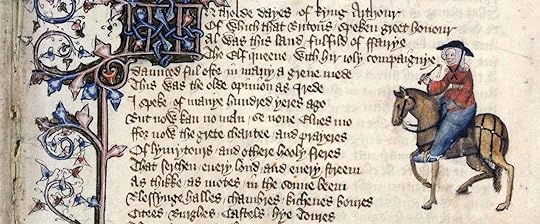
Here is an example from the writer Geoffrey Chaucer (c.1340s – 1400) who is widely considered the greatest English poet of the Middle Ages. Best known for The Canterbury Tales, he has been called the ‘father of English literature’.
This is from the Prologue to The Wife of Bath’s Tale, as Chaucer wrote it:
.fusion-body .fusion-builder-column-0{width:66.666666666667% !important;margin-top : 0px;margin-bottom : 20px;}.fusion-builder-column-0 > .fusion-column-wrapper {padding-top : 0px !important;padding-right : 0px !important;margin-right : 2.88%;padding-bottom : 0px !important;padding-left : 0px !important;margin-left : 2.88%;}@media only screen and (max-width:1024px) {.fusion-body .fusion-builder-column-0{width:100% !important;order : 0;}.fusion-builder-column-0 > .fusion-column-wrapper {margin-right : 1.92%;margin-left : 1.92%;}}@media only screen and (max-width:640px) {.fusion-body .fusion-builder-column-0{width:100% !important;order : 0;}.fusion-builder-column-0 > .fusion-column-wrapper {margin-right : 1.92%;margin-left : 1.92%;}} .fusion-body .fusion-builder-column-1{width:33.333333333333% !important;margin-top : 0px;margin-bottom : 20px;}.fusion-builder-column-1 > .fusion-column-wrapper {padding-top : 0px !important;padding-right : 0px !important;margin-right : 5.76%;padding-bottom : 0px !important;padding-left : 0px !important;margin-left : 5.76%;}@media only screen and (max-width:1024px) {.fusion-body .fusion-builder-column-1{width:100% !important;order : 0;}.fusion-builder-column-1 > .fusion-column-wrapper {margin-right : 1.92%;margin-left : 1.92%;}}@media only screen and (max-width:640px) {.fusion-body .fusion-builder-column-1{width:100% !important;order : 0;}.fusion-builder-column-1 > .fusion-column-wrapper {margin-right : 1.92%;margin-left : 1.92%;}}.fusion-body .fusion-flex-container.fusion-builder-row-1{ padding-top : 0px;margin-top : 0px;padding-right : 0px;padding-bottom : 0px;margin-bottom : 0px;padding-left : 0px;}
“Experience, though noon auctoritee Were in this world, is right ynogh for me To speke of wo that is in mariage; For, lordynges, sith I twelve yeer was of age, Thonked be God that is eterne on lyve, Housbondes at chirche dore I have had fyve If I so ofte myghte have ywedded bee And alle were worthy men in hir degree. But me was toold, certeyn, nat longe agoon is, That sith that Crist ne wente nevere but onis To weddyng, in the Cane of Galilee, That by the same ensample taughte he That I ne sholde wedded be but ones.”
Here it is again, the same passage translated into modern English:
.fusion-body .fusion-builder-column-3{width:100% !important;margin-top : 0px;margin-bottom : 20px;}.fusion-builder-column-3 > .fusion-column-wrapper {padding-top : 0px !important;padding-right : 0px !important;margin-right : 1.92%;padding-bottom : 0px !important;padding-left : 0px !important;margin-left : 1.92%;}@media only screen and (max-width:1024px) {.fusion-body .fusion-builder-column-3{width:100% !important;order : 0;}.fusion-builder-column-3 > .fusion-column-wrapper {margin-right : 1.92%;margin-left : 1.92%;}}@media only screen and (max-width:640px) {.fusion-body .fusion-builder-column-3{width:100% !important;order : 0;}.fusion-builder-column-3 > .fusion-column-wrapper {margin-right : 1.92%;margin-left : 1.92%;}}.fusion-body .fusion-flex-container.fusion-builder-row-3{ padding-top : 0px;margin-top : 0px;padding-right : 0px;padding-bottom : 0px;margin-bottom : 0px;padding-left : 0px;}“Experience, though no written authority in this world, is good enough for me To speak of the woe that is in marriage; For, gentlemen, since I was twelve years of age, Thanked be God who is eternally alive, I have had five husbands at the church door If I so often might have been wedded, And all were worthy men in their way. But to me it was told, certainly it is not long ago, That since Christ went never but once To a wedding, in the Cana of Galilee, That, by that same example he taught me, I should be wedded only once.”
Another thing a freshly minted time traveler would notice would be the smell. Until the late 1800s sewerage disposal was yet to be mastered. Around the same time, New York had a population of 100,000 horses producing around 2.5 million pounds of manure a day, while in Britain, The Times newspaper predicted in 1894 that ‘in 50 years, every street in London will be buried under nine feet of manure’.
.fusion-body .fusion-builder-column-5{width:100% !important;margin-top : 0px;margin-bottom : 20px;}.fusion-builder-column-5 > .fusion-column-wrapper {padding-top : 0px !important;padding-right : 0px !important;margin-right : 1.92%;padding-bottom : 0px !important;padding-left : 0px !important;margin-left : 1.92%;}@media only screen and (max-width:1024px) {.fusion-body .fusion-builder-column-5{width:100% !important;order : 0;}.fusion-builder-column-5 > .fusion-column-wrapper {margin-right : 1.92%;margin-left : 1.92%;}}@media only screen and (max-width:640px) {.fusion-body .fusion-builder-column-5{width:100% !important;order : 0;}.fusion-builder-column-5 > .fusion-column-wrapper {margin-right : 1.92%;margin-left : 1.92%;}}.fusion-body .fusion-flex-container.fusion-builder-row-5{ padding-top : 0px;margin-top : 0px;padding-right : 0px;padding-bottom : 0px;margin-bottom : 0px;padding-left : 0px;} .fusion-body .fusion-builder-column-6{width:33.333333333333% !important;margin-top : 0px;margin-bottom : 20px;}.fusion-builder-column-6 > .fusion-column-wrapper {padding-top : 0px !important;padding-right : 0px !important;margin-right : 5.76%;padding-bottom : 0px !important;padding-left : 0px !important;margin-left : 5.76%;}@media only screen and (max-width:1024px) {.fusion-body .fusion-builder-column-6{width:100% !important;order : 0;}.fusion-builder-column-6 > .fusion-column-wrapper {margin-right : 1.92%;margin-left : 1.92%;}}@media only screen and (max-width:640px) {.fusion-body .fusion-builder-column-6{width:100% !important;order : 0;}.fusion-builder-column-6 > .fusion-column-wrapper {margin-right : 1.92%;margin-left : 1.92%;}}
At the start of the 20th century, getting fresh water enough to bathe was a luxury indeed. Even into the 1960s in some poorer parts of England where there were outside toilets and no bathrooms, a tub full of hot water was so difficult a commodity to raise that a bath was a once-a-week affair, a tin tub in the kitchen filled by boiling kettles, in which father bathed first, then mother, then the children.
Most striking of all, I believe, would be the relative quiet. To be sure the towns would be busy with the hubbub of life and commerce but do me a favour right now… Close your eyes and listen, you might hear birdsong, but what else can you hear? Cars and trucks going past? Aircraft? Sirens? The whine of a power saw or other power tools?
But of all of these differences, it would be the ones you couldn’t see which would be the most deadly – diseases such as cholera, scarlet fever, pox of various types for which there was no cure. Infections were common, untreatable, and often fatal. Sanitary products from toilet paper to tampons did not exist, let alone the convenience and relief of an aspirin for headaches or other kinds of medications on which we rely today.
.fusion-body .fusion-builder-column-7{width:66.666666666667% !important;margin-top : 0px;margin-bottom : 20px;}.fusion-builder-column-7 > .fusion-column-wrapper {padding-top : 0px !important;padding-right : 0px !important;margin-right : 2.88%;padding-bottom : 0px !important;padding-left : 0px !important;margin-left : 2.88%;}@media only screen and (max-width:1024px) {.fusion-body .fusion-builder-column-7{width:100% !important;order : 0;}.fusion-builder-column-7 > .fusion-column-wrapper {margin-right : 1.92%;margin-left : 1.92%;}}@media only screen and (max-width:640px) {.fusion-body .fusion-builder-column-7{width:100% !important;order : 0;}.fusion-builder-column-7 > .fusion-column-wrapper {margin-right : 1.92%;margin-left : 1.92%;}}.fusion-body .fusion-flex-container.fusion-builder-row-6{ padding-top : 0px;margin-top : 0px;padding-right : 0px;padding-bottom : 0px;margin-bottom : 0px;padding-left : 0px;}As a result, research suggests that at the beginning of the 19th century no country in the world had a life expectancy longer than 40 years. The vast majority of people lived in extreme poverty, and the lack of medical knowledge meant our ancestors rich or poor had to be prepared for an early death.
No, for me, I’ll restrain my time travel to the pages of my favourite historical romance books, where I can walk in the shoes of heroes and heroines of the past in comparative comfort and safety!
This article first appeared in the March 2021 edition of Love’s Great Adventure magazine.
Read the full magazine here.
The post Would You Be A Time Traveler? appeared first on Elizabeth Ellen Carter.
October 1, 2021
Top 10 Movies and Songs About Weddings
In my June Brides edition of Love’s Great Adventure (find it here), I looked at ten movies and songs about weddings. Here they are for you to enjoy now! What are your favourite songs and movies about weddings and marriage?
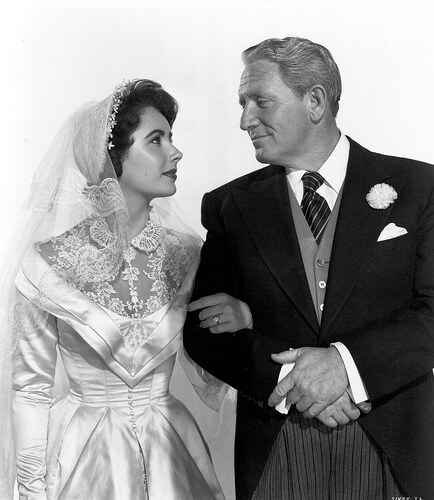 .fusion-body .fusion-builder-column-1{width:33.333333333333% !important;margin-top : 0px;margin-bottom : 20px;}.fusion-builder-column-1 > .fusion-column-wrapper {padding-top : 0px !important;padding-right : 0px !important;margin-right : 5.76%;padding-bottom : 0px !important;padding-left : 0px !important;margin-left : 5.76%;}@media only screen and (max-width:1024px) {.fusion-body .fusion-builder-column-1{width:100% !important;order : 0;}.fusion-builder-column-1 > .fusion-column-wrapper {margin-right : 1.92%;margin-left : 1.92%;}}@media only screen and (max-width:640px) {.fusion-body .fusion-builder-column-1{width:100% !important;order : 0;}.fusion-builder-column-1 > .fusion-column-wrapper {margin-right : 1.92%;margin-left : 1.92%;}}Movie: Father of the Bride
For our money, the 1950 version starring Spencer Tracy, Joan Bennett and Elizabeth Taylor beats the 1991 Steve Martin remake hands down. Sorry, Steve…
Following the wedding of his daughter, a successful suburban lawyer recalls her engagement. Her mother begins making preparations for the wedding, but father worries. His first meeting with his son in law to be’s parents is a disaster and the ensuing stages leading up to the wedding go from bad to worse.
Tap or click to watch the trailer.
.fusion-body .fusion-builder-column-2{width:66.666666666667% !important;margin-top : 0px;margin-bottom : 20px;}.fusion-builder-column-2 > .fusion-column-wrapper {padding-top : 0px !important;padding-right : 0px !important;margin-right : 2.88%;padding-bottom : 0px !important;padding-left : 0px !important;margin-left : 2.88%;}@media only screen and (max-width:1024px) {.fusion-body .fusion-builder-column-2{width:100% !important;order : 0;}.fusion-builder-column-2 > .fusion-column-wrapper {margin-right : 1.92%;margin-left : 1.92%;}}@media only screen and (max-width:640px) {.fusion-body .fusion-builder-column-2{width:100% !important;order : 0;}.fusion-builder-column-2 > .fusion-column-wrapper {margin-right : 1.92%;margin-left : 1.92%;}}.fusion-body .fusion-flex-container.fusion-builder-row-2{ padding-top : 0px;margin-top : 0px;padding-right : 0px;padding-bottom : 0px;margin-bottom : 0px;padding-left : 0px;}Music: Beach Boys – Wouldn’t It Be Nice?A change of mood for The Beach Boys – suddenly, instead of running around all summer long, how about settling down?
Oh, we could be married and then we’d be happy. Oh, wouldn’t it be nice?
Tap or click to listen on YouTube
.fusion-body .fusion-builder-column-3{width:66.666666666667% !important;margin-top : 0px;margin-bottom : 20px;}.fusion-builder-column-3 > .fusion-column-wrapper {padding-top : 0px !important;padding-right : 0px !important;margin-right : 2.88%;padding-bottom : 0px !important;padding-left : 0px !important;margin-left : 2.88%;}@media only screen and (max-width:1024px) {.fusion-body .fusion-builder-column-3{width:100% !important;order : 0;}.fusion-builder-column-3 > .fusion-column-wrapper {margin-right : 1.92%;margin-left : 1.92%;}}@media only screen and (max-width:640px) {.fusion-body .fusion-builder-column-3{width:100% !important;order : 0;}.fusion-builder-column-3 > .fusion-column-wrapper {margin-right : 1.92%;margin-left : 1.92%;}} .fusion-body .fusion-builder-column-4{width:33.333333333333% !important;margin-top : 0px;margin-bottom : 20px;}.fusion-builder-column-4 > .fusion-column-wrapper {padding-top : 0px !important;padding-right : 0px !important;margin-right : 5.76%;padding-bottom : 0px !important;padding-left : 0px !important;margin-left : 5.76%;}@media only screen and (max-width:1024px) {.fusion-body .fusion-builder-column-4{width:100% !important;order : 0;}.fusion-builder-column-4 > .fusion-column-wrapper {margin-right : 1.92%;margin-left : 1.92%;}}@media only screen and (max-width:640px) {.fusion-body .fusion-builder-column-4{width:100% !important;order : 0;}.fusion-builder-column-4 > .fusion-column-wrapper {margin-right : 1.92%;margin-left : 1.92%;}}.fusion-body .fusion-flex-container.fusion-builder-row-3{ padding-top : 0px;margin-top : 20px;padding-right : 0px;padding-bottom : 0px;margin-bottom : 0px;padding-left : 0px;}
 .fusion-body .fusion-builder-column-5{width:33.333333333333% !important;margin-top : 0px;margin-bottom : 20px;}.fusion-builder-column-5 > .fusion-column-wrapper {padding-top : 0px !important;padding-right : 0px !important;margin-right : 5.76%;padding-bottom : 0px !important;padding-left : 0px !important;margin-left : 5.76%;}@media only screen and (max-width:1024px) {.fusion-body .fusion-builder-column-5{width:100% !important;order : 0;}.fusion-builder-column-5 > .fusion-column-wrapper {margin-right : 1.92%;margin-left : 1.92%;}}@media only screen and (max-width:640px) {.fusion-body .fusion-builder-column-5{width:100% !important;order : 0;}.fusion-builder-column-5 > .fusion-column-wrapper {margin-right : 1.92%;margin-left : 1.92%;}}Movie: Runaway Bride
A reporter is assigned to write a story about a woman who has left a string of fiances at the altar. What could possibly happen when the runaway bride is Julia Roberts and the reporter is Richard Gere?
Tap or click to watch the trailer.
.fusion-body .fusion-builder-column-6{width:66.666666666667% !important;margin-top : 0px;margin-bottom : 20px;}.fusion-builder-column-6 > .fusion-column-wrapper {padding-top : 0px !important;padding-right : 0px !important;margin-right : 2.88%;padding-bottom : 0px !important;padding-left : 0px !important;margin-left : 2.88%;}@media only screen and (max-width:1024px) {.fusion-body .fusion-builder-column-6{width:100% !important;order : 0;}.fusion-builder-column-6 > .fusion-column-wrapper {margin-right : 1.92%;margin-left : 1.92%;}}@media only screen and (max-width:640px) {.fusion-body .fusion-builder-column-6{width:100% !important;order : 0;}.fusion-builder-column-6 > .fusion-column-wrapper {margin-right : 1.92%;margin-left : 1.92%;}}.fusion-body .fusion-flex-container.fusion-builder-row-4{ padding-top : 0px;margin-top : 20px;padding-right : 0px;padding-bottom : 0px;margin-bottom : 0px;padding-left : 0px;}Music: Billy Idol – White WeddingNot about drugs. Actually about a former flame marrying another man. ‘Little sister’ was slang for girlfriend at the time. So there.
It’s a nice day to start again – It’s a nice day for a white wedding…
Tap or click to watch on YouTube
.fusion-body .fusion-builder-column-7{width:66.666666666667% !important;margin-top : 0px;margin-bottom : 20px;}.fusion-builder-column-7 > .fusion-column-wrapper {padding-top : 0px !important;padding-right : 0px !important;margin-right : 2.88%;padding-bottom : 0px !important;padding-left : 0px !important;margin-left : 2.88%;}@media only screen and (max-width:1024px) {.fusion-body .fusion-builder-column-7{width:100% !important;order : 0;}.fusion-builder-column-7 > .fusion-column-wrapper {margin-right : 1.92%;margin-left : 1.92%;}}@media only screen and (max-width:640px) {.fusion-body .fusion-builder-column-7{width:100% !important;order : 0;}.fusion-builder-column-7 > .fusion-column-wrapper {margin-right : 1.92%;margin-left : 1.92%;}} .fusion-body .fusion-builder-column-8{width:33.333333333333% !important;margin-top : 0px;margin-bottom : 20px;}.fusion-builder-column-8 > .fusion-column-wrapper {padding-top : 0px !important;padding-right : 0px !important;margin-right : 5.76%;padding-bottom : 0px !important;padding-left : 0px !important;margin-left : 5.76%;}@media only screen and (max-width:1024px) {.fusion-body .fusion-builder-column-8{width:100% !important;order : 0;}.fusion-builder-column-8 > .fusion-column-wrapper {margin-right : 1.92%;margin-left : 1.92%;}}@media only screen and (max-width:640px) {.fusion-body .fusion-builder-column-8{width:100% !important;order : 0;}.fusion-builder-column-8 > .fusion-column-wrapper {margin-right : 1.92%;margin-left : 1.92%;}}.fusion-body .fusion-flex-container.fusion-builder-row-5{ padding-top : 0px;margin-top : 20px;padding-right : 0px;padding-bottom : 0px;margin-bottom : 0px;padding-left : 0px;}
 .fusion-body .fusion-builder-column-9{width:33.333333333333% !important;margin-top : 0px;margin-bottom : 20px;}.fusion-builder-column-9 > .fusion-column-wrapper {padding-top : 0px !important;padding-right : 0px !important;margin-right : 5.76%;padding-bottom : 0px !important;padding-left : 0px !important;margin-left : 5.76%;}@media only screen and (max-width:1024px) {.fusion-body .fusion-builder-column-9{width:100% !important;order : 0;}.fusion-builder-column-9 > .fusion-column-wrapper {margin-right : 1.92%;margin-left : 1.92%;}}@media only screen and (max-width:640px) {.fusion-body .fusion-builder-column-9{width:100% !important;order : 0;}.fusion-builder-column-9 > .fusion-column-wrapper {margin-right : 1.92%;margin-left : 1.92%;}}Movie: The Princess Bride
Westley pursues Buttercup; Inigo Montoya pursues a six-fingered swordsman. And Andre the Giant. What’s not to love? Possibly the best movie ever made.
Tap or click to watch the trailer
.fusion-body .fusion-builder-column-10{width:66.666666666667% !important;margin-top : 0px;margin-bottom : 20px;}.fusion-builder-column-10 > .fusion-column-wrapper {padding-top : 0px !important;padding-right : 0px !important;margin-right : 2.88%;padding-bottom : 0px !important;padding-left : 0px !important;margin-left : 2.88%;}@media only screen and (max-width:1024px) {.fusion-body .fusion-builder-column-10{width:100% !important;order : 0;}.fusion-builder-column-10 > .fusion-column-wrapper {margin-right : 1.92%;margin-left : 1.92%;}}@media only screen and (max-width:640px) {.fusion-body .fusion-builder-column-10{width:100% !important;order : 0;}.fusion-builder-column-10 > .fusion-column-wrapper {margin-right : 1.92%;margin-left : 1.92%;}}.fusion-body .fusion-flex-container.fusion-builder-row-6{ padding-top : 0px;margin-top : 20px;padding-right : 0px;padding-bottom : 0px;margin-bottom : 0px;padding-left : 0px;}Movie: The Corpse BrideWeirdly sensitive as all Tim Burton movies are. And a fabulously engaging, frequently hilarious tale of devotion unto death and beyond told around a Victorian arranged marriage. If you have the DVD, check out of the ‘making of’ extra feature. Just wow!
Tap or click here to watch the trailer
.fusion-body .fusion-builder-column-11{width:66.666666666667% !important;margin-top : 0px;margin-bottom : 20px;}.fusion-builder-column-11 > .fusion-column-wrapper {padding-top : 0px !important;padding-right : 0px !important;margin-right : 2.88%;padding-bottom : 0px !important;padding-left : 0px !important;margin-left : 2.88%;}@media only screen and (max-width:1024px) {.fusion-body .fusion-builder-column-11{width:100% !important;order : 0;}.fusion-builder-column-11 > .fusion-column-wrapper {margin-right : 1.92%;margin-left : 1.92%;}}@media only screen and (max-width:640px) {.fusion-body .fusion-builder-column-11{width:100% !important;order : 0;}.fusion-builder-column-11 > .fusion-column-wrapper {margin-right : 1.92%;margin-left : 1.92%;}} .fusion-body .fusion-builder-column-12{width:33.333333333333% !important;margin-top : 0px;margin-bottom : 20px;}.fusion-builder-column-12 > .fusion-column-wrapper {padding-top : 0px !important;padding-right : 0px !important;margin-right : 5.76%;padding-bottom : 0px !important;padding-left : 0px !important;margin-left : 5.76%;}@media only screen and (max-width:1024px) {.fusion-body .fusion-builder-column-12{width:100% !important;order : 0;}.fusion-builder-column-12 > .fusion-column-wrapper {margin-right : 1.92%;margin-left : 1.92%;}}@media only screen and (max-width:640px) {.fusion-body .fusion-builder-column-12{width:100% !important;order : 0;}.fusion-builder-column-12 > .fusion-column-wrapper {margin-right : 1.92%;margin-left : 1.92%;}}.fusion-body .fusion-flex-container.fusion-builder-row-7{ padding-top : 0px;margin-top : 20px;padding-right : 0px;padding-bottom : 0px;margin-bottom : 0px;padding-left : 0px;}
 .fusion-body .fusion-builder-column-13{width:33.333333333333% !important;margin-top : 0px;margin-bottom : 20px;}.fusion-builder-column-13 > .fusion-column-wrapper {padding-top : 0px !important;padding-right : 0px !important;margin-right : 5.76%;padding-bottom : 0px !important;padding-left : 0px !important;margin-left : 5.76%;}@media only screen and (max-width:1024px) {.fusion-body .fusion-builder-column-13{width:100% !important;order : 0;}.fusion-builder-column-13 > .fusion-column-wrapper {margin-right : 1.92%;margin-left : 1.92%;}}@media only screen and (max-width:640px) {.fusion-body .fusion-builder-column-13{width:100% !important;order : 0;}.fusion-builder-column-13 > .fusion-column-wrapper {margin-right : 1.92%;margin-left : 1.92%;}}Music: Frank Sinatra – Love And Marriage
You can’t hear it without thinking of the TV show Married With Children. Gooooo Bundys!
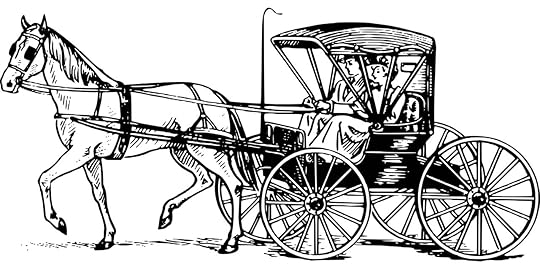
Love and marriage go together like a horse and carriage…
.fusion-body .fusion-builder-column-14{width:66.666666666667% !important;margin-top : 0px;margin-bottom : 20px;}.fusion-builder-column-14 > .fusion-column-wrapper {padding-top : 0px !important;padding-right : 0px !important;margin-right : 2.88%;padding-bottom : 0px !important;padding-left : 0px !important;margin-left : 2.88%;}@media only screen and (max-width:1024px) {.fusion-body .fusion-builder-column-14{width:100% !important;order : 0;}.fusion-builder-column-14 > .fusion-column-wrapper {margin-right : 1.92%;margin-left : 1.92%;}}@media only screen and (max-width:640px) {.fusion-body .fusion-builder-column-14{width:100% !important;order : 0;}.fusion-builder-column-14 > .fusion-column-wrapper {margin-right : 1.92%;margin-left : 1.92%;}}.fusion-body .fusion-flex-container.fusion-builder-row-8{ padding-top : 0px;margin-top : 20px;padding-right : 0px;padding-bottom : 0px;margin-bottom : 0px;padding-left : 0px;} .fusion-body .fusion-builder-column-15{width:33.333333333333% !important;margin-top : 0px;margin-bottom : 20px;}.fusion-builder-column-15 > .fusion-column-wrapper {padding-top : 0px !important;padding-right : 0px !important;margin-right : 5.76%;padding-bottom : 0px !important;padding-left : 0px !important;margin-left : 5.76%;}@media only screen and (max-width:1024px) {.fusion-body .fusion-builder-column-15{width:100% !important;order : 0;}.fusion-builder-column-15 > .fusion-column-wrapper {margin-right : 1.92%;margin-left : 1.92%;}}@media only screen and (max-width:640px) {.fusion-body .fusion-builder-column-15{width:100% !important;order : 0;}.fusion-builder-column-15 > .fusion-column-wrapper {margin-right : 1.92%;margin-left : 1.92%;}}Movie: Shrek
Yes, Shrek – because Princess Fiona chooses to remain an ogre because she loves the big green guy, and they get married. Yay!
Tap or click here to watch the trailer.
.fusion-body .fusion-builder-column-16{width:66.666666666667% !important;margin-top : 0px;margin-bottom : 20px;}.fusion-builder-column-16 > .fusion-column-wrapper {padding-top : 0px !important;padding-right : 0px !important;margin-right : 2.88%;padding-bottom : 0px !important;padding-left : 0px !important;margin-left : 2.88%;}@media only screen and (max-width:1024px) {.fusion-body .fusion-builder-column-16{width:100% !important;order : 0;}.fusion-builder-column-16 > .fusion-column-wrapper {margin-right : 1.92%;margin-left : 1.92%;}}@media only screen and (max-width:640px) {.fusion-body .fusion-builder-column-16{width:100% !important;order : 0;}.fusion-builder-column-16 > .fusion-column-wrapper {margin-right : 1.92%;margin-left : 1.92%;}}.fusion-body .fusion-flex-container.fusion-builder-row-9{ padding-top : 0px;margin-top : 20px;padding-right : 0px;padding-bottom : 0px;margin-bottom : 0px;padding-left : 0px;}Movie: Muriel’s WeddingThe smash hit 1994 Australian comedy that launched the careers of Toni Collette and Rachel Griffiths.
Elizabeth: “It was filmed in and around the city I live in. As a working journalist at the time, I interviewed its writer-director, PJ Hogan, whose father was the mayor of a local shire council. PJ confirmed to me that the film was semi-autobiographical, and he was, in effect, Muriel.”
Even today, it’s said that Hogan family members bristle if people around them quote one particular line from the movie – the phrase “You’re terrible, Muriel.” which is widely used in Australia to express sly admiration for another person’s voicing of uncomfortable facts.
Tap or click here to watch the trailer
.fusion-body .fusion-builder-column-17{width:66.666666666667% !important;margin-top : 0px;margin-bottom : 20px;}.fusion-builder-column-17 > .fusion-column-wrapper {padding-top : 0px !important;padding-right : 0px !important;margin-right : 2.88%;padding-bottom : 0px !important;padding-left : 0px !important;margin-left : 2.88%;}@media only screen and (max-width:1024px) {.fusion-body .fusion-builder-column-17{width:100% !important;order : 0;}.fusion-builder-column-17 > .fusion-column-wrapper {margin-right : 1.92%;margin-left : 1.92%;}}@media only screen and (max-width:640px) {.fusion-body .fusion-builder-column-17{width:100% !important;order : 0;}.fusion-builder-column-17 > .fusion-column-wrapper {margin-right : 1.92%;margin-left : 1.92%;}} .fusion-body .fusion-builder-column-18{width:33.333333333333% !important;margin-top : 0px;margin-bottom : 20px;}.fusion-builder-column-18 > .fusion-column-wrapper {padding-top : 0px !important;padding-right : 0px !important;margin-right : 5.76%;padding-bottom : 0px !important;padding-left : 0px !important;margin-left : 5.76%;}@media only screen and (max-width:1024px) {.fusion-body .fusion-builder-column-18{width:100% !important;order : 0;}.fusion-builder-column-18 > .fusion-column-wrapper {margin-right : 1.92%;margin-left : 1.92%;}}@media only screen and (max-width:640px) {.fusion-body .fusion-builder-column-18{width:100% !important;order : 0;}.fusion-builder-column-18 > .fusion-column-wrapper {margin-right : 1.92%;margin-left : 1.92%;}}.fusion-body .fusion-flex-container.fusion-builder-row-10{ padding-top : 0px;margin-top : 20px;padding-right : 0px;padding-bottom : 0px;margin-bottom : 0px;padding-left : 0px;}
 .fusion-body .fusion-builder-column-19{width:33.333333333333% !important;margin-top : 0px;margin-bottom : 20px;}.fusion-builder-column-19 > .fusion-column-wrapper {padding-top : 0px !important;padding-right : 0px !important;margin-right : 5.76%;padding-bottom : 0px !important;padding-left : 0px !important;margin-left : 5.76%;}@media only screen and (max-width:1024px) {.fusion-body .fusion-builder-column-19{width:100% !important;order : 0;}.fusion-builder-column-19 > .fusion-column-wrapper {margin-right : 1.92%;margin-left : 1.92%;}}@media only screen and (max-width:640px) {.fusion-body .fusion-builder-column-19{width:100% !important;order : 0;}.fusion-builder-column-19 > .fusion-column-wrapper {margin-right : 1.92%;margin-left : 1.92%;}}Movie: Four Weddings and a Funeral
Made in six weeks for under £3 million, this 1994 British romantic comedy
was an unexpected success and became the highest-grossing British
film in history at the time. No wonder – Hugh Grant, Andie MacDowell, Kristin Scott Thomas, James Fleet, John Hannah, Rowan Atkinson, and a bleeping fantastically hilarious script.
Tap or click here to watch the trailer
.fusion-body .fusion-builder-column-20{width:66.666666666667% !important;margin-top : 0px;margin-bottom : 20px;}.fusion-builder-column-20 > .fusion-column-wrapper {padding-top : 0px !important;padding-right : 0px !important;margin-right : 2.88%;padding-bottom : 0px !important;padding-left : 0px !important;margin-left : 2.88%;}@media only screen and (max-width:1024px) {.fusion-body .fusion-builder-column-20{width:100% !important;order : 0;}.fusion-builder-column-20 > .fusion-column-wrapper {margin-right : 1.92%;margin-left : 1.92%;}}@media only screen and (max-width:640px) {.fusion-body .fusion-builder-column-20{width:100% !important;order : 0;}.fusion-builder-column-20 > .fusion-column-wrapper {margin-right : 1.92%;margin-left : 1.92%;}}.fusion-body .fusion-flex-container.fusion-builder-row-11{ padding-top : 0px;margin-top : 20px;padding-right : 0px;padding-bottom : 0px;margin-bottom : 0px;padding-left : 0px;}Music: The Avett Brothers – January WeddingCountry style, pure and simple, with The Avett Brothers here joined by Randy Travis.
True love is not the kind of thing you turn down
.fusion-body .fusion-builder-column-21{width:66.666666666667% !important;margin-top : 0px;margin-bottom : 20px;}.fusion-builder-column-21 > .fusion-column-wrapper {padding-top : 0px !important;padding-right : 0px !important;margin-right : 2.88%;padding-bottom : 0px !important;padding-left : 0px !important;margin-left : 2.88%;}@media only screen and (max-width:1024px) {.fusion-body .fusion-builder-column-21{width:100% !important;order : 0;}.fusion-builder-column-21 > .fusion-column-wrapper {margin-right : 1.92%;margin-left : 1.92%;}}@media only screen and (max-width:640px) {.fusion-body .fusion-builder-column-21{width:100% !important;order : 0;}.fusion-builder-column-21 > .fusion-column-wrapper {margin-right : 1.92%;margin-left : 1.92%;}}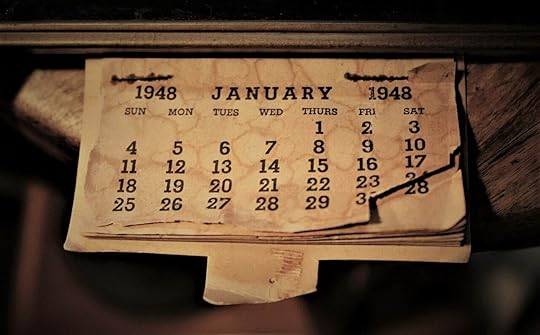 .fusion-body .fusion-builder-column-22{width:33.333333333333% !important;margin-top : 0px;margin-bottom : 20px;}.fusion-builder-column-22 > .fusion-column-wrapper {padding-top : 0px !important;padding-right : 0px !important;margin-right : 5.76%;padding-bottom : 0px !important;padding-left : 0px !important;margin-left : 5.76%;}@media only screen and (max-width:1024px) {.fusion-body .fusion-builder-column-22{width:100% !important;order : 0;}.fusion-builder-column-22 > .fusion-column-wrapper {margin-right : 1.92%;margin-left : 1.92%;}}@media only screen and (max-width:640px) {.fusion-body .fusion-builder-column-22{width:100% !important;order : 0;}.fusion-builder-column-22 > .fusion-column-wrapper {margin-right : 1.92%;margin-left : 1.92%;}}.fusion-body .fusion-flex-container.fusion-builder-row-12{ padding-top : 0px;margin-top : 20px;padding-right : 0px;padding-bottom : 0px;margin-bottom : 0px;padding-left : 0px;}
 .fusion-body .fusion-builder-column-23{width:33.333333333333% !important;margin-top : 0px;margin-bottom : 20px;}.fusion-builder-column-23 > .fusion-column-wrapper {padding-top : 0px !important;padding-right : 0px !important;margin-right : 5.76%;padding-bottom : 0px !important;padding-left : 0px !important;margin-left : 5.76%;}@media only screen and (max-width:1024px) {.fusion-body .fusion-builder-column-23{width:100% !important;order : 0;}.fusion-builder-column-23 > .fusion-column-wrapper {margin-right : 1.92%;margin-left : 1.92%;}}@media only screen and (max-width:640px) {.fusion-body .fusion-builder-column-23{width:100% !important;order : 0;}.fusion-builder-column-23 > .fusion-column-wrapper {margin-right : 1.92%;margin-left : 1.92%;}}Movie: Royal Wedding
This 1951 musical comedy film starring Fred Astaire and Jane Powell is set in London in 1947 at the time of the wedding of Princess Elizabeth and Philip Mountbatten.
It entered the public domain because the studio failed to renew the copyright in the 28th year after its publication so you can watch the entire movie for free.
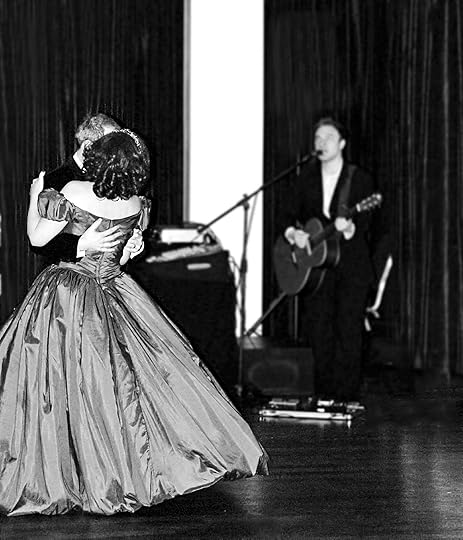
.fusion-body .fusion-builder-column-24{width:66.666666666667% !important;margin-top : 0px;margin-bottom : 20px;}.fusion-builder-column-24 > .fusion-column-wrapper {padding-top : 0px !important;padding-right : 0px !important;margin-right : 2.88%;padding-bottom : 0px !important;padding-left : 0px !important;margin-left : 2.88%;}@media only screen and (max-width:1024px) {.fusion-body .fusion-builder-column-24{width:100% !important;order : 0;}.fusion-builder-column-24 > .fusion-column-wrapper {margin-right : 1.92%;margin-left : 1.92%;}}@media only screen and (max-width:640px) {.fusion-body .fusion-builder-column-24{width:100% !important;order : 0;}.fusion-builder-column-24 > .fusion-column-wrapper {margin-right : 1.92%;margin-left : 1.92%;}}.fusion-body .fusion-flex-container.fusion-builder-row-13{ padding-top : 0px;margin-top : 20px;padding-right : 0px;padding-bottom : 0px;margin-bottom : 0px;padding-left : 0px;}Music: Stanley Holloway – Get Me to the Church on TimeOne of the songs from the film musical My Fair Lady. This amusing number is sung by Eliza Doolittle’s father who finds himself forced into respectability now his daughter is no longer a mere flower girl.
The original Broadway and London shows starred Rex Harrison and Julie Andrews. The film version starred Harrison and Audrey Hepburn. Stanley Holloway was a giant of British comedy and entertainment in the day.
I’m getting married in the morning. Ding dong, the bells are going to chime!
.fusion-body .fusion-builder-column-25{width:66.666666666667% !important;margin-top : 0px;margin-bottom : 20px;}.fusion-builder-column-25 > .fusion-column-wrapper {padding-top : 0px !important;padding-right : 0px !important;margin-right : 2.88%;padding-bottom : 0px !important;padding-left : 0px !important;margin-left : 2.88%;}@media only screen and (max-width:1024px) {.fusion-body .fusion-builder-column-25{width:100% !important;order : 0;}.fusion-builder-column-25 > .fusion-column-wrapper {margin-right : 1.92%;margin-left : 1.92%;}}@media only screen and (max-width:640px) {.fusion-body .fusion-builder-column-25{width:100% !important;order : 0;}.fusion-builder-column-25 > .fusion-column-wrapper {margin-right : 1.92%;margin-left : 1.92%;}} .fusion-body .fusion-builder-column-26{width:33.333333333333% !important;margin-top : 0px;margin-bottom : 20px;}.fusion-builder-column-26 > .fusion-column-wrapper {padding-top : 0px !important;padding-right : 0px !important;margin-right : 5.76%;padding-bottom : 0px !important;padding-left : 0px !important;margin-left : 5.76%;}@media only screen and (max-width:1024px) {.fusion-body .fusion-builder-column-26{width:100% !important;order : 0;}.fusion-builder-column-26 > .fusion-column-wrapper {margin-right : 1.92%;margin-left : 1.92%;}}@media only screen and (max-width:640px) {.fusion-body .fusion-builder-column-26{width:100% !important;order : 0;}.fusion-builder-column-26 > .fusion-column-wrapper {margin-right : 1.92%;margin-left : 1.92%;}}.fusion-body .fusion-flex-container.fusion-builder-row-14{ padding-top : 0px;margin-top : 20px;padding-right : 0px;padding-bottom : 0px;margin-bottom : 0px;padding-left : 0px;}
 .fusion-body .fusion-builder-column-27{width:33.333333333333% !important;margin-top : 0px;margin-bottom : 20px;}.fusion-builder-column-27 > .fusion-column-wrapper {padding-top : 0px !important;padding-right : 0px !important;margin-right : 5.76%;padding-bottom : 0px !important;padding-left : 0px !important;margin-left : 5.76%;}@media only screen and (max-width:1024px) {.fusion-body .fusion-builder-column-27{width:100% !important;order : 0;}.fusion-builder-column-27 > .fusion-column-wrapper {margin-right : 1.92%;margin-left : 1.92%;}}@media only screen and (max-width:640px) {.fusion-body .fusion-builder-column-27{width:100% !important;order : 0;}.fusion-builder-column-27 > .fusion-column-wrapper {margin-right : 1.92%;margin-left : 1.92%;}}Movie: The Wedding Singer
The 1998 romantic comedy starring Adam Sandler and Drew Barrymore about a wedding singer who falls in love with a waitress.
White Wedding singer Billy Idol plays a part in the airborne climax of the film. The movie spawned a stage musical that debuted on Broadway and ran for nine months.
Tap or click here to watch the trailer
.fusion-body .fusion-builder-column-28{width:66.666666666667% !important;margin-top : 0px;margin-bottom : 20px;}.fusion-builder-column-28 > .fusion-column-wrapper {padding-top : 0px !important;padding-right : 0px !important;margin-right : 2.88%;padding-bottom : 0px !important;padding-left : 0px !important;margin-left : 2.88%;}@media only screen and (max-width:1024px) {.fusion-body .fusion-builder-column-28{width:100% !important;order : 0;}.fusion-builder-column-28 > .fusion-column-wrapper {margin-right : 1.92%;margin-left : 1.92%;}}@media only screen and (max-width:640px) {.fusion-body .fusion-builder-column-28{width:100% !important;order : 0;}.fusion-builder-column-28 > .fusion-column-wrapper {margin-right : 1.92%;margin-left : 1.92%;}}.fusion-body .fusion-flex-container.fusion-builder-row-15{ padding-top : 0px;margin-top : 20px;padding-right : 0px;padding-bottom : 0px;margin-bottom : 0px;padding-left : 0px;}Music: Elvis Presley – Hawaiian Wedding SongKe Kali Nei Aua (Waiting There for Thee) was adapted from a 1926 love song written by Charles E. King and first recorded by Helen Desha Beamer in its original Hawaiian. Rewritten in English and renamed, it was recorded by Bing Crosby, Andy Williams and Elvis Presley.
I will love you longer than forever now that we are one
.fusion-body .fusion-builder-column-29{width:66.666666666667% !important;margin-top : 0px;margin-bottom : 20px;}.fusion-builder-column-29 > .fusion-column-wrapper {padding-top : 0px !important;padding-right : 0px !important;margin-right : 2.88%;padding-bottom : 0px !important;padding-left : 0px !important;margin-left : 2.88%;}@media only screen and (max-width:1024px) {.fusion-body .fusion-builder-column-29{width:100% !important;order : 0;}.fusion-builder-column-29 > .fusion-column-wrapper {margin-right : 1.92%;margin-left : 1.92%;}}@media only screen and (max-width:640px) {.fusion-body .fusion-builder-column-29{width:100% !important;order : 0;}.fusion-builder-column-29 > .fusion-column-wrapper {margin-right : 1.92%;margin-left : 1.92%;}} .fusion-body .fusion-builder-column-30{width:33.333333333333% !important;margin-top : 0px;margin-bottom : 20px;}.fusion-builder-column-30 > .fusion-column-wrapper {padding-top : 0px !important;padding-right : 0px !important;margin-right : 5.76%;padding-bottom : 0px !important;padding-left : 0px !important;margin-left : 5.76%;}@media only screen and (max-width:1024px) {.fusion-body .fusion-builder-column-30{width:100% !important;order : 0;}.fusion-builder-column-30 > .fusion-column-wrapper {margin-right : 1.92%;margin-left : 1.92%;}}@media only screen and (max-width:640px) {.fusion-body .fusion-builder-column-30{width:100% !important;order : 0;}.fusion-builder-column-30 > .fusion-column-wrapper {margin-right : 1.92%;margin-left : 1.92%;}}.fusion-body .fusion-flex-container.fusion-builder-row-16{ padding-top : 0px;margin-top : 20px;padding-right : 0px;padding-bottom : 0px;margin-bottom : 0px;padding-left : 0px;}
 .fusion-body .fusion-builder-column-31{width:33.333333333333% !important;margin-top : 0px;margin-bottom : 20px;}.fusion-builder-column-31 > .fusion-column-wrapper {padding-top : 0px !important;padding-right : 0px !important;margin-right : 5.76%;padding-bottom : 0px !important;padding-left : 0px !important;margin-left : 5.76%;}@media only screen and (max-width:1024px) {.fusion-body .fusion-builder-column-31{width:100% !important;order : 0;}.fusion-builder-column-31 > .fusion-column-wrapper {margin-right : 1.92%;margin-left : 1.92%;}}@media only screen and (max-width:640px) {.fusion-body .fusion-builder-column-31{width:100% !important;order : 0;}.fusion-builder-column-31 > .fusion-column-wrapper {margin-right : 1.92%;margin-left : 1.92%;}}Music: Freda Payne – Band of Gold
When first offered the song, 30 year old Freda Payne thought it was more appropriate for a teenager or very young woman to sing. She only gave in after much persuasion. It was an instant smash hit.
Now that you’re gone, all that’s left is a band of gold…
.fusion-body .fusion-builder-column-32{width:66.666666666667% !important;margin-top : 0px;margin-bottom : 20px;}.fusion-builder-column-32 > .fusion-column-wrapper {padding-top : 0px !important;padding-right : 0px !important;margin-right : 2.88%;padding-bottom : 0px !important;padding-left : 0px !important;margin-left : 2.88%;}@media only screen and (max-width:1024px) {.fusion-body .fusion-builder-column-32{width:100% !important;order : 0;}.fusion-builder-column-32 > .fusion-column-wrapper {margin-right : 1.92%;margin-left : 1.92%;}}@media only screen and (max-width:640px) {.fusion-body .fusion-builder-column-32{width:100% !important;order : 0;}.fusion-builder-column-32 > .fusion-column-wrapper {margin-right : 1.92%;margin-left : 1.92%;}}.fusion-body .fusion-flex-container.fusion-builder-row-17{ padding-top : 0px;margin-top : 20px;padding-right : 0px;padding-bottom : 0px;margin-bottom : 0px;padding-left : 0px;}Music: Nick Lowe – I Knew The BrideA song written by Lowe and first popularized by Dave Edmunds. Hunter S. Thompson’s Songs of the Doomed, a 1990 anthology of essays and works of new journalism, has a chapter named after it.
I knew the bride when she used to wanna party… I knew the bride when she used to rock ‘n’ roll.
.fusion-body .fusion-builder-column-33{width:66.666666666667% !important;margin-top : 0px;margin-bottom : 20px;}.fusion-builder-column-33 > .fusion-column-wrapper {padding-top : 0px !important;padding-right : 0px !important;margin-right : 2.88%;padding-bottom : 0px !important;padding-left : 0px !important;margin-left : 2.88%;}@media only screen and (max-width:1024px) {.fusion-body .fusion-builder-column-33{width:100% !important;order : 0;}.fusion-builder-column-33 > .fusion-column-wrapper {margin-right : 1.92%;margin-left : 1.92%;}}@media only screen and (max-width:640px) {.fusion-body .fusion-builder-column-33{width:100% !important;order : 0;}.fusion-builder-column-33 > .fusion-column-wrapper {margin-right : 1.92%;margin-left : 1.92%;}} .fusion-body .fusion-builder-column-34{width:33.333333333333% !important;margin-top : 0px;margin-bottom : 20px;}.fusion-builder-column-34 > .fusion-column-wrapper {padding-top : 0px !important;padding-right : 0px !important;margin-right : 5.76%;padding-bottom : 0px !important;padding-left : 0px !important;margin-left : 5.76%;}@media only screen and (max-width:1024px) {.fusion-body .fusion-builder-column-34{width:100% !important;order : 0;}.fusion-builder-column-34 > .fusion-column-wrapper {margin-right : 1.92%;margin-left : 1.92%;}}@media only screen and (max-width:640px) {.fusion-body .fusion-builder-column-34{width:100% !important;order : 0;}.fusion-builder-column-34 > .fusion-column-wrapper {margin-right : 1.92%;margin-left : 1.92%;}}.fusion-body .fusion-flex-container.fusion-builder-row-18{ padding-top : 0px;margin-top : 20px;padding-right : 0px;padding-bottom : 0px;margin-bottom : 0px;padding-left : 0px;}
 .fusion-body .fusion-builder-column-35{width:33.333333333333% !important;margin-top : 0px;margin-bottom : 20px;}.fusion-builder-column-35 > .fusion-column-wrapper {padding-top : 0px !important;padding-right : 0px !important;margin-right : 5.76%;padding-bottom : 0px !important;padding-left : 0px !important;margin-left : 5.76%;}@media only screen and (max-width:1024px) {.fusion-body .fusion-builder-column-35{width:100% !important;order : 0;}.fusion-builder-column-35 > .fusion-column-wrapper {margin-right : 1.92%;margin-left : 1.92%;}}@media only screen and (max-width:640px) {.fusion-body .fusion-builder-column-35{width:100% !important;order : 0;}.fusion-builder-column-35 > .fusion-column-wrapper {margin-right : 1.92%;margin-left : 1.92%;}}Music: Patti LaBelle – Down the Aisle
A doo-wop ballad recorded and released by girl group Patti LaBelle and the Bluebelles in 1963. Very different to the later funk and glam rock of the reinvented group Labelle.
Down the aisle I’ll walk with you, just to hear the words I do
.fusion-body .fusion-builder-column-36{width:66.666666666667% !important;margin-top : 0px;margin-bottom : 20px;}.fusion-builder-column-36 > .fusion-column-wrapper {padding-top : 0px !important;padding-right : 0px !important;margin-right : 2.88%;padding-bottom : 0px !important;padding-left : 0px !important;margin-left : 2.88%;}@media only screen and (max-width:1024px) {.fusion-body .fusion-builder-column-36{width:100% !important;order : 0;}.fusion-builder-column-36 > .fusion-column-wrapper {margin-right : 1.92%;margin-left : 1.92%;}}@media only screen and (max-width:640px) {.fusion-body .fusion-builder-column-36{width:100% !important;order : 0;}.fusion-builder-column-36 > .fusion-column-wrapper {margin-right : 1.92%;margin-left : 1.92%;}}.fusion-body .fusion-flex-container.fusion-builder-row-19{ padding-top : 0px;margin-top : 20px;padding-right : 0px;padding-bottom : 0px;margin-bottom : 0px;padding-left : 0px;}Music: Love Affair – Everlasting LoveThe original version of Everlasting Love was recorded in 1967 by Robert Knight in Nashville in a Motown style reminiscent of the Four Tops. This version from the following year is by the British pop band Love Affair with a standout vocal performance by Steve Ellis which went to number 1 in the UK charts. Everlasting Love is one of only two songs that entered the Billboard Hot 100 Top 40 in the 1960s, 1970s, 1980s, and 1990s, recorded by various artists.
Need you by my side, girl, to be my bride. You’ll never be denied everlasting love.
.fusion-body .fusion-builder-column-37{width:66.666666666667% !important;margin-top : 0px;margin-bottom : 20px;}.fusion-builder-column-37 > .fusion-column-wrapper {padding-top : 0px !important;padding-right : 0px !important;margin-right : 2.88%;padding-bottom : 0px !important;padding-left : 0px !important;margin-left : 2.88%;}@media only screen and (max-width:1024px) {.fusion-body .fusion-builder-column-37{width:100% !important;order : 0;}.fusion-builder-column-37 > .fusion-column-wrapper {margin-right : 1.92%;margin-left : 1.92%;}}@media only screen and (max-width:640px) {.fusion-body .fusion-builder-column-37{width:100% !important;order : 0;}.fusion-builder-column-37 > .fusion-column-wrapper {margin-right : 1.92%;margin-left : 1.92%;}} .fusion-body .fusion-builder-column-38{width:33.333333333333% !important;margin-top : 0px;margin-bottom : 20px;}.fusion-builder-column-38 > .fusion-column-wrapper {padding-top : 0px !important;padding-right : 0px !important;margin-right : 5.76%;padding-bottom : 0px !important;padding-left : 0px !important;margin-left : 5.76%;}@media only screen and (max-width:1024px) {.fusion-body .fusion-builder-column-38{width:100% !important;order : 0;}.fusion-builder-column-38 > .fusion-column-wrapper {margin-right : 1.92%;margin-left : 1.92%;}}@media only screen and (max-width:640px) {.fusion-body .fusion-builder-column-38{width:100% !important;order : 0;}.fusion-builder-column-38 > .fusion-column-wrapper {margin-right : 1.92%;margin-left : 1.92%;}}.fusion-body .fusion-flex-container.fusion-builder-row-20{ padding-top : 0px;margin-top : 20px;padding-right : 0px;padding-bottom : 0px;margin-bottom : 0px;padding-left : 0px;}
The post Top 10 Movies and Songs About Weddings appeared first on Elizabeth Ellen Carter.
September 17, 2021
Are there gremlins at work? Missing links and other mysterious goings-on
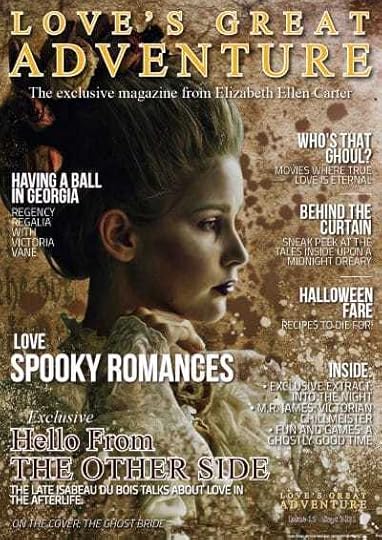 How appropriate for an edition all about unexpected things going on!
This edition of Love’s Great Adventure magazine is dedicated to the Dragonblade Halloween anthology, Upon A Midnight Dreary.
It seems gremlins got into the files of this edition of Love’s Great Adventure magazine and caused some of the links not to work.
I don’t want you to miss out on the fun, games and adventure, so I’ve included the links here.
Movie and Video Features
Visit my YouTube channel with great interviews with your favourite historical romance authors.
Our favourite eternal love film features:
Portrait of JennieGhost TrailerThe Ghost and Mrs Muir ClipThe Mummy 1999A Matter of Life and Death 4K TrailerThe Hunger Opening ClipFun and Games
Forbidden Worlds Comic BookUpon A Midnight Dreary Jigsaw PuzzleHistorical Literary Feature Links
MR James Feature
Lights Out – The Lost Will Of Dr. Rant, starring Leslie Nielsen & Pat EnglandOh Whistle, And I’ll Come To You, My Lad storyThe post Are there gremlins at work? Missing links and other mysterious goings-on appeared first on Elizabeth Ellen Carter.
September 13, 2021
M.R. James – Oh, Whistle, and I’ll Come to You, My Lad
The September 2021 edition of Love’s Great Adventure features a profile on ghost story author M.R. James. This 1904 short story by James has been adapted twice for television as Whistle and I’ll Come To You.
‘I suppose you will be getting away pretty soon, now Fall term is over, Professor,’ said a person not in the story to the Professor of Ontography, soon after they had sat down next to each other at a feast in the hospitable hall of St James’s College.
The Professor was young, neat, and precise in speech. ‘Yes,’ he said; ‘my friends have been making me take up golf this term, and I mean to go to the East Coast – in point of fact to Burnstow – (I dare say you know it) for a week or ten days, to improve my game. I hope to get off tomorrow.’
‘Oh, Parkins,’ said his neighbour on the other side, ‘if you are going to Burnstow, I wish you would look at the site of the Templars’ preceptory, and let me know if you think it would be any good to have a dig there in the summer.’
It was, as you might suppose, a person of antiquarian pursuits who said this, but, since he merely appears in this prologue, there is no need to give his entitlements.
‘Certainly,’ said Parkins, the Professor: ‘if you will describe to me whereabouts the site is, I will do my best to give you an idea of the lie of the land when I get back; or I could write to you about it, if you would tell me where you are likely to be.’
‘Don’t trouble to do that, thanks. It’s only that I’m thinking of taking my family in that direction in the Long, and it occurred to me that, as very few of the English preceptories have ever been properly planned, I might have an opportunity of doing something useful on off-days.’
The Professor rather sniffed at the idea that planning out a preceptory could be described as useful. His neighbour continued:
‘The site – I doubt if there is anything showing above ground – must be down quite close to the beach now. The sea has encroached tremendously, as you know, all along that bit of coast. I should think, from the map, that it must be about three-quarters of a mile from the Globe Inn, at the north end of the town. Where are you going to stay?’
‘Well, at the Globe Inn, as a matter of fact,’ said Parkins; ‘I have engaged a room there. I couldn’t get in anywhere else; most of the lodging-houses are shut up in winter, it seems; and, as it is, they tell me that the only room of any size I can have is really a double-bedded one, and that they haven’t a corner in which to store the other bed, and so on. But I must have a fairly large room, for I am taking some books down, and mean to do a bit of work; and though I don’t quite fancy having an empty bed – not to speak of two – in what I may call for the time being my study, I suppose I can manage to rough it for the short time I shall be there.’
‘Do you call having an extra bed in your room roughing it. Parkins?’ said a bluff person opposite. ‘Look here, I shall come down and occupy it for a bit; it’ll be company for you.’ The Professor quivered, but managed to laugh in a courteous manner.
‘By all means, Rogers; there’s nothing I should like better. But I’m afraid you would find it rather dull; you don’t play golf, do you?’ ‘No, thank Heaven!’ said rude Mr Rogers. ‘Well, you see, when I’m not writing I shall most likely be out on the links, and that, as I say, would be rather dull for you. I’m afraid.’
‘Oh, I don’t know! There’s certain to be somebody I know in the place; but, of course, if you don’t want me, speak the word. Parkins; I shan’t be offended. Truth, as you always tell us, is never offensive.’
Parkins was, indeed, scrupulously polite and strictly truthful. It is to be feared that Mr Rogers sometimes practised upon his knowledge of these characteristics. In Parkins’s breast there was a conflict now raging, which for a moment or two did not allow him to answer. That interval being over, he said:
‘Well, if you want the exact truth, Rogers, I was considering whether the room I speak of would really be large enough to accommodate us both comfortably; and also whether (mind, I shouldn’t have said this if you hadn’t pressed me) you would not constitute something in the nature of a hindrance to my work.’ Rogers laughed loudly.
‘Well done. Parkins!’ he said. ‘It’s all right. I promise not to interrupt your work; don’t you disturb yourself about that. No, I won’t come if you don’t want me; but I thought I should do so nicely to keep the ghosts off.’ Here he might have been seen to wink and to nudge his next neighbour. Parkins might also have been seen to become pink. ‘I beg pardon. Parkins,’ Rogers continued; ‘I oughtn’t to have said that. I forgot you didn’t like levity on these topics.’
‘Well,’ Parkins said, ‘as you have mentioned the matter, I freely own that I do not like careless talk about what you call ghosts. A man in my position,’ he went on, raising his voice a little, ‘cannot, I find, be too careful about appearing to sanction the current beliefs on such subjects. As you know, Rogers, or as you ought to know; for I think I have never concealed my views – ‘
‘No, you certainly have not, old man,’ put in Rogers sotto voce.
‘ – I hold that any semblance, any appearance of concession to the view that such things might exist is equivalent to a renunciation of all that I hold most sacred. But I’m afraid I have not succeeded in securing your attention.’
‘Your undivided attention, was what Dr Blimber actually said, Rogers interrupted, with every appearance of an earnest desire for accuracy. ‘But I beg your pardon. Parkins; I’m stopping you.’
‘No, not at all,’ said Parkins. ‘I don’t remember Blimber; perhaps he was before my time. But I needn’t go on. I’m sure you know what I mean.’
‘Yes, yes,’ said Rogers, rather hastily – ‘just so. We’ll go into it fully at Burnstow, or somewhere.’
In repeating the above dialogue, I have tried to give the impression which it made on me, that Parkins was something of an old woman – rather hen-like, perhaps, in his little ways; totally destitute, alas! of the sense of humour, but at the same time dauntless and sincere in his convictions, and a man deserving of the greatest respect. Whether or not the reader has gathered so much, that was the character which Parkins had.

On the following day, Parkins did, as he had hoped, succeed in getting away from his college, and in arriving at Burnstow. He was made welcome at the Globe Inn, was safely installed in the large double-bedded room of which we have heard, and was able before retiring to rest to arrange his materials for work in apple-pie order upon a commodious table which occupied the outer end of the room, and was surrounded on three sides by windows looking out seaward; that is to say, the central window looked straight out to sea, and those on the left and right commanded prospects along the shore to the north and south respectively. On the south you saw the village of Burnstow. On the north no houses were to be seen, but only the beach and the low cliff backing it. Immediately in front was a strip – not considerable – of rough grass, dotted with old anchors, capstans, and so forth; then a broad path; then the beach. Whatever may have been the original distance between the Globe Inn and the sea, not more than sixty yards now separated them.
The rest of the population of the inn was, of course, a golfing one, and included few elements that call for a special description. The most conspicuous figure was, perhaps, that of an ancien militaire, secretary of a London club, and possessed of a voice of incredible strength, and of views of a pronouncedly Protestant type. These were apt to find utterance after his attendance upon the ministrations of the Vicar, an estimable man with inclinations towards a picturesque ritual, which he gallantly kept down as far as he could out of deference to East Anglian tradition.
Professor Parkins, one of whose principal characteristics was pluck, spent the greater part of the day following his arrival at Burnstow in what he had called improving his game, in company with this Colonel Wilson: and during the afternoon – whether the process of improvement were to blame or not, I am not sure – the Colonel’s demeanour assumed a colouring so lurid that even Parkins jibbed at the thought of walking home with him from the links. He determined, after a short and furtive look at that bristling moustache and those incarnadined features, that it would be wiser to allow the influences of tea and tobacco to do what they could with the Colonel before the dinner-hour should render a meeting inevitable. ‘I might walk home tonight along the beach,’ he reflected – ‘yes, and take a look – there will be light enough for that – at the ruins of which Disney was talking. I don’t exactly know where they are, by the way; but I expect I can hardly help stumbling on them.’
This he accomplished, I may say, in the most literal sense, for in picking his way from the links to the shingle beach his foot caught, partly in a gorse-root and partly in a biggish stone, and over he went. When he got up and surveyed his surroundings, he found himself in a patch of somewhat broken ground covered with small depressions and mounds. These latter, when he came to examine them, proved to be simply masses of flints embedded in mortar and grown over with turf. He must, he quite rightly concluded, be on the site of the preceptory he had promised to look at. It seemed not unlikely to reward the spade of the explorer; enough of the foundations was probably left at no great depth to throw a good deal of light on the general plan.
He remembered vaguely that the Templars, to whom this site had belonged, were in the habit of building round churches, and he thought a particular series of the humps or mounds near him did appear to be arranged in something of a circular form. Few people can resist the temptation to try a little amateur research in a department quite outside their own, if only for the satisfaction of showing how successful they would have been had they only taken it up seriously. Our Professor, however, if he felt something of this mean desire, was also truly anxious to oblige Mr Disney. So he paced with care the circular area he had noticed, and wrote down its rough dimensions in his pocket-book. Then he proceeded to examine an oblong eminence which lay east of the centre of the circle, and seemed to his thinking likely to be the base of a platform or altar. At one end of it, the northern, a patch of the turf was gone – removed by some boy or other creature ferae naturae. It might, he thought, be as well to probe the soil here for evidences of masonry, and he took out his knife and began scraping away the earth. And now followed another little discovery: a portion of soil fell inward as he scraped, and disclosed a small cavity.
He lighted one match after another to help him to see of what nature the hole was, but the wind was too strong for them all. By tapping and scratching the sides with his knife, however, he was able to make out that it must be an artificial hole in masonry. It was rectangular, and the sides, top, and bottom, if not actually plastered, were smooth and regular. Of course, it was empty. No! As he withdrew the knife he heard a metallic clink, and, when he introduced his hand, it met with a cylindrical object lying on the floor of the hole. Naturally enough, he picked it up, and when he brought it into the light, now fast fading, he could see that it, too, was of man’s making – a metal tube about four inches long, and evidently of some considerable age.
By the time Parkins had made sure that there was nothing else in this odd receptacle, it was too late and too dark for him to think of undertaking any further search. What he had done had proved so unexpectedly interesting that he determined to sacrifice a little more of the daylight on the morrow to archaeology. The object which he now had safe in his pocket was bound to be of some slight value at least, he felt sure.
Bleak and solemn was the view on which he took a last look before starting homeward. A faint yellow light in the west showed the links, on which a few figures moving towards the club-house were still visible, the squat martello tower, the lights of Aldsey village, the pale ribbon of sands intersected at intervals by black wooden groynes, the dim and murmuring sea. The wind was bitter from the north, but was at his back when he set out for the Globe. He quickly rattled and clashed through the shingle and gained the sand, upon which, but for the groynes which had to be got over every few yards, the going was both good and quiet.
One last look behind, to measure the distance he had made since leaving the ruined Templars’ church, showed him a prospect of company on his walk, in the shape of a rather indistinct personage, who seemed to be making great efforts to catch up with him, but made little, if any, progress. I mean that there was an appearance of running about his movements, but that the distance between him and Parkins did not seem materially to lessen. So, at least, Parkins thought, and decided that he almost certainly did not know him, and that it would be absurd to wait until he came up.
For all that, company, he began to think, would really be very welcome on that lonely shore, if only you could choose your companion. In his unenlightened days he had read of meetings in such places which even now would hardly bear thinking of. He went on thinking of them, however, until he reached home, and particularly of one which catches most people’s fancy at some time of their childhood. ‘Now I saw in my dream that Christian had gone but a very little way when he saw a foul fiend coming over the field to meet him.’ ‘What should I do now,’ he thought, ‘if I looked back and caught sight of a black figure sharply defined against the yellow sky, and saw that it had horns and wings? I wonder whether I should stand or run for it. Luckily, the gentleman behind is not of that kind, and he seems to be about as far off now as when I saw him first. Well, at this rate he won’t get his dinner as soon as I shall; and, dear me! it’s within a quarter of an hour of the time now. I must run!’
Parkins had, in fact, very little time for dressing. When he met the Colonel at dinner. Peace – or as much of her as that gentleman could manage – reigned once more in the military bosom; nor was she put to flight in the hours of bridge that followed dinner, for Parkins was a more than respectable player. When, therefore, he retired towards twelve o’clock, he felt that he had spent his evening in quite a satisfactory way, and that, even for so long as a fortnight or three weeks, life at the Globe would be supportable under similar conditions – ‘especially,’ thought he, ‘if I go on improving my game.’
As he went along the passages he met the boots of the Globe, who stopped and said: ‘Beg your pardon, sir, but as I was a-brushing your coat just now there was somethink fell out of the pocket. I put it on your chest of drawers, sir, in your room, sir – a piece of a pipe or somethink of that, sir. Thank you, sir. You’ll find it on your chest of drawers, sir – yes, sir. Good night, sir.’
The speech served to remind Parkins of his little discovery of that afternoon. It was with some considerable curiosity that he turned it over by the light of his candles.
It was of bronze, he now saw, and was shaped very much after the manner of the modern dog-whistle; in fact it was – yes, certainly it was – actually no more nor less than a whistle. He put it to his lips, but it was quite full of a fine, caked-up sand or earth, which would not yield to knocking, but must be loosened with a knife.
Tidy as ever in his habits. Parkins cleared out the earth on to a piece of paper, and took the latter to the window to empty it out. The night was clear and bright, as he saw when he had opened the casement, and he stopped for an instant to look at the sea and note a belated wanderer stationed on the shore in front of the inn. Then he shut the window, a little surprised at the late hours people kept at Burnstow, and took his whistle to the light again. Why, surely there were marks on it, and not merely marks, but letters!
A very little rubbing rendered the deeply-cut inscription quite legible, but the Professor had to confess, after some earnest thought, that the meaning of it was as obscure to him as the writing on the wall to Belshazzar. There were legends both on the front and on the back of the whistle. The one read thus:
FLA FUR BIS FLE
The other:
QUIS EST ISTE QUI VENIT
‘I ought to be able to make it out,’ he thought; ‘but I suppose I am a little rusty in my Latin. When I come to think of it, I don’t believe I even know the word for a whistle. The long one does seem simple enough. It ought to mean, “Who is this who is coming?” Well, the best way to find out is evidently to whistle for him.’
He blew tentatively and stopped suddenly, startled and yet pleased at the note he had elicited. It had a quality of infinite distance in it, and, soft as it was, he somehow felt it must be audible for miles round. It was a sound, too, that seemed to have the power (which many scents possess) of forming pictures in the brain. He saw quite clearly for a moment a vision of a wide, dark expanse at night, with a fresh wind blowing and, in the midst, a lonely figure – how employed, he could not tell. Perhaps he would have seen more had not the picture been broken by the sudden surge of a gust of wind against his casement, so sudden that it made him look up, just in time to see the white glint of a sea-bird’s wing somewhere outside the dark panes.
The sound of the whistle had so fascinated him that he could not help trying it once more, this time more boldly. The note was little, if at all, louder than before, and repetition broke the illusion – no picture followed, as he had half hoped it might. ‘But what is this? Goodness! what force the wind can get up in a few minutes! What a tremendous gust! There! I knew that window-fastening was no use! Ah! I thought so – both candles out. It’s enough to tear the room to pieces.’
The first thing was to get the window shut. While you might count twenty, Parkins was struggling with the small casement, and felt almost as if he were pushing back a sturdy burglar, so strong was the pressure. It slackened all at once, and the window banged to and latched itself. Now to relight the candles and see what damage, if any, had been done. No, nothing seemed amiss; no glass even was broken in the casement. But the noise had evidently roused at least one member of the household: the Colonel was to be heard slumping in his stockinged feet on the floor above, and growling.
Quickly as it had risen, the wind did not fall at once. On it went, moaning and rushing past the house, at times rising to a cry so desolate that, as Parkins disinterestedly said, it might have made fanciful people feel quite uncomfortable; even the unimaginative, he thought after a quarter of an hour, might be happier without it.
Whether it was the wind, or the excitement of golf, or of the researches in the preceptory that kept Parkins awake, he was not sure. Awake he remained, in any case, long enough to fancy (as I am afraid I often do myself under such conditions) that he was the victim of all manner of fatal disorders: he would lie counting the beats of his heart, convinced that it was going to stop work every moment, and would entertain grave suspicions of his lungs, brain, liver, etc. – suspicions which he was sure would be dispelled by the return of daylight, but which until then refused to be put aside. He found a little vicarious comfort in the idea that someone else was in the same boat. A near neighbour (in the darkness it was not easy to tell his direction) was tossing and rustling in his bed, too.
The next stage was that Parkins shut his eyes and determined to give sleep every chance. Here again overexcitement asserted itself in another form – that of making pictures. Experto crede, pictures do come to the closed eyes of one trying to sleep, and are often so little to his taste that he must open his eyes and disperse them.
Parkins’s experience on this occasion was a very distressing one. He found that the picture which presented itself to him was continuous. When he opened his eyes, of course, it went; but when he shut them once more it framed itself afresh, and acted itself out again, neither quicker nor slower than before. What he saw was this: A long stretch of shore – shingle edged by sand, and intersected at short intervals with black groynes running down to the water – a scene, in fact, so like that of his afternoon’s walk that, in the absence of any landmark, it could not be distinguished therefrom. The light was obscure, conveying an impression of gathering storm, late winter evening, and slight cold rain.
On this bleak stage at first no actor was visible. Then, in the distance, a bobbing black object appeared; a moment more, and it was a man running, jumping, clambering over the groynes, and every few seconds looking eagerly back. The nearer he came the more obvious it was that he was not only anxious, but even terribly frightened, though his face was not to be distinguished. He was, moreover, almost at the end of his strength. On he came; each successive obstacle seemed to cause him more difficulty than the last. ‘Will he get over this next one?’ thought Parkins; ‘it seems a little higher than the others.’ Yes; half-climbing, half throwing himself, he did get over, and fell all in a heap on the other side (the side nearest to the spectator). There, as if really unable to get up again, he remained crouching under the groyne, looking up in an attitude of painful anxiety.
So far, no cause whatever for the fear of the runner had been shown; but now there began to be seen, far up the shore, a little flicker of something light-coloured moving to and fro with great swiftness and irregularity. Rapidly growing larger, it, too, declared itself as a figure in pale, fluttering draperies, ill-defined. There was something about its motion which made Parkins very unwilling to see it at close quarters. It would stop, raise arms, bow itself toward the sand, then run stooping across the beach to the water-edge and back again; and then, rising upright, once more continue its course forward at a speed that was startling and terrifying. The moment came when the pursuer was hovering about from left to right only a few yards beyond the groyne where the runner lay in hiding. After two or three ineffectual castings hither and thither it came to a stop, stood upright, with arms raised high, and then darted straight forward towards the groyne.
It was at this point that Parkins always failed in his resolution to keep his eyes shut. With many misgivings as to incipient failure of eyesight, over-worked brain, excessive smoking, and so on, he finally resigned himself to light his candle, get out a book, and pass the night waking, rather than be tormented by this persistent panorama, which he saw clearly enough could only be a morbid reflection of his walk and his thoughts on that very day.
The scraping of match on box and the glare of light must have startled some creatures of the night – rats or what not – which he heard scurry across the floor from the side of his bed with much rustling. Dear, dear! the match is out! Fool that it is! But the second one burnt better, and a candle and book were duly procured, over which Parkins pored till sleep of a wholesome kind came upon him, and that in no long space. For about the first time in his orderly and prudent life he forgot to blow out the candle, and when he was called next morning at eight there was still a flicker in the socket and a sad mess of guttered grease on the top of the little table.
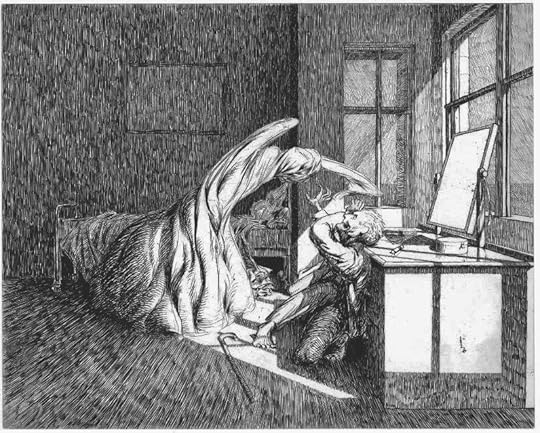 .fusion-body .fusion-builder-column-3{width:100% !important;margin-top : 0px;margin-bottom : 20px;}.fusion-builder-column-3 > .fusion-column-wrapper {padding-top : 0px !important;padding-right : 0px !important;margin-right : 1.92%;padding-bottom : 0px !important;padding-left : 0px !important;margin-left : 1.92%;}@media only screen and (max-width:1024px) {.fusion-body .fusion-builder-column-3{width:100% !important;order : 0;}.fusion-builder-column-3 > .fusion-column-wrapper {margin-right : 1.92%;margin-left : 1.92%;}}@media only screen and (max-width:640px) {.fusion-body .fusion-builder-column-3{width:100% !important;order : 0;}.fusion-builder-column-3 > .fusion-column-wrapper {margin-right : 1.92%;margin-left : 1.92%;}}.fusion-body .fusion-flex-container.fusion-builder-row-2{ padding-top : 0px;margin-top : 0px;padding-right : 0px;padding-bottom : 0px;margin-bottom : 0px;padding-left : 0px;}.fusion-body .fusion-builder-column-4{width:20% !important;margin-top : 0px;margin-bottom : 20px;}.fusion-builder-column-4 > .fusion-column-wrapper {padding-top : 0px !important;padding-right : 0px !important;margin-right : 9.6%;padding-bottom : 0px !important;padding-left : 0px !important;margin-left : 9.6%;}@media only screen and (max-width:1024px) {.fusion-body .fusion-builder-column-4{width:100% !important;order : 0;}.fusion-builder-column-4 > .fusion-column-wrapper {margin-right : 1.92%;margin-left : 1.92%;}}@media only screen and (max-width:640px) {.fusion-body .fusion-builder-column-4{width:100% !important;order : 0;}.fusion-builder-column-4 > .fusion-column-wrapper {margin-right : 1.92%;margin-left : 1.92%;}}
After breakfast he was in his room, putting the finishing touches to his golfing costume – fortune had again allotted the Colonel to him for a partner – when one of the maids came in.
‘Oh, if you please,’ she said, ‘would you like any extra blankets on your bed, sir?’
‘Ah! Thank you,’ said Parkins. ‘Yes, I think I should like one. It seems likely to turn rather colder.’
In a very short time, the maid was back with the blanket.
‘Which bed should I put it on, sir?’ she asked.
‘What? Why, that one – the one I slept in last night,’ he said, pointing to it.
‘Oh yes! I beg your pardon, sir, but you seemed to have tried both of ’em; leastways, we had to make ’em both up this morning.’
‘Really? How very absurd!’ said Parkins. ‘I certainly never touched the other, except to lay some things on it. Did it actually seem to have been slept in?’
‘Oh, yes, sir!’ said the maid. ‘Why, all the things was crumpled and throwed about all ways, if you’ll excuse me, sir – quite as if anyone ‘adn’t passed but a very poor night, sir.’
‘Dear me,’ said Parkins. ‘Well, I may have disordered it more than I thought when I unpacked my things. I’m very sorry to have given you the extra trouble. I’m sure. I expect a friend of mine soon, by the way – a gentleman from Cambridge – to come and occupy it for a night or two. That will be all right, I suppose, won’t it?’
‘Oh yes, to be sure, sir. Thank you, sir. It’s no trouble. I’m sure,’ said the maid, and departed to giggle with her colleagues.
Parkins set forth, with a stern determination to improve his game.
I am glad to be able to report that he succeeded so far in this enterprise that the Colonel, who had been rather repining at the prospect of a second day’s play in his company, became quite chatty as the morning advanced; and his voice boomed out over the flats, as certain also of our own minor poets have said, ‘like some great bourdon in a minster tower’.
‘Extraordinary wind, that, we had last night,’ he said. ‘In my old home we should have said someone had been whistling for it.’
‘Should you, indeed!’ said Parkins, ‘Is there a superstition of that kind still current in your part of the country?’
‘I don’t know about superstition,’ said the Colonel. ‘They believe in it all over Denmark and Norway, as well as on the Yorkshire coast; and my experience is, mind you, that there’s generally something at the bottom of what these country-folk hold to, and have held to for generations. But it’s your drive’ (or whatever it might have been: the golfing reader will have to imagine appropriate digressions at the proper intervals).
When conversation was resumed. Parkins said, with a slight hesitancy:
‘Apropos of what you were saying just now. Colonel, I think I ought to tell you that my own views on such subjects are very strong. I am, in fact, a convinced disbeliever in what is called the “supernatural”.’
‘What!’ said the Colonel, ‘do you mean to tell me you don’t believe in second-sight, or ghosts, or anything of that kind?’
‘In nothing whatever of that kind,’ returned Parkins firmly.
‘Well,’ said the Colonel, ‘but it appears to me at that rate, sir, that you must be little better than a Sadducee.’
Parkins was on the point of answering that, in his opinion, the Sadducees were the most sensible persons he had ever read of in the Old Testament; but, feeling some doubt as to whether much mention of them was to be found in that work, he preferred to laugh the accusation off.
‘Perhaps I am,’ he said; ‘but – Here, give me my cleek, boy! – Excuse me one moment. Colonel.’ A short interval. ‘Now, as to whistling for the wind, let me give you my theory about it. The laws which govern winds are really not at all perfectly known – to fisher-folk and such, of course, not known at all. A man or woman of eccentric habits, perhaps, or a stranger, is seen repeatedly on the beach at some unusual hour, and is heard whistling. Soon afterwards a violent wind rises; a man who could read the sky perfectly or who possessed a barometer could have foretold that it would. The simple people of a fishing-village have no barometers, and only a few rough rules for prophesying weather. What more natural than that the eccentric personage I postulated should be regarded as having raised the wind, or that he or she should clutch eagerly at the reputation of being able to do so? Now, take last night’s wind: as it happens, I myself was whistling. I blew a whistle twice, and the wind seemed to come absolutely in answer to my call. If anyone had seen me – ‘
The audience had been a little restive under this harangue, and Parkins had, I fear, fallen somewhat into the tone of a lecturer; but at the last sentence the Colonel stopped.
‘Whistling, were you?’ he said. ‘And what sort of whistle did you use? Play this stroke first.’ Interval.
‘About that whistle you were asking. Colonel. It’s rather a curious one. I have it in my – No; I see I’ve left in it my room. As a matter of fact, I found it yesterday.’
And then Parkins narrated the manner of his discovery of the whistle, upon hearing which the Colonel grunted, and opined that, in Parkins’s place, he should himself be careful about using a thing that had belonged to a set of Papists, of whom, speaking generally, it might be affirmed that you never knew what they might not have been up to. From this topic he diverged to the enormities of the Vicar, who had given notice on the previous Sunday that Friday would be the Feast of St Thomas the Apostle, and that there would be service at eleven o’clock in the church.
This and other similar proceedings constituted in the Colonel’s view a strong presumption that the Vicar was a concealed Papist, if not a Jesuit; and Parkins, who could not very readily follow the Colonel in this region, did not disagree with him. In fact, they got on so well together in the morning that there was no talk on either side of their separating after lunch.
Both continued to play well during the afternoon, or, at least, well enough to make them forget everything else until the light began to fail them. Not until then did Parkins remember that he had meant to do some more investigating at the preceptory; but it was of no great importance, he reflected. One day was as good as another; he might as well go home with the Colonel.
As they turned the corner of the house, the Colonel was almost knocked down by a boy who rushed into him at the very top of his speed, and then, instead of running away, remained hanging on to him and panting. The first words of the warrior were naturally those of reproof and objurgation, but he very quickly discerned that the boy was almost speechless with fright. Inquiries were useless at first. When the boy got his breath he began to howl, and still clung to the Colonel’s legs. He was at last detached, but continued to howl.
‘What in the world is the matter with you? What have you been up to? What have you seen?’ said the two men.
‘Ow, I seen it wive at me out of the winder,’ wailed the boy, ‘and I don’t like it.’
‘What window?’ said the irritated Colonel. ‘Come, pull yourself together, my boy.’
‘The front winder it was, at the ‘otel,’ said the boy.
At this point Parkins was in favour of sending the boy home, but the Colonel refused; he wanted to get to the bottom of it, he said; it was most dangerous to give a boy such a fright as this one had had, and if it turned out that people had been playing jokes, they should suffer for it in some way. And by a series of questions, he made out this story.
The boy had been playing about on the grass in front of the Globe with some others; then they had gone home to their teas, and he was just going, when he happened to look up at the front winder and see it a-wiving at him. It seemed to be a figure of some sort, in white as far as he knew – couldn’t see its face; but it wived at him, and it warn’t a right thing – not to say not a right person. Was there a light in the room? No, he didn’t think to look if there was a light. Which was the window? Was it the top one or the second one? The seckind one it was – the big winder what got two little uns at the sides.
‘Very well, my boy,’ said the Colonel, after a few more questions. ‘You run away home now. I expect it was some person trying to give you a start. Another time, like a brave English boy, you just throw a stone – well, no, not that exactly, but you go and speak to the waiter, or to Mr Simpson, the landlord, and – yes – and say that I advised you to do so.’
The boy’s face expressed some of the doubt he felt as to the likelihood of Mr Simpson’s lending a favourable ear to his complaint, but the Colonel did not appear to perceive this, and went on:
‘And here’s a sixpence – no, I see it’s a shilling – and you be off home, and don’t think any more about it.’
The youth hurried off with agitated thanks, and the Colonel and Parkins went round to the front of the Globe and reconnoitred. There was only one window answering to the description they had been hearing.
‘Well, that’s curious,’ said Parkins; ‘it’s evidently my window the lad was talking about. Will you come up for a moment, Colonel Wilson? We ought to be able to see if anyone has been taking liberties in my room.’
They were soon in the passage, and Parkins made as if to open the door. Then he stopped and felt in his pockets.
‘This is more serious than I thought,’ was his next remark. ‘I remember now that, before I started this morning, I locked the door. It is locked now, and, what is more, here is the key.’ And he held it up. ‘Now,’ he went on, ‘if the servants are in the habit of going into one’s room during the day when one is away, I can only say that – well, that I don’t approve of it at all.’ Conscious of a somewhat weak climax, he busied himself in opening the door (which was indeed locked) and in lighting candles. ‘No,’ he said, ‘nothing seems disturbed.’
‘Except your bed,’ put in the Colonel.
‘Excuse me, that isn’t my bed,’ said Parkins. ‘I don’t use that one.
‘But it does look as if someone has been playing tricks with it.’
It certainly did: the clothes were bundled up and twisted together in a most tortuous confusion. Parkins pondered. ‘That must be it,’ he said at last: ‘I disordered the clothes last night in unpacking, and they haven’t made it since. Perhaps they came in to make it, and that boy saw them through the window; and then they were called away and locked the door after them. Yes, I think that must be it.’
‘Well, ring and ask,’ said the Colonel, and this appealed to Parkins as practical. The maid appeared, and, to make a long story short, deposed that she had made the bed in the morning when the gentleman was in the room, and hadn’t been there since. No, she hadn’t no other key. Mr Simpson he kep’ the keys; he’d be able to tell the gentleman if anyone had been up.
This was a puzzle. Investigation showed that nothing of value had been taken, and Parkins remembered the disposition of the small objects on tables and so forth well enough to be pretty sure that no pranks had been played with them.
Mr and Mrs Simpson furthermore agreed that neither of them had given the duplicate key of the room to any person whatever during the day. Nor could Parkins, fair-minded man as he was, detect anything in the demeanour of master, mistress, or maid that indicated guilt. He was much more inclined to think that the boy had been imposing on the Colonel.
The latter was unwontedly silent and pensive at dinner and throughout the evening. When he bade good night to Parkins, he murmured in a gruff undertone: ‘You know where I am if you want me during the night.’
‘Why, yes, thank you. Colonel Wilson, I think I do; but there isn’t much prospect of my disturbing you, I hope. By the way,’ he added, ‘did I show you that old whistle I spoke of? I think not. Well, here it is.’
The Colonel turned it over gingerly in the light of the candle.
‘Can you make anything of the inscription?’ asked Parkins, as he took it back. ‘No, not in this light. What do you mean to do with it?’
‘Oh, well, when I get back to Cambridge I shall submit it to some of the archaeologists there, and see what they think of it; and very likely, if they consider it worth having, I may present it to one of the museums.’
‘M!’ said the Colonel. ‘Well, you may be right. All I know is that, if it were mine, I should chuck it straight into the sea. It’s no use talking. I’m well aware, but I expect that with you it’s a case of live and learn. I hope so. I’m sure, and I wish you a good night.’
He turned away, leaving Parkins in act to speak at the bottom of the stair, and soon each was in his own bedroom.
By some unfortunate accident, there were neither blinds nor curtains to the windows of the Professor’s room. The previous night he had thought little of this, but tonight there seemed every prospect of a bright moon rising to shine directly on his bed, and probably wake him later on. When he noticed this, he was a good deal annoyed, but, with an ingenuity which I can only envy, he succeeded in rigging up, with the help of a railway-rug, some safety-pins, and a stick and umbrella, a screen which, if it only held together, would completely keep the moonlight off his bed. And shortly afterwards he was comfortably in that bed.
When he had read a somewhat solid work long enough to produce a decided wish for sleep, he cast a drowsy glance round the room, blew out the candle, and fell back upon the pillow. He must have slept soundly for an hour or more, when a sudden clatter shook him up in a most unwelcome manner. In a moment he realized what had happened: his carefully-constructed screen had given way, and a very bright frosty moon was shining directly on his face. This was highly annoying. Could he possibly get up and reconstruct the screen? or could he manage to sleep if he did not?
For some minutes he lay and pondered over the possibilities; then he turned over sharply, and with all his eyes open lay breathlessly listening. There had been a movement, he was sure, in the empty bed on the opposite side of the room. Tomorrow he would have it moved, for there must be rats or something playing about in it. It was quiet now.
No! The commotion began again.
There was a rustling and shaking: surely more than any rat could cause. I can figure to myself something of the Professor’s bewilderment and horror, for I have in a dream thirty years back seen the same thing happen; but the reader will hardly, perhaps, imagine how dreadful it was to him to see a figure suddenly sit up in what he had known was an empty bed. He was out of his own bed in one bound, and made a dash towards the window, where lay his only weapon, the stick with which he had propped his screen.
This was, as it turned out, the worst thing he could have done, because the personage in the empty bed, with a sudden smooth motion, slipped from the bed and took up a position, with outspread arms, between the two beds, and in front of the door. Parkins watched it in a horrid perplexity. Somehow, the idea of getting past it and escaping through the door was intolerable to him; he could not have borne – he didn’t know why – to touch it; and as for its touching him, he would sooner dash himself through the window than have that happen.
It stood for the moment in a band of dark shadow, and he had not seen what its face was like. Now it began to move, in a stooping posture, and all at once the spectator realized, with some horror and some relief, that it must be blind, for it seemed to feel about it with its muffled arms in a groping and random fashion. Turning half away from him, it became suddenly conscious of the bed he had just left, and darted towards it, and bent over and felt the pillows in a way which made Parkins shudder as he had never in his life thought it possible. In a very few moments it seemed to know that the bed was empty, and then, moving forward into the area of light and facing the window, it showed for the first time what manner of thing it was.
Parkins, who very much dislikes being questioned about it, did once describe something of it in my hearing, and I gathered that what he chiefly remembers about it is a horrible, an intensely horrible, face of crumbled linen. What expression he read upon it he could not or would not tell, but that the fear of it went nigh to maddening him is certain.
But he was not at leisure to watch it for long. With formidable quickness it moved into the middle of the room, and, as it groped and waved, one corner of its draperies swept across Parkins’s face. He could not – though he knew how perilous a sound was – he could not keep back a cry of disgust, and this gave the searcher an instant clue. It leapt towards him upon the instant, and the next moment he was half-way through the window backwards, uttering cry upon cry at the utmost pitch of his voice, and the linen face was thrust close into his own.
At this, almost the last possible second, deliverance came, as you will have guessed: the Colonel burst the door open, and was just in time to see the dreadful group at the window. When he reached the figures only one was left. Parkins sank forward into the room in a faint, and before him on the floor lay a tumbled heap of bedclothes.
Colonel Wilson asked no questions, but busied himself in keeping everyone else out of the room and in getting Parkins back to his bed; and himself, wrapped in a rug, occupied the other bed for the rest of the night.
Early on the next day, Rogers arrived, more welcome than he would have been a day before, and the three of them held a very long consultation in the Professor’s room. At the end of it, the Colonel left the hotel door carrying a small object between his finger and thumb, which he cast as far into the sea as a very brawny arm could send it. Later on, the smoke of a burning ascended from the back premises of the Globe. Exactly what explanation was patched up for the staff and visitors at the hotel I must confess I do not recollect. The Professor was somehow cleared of the ready suspicion of delirium tremens, and the hotel of the reputation of a troubled house.
There is not much question as to what would have happened to Parkins if the Colonel had not intervened when he did. He would either have fallen out of the window or else lost his wits. But it is not so evident what more the creature that came in answer to the whistle could have done than frighten. There seemed to be absolutely nothing material about it save the bedclothes of which it had made itself a body.
The Colonel, who remembered a not very dissimilar occurrence in India, was of opinion that if Parkins had closed with it, it could really have done very little, and that its one power was that of frightening. The whole thing, he said, served to confirm his opinion of the Church of Rome.
There is really nothing more to tell, but, as you may imagine, the Professor’s views on certain points are less clear cut than they used to be. His nerves, too, have suffered: he cannot even now see a surplice hanging on a door quite unmoved, and the spectacle of a scarecrow in a field late on a winter afternoon has cost him more than one sleepless night.
THE END
.fusion-body .fusion-builder-column-5{width:60% !important;margin-top : 0px;margin-bottom : 20px;}.fusion-builder-column-5 > .fusion-column-wrapper {padding-top : 0px !important;padding-right : 0px !important;margin-right : 3.2%;padding-bottom : 0px !important;padding-left : 0px !important;margin-left : 3.2%;}@media only screen and (max-width:1024px) {.fusion-body .fusion-builder-column-5{width:100% !important;order : 0;}.fusion-builder-column-5 > .fusion-column-wrapper {margin-right : 1.92%;margin-left : 1.92%;}}@media only screen and (max-width:640px) {.fusion-body .fusion-builder-column-5{width:100% !important;order : 0;}.fusion-builder-column-5 > .fusion-column-wrapper {margin-right : 1.92%;margin-left : 1.92%;}}.fusion-body .fusion-builder-column-6{width:20% !important;margin-top : 0px;margin-bottom : 20px;}.fusion-builder-column-6 > .fusion-column-wrapper {padding-top : 0px !important;padding-right : 0px !important;margin-right : 9.6%;padding-bottom : 0px !important;padding-left : 0px !important;margin-left : 9.6%;}@media only screen and (max-width:1024px) {.fusion-body .fusion-builder-column-6{width:100% !important;order : 0;}.fusion-builder-column-6 > .fusion-column-wrapper {margin-right : 1.92%;margin-left : 1.92%;}}@media only screen and (max-width:640px) {.fusion-body .fusion-builder-column-6{width:100% !important;order : 0;}.fusion-builder-column-6 > .fusion-column-wrapper {margin-right : 1.92%;margin-left : 1.92%;}}.fusion-body .fusion-flex-container.fusion-builder-row-3{ padding-top : 0px;margin-top : 0px;padding-right : 0px;padding-bottom : 0px;margin-bottom : 0px;padding-left : 0px;}The post M.R. James – Oh, Whistle, and I’ll Come to You, My Lad appeared first on Elizabeth Ellen Carter.
September 1, 2021
SNAP Sale – Spyfall is free for a short time!

 SNAP SALE!!!!!I’ve just discovered that Spyfall is currently FREE on Amazon!I’m not sure how long it is free, so you’d better grab it now!SPYFALL: https://www.amazon.com/gp/product/B07TXC7DKRCornwall, 1805Rescued from a French prison by a mysterious benefactor, smuggler Nathaniel “Nate” Payne returns home to Cornwall a nearly broken man. He hopes to recover at his old haunt, but The Queen’s Head Inn has a new owner.Susannah Linwood is a young widow with a dark secret fleeing a brutal past. She has made an honest success of the inn and intends to keep it that way, and not fall in with the likes of Nate. Even so, their mutual attraction is hard to deny. But Nate’s former lover, the local magistrate’s wife, schemes to uncover Susannah’s secrets.To ease his conscience at surviving when so many did not, Nate writes to the family of a fellow English prisoner, not realizing it is a coded message for The King’s Rogues that brings Lieutenant Adam Hardacre to The Queen’s Head. While Hardacre recruits Nate into The King’s Rogues, Susannah learns a figure from her past is threatening blackmail, and worse, over the circumstances of her husband’s death.Persuaded to return to France to evacuate stranded English agents, Nate realizes there may be a more pressing rescue mission at home with Susannah’s very life at stake.
The post SNAP Sale – Spyfall is free for a short time! appeared first on Elizabeth Ellen Carter.