
Kelly Steel's Blog, page 5
April 23, 2018
Editing – The Pleasure and the Pain with Jane Godman
This week we have author Jane Godman sharing with us the pleasure and the pain of editing. Her new book out this month is, Colton and the Single Mom (The Coltons of Red Ridge).

Connect with Jane Godman on the web:
Website Facebook Twitter
Editing is the opposite of writing. When editing, you are forced to rein in your natural creativity and, instead, you become precise and analytical. For me, writing is the phase when I am in control. Editing can feel like something that is being done to me. It’s forced upon me. Like scrubbing the floor, or cleaning the oven, it’s one of those essential tasks. If I’m honest, I’d rather put it off for another day. My feelings when an email arrives from my editor are usually mixed. The closest description I can offer is a combination of trepidation and excitement. Because, no matter how much I dislike this stage, I know this is the point where my story becomes a book. Every story I write is an act of love. When I share it with an editor, I give that person permission to criticize my hopes and dreams for the characters and their journey. It’s a very personal relationship.The role of the editor is to be an advocate for future readers. They look critically at a book in order to find ways to improve the reading experience. I’ve worked with several editors, each with their own unique style. The best are masters of their craft, working with me to polish my story and make my voice shine. Those who are less effective rely too heavily on their own “rules”. What I’ve learned from those wonderful professionals is that editing is not an add-on that happens at the end of my writing. It is part of the process. To be a good writer, I have to learn to embrace the editing process. To put it simply, what happened before was for me. Now, I’m getting my writing ready to be seen by the world. Edits can be tiny fixes, or they can be huge problems that take days to solve. When I was editing The Soldier’s Seduction, the second of my Sons of Stillwater Harlequin Romantic Suspense stories, my editor noticed an issue with a cell phone that unraveled a big chunk of the story. If she hadn’t seen it, readers would have, and it would have spoiled their enjoyment of the book. Have I learned to love edits? I’m not sure I’d go that far. I think I’ve accepted that, with the pain, there can be some pleasure involved. One of the wisest things I heard recently was that editing takes a black-and-white manuscript and makes it technicolor. I try to keep that in mind as I’m grappling with a difficult editing problem.
Colton and the Single Mom (The Coltons of Red Ridge)
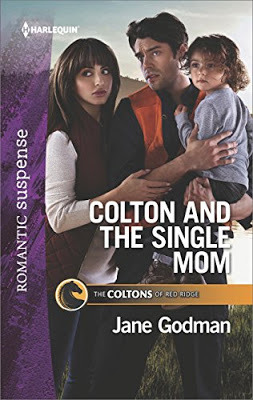
This Colton cop falls for a ready-made family A Coltons of Red Ridge story
A serial killer is on the loose, and true-crime filmmaker Esmée da Costa is on the case. K-9 cop Brayden Colton, the prime suspect’s half brother, works hard to stop her prying, but sparks fly as he falls for Esmée and her son. When Esmée and Brayden’s little family comes under siege, can they save all they love?
Read Reader Reviews
Buy on:
Amazon Kindle Amazon Paperback
Amazon UK Amazon Aust
Harlequin B&N
Kobo Book Depository iBooks

Connect with Jane Godman on the web:
Website Facebook Twitter
Editing is the opposite of writing. When editing, you are forced to rein in your natural creativity and, instead, you become precise and analytical. For me, writing is the phase when I am in control. Editing can feel like something that is being done to me. It’s forced upon me. Like scrubbing the floor, or cleaning the oven, it’s one of those essential tasks. If I’m honest, I’d rather put it off for another day. My feelings when an email arrives from my editor are usually mixed. The closest description I can offer is a combination of trepidation and excitement. Because, no matter how much I dislike this stage, I know this is the point where my story becomes a book. Every story I write is an act of love. When I share it with an editor, I give that person permission to criticize my hopes and dreams for the characters and their journey. It’s a very personal relationship.The role of the editor is to be an advocate for future readers. They look critically at a book in order to find ways to improve the reading experience. I’ve worked with several editors, each with their own unique style. The best are masters of their craft, working with me to polish my story and make my voice shine. Those who are less effective rely too heavily on their own “rules”. What I’ve learned from those wonderful professionals is that editing is not an add-on that happens at the end of my writing. It is part of the process. To be a good writer, I have to learn to embrace the editing process. To put it simply, what happened before was for me. Now, I’m getting my writing ready to be seen by the world. Edits can be tiny fixes, or they can be huge problems that take days to solve. When I was editing The Soldier’s Seduction, the second of my Sons of Stillwater Harlequin Romantic Suspense stories, my editor noticed an issue with a cell phone that unraveled a big chunk of the story. If she hadn’t seen it, readers would have, and it would have spoiled their enjoyment of the book. Have I learned to love edits? I’m not sure I’d go that far. I think I’ve accepted that, with the pain, there can be some pleasure involved. One of the wisest things I heard recently was that editing takes a black-and-white manuscript and makes it technicolor. I try to keep that in mind as I’m grappling with a difficult editing problem.
Colton and the Single Mom (The Coltons of Red Ridge)

This Colton cop falls for a ready-made family A Coltons of Red Ridge story
A serial killer is on the loose, and true-crime filmmaker Esmée da Costa is on the case. K-9 cop Brayden Colton, the prime suspect’s half brother, works hard to stop her prying, but sparks fly as he falls for Esmée and her son. When Esmée and Brayden’s little family comes under siege, can they save all they love?
Read Reader Reviews
Buy on:
Amazon Kindle Amazon Paperback
Amazon UK Amazon Aust
Harlequin B&N
Kobo Book Depository iBooks


April 9, 2018
Revisions with Author Pippa Roscoe
We have author Pippa Roscoe talking to us about Revisions. Her debut book has just released, Conquering His Virgin Queen.
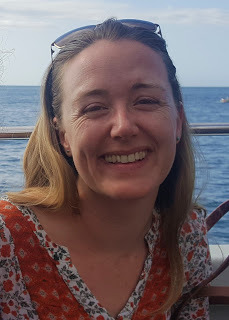
Mills & Boon author Pippa Roscoe lives in Norfolk near her family and makes daily promises that this will be the day she will leave the computer and take a long walk in the countryside. She can’t remember a time when she wasn’t dreaming of gorgeous alpha males and misunderstood heroines. Totally her mother’s fault of course—she gave Pippa her first romance to read at the age of seven! She is inconceivably happy that she gets to share those daydreams with her readers.
Pippa Roscoe on the web:
Website Facebook Twitter
Revisions - the kindest gift you will receive as an author!
This may sound like quite a statement! Also, I’d completely understand if you’re thinking – no actually a contract would be the kindest gift an author could have! But I would (gently!) disagree.
Firstly, for an editor to see something of value in your voice, in your story telling, and to take the time to help you find a stronger pathway to a better book means that you’ve got something. You’ve got a voice that they like. And more than that, you not only a foot in the door, but also someone who will (hopefully kindly!) point you through the sometimes painful realisation that the first draft of your book is not the end of the process of getting your book out there.
As much as we’d all love to think that a story pours out of us in pure perfection, each word absolutely right, each decision or turning point for our character carefully constructed to make the best happy-ever-after, it doesn’t quite happen like that.
I know with 100% conviction that once I write ‘the end’ on my first draft, it’s not. Because while I know how I wanted my book to read, that doesn’t mean I’ve actually achieved it. But revisions will help you make that happen.
And though the revisions from your editor will never be easy, here are some tips to help you through that process:
1) When you first receive revisions, reply to your editor immediately – without having read them! Thank your editor for sending them to you and say that you will get back to them once you’ve had a read through them. This is because, when you read them? The last thing you’ll want to do is fire off a polite email! No matter how well intentioned and how kindly they will have put their suggestion – it will hurt. And your relationship with your editor is a professional one, so be polite before the hurt gets to kick in.
2) Take two days to think through the suggestions before you do anything. You’re going to want to start ripping into your story, you’re going to want to tear the whole thing down, and most of the time, that’s not actually what the suggestions are saying. Really they’re not. And if that iswhat’s needed? You’re going to need a few days just to think things through.
3) If you do have questions about the revisions – ask. You don’t want to go down the wrong path and unpick things that don’t necessarily need it. Most editors would welcome a conversation about any thoughts you might have.
4) Get in chocolate, crisps, arrange a chat with your closest BFF and be kind to yourself. Because it’s hard doing revisions, and you need to do whatever it takes to get you through. Me – mid revision? Unbearable. I can’t even go out to see my family. Because I can’t think of anything else, until I have them done. So once you’re in the middle of them? Ask those you need to ask for the kindness of bearing with you through this.
5) Finally, remember that this is the hardest part about writing. Making your book even better. Which also makes it the most worthwhile bit of being a writer, and the kindest gift to you and your book that there is. There’s not getting around that it’s painful and hard, but hopefully this will help you on your path to the best book you can write. And the feeling when you’ve nailed the revisions? Indescribably wonderful.
Conquering His Virgin Queen Six months ago, their marriage ended…
He has twelve hours to claim her back!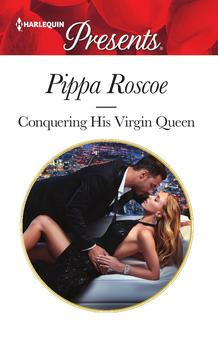
Odir Farouk is about to become king—but to take his throne, he needs his errant wife by his side! Odir denied his hunger for Eloise, refusing to compromise power for passion. His rejection drove her away. Now Odir has until news of his succession breaks to win back his queen…and pleasure will be his most powerful weapon!
Read Reader Reviews
Buy on:
Amazon Kindle Amazon Paperback
Amazon UK Amazon Aust
Harlequin B&N
Kobo Book Depository iBooks

Mills & Boon author Pippa Roscoe lives in Norfolk near her family and makes daily promises that this will be the day she will leave the computer and take a long walk in the countryside. She can’t remember a time when she wasn’t dreaming of gorgeous alpha males and misunderstood heroines. Totally her mother’s fault of course—she gave Pippa her first romance to read at the age of seven! She is inconceivably happy that she gets to share those daydreams with her readers.
Pippa Roscoe on the web:
Website Facebook Twitter
Revisions - the kindest gift you will receive as an author!
This may sound like quite a statement! Also, I’d completely understand if you’re thinking – no actually a contract would be the kindest gift an author could have! But I would (gently!) disagree.
Firstly, for an editor to see something of value in your voice, in your story telling, and to take the time to help you find a stronger pathway to a better book means that you’ve got something. You’ve got a voice that they like. And more than that, you not only a foot in the door, but also someone who will (hopefully kindly!) point you through the sometimes painful realisation that the first draft of your book is not the end of the process of getting your book out there.
As much as we’d all love to think that a story pours out of us in pure perfection, each word absolutely right, each decision or turning point for our character carefully constructed to make the best happy-ever-after, it doesn’t quite happen like that.
I know with 100% conviction that once I write ‘the end’ on my first draft, it’s not. Because while I know how I wanted my book to read, that doesn’t mean I’ve actually achieved it. But revisions will help you make that happen.
And though the revisions from your editor will never be easy, here are some tips to help you through that process:
1) When you first receive revisions, reply to your editor immediately – without having read them! Thank your editor for sending them to you and say that you will get back to them once you’ve had a read through them. This is because, when you read them? The last thing you’ll want to do is fire off a polite email! No matter how well intentioned and how kindly they will have put their suggestion – it will hurt. And your relationship with your editor is a professional one, so be polite before the hurt gets to kick in.
2) Take two days to think through the suggestions before you do anything. You’re going to want to start ripping into your story, you’re going to want to tear the whole thing down, and most of the time, that’s not actually what the suggestions are saying. Really they’re not. And if that iswhat’s needed? You’re going to need a few days just to think things through.
3) If you do have questions about the revisions – ask. You don’t want to go down the wrong path and unpick things that don’t necessarily need it. Most editors would welcome a conversation about any thoughts you might have.
4) Get in chocolate, crisps, arrange a chat with your closest BFF and be kind to yourself. Because it’s hard doing revisions, and you need to do whatever it takes to get you through. Me – mid revision? Unbearable. I can’t even go out to see my family. Because I can’t think of anything else, until I have them done. So once you’re in the middle of them? Ask those you need to ask for the kindness of bearing with you through this.
5) Finally, remember that this is the hardest part about writing. Making your book even better. Which also makes it the most worthwhile bit of being a writer, and the kindest gift to you and your book that there is. There’s not getting around that it’s painful and hard, but hopefully this will help you on your path to the best book you can write. And the feeling when you’ve nailed the revisions? Indescribably wonderful.
Conquering His Virgin Queen Six months ago, their marriage ended…
He has twelve hours to claim her back!

Odir Farouk is about to become king—but to take his throne, he needs his errant wife by his side! Odir denied his hunger for Eloise, refusing to compromise power for passion. His rejection drove her away. Now Odir has until news of his succession breaks to win back his queen…and pleasure will be his most powerful weapon!
Read Reader Reviews
Buy on:
Amazon Kindle Amazon Paperback
Amazon UK Amazon Aust
Harlequin B&N
Kobo Book Depository iBooks
March 19, 2018
Creating Relatable Characters by Lynne Marshall
This week we have author Lynne Marshall talking to us about how to Create Relatable Characters. Her new book is, Forever a Father (The Delaneys of Sandpiper Beach).

You can connect with Lynne Marshall on the Web:
Website Facebook
For the past couple of years, I have enjoyed giving a workshop titled Redeeming Despicable Characters. The following are a few highlights from that workshop.
As writers we have to consider how far we expect our readers to follow along with our beloved characters before they’re exhausted and ready to throw our book across the room.Let’s admit it, authors occasionally are known to be overindulgent with characters. We love them. Because we created them. They blindside us. And we don’t always realize how off-putting they might be to our readers.
Though readers really don’t want perfection, they also don’t want completely flawed characters. What readers need is something to endear the characters to them. The sooner this happens in the book the better.
RULE OF LAW:
First establish the character likability before you hit the reader over the head with all of their flaws.In other words, show the character in a sympathetic light right off.
Can you Say Sympathetic?
“Your best bets are sympathetic characters—characters with whom the reader is able to share and empathize, at least in imagination.” Dwight V. Swain from Creating Characters – How to build story people.
What are Likable Qualities?
For a Friend:LoyalHonest/GenuineTrustworthySupportiveListensLoves you for you even when you’re being a butthead (from teen advice column) Translation: Acceptance.
The Universal Admirable Qualities of a Hero - According to Personalitytutor.com
CourageVirtuosity – Skilled. Accomplished or good at something. Sacrifice (willing to take risk for someone)DeterminedFocusedCompassionatePerseverant DedicatedHonestLoyalIntrepid (unshakable, unflappable)ConvictionFortitude (backbone, grit)ResponsibleWise
Our heroes don’t have to have ALL of these qualities or we’d be dealing with a perfect character, and we already know no one likes that. In fact, using a few of those qualities goes a long way to make the point. i.e. This is a good man/woman.People like people who do positive things or have a talent for something, not just creative either, but practical, everyday kind of talent.Does the character have a profession that brings respect? (not based on earnings alone)Or is the character an underdog working their way to their secret desire of overcoming something or becoming _________fill-in-the-blankCan the reader relate to the character’s goal? Is it a worthy goal?
Using Pets to Make a Good Point
“Animals reveal the depth of character in the people who surround them. All you have to do is show a person (your hero for instance) tired from work, pausing to stoop and lift a bug out of a puddle.”Robert Peck – Folks is Fiction Don’t overlook this avenue when writing a particularly privileged, edgy, or crusty character.
What About Empathy?
A rule of thumb for characters is to make them likable, which creates empathy for them. If we glimpse a bit of ourselves in a fictional character, we can relate – even if they’re super heroes, Alpha bad boys, royalty, or billionaires.
What are Empathetic Stimulators?
Any situation that is relatable, such as:
Character in jeopardy – a classic! (not necessarily life and death jeopardy – but we all know how it feels to have our back against the wall at some level – right?)
Klutzy or a Screw up – Something we can all relate to. This can help tone down an overly Alpha guy who may be great at what he does, but those big hands and feet make for lots of milk spillage and rug tripping. This keeps the big galoot real.
Good natured – There’s nothing better than a character with a sense of humor (Isn’t that an essential survival tactic for some of us?)
Uses a position of power for the good of others – Think about the billionaire here or “The Boss” tropes, they don’t have to be slaves to their entitlements. Breaking the mold makes them real.
Longs deeply for something just out of their reach – back to the underdog situation, and also something most of us can relate to.
The idea is to give the reader something to like or latch onto right up front, something to help them tolerate the non-stop conflict until that romance couple earns their happily ever after, the fiction protagonist wins the biggest fight of his life, or the Sci-Fi alien life form overcomes evil for all time.
Summary:
Perfect characters do not resonate with readersOverly flawed (despicable) characters need a buffer of one or two good/heroic or friend qualities to stay afloatUniversal truths – things we can all relate to – save the day for edgy characters and billionaires.When in doubt, have your hero save a bug! Or leave a big tip for a waitress.
Forever a Father (The Delaneys of Sandpiper Beach)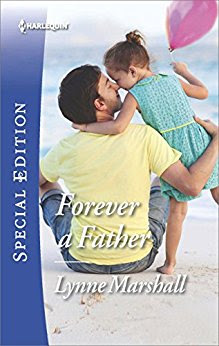
“Will you be my dad?”
Ask me anything but that.
Once upon a time, Dr. Daniel Delaney had it all. But he lost it in the blink of an eye, and he won’t let himself fall again—not even for his dedicated new assistant, Keela O’Mara, and her adorable, lonely little girl, Anna. Resisting a starry-eyed four-year-old is tough enough. Denying her perfect, loving single mom may be more than Daniel can handle…
Buy on:
Amazon Kindle Amazon Paperback
Amazon UK Amazon Aust

You can connect with Lynne Marshall on the Web:
Website Facebook
For the past couple of years, I have enjoyed giving a workshop titled Redeeming Despicable Characters. The following are a few highlights from that workshop.
As writers we have to consider how far we expect our readers to follow along with our beloved characters before they’re exhausted and ready to throw our book across the room.Let’s admit it, authors occasionally are known to be overindulgent with characters. We love them. Because we created them. They blindside us. And we don’t always realize how off-putting they might be to our readers.
Though readers really don’t want perfection, they also don’t want completely flawed characters. What readers need is something to endear the characters to them. The sooner this happens in the book the better.
RULE OF LAW:
First establish the character likability before you hit the reader over the head with all of their flaws.In other words, show the character in a sympathetic light right off.
Can you Say Sympathetic?
“Your best bets are sympathetic characters—characters with whom the reader is able to share and empathize, at least in imagination.” Dwight V. Swain from Creating Characters – How to build story people.
What are Likable Qualities?
For a Friend:LoyalHonest/GenuineTrustworthySupportiveListensLoves you for you even when you’re being a butthead (from teen advice column) Translation: Acceptance.
The Universal Admirable Qualities of a Hero - According to Personalitytutor.com
CourageVirtuosity – Skilled. Accomplished or good at something. Sacrifice (willing to take risk for someone)DeterminedFocusedCompassionatePerseverant DedicatedHonestLoyalIntrepid (unshakable, unflappable)ConvictionFortitude (backbone, grit)ResponsibleWise
Our heroes don’t have to have ALL of these qualities or we’d be dealing with a perfect character, and we already know no one likes that. In fact, using a few of those qualities goes a long way to make the point. i.e. This is a good man/woman.People like people who do positive things or have a talent for something, not just creative either, but practical, everyday kind of talent.Does the character have a profession that brings respect? (not based on earnings alone)Or is the character an underdog working their way to their secret desire of overcoming something or becoming _________fill-in-the-blankCan the reader relate to the character’s goal? Is it a worthy goal?
Using Pets to Make a Good Point
“Animals reveal the depth of character in the people who surround them. All you have to do is show a person (your hero for instance) tired from work, pausing to stoop and lift a bug out of a puddle.”Robert Peck – Folks is Fiction Don’t overlook this avenue when writing a particularly privileged, edgy, or crusty character.
What About Empathy?
A rule of thumb for characters is to make them likable, which creates empathy for them. If we glimpse a bit of ourselves in a fictional character, we can relate – even if they’re super heroes, Alpha bad boys, royalty, or billionaires.
What are Empathetic Stimulators?
Any situation that is relatable, such as:
Character in jeopardy – a classic! (not necessarily life and death jeopardy – but we all know how it feels to have our back against the wall at some level – right?)
Klutzy or a Screw up – Something we can all relate to. This can help tone down an overly Alpha guy who may be great at what he does, but those big hands and feet make for lots of milk spillage and rug tripping. This keeps the big galoot real.
Good natured – There’s nothing better than a character with a sense of humor (Isn’t that an essential survival tactic for some of us?)
Uses a position of power for the good of others – Think about the billionaire here or “The Boss” tropes, they don’t have to be slaves to their entitlements. Breaking the mold makes them real.
Longs deeply for something just out of their reach – back to the underdog situation, and also something most of us can relate to.
The idea is to give the reader something to like or latch onto right up front, something to help them tolerate the non-stop conflict until that romance couple earns their happily ever after, the fiction protagonist wins the biggest fight of his life, or the Sci-Fi alien life form overcomes evil for all time.
Summary:
Perfect characters do not resonate with readersOverly flawed (despicable) characters need a buffer of one or two good/heroic or friend qualities to stay afloatUniversal truths – things we can all relate to – save the day for edgy characters and billionaires.When in doubt, have your hero save a bug! Or leave a big tip for a waitress.
Forever a Father (The Delaneys of Sandpiper Beach)

“Will you be my dad?”
Ask me anything but that.
Once upon a time, Dr. Daniel Delaney had it all. But he lost it in the blink of an eye, and he won’t let himself fall again—not even for his dedicated new assistant, Keela O’Mara, and her adorable, lonely little girl, Anna. Resisting a starry-eyed four-year-old is tough enough. Denying her perfect, loving single mom may be more than Daniel can handle…
Buy on:
Amazon Kindle Amazon Paperback
Amazon UK Amazon Aust
February 26, 2018
Organizational Structure for The Mindful Beauty Secrets by Elizabeth Reid Boyd
We have author Dr. Elizabeth Reid Boyd talking to us about Organizational Structure for The Mindful Beauty Secrets.
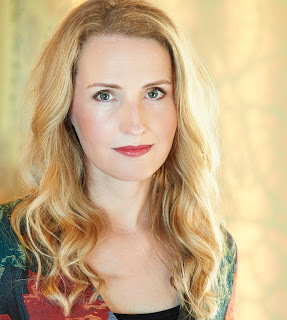
Dr Elizabeth Reid Boyd has degrees in psychology and gender studies. She has taught interpersonal, communication, and personal development skills including meditation, self-awareness, self-care and mindfulness at the university level for almost two decades. She writes fiction as Eliza Redgold.
Connect with Dr. Elizabeth Reid Boyd:
Website Facebook Twitter
The Mindful Beauty Secrets
In The Secrets of Mindful Beauty , we wanted to ensure the ‘beauty secrets’ we provided were underpinned by authentic mindfulness concepts to improve well-being. In the book, readers are gently guided to learn, develop, and maintain their skills in these areas. Each of the twenty Mindful Beauty Secrets provided utilises one or more of these life-enhancing concepts:
AWARENESS Increasing awareness of yourself and your surroundings is a key aspect of mindfulness. You’ll learn Mindful Beauty techniques to develop your attention and engage your senses through exercises such as visualization and focusing, as well as simple breathing and meditation practices. Face and body scanning will increase your consciousness and body-responsiveness and your felt-sense of self. You’ll become more mindful of your bodily sensations, thoughts and feelings as well as the everyday and natural world around you.
ACCEPTANCE Accepting ourselves as we are, our bodies, minds and emotions, is the next step in mindfulness training. Mindful Beauty techniques include meditation and mirror-work to develop a non-judgmental stance and become more accepting and approving of how you look. Cognitive training methods will help with negative self-talk and boost your beauty and body esteem. You will develop a life-changing attitude shift toward yourself.
EXERCISE Mindfulness builds mental muscle. It’s a practice that has an initial pay-off and even better long term benefits, just like going to the gym. Mindful Beauty meditations that train your mind go hand in hand with physical training, including better beauty and self-care strategies, on-the spot stress reduction tools, affirmations and bad mood busters that exercise your body and mind.
RELAXATION Once you’re mindful of your physical, mental and emotional state, it’s easier to let go. Mindful Beauty relaxation techniques include stress-reduction practices, face and body muscle relaxation methods, tools to release physical and mental tension, as well as reviving beauty and self-care rituals that have an added benefit when carried out in a more mindful way. You’ll soon feel more calm and beautiful.
LOVING-KINDNESS Loving-kindness is both a result and practice of mindfulness. Mindful Beauty techniques include contemplation and consciousness-raising that increase your self-care and compassion, and bring joy and gentleness into your everyday beauty routines. You’ll learn how to practice many acts of kindness toward yourself, and see who you are with a more loving gaze.
The Secrets of Mindful Beauty: Revolutionary Techniques in Anti-Aging and Self-Care
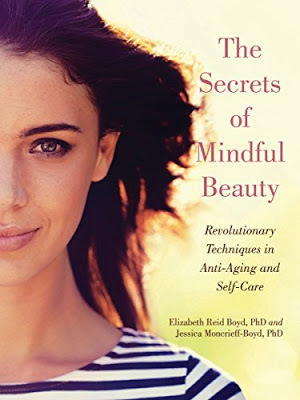
If you think the answer to anti-aging and looking good comes from a jar, a salon, or a surgical procedure: think again. The best beauty treatment is in your own mind.
Did you know
Depression can give you wrinklesInsomnia can cause sagging skinAnxiety can increase reddening and skin rashesStress can result in acne and hair lossand much more?
Discover the secrets of mindful beauty. Lose your permanent frown. Smooth your worried brow without Botox. Turn your sag lines into smile lines. These age-defying techniques have been specially created for a happier, more beautiful you.
Mindful beauty is a way of applying the practices of mindfulness to our physical health and well-being. Many of our routines around beauty lend themselves to mindfulness, and this will not only enhance the experience, but also have ongoing positive beautifying effects by reducing the stress and anxiety that can affect how we look and feel.
Buy on:
Amazon Kindle Amazon Paperback
Amazon Aus Amazon UK
Book Depository

Dr Elizabeth Reid Boyd has degrees in psychology and gender studies. She has taught interpersonal, communication, and personal development skills including meditation, self-awareness, self-care and mindfulness at the university level for almost two decades. She writes fiction as Eliza Redgold.
Connect with Dr. Elizabeth Reid Boyd:
Website Facebook Twitter
The Mindful Beauty Secrets
In The Secrets of Mindful Beauty , we wanted to ensure the ‘beauty secrets’ we provided were underpinned by authentic mindfulness concepts to improve well-being. In the book, readers are gently guided to learn, develop, and maintain their skills in these areas. Each of the twenty Mindful Beauty Secrets provided utilises one or more of these life-enhancing concepts:
AWARENESS Increasing awareness of yourself and your surroundings is a key aspect of mindfulness. You’ll learn Mindful Beauty techniques to develop your attention and engage your senses through exercises such as visualization and focusing, as well as simple breathing and meditation practices. Face and body scanning will increase your consciousness and body-responsiveness and your felt-sense of self. You’ll become more mindful of your bodily sensations, thoughts and feelings as well as the everyday and natural world around you.
ACCEPTANCE Accepting ourselves as we are, our bodies, minds and emotions, is the next step in mindfulness training. Mindful Beauty techniques include meditation and mirror-work to develop a non-judgmental stance and become more accepting and approving of how you look. Cognitive training methods will help with negative self-talk and boost your beauty and body esteem. You will develop a life-changing attitude shift toward yourself.
EXERCISE Mindfulness builds mental muscle. It’s a practice that has an initial pay-off and even better long term benefits, just like going to the gym. Mindful Beauty meditations that train your mind go hand in hand with physical training, including better beauty and self-care strategies, on-the spot stress reduction tools, affirmations and bad mood busters that exercise your body and mind.
RELAXATION Once you’re mindful of your physical, mental and emotional state, it’s easier to let go. Mindful Beauty relaxation techniques include stress-reduction practices, face and body muscle relaxation methods, tools to release physical and mental tension, as well as reviving beauty and self-care rituals that have an added benefit when carried out in a more mindful way. You’ll soon feel more calm and beautiful.
LOVING-KINDNESS Loving-kindness is both a result and practice of mindfulness. Mindful Beauty techniques include contemplation and consciousness-raising that increase your self-care and compassion, and bring joy and gentleness into your everyday beauty routines. You’ll learn how to practice many acts of kindness toward yourself, and see who you are with a more loving gaze.
The Secrets of Mindful Beauty: Revolutionary Techniques in Anti-Aging and Self-Care

If you think the answer to anti-aging and looking good comes from a jar, a salon, or a surgical procedure: think again. The best beauty treatment is in your own mind.
Did you know
Depression can give you wrinklesInsomnia can cause sagging skinAnxiety can increase reddening and skin rashesStress can result in acne and hair lossand much more?
Discover the secrets of mindful beauty. Lose your permanent frown. Smooth your worried brow without Botox. Turn your sag lines into smile lines. These age-defying techniques have been specially created for a happier, more beautiful you.
Mindful beauty is a way of applying the practices of mindfulness to our physical health and well-being. Many of our routines around beauty lend themselves to mindfulness, and this will not only enhance the experience, but also have ongoing positive beautifying effects by reducing the stress and anxiety that can affect how we look and feel.
Buy on:
Amazon Kindle Amazon Paperback
Amazon Aus Amazon UK
Book Depository
February 12, 2018
Beta Readers with Author Mollie Blake
We have author Mollie Blake talking to us about Beta Readers. She has a new book out, Keeping You ~A Cheshire Love Story.
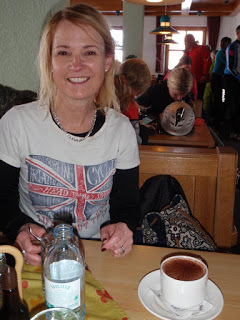
Mollie Blake is a published author of contemporary romance. A lover of reading sexy stories, Mollie decided to go one step further and write her own. Her romances are filled with danger and peppered with hot sexy scenes. She is a member of International Thriller Writers and UK Romantic Novelists Association.
Connect with her on the web:
Website Facebook Twitter Author Page
Beta Readers
Don’t you just love that wonderful feeling of finishing your manuscript? The characters have been living with you for months. You thought you’d never get that scene right. You changed the build up to the ending, yet again. Then suddenly it all falls into place and your journey is ended.
Well, actually, it’s just starting. You love your story. But will anyone else? Is it really as good as you hoped, as you aimed for? Perhaps no one will love the hero. What if readers feel antagonistic toward the heroine? Did you overlook any loose ends?
Whilst your own final read through can allay some of your concerns, there is nothing like having a fresh pair of eyes to reassure, or help, you. And that’s where a beta reader can be invaluable.
Beta readers are generally non-professional readers who will read a manuscript following initial completion and prior to publication. They may comment on grammatical errors, anomalies in the plot, a way to improve the story, or any combination of some or all of these issues. They are that fresh pair of eyes.
I think a lot of authors use betas, and I find them invaluable. But they’re not for everyone. When I approached an author friend to see if she used them, she said, “Definitely not.” She didn’t want different opinions on her work and was happy to work only with her editor. So it’s personal preference. That said, whether you chose to use betas or not, I strongly advocate any writer to have their work independently edited, even if you intend to self-publish. It will add polish to your manuscript, and it’s amazing what a good editor will find, no matter how well you think you have written your story.
But back to betas. There are pros and cons to using them and there needs to be the inevitable caveats. So here are my thoughts and recommendations.
1. Ask a friend or family member.We all know the disadvantage of asking someone you know to provide feedback on your book. The chances are they will not tell you that they hate it, or that they think it’s badly written. But they will no doubt give encouragement and if you are at the early stages of your writing adventure, that is no bad thing. It’s great. Plus they are easier to find, in general.
2. Ask someone from a reading group.They will have a love of books, and an experience of an array of writing styles, plots and characterisations. They will also be accustomed to hearing differing views. This could be your own opinion if you don’t agree with everything they say. Remember this is your story—you own it. But also remember the beta reader is being kind enough to read your manuscript. It takes time and time is precious.
3. Make sure it’s someone who likes the genre you write under.I see little point in asking someone who is an avid crime reader to read a medieval romance. It may not be a pleasant experience for anyone.
4. Ask someone from a writing group.This is particularly useful if you feel you need help with grammar or flow of the story. These people should be able to spot errors and suggest ways to improve a certain narrative if necessary. But a note of caution. These people can also be too critical. Many may never have finished their own manuscript for that reason. You are writing a story, not an essay.
5. Create a private group on your Facebook page.As you create an identity for yourself as an author, it is always good to have a Facebook “business” page, in addition to your personal page. Readers will “like” you page and hopefully join in any discussions generated. This will have its own challenges but that discussion is for another day… Back to beta readers. Try inviting people to join a private group to beta read your drafts. This is something I am considering, the aim being to reach a mix of people including some you don’t know, but knowing that they enjoy your genre. If you take this option up, let me know how you get on and we can exchange notes J
6. Consider members of other Facebook groups who do reviews.I have included this category as it is a possibility that some readers, who normally read published books and submit reviews, may like to be a beta reader. I personally only put up my published book for review in these groups, but I guess it’s an option.
7. Ask a book bloggerI believe many would be happy to act as beta readers. These guys read books like we breathe air and you should get some great feedback. It may not always be what you want to hear, but if you choose to take their advice it could improve your writing.
8. Followers of a fanzineThese are publications produced by enthusiasts. So for example, if your story has some bearing to Star Trek, join their fanzine and connect with members who could become your beta reader. Fifty Shades started in a Twilightfanzine.
9. Consider any schemes run in organisations where you are a member.I am a member of the Romantic Novelists Association in the UK and they run a New Writers Scheme (NWS). There is a fee for this and it goes much further than beta reading, with events and critique of your manuscript by an assigned reader. However it is only for first time writers. Once you’ve published a book it’s time to move on.
And now I guess it’s time for me to move on and wrap up. Remember, a beta reader is more than a reviewer. They should want to help you make your book even better. Of course, at the end of the day it is your book. You should be keen to accept any recommendations, or not be afraid to stick your own convictions if you choose to. In any event always remember to thank the readers, maybe gift them a copy of the final version of your book. After all, they have gifted you their time to read, make notes, and feedback to you.
Good luck with your writing and your route to final publication.
Keeping You: A Cheshire Love Story (Cheshire Love Stories Book 3)
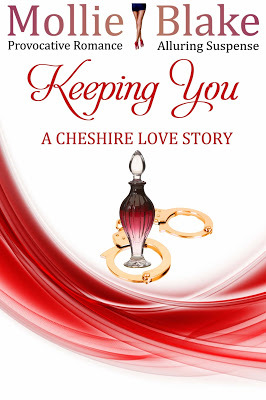
His past haunts him. Revenge drives him. Can her love save him?
After a chance meeting in a bookshop, young Suzy Harper is engaged by multi-multimillionaire, Lawrence Bane, to work on translating a French document. They embark on an intense relationship, but he is surrounded by mystery and shame as demons from his past threaten to destroy everything he has worked for, including her love for him.
This exciting erotic romantic thriller traces the increasingly intense and tender relationship between the inexperienced Suzy and her wealthy, troubled lover, Lawrence. There are two obsessions in Lawrence’s life—his passion for Suzy and his drive for revenge against the gangland boss who murdered his best friend.
Will Suzy be strong enough to accept Lawrence for the man he is? Will Lawrence trust the woman he loves enough to reveal his darkest secrets to her? Will their love survive the challenges that lie ahead?
Buy links:
Amazon Kindle Amazon Aus Amazon UK

Mollie Blake is a published author of contemporary romance. A lover of reading sexy stories, Mollie decided to go one step further and write her own. Her romances are filled with danger and peppered with hot sexy scenes. She is a member of International Thriller Writers and UK Romantic Novelists Association.
Connect with her on the web:
Website Facebook Twitter Author Page
Beta Readers
Don’t you just love that wonderful feeling of finishing your manuscript? The characters have been living with you for months. You thought you’d never get that scene right. You changed the build up to the ending, yet again. Then suddenly it all falls into place and your journey is ended.
Well, actually, it’s just starting. You love your story. But will anyone else? Is it really as good as you hoped, as you aimed for? Perhaps no one will love the hero. What if readers feel antagonistic toward the heroine? Did you overlook any loose ends?
Whilst your own final read through can allay some of your concerns, there is nothing like having a fresh pair of eyes to reassure, or help, you. And that’s where a beta reader can be invaluable.
Beta readers are generally non-professional readers who will read a manuscript following initial completion and prior to publication. They may comment on grammatical errors, anomalies in the plot, a way to improve the story, or any combination of some or all of these issues. They are that fresh pair of eyes.
I think a lot of authors use betas, and I find them invaluable. But they’re not for everyone. When I approached an author friend to see if she used them, she said, “Definitely not.” She didn’t want different opinions on her work and was happy to work only with her editor. So it’s personal preference. That said, whether you chose to use betas or not, I strongly advocate any writer to have their work independently edited, even if you intend to self-publish. It will add polish to your manuscript, and it’s amazing what a good editor will find, no matter how well you think you have written your story.
But back to betas. There are pros and cons to using them and there needs to be the inevitable caveats. So here are my thoughts and recommendations.
1. Ask a friend or family member.We all know the disadvantage of asking someone you know to provide feedback on your book. The chances are they will not tell you that they hate it, or that they think it’s badly written. But they will no doubt give encouragement and if you are at the early stages of your writing adventure, that is no bad thing. It’s great. Plus they are easier to find, in general.
2. Ask someone from a reading group.They will have a love of books, and an experience of an array of writing styles, plots and characterisations. They will also be accustomed to hearing differing views. This could be your own opinion if you don’t agree with everything they say. Remember this is your story—you own it. But also remember the beta reader is being kind enough to read your manuscript. It takes time and time is precious.
3. Make sure it’s someone who likes the genre you write under.I see little point in asking someone who is an avid crime reader to read a medieval romance. It may not be a pleasant experience for anyone.
4. Ask someone from a writing group.This is particularly useful if you feel you need help with grammar or flow of the story. These people should be able to spot errors and suggest ways to improve a certain narrative if necessary. But a note of caution. These people can also be too critical. Many may never have finished their own manuscript for that reason. You are writing a story, not an essay.
5. Create a private group on your Facebook page.As you create an identity for yourself as an author, it is always good to have a Facebook “business” page, in addition to your personal page. Readers will “like” you page and hopefully join in any discussions generated. This will have its own challenges but that discussion is for another day… Back to beta readers. Try inviting people to join a private group to beta read your drafts. This is something I am considering, the aim being to reach a mix of people including some you don’t know, but knowing that they enjoy your genre. If you take this option up, let me know how you get on and we can exchange notes J
6. Consider members of other Facebook groups who do reviews.I have included this category as it is a possibility that some readers, who normally read published books and submit reviews, may like to be a beta reader. I personally only put up my published book for review in these groups, but I guess it’s an option.
7. Ask a book bloggerI believe many would be happy to act as beta readers. These guys read books like we breathe air and you should get some great feedback. It may not always be what you want to hear, but if you choose to take their advice it could improve your writing.
8. Followers of a fanzineThese are publications produced by enthusiasts. So for example, if your story has some bearing to Star Trek, join their fanzine and connect with members who could become your beta reader. Fifty Shades started in a Twilightfanzine.
9. Consider any schemes run in organisations where you are a member.I am a member of the Romantic Novelists Association in the UK and they run a New Writers Scheme (NWS). There is a fee for this and it goes much further than beta reading, with events and critique of your manuscript by an assigned reader. However it is only for first time writers. Once you’ve published a book it’s time to move on.
And now I guess it’s time for me to move on and wrap up. Remember, a beta reader is more than a reviewer. They should want to help you make your book even better. Of course, at the end of the day it is your book. You should be keen to accept any recommendations, or not be afraid to stick your own convictions if you choose to. In any event always remember to thank the readers, maybe gift them a copy of the final version of your book. After all, they have gifted you their time to read, make notes, and feedback to you.
Good luck with your writing and your route to final publication.
Keeping You: A Cheshire Love Story (Cheshire Love Stories Book 3)

His past haunts him. Revenge drives him. Can her love save him?
After a chance meeting in a bookshop, young Suzy Harper is engaged by multi-multimillionaire, Lawrence Bane, to work on translating a French document. They embark on an intense relationship, but he is surrounded by mystery and shame as demons from his past threaten to destroy everything he has worked for, including her love for him.
This exciting erotic romantic thriller traces the increasingly intense and tender relationship between the inexperienced Suzy and her wealthy, troubled lover, Lawrence. There are two obsessions in Lawrence’s life—his passion for Suzy and his drive for revenge against the gangland boss who murdered his best friend.
Will Suzy be strong enough to accept Lawrence for the man he is? Will Lawrence trust the woman he loves enough to reveal his darkest secrets to her? Will their love survive the challenges that lie ahead?
Buy links:
Amazon Kindle Amazon Aus Amazon UK
January 22, 2018
Tropes vs Cliches by Kate Walker, A Proposal to Secure His Vengeance #Giveaway
We have author Kate Walker this week talking about TROPES VS CLICHÉS. And she has a new book out, A Proposal to Secure His Vengeance. And there are signed book giveaways!
Connect with Kate Walker on the web:
 Website Blog Facebook
What is a ‘trope’ and what is the difference between that and a cliché?
Let me tell you a secret. I had been writing for years before I even heard the word ‘trope’ to describe something to do with novel-writing. After that, I went on writing for some time without ever really knowing just what was meant by that word – trope – what was it and why were people talking about it?
Then, after a very unpleasant experience when someone tried to accuse me of stealing her ideas and writing them in my own novel, I had a quick and sharp lesson in what tropes actually were and, thank goodness, at the time, in the strong opinion of the judge in the case the fact that you can’t ever really steal those ideas – the ones that make up the trope – because they are tried and tested, frequently used – sometimes over used - themes and devices they go into popular stories. The important word here is ‘popular’. So what is a trope?
It’s a popular theme/ story often used and reused in writing romance or any other sort of poplar genre writing. If you look up the word ‘trope’ in a dictionary, you’ll get a definition that goes something like this:
A common or overused theme or device : cliché
Now it’s well known that it’s really just about impossible to write a truly original story in any of the popular genres – and specially in the romance genre. You can only hope to create your own slant on a tried and tested story, write in your own individual voice and tell a story that has been told before - probably hundreds of times – in your own way. That is what will make it ‘original’, mean that you are writing a popular ‘trope ‘ and not repeating an over-used, worn out cliché that has been repeated too often.
The important thing is that these tropes are repeated again and again, they are so hugely popular because readers love them. Readers love them and so want more of them.
· Reunited lovers · Revenge · Runaway bride / groom · Second chances · Secret baby · Secret marriage · Stranded / snowbound· Make-over story · Marriage of convenience
More of the SAMEBut not THE SAME (exactly) That way they become cliché
Thinking about popular and successful ‘tropes’ can help you find ideas, bring you inspiration for a them to work on if you want to write a new story – but you don’t want to just repeat the same thing over and over again. What you need to do is to look at the themes that are so very very popular - secret baby, marriage of convenience, revenge are ideas that spring to mind because they are used and rewritten so often.
As a writer, what you need to think about is the all-important WHY.Why do readers love them? What does this theme give the reader when she’s involved in your story.You also need to think about your own favourites. Which ones do you love? Hate?So you need to take the popular trope and work it, give it a different twist. Is it the hero or the heroine who insists on the marriage of convenience? Who wants revenge and why? What happened between the hero and heroine that resulted in that ‘secret baby’?
Turn it into – not necessarily something amazingly new but YOUR storyYou want to make sure that you don’t just to REPEAT - making it a cliché.
A CLICHÉ is a trope repeated EXACTLY
No new elementNo new voiceNo new TWISTNo new CHARACTERS
A TROPE is a storyline readers recognise - one that at its best is familiar but different. You can repeat the theme/that trope but you want to make sure that the reader wants to read YOUR story. Not that she just wants to go back and re-read all the previous, older versions of that same theme.What makes the difference – giving your story a new spin?
CHARACTERSSETTINGTHE REASON WHY
As a wise editor once said, you need to know why a trope works, why it is so popular, why it works so well- before you try to twist it and create a new slant, a new spin on a traditional story. After all, Cinderella or Pride and Prejudice are themes that are repeated in romances over and over again – but with that different twist that makes them see m new and fresh.
So you need to look at the tropes that are repeated over and over again because there are the ones that the readers love and that they look for more of even if they’ve read something similar maybe many times before. You need to understand why they work so well, what are the elements that the readers find in them that they want more of - mystery, secrets, emotion, tension . . .
When you know what readers want then you’ll find it so much easier to write a story that gives them those elements – but you give it to them by telling the story in your own individual way and that will make sure you are giving them a well-loved trope and not an over-worn and boring cliché
Kate Walker's new book:
A Proposal to Secure His Vengeance (Harlequin Presents)
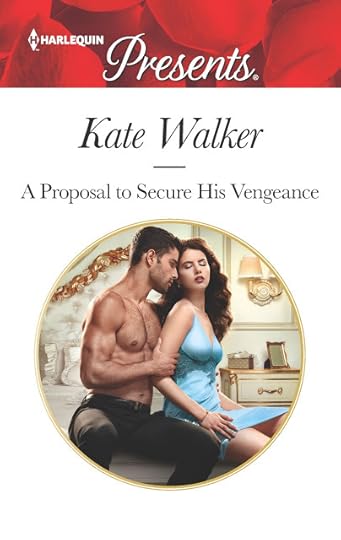
His preferred method?
Ruthless, irresistible seduction!
Imogen O’Sullivan is horrified when charismatic tycoon Raoul breaks up her engagement and makes her his own convenient bride! She once surrendered everything to Raoul—body, heart and soul. But as he stalks back into her life, it’s clear he has punishment in mind, not just passion! Can Imogen resist Raoul’s potent brand of delicious vengeance?
Buy on:
Amazon Kindle Amazon Paperback
Amazon UK Amazon Aus
Enter this Goodreads giveaway to win signed copies!
.goodreadsGiveawayWidget { color: #555; font-family: georgia, serif; font-weight: normal; text-align: left; font-size: 14px; font-style: normal; background: white; } .goodreadsGiveawayWidget p { margin: 0 0 .5em !important; padding: 0; } .goodreadsGiveawayWidgetEnterLink { display: inline-block; color: #181818; background-color: #F6F6EE; border: 1px solid #9D8A78; border-radius: 3px; font-family: "Helvetica Neue", Helvetica, Arial, sans-serif; font-weight: bold; text-decoration: none; outline: none; font-size: 13px; padding: 8px 12px; } .goodreadsGiveawayWidgetEnterLink:hover { color: #181818; background-color: #F7F2ED; border: 1px solid #AFAFAF; text-decoration: none; }
Goodreads Book Giveaway A Proposal to Secure His Vengeance by Kate Walker Giveaway ends February 20, 2018.
See the giveaway details at Goodreads. Enter Giveaway
Connect with Kate Walker on the web:
 Website Blog Facebook
What is a ‘trope’ and what is the difference between that and a cliché?
Let me tell you a secret. I had been writing for years before I even heard the word ‘trope’ to describe something to do with novel-writing. After that, I went on writing for some time without ever really knowing just what was meant by that word – trope – what was it and why were people talking about it?
Then, after a very unpleasant experience when someone tried to accuse me of stealing her ideas and writing them in my own novel, I had a quick and sharp lesson in what tropes actually were and, thank goodness, at the time, in the strong opinion of the judge in the case the fact that you can’t ever really steal those ideas – the ones that make up the trope – because they are tried and tested, frequently used – sometimes over used - themes and devices they go into popular stories. The important word here is ‘popular’. So what is a trope?
It’s a popular theme/ story often used and reused in writing romance or any other sort of poplar genre writing. If you look up the word ‘trope’ in a dictionary, you’ll get a definition that goes something like this:
A common or overused theme or device : cliché
Now it’s well known that it’s really just about impossible to write a truly original story in any of the popular genres – and specially in the romance genre. You can only hope to create your own slant on a tried and tested story, write in your own individual voice and tell a story that has been told before - probably hundreds of times – in your own way. That is what will make it ‘original’, mean that you are writing a popular ‘trope ‘ and not repeating an over-used, worn out cliché that has been repeated too often.
The important thing is that these tropes are repeated again and again, they are so hugely popular because readers love them. Readers love them and so want more of them.
· Reunited lovers · Revenge · Runaway bride / groom · Second chances · Secret baby · Secret marriage · Stranded / snowbound· Make-over story · Marriage of convenience
More of the SAMEBut not THE SAME (exactly) That way they become cliché
Thinking about popular and successful ‘tropes’ can help you find ideas, bring you inspiration for a them to work on if you want to write a new story – but you don’t want to just repeat the same thing over and over again. What you need to do is to look at the themes that are so very very popular - secret baby, marriage of convenience, revenge are ideas that spring to mind because they are used and rewritten so often.
As a writer, what you need to think about is the all-important WHY.Why do readers love them? What does this theme give the reader when she’s involved in your story.You also need to think about your own favourites. Which ones do you love? Hate?So you need to take the popular trope and work it, give it a different twist. Is it the hero or the heroine who insists on the marriage of convenience? Who wants revenge and why? What happened between the hero and heroine that resulted in that ‘secret baby’?
Turn it into – not necessarily something amazingly new but YOUR storyYou want to make sure that you don’t just to REPEAT - making it a cliché.
A CLICHÉ is a trope repeated EXACTLY
No new elementNo new voiceNo new TWISTNo new CHARACTERS
A TROPE is a storyline readers recognise - one that at its best is familiar but different. You can repeat the theme/that trope but you want to make sure that the reader wants to read YOUR story. Not that she just wants to go back and re-read all the previous, older versions of that same theme.What makes the difference – giving your story a new spin?
CHARACTERSSETTINGTHE REASON WHY
As a wise editor once said, you need to know why a trope works, why it is so popular, why it works so well- before you try to twist it and create a new slant, a new spin on a traditional story. After all, Cinderella or Pride and Prejudice are themes that are repeated in romances over and over again – but with that different twist that makes them see m new and fresh.
So you need to look at the tropes that are repeated over and over again because there are the ones that the readers love and that they look for more of even if they’ve read something similar maybe many times before. You need to understand why they work so well, what are the elements that the readers find in them that they want more of - mystery, secrets, emotion, tension . . .
When you know what readers want then you’ll find it so much easier to write a story that gives them those elements – but you give it to them by telling the story in your own individual way and that will make sure you are giving them a well-loved trope and not an over-worn and boring cliché
Kate Walker's new book:
A Proposal to Secure His Vengeance (Harlequin Presents)

His preferred method?
Ruthless, irresistible seduction!
Imogen O’Sullivan is horrified when charismatic tycoon Raoul breaks up her engagement and makes her his own convenient bride! She once surrendered everything to Raoul—body, heart and soul. But as he stalks back into her life, it’s clear he has punishment in mind, not just passion! Can Imogen resist Raoul’s potent brand of delicious vengeance?
Buy on:
Amazon Kindle Amazon Paperback
Amazon UK Amazon Aus
Enter this Goodreads giveaway to win signed copies!
.goodreadsGiveawayWidget { color: #555; font-family: georgia, serif; font-weight: normal; text-align: left; font-size: 14px; font-style: normal; background: white; } .goodreadsGiveawayWidget p { margin: 0 0 .5em !important; padding: 0; } .goodreadsGiveawayWidgetEnterLink { display: inline-block; color: #181818; background-color: #F6F6EE; border: 1px solid #9D8A78; border-radius: 3px; font-family: "Helvetica Neue", Helvetica, Arial, sans-serif; font-weight: bold; text-decoration: none; outline: none; font-size: 13px; padding: 8px 12px; } .goodreadsGiveawayWidgetEnterLink:hover { color: #181818; background-color: #F7F2ED; border: 1px solid #AFAFAF; text-decoration: none; }
Goodreads Book Giveaway
A Proposal to Secure His Vengeance by Kate Walker Giveaway ends February 20, 2018. See the giveaway details at Goodreads. Enter Giveaway
November 13, 2017
The Importance of Comic Relief and Minor Characters by Phillipa Nefri Clark & Giveaways!
We have author Phillipa Nefri Clark sharing with us The importance of comic relief and minor characters. She has a new book out, Jasmine Sea: A River's End Love Story, Book 2. And there are signed book giveaways!
On the web:
Website Facebook Twitter Author Page
We all love writing our main characters, watching them develop as we flesh them out and make their world shine. They are our focus, the ones we cry over and laugh with. Without heroes and heroines, we’d have no story.
Secondary characters are every bit as important. Some may only appear briefly, whilst others are there all along in the background. Why do we need them? Isn’t the story of the protagonist and antagonist enough?
In the movie Cast Away, Chuck Noland is marooned alone on a remote island. His emotional ride as he fights to survive is offset by his comic relief character - a volleyball he names Wilson. Wilson provides a means to show what’s going with Chuck in an entertaining, sometimes subtle, and occasionally touching way.
How does a comic relief character benefit a story? In The Stationmaster’s Cottage, I introduced minor characters Daphne (a warm-hearted, small-town gossip), Belinda (works for her mother in a bakery not knowing what she wants in life), and Randall, the golden retriever owned by my protagonist’s love interest.
Daphne provides useful information Christie would not otherwise be privy to in an organic fashion. She is also there at the right moments to tell Christie how welcome she is in town, which creates emotional conflict for Christie. Naïve in a sweet way, Daphne drops red herrings into the story with no thought to the outcome.
Belinda’s little sister, Jess, needs help which Christie willingly gives. All three benefit and the reader discovers how generous and kind Christie is by her actions. Belinda offers humour in moments otherwise tense, and reminds Christie of herself at that age, but without the hang-ups.
Randall is the bridge between Christie and Martin. The reclusive artist has little time for the city girl (as he calls her), but his dog adores her, and that means a lot to Martin.
Each of the minor characters serve a major purpose. They either organically offer information which otherwise might have been ‘told’, provide distraction, change the tone of a scene, or introduce elements to enhance the story of the main character.
These characters offer their own very real challenges to get right. Not only does each have a unique voice, but complex backgrounds. They must be used to move the story forward, yet not make the story about themselves.
When I decided to write Jasmine Sea as a sequel, it was my minor and comic relief characters I revisited first. Did they still have something interesting to say? Had I left enough unfinished business to continue their stories? I was excited to find out there was plenty more they had to say!
In Jasmine Sea, Daphne returns in a larger role. Her marriage and home are put under pressure, which allows her to become part of an emotional side story. Belinda is mostly away following her own dreams now but appears when Christie needs her to move things along.
Randall, the much loved canine, steps into a central role. This is designed to optimise the suspense, increase the emotion, and put the reader on the edge of their seats toward the end. By doing so, the humans who love him in the story make decisions and take risks pushing them into unchartered territory.
What techniques do you use to bring your minor characters to life? Do you have a favourite comic relief in one of your own novels? Is there a writer you think does this particularly well?
Jasmine Sea: A River's End Love Story. Book Two
Sometimes facing the past is the only way forward.
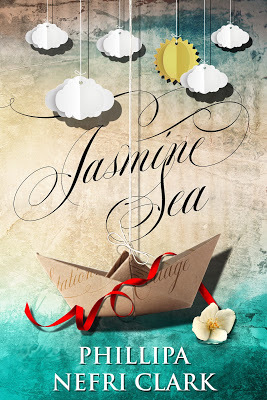 Starting over never felt better. Christie Ryan adores the little cottage she’s renovating, the seaside town that embraced her, and Martin Blake, the man she longs to marry. Ex-fiancé Derek Hobbs is finally out of the picture, and there are no more secrets in her life or mysteries to solve.
Will the arrival of a mysterious woman who commissions a portrait from Martin under a cloud of secrecy break her after all? Unrest and suspicion remind Christie that happiness can be fleeting, and when the peaceful town is shattered by crime, her past is again thrust into the limelight.
With one chance and only minutes to save those she loves, Christie comes face to face with her greatest fear—and there is no way around it.
Jasmine Sea follows on from The Stationmaster's Cottage, set shortly after its stunning conclusion.
Buy on:
Amazon Kindle Paperback AmazonUK
Amazon Aust Nook Kobo
Enter to win signed copies on Goodreads!
.goodreadsGiveawayWidget { color: #555; font-family: georgia, serif; font-weight: normal; text-align: left; font-size: 14px; font-style: normal; background: white; } .goodreadsGiveawayWidget p { margin: 0 0 .5em !important; padding: 0; } .goodreadsGiveawayWidgetEnterLink { display: inline-block; color: #181818; background-color: #F6F6EE; border: 1px solid #9D8A78; border-radius: 3px; font-family: "Helvetica Neue", Helvetica, Arial, sans-serif; font-weight: bold; text-decoration: none; outline: none; font-size: 13px; padding: 8px 12px; } .goodreadsGiveawayWidgetEnterLink:hover { color: #181818; background-color: #F7F2ED; border: 1px solid #AFAFAF; text-decoration: none; }
Goodreads Book Giveaway Jasmine Sea by Phillipa Nefri Clark Giveaway ends December 01, 2017.
See the giveaway details at Goodreads. Enter Giveaway
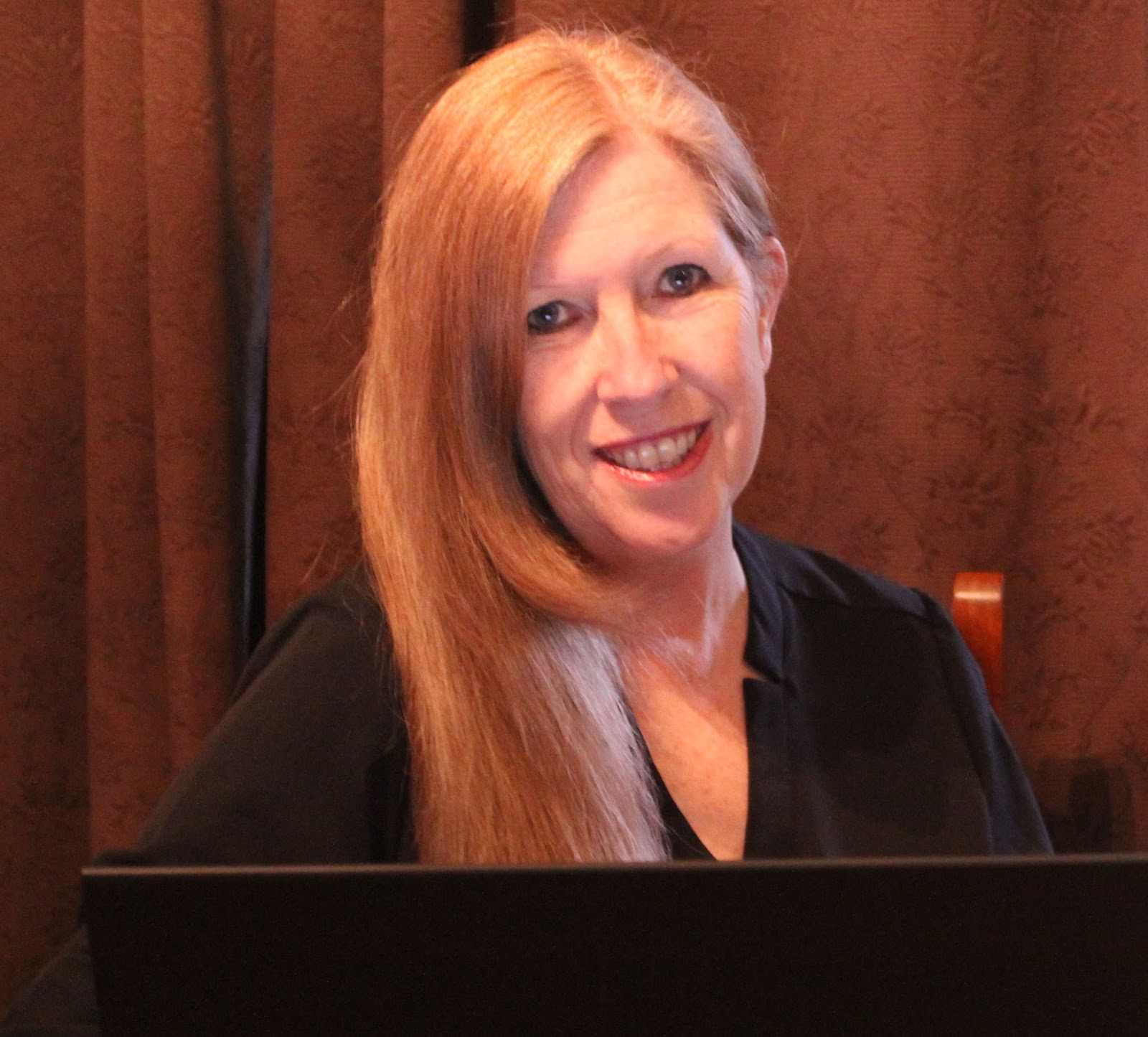
On the web:
Website Facebook Twitter Author Page
We all love writing our main characters, watching them develop as we flesh them out and make their world shine. They are our focus, the ones we cry over and laugh with. Without heroes and heroines, we’d have no story.
Secondary characters are every bit as important. Some may only appear briefly, whilst others are there all along in the background. Why do we need them? Isn’t the story of the protagonist and antagonist enough?
In the movie Cast Away, Chuck Noland is marooned alone on a remote island. His emotional ride as he fights to survive is offset by his comic relief character - a volleyball he names Wilson. Wilson provides a means to show what’s going with Chuck in an entertaining, sometimes subtle, and occasionally touching way.
How does a comic relief character benefit a story? In The Stationmaster’s Cottage, I introduced minor characters Daphne (a warm-hearted, small-town gossip), Belinda (works for her mother in a bakery not knowing what she wants in life), and Randall, the golden retriever owned by my protagonist’s love interest.
Daphne provides useful information Christie would not otherwise be privy to in an organic fashion. She is also there at the right moments to tell Christie how welcome she is in town, which creates emotional conflict for Christie. Naïve in a sweet way, Daphne drops red herrings into the story with no thought to the outcome.
Belinda’s little sister, Jess, needs help which Christie willingly gives. All three benefit and the reader discovers how generous and kind Christie is by her actions. Belinda offers humour in moments otherwise tense, and reminds Christie of herself at that age, but without the hang-ups.
Randall is the bridge between Christie and Martin. The reclusive artist has little time for the city girl (as he calls her), but his dog adores her, and that means a lot to Martin.
Each of the minor characters serve a major purpose. They either organically offer information which otherwise might have been ‘told’, provide distraction, change the tone of a scene, or introduce elements to enhance the story of the main character.
These characters offer their own very real challenges to get right. Not only does each have a unique voice, but complex backgrounds. They must be used to move the story forward, yet not make the story about themselves.
When I decided to write Jasmine Sea as a sequel, it was my minor and comic relief characters I revisited first. Did they still have something interesting to say? Had I left enough unfinished business to continue their stories? I was excited to find out there was plenty more they had to say!
In Jasmine Sea, Daphne returns in a larger role. Her marriage and home are put under pressure, which allows her to become part of an emotional side story. Belinda is mostly away following her own dreams now but appears when Christie needs her to move things along.
Randall, the much loved canine, steps into a central role. This is designed to optimise the suspense, increase the emotion, and put the reader on the edge of their seats toward the end. By doing so, the humans who love him in the story make decisions and take risks pushing them into unchartered territory.
What techniques do you use to bring your minor characters to life? Do you have a favourite comic relief in one of your own novels? Is there a writer you think does this particularly well?
Jasmine Sea: A River's End Love Story. Book Two
Sometimes facing the past is the only way forward.
 Starting over never felt better. Christie Ryan adores the little cottage she’s renovating, the seaside town that embraced her, and Martin Blake, the man she longs to marry. Ex-fiancé Derek Hobbs is finally out of the picture, and there are no more secrets in her life or mysteries to solve.
Will the arrival of a mysterious woman who commissions a portrait from Martin under a cloud of secrecy break her after all? Unrest and suspicion remind Christie that happiness can be fleeting, and when the peaceful town is shattered by crime, her past is again thrust into the limelight.
With one chance and only minutes to save those she loves, Christie comes face to face with her greatest fear—and there is no way around it.
Jasmine Sea follows on from The Stationmaster's Cottage, set shortly after its stunning conclusion.
Buy on:
Amazon Kindle Paperback AmazonUK
Amazon Aust Nook Kobo
Enter to win signed copies on Goodreads!
.goodreadsGiveawayWidget { color: #555; font-family: georgia, serif; font-weight: normal; text-align: left; font-size: 14px; font-style: normal; background: white; } .goodreadsGiveawayWidget p { margin: 0 0 .5em !important; padding: 0; } .goodreadsGiveawayWidgetEnterLink { display: inline-block; color: #181818; background-color: #F6F6EE; border: 1px solid #9D8A78; border-radius: 3px; font-family: "Helvetica Neue", Helvetica, Arial, sans-serif; font-weight: bold; text-decoration: none; outline: none; font-size: 13px; padding: 8px 12px; } .goodreadsGiveawayWidgetEnterLink:hover { color: #181818; background-color: #F7F2ED; border: 1px solid #AFAFAF; text-decoration: none; }
Goodreads Book Giveaway
Jasmine Sea by Phillipa Nefri Clark Giveaway ends December 01, 2017. See the giveaway details at Goodreads. Enter Giveaway
October 30, 2017
Why Do I Keep Repeating Myself by Author K A Servian
We have author K A Servian sharing with us about why we keep repeating ourselves. She has a new book, The Moral Compass (Shaking the Tree Book 1).
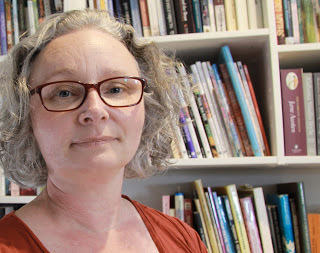
K. A. Servian on the web:
Website Facebook Twitter Instagram Author Page
Why do I keep repeating myself?
Have you ever noticed that as a writer you tend to have your ‘go to’ words and phrases that you inadvertently repeat over and over? (see, I just did it there. I said repeatand over and over, they mean the same thing and I could easily lose one).
Sorry, I got distracted, back to the subject - My repetition issue seems to revolve around physical reactions to stress and danger. I don’t know how many times my poor characters have churning stomachs, grit their teeth, bite their lips or widen their eyes - far too often.
It’s a bad habit and a very difficult one to break. Even though I review each of my manuscripts several times before sending them to an editor, they still seem to be rife with repetition. I’ve found that the trick is first to be aware of the culprits (keep a list if necessary) and to use the ‘find’ function to search for and delete them. I inevitably find that after a slash and burn session; the writing is better which makes me wonder why I put those words and phrases in in the first place.
Several common forms of repetition sneak into our writing without our even noticing. How many times have you written - She shook her head. “No, I didn’t do it.”You’ll note that the character has used two ways to say no, first she shook her head and then she said the word. Once is enough. She shook her head. “I didn’t do it.”
Then there are those naughty words like just and very that have a habit of sneaking in. Most of the time they add nothing to the writing. All they do is up the word count. It’s a good idea to search and delete them.
Repeating proper names is another issue that crops up all the time. I used to do it a lot until a mentor pointed it out and advised me that it is necessary to use a character’s proper name only once in a paragraph. The rest of the time, pronouns such as he or she or some other way to identify the character will do.
Another one to watch out for is elegant variation (a term created by H W Fowler, author of Modern English Usage). This is when we search the thesaurus for another way to say the same thing without repeating a word. Daniel read the last line of the book then placed the tome on the table and stood up. In this instance, we could easily replace tome with it. Daniel read the last line of the book then placed it on the table and stood up.
There are many other examples of repetition, but, at the risk of repeating myself, I won’t go on. I will wind up by saying that not all repetition is bad. There are instances when it is used as a literary device to emphasise a point or make a joke.
“Nory was a Catholic because her mother was a Catholic, and Nory’s mother was a Catholic because her father was a Catholic, and her father was a Catholic because his mother was a Catholic, or had been.” Nicholson Baker, The Everlasting Story of Nory
In this example, repetition has been used for humour and rhythm to great effect. But be wary of overuse. A device like this will work once or twice in a novel, but more than that and it loses it’s impact.
Okay, I’ve confessed, what are you repetition sins?
The Moral Compass (Shaking the Tree Book 1)
Florence lives like a Princess attending dinner parties and balls away from the gritty reality, filth and poverty of Victorian London.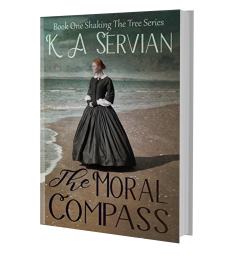
However, her world comes crashing around her when her father suffers a spectacular fall from grace. She must abandon her life of luxury, leave behind the man she loves and sail to the far side of the world where compromise and suffering beyond anything she can imagine await her.
When she is offered the opportunity to regain some of what she has lost, she takes it, but soon discovers that not everything is as it seems. The choice she has made has a high price attached and she must live with the heart-breaking consequences of her decision.
This novel is part one in the 'Shaking the Tree' series.
Buy on:
Amazon Kindle Amazon Paperback
Amazon Aus Amazon UK

K. A. Servian on the web:
Website Facebook Twitter Instagram Author Page
Why do I keep repeating myself?
Have you ever noticed that as a writer you tend to have your ‘go to’ words and phrases that you inadvertently repeat over and over? (see, I just did it there. I said repeatand over and over, they mean the same thing and I could easily lose one).
Sorry, I got distracted, back to the subject - My repetition issue seems to revolve around physical reactions to stress and danger. I don’t know how many times my poor characters have churning stomachs, grit their teeth, bite their lips or widen their eyes - far too often.
It’s a bad habit and a very difficult one to break. Even though I review each of my manuscripts several times before sending them to an editor, they still seem to be rife with repetition. I’ve found that the trick is first to be aware of the culprits (keep a list if necessary) and to use the ‘find’ function to search for and delete them. I inevitably find that after a slash and burn session; the writing is better which makes me wonder why I put those words and phrases in in the first place.
Several common forms of repetition sneak into our writing without our even noticing. How many times have you written - She shook her head. “No, I didn’t do it.”You’ll note that the character has used two ways to say no, first she shook her head and then she said the word. Once is enough. She shook her head. “I didn’t do it.”
Then there are those naughty words like just and very that have a habit of sneaking in. Most of the time they add nothing to the writing. All they do is up the word count. It’s a good idea to search and delete them.
Repeating proper names is another issue that crops up all the time. I used to do it a lot until a mentor pointed it out and advised me that it is necessary to use a character’s proper name only once in a paragraph. The rest of the time, pronouns such as he or she or some other way to identify the character will do.
Another one to watch out for is elegant variation (a term created by H W Fowler, author of Modern English Usage). This is when we search the thesaurus for another way to say the same thing without repeating a word. Daniel read the last line of the book then placed the tome on the table and stood up. In this instance, we could easily replace tome with it. Daniel read the last line of the book then placed it on the table and stood up.
There are many other examples of repetition, but, at the risk of repeating myself, I won’t go on. I will wind up by saying that not all repetition is bad. There are instances when it is used as a literary device to emphasise a point or make a joke.
“Nory was a Catholic because her mother was a Catholic, and Nory’s mother was a Catholic because her father was a Catholic, and her father was a Catholic because his mother was a Catholic, or had been.” Nicholson Baker, The Everlasting Story of Nory
In this example, repetition has been used for humour and rhythm to great effect. But be wary of overuse. A device like this will work once or twice in a novel, but more than that and it loses it’s impact.
Okay, I’ve confessed, what are you repetition sins?
The Moral Compass (Shaking the Tree Book 1)
Florence lives like a Princess attending dinner parties and balls away from the gritty reality, filth and poverty of Victorian London.

However, her world comes crashing around her when her father suffers a spectacular fall from grace. She must abandon her life of luxury, leave behind the man she loves and sail to the far side of the world where compromise and suffering beyond anything she can imagine await her.
When she is offered the opportunity to regain some of what she has lost, she takes it, but soon discovers that not everything is as it seems. The choice she has made has a high price attached and she must live with the heart-breaking consequences of her decision.
This novel is part one in the 'Shaking the Tree' series.
Buy on:
Amazon Kindle Amazon Paperback
Amazon Aus Amazon UK
October 23, 2017
Creating Simultaneous Stories by Annie West
Creating Simultaneous Stories Annie West
Many writers enjoy working on two (or even more) stories at the same time. But what about writing stories that link and happen at exactly the same time? Now there’s a challenge. And quite a bit of fun too!
I had some experience of writing stories that meshed with other plots unfolding in the same time frame. It happened while writing books as part of multi-author continuities, where characters appeared in several different stories and their romance was going on at the same time, or nearly at the same time. That meant lots of close cooperation with the authors writing those other books, plus agreeing some specific boundaries about when and where things happen.
Recently I tried something different. I wrote stories about two sisters, each wrapped up in their own romance, with each story occurring at the same time as the other. I was thrilled and a little nervous about this project (since named The Princess Seductions duet) but the story lines and characters were so exciting I couldn’t resist.
The premise was this: Amelie is a princess, now guardian for her recently orphaned little nephew, whose father was king. With the future of the kingdom at stake, and her nephew traumatised by witnessing the accident that killed his parents, she disappears with him. The official line is that the pair are in seclusion after the tragic loss. Where they go, or more precisely, whom they go to, is the basis of their story. Meanwhile, it’s imperative that no-one knows she’s gone, so a body double is brought in to attend a function in Amelie’s place. The double is actually Amelie’s secret half-sister Cat, who doesn’t want the job but feels she can’t resist (for reasons that become obvious in the story). Her masquerade becomes complicated when King Alex arrives unexpectedly, as a potential suitor for Princess Amelie in an arranged marriage. And even more complicated when Cat falls for him! Meanwhile, Amelie has her own troubles, facing the man who’d broken her heart.The two love stories are intertwined, and timing was absolutely crucial. So, what did I learn? Lots!
Here are a few of the lessons that I’ll take into writing any future simultaneous stories:
It’s not always easy to decide which book comes first so take your time and get it right.
In my case it transpired that the happy ever after for one book could clearly come sooner, while the second sister was still trying to work out her love life. Think too about which story has more secrets or revelations that make it ideal for a second rather than a first instalment. In this case, Amelie’s story lent itself to being published second since there was so much mystery about where she’d gone. I could resolve Cat’s story and still have unanswered questions about Amelie. In retrospect all that seems obvious but it took some time to make the final decision.
Consider your timeline, map it out then check it again and again and again.
I thought I knew the general timeline, but when it came to the crunch I found myself reconsidering. How long it would take an estranged couple to break through the ice separating them, and rekindle their passion? How long would it take to fly from Greece to an island off the south of France? How long to make certain legal changes? Fine tuning happened only as I wrote the second book, but I needed to have enough latitude to make both stories workable at the same time. Keeping a timeline – or two parallel timelines that you can see at a glance is a definite bonus. I wish I’d done it before I started, even though it probably would have changed.
Decide what you’re going to reveal about the characters/circumstances from the other book and make sure they work.
Sometimes a story will require you to divulge a past event or current issue. But, if you reveal that major issue/event, how will it impact on the other story you’re yet to write. Again, thinking time is necessary to set the parameters. There are good reasons why Amelie doesn’t know about Cat and the fact they’re sisters. The revelation of Cat’s true identity had to be handled in the first book in such a way that it didn’t destroy the storyline in book 2.
Include real time links between the stories.
I suppose I could have managed to write Cat’s story as totally separate to Amelie’s but where is the fun in that? Besides, making contact with the sister she’s never known is a huge part of Cat’s emotional journey. Rather than include that off the page, I have Cat and Amelie interacting, which also (I hope) creates more interest in Amelie so readers might want to read her story too.
One scene used twice.
One of the ways I brought the two sisters, and the two stories, together was to have a scene between them included in both books, though from different points of view. The scene was necessary for both stories, but it had the bonus of providing emotional insights into both characters. Apart from that, it was lots of fun to have the same scene with the identical dialogue, viewed from the point of view of two different characters. This was a phone conversation so neither sister could see what was going on around her sibling as she spoke. In both books that conversation was pivotal to what happened next.
Have you read or written simultaneous stories? Did you like them? Did they work? Did you learn anything you’d like to share here?
My simultaneous stories are ‘His Majesty’s Temporary Bride’ (Harlequin Oct 17) and ‘The Greek’s Forbidden Princess’ (Harlequin Nov 17). Here’s the back cover copy. For more detail on either, visit www.annie-west.com
His Majesty’s Temporary Bride
Out of the shadows…
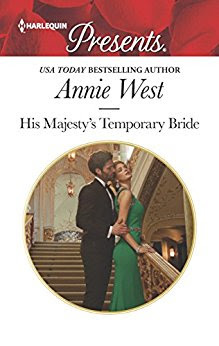
As the illegitimate secret daughter of royalty, Cat's life has been far from luxurious. After years of bullying, she's set against a return to her childhood home. But her princess half sister has mysteriously disappeared ahead of her engagement to charismatic King Alexander.
…into the bed of the king!
Cat agrees to stand in for her—but she didn't agree to the electric attraction between her and Alex! He might have no idea who she really is—but when their insatiable desire threatens to strip away every boundary between them, Cat cannot hold back from the temptation of Alex's caress…
Amazon US
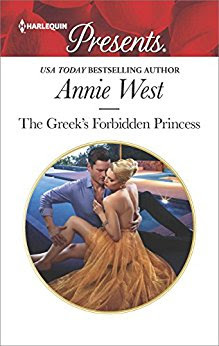
The Greek’s Forbidden Princess
Illicit nights with the billionaire…
News of a tragic accident plunges Princess Amelie's life into turmoil. To escape the swarming press, she takes her newly orphaned nephew and runs, seeking the protection of one man.
Lambis Evangelos desires Amelie beyond all reckoning, but refuses to taint her radiant beauty with the guilt of his past. For years he's resisted his longing for her luscious body—until Amelie's arrival at his doorstep draws him too close to her forbidden temptation…
His secluded Greek island is a refuge from the world. There, Amelie and Lambis have no choice—they must yield to their fiery, uncontrollable passion! Amazon US
About Annie USA Today Bestselling author Annie West loves writing passionate, intense love stories. She has won the Romantic Times Reviewers’ Choice Award and the Romance Writers of Australia Romantic Book of the Year as well as finalling in numerous contests. At last count she was published in 25 different languages in around 34 countries. She writes for Harlequin Presents (Mills and Boon Modern) and self publishes as well. Annie loves passionate, sexy, emotional stories about charismatic heroes who cause the best kind of trouble in the lives of their heroines. Creating heroines who are a perfect match for those strong, stubborn men is one of her favorite things. She leaves on the east coast of Australia and her favourite things are books, good company, good food and travel.
Website: http://www.annie-west.com
Facebook: https://www.facebook.com/anniewest.author
Subscribe to Annie’s Newsletter: https://tinyurl.com/ya56pe7c
Many writers enjoy working on two (or even more) stories at the same time. But what about writing stories that link and happen at exactly the same time? Now there’s a challenge. And quite a bit of fun too!
I had some experience of writing stories that meshed with other plots unfolding in the same time frame. It happened while writing books as part of multi-author continuities, where characters appeared in several different stories and their romance was going on at the same time, or nearly at the same time. That meant lots of close cooperation with the authors writing those other books, plus agreeing some specific boundaries about when and where things happen.
Recently I tried something different. I wrote stories about two sisters, each wrapped up in their own romance, with each story occurring at the same time as the other. I was thrilled and a little nervous about this project (since named The Princess Seductions duet) but the story lines and characters were so exciting I couldn’t resist.
The premise was this: Amelie is a princess, now guardian for her recently orphaned little nephew, whose father was king. With the future of the kingdom at stake, and her nephew traumatised by witnessing the accident that killed his parents, she disappears with him. The official line is that the pair are in seclusion after the tragic loss. Where they go, or more precisely, whom they go to, is the basis of their story. Meanwhile, it’s imperative that no-one knows she’s gone, so a body double is brought in to attend a function in Amelie’s place. The double is actually Amelie’s secret half-sister Cat, who doesn’t want the job but feels she can’t resist (for reasons that become obvious in the story). Her masquerade becomes complicated when King Alex arrives unexpectedly, as a potential suitor for Princess Amelie in an arranged marriage. And even more complicated when Cat falls for him! Meanwhile, Amelie has her own troubles, facing the man who’d broken her heart.The two love stories are intertwined, and timing was absolutely crucial. So, what did I learn? Lots!
Here are a few of the lessons that I’ll take into writing any future simultaneous stories:
It’s not always easy to decide which book comes first so take your time and get it right.
In my case it transpired that the happy ever after for one book could clearly come sooner, while the second sister was still trying to work out her love life. Think too about which story has more secrets or revelations that make it ideal for a second rather than a first instalment. In this case, Amelie’s story lent itself to being published second since there was so much mystery about where she’d gone. I could resolve Cat’s story and still have unanswered questions about Amelie. In retrospect all that seems obvious but it took some time to make the final decision.
Consider your timeline, map it out then check it again and again and again.
I thought I knew the general timeline, but when it came to the crunch I found myself reconsidering. How long it would take an estranged couple to break through the ice separating them, and rekindle their passion? How long would it take to fly from Greece to an island off the south of France? How long to make certain legal changes? Fine tuning happened only as I wrote the second book, but I needed to have enough latitude to make both stories workable at the same time. Keeping a timeline – or two parallel timelines that you can see at a glance is a definite bonus. I wish I’d done it before I started, even though it probably would have changed.
Decide what you’re going to reveal about the characters/circumstances from the other book and make sure they work.
Sometimes a story will require you to divulge a past event or current issue. But, if you reveal that major issue/event, how will it impact on the other story you’re yet to write. Again, thinking time is necessary to set the parameters. There are good reasons why Amelie doesn’t know about Cat and the fact they’re sisters. The revelation of Cat’s true identity had to be handled in the first book in such a way that it didn’t destroy the storyline in book 2.
Include real time links between the stories.
I suppose I could have managed to write Cat’s story as totally separate to Amelie’s but where is the fun in that? Besides, making contact with the sister she’s never known is a huge part of Cat’s emotional journey. Rather than include that off the page, I have Cat and Amelie interacting, which also (I hope) creates more interest in Amelie so readers might want to read her story too.
One scene used twice.
One of the ways I brought the two sisters, and the two stories, together was to have a scene between them included in both books, though from different points of view. The scene was necessary for both stories, but it had the bonus of providing emotional insights into both characters. Apart from that, it was lots of fun to have the same scene with the identical dialogue, viewed from the point of view of two different characters. This was a phone conversation so neither sister could see what was going on around her sibling as she spoke. In both books that conversation was pivotal to what happened next.
Have you read or written simultaneous stories? Did you like them? Did they work? Did you learn anything you’d like to share here?
My simultaneous stories are ‘His Majesty’s Temporary Bride’ (Harlequin Oct 17) and ‘The Greek’s Forbidden Princess’ (Harlequin Nov 17). Here’s the back cover copy. For more detail on either, visit www.annie-west.com
His Majesty’s Temporary Bride
Out of the shadows…

As the illegitimate secret daughter of royalty, Cat's life has been far from luxurious. After years of bullying, she's set against a return to her childhood home. But her princess half sister has mysteriously disappeared ahead of her engagement to charismatic King Alexander.
…into the bed of the king!
Cat agrees to stand in for her—but she didn't agree to the electric attraction between her and Alex! He might have no idea who she really is—but when their insatiable desire threatens to strip away every boundary between them, Cat cannot hold back from the temptation of Alex's caress…
Amazon US

The Greek’s Forbidden Princess
Illicit nights with the billionaire…
News of a tragic accident plunges Princess Amelie's life into turmoil. To escape the swarming press, she takes her newly orphaned nephew and runs, seeking the protection of one man.
Lambis Evangelos desires Amelie beyond all reckoning, but refuses to taint her radiant beauty with the guilt of his past. For years he's resisted his longing for her luscious body—until Amelie's arrival at his doorstep draws him too close to her forbidden temptation…
His secluded Greek island is a refuge from the world. There, Amelie and Lambis have no choice—they must yield to their fiery, uncontrollable passion! Amazon US
About Annie
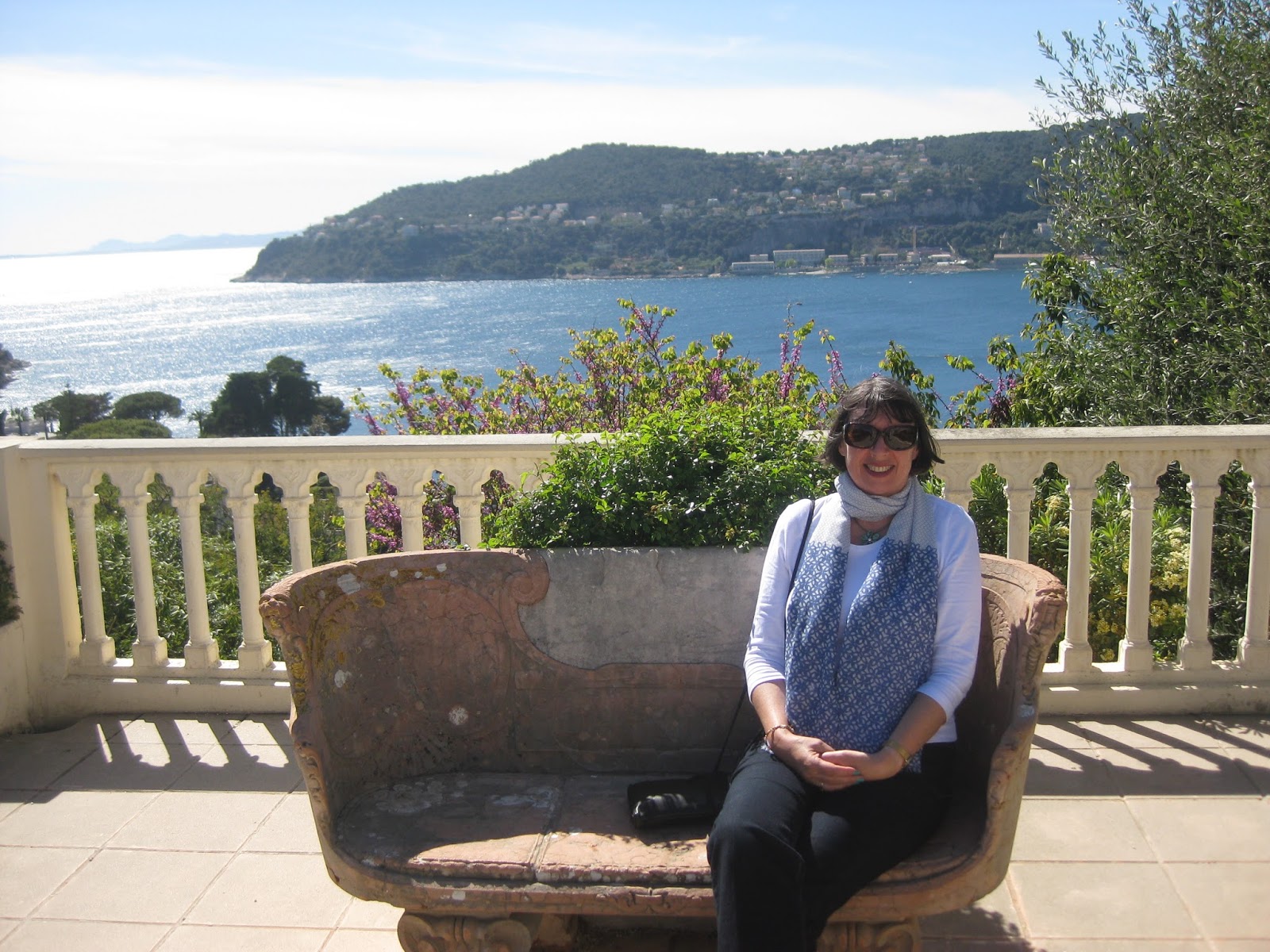 USA Today Bestselling author Annie West loves writing passionate, intense love stories. She has won the Romantic Times Reviewers’ Choice Award and the Romance Writers of Australia Romantic Book of the Year as well as finalling in numerous contests. At last count she was published in 25 different languages in around 34 countries. She writes for Harlequin Presents (Mills and Boon Modern) and self publishes as well. Annie loves passionate, sexy, emotional stories about charismatic heroes who cause the best kind of trouble in the lives of their heroines. Creating heroines who are a perfect match for those strong, stubborn men is one of her favorite things. She leaves on the east coast of Australia and her favourite things are books, good company, good food and travel.
Website: http://www.annie-west.com
Facebook: https://www.facebook.com/anniewest.author
Subscribe to Annie’s Newsletter: https://tinyurl.com/ya56pe7c
October 10, 2017
Using Pen Names or Posing by Mickey J Corrigan
We invited author Mickey J Corrigan and she is sharing with us about using pen names. She also has a new book, Project XX.
 Mickey J. Corrigan lives in South Florida. Her novellas and novels have been released by publishers in the US, UK, Canada, and Australia. Poetry chapbooks include The Art of Bars (Finishing Line Press, 2016) and Days' End (Main Street Rag, 2017). Project XX, a crime novel, was released in September by Salt Publishing in the UK.
Author website: www.mickeyjcorrigan.com
Book website: http://projectxxbook.com/
Goodreads: www.goodreads.com/author/show/5828647.Mickey_J_Corrigan
Tumblr: http://mickeyjcorrigan.tumblr.com/
A few months ago, Pen Center USA withdrew a book shortlisted for this year's Young Adult novel award. Stealing Indians tells the story of four teenage Indians in the 1950s, and was well received. However, the author has been accused of faking his Native American heritage. He insists he is Native Alaskan/Native American, but states he can no longer defend himself against social media. He blames the weaponization of the internet for ruining his reputation.In 2015, a poem selected for the prestigious Best American Poetry annual collection was written under a Chinese pseudonym. The author, a middle-aged white man, explained that his poem had been rejected 40 times until he changed the author's name to Yi-Ten Chou. The New Yorker called this "Oriental profiteering."Lately I've read quite a few accounts like these. Posing has become one method for struggling writers to capture the attention of a major publisher and, hopefully, an audience. However, pen names have been in use from the earliest days of fiction writing. Women typically adopted a nom de plume in order to sound male or gender neutral. For too long, this was the only way for a woman to get published—or find readers.Women still change their names for publishing purposes. I selected a gender neutral pen name soon after I began publishing fiction. Why? To widen the potential audience. Research indicates that men prefer to read books written by men. Women do most of the book buying, but as writers we want to include as many readers as possible in our audience. Also, it's tough to find a publisher. If the author's name is female, this can automatically relegate her books to the "women's fiction" category.In the not so distant past, pen names were used to disguise a Jewish heritage. Or non-white nationality. It was easier to get published if your name made you sound like a middle-aged, middle class white guy. Now middle-aged, middle class white men are using pen names.I can see all sides of this issue. It's bad form to pose, and lying doesn't cut it. However, I can empathize with a creative person who creates a persona he or she believes will best serve the work. As struggling artists, we can feel like we would do anything to get a good publishing contract and an appreciative audience.
Well, almost anything.
Project XX
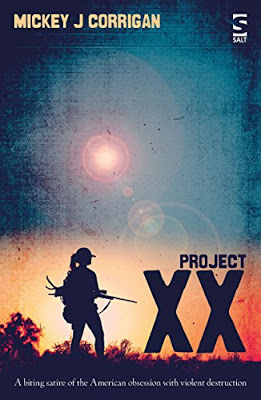 In 2012, a deranged grad student dressed as the Joker shot and killed dozens of movie goers at a Batman film opening in Colorado. Gun violence is so out of control in America that it has become a cruel joke.Unlike most of Mickey Corrigan's novels, Project XX made itself known to her at that time, demanding to be written. Usually she researches, prepares, then writes. In this case, she wrote first, then did the research on gun violence, female violent crime, and school/mass shootings.Males are almost always the perpetrators of mass shootings. But females are fully capable of shocking acts of violence and, in the US, military-style weapons are as easy to access as a new hairstyle.
Publisher Amazon
Book Depository (free delivery worldwide)
 Mickey J. Corrigan lives in South Florida. Her novellas and novels have been released by publishers in the US, UK, Canada, and Australia. Poetry chapbooks include The Art of Bars (Finishing Line Press, 2016) and Days' End (Main Street Rag, 2017). Project XX, a crime novel, was released in September by Salt Publishing in the UK.
Author website: www.mickeyjcorrigan.com
Book website: http://projectxxbook.com/
Goodreads: www.goodreads.com/author/show/5828647.Mickey_J_Corrigan
Tumblr: http://mickeyjcorrigan.tumblr.com/
A few months ago, Pen Center USA withdrew a book shortlisted for this year's Young Adult novel award. Stealing Indians tells the story of four teenage Indians in the 1950s, and was well received. However, the author has been accused of faking his Native American heritage. He insists he is Native Alaskan/Native American, but states he can no longer defend himself against social media. He blames the weaponization of the internet for ruining his reputation.In 2015, a poem selected for the prestigious Best American Poetry annual collection was written under a Chinese pseudonym. The author, a middle-aged white man, explained that his poem had been rejected 40 times until he changed the author's name to Yi-Ten Chou. The New Yorker called this "Oriental profiteering."Lately I've read quite a few accounts like these. Posing has become one method for struggling writers to capture the attention of a major publisher and, hopefully, an audience. However, pen names have been in use from the earliest days of fiction writing. Women typically adopted a nom de plume in order to sound male or gender neutral. For too long, this was the only way for a woman to get published—or find readers.Women still change their names for publishing purposes. I selected a gender neutral pen name soon after I began publishing fiction. Why? To widen the potential audience. Research indicates that men prefer to read books written by men. Women do most of the book buying, but as writers we want to include as many readers as possible in our audience. Also, it's tough to find a publisher. If the author's name is female, this can automatically relegate her books to the "women's fiction" category.In the not so distant past, pen names were used to disguise a Jewish heritage. Or non-white nationality. It was easier to get published if your name made you sound like a middle-aged, middle class white guy. Now middle-aged, middle class white men are using pen names.I can see all sides of this issue. It's bad form to pose, and lying doesn't cut it. However, I can empathize with a creative person who creates a persona he or she believes will best serve the work. As struggling artists, we can feel like we would do anything to get a good publishing contract and an appreciative audience.
Well, almost anything.
Project XX
 In 2012, a deranged grad student dressed as the Joker shot and killed dozens of movie goers at a Batman film opening in Colorado. Gun violence is so out of control in America that it has become a cruel joke.Unlike most of Mickey Corrigan's novels, Project XX made itself known to her at that time, demanding to be written. Usually she researches, prepares, then writes. In this case, she wrote first, then did the research on gun violence, female violent crime, and school/mass shootings.Males are almost always the perpetrators of mass shootings. But females are fully capable of shocking acts of violence and, in the US, military-style weapons are as easy to access as a new hairstyle.
Publisher Amazon
Book Depository (free delivery worldwide)


