Kelly Steel's Blog, page 3
December 3, 2019
Point of View with Jane Godman
Point of View (or how to avoid head-hopping)
Head-hopping is what happens when a writer suddenly changes orientation so that the reader is thrust unexpectedly from one point of view to another.
One moment we’ll be deep in the heroine’s viewpoint, seeing the world through her eyes, appreciating events through her experiences and expectations, and in the very next sentence we’re seeing events through the hero’s perspective. We’re shaken out of our identification with one character and left scrambling to get used to another.
Most books include shifts in point of view. Head-hopping takes place when those shifts happen in the middle of a scene, or paragraph. Even, occasionally, in the middle of a sentence. Sometimes, it happens repeatedly so that the reader has to make the switch back and forth several times within a scene.
I have to confess that my first attempts at writing romance were littered with point of view (POV) shifts. I wanted to let my readers know what was going on with all my characters, all the time. I could see into everyone’s heads and I wanted to share that.
How could I show my readers what was going on if they didn’t know that the hero was thinking about walking away from the heroine at this precise moment? Or if they weren’t aware that the villain was about the reach for his gun?
But, of course, that’s the skill of learning how to create and manage properly constructed POVs. Put simply, you need to:
1. Stay in one character’s head/POV per scene.
2. Keep the perspective and voice of each POV consistent.
But if you can’t head-hop, how can you show readers what the other characters are doing and thinking within a scene? Here are some of the tried and trusted ways:
1. Don’t worry about what other characters are thinking
It’s difficult to do, but actually quite liberating. I found the best way to do this was to write first person. When I switched back to third person, it became easier to stay in one POV.
2. Do include multiple POVs – just not in the same scene
In a multiple-POV narrative, you view the story through the eyes of several different characters, but only one at a time. The writer makes a conscious choice and remains in control.
3. Allow the POV character to infer what other characters are thinking and feeling.
As the POV character learns about the other characters, so too do the readers. The POV character can read body language, and non-verbal cues, just as we do in real life, to infer what in going on.
4. Use eyewitnesses to keep POV characters informed.
Have another character who was present tell the POV character all about it. Or the POV character might read about it in a letter, a newspaper article, or see it on TV. In certain genres of story, perhaps she might even have a premonition or dream about it.
Point of view can be a challenge but, once it’s mastered, it becomes an enjoyable part of the writer’s toolbox, another skill to help you write a story that will entertain and delight your readers.
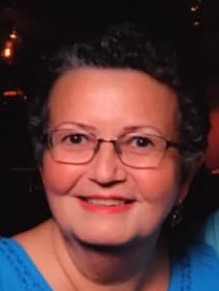 JANE GODMAN is a 2019 Romantic Novelists’ Award winner and 2018 Daphne du Maurier Award finalist. She writes thrillers for Harlequin Romantic Suspense/Mills and Boon Heroes and paranormal romance for Harlequin Nocturne/Mills and Boon Supernatural and St. Martin’s Press Romance. She also self publishes her historical and gothic stories.
Jane was born in Scotland and has lived in Germany, Wales, Malta, South Africa, and England. She still gets the urge to travel, although these days she tends to head for a Spanish beach, or a European city that is steeped in history. When she isn’t reading or writing romance, Jane enjoys cooking, spending time with her family, and enjoying the antics of her dogs, Gravy and Vera.
Connect with Jane Godman on the web:
Website Facebook Twitter Goodreads
Colton 911: Family Under Fire

An unexpected family
A once-in-a-lifetime reunion in danger…
After a bitter breakup, FBI agent Everett Colton never expected to see his ex-girlfriend, Alyssa Bartholomew, again. Suddenly, tragedy reunites them—and makes them guardians of an orphaned baby girl. Everett suspects that her parents’ deaths were anything but innocent. When his instinct for danger proves correct, it’s his job to protect the child he’s grown to love…and the woman he never forgot.
Buy on:
Amazon Kindle Amazon Paperback
Amazon Aust Amazon UK
Harlequin B&N
Kobo Book Depository iBooks
Head-hopping is what happens when a writer suddenly changes orientation so that the reader is thrust unexpectedly from one point of view to another.
One moment we’ll be deep in the heroine’s viewpoint, seeing the world through her eyes, appreciating events through her experiences and expectations, and in the very next sentence we’re seeing events through the hero’s perspective. We’re shaken out of our identification with one character and left scrambling to get used to another.
Most books include shifts in point of view. Head-hopping takes place when those shifts happen in the middle of a scene, or paragraph. Even, occasionally, in the middle of a sentence. Sometimes, it happens repeatedly so that the reader has to make the switch back and forth several times within a scene.
I have to confess that my first attempts at writing romance were littered with point of view (POV) shifts. I wanted to let my readers know what was going on with all my characters, all the time. I could see into everyone’s heads and I wanted to share that.
How could I show my readers what was going on if they didn’t know that the hero was thinking about walking away from the heroine at this precise moment? Or if they weren’t aware that the villain was about the reach for his gun?
But, of course, that’s the skill of learning how to create and manage properly constructed POVs. Put simply, you need to:
1. Stay in one character’s head/POV per scene.
2. Keep the perspective and voice of each POV consistent.
But if you can’t head-hop, how can you show readers what the other characters are doing and thinking within a scene? Here are some of the tried and trusted ways:
1. Don’t worry about what other characters are thinking
It’s difficult to do, but actually quite liberating. I found the best way to do this was to write first person. When I switched back to third person, it became easier to stay in one POV.
2. Do include multiple POVs – just not in the same scene
In a multiple-POV narrative, you view the story through the eyes of several different characters, but only one at a time. The writer makes a conscious choice and remains in control.
3. Allow the POV character to infer what other characters are thinking and feeling.
As the POV character learns about the other characters, so too do the readers. The POV character can read body language, and non-verbal cues, just as we do in real life, to infer what in going on.
4. Use eyewitnesses to keep POV characters informed.
Have another character who was present tell the POV character all about it. Or the POV character might read about it in a letter, a newspaper article, or see it on TV. In certain genres of story, perhaps she might even have a premonition or dream about it.
Point of view can be a challenge but, once it’s mastered, it becomes an enjoyable part of the writer’s toolbox, another skill to help you write a story that will entertain and delight your readers.
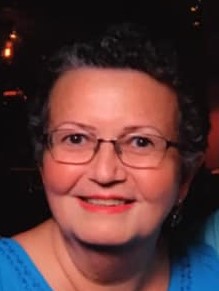 JANE GODMAN is a 2019 Romantic Novelists’ Award winner and 2018 Daphne du Maurier Award finalist. She writes thrillers for Harlequin Romantic Suspense/Mills and Boon Heroes and paranormal romance for Harlequin Nocturne/Mills and Boon Supernatural and St. Martin’s Press Romance. She also self publishes her historical and gothic stories.
Jane was born in Scotland and has lived in Germany, Wales, Malta, South Africa, and England. She still gets the urge to travel, although these days she tends to head for a Spanish beach, or a European city that is steeped in history. When she isn’t reading or writing romance, Jane enjoys cooking, spending time with her family, and enjoying the antics of her dogs, Gravy and Vera.
Connect with Jane Godman on the web:
Website Facebook Twitter Goodreads
Colton 911: Family Under Fire
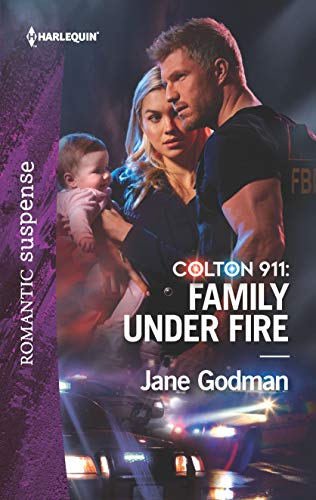
An unexpected family
A once-in-a-lifetime reunion in danger…
After a bitter breakup, FBI agent Everett Colton never expected to see his ex-girlfriend, Alyssa Bartholomew, again. Suddenly, tragedy reunites them—and makes them guardians of an orphaned baby girl. Everett suspects that her parents’ deaths were anything but innocent. When his instinct for danger proves correct, it’s his job to protect the child he’s grown to love…and the woman he never forgot.
Buy on:
Amazon Kindle Amazon Paperback
Amazon Aust Amazon UK
Harlequin B&N
Kobo Book Depository iBooks


September 30, 2019
5 Hard-Won Writing Tips by Linda Charles
This week we have author Linda Charles with 5 writing tips. She has a new book out this month, No Looking Back, Bindarra Creek: A Town Reborn.
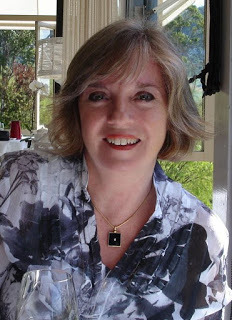
Linda Charles has been reading romance since high school. Her reading life started very early, but changed direction after she read Gone with the Wind. She was born in Sydney and spent her teenage years in drama classes, and then taught Speech & Drama for many years. She still loves to go to the theatre, but her plan was always to write. Linda lives in Newcastle and when she's not writing, she can be found walking, browsing the bookshops or planning her next holiday.
Linda Charles on the web:
Website Facebook Twitter Goodreads Pinterest
5 hard-won writing tips = do not give up! – by Linda CharlesWriting takes a while to learn and some say it’s not for the fainthearted, but, we all write something at some stage, whether for pleasure, or for work. We all want that writing to be good. There are so many arms to study – mastering description, plotting, discovering the internal as well as the external conflict, what to show, what to tell, dialogue – the list seems endless once you start. It seemed daunting to me when I first started. I loved to read and have two to three books on the go at any one time, but I soon discovered to sit down and write a book is not quite so easy.
Once you start, you’ll discover there is always something to learn. I discovered early on that when I enjoy my characters and their situations it crosses over to the scenes I write for them. If I don’t enjoy writing them I can’t imagine readers would enjoy reading those scenes. When it comes to learning to write a story, we should live by the old English proverb for patience which is 'Slowly, slowly catchy monkey'. It means that if do not rush or if you avoid being too hasty, then eventually you will achieve your goal.
I have five things I do every week to feed my writing. It’s requires a little discipline, but after a while it becomes a natural part of what you do as part of your writing life.
Reading
This is number one for a number of reasons. Read every day because when you read you learn, you notice things and it replenishes your creative well. The brain is a wonderful thing and while you’re sleeping its working and months later it will surprise you with a scene you did not see coming, but which flows naturally from the characters you’ve created.
Write every single day
This makes sense, but is so often left to Sunday, which is too often the designated day of writing. Stop that thinking, I did that for years and when I started writing on a daily basis, everything changed in my writing. I used to kid myself Sunday was my writing day, in reality, it was my re-writing of the previous Sunday’s work and my stories (and my growth as a writer) stagnated.
Learn the specifics
Do learn what is required of the genre you like to write. If it’s romance be aware of the different tropes that are expected and enjoyed by the romance reader.
Study your words and vocabulary
This seems self-explanatory, but it gets forgotten in the excitement of writing.
Revise
Revise, revise, revise and then some. It’s surprising how little extra words pop in a sentence, or is left out – especially in your excitement as you get caught up writing the scene. It happens very easily and some people are known to change from third person to first person mid-scene because they are so involved. Be aware of this when you revise. Letting go is so hard to do, but at some point we have to stop tinkering and send our story out into the world.
Thank you for the invite to write this blog. I’ve been fortunate to be part of the https://bindarracreekromance.com/a-town-reborn/ and have just released the third book in the series – No Looking Back. It can be found on Amazon - https://amzn.to/303nrQWAbout the book:
Sometimes it’s good to take a risk… Hannah McKenna loves working with horses and is trying hard to keep it altogether after her first horse syndication deal turns sour. Since then she’s been careful and played life straight, and has had enough. She runs into trouble when she meets Blake Hudson – the man who put together the failed deal – who rescues her when she takes a nasty tumble from a horse. Blake Hudson is known as Mr Nice Guy, but there are dark shadows in his past. He’s the dealmaker, the perfect go-between who puts together horse syndications and once the deal is done he moves on. Problem is, Hannah is the exception and he can’t keep away, but fears she will walk if she knew the truth about his past. He hadn’t bargained on dealing with a mischievous third party called attraction.When she discovers the truth, both realise they could lose everything, including each other.
No Looking Back: Bindarra Creek: A Town Reborn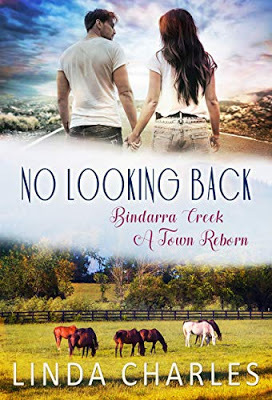
Hannah McKenna loves working with horses and is trying hard to keep it altogether after her first horse deal turns sour. She runs into trouble when she meets Blake Hudson – the man who put together the failed deal – who rescues her when she takes a nasty tumble from a horse. She likes him, simple as, and finds plenty of reasons to make him want to stay.
Blake Hudson feels like an imposter because he knows loved ones would walk if they knew the truth. He’s the dealmaker, the perfect go-between who puts together horse syndications and once the deal is done he moves on. His life takes a turn when he meets Hannah, the woman at the centre of his worst deal. Problem is he can’t keep away, but fears she will walk if she knew the truth about his past.
He hadn’t bargained on dealing with a mischievous third party called attraction.
When she discovers the truth, both realise they could lose everything, including each other.
Buy on:
Amazon Kindle
Amazon Aust
Amazon UK

Linda Charles has been reading romance since high school. Her reading life started very early, but changed direction after she read Gone with the Wind. She was born in Sydney and spent her teenage years in drama classes, and then taught Speech & Drama for many years. She still loves to go to the theatre, but her plan was always to write. Linda lives in Newcastle and when she's not writing, she can be found walking, browsing the bookshops or planning her next holiday.
Linda Charles on the web:
Website Facebook Twitter Goodreads Pinterest
5 hard-won writing tips = do not give up! – by Linda CharlesWriting takes a while to learn and some say it’s not for the fainthearted, but, we all write something at some stage, whether for pleasure, or for work. We all want that writing to be good. There are so many arms to study – mastering description, plotting, discovering the internal as well as the external conflict, what to show, what to tell, dialogue – the list seems endless once you start. It seemed daunting to me when I first started. I loved to read and have two to three books on the go at any one time, but I soon discovered to sit down and write a book is not quite so easy.
Once you start, you’ll discover there is always something to learn. I discovered early on that when I enjoy my characters and their situations it crosses over to the scenes I write for them. If I don’t enjoy writing them I can’t imagine readers would enjoy reading those scenes. When it comes to learning to write a story, we should live by the old English proverb for patience which is 'Slowly, slowly catchy monkey'. It means that if do not rush or if you avoid being too hasty, then eventually you will achieve your goal.
I have five things I do every week to feed my writing. It’s requires a little discipline, but after a while it becomes a natural part of what you do as part of your writing life.
Reading
This is number one for a number of reasons. Read every day because when you read you learn, you notice things and it replenishes your creative well. The brain is a wonderful thing and while you’re sleeping its working and months later it will surprise you with a scene you did not see coming, but which flows naturally from the characters you’ve created.
Write every single day
This makes sense, but is so often left to Sunday, which is too often the designated day of writing. Stop that thinking, I did that for years and when I started writing on a daily basis, everything changed in my writing. I used to kid myself Sunday was my writing day, in reality, it was my re-writing of the previous Sunday’s work and my stories (and my growth as a writer) stagnated.
Learn the specifics
Do learn what is required of the genre you like to write. If it’s romance be aware of the different tropes that are expected and enjoyed by the romance reader.
Study your words and vocabulary
This seems self-explanatory, but it gets forgotten in the excitement of writing.
Revise
Revise, revise, revise and then some. It’s surprising how little extra words pop in a sentence, or is left out – especially in your excitement as you get caught up writing the scene. It happens very easily and some people are known to change from third person to first person mid-scene because they are so involved. Be aware of this when you revise. Letting go is so hard to do, but at some point we have to stop tinkering and send our story out into the world.
Thank you for the invite to write this blog. I’ve been fortunate to be part of the https://bindarracreekromance.com/a-town-reborn/ and have just released the third book in the series – No Looking Back. It can be found on Amazon - https://amzn.to/303nrQWAbout the book:
Sometimes it’s good to take a risk… Hannah McKenna loves working with horses and is trying hard to keep it altogether after her first horse syndication deal turns sour. Since then she’s been careful and played life straight, and has had enough. She runs into trouble when she meets Blake Hudson – the man who put together the failed deal – who rescues her when she takes a nasty tumble from a horse. Blake Hudson is known as Mr Nice Guy, but there are dark shadows in his past. He’s the dealmaker, the perfect go-between who puts together horse syndications and once the deal is done he moves on. Problem is, Hannah is the exception and he can’t keep away, but fears she will walk if she knew the truth about his past. He hadn’t bargained on dealing with a mischievous third party called attraction.When she discovers the truth, both realise they could lose everything, including each other.
No Looking Back: Bindarra Creek: A Town Reborn
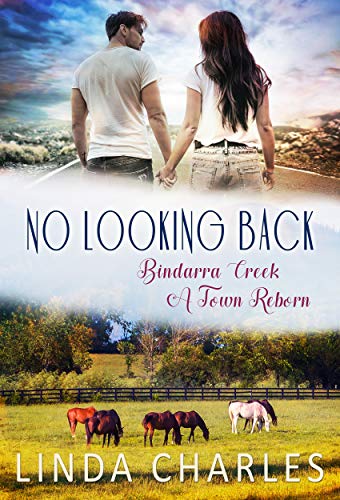
Hannah McKenna loves working with horses and is trying hard to keep it altogether after her first horse deal turns sour. She runs into trouble when she meets Blake Hudson – the man who put together the failed deal – who rescues her when she takes a nasty tumble from a horse. She likes him, simple as, and finds plenty of reasons to make him want to stay.
Blake Hudson feels like an imposter because he knows loved ones would walk if they knew the truth. He’s the dealmaker, the perfect go-between who puts together horse syndications and once the deal is done he moves on. His life takes a turn when he meets Hannah, the woman at the centre of his worst deal. Problem is he can’t keep away, but fears she will walk if she knew the truth about his past.
He hadn’t bargained on dealing with a mischievous third party called attraction.
When she discovers the truth, both realise they could lose everything, including each other.
Buy on:
Amazon Kindle
Amazon Aust
Amazon UK
August 5, 2019
How to Create Relatable Characters with Suzanne Gilchrist
We have author Suzanne Gilchrist sharing how she creates relatable characters.
Suzanne Gilchrist lives in the Hunter Valley, Australia with her family and pets and is the author of over twenty books, several of which have finalled in writing contests. As S. E. Gilchrist, she writes science fiction, ancient historical, apocalyptic and post-apocalyptic romances and romantic suspense. As Suzanne Gilchrist, she writes women’s fiction and contemporary small-town romances, often with a splash of suspense.Suzanne takes a keen interest in the environment and animal welfare and loves bushwalking and kayaking, spending time with family and friends and walking her dogs. She co-runs Hunter Romance Writers and is the organiser of several group writing ventures.
Suzanne Gilchrist is published with Escape Publishing / Harlequin Australia and is an indie author.Suzanne Gilchrist on the web: Website Facebook Bookbub Twitter Goodreads Instagram
Hi, I’m S E (aka Suzanne) Gilchrist and I’m excited to be here on Learning to Write as part of my celebrations for the release of my sweet, small-town romance, Take Me Home. One of the most important aspects of crafting a compelling story, is ensuring that the reader becomes fully engaged with the characters. You need to get them cheering your hero and heroine forward and you need a likeable, supporting cast.
But how to create relatable characters?
What helps me is I ask questions of my characters.
I always start with goal, motivation and conflict. I’ve noticed that my initial answers can change in unexpected ways as my characters continue to reveal their true selves.For example, my initial idea for the two protagonists for Take Me Home, was a couple in their late twenties / early thirties. But the more questions I asked, I realised they were older with a lot of history behind them.
I needed to know why they were living in this small town, what had brought them there, what was their current situation in regard to relationships, and what did they want out of life.
When I asked this of my heroine, I realised she was almost 40 and had moved to this small country town to begin a new life alone. But why was she alone? What had happened to her? Why, after four years, hadn’t she formed any close friendships?
So – she avoided people. What kind of people? Why? I went back to my first answer - she was going on 40 years old and living alone. I knew immediately that she couldn’t have children. This was why she still kept herself apart.
This gave me her conflict and the bones of my story.
I knew I had to challenge her – force her to confront her past. Show her a different future. Give her the motivation to find the strength to move forward.
And what could be more challenging than put her in a situation where she feels compelled to give a temporary home to two orphaned boys? Of course, they couldn’t be the babies she’s always wanted – no, I made them older, 11 and 14 and with their own wounds.But I wanted to give her support. Enter her estranged husband and a new set of questions.
Who was he? Why had he left? Where had he been living since their separation? Why had he returned?
I knew the reason he came to town had to be that he still loved her and when he’d heard she was in danger, dropped everything to be by her side.
Not only did the answers to these questions give life to the hero but they also provided more flesh to my plot with additional emotional conflict.
Over the years, I’ve drawn up quite a large list of questions that I pick from when I’m inventing new characters.
Begin making your own lists. You’ll find that you won’t need to use every question on every character, and as you can see from my experience, the answers can help define your story.
Take Me Home (Bindarra Creek A Town Reborn)
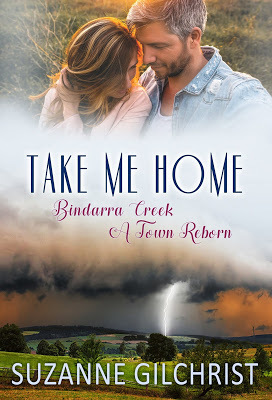 Forgiving the past was too painful until now.
Almost forty, Abby Taylor has built a new life for herself in the small country town of Bindarra Creek. When an old friend convinces her to give two adolescent boys a temporary home, she is torn between a growing love for these orphans and the grief in her past.
After his marriage fell apart, Roman Taylor has focused on his career. An unexpected phone call sends him rushing to Abby’s side where he is drawn into his estranged wife’s new life – a life that could offer a future he thought he’d lost forever.
Will they seize this second chance to have a family of their own? Or will fate once again destroy their dreams?
Welcome to Bindarra Creek – A Town Reborn, a fictional town set on the western slopes of the New England tablelands. Take me Home is the first book in this new group writing venture series. With a community full of quirky characters, the books feature compelling romance, heart-warming family life, drama, and even suspense.
Buy on:
Amazon US Kindle Amazon UK Amazon Aust
iBooks Nook Kobo Angus & Robertson

Suzanne Gilchrist lives in the Hunter Valley, Australia with her family and pets and is the author of over twenty books, several of which have finalled in writing contests. As S. E. Gilchrist, she writes science fiction, ancient historical, apocalyptic and post-apocalyptic romances and romantic suspense. As Suzanne Gilchrist, she writes women’s fiction and contemporary small-town romances, often with a splash of suspense.Suzanne takes a keen interest in the environment and animal welfare and loves bushwalking and kayaking, spending time with family and friends and walking her dogs. She co-runs Hunter Romance Writers and is the organiser of several group writing ventures.
Suzanne Gilchrist is published with Escape Publishing / Harlequin Australia and is an indie author.Suzanne Gilchrist on the web: Website Facebook Bookbub Twitter Goodreads Instagram
Hi, I’m S E (aka Suzanne) Gilchrist and I’m excited to be here on Learning to Write as part of my celebrations for the release of my sweet, small-town romance, Take Me Home. One of the most important aspects of crafting a compelling story, is ensuring that the reader becomes fully engaged with the characters. You need to get them cheering your hero and heroine forward and you need a likeable, supporting cast.
But how to create relatable characters?
What helps me is I ask questions of my characters.
I always start with goal, motivation and conflict. I’ve noticed that my initial answers can change in unexpected ways as my characters continue to reveal their true selves.For example, my initial idea for the two protagonists for Take Me Home, was a couple in their late twenties / early thirties. But the more questions I asked, I realised they were older with a lot of history behind them.
I needed to know why they were living in this small town, what had brought them there, what was their current situation in regard to relationships, and what did they want out of life.
When I asked this of my heroine, I realised she was almost 40 and had moved to this small country town to begin a new life alone. But why was she alone? What had happened to her? Why, after four years, hadn’t she formed any close friendships?
So – she avoided people. What kind of people? Why? I went back to my first answer - she was going on 40 years old and living alone. I knew immediately that she couldn’t have children. This was why she still kept herself apart.
This gave me her conflict and the bones of my story.
I knew I had to challenge her – force her to confront her past. Show her a different future. Give her the motivation to find the strength to move forward.
And what could be more challenging than put her in a situation where she feels compelled to give a temporary home to two orphaned boys? Of course, they couldn’t be the babies she’s always wanted – no, I made them older, 11 and 14 and with their own wounds.But I wanted to give her support. Enter her estranged husband and a new set of questions.
Who was he? Why had he left? Where had he been living since their separation? Why had he returned?
I knew the reason he came to town had to be that he still loved her and when he’d heard she was in danger, dropped everything to be by her side.
Not only did the answers to these questions give life to the hero but they also provided more flesh to my plot with additional emotional conflict.
Over the years, I’ve drawn up quite a large list of questions that I pick from when I’m inventing new characters.
Begin making your own lists. You’ll find that you won’t need to use every question on every character, and as you can see from my experience, the answers can help define your story.
Take Me Home (Bindarra Creek A Town Reborn)
 Forgiving the past was too painful until now.
Almost forty, Abby Taylor has built a new life for herself in the small country town of Bindarra Creek. When an old friend convinces her to give two adolescent boys a temporary home, she is torn between a growing love for these orphans and the grief in her past.
After his marriage fell apart, Roman Taylor has focused on his career. An unexpected phone call sends him rushing to Abby’s side where he is drawn into his estranged wife’s new life – a life that could offer a future he thought he’d lost forever.
Will they seize this second chance to have a family of their own? Or will fate once again destroy their dreams?
Welcome to Bindarra Creek – A Town Reborn, a fictional town set on the western slopes of the New England tablelands. Take me Home is the first book in this new group writing venture series. With a community full of quirky characters, the books feature compelling romance, heart-warming family life, drama, and even suspense.
Buy on:
Amazon US Kindle Amazon UK Amazon Aust
iBooks Nook Kobo Angus & Robertson
July 29, 2019
Learning to Write with Juanita Kees
We have author Juanita Kees sharing about her experiences.
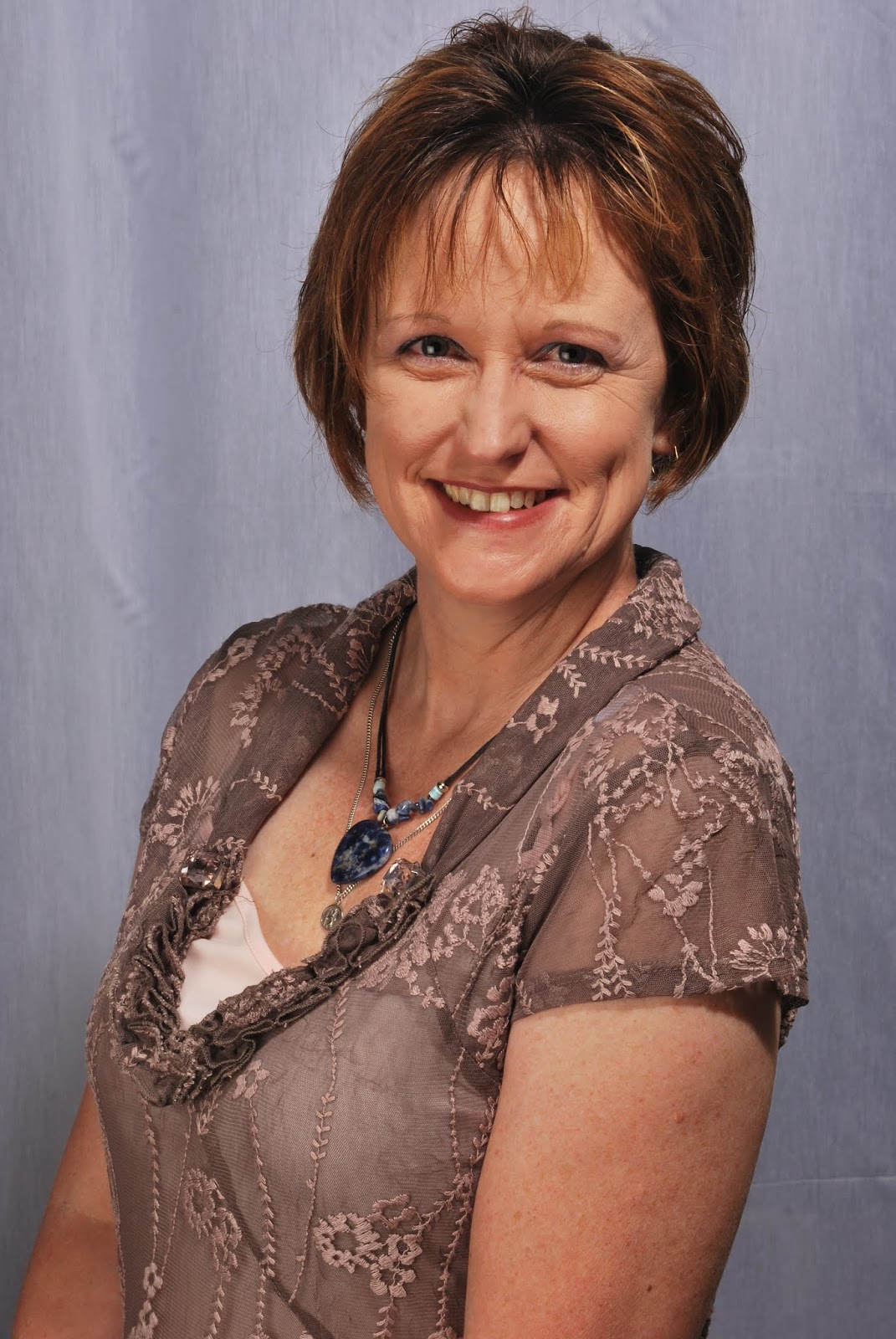 Juanita escapes the real world by reading and writing Australian Rural Romance novels with elements of suspense, Australian Fantasy Paranormal and Small-Town USA stories. Her romance novels star spirited heroines who give the hero a run for his money before giving in. She creates emotionally engaging worlds steeped in romance, suspense, mystery and intrigue, set in dusty, rural outback Australia and on the NASCAR racetracks of America. When she’s not writing, Juanita is mother to three boys and has a passion for fast cars and country living.
Juanita Kees on the web:
Website Facebook Twitter BookBub Instagram
Got a great idea for a book? Awesome! Write that story. But there’s more to writing than ideas and dreams of achieving bestseller status. Like any skill, an author needs to hone their craft. The publishing industry is a highly competitive business, and simply writing a good book isn’t enough to get noticed anymore. So, for all aspiring writers out there, here are a few tips that helped me along my writing journey:
1. Critiquing and Competition Entries
This is a great way to get feedback on your work. Find a writing group or critique partner who will give you an honest opinion and help you grow and develop. And I don’t mean your mum or your sister or your best friend. I’m talking about an outsider. someone who will see your work outside of the people who think you’re amazing anyway and be able to identify areas in the manuscript that might need tweaking.
 Competition judges can be harsh, sometimes unnecessarily so. Sometimes it feels like a personal attack on your book baby. The trick is to look past the emotions. Is there advice in that feedback you can use? Did you write too much telling and no showing? Is your plot under-developed or your heroine TSTL? (That’s feedback that will make you cringe when the book gets to review stage.)
2. Workshops and Conferences
When I first started writing, I didn’t have Google or internet (yes, I’m that old!) I bought craft books like Valerie Parv’s The Art of Romance Writing from good old brick and mortar bookstores to learn how to write. In this day of modern technology, we have so much more material right at our fingertips. Now you can do online workshops, webinars, podcasts, audio books…the list goes on. So get those fingers moving on the keyboard. Find a few good online workshops, attend conferences, writing centres and get involved. These are all great places to bump into editors and agents too.
3. Plotter or Pantser
I’m a terrible pantser. I give my characters too much power over the plot. That worked fine for me when my memory was reliable and I had 20/20 vision (okay, I’ve never had 20/20 vision!) Even if you’re not a plotter, at least have an idea of where your plot is going. Know your characters inside and out. What do they do for a living? What color eyes do they have? What color is their hair? Do they like animals? Build a profile of each character (or at the very least, of the main characters) so you know them as well as you know yourself. Consult Dr Google and find great ideas on how to plot your novel scenes, arches and valleys so you don’t lose track of how your story unfolds. I use Scrivener which is amazing for keeping my plot on track and holds me accountable for a word count every day.
4. Polish – Wax On, Wax Off
Like good wood furniture, there is nothing better for your manuscript than polish. Once you’ve written that first draft, set it aside to rest. Finish the next book. Yes, we’re all in a hurry to get our work in front of a publisher, but the industry won’t be shutting down tomorrow. You have years ahead of you, so don’t rush. Give yourself some distance from your book, at least a month or two before you look at it again. Why? Because when you come back to it with fresh eyes, you’re more likely to recognize areas that need tweaking. Get another round of feedback on the first draft. This will help you polish up your story.
5. Submission and Patience
Rome wasn’t built in a day and neither were the long-standing traditional publishing houses. Patience is the key to submission. Submit and forget. (Yes, it’s hard, I know!) Work on the next book while you wait. It could be a very long wait or you could be lucky and it lands on the desk of an editor who loves it and wants it now. But don’t be in a hurry to rush out and self-publish if it’s rejected. Have a look at the reasons why it was rejected by the publisher. How can you address their concerns, how can you polish that book before you hit the self-publish button?
6. Trust your Editor
Here’s a tough one for you because you won’t always like what your editor has to say. And sometimes what they say results in almost a complete rewrite of your precious book baby. Editing is like putting yourself through the rollers of a pre-electricity 1930’s washing machine and squeezing the life-blood right out of your veins. You have to sacrifice plot bunnies, kill off characters and strike through some of your favorite lines. Harder than any of that, is seeing past the emotion to the technical advice that your editor is giving you. Your publisher knows what they’re looking for, your editor knows what works in the market and what doesn’t. Trust them. Even if you don’t like what they have to say.
If you’ve decided to self-publish, a good editor and proofreader will make all the difference to your work. It doesn’t matter that your best friend is an English teacher and has offered to check the grammar and spelling for you. Editing isn’t only about grammar, spelling and punctuation. Plot, structure, delivery–all these are important factors in turning your book into a novel that readers will never forget. So even if your friend proofreads the final, pre-submission manuscript, invest in a qualified editor who is listed with a reputable editing organization before your book reaches the proofing stage.
7. Take Care of YOU
This is my last piece of advice. Writing is exhausting, draining and rewarding, in no particular order. It’s a constant journey of highs and lows, so it’s really important to take care of yourself both physically and mentally. Stay happy, healthy and wise. Exercise, don’t forget to socialize (occasionally, introverts!) and keep on learning.
Happy writing, and may you career be a long, rewarding and successful one.
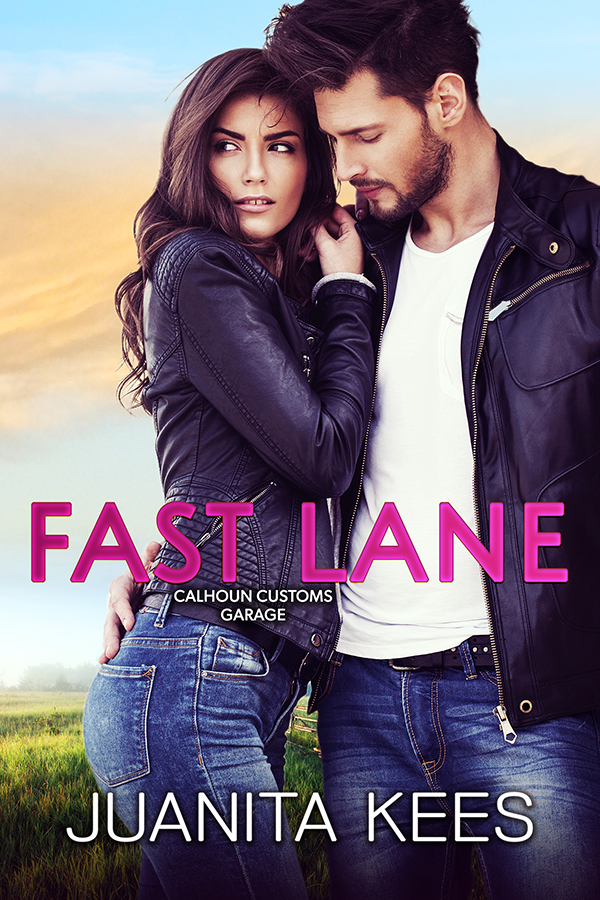
Fast Lane (Calhoun Customs Garage Book 2)
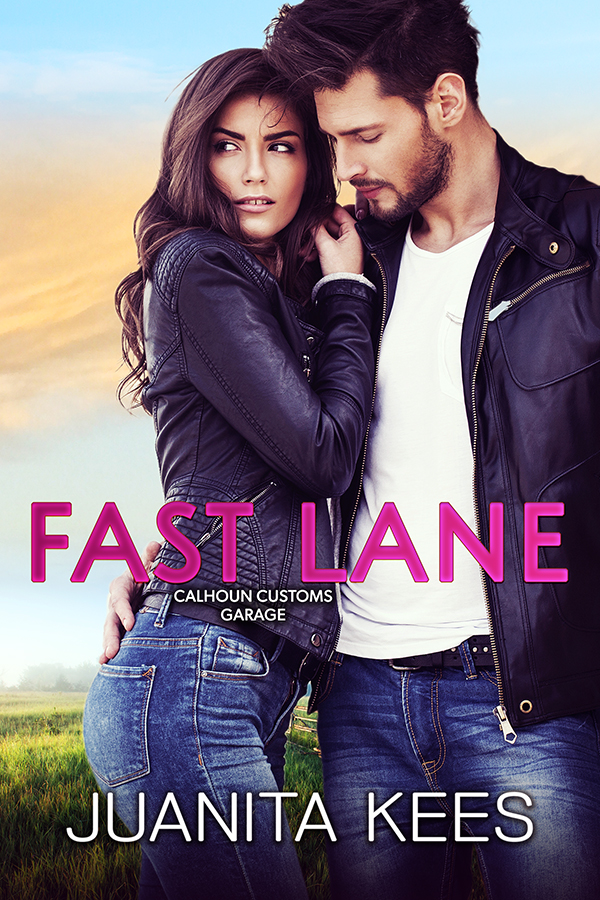
Trinity Calhoun is a name everyone knows on the race circuit, but her days in the hot seat are numbered. She’s tired of the limelight, meaningless relationships and long hours behind the wheel. When her father calls her and her sister home, she’s ready. She slips right back into the family business, finishing off the custom car projects her father has lined up. But racing is in her blood and she’s lured back to risking her life on the hot rod drag strips outside of town. It’s there she meets paramedic and volunteer firefighter, Reece Balmain, who has her re-thinking the road her life is taking.
Reece Balmain arrives in Big Fork a broken man. He’s lived and breathed through horror accidents, haunted by the faces of the people he’s cut from vehicles. He knows one thing–speed kills. He’s hoping not to see too much of it in small town Montana, until he hears about the drag races taking place outside of town. He knows Trinity Calhoun. He’s watched her race, seen her win, held his breath when her car somersaulted into barriers in Daytona Beach. He doesn’t like what she does, but he can’t stay away from the woman who’s claiming his heart.
Buy on:
Amazon US Kindle
Amazon Aust
Amazon UK
OVERDRIVE (Calhoun Customs Garage Book 1)
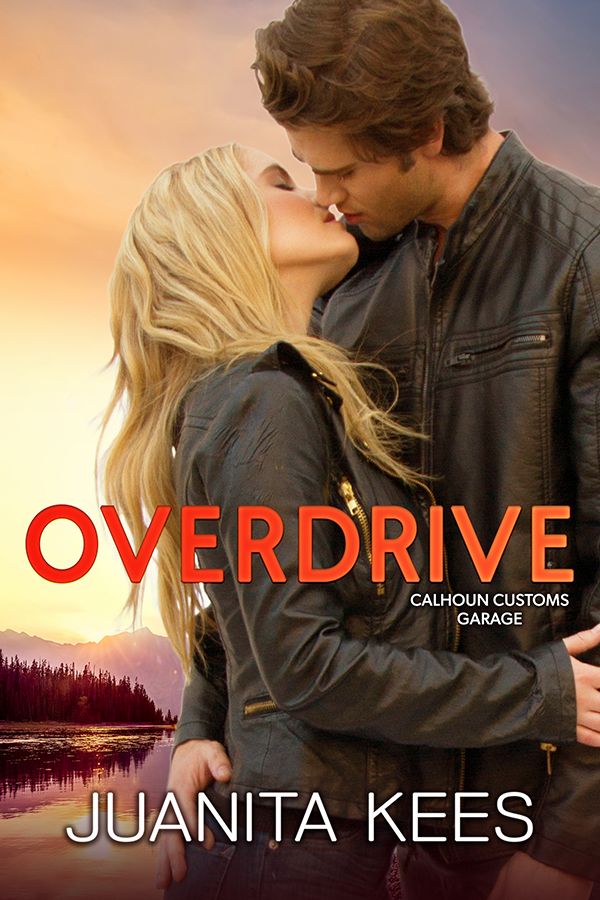
Chase Calhoun has worked hard at making Calhoun Customs a world-wide sensation and keeping his father’s dream alive. He hasn’t had time to think about settling down, so he’s not expecting to find love or new life hiding in the attic of their garage among the ghosts of his family’s past.
Charlotte Jackson is on the run from a rebellious past, determined to prove she can be a good mom to three-month-old baby, Zoe. Tired of being delegated to the back office of the racing team her famous NASCAR family owns, she sets out to establish herself as a custom design artist. But she’s out of money, luck and time, and she can’t hide in the attic at Calhoun Customs forever.
While Chase slowly loses his heart to his refrigerator thief and the baby bundle asleep in his laundry basket, Charlotte learns that sometimes family is more than just blood and DNA.
Buy on:
Amazon US Kindle
Amazon Paperback
Amazon Aust
Amazon UK
July 15, 2019
Rania Battany Talks on the Importance of Building Tension
This week we have author Rania Battany. She explains the importance of building tension in a story.
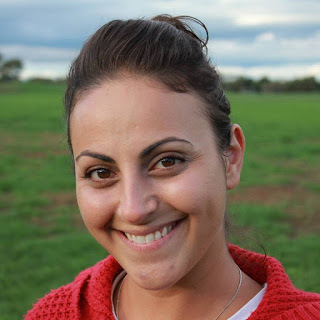
Rania Battany lives with her husband and three children in the beautiful Yarra Ranges, Victoria, Australia. When she isn’t getting her hands dirty in the garden, frolicking with her chickens or dog, or chasing after her three young children, she is writing contemporary romance novels that tug at the heartstrings or curled up with a cup of tea and a book.
Rania Battany on the web:
Website Facebook Instagram Twitter
Over to Rania...
Writing Craft: The importance of building the tension and chemistry between your hero and heroine (or your hero and hero/heroine and heroine).
Romance books end with ‘Happily Ever After’, or, at the very least, ‘Happy For Now’. It’s what romance readers want. It's one of the main reasons we choose to read this genre. We don't want to reach the last page and discover a twist in the story, finding then that the hero dies and the heroine is grief-stricken. We want to finish the last page with warm fuzzy feelings.Recently, a friend questioned whether I got bored with reading romance since, and I quote, “every book ends the same way”. I guess for a non-romance reader it can seem that way, especially considering I said above that every romance book ends with ‘Happily Ever After’. The truth is that while we know the story will end with the hero and heroine together, it’s the how we’re interested in. It’s watching how they overcome their hurdles, hardships and emotional baggage. In a paranormal romance, it may be discovering how they save the planet from an alien invasion. In a historical romance, it may be how the wealthy duchess finds a way to be with the poor groundskeeper. It’s the how that means so much to a romance reader, and that relies on one main thing: whether or not the reader believes in the connection between the hero and heroine.As readers, we need to be emotionally invested in the hero and heroine’s relationship. We need to be rooting for them to find their way, to become whole heartedly invested in them overcoming all obstacles. The connection needs to be strong enough to keep us interested in their struggle to be together. If we don’t feel the connection between the hero and heroine, then their struggle towards happily ever after won’t seem worth the time or effort to keep reading.Creating tension, desire and rapport between your hero and heroine is essential. Their attraction to each other can be either intellectual, emotional or physical, or all of the above. Either way, the connection needs to be believable. We need to be teased with glimpses of their growing affection. This may be in the form of secret glances in passing or their hands accidentally brushing. We need to feel the way their heart drums in their chest, or how their palms grow sweaty when they’re close to one another. Perhaps it’s more overt than that. Maybe it’s long conversations that establish a deeper connection or a traumatic incident that brings them closer together through understanding. Perhaps it’s a love/hate relationship, and we see them arguing passionately, only to feel the tension of their attraction burning beneath the surface, all the while begging to see how they finally come together.If you build the connection well enough, then the reader becomes invested—and longs for—all the big moments: The first time they touch, kiss … make love. It also makes their conflict—the one thing that pulls them apart, whether this is physical, external or internal—all that more powerful. It will keep your reader turning the page, eager to see if they make it through whatever is trying to keep them from being together. And when they do finally make it to their happy ever after, it is what will make us exhale one long dreamy sigh of relief.
Fleeting Moments
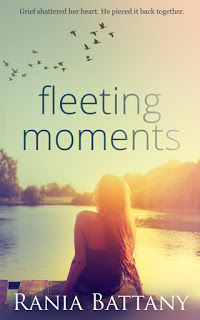
Maya is floundering. She’s stuck in a dead-end job, is isolated from family and friends, and her father—the only person that ever truly understood her—has been gone four years. When her boyfriend leaves her for another woman, the rocky foundations of Maya’s life crumble to dust, and she sinks even further into the pit of grief and despair.
Until she meets him. Sam. The one with the animated smile and gentle eyes, who always sees the positive no matter how bad the negative. And the one who reignites Maya’s passion through his enthusiasm and zest, helping to rebuild her life, piece by piece.
But when ghosts from Maya’s past resurface, her decisions almost destroy the few important relationships she has left, and the happiness she’s so recently found is threatened. She must overcome her demons and decide what matters most—the familiarity of the past, or the hope, love and possibilities of the future.
Buy on:
Amazon Kindle
Amazon Aust Amazon UK
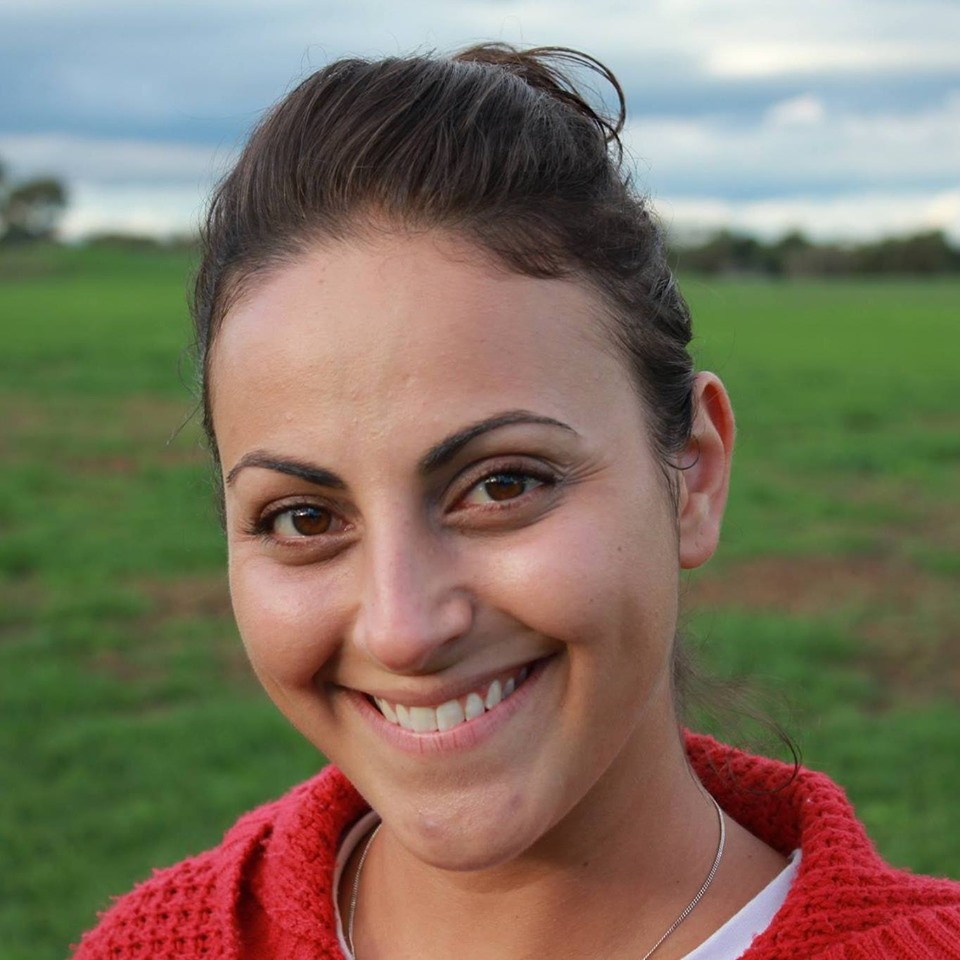
Rania Battany lives with her husband and three children in the beautiful Yarra Ranges, Victoria, Australia. When she isn’t getting her hands dirty in the garden, frolicking with her chickens or dog, or chasing after her three young children, she is writing contemporary romance novels that tug at the heartstrings or curled up with a cup of tea and a book.
Rania Battany on the web:
Website Facebook Instagram Twitter
Over to Rania...
Writing Craft: The importance of building the tension and chemistry between your hero and heroine (or your hero and hero/heroine and heroine).
Romance books end with ‘Happily Ever After’, or, at the very least, ‘Happy For Now’. It’s what romance readers want. It's one of the main reasons we choose to read this genre. We don't want to reach the last page and discover a twist in the story, finding then that the hero dies and the heroine is grief-stricken. We want to finish the last page with warm fuzzy feelings.Recently, a friend questioned whether I got bored with reading romance since, and I quote, “every book ends the same way”. I guess for a non-romance reader it can seem that way, especially considering I said above that every romance book ends with ‘Happily Ever After’. The truth is that while we know the story will end with the hero and heroine together, it’s the how we’re interested in. It’s watching how they overcome their hurdles, hardships and emotional baggage. In a paranormal romance, it may be discovering how they save the planet from an alien invasion. In a historical romance, it may be how the wealthy duchess finds a way to be with the poor groundskeeper. It’s the how that means so much to a romance reader, and that relies on one main thing: whether or not the reader believes in the connection between the hero and heroine.As readers, we need to be emotionally invested in the hero and heroine’s relationship. We need to be rooting for them to find their way, to become whole heartedly invested in them overcoming all obstacles. The connection needs to be strong enough to keep us interested in their struggle to be together. If we don’t feel the connection between the hero and heroine, then their struggle towards happily ever after won’t seem worth the time or effort to keep reading.Creating tension, desire and rapport between your hero and heroine is essential. Their attraction to each other can be either intellectual, emotional or physical, or all of the above. Either way, the connection needs to be believable. We need to be teased with glimpses of their growing affection. This may be in the form of secret glances in passing or their hands accidentally brushing. We need to feel the way their heart drums in their chest, or how their palms grow sweaty when they’re close to one another. Perhaps it’s more overt than that. Maybe it’s long conversations that establish a deeper connection or a traumatic incident that brings them closer together through understanding. Perhaps it’s a love/hate relationship, and we see them arguing passionately, only to feel the tension of their attraction burning beneath the surface, all the while begging to see how they finally come together.If you build the connection well enough, then the reader becomes invested—and longs for—all the big moments: The first time they touch, kiss … make love. It also makes their conflict—the one thing that pulls them apart, whether this is physical, external or internal—all that more powerful. It will keep your reader turning the page, eager to see if they make it through whatever is trying to keep them from being together. And when they do finally make it to their happy ever after, it is what will make us exhale one long dreamy sigh of relief.
Fleeting Moments
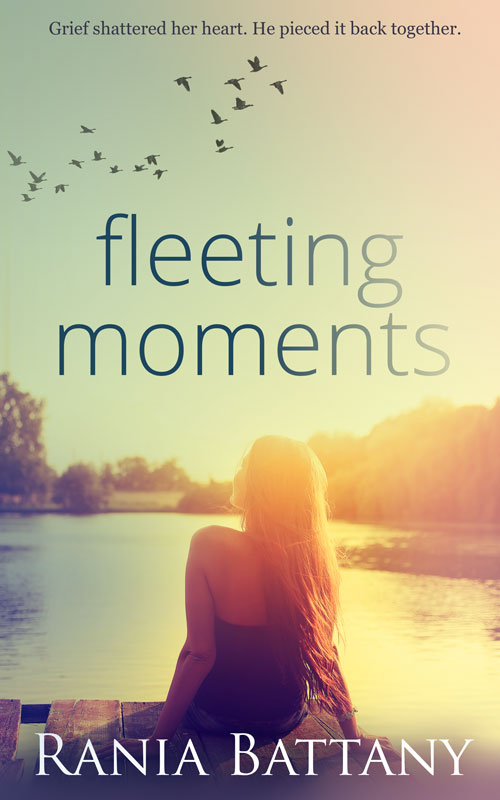
Maya is floundering. She’s stuck in a dead-end job, is isolated from family and friends, and her father—the only person that ever truly understood her—has been gone four years. When her boyfriend leaves her for another woman, the rocky foundations of Maya’s life crumble to dust, and she sinks even further into the pit of grief and despair.
Until she meets him. Sam. The one with the animated smile and gentle eyes, who always sees the positive no matter how bad the negative. And the one who reignites Maya’s passion through his enthusiasm and zest, helping to rebuild her life, piece by piece.
But when ghosts from Maya’s past resurface, her decisions almost destroy the few important relationships she has left, and the happiness she’s so recently found is threatened. She must overcome her demons and decide what matters most—the familiarity of the past, or the hope, love and possibilities of the future.
Buy on:
Amazon Kindle
Amazon Aust Amazon UK
June 10, 2019
Finding the Balance Between Reality and Fantasy: Part 2 by Dani Collins
We have author Dani Collins this week talking about "Finding Balance Between Reality and Fantasy". She also has a new book out this month, Untouched Until Her Ultra-Rich Husband.

Award-winning and USA Today Bestselling author Dani Collins thrives on giving readers emotional, compelling, heart-soaring romance with some laughter and heat thrown in, just like real life. Mostly she writes contemporary romance for Harlequin Presents and Tule’s Montana Born, but her backlist of fifty books also includes self-published erotic romance, romantic comedy, and even an epic medieval fantasy. When she’s not writing—just kidding, she’s always writing. Look for Dani’s latest Presents, Untouched Until Her Ultra-Rich Husband, out now!
Dani Collins on the web:
Website Facebook Twitter Instagram
Finding the Balance Between Reality and Fantasy: Part 2
One of the most common criticisms of the romance genre is that it’s not ‘realistic.’ I take issue with this because I work really hard to make my characters relatable and ‘real.’
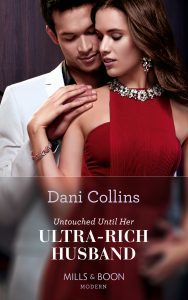
At the same time, with Harlequin Presents/Mills & Boon Modern, the whole point is to sweep the reader into a world of glamor and luxury. In my latest book, Untouched Until Her Ultra-Rich Husband, I was asked to take those touches of wealth into the stratosphere, which ran the risk of being cartoonish.
Today I’ll share some tips on how I build the fantasy world of obscene wealth (when I don’t actually live one myself) yet ensure my characters feel like someone the reader wants to be friends with.
Part 1 of this 2 part post is on Revisions & Editions here.
3) Allow the characters to acknowledge what the reader is probably thinking—that this is over-the-top.
My heroine, Luli, has been living in Gabriel’s grandmother’s Singaporean mansion. She isn’t a complete stranger to Gabriel’s standard of living, but she’s been a servant and sheltered in other ways. When he buys her a trousseau in Paris, she doesn’t appreciate until later how much it costs:
“What reason would I have to lie?”“The twenty million I just dropped on clothes and shoes, perhaps?”“You didn’t.” She stopped dancing. The world continued to sway and swirl. She thought she might faint as all her lifeblood dropped into her feet. “Please say it wasn’t that much.”“With the ring, closer to thirty. It’s Paris, Luli. What did you think?”
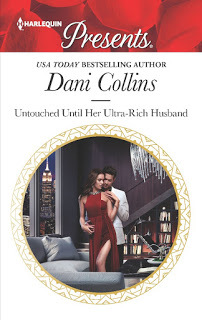 Sequin-covered bikinis and formal evening gowns were expensive, but they were the price of pageant entry, maybe the cost of bus fare or a flight to get to the competition. They weren’t the value of a district’s worth of housing. What had she done? She clung to his sleeve to keep herself upright, vision hazy as she absorbed that she had indebted herself to him far beyond anything she could have imagined.
4) Show the characters valuing things beyond material wealth
After the scene above, Luli suffers a type of culture shock. Gabriel shows her his aquarium to soothe her, because who doesn’t chill out when they watch fish swim? It’s still a ridiculously expensive aquarium, but the value is in the way it meets her needs in the moment.
He didn’t turn on any lights as they entered the massive room with the massive bed. She barely looked that direction or took in anything else. She was drawn to the primordial glow of the floor-to-ceiling aquarium.She gasped, pulled forward by the muted burble to feast her eyes on the iridescent blues and neon pinks, the fierce reds and flashing yellows. Spots adorned long lacy tails that swished in slow motion while striped orange missiles darted into crevices in the colorful fingers of coral and swaying blades of sea grass.She didn’t know where to look and grew dizzy trying to take it all in. She wanted to lean against the glass, breath fogging upon it as she watched.
5) Show the characters wanting what all humans want – human connection
Luli is an ex-beauty pageant contestant from Venezuela being held as an indentured servant in Singapore who has taught herself computer programming. You may be excused for thinking she sounds a bit far-fetched, but I’m receiving a lot of great feedback on her. I think it’s because readers relate to her loneliness, though she doesn’t wallow in it. Here she’s explaining one of the reasons the rest of the servants didn’t like her:
“I sat in on the butler’s meetings with Mae when they reviewed household expenses and raises. It was my task to prepare the performance reviews and suggest appropriate wage increases.”Gabriel’s laugh was a single cut of disbelief. “Have you made any friends here?”“Perhaps you’ll be my first,” she said with a smile of false hope.
As you can see, keeping the reader believing the story—no matter how outlandish it might be—comes down to showing character reactions and making those reactions relatable. The reader doesn’t need to believe the world is real, only that the people within it are actually a lot like herself.
FUN FACT: Ironically, Luli was inspired by a real person. While my son was at school learning computer programming, he mentioned his classmate named Luli. I liked her name so much, I stole it for my heroine (with her permission.)
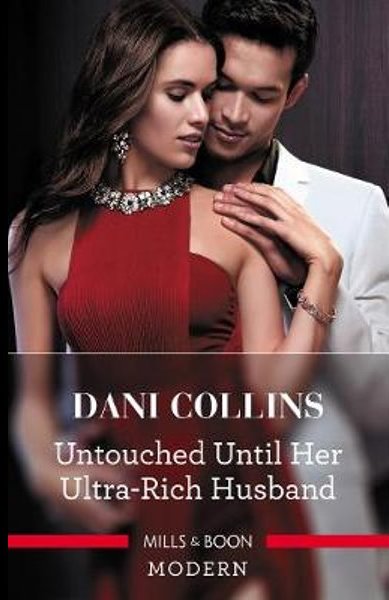
Untouched Until Her Ultra-Rich Husband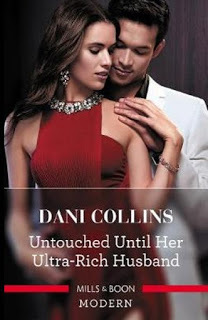
The only woman to challenge him…
…is the only woman he’ll marry!
Multibillionaire Gabriel Dean is so outrageously wealthy that when computer genius Luli Cruz uses her skills to hold his inheritance to ransom, her audacity simply amuses him! Innocent Luli needs Gabriel’s help to avoid destitution. Gabriel’s solution? He’ll secure both their futures by marrying her! But sweeping wide-eyed Luli into his luxurious world, Gabriel discovers the chemistry with his untouched wife is priceless…
Welcome to the exclusive world of the ultra-rich…
Buy on:
Amazon Kindle Amazon Paperback
Amazon Aust Amazon UK

Award-winning and USA Today Bestselling author Dani Collins thrives on giving readers emotional, compelling, heart-soaring romance with some laughter and heat thrown in, just like real life. Mostly she writes contemporary romance for Harlequin Presents and Tule’s Montana Born, but her backlist of fifty books also includes self-published erotic romance, romantic comedy, and even an epic medieval fantasy. When she’s not writing—just kidding, she’s always writing. Look for Dani’s latest Presents, Untouched Until Her Ultra-Rich Husband, out now!
Dani Collins on the web:
Website Facebook Twitter Instagram
Finding the Balance Between Reality and Fantasy: Part 2
One of the most common criticisms of the romance genre is that it’s not ‘realistic.’ I take issue with this because I work really hard to make my characters relatable and ‘real.’

At the same time, with Harlequin Presents/Mills & Boon Modern, the whole point is to sweep the reader into a world of glamor and luxury. In my latest book, Untouched Until Her Ultra-Rich Husband, I was asked to take those touches of wealth into the stratosphere, which ran the risk of being cartoonish.
Today I’ll share some tips on how I build the fantasy world of obscene wealth (when I don’t actually live one myself) yet ensure my characters feel like someone the reader wants to be friends with.
Part 1 of this 2 part post is on Revisions & Editions here.
3) Allow the characters to acknowledge what the reader is probably thinking—that this is over-the-top.
My heroine, Luli, has been living in Gabriel’s grandmother’s Singaporean mansion. She isn’t a complete stranger to Gabriel’s standard of living, but she’s been a servant and sheltered in other ways. When he buys her a trousseau in Paris, she doesn’t appreciate until later how much it costs:
“What reason would I have to lie?”“The twenty million I just dropped on clothes and shoes, perhaps?”“You didn’t.” She stopped dancing. The world continued to sway and swirl. She thought she might faint as all her lifeblood dropped into her feet. “Please say it wasn’t that much.”“With the ring, closer to thirty. It’s Paris, Luli. What did you think?”
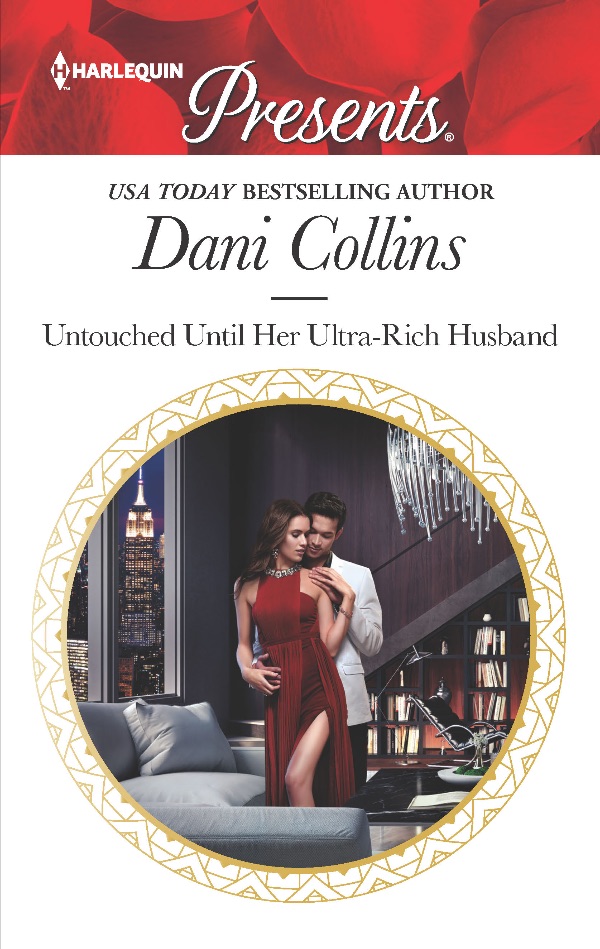 Sequin-covered bikinis and formal evening gowns were expensive, but they were the price of pageant entry, maybe the cost of bus fare or a flight to get to the competition. They weren’t the value of a district’s worth of housing. What had she done? She clung to his sleeve to keep herself upright, vision hazy as she absorbed that she had indebted herself to him far beyond anything she could have imagined.
4) Show the characters valuing things beyond material wealth
After the scene above, Luli suffers a type of culture shock. Gabriel shows her his aquarium to soothe her, because who doesn’t chill out when they watch fish swim? It’s still a ridiculously expensive aquarium, but the value is in the way it meets her needs in the moment.
He didn’t turn on any lights as they entered the massive room with the massive bed. She barely looked that direction or took in anything else. She was drawn to the primordial glow of the floor-to-ceiling aquarium.She gasped, pulled forward by the muted burble to feast her eyes on the iridescent blues and neon pinks, the fierce reds and flashing yellows. Spots adorned long lacy tails that swished in slow motion while striped orange missiles darted into crevices in the colorful fingers of coral and swaying blades of sea grass.She didn’t know where to look and grew dizzy trying to take it all in. She wanted to lean against the glass, breath fogging upon it as she watched.
5) Show the characters wanting what all humans want – human connection
Luli is an ex-beauty pageant contestant from Venezuela being held as an indentured servant in Singapore who has taught herself computer programming. You may be excused for thinking she sounds a bit far-fetched, but I’m receiving a lot of great feedback on her. I think it’s because readers relate to her loneliness, though she doesn’t wallow in it. Here she’s explaining one of the reasons the rest of the servants didn’t like her:
“I sat in on the butler’s meetings with Mae when they reviewed household expenses and raises. It was my task to prepare the performance reviews and suggest appropriate wage increases.”Gabriel’s laugh was a single cut of disbelief. “Have you made any friends here?”“Perhaps you’ll be my first,” she said with a smile of false hope.
As you can see, keeping the reader believing the story—no matter how outlandish it might be—comes down to showing character reactions and making those reactions relatable. The reader doesn’t need to believe the world is real, only that the people within it are actually a lot like herself.
FUN FACT: Ironically, Luli was inspired by a real person. While my son was at school learning computer programming, he mentioned his classmate named Luli. I liked her name so much, I stole it for my heroine (with her permission.)
Untouched Until Her Ultra-Rich Husband
The only woman to challenge him…
…is the only woman he’ll marry!
Multibillionaire Gabriel Dean is so outrageously wealthy that when computer genius Luli Cruz uses her skills to hold his inheritance to ransom, her audacity simply amuses him! Innocent Luli needs Gabriel’s help to avoid destitution. Gabriel’s solution? He’ll secure both their futures by marrying her! But sweeping wide-eyed Luli into his luxurious world, Gabriel discovers the chemistry with his untouched wife is priceless…
Welcome to the exclusive world of the ultra-rich…
Buy on:
Amazon Kindle Amazon Paperback
Amazon Aust Amazon UK
May 14, 2019
Writing Rules with Author Georgia Carter Mathers!
Author Georgia Carter Mathers is talking about "Writing Rules!"
 Love is just around the corner when you open one of Georgia's books. This is her promise to you. She writes paranormal romance to chase happiness. There is so much hate and misery in this world, and she wants to show that love can conquer all.
Some of her stories talk about issues that feel insurmountable, but her stories always end with a happy ever after. That is the point. No problem is too big.
Her stories are written about those who conquer it all, and she hopes you find hope and happiness within her books.
Georgia on the web:
Facebook Twitter Website
Free book can be obtained here: https://georgiacartermathers.com/free-book/
Over to Georgia now...
Most creative writing rules are there to be followed, but in some respects, most of these rules can and should be broken.
However, there is one rule I will never break: write for your audience.
Let me explain with an analogy.
Writing is a bit like driving.
When you're learning, you follow (or should follow) the road rules to the letter.
You don't want to make a mistake, and you don't want to have an accident.
But as you grow as a driver (and similarly as a writer), you learn when it is okay to break those rules.
You learn you have to do certain things to achieve your goal—to get to a certain place safely.
With writing, you learn you have to serve your readers’ needs. Otherwise, you will have no career.
Of course, those authors who write literary fiction will never admit to needing to serve their audiences’ needs.
They will tell you proudly they produce their art from deep within their psyche and that they will never adhere to trends.
But in the end, they are merely serving literary fiction tropes. Nothing more.
Literary fiction audiences expect them to produce something that emanates from their psyche, talking about the human condition etc. etc.
Learning this is part of each writer's journey.
My process is to take inspiration from my environment and surrounds, and I apply this stimulus to the type of story I am trying to write.
Many writers and creative producers see themselves as mirrors of society, and in many respects, I adhere to the view that cultural production is a massive circular process with no end and no beginning.
Most creative writing rules are there to ensure the story is communicated as clearly as possible.
So of course, writers ignore these particular rules at their own risk.
But other creative writing rules are nothing more than elements of style. Others become a matter of politics, control, and belief.
Writing has always been a political activity. Particularly, if you are writing in a genre people enjoy.
Those who think books should only be reflective, academic, or informative politicize romance as books for those who don’t want to think too hard or those who want porn.
They frame romance and all its sub-genres as books for the masses who want titillation.
Effectively, their criticisms and assumptions try to censor and control the reading preferences of others.
Writing rules operate hand-in-hand with these elements of control.
Some authors will argue until the cows come home whether the Oxford Comma should be used, or whether an author should write outside of their personal experience.
Should a book be denied publication because the writer is black or white?
Should a book about mental illness be written, even if the writer has had little experience of mental illness?
Some new writers ask whether they should use a sensitivity reader or not.
Should they write in US English?
Should they publish their first book?
All these issues need to be considered in the context of the audience.
In the end, the writer needs to work to produce a book that best serves the audience’s needs.
This is the overriding rule to which I adhere.
It is the one rule I advise new writers to use as their guide. It may seem vague, but in the end, it will serve you well.
Georgia says...
I have recently launched two new reverse harem books about Amanda, a Fire Witch. She can't resist her hot addictions (five sexy-as-hell fire marshals), and it gets awful hot along the way. You can see the first book here: http://bit.ly/ClaimingHerFireMarshals
Claiming Her Fire Marshals: A Paranormal Reverse Harem Prologue (Hot Addictions Book 1)
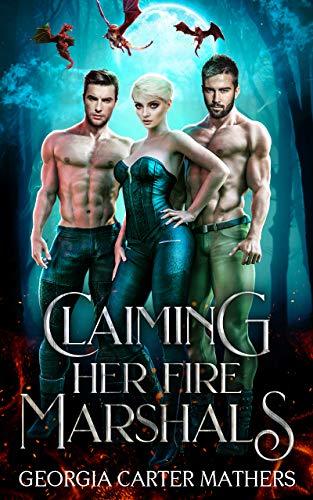
Amanda's five fire marshals are more than just eye candy.
Sure. They're sexy. They're sweet. But there is more to them than just that. And the Fire Jinns are telling Amanda she should take all five of them.
My God. Her body isn’t arguing.
But her sisters of the Ruling Coven won’t approve. Not ever.
She should take a cold shower. Better make that five cold showers. But damn…
She should take what is hers anyway. This is more than lust.
If you love heroines not afraid to take what they want, be sure to pick up Claiming Her Fire Marshals now.
Buy on:
Amazon US
Amazon Aust
Amazon UK
Book 2 in Hot Addictions series:
Claiming Her Dragons: A Paranormal Reverse Harem (Hot Addictions Book 2)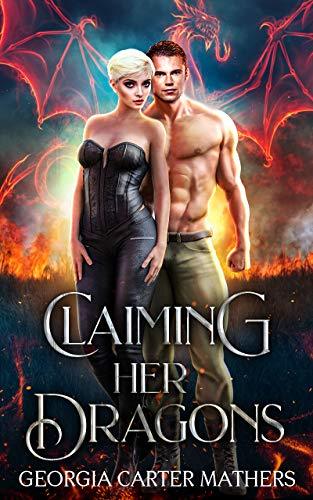
Dragons are more fun when they've been cursed.
And when they've agreed to Amanda's terms. She wants them all. Why not be a little naughty? Even when a fire investigation drops them into an explosive situation, she's not going to let that stop her.
Each one of her dragons are different in their own way. Insecurities? Yep. Emotional baggage? Yep. Ability to make her forget her own name. Yep.
They make her do stuff. At least, stuff her sisters wouldn’t let her do.
Until now.
If you love watching all the different ways a dragon can be at a Fire Witch's beck and call, you'll love reading this fast-paced, sexy reverse harem.
PreOrder:
Amazon US
Amazon Aust
Amazon UK
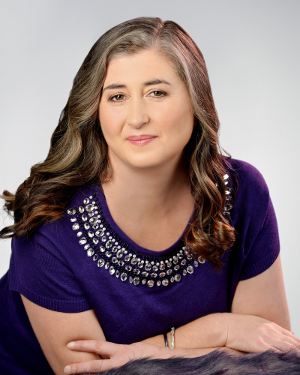 Love is just around the corner when you open one of Georgia's books. This is her promise to you. She writes paranormal romance to chase happiness. There is so much hate and misery in this world, and she wants to show that love can conquer all.
Some of her stories talk about issues that feel insurmountable, but her stories always end with a happy ever after. That is the point. No problem is too big.
Her stories are written about those who conquer it all, and she hopes you find hope and happiness within her books.
Georgia on the web:
Facebook Twitter Website
Free book can be obtained here: https://georgiacartermathers.com/free-book/
Over to Georgia now...
Most creative writing rules are there to be followed, but in some respects, most of these rules can and should be broken.
However, there is one rule I will never break: write for your audience.
Let me explain with an analogy.
Writing is a bit like driving.
When you're learning, you follow (or should follow) the road rules to the letter.
You don't want to make a mistake, and you don't want to have an accident.
But as you grow as a driver (and similarly as a writer), you learn when it is okay to break those rules.
You learn you have to do certain things to achieve your goal—to get to a certain place safely.
With writing, you learn you have to serve your readers’ needs. Otherwise, you will have no career.
Of course, those authors who write literary fiction will never admit to needing to serve their audiences’ needs.
They will tell you proudly they produce their art from deep within their psyche and that they will never adhere to trends.
But in the end, they are merely serving literary fiction tropes. Nothing more.
Literary fiction audiences expect them to produce something that emanates from their psyche, talking about the human condition etc. etc.
Learning this is part of each writer's journey.
My process is to take inspiration from my environment and surrounds, and I apply this stimulus to the type of story I am trying to write.
Many writers and creative producers see themselves as mirrors of society, and in many respects, I adhere to the view that cultural production is a massive circular process with no end and no beginning.
Most creative writing rules are there to ensure the story is communicated as clearly as possible.
So of course, writers ignore these particular rules at their own risk.
But other creative writing rules are nothing more than elements of style. Others become a matter of politics, control, and belief.
Writing has always been a political activity. Particularly, if you are writing in a genre people enjoy.
Those who think books should only be reflective, academic, or informative politicize romance as books for those who don’t want to think too hard or those who want porn.
They frame romance and all its sub-genres as books for the masses who want titillation.
Effectively, their criticisms and assumptions try to censor and control the reading preferences of others.
Writing rules operate hand-in-hand with these elements of control.
Some authors will argue until the cows come home whether the Oxford Comma should be used, or whether an author should write outside of their personal experience.
Should a book be denied publication because the writer is black or white?
Should a book about mental illness be written, even if the writer has had little experience of mental illness?
Some new writers ask whether they should use a sensitivity reader or not.
Should they write in US English?
Should they publish their first book?
All these issues need to be considered in the context of the audience.
In the end, the writer needs to work to produce a book that best serves the audience’s needs.
This is the overriding rule to which I adhere.
It is the one rule I advise new writers to use as their guide. It may seem vague, but in the end, it will serve you well.
Georgia says...
I have recently launched two new reverse harem books about Amanda, a Fire Witch. She can't resist her hot addictions (five sexy-as-hell fire marshals), and it gets awful hot along the way. You can see the first book here: http://bit.ly/ClaimingHerFireMarshals
Claiming Her Fire Marshals: A Paranormal Reverse Harem Prologue (Hot Addictions Book 1)

Amanda's five fire marshals are more than just eye candy.
Sure. They're sexy. They're sweet. But there is more to them than just that. And the Fire Jinns are telling Amanda she should take all five of them.
My God. Her body isn’t arguing.
But her sisters of the Ruling Coven won’t approve. Not ever.
She should take a cold shower. Better make that five cold showers. But damn…
She should take what is hers anyway. This is more than lust.
If you love heroines not afraid to take what they want, be sure to pick up Claiming Her Fire Marshals now.
Buy on:
Amazon US
Amazon Aust
Amazon UK
Book 2 in Hot Addictions series:
Claiming Her Dragons: A Paranormal Reverse Harem (Hot Addictions Book 2)

Dragons are more fun when they've been cursed.
And when they've agreed to Amanda's terms. She wants them all. Why not be a little naughty? Even when a fire investigation drops them into an explosive situation, she's not going to let that stop her.
Each one of her dragons are different in their own way. Insecurities? Yep. Emotional baggage? Yep. Ability to make her forget her own name. Yep.
They make her do stuff. At least, stuff her sisters wouldn’t let her do.
Until now.
If you love watching all the different ways a dragon can be at a Fire Witch's beck and call, you'll love reading this fast-paced, sexy reverse harem.
PreOrder:
Amazon US
Amazon Aust
Amazon UK
April 22, 2019
Adverbs with Jane Godman
Author Jane Godman is talking about
Adverbs
. She has a new book out this month, Colton's Secret Bodyguard (The Colton's of Roaring Spring).

JANE GODMAN is a 2019 Romantic Novelists’ Award winner and 2018 Daphne du Maurier Award finalist. She writes thrillers for Harlequin Romantic Suspense/Mills and Boon Heroes and paranormal romance for Harlequin Nocturne/Mills and Boon Supernatural and St. Martin’s Press Romance. She also self publishes her historical and gothic stories.Jane was born in Scotland and has lived in Germany, Wales, Malta, South Africa, and England. She still gets the urge to travel, although these days she tends to head for a Spanish beach, or a European city that is steeped in history. When she isn’t reading or writing romance, Jane enjoys cooking, spending time with her family, and enjoying the antics of her dogs, Gravy and Vera.
Connect with Jane Godman on the web:
Website Facebook Twitter Goodreads
Are Adverbs the Enemy?“I believe the road to hell is paved with adverbs.”Stephen King
It’s a well-known quote. But, seriously, what’s wrong with adverbs? They have served a useful purpose for centuries. Should they be banished because of a new “rule”? Firstly, let me say that, in my opinion, there is nothing wrong with adverbs. Oh, and there are no “rules” in writing.While there’s nothing wrong with adverbs, they can get in the way of richer language. If a dog is barking, is it necessary to say it’s doing it ‘loudly’? If a person is running, there is no need to add that they’re doing it ‘quickly’.Stephen King was giving good advice to writers to guard against the temptation to overuse adverbs. We should focus on strong, vivid verbs instead. There is no rule about eliminating all adverbs. Instead, we should strive to be precise in our wording.Adverbs can distance the reader or fill in details the reader should be filling in. Too many adverbs take away the reader’s ability to put their own interpretation on a story’s events. And too many adverbs can get wordy (or boring).Then again, there are always examples that break the “rules”…No live organism can continue for long to exist sanely under conditions of absolute reality; even larks and katydids are supposed, by some, to dream. Hill House, not sane, stood by itself against the hills, holding darkness within; it had stood so for eighty years and might stand for eighty more. Within, walls continued upright, bricks met neatly, floors were firm, and doors were sensibly shut; silence lay steadily against the wood and stone of Hill House, and whatever walked there, walked alone.
The Haunting of Hill House, Shirley Jackson.
Would the “no adverbs” rule have improved this opening?
My advice would be to use adverbs when they add something to your writing. If you find yourself relying on them, try finding alternatives. If a character “surges up” from her seat it makes more impact than saying she “rose quickly”.
As always, it’s important to remember that, when it comes to writing, there are no rules, only advice.
Colton’s Secret Bodyguard (The Coltons of Roaring Spring)
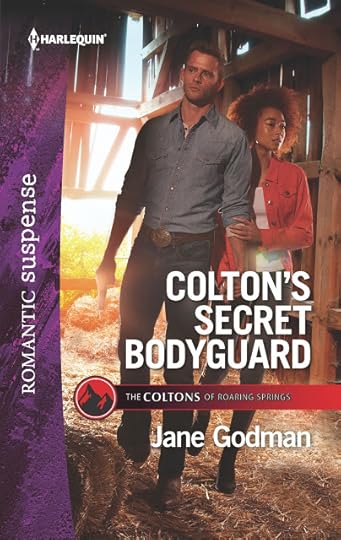
His mission: keep her safe, no matter what…
A Coltons of Roaring Springs thriller.
Just as Bree Colton is about to take the local art world by storm, someone is determined to sabotage her success…unless Rylan Bennet can keep her safe. Bree doesn’t want anyone to protect her—not even gorgeous Rylan, whose secrets threaten them both. But can the former soldier win the battle for Bree’s heart and the war against a sinister foe?
Buy on:
Amazon Kindle Amazon Paperback
Amazon UK Amazon Aust
Harlequin B&N
Kobo Book Depository iBooks

JANE GODMAN is a 2019 Romantic Novelists’ Award winner and 2018 Daphne du Maurier Award finalist. She writes thrillers for Harlequin Romantic Suspense/Mills and Boon Heroes and paranormal romance for Harlequin Nocturne/Mills and Boon Supernatural and St. Martin’s Press Romance. She also self publishes her historical and gothic stories.Jane was born in Scotland and has lived in Germany, Wales, Malta, South Africa, and England. She still gets the urge to travel, although these days she tends to head for a Spanish beach, or a European city that is steeped in history. When she isn’t reading or writing romance, Jane enjoys cooking, spending time with her family, and enjoying the antics of her dogs, Gravy and Vera.
Connect with Jane Godman on the web:
Website Facebook Twitter Goodreads
Are Adverbs the Enemy?“I believe the road to hell is paved with adverbs.”Stephen King
It’s a well-known quote. But, seriously, what’s wrong with adverbs? They have served a useful purpose for centuries. Should they be banished because of a new “rule”? Firstly, let me say that, in my opinion, there is nothing wrong with adverbs. Oh, and there are no “rules” in writing.While there’s nothing wrong with adverbs, they can get in the way of richer language. If a dog is barking, is it necessary to say it’s doing it ‘loudly’? If a person is running, there is no need to add that they’re doing it ‘quickly’.Stephen King was giving good advice to writers to guard against the temptation to overuse adverbs. We should focus on strong, vivid verbs instead. There is no rule about eliminating all adverbs. Instead, we should strive to be precise in our wording.Adverbs can distance the reader or fill in details the reader should be filling in. Too many adverbs take away the reader’s ability to put their own interpretation on a story’s events. And too many adverbs can get wordy (or boring).Then again, there are always examples that break the “rules”…No live organism can continue for long to exist sanely under conditions of absolute reality; even larks and katydids are supposed, by some, to dream. Hill House, not sane, stood by itself against the hills, holding darkness within; it had stood so for eighty years and might stand for eighty more. Within, walls continued upright, bricks met neatly, floors were firm, and doors were sensibly shut; silence lay steadily against the wood and stone of Hill House, and whatever walked there, walked alone.
The Haunting of Hill House, Shirley Jackson.
Would the “no adverbs” rule have improved this opening?
My advice would be to use adverbs when they add something to your writing. If you find yourself relying on them, try finding alternatives. If a character “surges up” from her seat it makes more impact than saying she “rose quickly”.
As always, it’s important to remember that, when it comes to writing, there are no rules, only advice.
Colton’s Secret Bodyguard (The Coltons of Roaring Spring)

His mission: keep her safe, no matter what…
A Coltons of Roaring Springs thriller.
Just as Bree Colton is about to take the local art world by storm, someone is determined to sabotage her success…unless Rylan Bennet can keep her safe. Bree doesn’t want anyone to protect her—not even gorgeous Rylan, whose secrets threaten them both. But can the former soldier win the battle for Bree’s heart and the war against a sinister foe?
Buy on:
Amazon Kindle Amazon Paperback
Amazon UK Amazon Aust
Harlequin B&N
Kobo Book Depository iBooks
April 1, 2019
Chocolate Empires and the Women Who Made Them by Eliza Redgold
We have author Eliza Redgold talking about
Chocolate Empires and the Women Who Made Them
this week!
Eliza Redgold is an author and ‘romantic academic’. Her natural pen name is based upon the old, Gaelic meaning of her name, Dr Elizabeth Reid Boyd. English folklore has it that if you help a fairy, you will be rewarded with red gold. She writes fiction as Eliza Redgold and non-fiction as Elizabeth Reid Boyd. She is represented by Joelle Delbourgo Associates US.Eliza Redgold’s bestselling historical fiction includes her Ladies of Legend trilogy, starting with “NAKED: A Novel of Lady Godiva” released internationally by St Martin’s Press New York. Her ‘Romance your Senses’ series of contemporary romances are published by Harlequin (MIRA) Australia. Her Victorian historical romances are published by Harlequin Historical London (Harper Collins) and translated internationally. They include the W.H. Smith historical romance bestseller ‘Playing the Duke’s Mistress’. Her new Harlequin Historical ‘The Scandalous Suffragette’ is out now.
Eliza Redgold on the web:
Website Facebook Twitter Author Page
Chocolate Empires and the Women Who Made Them
“Every step of the process of making chocolates had always fascinated her. Now she was seeking improvements in the procedure. Sometimes she took visitors on tours, to show them how their famed floral creams were made, from start to finish. The cocoa beans came from the Orient. They were ground into a buttery mass. At the factory, in huge vats, sugar and milk were added and cooked together, to make a delicious smelling warm liquid. When the liquid was evaporated, a crumbly chocolate mixture was created, put through a mill, and mixed with liquid and butter, to the correct consistency for Coombes Floral Creams.In another part of the factory, essences were made from fruit and flower petals, to make the flavouring syrups. They stood in glass bottles, glowing in jewel colours. The syrups were mixed with sugar and cream, then kneaded by hand smooth fondant. The fondants were then dipped by hand into the chocolate, by women Violet had known since she was a little girl. A crystallised petal, dusted in sugar, was always the final element. After scrubbing her hands, she’d often been allowed to place the petal on the top of the completed chocolate sweet.The process looked easy, but Violet knew how many times her father had failed at creating the taste that made their chocolate fondants so popular. He’d never given up.That was the Coombes way, Violet reminded herself.”~ Extract from ‘The Scandalous Suffragette’ by Eliza Redgold When chocolate heiress Violet Coombes is caught hanging her suffragette banner in a most shocking place, Adam Beaufort Esquire proposes a marriage of convenience! His good name will avert scandal for her family, and her money will save the estate Adam’s father gambled away. Violet accepts, but she’s determined nothing will distract her from the Cause – including her oh-so-tempting husband!
I am thrilled to present ‘The Scandalous Suffragette’ : Harlequin Historical’s first ever Edwardian romance.Violet’s story is inspired by the daring suffragettes who fought for the women’s vote. Today we might not be able to imagine what it was like to have no vote and few legal rights, but in Violet’s time this battle had not yet been won.
The time period in which Violet’s story is set was when great chocolate empires such as Cadbury and Fry had come to prominence. The confectioners generally provided excellent conditions for their workers, especially for women. In this, Violet’s goals at Coombes Chocolates factory make her very much a woman of her times.
It also meant I had to research … chocolate!
My extensive research had me delving into the history of chocolate factories, such Bournvillevillage in England, which was built especially for the factory workers. The original ‘factory in a garden’, it was designed to make working life … sweeter. Seriously, it’s an inspiration, and a dream we could do with re-imagining today.
I was also forced to taste a range of floral-flavoured chocolate fondants. Fortunately, edible flowers are coming back into fashion, so I was able to do some vital tests.
Here are a few of my findings on where to find Violet Creams:
· A friend kindly gave me a box of Charbonnel et Walker’s fine English Rose and Violet Creams Grand Ballroom Collection
· I’m still waiting to sample the exclusive Buckingham Palace Rose and Violet Creams
· Somehow I always find my way to Haigh’s Chocolates in Adelaide, Australia, where they make delicious Haigh’s Dark Violet Creams
· In the USA, floral fondants are not easy to find, so I may still need to make a special research trip, but a good place to start is The Vermont Country Store
· Or who not try your hand at making your own chocolate creams? At elizaredgold.com you’ll find my recipe for Violet Creams (I ate far too many while writing this book).
Please let me know in the comments if you have any other important research findings!
The Scandalous Suffragette
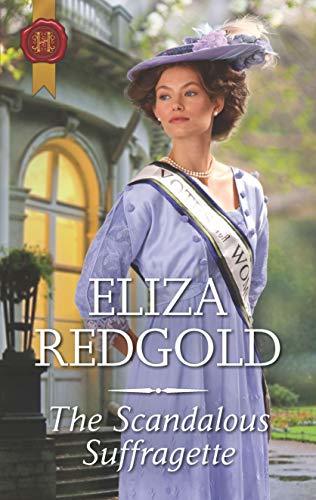
Buy on:
Amazon Kindle Amazon Paperback
Amazon Aust Amazon UK

Eliza Redgold is an author and ‘romantic academic’. Her natural pen name is based upon the old, Gaelic meaning of her name, Dr Elizabeth Reid Boyd. English folklore has it that if you help a fairy, you will be rewarded with red gold. She writes fiction as Eliza Redgold and non-fiction as Elizabeth Reid Boyd. She is represented by Joelle Delbourgo Associates US.Eliza Redgold’s bestselling historical fiction includes her Ladies of Legend trilogy, starting with “NAKED: A Novel of Lady Godiva” released internationally by St Martin’s Press New York. Her ‘Romance your Senses’ series of contemporary romances are published by Harlequin (MIRA) Australia. Her Victorian historical romances are published by Harlequin Historical London (Harper Collins) and translated internationally. They include the W.H. Smith historical romance bestseller ‘Playing the Duke’s Mistress’. Her new Harlequin Historical ‘The Scandalous Suffragette’ is out now.
Eliza Redgold on the web:
Website Facebook Twitter Author Page
Chocolate Empires and the Women Who Made Them
“Every step of the process of making chocolates had always fascinated her. Now she was seeking improvements in the procedure. Sometimes she took visitors on tours, to show them how their famed floral creams were made, from start to finish. The cocoa beans came from the Orient. They were ground into a buttery mass. At the factory, in huge vats, sugar and milk were added and cooked together, to make a delicious smelling warm liquid. When the liquid was evaporated, a crumbly chocolate mixture was created, put through a mill, and mixed with liquid and butter, to the correct consistency for Coombes Floral Creams.In another part of the factory, essences were made from fruit and flower petals, to make the flavouring syrups. They stood in glass bottles, glowing in jewel colours. The syrups were mixed with sugar and cream, then kneaded by hand smooth fondant. The fondants were then dipped by hand into the chocolate, by women Violet had known since she was a little girl. A crystallised petal, dusted in sugar, was always the final element. After scrubbing her hands, she’d often been allowed to place the petal on the top of the completed chocolate sweet.The process looked easy, but Violet knew how many times her father had failed at creating the taste that made their chocolate fondants so popular. He’d never given up.That was the Coombes way, Violet reminded herself.”~ Extract from ‘The Scandalous Suffragette’ by Eliza Redgold When chocolate heiress Violet Coombes is caught hanging her suffragette banner in a most shocking place, Adam Beaufort Esquire proposes a marriage of convenience! His good name will avert scandal for her family, and her money will save the estate Adam’s father gambled away. Violet accepts, but she’s determined nothing will distract her from the Cause – including her oh-so-tempting husband!
I am thrilled to present ‘The Scandalous Suffragette’ : Harlequin Historical’s first ever Edwardian romance.Violet’s story is inspired by the daring suffragettes who fought for the women’s vote. Today we might not be able to imagine what it was like to have no vote and few legal rights, but in Violet’s time this battle had not yet been won.
The time period in which Violet’s story is set was when great chocolate empires such as Cadbury and Fry had come to prominence. The confectioners generally provided excellent conditions for their workers, especially for women. In this, Violet’s goals at Coombes Chocolates factory make her very much a woman of her times.
It also meant I had to research … chocolate!
My extensive research had me delving into the history of chocolate factories, such Bournvillevillage in England, which was built especially for the factory workers. The original ‘factory in a garden’, it was designed to make working life … sweeter. Seriously, it’s an inspiration, and a dream we could do with re-imagining today.
I was also forced to taste a range of floral-flavoured chocolate fondants. Fortunately, edible flowers are coming back into fashion, so I was able to do some vital tests.
Here are a few of my findings on where to find Violet Creams:
· A friend kindly gave me a box of Charbonnel et Walker’s fine English Rose and Violet Creams Grand Ballroom Collection
· I’m still waiting to sample the exclusive Buckingham Palace Rose and Violet Creams
· Somehow I always find my way to Haigh’s Chocolates in Adelaide, Australia, where they make delicious Haigh’s Dark Violet Creams
· In the USA, floral fondants are not easy to find, so I may still need to make a special research trip, but a good place to start is The Vermont Country Store
· Or who not try your hand at making your own chocolate creams? At elizaredgold.com you’ll find my recipe for Violet Creams (I ate far too many while writing this book).
Please let me know in the comments if you have any other important research findings!
The Scandalous Suffragette

Buy on:
Amazon Kindle Amazon Paperback
Amazon Aust Amazon UK
November 26, 2018
Tackling Revisions by Karin Baine & Giveaway!
This week we have author Karin Baine talking about 'Tackling Revisions'. And she has a kindle copy of her new book, Midwife Under the Mistletoe to give away to one commenter!
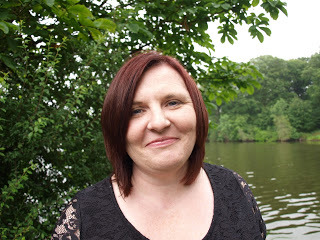 Karin Baine lives in Northern Ireland with her husband, two sons, and her out-of-control notebook collection. Her Mother and Grandmother's vast collection of books inspired her love of reading and her dream of becoming a Harlequin Mills & Boon® author. It wasn't until she joined her critical group UCW that she started to believe she could actually write – and only her husband's support enabled her to pursue it. At least now she can tell people she has a proper job!
You can find Karin here:
Website Facebook
Twitter Pinterest
Tackling Revisions – Karin Baine
It doesn’t matter what stage your writing career is at, when you get that email attachment from an editor with suggested revisions your heart always skips a beat. Being faced with pages of changes to the story you’ve slaved over for weeks, or months, can be intimidating and often it’s difficult to know where to start. It wouldn’t be the first time I’ve opened an attachment and closed it again without even reading it because I’m scared to look!
I’m no expert but with ten medical romances published with Harlequin/Mills&Boon I’m going to share my process with you on tackling those dreaded revisions.
First, make sure you read the notes thoroughly and give yourself time to digest your editor’s comments. It can be just as tempting to jump straight in and get the changes back ASAP as it is to put them off but try to find a happy medium. Your editor doesn’t want to wait weeks for you to get back to them but equally, there’s no point rushing and not doing a thorough job.
After reading revisions through I immediately print them out and highlight all the key points. It’s easier to see them at a glance this way, especially if you have a notice board to pin them to. I also find it helpful to separate the comments into things my editor did, or didn’t, like. This means not only condensing the notes into easier to manage sections, but it also provides a list of positives to look back on when feeling discouraged!
It can take several read throughs of your manuscript to cover all the points raised and to make sure any changes haven’t affected your timeline but it’s important to check and save yourself another round of revisions. Of course, if there are certain things you disagree with you can raise these but the important thing to remember is that an editor wants to work with you to write the best possible book you can.
All the hard work will be worth it in the end.
Midwife Under the Mistletoe
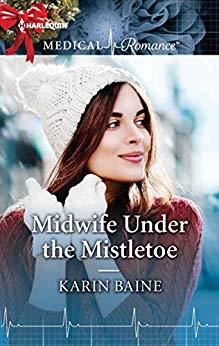
A kiss under the mistletoe…
A family for Christmas?
GP Fraser McColl longs to be part of a loving family, but past experience has taught him he’s better off alone. Only, thrown together with gorgeous yet guarded midwife Iona Munro, to care for two children at Christmas, he’s tempted to believe in miracles… After one passionate night together, can he persuade Iona that they deserve a lifetime of happiness—together?
Buy on:
Amazon Kindle Amazon Paperback
Amazon UK Amazon Aust
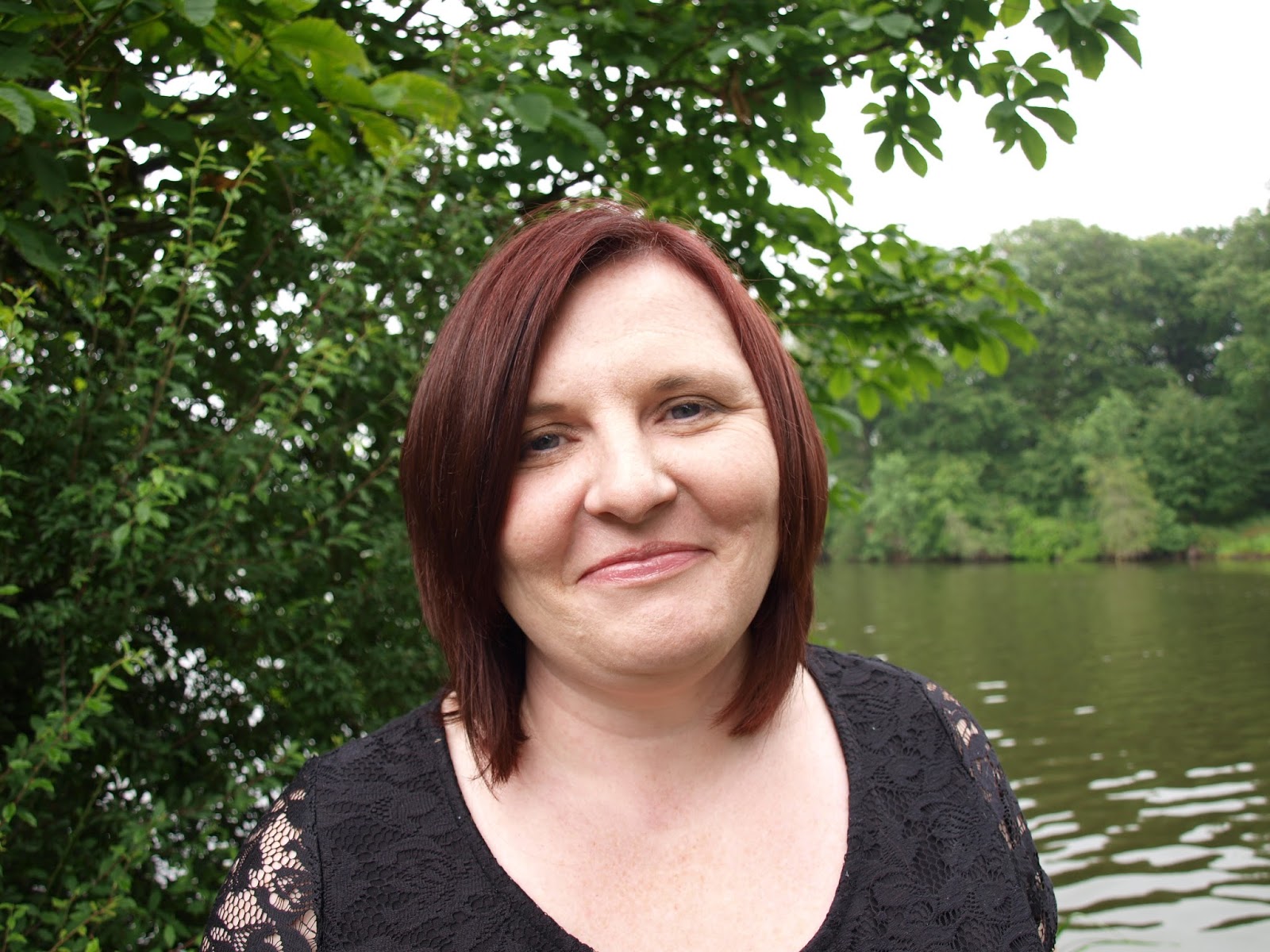 Karin Baine lives in Northern Ireland with her husband, two sons, and her out-of-control notebook collection. Her Mother and Grandmother's vast collection of books inspired her love of reading and her dream of becoming a Harlequin Mills & Boon® author. It wasn't until she joined her critical group UCW that she started to believe she could actually write – and only her husband's support enabled her to pursue it. At least now she can tell people she has a proper job!
 You can find Karin here:
Website Facebook
Twitter Pinterest
Tackling Revisions – Karin Baine
It doesn’t matter what stage your writing career is at, when you get that email attachment from an editor with suggested revisions your heart always skips a beat. Being faced with pages of changes to the story you’ve slaved over for weeks, or months, can be intimidating and often it’s difficult to know where to start. It wouldn’t be the first time I’ve opened an attachment and closed it again without even reading it because I’m scared to look!
I’m no expert but with ten medical romances published with Harlequin/Mills&Boon I’m going to share my process with you on tackling those dreaded revisions.
First, make sure you read the notes thoroughly and give yourself time to digest your editor’s comments. It can be just as tempting to jump straight in and get the changes back ASAP as it is to put them off but try to find a happy medium. Your editor doesn’t want to wait weeks for you to get back to them but equally, there’s no point rushing and not doing a thorough job.
After reading revisions through I immediately print them out and highlight all the key points. It’s easier to see them at a glance this way, especially if you have a notice board to pin them to. I also find it helpful to separate the comments into things my editor did, or didn’t, like. This means not only condensing the notes into easier to manage sections, but it also provides a list of positives to look back on when feeling discouraged!
It can take several read throughs of your manuscript to cover all the points raised and to make sure any changes haven’t affected your timeline but it’s important to check and save yourself another round of revisions. Of course, if there are certain things you disagree with you can raise these but the important thing to remember is that an editor wants to work with you to write the best possible book you can.
All the hard work will be worth it in the end.
Midwife Under the Mistletoe

A kiss under the mistletoe…
A family for Christmas?
GP Fraser McColl longs to be part of a loving family, but past experience has taught him he’s better off alone. Only, thrown together with gorgeous yet guarded midwife Iona Munro, to care for two children at Christmas, he’s tempted to believe in miracles… After one passionate night together, can he persuade Iona that they deserve a lifetime of happiness—together?
Buy on:
Amazon Kindle Amazon Paperback
Amazon UK Amazon Aust