
Kelly Steel's Blog, page 2
February 21, 2022
Telling Your Story Through Dialogue by Carrie Nichols & #FreeBook
This week author Carrie Nichols talks about dialogue writing. She has a new book out this month, The Hero Next Door.
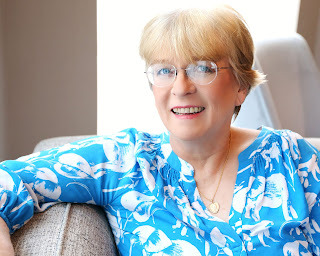
Carrie Nichols writes small-town contemporary romances full of heart, home and humor for Harlequin Special Edition and Entangled Bliss. Carrie Nichols is a hardy New Englander who traded snow for central AC when she moved to the Deep South. She loves to travel, is addicted to British crime dramas and knows a Seinfeld quote appropriate for every occasion. Carrie has one tolerant husband, two grown sons and two critical cats. To her dismay, Carrie's characters, much like her family, often ignore the wisdom and guidance she lovingly offers.
Social media:
Amazon Author Page: https://www.amazon.com/Carrie-Nichols/e/B01D9P7X9I
Website: http://carrienichols.com/
Bookbub: https://www.bookbub.com/profile/carrie-nichols
Facebook: https://www.facebook.com/authorCarrieNichols/
Twitter: @carolopal
Instagram: authorcarrienichols
TELLING YOUR STORY THROUGH DIALOGUE by Carrie Nichols
Dialogue is my favorite part of writing. Why do I love dialogue so much? Because if done correctly, dialogue can be the workhorse of your story. Dialogue can reveal character, backstory, answer story questions, add humor, or create sexual/romantic tension.
Dialogue brings characters to life on the page and makes them and the story emotionally appealing to the reader. It’s your job as the writer to make sure each line of dialogue deserves to take up space on the page.
I think this example from THE SHERIFF’S LITTLE MATCHMAKER illustrates how a few simple words can transform a dull conversation into something deserving to be on the page
“How do you two know each other?” Ethan’s gaze bounced between her and Remy.
“Miz Honeycutt’s my new teacher.” Evie sidled closer to Sasha, smiling broadly.
Ethan’s head jerked back, and his gaze landed on Remy. “She’s your cat lady?”
This one sentence “She’s your cat lady?” makes all the difference to this conversation. If Ethan had said “Oh, I see.” Or something equally mundane, then this conversation would have to go. But because of this little bombshell, can you feel the tension ratchet up? It transforms “hi nice to meet you” into something more. So, if you have a dull conversation on your page, look for a way to liven it up.
Dialogue’s purpose is to create tension in the present and build suspense for what’s coming next. I like to think this little exchange does both. Does Ethan’s outburst make you want to read on to see what will happen next?
Writing short or mid-length category (50,000 to 60,000) has its own challenges. That’s probably why it’s been called “Swan Lake in a phone booth or opera in a duffel bag”but dialogue can get to the heart of the story faster than exposition.
Here’s an example from my debut book, THE MARINE’S SECRET DAUGHTER:
"What about your parents? How are they?"
"Mom's in Seattle with husband number three and Dad's in Boca Raton dating women my age."
The hero’s one sentence answer says a lot about his parents. I accomplished in one sentence something that might have taken a paragraph of narrative exposition to explain. As you can guess from the title this is a secret baby book and this little bit of dialogue foreshadows what’s ahead:
Instead of eating the pizza slice in her hand, she laid it on the napkin. "Maybe she thought she was protecting you."
He released a noisy puff of air. "Short of abuse, there's no excuse for keeping a child from his or her father."
The combination of dialogue and children provide opportunities to add humor. An example from THE SERGEANT’S MATCHMAKING DOG:
“Theodore Andrew Miller, what do you think you’re doing?” The woman skidded to a stop, her pink-and-purple sneakers scattering pebbles. She gulped in air. “What have I told you about approaching strange animals?”
“But it’s not a strange animal. It’s a dog.” The boy scrunched up his face, and the tops of his brown-framed eyeglasses shot past his eyebrows. “See?”
Here’s another example from my as-yet untitled Special Edition scheduled for January 2023:
The woman dropped her hand from her mouth to rest again on the child’s shoulder. “Phoebe, why don’t you go pick up your crayons and put them away?”
The young girl crossed her arms over her chest. “But I want to know why Mitch made you mad.”
“He didn’t make me mad, sweetie.” The woman bared her teeth in what was probably supposed to be a smile, as if that would put some weight behind her words.
Phoebe tilted her head and pointed. “Then why does you got your mad face on?”
Dialogue can be used to create sexual tension. Here’s an example for THE HERO NEXT DOOR:
“Looks like you’ve got some fresh freckles,” he said, gently touching the bridge of her nose and lightly tracing across the top of her cheek.
She frowned. “I didn’t use concealer this morning. I was in too much of a hurry.”
“Concealer? What’s that? Some sort of makeup, I assume. Why would you want to conceal them?”
She gave him a look. “Because they’re freckles and I’m not ten years old.”
He reached out and touched the end of her nose. “I like them.”
Dialogue is naturally faster paced than narrative exposition. So, you can use dialogue to get things across without slowing things down with narrative. And if you haven’t already guessed, I try to use dialogue whenever possible.
And finally, my #1 tip for writing effective dialogue is to read it out loud!
Get a Free Novella!
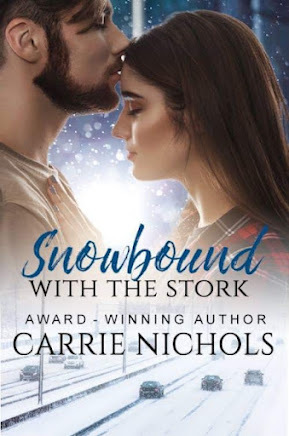
A freak snowstorm traps a surly sheriff with his very pregnant ex. Can he convince her to give him another chance or will his secret destroy them both?
Here's the link. https://claims.prolificworks.com/free/vDAMM1F3
The Hero Next Door (Small-Town Sweethearts Book 6)

Love—and kittens—to the rescue!
Olive Downing has big dreams for her Victorian bed-and-breakfast. She doesn’t need her handsome new neighbor pointing out the flaws in her plan. But Cal Pope isn’t the average busybody. The gruff firefighter can be sweet, charming—and the perfect partner for the town fundraiser. Then Cal surprises her with two adorable rescue kittens. Maybe there’s a soft heart underneath his rough exterior that needs rescuing, too…
From Harlequin Special Edition: Believe in love. Overcome obstacles. Find happiness.
Small-Town Sweethearts
Book 1: The Marine's Secret Daughter
Book 2: The Sergeant's Unexpected Family
Book 3: His Unexpected Twins
Book 4: The Scrooge of Loon Lake
Book 5: The Sergeant's Matchmaking Dog
Book 6: The Hero Next Door
Buy on:
Amazon Kindle Amazon Paperback


October 25, 2021
Show Vs Tell with Janice Lynn
This week we have author Janice Lynn. She talks about Using Secondary Characters to Show Vs Tell. She also has a new book out, Wrapped Up in Christmas Hope.

Janice Lynn is a USA Today, Publishers Weekly, and Wall Street Journal Bestselling author. Janice writes sweet romances for Hallmark Publishing and writes contemporary Medical Romances for Harlequin. Her books have won numerous awards, including the National Readers' Choice Award, the Golden Quill for Best Short contemporary Romance and for Best First Book, Romantic Times Magazine's American Title, and the Holt Medallion Award of Merit. Janice lives in Tennessee with her Prince Charming, their seven kids, her vivid imagination, and an adorable Maltese named Halo who's the true princess of the house. In addition to writing romance, Janice is a nurse practitioner, a quilter, an exercise queen, a military mama and a member of and an avid supporter of the Quilts of Valor Foundation. Just kidding on the exercise queen.
For more information, please visit www.janicelynn.com. You can also connect with the author on social media at: https://www.facebook.com/janicemarielynn
or https://www.instagram.com/janice.lynn.author/.
Using Secondary Characters to Show Vs. Tell
I'd written 30+ books for Harlequin, Dorchester and a few smaller publishing houses when I sold to Hallmark Publishing in 2018. Writing for them has been a dream come true, but also a whole new experience as I've had to relearn how to write my stories. Although a bit intimidating at first, that wasn't a bad thing as continuing to improve one's craft should always be the goal.
With Hallmark Publishing, my stories have to be 'movie ready' even though they may never be made into a movie. What does that mean exactly? That I have to reveal as much as I can via dialogue and action, rather than just staying inside my characters' heads. Let me be honest, that was difficult for me, because I like being in my characters' heads. I mean, it's real life, what each of us do when we encounter a situation. We think about it. We don't just blurt out our every thought...well, most of us don't and probably shouldn't. When reading a book, it's easy for the author to reveal what the characters' are thinking by giving us those thoughts. So, basically, I was TELLING my characters thoughts and emotions rather than SHOWING them. Don't get me wrong, doing this to some degree is okay, but as much as possible, as writers, we should strive to show rather than tell. That's not been easy for me, because I really do like being in my characters' heads. So, I had to discover a new way to SHOW what my characters were thinking, feeling, experiencing inside. Secondary characters are a wonderful way of taking that internal dialogue and revealing it through vocalization. In Wrapped Up in Christmas Hope, I'm blessed to have a full cast of colorful secondary characters that are Pine Hill staples, but there are some new characters, too. John, a veteran who is a patient at the assisted living facility where my heroine works, is one of those new characters whom I fell in love with. While taking care of him, Morgan did the same.
"Actually, I really was thinking of Rosie," Morgan said.
John wasn't buying it.
"I was remembering how happy she was about Andrew picking up reindeer for her. She couldn't go on enough about him at church yesterday."
Of course, all the Butterflies had been spouting off wonderful things about Andrew. Did they think she didn't know how great he was? Him being wonderful wasn't the problem.
Well, it was the problem, in the sense that it made it impossible not to be attracted to him.
"A more accurate answer would have been that you were imagining Andrew," John corrected.
"Maybe," she admitted, surprising even herself with her honesty as she wrapped a blood pressure cuff around John's left arm.
John was quiet until she'd finished taking his reading, then he asked, "So what's the problem?"
Had the military trained him in mind reading, or what?
"I loved my husband."
"I never thought you didn't."
Morgan paused next to the valiant man's bed, taking in his Korean War Veteran's hat that he was rarely without, then heard herself say, "He died in a mountain climbing accident. Bad weather moved in much quicker than anticipated. They should have turned back, but Trey and a couple others didn't want to stop until they reached the summit." She paused, then sucked in a deep breath. "Three from their group didn't make it. They told me Trey died while trying to rescue the other two and..."
She couldn't finish. Why had she even started? This wasn't something she talked about with anyone. Not ever.
"I'm sorry for your loss, especially at such a young age, but this old mind of mine still isn't seeing why this means that you liking Andrew is a problem."
Morgan sighed. "I'm trying to learn my lesson about being attracted to men who are so reckless with their lives."
"Reckless?" John shook his head, studying her a moment, then adding, "Not sure recklessness has much to do with it. Sounds more to me that you're attracted to men who are willing to risk their lives to save others. It's an admirable trait."
Yeah, she supposed that was one way of looking at it. But try telling that to all the fears that kept her up at night.
So, in that passage, I used Morgan's conversation with John to reveal Morgan's backstory (secondary characters are a great way of doing that, as well) and to give insight to the struggle she's experiencing over her growing feelings for Andrew. To be 'movie-ready', I couldn't have her just think all those things (tell), but had to have a scene that revealed them via action and/or dialogue (show).
In the next scene, my characters are at a Quilts of Valor sew-in. The scene I pulled is between Andrew (hero) and Morgan's five-year-old son.
"I didn't know you'd be here!" Greyson told him, not hiding his surprise.
"You think I'd miss out on being a part of something so special? I'm smarter than I look," he teased.
The kid's nose crinkled. "Sewing is for girls."
Andrew shook his head. "Not hardly, bud. It's a necessary life skill." Listen to him sounding like his grandma. "Plus, if you ever decided you wanted to be a smoke-jumper, you'd need to be able to sew."
Greyson gave him a confused look.
"Smokejumpers sew their own parachutes, harnesses--you name it. They always make their own. Base camps are set up with rooms for sewing equipment."
Greyson's eyes widened. "Really? You're sure?"
"Absolutely."
"Do you sew?"
Andrew nodded. "My grandma started teaching me when I was about your age."
Greyson regarded him thoughtfully. Then, a hopeful look in his eyes, he asked, "Will you teach me?"
Andrew felt something big. Gigantic. Colossal. It was incredible how humbled he felt at Greyson asking him to teach him to sew. It was as if he'd been granted some awesome privilege.
"As long as your mom is okay with it and you promise to listen closely. I don't want to have to make an emergency room run because of Frankenstein fingers." Andrew wiggled his fingers back and forth and made a funny face.
Giggling, Greyson imitated him. "I promise."
Man, he really liked this kid. "Then, let's go ask your mom."
Pride hit that he was hopefully going to teach Greyson a useful new skill while also opening the kid's eyes to the fact that he shouldn't be so quick to judge what was or wasn't considered manly. Who would have thought he'd be the one steering a kid in, hopefully, the right direction of seeing beyond preconceived ideas to accept new life experiences?
He kind of liked the feeling. A lot.
This scene served multiple SHOW purposes. One, I needed to reveal that Andrew could sew and well and why. I also wanted to SHOW that it was something he considered masculine even though our society doesn't always few sewing as a manly skill. And, I wanted to SHOW that Andrew's feelings toward Greyson were evolving into so much more than my never date a single mom hero had bargained for.
Wrapped Up in Christmas Hope is my third story with Hallmark Publishing. My writing is much stronger because of the use of secondary characters to reveal details about the hero and heroine. Learning to incorporate SHOW versus TELL is a skill I'm still working to improve with each story I write, whether that be for Hallmark or another publisher. When penning your next story, I challenge you to look for ways to use secondary characters to SHOW information about your hero and heroine, whether that be their backstory, their emotions, or what their thoughts/views/beliefs are, rather than falling back on Tell.
Is she willing to risk her heart on him?
Morgan’s late husband was a daredevil…and now she’s a widowed single mom. All she wants now is to set up a stable life for herself and her son in the small town of Pine Hill, Kentucky.
Andrew’s a firefighter who thrives on the rush of saving others. His secret dream is to become a smokejumper and fight raging wildfires across the country. But it’ll mean leaving his hometown and the people who rely on him.
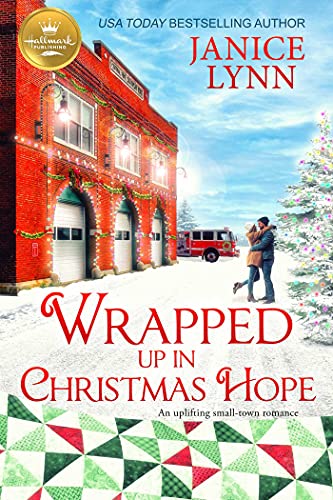
Morgan and Andrew are drawn together as they both volunteer to make quilts for veterans at the local quilt shop. Morgan’s son looks up to Andrew, and Morgan can’t help but notice how good Andrew is with him. Meanwhile, Andrew’s torn between his ambition and his growing attraction to Morgan. They both have choices to make about their future…and about each other.
Buy on:
Amazon Kindle Amazon Paperback
Amazon Aust Amazon UK
October 18, 2021
Just Do It by Mickey J Corrigan
This week we have author Mickey J Corrigan. She talks about Just Do It. She also has a new book out, Me Go Mango.
Originally from Boston, Mickey J. Corrigan writes tropical noir with a dark humor. Novels include Project XX about a school shooting (Salt Publishing, UK, 2017) and What I Did for Love, a spoof of Lolita (Bloodhound Books, UK, 2019).
Social media links:
http://mickeyjcorrigan.tumblr.com/
https://www.goodreads.com/Mickey_J_Corrigan

This is a difficult post to write. I'm struggling here, so I must be doing something wrong. Maybe I need more coffee? Or should I change my location, sit outside in the fresh air instead of inside this stuffy office? What if I revert to old form and write in a notebook in pencil first, then transcribe on my laptop? Seems as if I need to meditate on the subject for a bit, get inspired. Or something.
And what happened to the muse? Seems like she's fled. Or is relying on a fickle muse a bad idea?
Not sure about you, but I like to avoid these kinds of inner conflicts when I'm writing. I prefer to plan out the time I will need, sit down at my desk, and hammer it out. But that doesn't happen all the time. Sometimes, I get in my own way.
In the various writing groups I've attended over the years, we've often discussed issues like this. The sudden lack of motivation, prolonged writer's blocks, and protracted periods of unproductivity. My solution to these problems was always the same: do whatever works to get back to work. But I've met folks in these groups who have been working on a single book project for a decade. Or longer! These are people who really cannot get out of their own way. Nothing works.
The truth is, there is no right way, no secret to being a productive writer. There's just AIC, ass in chair, and GID, get it done. Excuses are normal, procrastination is human, but a book can only be published after it has been written from start to finish. Whatever stops the supply chain of your creative mind can be as simple as feeling lazy or as deep-seated as a profound fear of failure—or of success. You can worry yourself sick, you can try to outwit yourself. You can bemoan the muse or blame your environment, upbringing, lifestyle, partner, kids. You'd like to start/finish that writing project but, well, you just don't have the time.
So yes, there are all sorts of ways to stay stuck. But none of that matters, not ultimately. There's no right way to be a writer, there's no muse to save you from your unproductive self, there's no solution to not writing—except to just do it. Just write.
To quote John Steinbeck: "If there is a magic in story writing, and I am convinced there is, no one has ever been able to reduce it to a recipe that can be passed from one person to another. The formula seems to lie solely in the aching urge of the writer to convey something he [or she] feels is important to the reader. If the writer has that urge, he [or she] may sometimes, but by no means always, find the way to do it."
Me Go Mango Anthology: Two Women Find Their Bad Selves
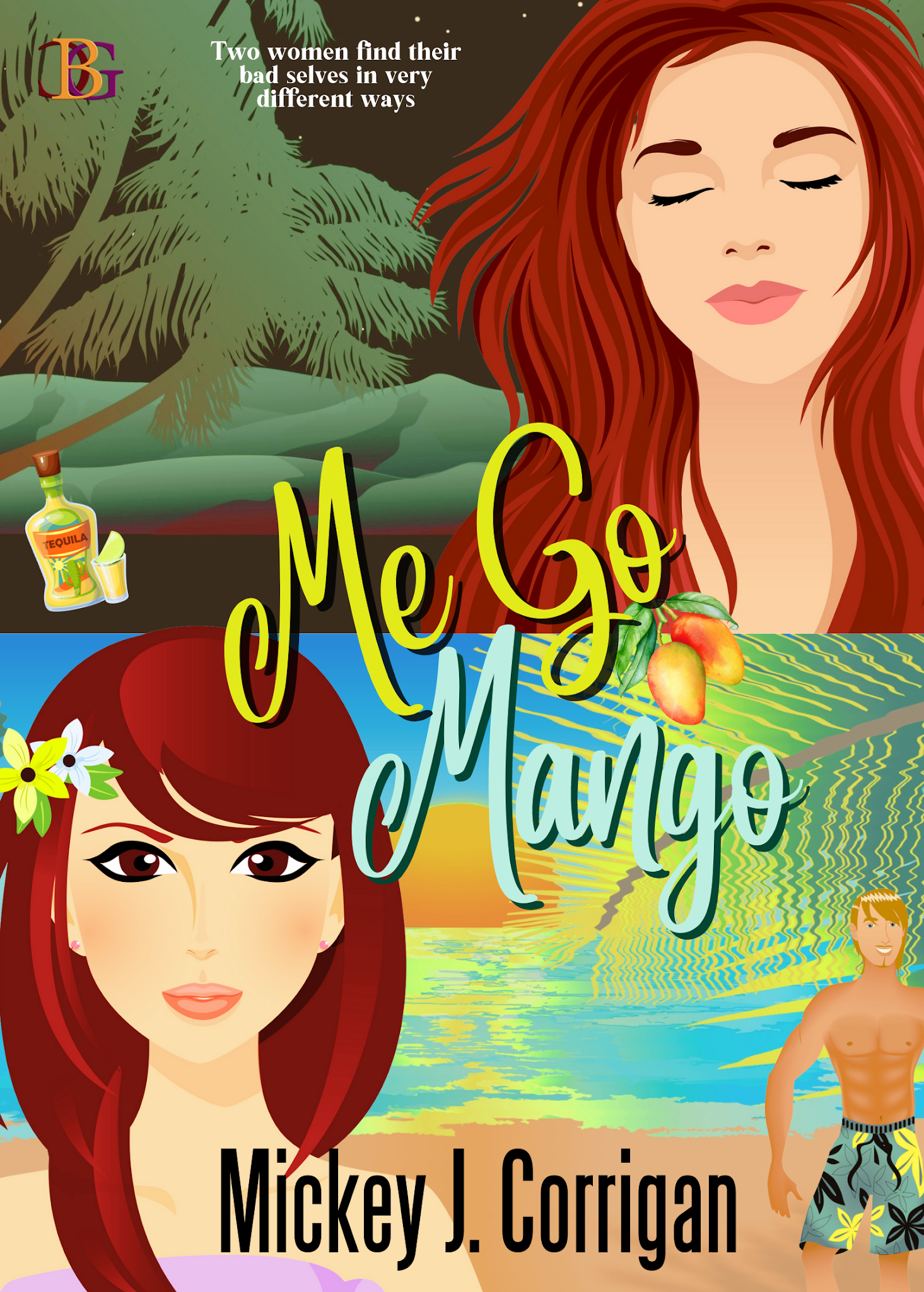 Two novellas in one fun anthology: a group of college friends revisit their past, and a young woman gets a job that launches her into a very surprising future. Who doesn’t want a chance to rewrite their past?
ME GO MANGO
Erin Monahan reformed her bad girl ways, only to discover the good girl act can’t save her marriage. Hiding out in a love hotel with a bottle of Two Buck Chuck, she calls for reinforcements. Her college friends organize a weekend reunion in small town Vermont.
Ellen has money from suspicious sources. Maggie seems perfect, but she's got a big dark secret. And Sandy's a mess—plus she's hiding something. When Ellen proposes the four of them go in on a business venture, a retreat for middle-aged bad girls, Erin thinks she’s crazy.
Then Erin meets Roberto, a hot Cuban chef. Soon she decides she doesn’t want the mango to end.
DREAM JOB
After Adrianna sleeps with her hunky boss, she has to face him every day at the office. She has to test the company’s software with him in the office hot tub. She has to ignore the fact that she’s fallen madly in love with him—but is her infatuation only a dream?
To make Adrianna's life in tropical Florida even more confusing, Davis, a geeky guy from her past, is stalking her—but only in the murky dream world they appear to share.
Something strange is happening to Adrianna. And it’s making her wonder about her dreams. Could it be that dreams are the entry way to another world? A real world? A hyperreal world?
Available from Amazon and Champagne Books.
May 5, 2021
Show Don't Tell: But How? by Mickey J Corrigan
This week we have author Mickey J Corrigan. She talks about Show Don't Tell. She also has a new book out, The Physics of Grief.
Originally from Boston, Mickey J. Corrigan writes tropical noir with a dark humor. Novels include Project XX about a school shooting (Salt Publishing, UK, 2017) and What I Did for Love, a spoof of Lolita (Bloodhound Books, UK, 2019).
Social media links:
http://mickeyjcorrigan.tumblr.com/
https://www.goodreads.com/Mickey_J_Corrigan
Show Don't Tell: But How?
The best way to write fiction or narrative nonfiction is to create a movie screenplay but in beautiful, readable prose. Sound difficult? Well, yeah. But what you are trying to do is incredibly hard. Because ultimately you want to recreate your own imaginings or memories in someone else's head. Yikes.
The most successful writers provide us with stories we can fall into as if we'd lapsed into a dream. This means as a writer you will want to be able to convey your story so that your readers can dream it. Or at least see it in their own mind as if watching a film.
How do you accomplish this? The key is to give readers as much detail as may be required for them to see and feel and experience your story to the maximum effect. This means you must continuously set the scene. And every time the action shifts, you will set a new scene. So you set the scene when you begin the story, for each chapter, and with every new section in a chapter. The story does not tell, it shows as you make sure the reader knows who the characters are, where they are, what they are doing and feeling and experiencing. You share myriad details so the reader is invited—no, lured into each scene: the smells, sights, tastes, sounds. The clammy fish-scented sea air. The purpling sky at dusk. The bitter tang of bile. The screech of a lone owl in the ice-crusted woods. The biting wind, the scratch of his Irish knit sweater when it brushes against the flushed skin of her face.
In addition to writing crime novels, I help other writers by editing their manuscripts. One of my most common suggestions is to set the scene. Writers will begin a chapter by recounting a narrator's or protagonist's thoughts. This is telling, and the reader is left wondering: Where is this person? Are they driving in a speeding car, running through an urban park, hiding in a walk-in closet, drinking gimlets in a dark bar? Don't leave it up to your readers to create the scenes. Don't leave them sitting in a movie theater with a blank screen in front of them while you narrate your (boring) story.
And please don't begin your memoir, story, novel, or chapter with backstory. Backstory is telling. Start with the showy action. Readers these days are not going to give your book much (if any) time to draw them in. You have to grab their short-lived attention at once—then you must keep it. How? Start with a hook, a good strong scene that leaves readers curious. Give them a delightful, naughty, mysterious, or otherwise delectable taste so they can't stop. Hook them fast and you can reel them in slowly. You can insert your backstory in between all the intrigue, action, romance, and plot devices you use to keep them reading.
This is not easy. Readers these days can swipe away your book and pick up a remote. Ho hum, on to more enticing entertainment. You didn't work so hard all this time to end up with that kind of audience reaction! So be sure your storytelling skills are sharp as talons as you show, not tell, your story.
Latest book from Mickey J Corrigan

When Seymour Allan loses his girlfriend, his depression is as dark as a South Florida thunderstorm. He hides out in a retirement community, drinks too much, and hangs with a feral cat. But when he meets the mysterious Raymond C. Dasher, Seymour's life changes as he embarks on a new career: professional griever.
Seymour's depression lifts when he spends time at the wakes and funerals of some very unpopular people. He cares for a dying criminal who loves T.S. Eliot and refuses to pass on, and he attends some unique burials that may or may not be legal. He also meets Yvonne, a sexy redhead dealing with the loss of her mobster boyfriend. Out in the Everglades, he has to face down a group of armed mourners and an alligator in attack mode.
Nothing like sex and danger, guns and gators, to make a man remember how good it feels to be alive.
The Physics of Grief is a unique, quirky crime novel presenting the upside of funerals and a hopeful look at second chances—and at death.
Buy on:
Amazon Kindle Amazon Paperback
February 8, 2021
After the First Draft with Rachael Thomas
This week we have author Rachael Thomas talking about what happens after the first draft.

I love escaping to distant shores with my characters, entering their glamorous world and feeling all the emotions they experience as they discover their love for one another. A love so strong it will overcome all obstacles eventually, leading to that promised happy ever after.
Connect with Rachael Thomas on the web:
Website Blog Facebook Twitter Goodreads
After the First Draft
You’ve written those magical words ‘the end’ and that achievement alone deserves celebration. The fact that you have committed yourself and finished the story is amazing. Once you’ve celebrated it’s time to get the manuscript out again – because ‘the end’ is only the beginning!
I’m a self-confessed perfectionist and I can so easily tie myself in knots, deleting words because they are not good enough or going over and over what I’ve written knowing it isn’t perfect. First drafts can be a garbled mess. A string of words from the writer’s mind in some sort of order. A first draft is neverperfect.
Finally, I am beginning to accept that first drafts aren’t meant to brilliantly crafted pieces of writing. The first draft is merely an assembly of words with which you will create your story later on, during the editing and revising process ahead of submission.
Now we’ve established that a first draft is not carved in stone and that the words within it can be changed, deleted, added to, or moved, it’s time to look at how to deal with that jumble of ramblings which make up your first draft.
1. Put the manuscript away. Walk away from it and don’t look at it. I would suggest at least two weeks, more if you have the time.
Doing this gives you space from the story, from the words that are drafted on your page. It will give you thinking time. When you return to your first draft your mind will be refreshed and the story will appear either new to you or not as bad as you think.
Time away creates distance from the jumble of words that poured on the page and will also allow you to see those glaring plot holes you happily skipped over in the first draft.
2. Print out the manuscript. This is something I find really useful as reading the story on the computer screen is different to reading it on a printed page. It’s amazing how you can read something on the screen, yet it appears completely different when it’s on a piece of paper. This allows anything from silly spelling mistakes to massive continuity issues to show up.
For best results ensure your printed copy is double spaced so there is plenty of room for notes. I always have a notebook to hand, for things I want to go deeper into as I revise the story. If you have made notes whilst writing your first draft, like timelines, character studies, gather these up. Arm yourself with coloured pens, sticky notes and anything else which will help you pull together the threads within the first draft.
3. Read the full manuscript, jotting down any issues you stumble across either in your notebook or on the manuscript. Once this is done you can go back and read scene by scene, delving deeper and using your earlier notes as reference.
Asking yourself, does each scene move the story forward? Do my characters achieve their goal? Are there any glaring plot holes – major inconsistency in the story which are totally out of place? Have I made the most of a scene or even missed one out completely?
4. Re-read the revised manuscript. Check for smaller inconsistences.
Things like a change of eye colour for a character, or a minor character suddenly finding themselves with a new name. They sound silly things, but they are so easy to do when you are in the throes of creating your first draft!
Look for spelling and grammar errors.
Ensure all minor threads are stitched up neatly. For instance, the reader will want to know what happened to that minor character which flitted into one of your scenes.
5. Now it’s time to send your manuscript to your critique partner or beta reader if you are lucky enough to have one. If you are not happy with that thought, then reading the manuscript through again in yet another format helps, such as loading it onto your kindle. Make notes or collate your readers’ notes so that you can make any final changes.
Now your story is ready to go to your editor. That magical fresh pair of eyes who will help you polish your words into the best story it can be – which will undoubtably mean yet more revisions!
But remember. There isn’t a right or wrong way to revise your first draft, just as there isn’t a correct number of times to do it. Each writer, even each story, is different and certain techniques work for some and not for others.
Latest book from Rachael ThomasThe Greek's Outrageous Marriage DealA deal to reclaim his wife…
Becomes so much more!
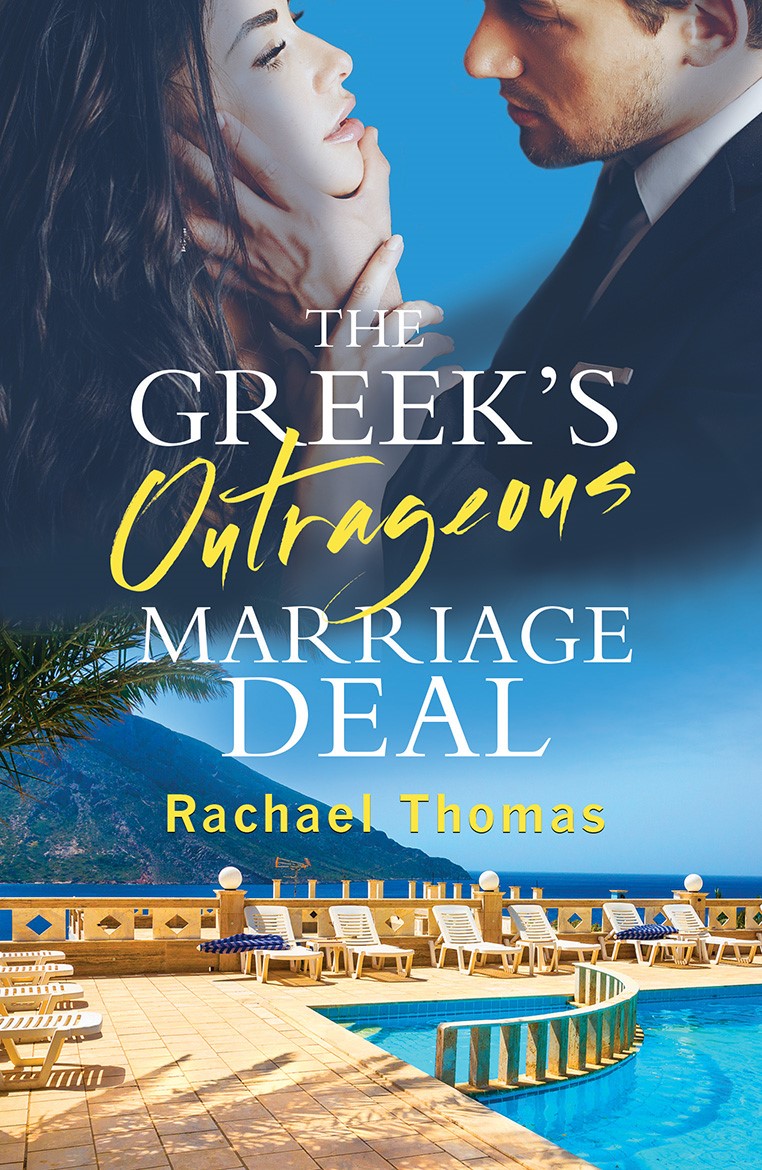
When Athena returns to their marital home in Crete, billionaire Kostas Kyriakou seizes the opportunity to reunite with his wife and have an heir for the empire he has created from nothing. It’s the only deal he’s prepared to consider. After all, heady passion and hot desire had never been lacking in their short marriage.
Athena has promised her father, who is again battling illness, that she will return to Athens with her estranged husband. Seeing the man she’d loved so completely, and hearing his outrageous demands to have his child, forces her to face all the pain and heartache of losing her mother as a young girl.
Time together, acting out a marriage reunited, brings back all that explosive passion, but can they truly share who they are this time and mend the marriage for real?
Buy on:
Amazon Kindle
Amazon Aust Amazon UK
October 26, 2020
Put Your Bum On That Seat with Joanne Austen Brown
Put Your Bum on that Seat.
One of the hardest things I had to do when becoming a more effective writer, was putting that bum on the seat, and actually writing. It sounds logical but life tends to get in the way. So, for me I had to start to develop habits that would have me at my computer and writing. I also needed to develop time to plot etc.
So here are some of the things that I do to find me behind my computer writing.
1. Find the time that you like most to write and set it as your time.
2. I dress up unless I am cold then I wear my snuggle clothes. But if your dressed for work that helps me put my mind in the right place. It might help you.
3. At first, I gave myself a goal of writing 500 words a day. But I always put down on a note pad where I plan to go in the story when I start writing the next day. But now I can get 2,000 or more words down in one sitting. But I always jot down where I want to go when I sit down again.
4. How many numbers can you achieve? That really depends on you, but I have found if I focus and just keep writing I can achieve some really great results. My biggest day was just over 5,500 words. Now that won’t be perfect writing, but I have got the foundations and with clear directions and good editing I can make it great.
5. I will often read my work aloud. My cat often turns his nose up when I do that. I am sure he thinks I am nuts.
6. Don’t go back and edit all the time. Once a week I edit what I have written that week. I find that the work flows better.
7. Always use an editor. Once I have finished my work, I leave it for a few weeks or months if I can. Then I edit it again. If I am happy or close to it, I send it to my editor. She has a new set of eyes and will see things that I haven’t.
So, I hope this helps you to progress in your writing.
About the Author
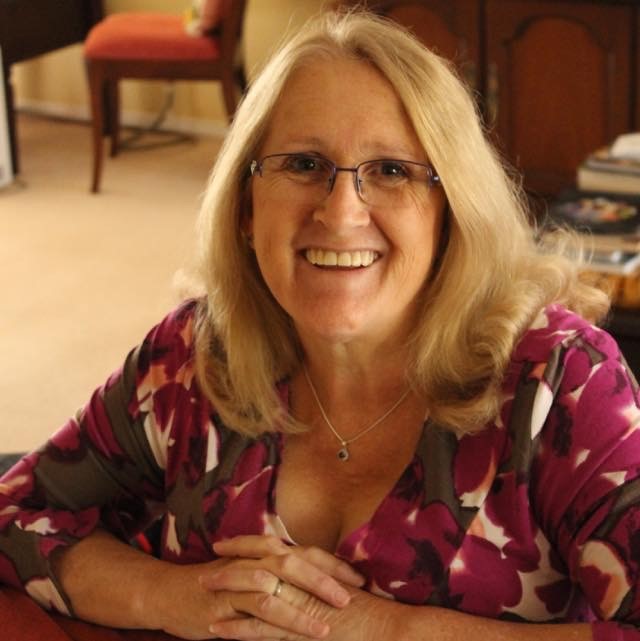
Joanne is a true romantic and is married to a man who most call Mr. Romance.
She has two sons, a beautiful daughter in law and four gorgeous granddaughters.
She has two loveable cats, Oscar, and Arthur.
She writes Historical Romances with a mystery, murder, criminal aspect and in some, Time Travel.
Joanne Austen Brown on the web:
Rachael's Jaunt (Come With Me Book 1)
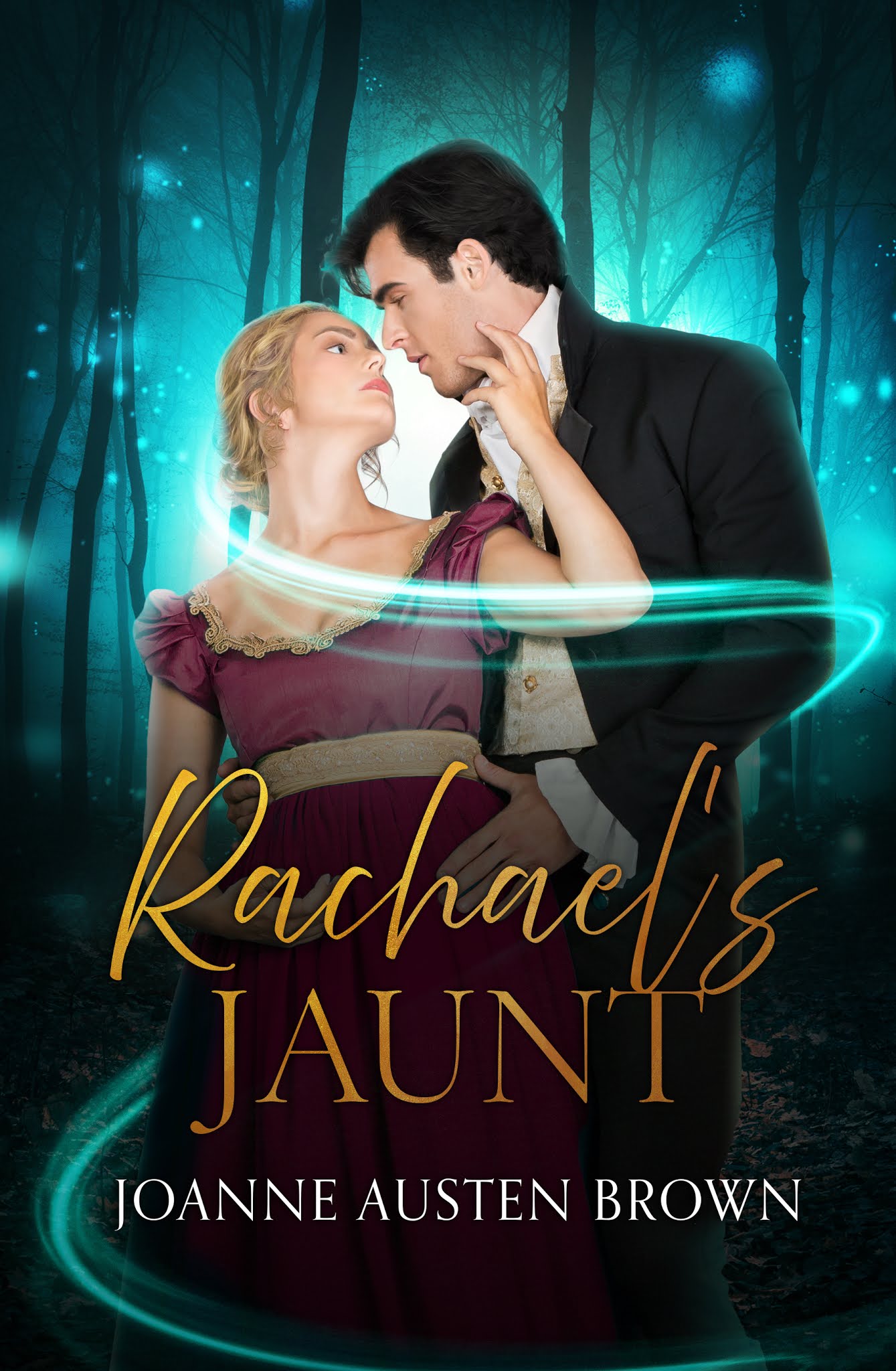
Rachael Fielding loves Scotland. She escapes her busy life for some down time but does not expect that time to be in 1822. Is she dreaming? And why is the man she knows as her dream Scotsman suddenly there in front of her?
Duncan Murray is a laird though he does not want to be. But he was born to the position. Then Rachael shows up and his world is turned upside down. Can she be the love of his life and what have the Fae got to do with it?
Is she a spy for the soon to visit, King George 4th? Can he believe her stories of the future? The two will be tested to their limits. Will the Fae have their way and is there a future for Duncan and Rachael?
Buy on:
May 4, 2020
Share Author Amy Ruttan's Writing Journey
Born and raised in Toronto, Ontario, Amy fled the big city to settle down with the country boy of her dreams. When she's not furiously typing away at her computer, she's a mom to three children.Life got in the way, and after the birth of her second child, she decided to pursue her dream of becoming a romance author.
Connect with Amy Ruttan over the web:
Website Twitter Facebook
I thought I’d write about the things I’ve learned since I first became a published author back in 2007. Wow. It’s hard to believe that sometimes it’s been over a decade. I have books no longer in publication. I’ve survived houses shutting, rights reversing and changes to editors.I’ve navigated a lot, I’ve taken a lot of classes and these are the pieces that work for me. They might not work for you, because every one is different in their process, but I thought I would share some advice that has proven right for me.1. The best thing I ever learned when I wanted to start writing category was read. And if you want to write for category, which is a different beastie compared to single title books, read the newest acquisitions in that line. It’s all great and good to have been reading that particular category line you’re targeting for as long as you can remember, but when you’re targeting that line, read the newest stuff out there. Lines change, wants and needs of editorial changes, so always read the newest thing they’re publishing. In fact, this is no secret and most publishers tell you this on their submission page.2. Don’t chase trends. What’s hot today, might not be hot when the editor is looking for it. When I write a book, it’s usually not out until 6-12 months later. Unless you have a manuscript for that hot trend, work on developing your brand and your voice. I spent a few years doing, what I call, spaghetti writing. I was throwing stuff out there to see what stuck and that was no way to build a brand.3. What works for author A, might not work for author B or C or even D. Do what’s right for you. You’re not a plotter, that’s okay. You plot, perfect. You edit as you go, great. You don’t, it’s okay. You do you.4. On the flip side, don’t beat yourself up if you can’t write every day. If you’re staring at a blinking cursor, get up and move. Do something else. For me, I have to think. The books is percolating in my head for a while, even while doing other stuff. Then there’s this moment where a light bulb switches on and it comes out. It’s taken me over ten years to realize that this is my process and that it’s okay that it’s my process.The most important thing is to be kind to yourself. Protect your health and your mental health. Be professional, in the age of social media, you have to be mindful about what you say and to whom you say it to.
I don’t often recommend courses because again, what might work for me, might not work for you, but I’m going to HIGHLY recommend Becca Syme’s WRITE BETTER FASTER. It’s not so much writing faster, but it was this course that changed me. Turned me around from burn out to production again because it focused on my personality strengths and I was ready to do the work.
Amy's new book:
Baby Bombshell for the Doctor Prince

His secret: he’s a prince!
Her secret: she’s carrying his baby!
After ER doc Lev Vanin shared one unforgettable night with gorgeous Dr. Imogen Hayes, he never expected to see her again. He couldn’t tell Imogen he’s actually a prince! But when a revolution at home forces Lev into hiding, he ends up working in Imogen’s hospital and his secret is out! Plus, Lev’s life is about to be turned upside down once again…because Imogen’s pregnant with his heir!
Buy on:
Amazon Kindle
Amazon Paperback
Amazon Aust Amazon UK
Harlequin US M&B UK
Kobo
Apple Store Harper Collins UK
April 27, 2020
Carolyn Wren on Her Writing Journey

Carolyn Wren was born just outside of London and moved with her family to Western Australia when she was four. They returned to England when she was eight and came back again when she was eleven, all by cruise ship, meaning Carolyn had traversed most of the words oceans before she became a teenager. The resulting passion for travel has never left her. After a working life in the finance sector, Carolyn began writing fiction in 2009, for fun. She won the very first writing contest she entered which gave her the incentive to keep going. As of 2019, she’s published over a dozen stories through USA and Australian publishers, with upcoming releases through a UK publishing house. Her award tally so far is 6 wins and 14 finalist placings from all around the world. The trophies and certificates are displayed with a great deal of pride.She’s a proud member of the Romance Writers of Australia. Australian Romance Readers Association. Australian Society of Authors, and the KSP Writers’ Centre.Carolyn doesn’t like to limit herself to one genre, preferring to let her characters take control. The resulting stories can range from light hearted comedic contemporary through to sexy, action packed romantic suspense and emotion driven urban fantasy. Because she’s a true romantic at heart, one thing remains constant in all her books, she loves a happy ending.
You can find Carolyn at the following links:
https://carolynwren.com/https://www.facebook.com/carolynwrenauthorhttps://www.instagram.com/carolynwrenauthor/https://twitter.com/carolyn_wren
My writing journey for Puddles Valentine is an interesting one, because the story had its origins as a ‘writing prompt’ exercise back in 2013. A group of author friends and I would set ourselves a monthly challenge, and this particular one was to create a complete story in 800 words or less.
I had never written something so concise, and I was struggling, until an advertisement came on social media for upcoming St Patricks Day celebrations. An idea popped into my head for a Rom-Com featuring a matchmaking leprechaun and a mischievous puppy, and the entire story raced from my fingers in half an hour, followed by a full week of head scratching revisions to meet that essential 800 word rule.
The exercise taught me so much about word usage and pacing and I loved the heart behind the story. I kept it in my ‘works’ folder as a reminder, and there it sat until Gumnut Press announced its submissions for the Paw Prints of Love Anthology. I remembered it, rummaged through my old folders, and was delighted to discover the leprechaun wasn’t an essential part of the love story, but the puppy was.
Even better, the tale (no pun intended) was perfect for expansion, giving me the opportunity to weave the world of Stonecrest Bay into its plotline. I went back to the story’s basic roots and recrafted it, using the knowledge I’d gained from my years as a published author, and the wonderful insights of the editors I’ve worked with.
I’m so thrilled that my mischievous puppy and the love he generates will finally be released onto the world’s stage. And I guess if there’s a moral to this writing journey, it’s to keep learning, challenge yourself every day and never waste a good story, no matter how old or how short it is.
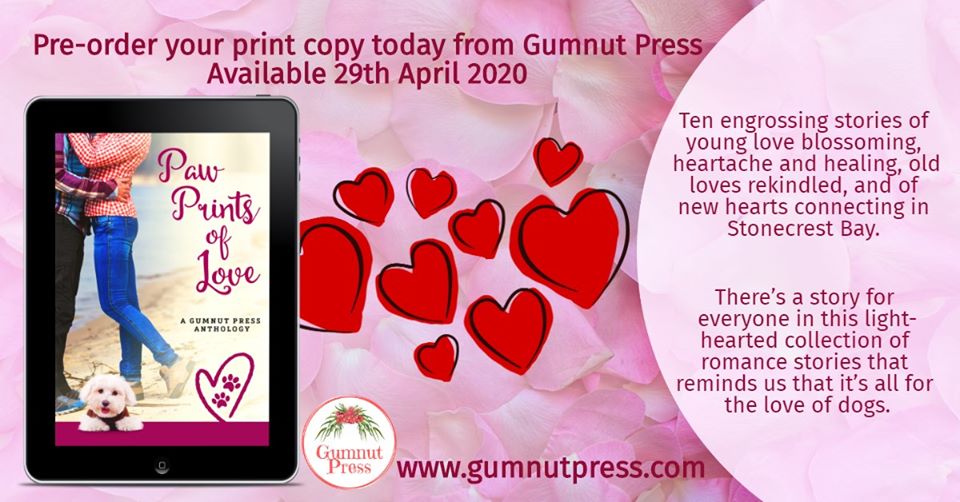
Paw Prints of Love

Anthology Authors- Lisa Knight, Fiona Greene, Teena Raffa, Susan Dunn, Helen Walton, Leah Kinninmont, Jenny Lynch, Lisa Wolstenholme, Carolyn Wren and P.L. Harris.
Love can call on us in the most unusual places. In this fictional seaside town of Stonecrest Bay, love is on the horizon and the one place you’re sure to run into the unexpected is The Funny Bone, Dee Chambers’ dog grooming salon.
A solo-dad comes to Stonecrest Bay to start a new life with his young son. A four-legged pastry loving friend causes havoc in more ways than one. A house-sitter finds herself in a hair-raising chocolaty situation. A man bent on finding a replacement farm dog finds more than he planned at the town fair. A woman gets more than she bargained for when she comes face to face with her ex. A new resident arrives with hidden secrets. And a pro surfer finds unexpected romance.
From reignited high school crushes to unexpected birthday surprises, readers will be swept up in these stories of young love blossoming, heartache and healing, old lost loves rekindled, and of new hearts connecting in Stonecrest Bay where the unpredicted could stroll around the next corner. There’s a story for everyone in this light-hearted collection of sweet romantic stories reminding us that it’s all for the love of dogs.
Enjoy this collection of stories from ten different Australian authors set in the fictional seaside town of Stonecrest Bay.
Buy on:
Amazon Kindle
Amazon Aust Amazon UK
February 17, 2020
Writing is a Balanced Diet with Juanita Kees
We have author Juanita Kees sharing about writing.
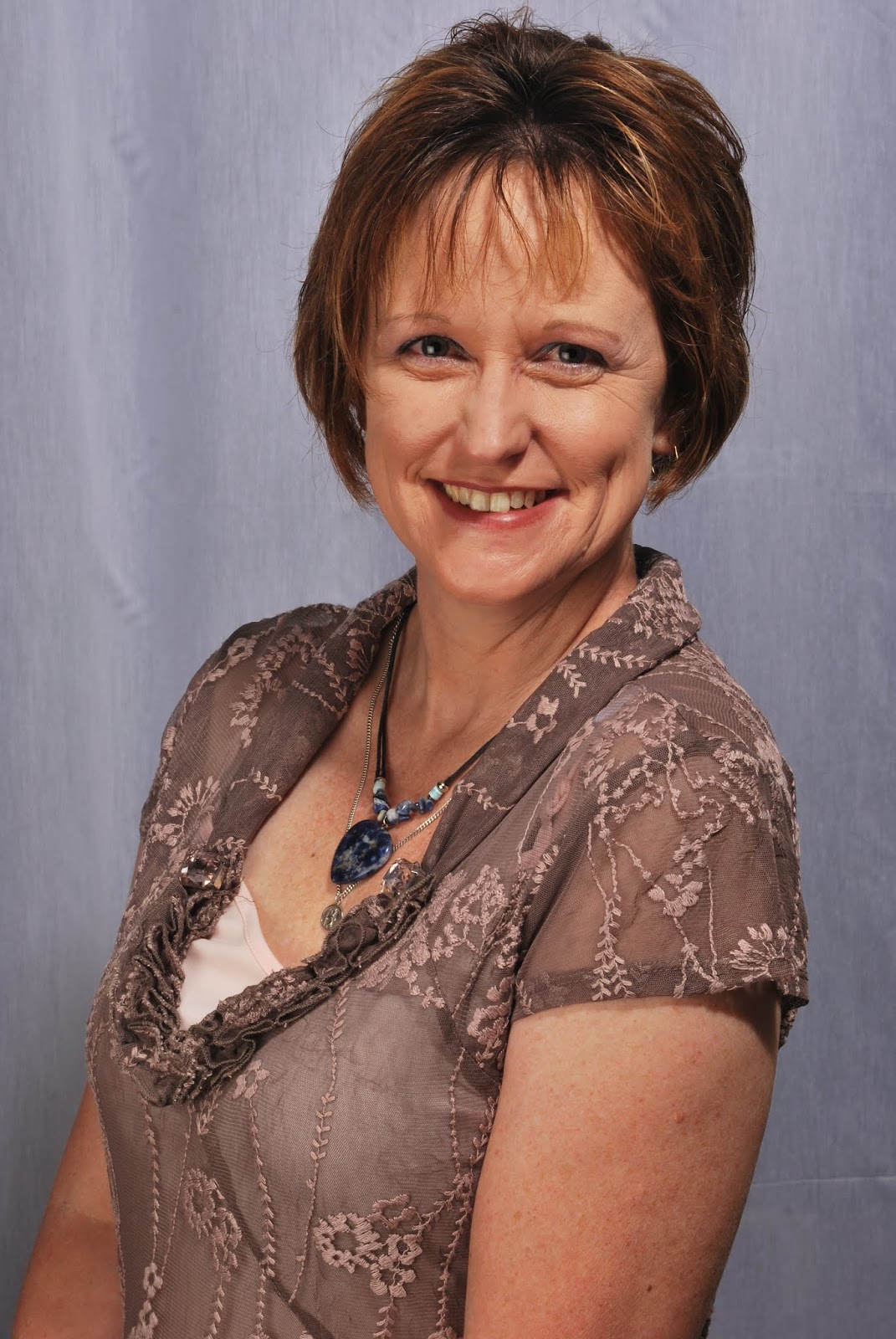 Juanita escapes the real world by reading and writing Australian Rural Romance novels with elements of suspense, Australian Fantasy Paranormal and Small-Town USA stories. Her romance novels star spirited heroines who give the hero a run for his money before giving in. She creates emotionally engaging worlds steeped in romance, suspense, mystery and intrigue, set in dusty, rural outback Australia and on the NASCAR racetracks of America. When she’s not writing, Juanita is mother to three boys and has a passion for fast cars and country living.
Juanita Kees on the web:
Website Facebook Twitter BookBub Instagram
Writing is like a balanced diet - everything in moderation. Long before I was a writer, I was a reader. In embracing the art and craft of writing, we aim to improve with every book we publish. Each conference we attend, every workshop we take and with every round of edits on our manuscripts, we're honing our technique and learning new skills. As a reader, I never noticed things like 'point of view' swings nor did I care about the hero or heroine's 'mirror moment' or 'character arc'. All I knew was that the story did or didn't work for me. I didn't understand what it was that drew me out of the story after the opening paragraph, made me reach halfway point only to be unable to finish the book, or (most importantly) what it was that kept me on the edge of my seat entertained until 'the end'.Then came writing, editing, research, competition entries and finally, publishing. I learned technique, the do's and dont's of writing a good book, publishers' guidelines and styles...the list goes on to assist you in presenting the reader with a book you hope will be the next international bestseller. And who knows, you might just be lucky :)So that's book one on the shelf, all nicely packaged and ready for ripping through the roof of sales charts world-wide...until that devil named Self-Doubt comes knocking on your door. And you don't have to be a writer for him to come knocking.My current work in progress is a small town romance and I'm having a little trouble with my characters. I've plotted and planned out the chapters, defined their personalities, their arcs, their mirror moments, and generally organised them within an inch of their lives. Three chapters later, I've hit the wall with them dancing around each other like boxers in the ring with no fight plan. Right after that comes, "I can't do this. What makes me think I can write a book? What if readers don't like it?"Why am I having trouble? Because I'm trying to stick to the 'rules'.When the monster Self-Doubt comes calling, I back away from my keyboard and curl up with my all time favorite author, Nora Roberts. It's there I see all the 'rules' being broken that, as a reader, I didn't recognize before. Here's a few:Starting a sentence with 'And' - Nora did itStarting a sentence with 'Because' - Nora did itStarting a sentence with 'But' - Nora did itSwitching in and out of POV's - Nora did it!
The editor in me shouts "No!" while the writer in me shouts, "Yes, yes, yes!" Why? Because that's how 'real people' speak and since our characters are 'real people', they should be allowed to speak naturally. What gives your writing a 'voice' is the uniqueness of your style, the way you structure your sentences, scenes and dialogue; that little bit of 'you' in every story. So perhaps it's time I followed the same advice I give to others in my role as an editor - write from the heart and apply the rules later, if they apply. If we apply the same rules to our work all the time, all our books would be the same - like a recipe passed down through the family - until someone comes along and adds a twist to it.Be that person to add the twist - in moderation of course, you don't want to break the rules all the time! Write from the head and the heart of your characters, and you're on the road to writing a book that will resonate with the 'real people' out there - your readers. And when Self-Doubt steps into the ring, tell it to rack off and remember: Nora Roberts did it .
Juanita Kees has a new book out this month:
Promise Me Forever (Bindarra Creek A Town Reborn Book 8)
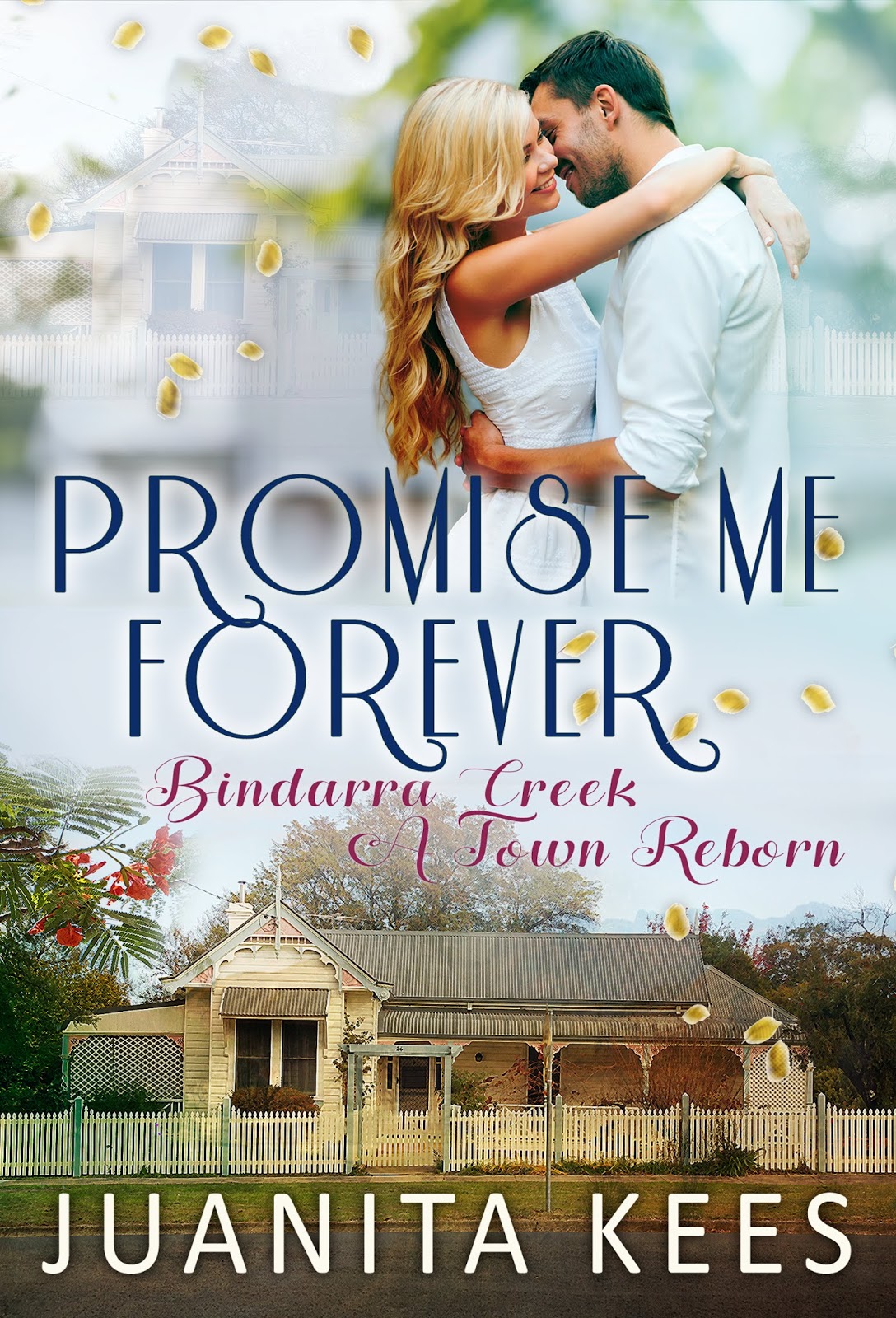 News correspondent, Jack Hughes, is sent to sleepy Bindarra Creek to escape the spotlight after a scandalous fake video goes viral. He’s in the fight of his life to save his reputation. In a town only determination has kept from dying, the last thing Jack is looking for is love.
The Bindarra Creek Museum is Meg Moonie’s life. But with her granny dead, a murder suspect on the run and the police asking questions, she struggles to keep the museum and Mary Moonie’s dream alive. Jack is a handsome distraction, but Meg has been hurt by a roving reporter before. Men who couldn’t put down roots never promised forever. If only he wasn’t so easy to fall in love with…
Buy on:
Amazon Kindle Amazon Paperback
Amazon Aust Amazon UK
January 26, 2020
Character Development- Quick To Tell You, But Not So Quick To Do
 Nicole first discovered romance novels hidden in her grandmother's closet. Convinced hidden books must be better, Nicole greedily read them. It was only natural she should start writing them (but now not so secretly). If she isn't working on the next book in the Lovers and Legends historical series, she can be reached at:
Let's connect with Nicole on the web:
Facebook Twitter Website Goodreads
I love writing tips. Over ten books in the Lovers and Legends series and I’m still discovering them.
Sure there’s the organisation factors, the plotlines, the story arc. Ah, but character tips. Those aren’t so easy unless you do it all before you start (trust me, you may have good intentions and good organisation, but even this fails at some point).
So what do we do about characters. Before you start, I suggest astrology or birthday books. They’re great to get personality traits that aren’t necessarily yours.
What do you do if you’ve already started? If, by chance, you’re at the end of the story and you have problems. Ah, then, it’s not so easy. But there are a few tips. Things that will take a lot of time. Just remember to do a bit every day and you’ll get through it. I have.
Flat character? Read only their parts. Watch the arc of that person. How are they thinking? Developing? What can you do to add to their depth?
All your characters sound like you, the author? It’s probably because they’re using words that you use in your speech: ‘just’, ‘well’, etc.
All your characters sound similar? Give them words that only one of them will use. Perhaps you need more than that, a phrase or physical traits.
Physical descriptions sounding the same from one character to the other? Start looking at pictures. Put a scar somewhere, a freckle, a mole. Maybe the female has a crooked toe from when she broke it and it didn’t set right (that would be me).
These little things will take time, and you’ll need to keep track because eventually, one hundred books, in you’ll be wondering who had what and where and how. But I can guarantee this: your characters will be far more interesting for it.
Nicole has a new book out:
Her Dark Knight's Redemption (Lovers and Legends Book 8)
“This man was shadow and night.
He was Darkness.”
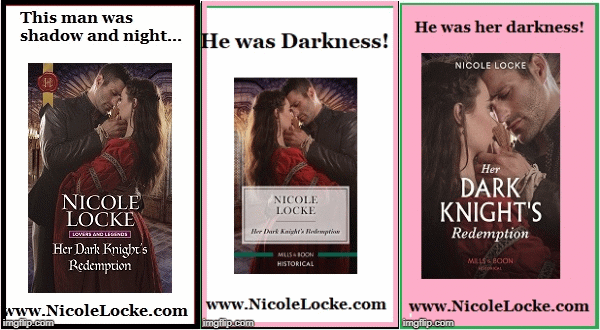
Homeless Aliette is saved from punishment for stealing by a mysterious knight. To stay alive, she’s informed by this stranger that she must claim his child as her own. She should fear the dark knight’s power, yet it’s clear there’s more good to this man than he’s prepared to show. Can she break down the barriers of the tortured knight she calls Darkness?
Buy on:
Amazon Kindle Amazon Paperback
Amazon UK Amazon Aust


