Michael May's Blog, page 30
March 8, 2021
Através da Sombra (2015)
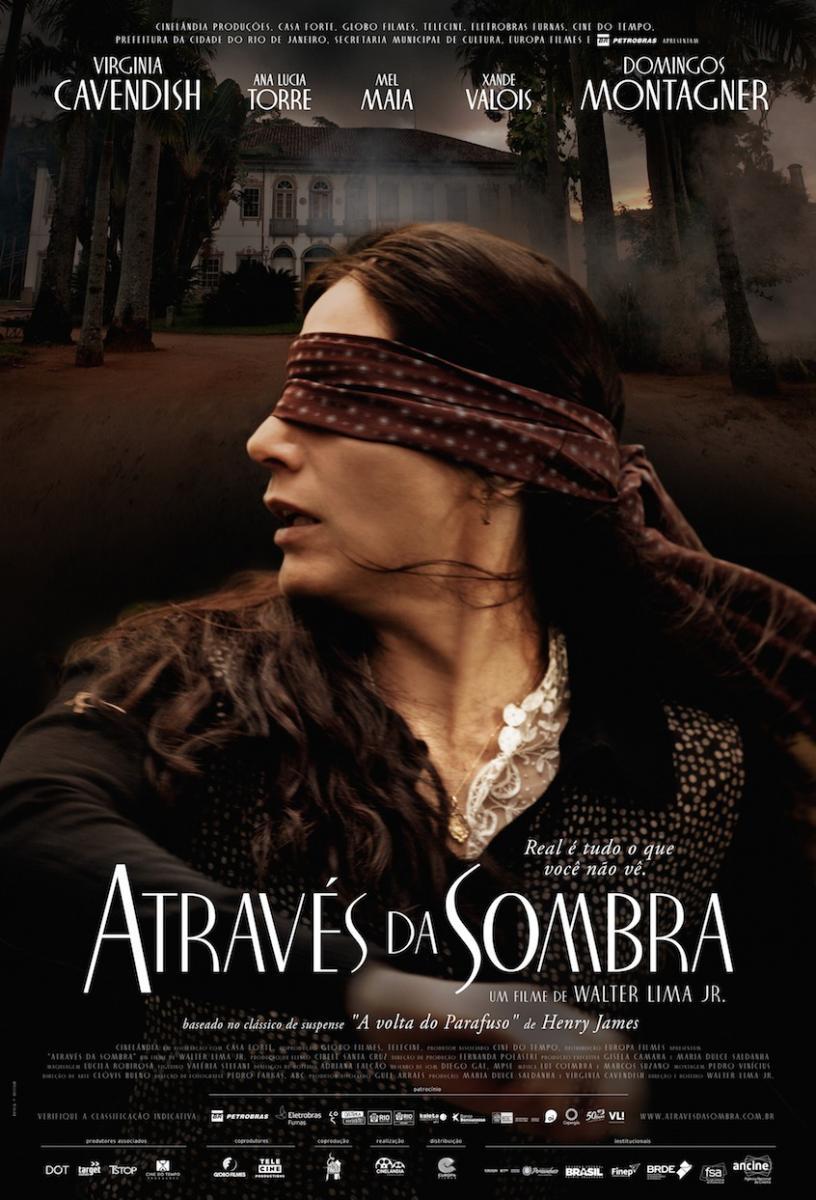 Através da Sombra is a Brazilian adaptation of The Turn of the Screw. The literal translation of the title is Through the Shadow, which I guess sort of describes the journey the governess goes on. "Through" implies that she comes out of the shadow on the other side, though, and I'm not so sure she does that in any version. The only one that spends any time exploring her life after Bly is the 2009 one with Michelle Dockery and she's still in pretty rough shape even then. On the other hand, I don't guess "through" actually implies that she comes out unscathed, so it could be an accurate, evocative title.
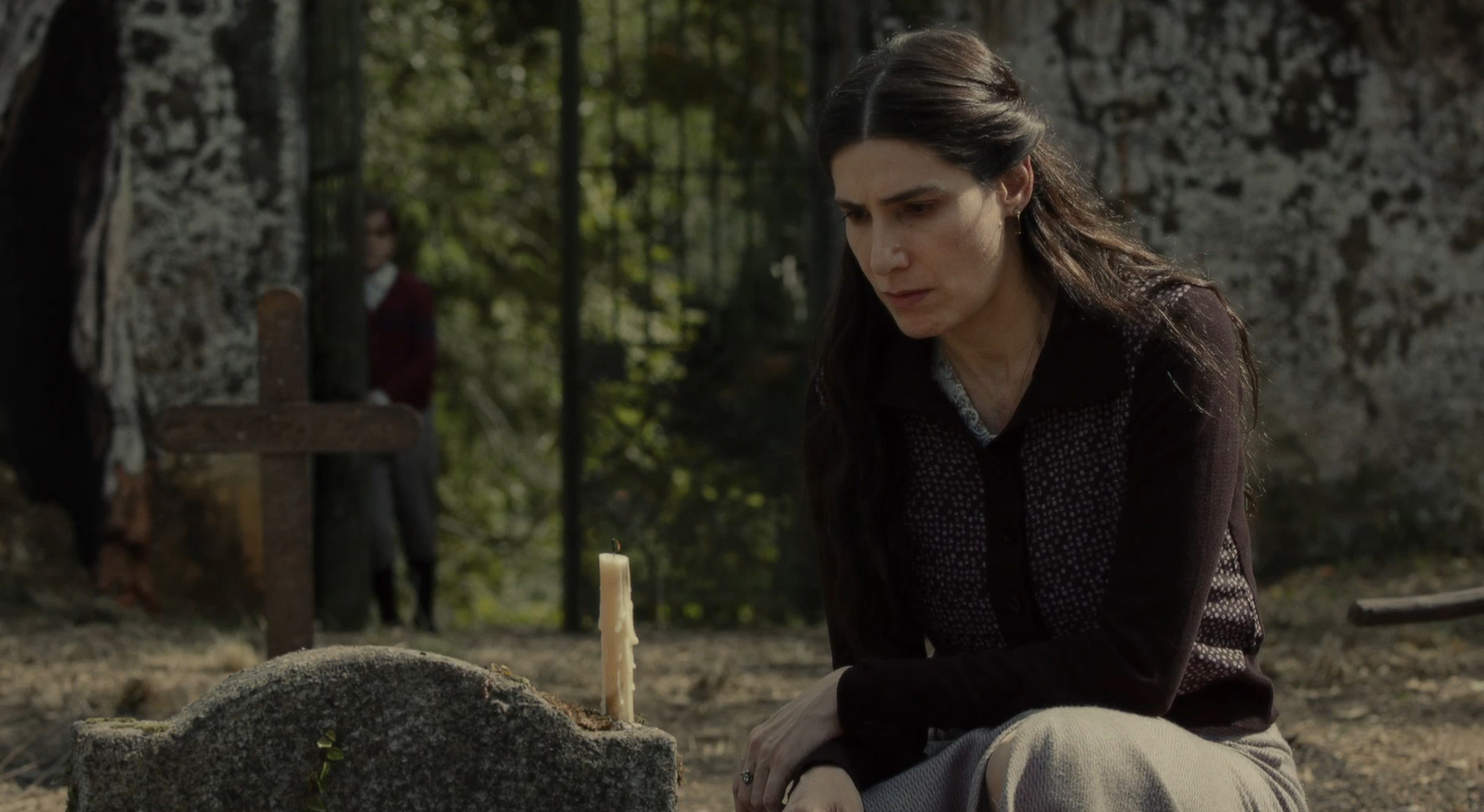
Através da Sombra is pretty straightforward except for its relocating the setting from England to Brazil so that Bly is now a large coffee plantation. Virginia Cavendish's governess is named Laura and her backstory is tweaked a bit so that she grew up an orphan in a convent, but the result is the same as other versions. She's been sheltered and the combination of her naivety and her strict, religious upbringing makes her overconfident and unprepared to deal with the trauma in the house that she's walking into.
This one really plays up the overconfidence and she's quite convincing for a while; almost Mary Poppins-like in her poise. But she's also visibly affected during the interview with the kids' uncle when he touches her hand and persuades her to take the job in spite of his requirement that she not contact him for any reason. (Incidentally, there's a lot of hand touching in the recent adaptations of this scene that I've watched. It's a subtle, intimate way for the uncle to influence the governess and I've almost come to expect it now when I watch a new version.)
Anyway, cracks continue to show in the governess' façade, especially when she thinks about her employer. She frequently imagines and even practices conversations with him. At first I thought it was just a cheap writing tactic to allow the audience into her head, but as it continued and intensified, it became apparent that the film is methodically revealing her to be unhinged.
As for the children, it's clear earlier on in this version that they've suffered some kind of trauma. In other versions, it takes a while for the governess to see past their sweet exteriors, but Elisa (this version's Flora) is painfully shy and distant right away even though the Mrs Grose character (everyone is renamed) insists that Elisa has been excited for the governess to arrive. She eventually warms up, but both she and her brother Antonio are always a bit off.
I've stopped trying to figure out if the ghosts are real from one version to the next. I no longer think that's important. I've settled my mind that they're always real and a threat to the kids, but that the greater danger to the children is the governess' attempt to save them. It's just a horrible situation and a powerful metaphor for how complicated it can be to minister to someone who's been through severe mental or physical pain.
That's why I prefer movie adaptations that have the governess be directly responsible for Miles' death. The book is vague about what exactly happens, but it's thematically beautiful for her to literally smother him while trying to protect him. Sadly, Através da Sombra doesn't go that route. Instead, it has Antonio drop dead while running away from the governess, implying that Bento (the Peter Quint character) is responsible. It still works - he's running from Laura who's kind of madly pursuing him - but it also kind of lets her off the hook a little. The story's more powerful when she's directly responsible.
Three out of five sad schoolteachers.


March 7, 2021
AfterLUNCH | Greetings from SciFi World!
 Rob and I are joined by Joanna from Bloody Popcorn and my frequent podcasting partner Dan Taylor to create a science-fiction-themed amusement park with lands devoted to Twilight Zone, Firefly, the works of Philip K Dick, and Planet of the Apes.
 Download or listen to the episode here.

March 4, 2021
Seriously Felicity | Spooked
 Kristi and I get mugged, start jobs at Dean & DeLuca, and go to a Halloween party.
 Download or listen to the episode here.

March 1, 2021
The Turn of the Screw (2009)
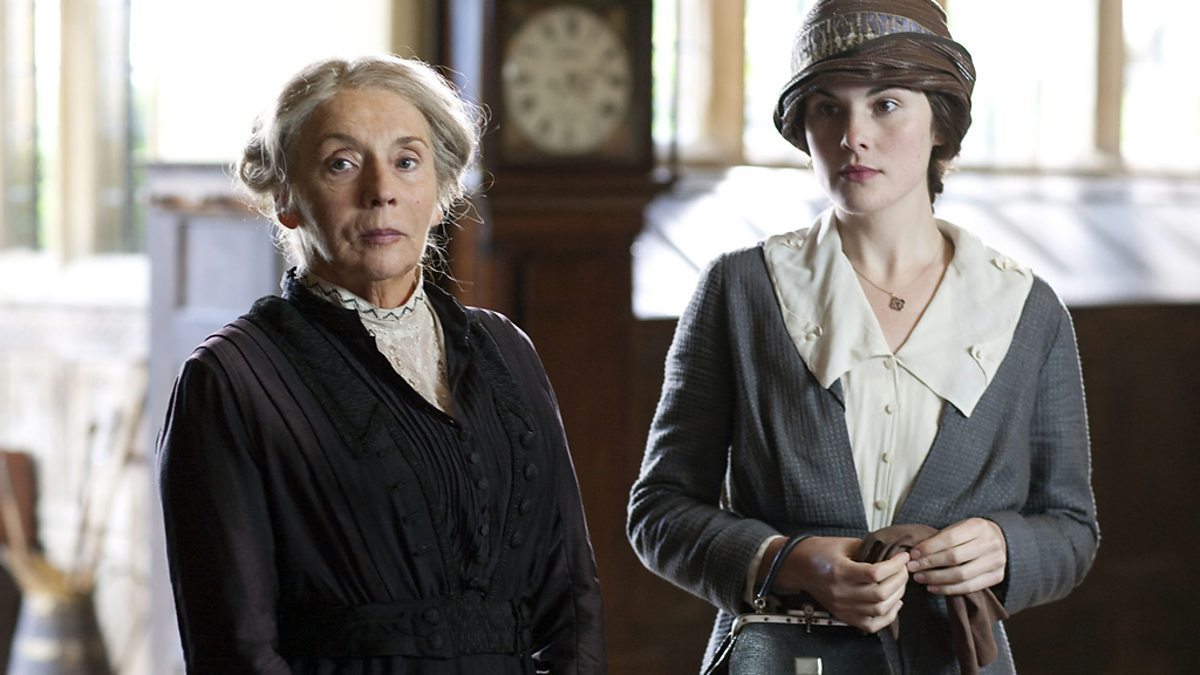
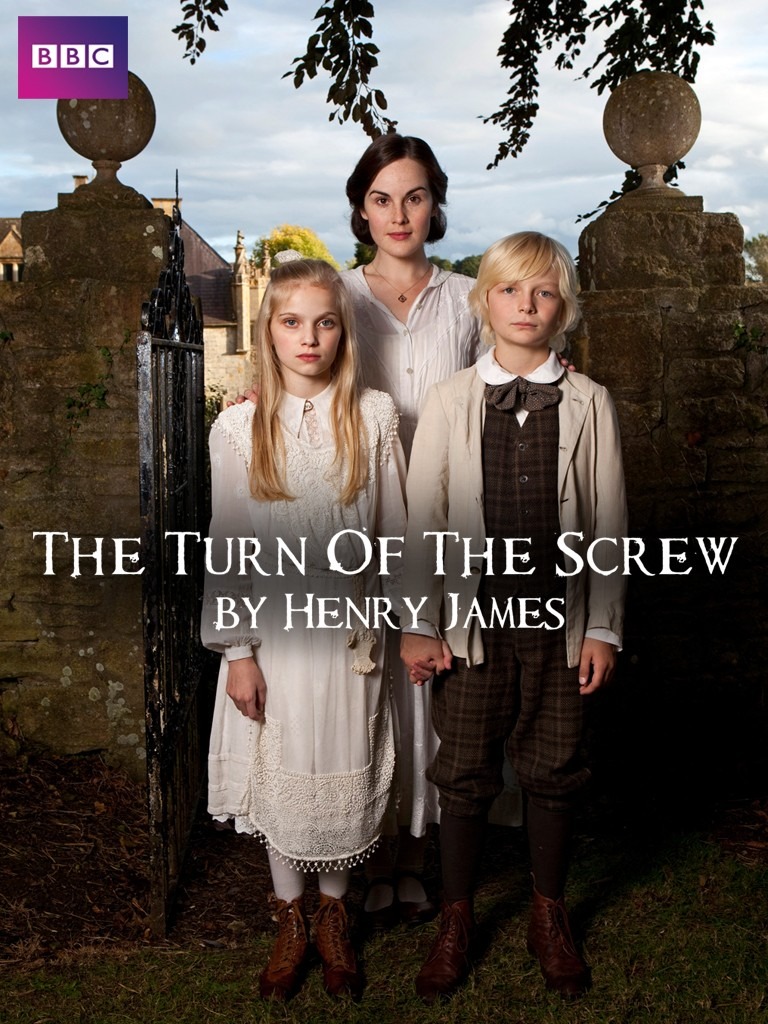 The BBC's 2009 Turn of the Screw adaptation came out a year before the premiere of Downton Abbey, but has a surprising lot in common with it. Most noticeable of course is Michelle Dockery as the governess, but Turn of the Screw also features Sue Johnston (aka Miss Denker, Maggie Smith's lady's maid) as Mrs Grose. And there's even a brief, but important role for Dan Stevens as a doctor who tries to determine whether the governess is sane after her experiences at Bly. As a big fan of Mary and Matthew Crawley, it was lovely seeing Dockery and Stevens in scenes together again, even if they predate what I know them from.
Bly itself may not be the same scale of grandeur as Downton, but it's still an impressive estate with lots of servants. And then there's the resetting of the story to the 1920s, a time period also covered by Downton, so the clothing styles and technology look very familiar to Downton fans. It's kind of amazing to me that the Turn of the Screw adaptation came first.
Putting the story in the '20s isn't the only change this version makes. It fully embraces the ghost story aspects of Henry James' novella, so that as soon as governess Ann enters Bly, she starts hearing and seeing things. The kids are played up to maximum creepiness from their Village of the Damned light blonde hair to the sinister looks they give behind Ann's back. They're not just affected by past trauma, they're almost certainly literally possessed.
It's not as interesting or deep an issue as the book or other adaptations deals with, but it's a fun, exciting take. Having the governess' sanity under evaluation is a nice framing device, too, since it lets her and her doctor speculate about and interpret what she's seen.
But even though its being a straight ghost story is a nice change of pace from the usual heavy darkness of implied or explicit abuse, this version doesn't particularly stand out as a great ghost story. Having seen a lot of spectral Quints and Jessels so far, my favorites are the ones with the least special effects. That approach usually supports the story best, since the governess isn't sure what she's seeing and it helps not to have any visual cues that she's definitely witnessing something supernatural. But just from an aesthetic standpoint, I'm creeped out much more when I'm just seeing a person standing unnaturally still off in the distance, staring at me, than I am when that person is transparent with a computer-generated blue aura around them.
Three out of five Downton denizens.

February 28, 2021
AfterLUNCH | Chatting with Kelly Thompson
 Rob and I talk with one of our favorite writers. Kelly Thompson has written novels like Storykiller and The Girl Who Would Be King, but she's most known for great, funny, character-driven comics like Marvel's A-Force, Hawkeye, Black Widow, and Captain Marvel as well as series featuring popular characters like Jem and the Holograms, the Pink Power Ranger, Nancy Drew, and Sabrina the Teenage Witch. Kelly shares huge aspects of her writing process, but also geeks out about other things that she's enjoying watching and reading.
Download or listen to the episode here.

February 27, 2021
In a Dark Place (2006)
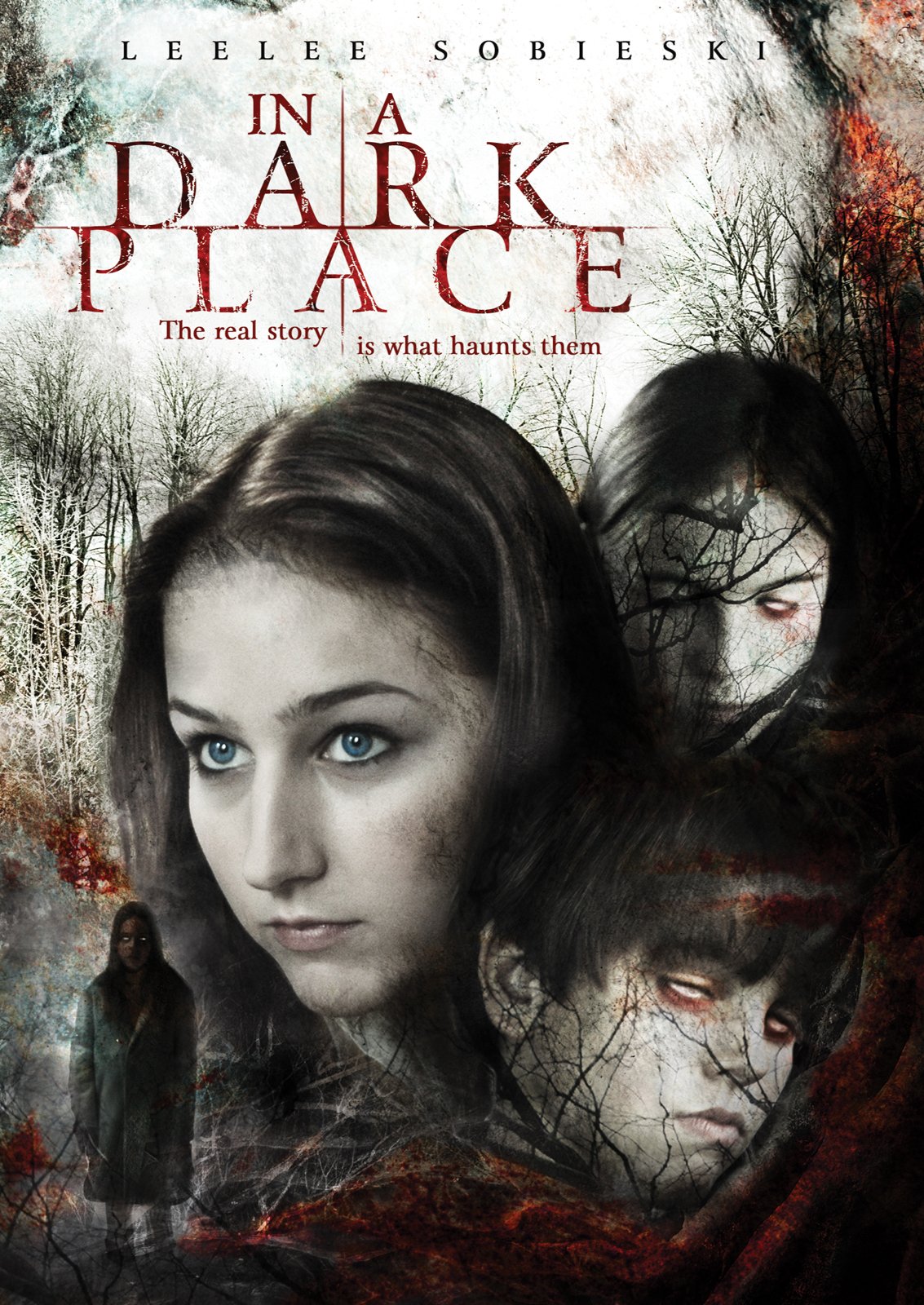 Spoilers and various triggers below
Last year's The Turning wasn't the first film to update The Turn of the Screw with a contemporary setting. As far as I can tell, that was 2006's In a Dark Place starring Leelee Sobieski as the governess, named Anna Veigh in this version.
It would be fairly easy to reset James' novella in modern times without changing much about the relationships, but In a Dark Place takes the opportunity to do a couple of things. First, it sidelines the already minor, but important character of the uncle who hires the governess. In this version, he sees her on someone else's recommendation and spends all of ten seconds looking her over before hiring her. All other contact between him and her is handled through his assistant, Miss Grose (Game of Thrones' Tara Fitzgerald).
In the novella and other adaptations, Grose runs the house, but has no authority over the governess or anything involving the children. She's Anna's boss in In a Dark Place and that power shift makes a big difference. For one thing, it's now very important whether or not she believes Anna's claims about seeing the ghosts of Peter Quint and Miss Jessel. In the novella, Grose could only affect the governess' state of mind by supporting her or not. In this film, Anna could lose her job if Grose decides she's crazy.
More importantly though, it's eventually revealed that Grose is lesbian and - early coolness towards Anna notwithstanding - attracted to her new employee. Anna makes it clear early on that she's fascinated by Grose and wants to be her friend, but Grose crosses a professional boundary by initiating an actual physical relationship. And by the time she does, it's already very clear that she's just one in a long line of people who have behaved inappropriately towards Anna.
The movie opens with her being harassed and then fired by the headmaster of a school where she's teaching, but he then recommends her for the governess job. In addition to him and Miss Grose, the movie gradually reveals that Anna was also sexually assaulted as a child. And then there are Miles and Flora's hints at their own abuse by Quint and Jessel and that they possibly expect the same kind of treatment from Anna.
This kind of abuse is heavy subtext in the book, but In a Dark Place pulls it into the overt text and shines a spotlight on it. Anna causes trouble for the children not because she's naively inexperienced as in the novella, but because her own, actual experiences of abuse by multiple people in her life, including her current employer, cause an incredibly strong reaction when she suspects that Miles and Flora suffered the same thing by the living Quint and Jessel, and are in danger of continued abuse by their ghosts. Anna gets so caught up in trying to protect the children that she becomes a monster herself and the final scenes of her chasing Miles through the mansion (insisting that she's trying to save him) reminded me a lot of Jack Nicholson's hunting Shelley Duvall in The Shining.
It's a fascinating twist that still stays quite true to the spirit of the book. If the film were better directed, I'd probably love it, but Donato Rotunno uses a lot of weird camera angles and points of view and long periods of silence that distracted me rather than enhancing anything.
Three-and-a-half out of five troubled teachers.


February 24, 2021
Writing is Hard: Humans are humans
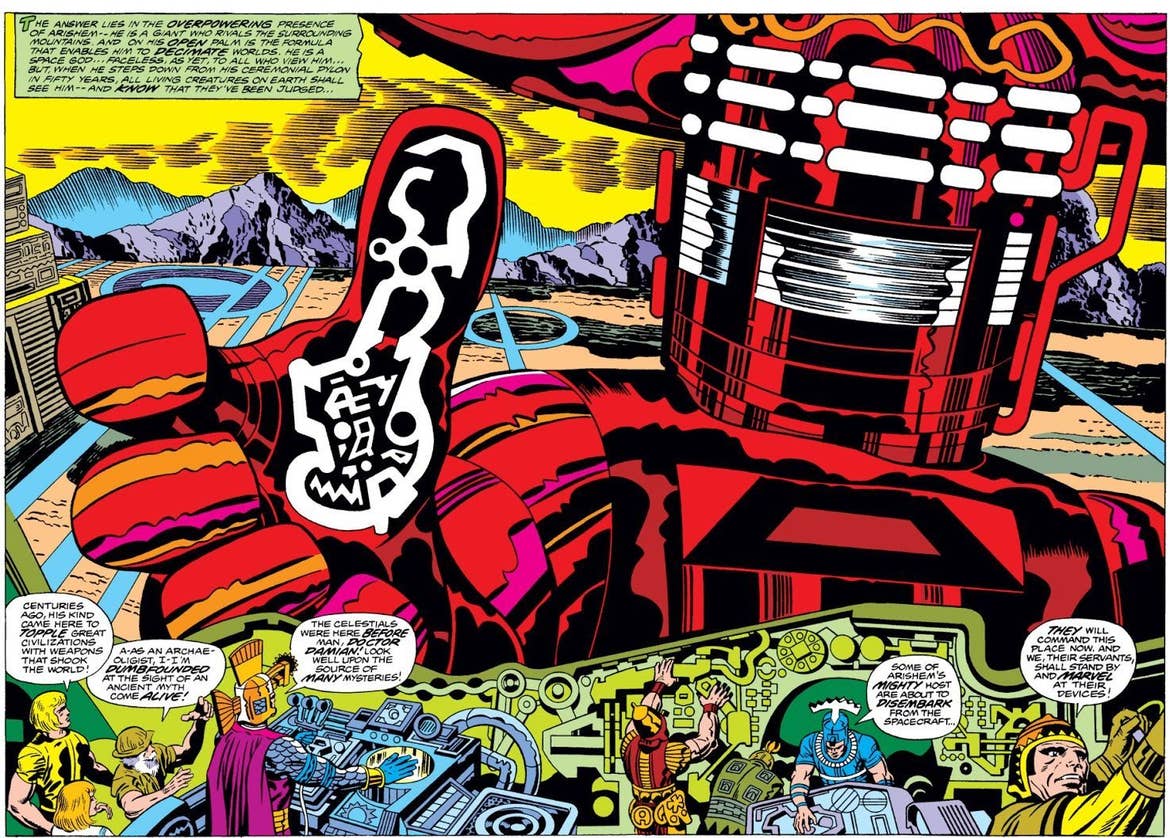 After the last After Dinner Lounge episode, Erik Johnson made a comment on Twitter that reminded me of something I want to drop here. Jack Kirby came up in the podcast thanks to Evan's reading The Eternals, which led Erik to write, "I’m foaming at the mouth with excitement hearing your Jack Kirby discussion being such a big fan of the man’s work, but I will admit my knowledge dips off after Silver Age years. His visuals are still great but the writing is a bit out there."
Thinking about Kirby's writing reminded me of a piece of writing advice he gave that's stuck with me ever since I read it. I've reinterpreted it and probably misquoted it through the years, so I want to document it here in case I need to refer to it again.
In an interview posted at the Jack Kirby Museum, Kirby said that "Superheroes may be superhuman in stature but inside they’re human beings and they act and react as human beings [...] It doesn’t matter whether you’re doing legendary characters like Hercules or modern characters, you’ll find that humans are humans and they’ll react the same way in certain situations."
That's profound and like I said, it's always stuck with me. You can put characters into all kinds of crazy, outlandish situations, but as long as they act like real people, as a writer you'll always be okay.

February 23, 2021
Hellbent for Letterbox | El Dorado (1966)
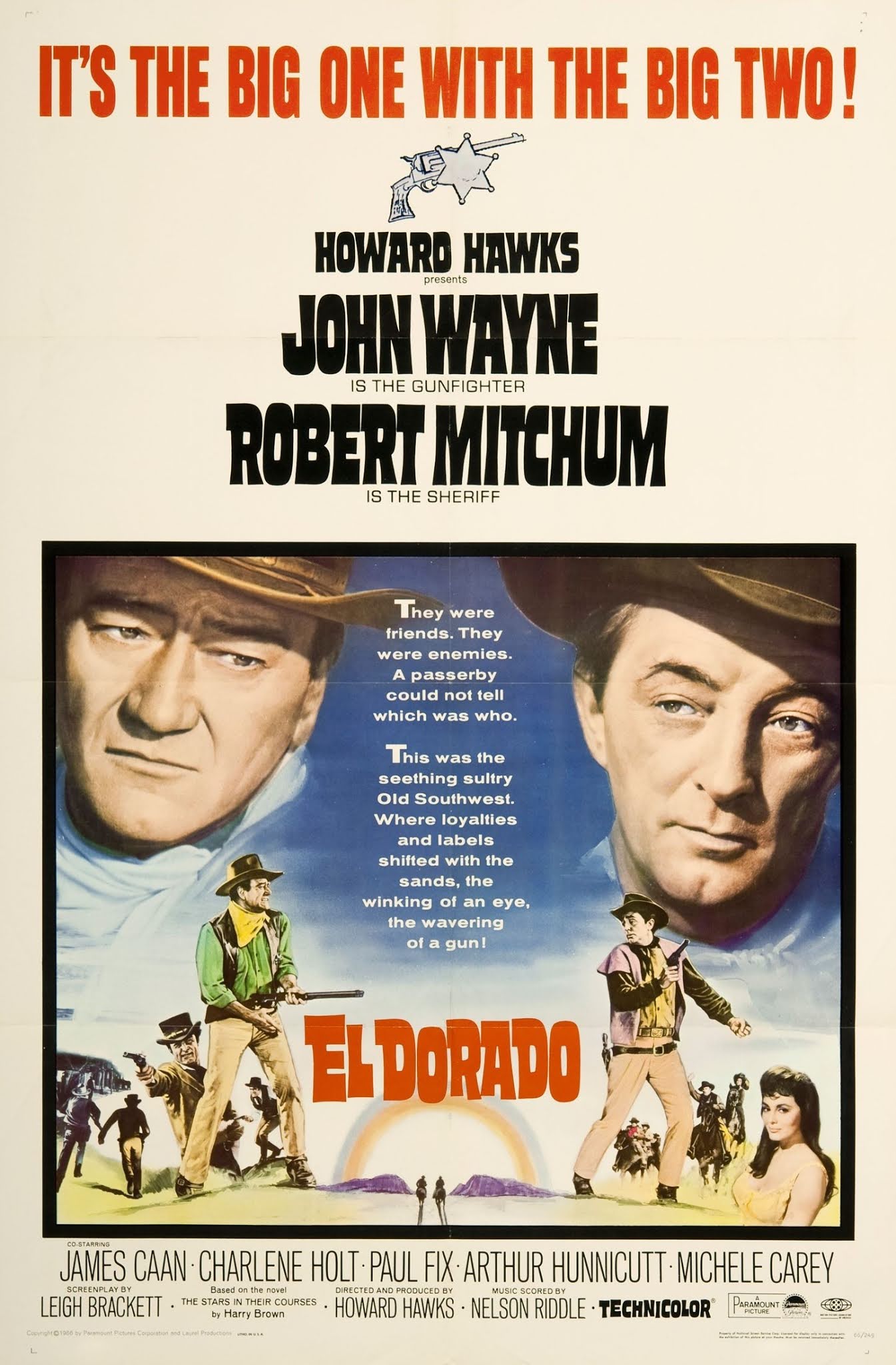 After loving Rio Bravo, Pax and I come back for more with the similarly plotted Howard Hawks / John Wayne / Leigh Brackett classic El Dorado. Robert Mitchum steps in for Dean Martin, James Caan subs for Ricky Nelson, and Charlene Holt replaces Angie Dickinson, but how do the films compare?
Download or listen to the episode here.

February 22, 2021
The Turn of the Screw: The Opera by Benjamin Britten
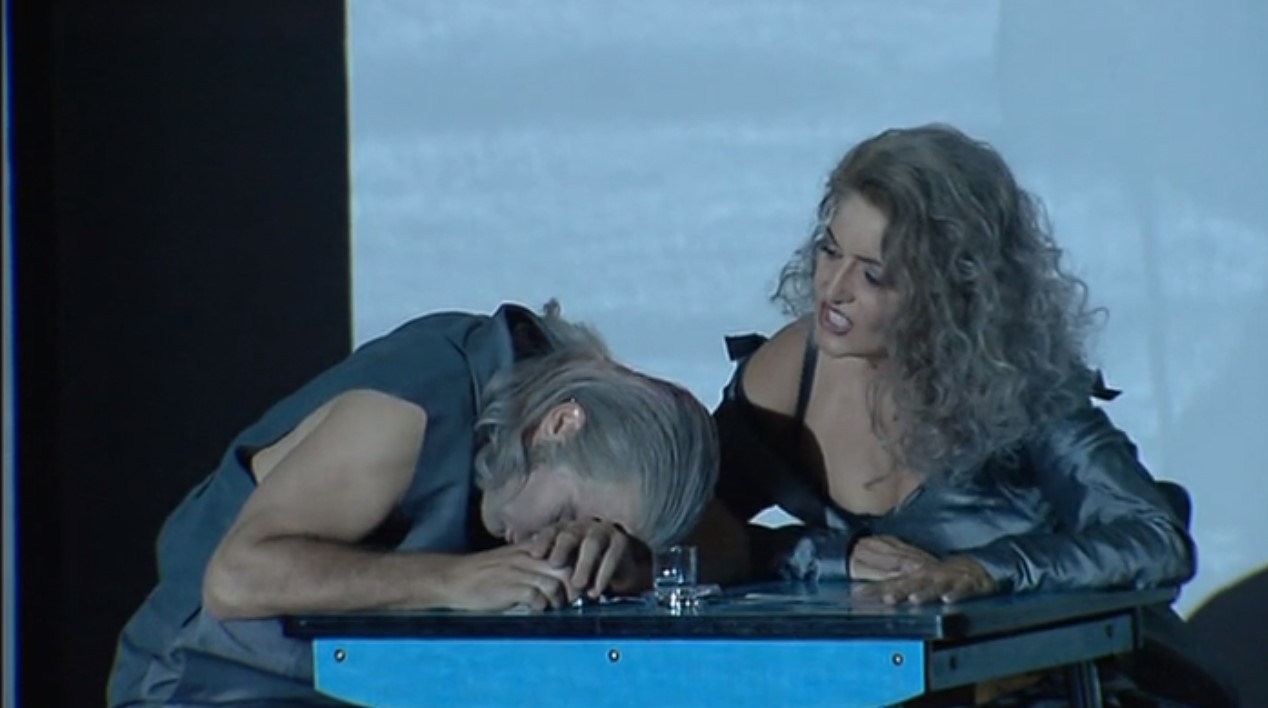
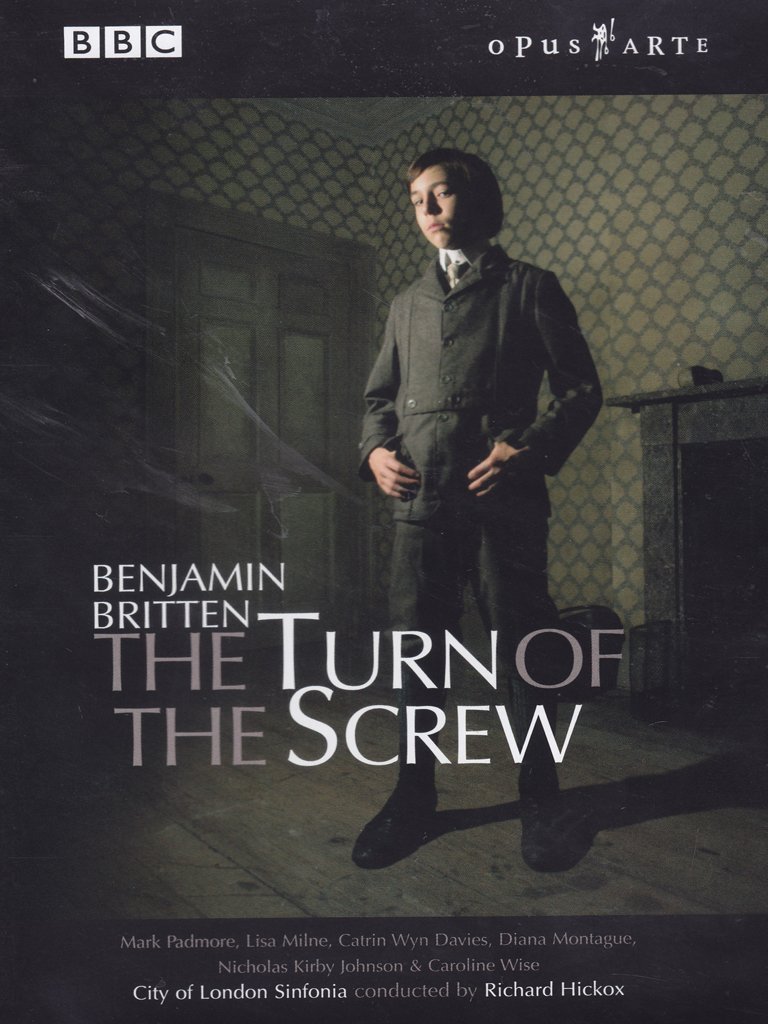 In 1954, composer Benjamin Britten debuted his operatic version of The Turn of the Screw. I watched a performance directed by Katie Mitchell with music by City of London Sinfonia. I've had a hard time verifying when it was recorded, but that's not important anyway. It's sometime within the last couple of decades and Mitchell's given the production a stark, modern quality with minimalist sets. I've seen photos of other productions that embrace the story's period, gothic atmosphere and I wish those were available to watch. Even though I don't love the version I saw, I'd be interested in a live production with a more opulent look.
It's impossible to tell how many of the changes to James' story are Britten's and how many are Mitchell's, but whoever's responsible, the performance I watched is explicit about the existence of the ghosts. They not only appear to Miles and Flora when the governess isn't around, but they also appear in one scene together alone with no mortal humans to witness them. This emphasizes what I've decided for myself lately: that whether or not the ghosts are real, their power in the story is what they did to the children while still alive. The haunting can be literal or figurative, but it's the same result either way. The kids are screwed up, the governess senses it, and because of her inexperience and delusion that she's capable of handling the situation, she screws the kids up even more.
While I don't care for Mitchell's spartan set, I do quite like the look of her ghosts. Both are dressed in unnatural, electric blue fabric and have blue coloring in their hair. Peter Quint (Mark Padmore) also has an ugly, red wound on the back of his head, relating to how he died. And Miss Jessel's (Catrin Wyn Davies) hair is wild and her dress is hanging loose, perhaps suggesting her drowning, but also giving her a disordered, abandoned look. That could be related to her general nature or to her victimhood by Quint, neither the opera nor James' novella give enough detail to know. But it works both ways and the ghosts are plenty striking. They're my favorite thing about this production.
Sadly, the other characters can't compete, even though the actors are all good. Operatic acting is different from film acting, but Lisa Milne is especially excellent as the governess, always looking around in curiosity, awe, or terror. But the production doesn't focus much on her. It's more interested in the ghosts and their influence over Miles (Nicholas Kirby Johnson) and Flora (Caroline Wise). The kids are close in age in this version, so the story loses the horror of Miles' adding his own manipulative influence over Flora, but that element isn't crucial in this version. Quint has targeted Miles and Jessel has targeted Flora and the unnamed governess has to try to rescue both.
Unfortunately, a side effect of the increased attention to the ghosts - both in how great they look and the amount of time they're on stage - is that the governess becomes dull in comparison. Britten's lyrics give her plenty to moan about and struggle with, but she can't compete with the ghosts. And she really needs to for the story to work. It has to be her versus the spirits with the kids at stake. And since the kids in this version can't really compete with the ghosts either, the consequences of the ghosts' winning aren't as dire and the whole production is off balance.
Two out of five apparitions of alarming associates.

February 21, 2021
AfterLUNCH | After Dinner Lounge, Feb 2021
 Evan, Pax, Rob, and I reconvene to talk about what we've been reading, watching, and thinking about. As always with the After Dinner Lounge, the conversation meanders, but topics begin with: Books like Carthage Must be Destroyed: The Rise and Fall of an Ancient Mediterranean Civilization by Richard Miles, Redwall by Brian Jacques, the Horatio Hornblower series by CS Forester, The Tournament by Matthew Reilly, and Storykiller by Kelly Thompson. Comics like The Eternals by Jack Kirby and Marvel's Killraven series. Movies like Mank, the Schwarzenegger Conan series, and Legendary Pictures' Godzilla and Kong MonsterVerse. TV shows like Ted Lasso. And real talk about Heist Stories, Separating Art from Artist, the Marvel Cinematic Universe, and Truffles.Download or listen to the episode here.