Kristi Helvig's Blog, page 8
February 8, 2013
My Author Interview on One Four Kid Lit
I was interviewed today on the wonderful OneFourKidLit blog, for authors whose books debut in 2014. Click
here
to hop on over and read my thoughts about my book, writing inspiration, and chickens. Okay, the chickens aren't related to the book, but I still talk about them. Happy Friday!


January 18, 2013
My Awesome Agent is Seeking Clients
My agent of awesome,
Jessica Regel
, stopped by Writer's Digest to talk with
Chuck Sambuchino
and discuss what she's looking for in submissions. She also mentioned my book (BURN OUT)! Swing by and see if you might be a good fit for her, because in case I haven't mentioned it...she's awesome!
January 14, 2013
5 Tips for Your Author Photo Shoot
Let me start by saying that I don't love having my picture taken, but sometimes we have to suck it up and do things we dislike (have I mentioned laundry here before?). Also, I was embarrassed that the photo my publisher had to send to the Frankfurt book festival a few months back was a quick pic taken in my dining room. I knew I'd have to get an acceptable photo taken sooner or later, so here is my new author photo...
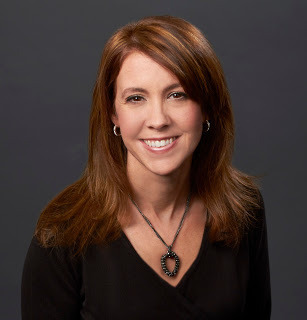 (Photo by
MaryLynn Gillaspie Photography
)
(Photo by
MaryLynn Gillaspie Photography
)
...and here are a few lessons I learned from the experience.
Have it done by a professional. I know this costs money, but this will part of your "brand" that you present to the world via social media, book jackets, etc. If you have a photographer friend who will do it for free or at a discount, all the better. Do your research. Get referrals from friends or other writer's whose pictures you admire. Check out the photographer's website and look at their portfolio. Do you like their style and does it match what you're looking for?It takes a village. Okay, it did for me anyway. I'd never had my make-up done before, even on my wedding day, arguing that I wanted to "look like me." As my make-up person pointed out the day of my shoot, he did make me look like me, just "a more polished version." I also had my hair done because my idea of doing my hair is brushing it, and I'm hopeless with a flat iron. Plus, I can deduct the shoot, make-up application, and hair styling on my taxes. (NOTE: Please contact your own tax person before taking deductions, because telling the IRS you heard it from me won't fly with them.)Make sure the photo reflects YOUR personality. Wear clothing you are comfortable in and that shows your style. Sure, follow all the photographer guidelines as far as sticking with solid colors, etc. but this is not the time to try out a new "look." Also, have your expression match your personality. For instance, I'm considered a pretty upbeat person and am usually smiling. A Victoria Beckham-type pout would look ridiculous on me. I've seen serious looking author photos, which is fine if you are a serious person (or have written a book about scurvy), but just make sure you are being you.Have fun. Stressing about what to wear or how to pose for your official author photo is a pretty lucky problem to have. I'd actually choose it over doing laundry any day. What were your experiences with your author photo? Any other tips to share?
 (Photo by
MaryLynn Gillaspie Photography
)
(Photo by
MaryLynn Gillaspie Photography
)...and here are a few lessons I learned from the experience.
Have it done by a professional. I know this costs money, but this will part of your "brand" that you present to the world via social media, book jackets, etc. If you have a photographer friend who will do it for free or at a discount, all the better. Do your research. Get referrals from friends or other writer's whose pictures you admire. Check out the photographer's website and look at their portfolio. Do you like their style and does it match what you're looking for?It takes a village. Okay, it did for me anyway. I'd never had my make-up done before, even on my wedding day, arguing that I wanted to "look like me." As my make-up person pointed out the day of my shoot, he did make me look like me, just "a more polished version." I also had my hair done because my idea of doing my hair is brushing it, and I'm hopeless with a flat iron. Plus, I can deduct the shoot, make-up application, and hair styling on my taxes. (NOTE: Please contact your own tax person before taking deductions, because telling the IRS you heard it from me won't fly with them.)Make sure the photo reflects YOUR personality. Wear clothing you are comfortable in and that shows your style. Sure, follow all the photographer guidelines as far as sticking with solid colors, etc. but this is not the time to try out a new "look." Also, have your expression match your personality. For instance, I'm considered a pretty upbeat person and am usually smiling. A Victoria Beckham-type pout would look ridiculous on me. I've seen serious looking author photos, which is fine if you are a serious person (or have written a book about scurvy), but just make sure you are being you.Have fun. Stressing about what to wear or how to pose for your official author photo is a pretty lucky problem to have. I'd actually choose it over doing laundry any day. What were your experiences with your author photo? Any other tips to share?
January 7, 2013
2012 Revisited and 2013 Writing Goals
HAPPY 2013!! Is it just me or does each year seem to fly by a little faster? I hope everyone had a wonderful and relaxing holiday, and is ready for great things to happen in the new year.

So, this time last year, I was basking in the happiness of finding the perfect agent for me. As you can see in the post, I'd written my big goal of finding my dream agent in ALL CAPS (you know, so the universe would know I was serious). You can also see in that next sentence that my goal for 2012 was to HAVE THE PERFECT PUBLISHER BUY MY BOOK (again, in ALL CAPS). In 2012, I had the perfect publisher buy not one, but two of my books, which clearly means that ALL CAPS possesses a strange magic--use it wisely.
Anyway, since my first book doesn't come out until next year (Fall 2014), I've struggled to come up with an all-caps goal for this year. Instead, my goals will be more task-oriented, so here are my main goals for 2013:
Finish revising Book 1 of BURN OUT series (this is easy because I'm under contract and I do really well with external deadlines) Write Book 2 of BURN OUT series (again, the contract thing, so no problem).Finish writing and revising new urban fantasy YA and send to agent. (I am on track to finish this in the next month or so)Start writing final BURN OUT book. Get my a$$ back online, as I've sorely neglected Twitter, FB, etc. for the past few months. Read more books!!!! I'm keeping my goals short and sweet for this year, because I work best that way. What about you? What are your writing or reading goals for 2013? Has anyone else found ALL CAPS magical?

So, this time last year, I was basking in the happiness of finding the perfect agent for me. As you can see in the post, I'd written my big goal of finding my dream agent in ALL CAPS (you know, so the universe would know I was serious). You can also see in that next sentence that my goal for 2012 was to HAVE THE PERFECT PUBLISHER BUY MY BOOK (again, in ALL CAPS). In 2012, I had the perfect publisher buy not one, but two of my books, which clearly means that ALL CAPS possesses a strange magic--use it wisely.
Anyway, since my first book doesn't come out until next year (Fall 2014), I've struggled to come up with an all-caps goal for this year. Instead, my goals will be more task-oriented, so here are my main goals for 2013:
Finish revising Book 1 of BURN OUT series (this is easy because I'm under contract and I do really well with external deadlines) Write Book 2 of BURN OUT series (again, the contract thing, so no problem).Finish writing and revising new urban fantasy YA and send to agent. (I am on track to finish this in the next month or so)Start writing final BURN OUT book. Get my a$$ back online, as I've sorely neglected Twitter, FB, etc. for the past few months. Read more books!!!! I'm keeping my goals short and sweet for this year, because I work best that way. What about you? What are your writing or reading goals for 2013? Has anyone else found ALL CAPS magical?
December 11, 2012
Blast From the Past: Query Tips
I'm slowly making my way back to the land of the living and will return to a regular blog schedule soon. In the meantime, here's one of my past popular blog posts: Query Tips.
Okay, so after reading a bunch of queries for my huge query critique giveaway, a few common things stood out, and I thought I'd give some general query tips. NOTE: None of these examples are from actual queries sent to me--they are my own creations, but you get idea.
1) Avoid cliche terms. e.g. "When 'x' happens, his world turns upside down." Anyone's world 'crumbling,' 'falling to pieces,' etc. is cliche. Be specific as to what happens.
Better: "When the space monkey lands in Evan's bedroom and injects him with a strange substance, Evan must find a cure within twenty-four hours or he will become a monkey himself."
(Does Evan's world "turn upside down?" Hell, yes, but an agent is going to be way more interested in something specific like this--unless they hate space monkeys, in which case you don't want them as an agent anyway.)
2) Start with the hook. DON'T START with something like, "This book is about love and loss, family and betrayal, beginnings and endings." You've just described approximately 50 bazillion books, and the agent will already be moving on. Start with a one-sentence killer hook about what your book is about. See space monkey example above.
3) Avoid questions when possible. You don't want the agent to answer your questions in a way that doesn't benefit you. e.g. Will the heroine save the world in time from the onslaught of possessed elves? Potential agent response: I'm guessing so or you wouldn't have written the book. Granted, that might just be my response because I'm sarcastic by nature, but still. You want the agent to read the last line of the query and think, "Holy hell. I must get my hands on this book NOW!" The best way to end the query IMHO, is to finish with the highest stakes possible. What is the worst thing that will happen to the MC or to their world, if they do not overcome their obstacle?
Better: "She must defeat the army of possessed elves before they enslave all humanity and harvest their pets for food."
4) Follow the agent's submission guidelines. I figured that people wouldn't be as formal sending their query to me as they would to an agent, but I was a little surprised by the number of people who didn't follow the guidelines (not attaching the query as requested, using a different format than requested, etc.) For me, it doesn't matter. I'm critiquing all of them because I'm nice like that, but if you're submitting queries to agents--FOLLOW THEIR GUIDELINES! It's not that agents aren't nice (in fact, most of them are quite lovely), it's that they're incredibly busy. Also, you don't want them to think that you can't (or won't) follow directions, because they are considering you for a long-term business relationship. Yes, many of them have different guidelines, so you will have to do your research, but it's worth it in the end.
UPDATE: I'm now offering professional Query Critiques for those who need help with their query. Simply click on the Query Services button to the right to get all the details.
So, those are my query tips thus far. Feel free to add your own tips in the comments below, and thanks again for participating!
Okay, so after reading a bunch of queries for my huge query critique giveaway, a few common things stood out, and I thought I'd give some general query tips. NOTE: None of these examples are from actual queries sent to me--they are my own creations, but you get idea.
1) Avoid cliche terms. e.g. "When 'x' happens, his world turns upside down." Anyone's world 'crumbling,' 'falling to pieces,' etc. is cliche. Be specific as to what happens.
Better: "When the space monkey lands in Evan's bedroom and injects him with a strange substance, Evan must find a cure within twenty-four hours or he will become a monkey himself."
(Does Evan's world "turn upside down?" Hell, yes, but an agent is going to be way more interested in something specific like this--unless they hate space monkeys, in which case you don't want them as an agent anyway.)
2) Start with the hook. DON'T START with something like, "This book is about love and loss, family and betrayal, beginnings and endings." You've just described approximately 50 bazillion books, and the agent will already be moving on. Start with a one-sentence killer hook about what your book is about. See space monkey example above.
3) Avoid questions when possible. You don't want the agent to answer your questions in a way that doesn't benefit you. e.g. Will the heroine save the world in time from the onslaught of possessed elves? Potential agent response: I'm guessing so or you wouldn't have written the book. Granted, that might just be my response because I'm sarcastic by nature, but still. You want the agent to read the last line of the query and think, "Holy hell. I must get my hands on this book NOW!" The best way to end the query IMHO, is to finish with the highest stakes possible. What is the worst thing that will happen to the MC or to their world, if they do not overcome their obstacle?
Better: "She must defeat the army of possessed elves before they enslave all humanity and harvest their pets for food."
4) Follow the agent's submission guidelines. I figured that people wouldn't be as formal sending their query to me as they would to an agent, but I was a little surprised by the number of people who didn't follow the guidelines (not attaching the query as requested, using a different format than requested, etc.) For me, it doesn't matter. I'm critiquing all of them because I'm nice like that, but if you're submitting queries to agents--FOLLOW THEIR GUIDELINES! It's not that agents aren't nice (in fact, most of them are quite lovely), it's that they're incredibly busy. Also, you don't want them to think that you can't (or won't) follow directions, because they are considering you for a long-term business relationship. Yes, many of them have different guidelines, so you will have to do your research, but it's worth it in the end.
UPDATE: I'm now offering professional Query Critiques for those who need help with their query. Simply click on the Query Services button to the right to get all the details.
So, those are my query tips thus far. Feel free to add your own tips in the comments below, and thanks again for participating!
November 6, 2012
Please Vote
I haven't posted in awhile because I've been by my mom's side in the ICU where she has been on a ventilator for 2 1/2 weeks ever since we had to call 911 while on our family beach vacation. It's been a heart-breaking few weeks and my only consolation is that all of her children and grandchildren were with her when this happened. How does this relate to the election? Well, every presidential election, my parents joke with my hubby and I about how they cancel out our votes--for some reason, they always vote for "the other guy." I wish to god my mom could cancel out my vote this year, but she can't.
Yes, our two-party system is dysfunctional, and yes, the voting process is rife with controversy from hanging chads to voter suppression (shame on you, Rick Scott). However, we are so fortunate to live in a country where everyone has the opportunity to vote, and there are plenty of options out there (seriously, Roseanne Barr was a candidate on my Colorado ballot). So no matter how busy you are, or how disenchanted you are with politics, please get out there and make your voice heard. Unless you are in a similar situation as my mom (in which case, my heart breaks for you), you have no excuse. Please vote!
Yes, our two-party system is dysfunctional, and yes, the voting process is rife with controversy from hanging chads to voter suppression (shame on you, Rick Scott). However, we are so fortunate to live in a country where everyone has the opportunity to vote, and there are plenty of options out there (seriously, Roseanne Barr was a candidate on my Colorado ballot). So no matter how busy you are, or how disenchanted you are with politics, please get out there and make your voice heard. Unless you are in a similar situation as my mom (in which case, my heart breaks for you), you have no excuse. Please vote!
October 9, 2012
Why Having a Rock Star Agent Matters
The Benefits of Having a Great Agent
I'm sure you've all heard the warning that a bad agent is worse than no agent at all. I've read horror stories (and even heard in person from a best-selling author) about what happens when an agent goes bad and they have to start over and find a new agent. I've also read a lot online saying you don't even need an agent these days, especially if you plan to self-publish. I respectfully disagree. In fact, I went to a talk by a best-selling self-published author, and guess what she had? A top agent from a great literary agency. Another top-earning self-publisher just blogged about recently obtaining an agent for her books. Why? I'll discuss that in a minute. Overall, I agree that having no agent is better than having a bad agent...but having a rock star agent is golden. I know a little bit about this because I have a rock star agent *waves at Jessica * from a great literary agency . So here is how a fabulous agent can benefit both traditional and self-published authors:
1) Editorial relationships. A great agent has a wealth of publishing knowledge and solid relationships with editors, so they know who is be looking for a specific project. For instance, they know if an editor has been dying for a book about killer space monkeys, or conversely, if an editor will stab themselves if they see one more monkey story. Though I try to stay abreast of publishing industry news, I don't have the years of relationships with publishers that my agent does, and I'm so glad she knew exactly where to send my book (which sadly, does not involve killer space monkeys). Some self-publishers are pursuing the hybrid model, which involves having some books published traditionally while they self-publish others, and for any author who wants a traditional publishing deal, a reputable agent has access to publishing houses that don't allow non-agented submissions.
2) They know books. This might sound obvious, but it's true. Agents read a ton of queries (after doing my "query critiques for all" giveaway earlier this year, I have even more respect for the massive amount of work they do). They also read a lot of manuscripts and you know, actual books. The bottom line is that agents know books. They know what makes for a great story and can easily spot what works and what doesn't. Every suggestion my agent made for revising my book was spot-on. Her knowledge made my book better, and I'm not saying that just because the book sold to a great publisher...I'm truly satisfied that I created the best book I could.
3) Contract negotiations. Can you say "reversion of rights?" Yes, technically you don't "need" an agent to sign a publishing contract, but have you read one lately? I got a headache after seeing one paragraph. An agent knows their way around the technical language of the contract, and knows where to push for change (e.g. more money, reversion clauses, etc.) They will also likely be more successful in having those changes accepted than if the author negotiated themselves, because part of being a good agent involves killer negotiating skills. Could someone do this themselves if they spent enough time on it? Yes, but personally, I'd rather focus on writing. I have enough trouble negotiating bed time with my kiddos, and am happy to leave legal negotiations in my agent's capable hands.
I'm also including foreign rights in this category, and it's a big reason why some self-published authors either already have or desire an agent, even if they don't want a traditional publishing deal. I can't imagine the time and energy involved in navigating foreign rights contracts, nor do I want to. The agented self-published author I heard speak said that the foreign rights sales alone was the impetus for her to get an agent.
4) Trust. This one is more intangible but just as important (to me, anyway). The author-agent relationship is a business partnership, and if you don't have trust in your business partner, then you're screwed (and yes, that trust goes both ways). For the writer, it's important to feel like you have someone watching out for your best interests. Yes, an agent only makes money if your book sells, but I believe that most agents go into the business for the same reason that writers do--we are all passionate about books. Most agents only take on a book because they love it. They wouldn't devote hours of their time to something they didn't believe in. When you trust that your agent is competent and skilled, it frees you to focus on other things--you know, like writing (well, and marketing, but that's a whole other post).
What have I missed? Any other opinions out there from the agented or unagented?
I'm sure you've all heard the warning that a bad agent is worse than no agent at all. I've read horror stories (and even heard in person from a best-selling author) about what happens when an agent goes bad and they have to start over and find a new agent. I've also read a lot online saying you don't even need an agent these days, especially if you plan to self-publish. I respectfully disagree. In fact, I went to a talk by a best-selling self-published author, and guess what she had? A top agent from a great literary agency. Another top-earning self-publisher just blogged about recently obtaining an agent for her books. Why? I'll discuss that in a minute. Overall, I agree that having no agent is better than having a bad agent...but having a rock star agent is golden. I know a little bit about this because I have a rock star agent *waves at Jessica * from a great literary agency . So here is how a fabulous agent can benefit both traditional and self-published authors:
1) Editorial relationships. A great agent has a wealth of publishing knowledge and solid relationships with editors, so they know who is be looking for a specific project. For instance, they know if an editor has been dying for a book about killer space monkeys, or conversely, if an editor will stab themselves if they see one more monkey story. Though I try to stay abreast of publishing industry news, I don't have the years of relationships with publishers that my agent does, and I'm so glad she knew exactly where to send my book (which sadly, does not involve killer space monkeys). Some self-publishers are pursuing the hybrid model, which involves having some books published traditionally while they self-publish others, and for any author who wants a traditional publishing deal, a reputable agent has access to publishing houses that don't allow non-agented submissions.
2) They know books. This might sound obvious, but it's true. Agents read a ton of queries (after doing my "query critiques for all" giveaway earlier this year, I have even more respect for the massive amount of work they do). They also read a lot of manuscripts and you know, actual books. The bottom line is that agents know books. They know what makes for a great story and can easily spot what works and what doesn't. Every suggestion my agent made for revising my book was spot-on. Her knowledge made my book better, and I'm not saying that just because the book sold to a great publisher...I'm truly satisfied that I created the best book I could.
3) Contract negotiations. Can you say "reversion of rights?" Yes, technically you don't "need" an agent to sign a publishing contract, but have you read one lately? I got a headache after seeing one paragraph. An agent knows their way around the technical language of the contract, and knows where to push for change (e.g. more money, reversion clauses, etc.) They will also likely be more successful in having those changes accepted than if the author negotiated themselves, because part of being a good agent involves killer negotiating skills. Could someone do this themselves if they spent enough time on it? Yes, but personally, I'd rather focus on writing. I have enough trouble negotiating bed time with my kiddos, and am happy to leave legal negotiations in my agent's capable hands.
I'm also including foreign rights in this category, and it's a big reason why some self-published authors either already have or desire an agent, even if they don't want a traditional publishing deal. I can't imagine the time and energy involved in navigating foreign rights contracts, nor do I want to. The agented self-published author I heard speak said that the foreign rights sales alone was the impetus for her to get an agent.
4) Trust. This one is more intangible but just as important (to me, anyway). The author-agent relationship is a business partnership, and if you don't have trust in your business partner, then you're screwed (and yes, that trust goes both ways). For the writer, it's important to feel like you have someone watching out for your best interests. Yes, an agent only makes money if your book sells, but I believe that most agents go into the business for the same reason that writers do--we are all passionate about books. Most agents only take on a book because they love it. They wouldn't devote hours of their time to something they didn't believe in. When you trust that your agent is competent and skilled, it frees you to focus on other things--you know, like writing (well, and marketing, but that's a whole other post).
What have I missed? Any other opinions out there from the agented or unagented?
October 5, 2012
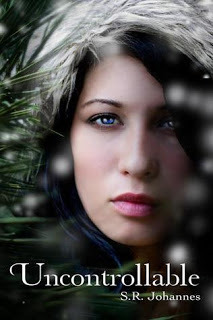
YA Book Recommendation-UNCONTROLLABLE by S.R. Johannes
My book recommendation this week is UNCONTROLLABLE by
Shelli Johannes Wells
. I had already planned to post this pick when someone chose this book as their prize for my 1000 Twitter Follower Giveaway, so it was good timing. Here is the cover for UNCONTROLLABLE:
From Goodreads:
As Grace recovers from tragedy, her science class is chosen by Agent Sweeney at the U.S. Fish & Wildlife Service to help with research on the new "Red Wolf Reintroduction Program".
While she’s excited about helping with the conservation of the endangered wolves, Grace knows this means being outdoors in the worst winter recorded, in a place she no longer feels comfortable. It also means working closely with Wyn (her ex) and his annoying girlfriend (Skyler), a girl whose idea of getting close to nature is picking silk plants and growing fake plants.
After a couple of wolves show up dead, Grace almost quits. However, when a fellow project team member goes missing, Grace continues the assignment under a renewed suspicion that someone might be sabotaging the conservation program. She quietly begins to hunt for clues.
Little does she know, she is being hunted too.
Why I Liked It: I'm a huge animal lover and live near the mountains, so the set-up of this book had a lot of appeal for me. The survival tips woven throughout the book are great, and confirmed that I have about zero chance of surviving in the snow overnight. Grace has determination and grit, and her grandmother, Birdee, was hands down my favorite character in the book. As far as the love triangle, I'll admit I wanted her to be with Wyn and am curious to see how it plays out in the next book. This book follows Untraceable, her first book in the series, and there is a great set-up at the end of the book for the next one. For those who are interested in self-publishing, Shelli recently posted some sales numbers for both books on her blog, and has great marketing and sales tips for writers, so check her out.

From Goodreads:
As Grace recovers from tragedy, her science class is chosen by Agent Sweeney at the U.S. Fish & Wildlife Service to help with research on the new "Red Wolf Reintroduction Program".
While she’s excited about helping with the conservation of the endangered wolves, Grace knows this means being outdoors in the worst winter recorded, in a place she no longer feels comfortable. It also means working closely with Wyn (her ex) and his annoying girlfriend (Skyler), a girl whose idea of getting close to nature is picking silk plants and growing fake plants.
After a couple of wolves show up dead, Grace almost quits. However, when a fellow project team member goes missing, Grace continues the assignment under a renewed suspicion that someone might be sabotaging the conservation program. She quietly begins to hunt for clues.
Little does she know, she is being hunted too.
Why I Liked It: I'm a huge animal lover and live near the mountains, so the set-up of this book had a lot of appeal for me. The survival tips woven throughout the book are great, and confirmed that I have about zero chance of surviving in the snow overnight. Grace has determination and grit, and her grandmother, Birdee, was hands down my favorite character in the book. As far as the love triangle, I'll admit I wanted her to be with Wyn and am curious to see how it plays out in the next book. This book follows Untraceable, her first book in the series, and there is a great set-up at the end of the book for the next one. For those who are interested in self-publishing, Shelli recently posted some sales numbers for both books on her blog, and has great marketing and sales tips for writers, so check her out.