M.J. Blehart's Blog, page 58
June 15, 2020
Achieving Balance with Positivity
Now, more than ever, we need to find and/or create positivity just to recover balance.

Spend any amount of time online at all and you will be practically drowned in negativity.
Between COVID-19, social unrest, horrific politics, greed, corruption, world affairs, and all the rest of the happenings of 2020 – it is simply too much. So much uncertainty, so many things making little to no sense. Fear and anger at levels I’ve certainly never experienced before.
The scales of the Universe are currently out-of-whack. I think it’s rather obvious how much things are skewed to negative and negativity in the face of all of this. Whatever form that’s taking, it can all-too-easily feel overwhelming.
The Universe, while massively abundant, tends to work in balance. Harmony. Yin and Yang. This being the case, when negativity becomes too dominant positivity needs to be applied to combat it.
Like many organizations and groups out there today, lots of people view positivity in a toxic way. Denial of all negative and a forced, false positivity with blinders on to improve life, the Universe, and everything.
The problem right off the bat with this is a denial of the balance. You cannot wipe-out or ignore the negative in favor of the positive. They need each other.
It can feel thoroughly impossible to be, find, and/or create positivity with all the things happening in the world. What’s more, it can feel disingenuous to seek and/or create positive in these times.
But it is not some grand, overarching catchall that you need. It can be extremely simple.
Find positivity in the little things using mindfulness and gratitude
You need not search high and low and for grand gestures to find positivity. It doesn’t take a ton of effort and endless work to create, either. All you need are mindfulness and gratitude.
Mindfulness is conscious awareness of your thoughts, feelings, and actions. This awareness is in the now, the present, at this moment. You take control of your conscious self, rather than allowing your subconscious to do the driving.
This is imminently positive because it puts you in the driver’s seat. You assume control of your mindset/headspace/psyche over your subconscious mind. With that control, you can make choices and decisions that will help you find and/or create positives in the face of negative.
For example, you can choose to stop digesting news media. By all means, stay informed – but don’t dig to the deepest depths. No good comes of that. Unless you have a job or option to truly DO something about a given issue, there’s seldom a need to be overwhelmed by everything about it.
When mindful, you can choose things that make you feel good. Cat videos, silly cartoons, music, podcasts, and blogs that focus on good over bad.
Then there is gratitude. Being grateful and thankful for anything at all, big or small, is positive. Ultimately, gratitude is a two-way street. You can give and get it in equal parts – and both will feel good and be positive.
There is ALWAYS something to be grateful for. It can be eyes to read these words, your sense of smell to inhale the coffee brewing, your ears to listen to birdsong out your window, people you love – take your pick. There is always something.
Mindfulness and gratitude also go hand in hand. They open you to potential and possibility and, of course, positivity therein.
Keep your subconscious mind at bay
With all the information available at our fingertips, it is all too easy to get overwhelmed by the bad things happening in the world at large. Then, just to add insult to injury, the lack of kindness and empathy on the part of our so-called leaders and lots of other selfish people is disheartening and distressing.
When you go about your daily routines it’s easy to let your subconscious mind have you on autopilot. However, when you spend too much time unaware and not conscious of mindfulness, you are open to absorbing all of that negativity out there.
We live in a fear-based society. The reality of the collective consciousness is afraid and scared of many things. On top of the fear base, we are always being sold quick-fixes and instant gratification.
Frequently, these treat symptoms of the fear but don’t attack it at its core. Of course, that’s largely by design. Fear is how those “in power” stay in power.
You only can think, feel, and act for yourself. By practicing mindfulness, you can be more present in the here-and-now, aware of what you are thinking, what and how you are feeling, and the actions you take and intentions behind them. Consciousness of this is control of it.
You can only change yourself. So why not start by working to be more positive to help tip the unbalanced scales of the Universe?
Balance begins with me and you
If you and I are negative, we contribute our negativity to the collective consciousness. But if we are positive, we contribute THAT to the collective world awareness.
Look, nobody is positive all the time. That’s impossible. Shit happens. But what you do when shit happens is yours to control. It’s okay to feel negative – but it’s on you to choose to release it in time and move on.
You have control of your overall mindset/headspace/psyche. Hence, you get to choose if you take a positive or negative approach to life.
I know a lot of people whose default setting is negative. Look, I totally get that – I used to default to the down, too. However, that not only puts you in a bad place – but it contributes to the darkness within the collective consciousness, too.
You can’t ignore nor deny negativity in the world. Nor should you. But you can choose your approach, to be mindful and aware of you and your environment, and to direct and control your mindset/headspace/psyche.
When you are better balanced between positive and negative, you can choose more positives to impact the greater good and collective consciousness. You are more powerful and capable of impacting the world than you realize. When you have balance, you can share that and help bring balance to the world at large, too.

Finding and/or creating positivity isn’t hard – but it does require thought, feeling, and action
Knowing that you are capable of choosing how you think, feel, and act, you can choose to approach things from a place of feeling good or feeling bad. When you see that positivity in you is a part of your balance, you can choose – if you default to negative – to use positivity to re-center. This gives you balance. That ultimately empowers you.
When you feel empowered, your mindfulness increases, you become more aware overall, and that can spread to people around you. It can create a feedback loop of awareness and positivity.
As such, you can build more positive feelings and discover more reasons to feel positivity and gratitude. That can be the impetus to improve numerous aspects of your life for the better, help overcome the overwhelming negativity of the current situation, and generate yet more positivity and gratitude.
That can then spread to change the world for the better.
An attitude of gratitude is an attitude of immense positivity that can generate even more good energies – and that, like you, is always worthwhile.
This is the three-hundred and thirty-second entry of my Positivity series. It is my hope these weekly messages might help spread positive energies for everyone. Feel free to share, re-blog, and spread the positivity.
Please visit here to explore all of my published works – both fiction and non-fiction.
Please take a moment to sign up for my newsletter. Fill in the info and click the submit button below and receive a free eBook.
Please enable JavaScript in your browser to complete this form.Name *FirstLastEmail *CommentSubmit
The post Achieving Balance with Positivity appeared first on The Ramblings of the Titanium Don.


June 10, 2020
Please Be Accountable
Taking responsibility and being accountable for your thoughts, feelings, and actions matters in all you do.
Modern society hates to be accountable. But damn, do they love to blame.
President Babygate blames everyone for all of his shortcomings and inadequacies. Nothing is ever his responsibility, his doing, his fault – unless it makes him look good to his base.
From the top down it’s all about the “other” and placing blame while never being accountable or responsible.
It’s easy for all of us to place blame and not be accountable. We’re taught early on that someone is going to be “at fault” for lots of different things.
Accountability starts with you and me.
Nobody but me is responsible or accountable for the things I do – or don’t do.
There is nobody inside your head but you. Thus, nobody can make you do anything you don’t desire to do. Only you think and feel what and how you think and feel, and only you can take related actions.
When you practice being accountable for the things you think, feel, and do, you take ownership and control over them.
This can go a long way towards not just understanding yourself, but working with and understanding others, too.
You are not accountable for some things
Let me put this out there right now. Some things happen due to outside influences for which you and I are not accountable or responsible.
The people protesting the systemic racism inherent in the system and supporting Black Lives Matter are not personally accountable for the situation they are in. This is the result of decades of bad systems, poor training, and a (surprise!) lack of accountability on the part of police forces, political machines, and discriminatory laws and policies.
The protesters, however, ARE taking responsibility to bring our attention to the problem and make needed changes. It’s already working – but you cannot undo decades of issues in hours or even days.
Truly, you can’t undo anything – but you can change the situation and do more.
An important note here – while “we” are not accountable for these outside matters, we are capable of doing things to change them. Supporting the protests and organizations that represent progress and positive change, voting in elections, calling and writing letters to the leadership demanding action are a few options.
Another note – personal accountability does come into play here. Recognizing your own prejudices, biases, and unintentional racism/sexism/genderism and such is a matter of accountability. While I am an ally to those who are marginalized, I am well aware that my own privilege and experience impacts all I can experience and do for myself.
But being accountable for this is what’s important.
I blame nobody
Blame gets tossed around so carelessly. Everyone blames someone for this, that, or the other thing. To be sure, some things are the fault of outside situations and people. President Trump ignored the warning signs about COVID-19, and the surreal death toll in the USA is his responsibility. But, damn, does he cast the blame for it EVERYWHERE else.
And that’s the thing. Blaming doesn’t do anyone any good at all. If I blame someone for a situation that I am in, how does that fix it? It doesn’t.
Does blaming my parents’ divorce 42+ years ago do anything for emotional issues and beliefs I hold today? No. Being accountable for them, taking responsibility for my emotions and beliefs, however, will.
I recognize what I need and desire to work on. That is accountability. I can get help in certain ways form others. There are professionals, friends, books, blogs, podcasts, and such that I can turn to for information and ideas. But the only one who can do anything with it or about it is ME.
That is being accountable. When you practice accountability, you open yourself to being responsible for who you are, what you do, and other aspects of your life.
Being mindful is being accountable
Practicing mindfulness involves becoming aware, in the now, of your conscious thoughts, feelings, and actions. When you practice being aware of these you gain insight into your own psyche, headspace, mindset, and true self. That will open you to seeing deep-rooted beliefs, long-held prejudices and biases, and matters you may not even realize have been there a long time.
Doing this makes you accountable. When you recognize a belief you hold that’s old and unnecessary, you can take charge of it and influence, alter, and change it.
For example, I grew up in the suburbs of Minneapolis in the 1980s. For the most part, everyone I knew was white and straight. When I got to college on the East Coast, I met gay people.
At first, I believed they were different from me. I was uncomfortable with the idea of being identified with them – because I was insecure.
But during the 4 years in college, I came to see how my bias was unfounded. I went from being tolerant to accepting to supporting. Every year at National Coming Out Day, there was a huge gathering in the quad of the college. Freshman year I gave it wide berth. Sophomore year I got closer. Junior year I was on the outskirts of the gathering. Senior year I was right there in the middle of the crowd supporting a friend who came out that day.
Because I was mindful of my bias, I became accountable for it. That, in turn, opened me to evaluate and change it.
This is why being accountable matters. When you are accountable you can take charge of anything you think and feel and choose responsibly what actions to take or not.
Being accountable is empowering
One of the best ways to be empowered is to be accountable for yourself. Whatever thoughts, feelings, and actions you have, accountability is how you take control.
Consciousness creates reality. Practicing mindfulness and becoming aware of your mindset/headspace/psyche gives you control of your life. Then, being accountable and responsible for the results of the things you think, feel, and do empowers you.
The protesters are taking action to create change in the collective consciousness. That is not easy to do – but it begins with each and every one of us, individually. When you can be accountable for your life you can change it as you desire.
When you are responsible for your own life you gain control over it. That lets you choose for yourself who you are, who you desire to be, where you are now, and where you desire to go. Each accountable person becomes capable of impacting the collective consciousness by overriding the blamers and those who are less self-aware.
Please be accountable. If you find yourself blaming, ask, “How am I responsible for this?” If you are not, then ask, “How does this impact me?” When you have that answer, the next question is, “What am I accountable for that will allow me to alter this situation?”
Taking responsibility for your thoughts, feelings, and actions matters in all you do. Accountability and mindfulness go hand-in-hand, and when you practice them you become capable of changing yourself. When you have that control and can influence, alter, and change yourself you become capable of changing the world, too.
Are you accountable for who you are, how you got where you are today, and where you desire to go in the future?
This is the four-hundred and forty-second journey into my Pathwalking philosophy. These weekly essays are ideas for – and my personal experiences with – mindfulness and walking along the path of life to consciously create reality. I share this journey as part of my desire to make a difference in this world along the way. I further desire to empower myself and my readers with conscious reality creation.
Thank you for joining me. Feel free to re-blog and share this.
The first year of Pathwalking, including expanded ideas, is available here. My additional writing, both fiction and non-fiction, are available here.
Please take a moment to subscribe to my mailing list. Fill in the info and click the submit button below and receive your free eBook. Thank you!
Please enable JavaScript in your browser to complete this form.Name *FirstLastEmail *MessageSubmit
The post Please Be Accountable appeared first on The Ramblings of the Titanium Don.
June 8, 2020
Your Feelings are Valid
Nobody should be dismissive any anyone’s feelings – positive or negative.

As a human being, you have feelings.
Feelings can be an incredible source of strength. The ability to feel in the way humans feel is a huge part of what separates us from the rest of the animal kingdom.
Who you are, at your core, is an amalgam of intangibles both near the surface and deeply embedded in your psyche. Mindfulness – thoughts, feelings, and actions – are the surface. Habits, beliefs, long-held practices, and the like are the deeper roots. All make up the sum-total of YOU.
Society tends to look at the surface and ignore the roots. For example, the current unrest and protests. The symptom is poorly trained and unchecked police forces, combined with an unsympathetic president. The disease is systemic racism inherent in a system designed to keep the power in the hands of a very small few while disempowering everyone else.
Your thoughts and feelings are a part of what make up YOU. The actual, factual, inside-your-head-who-you-believe-you-are YOU. Just as much as your thoughts, ideas, and notions matter – so too do your feelings.
Feelings can get super-messy. They can be utterly lacking in rationality and can be disruptive. Feelings can sidetrack you from any path you are on.
One of the most frustrating things to recognize about feelings is how outside influences can impact upon them.
Things will happen both to and around you
Face it: shit happens. Car accidents occur, people leave you, jobs are lost, you stub your toe getting out of bed, burn yourself on your coffee, and endless other things you have no control over ensue. Before you know it, your feelings are happening and taking you off-course.
In the moment, when shit happens, feelings tend to be immediate and unreasonable. Anger, sadness, loss, hopelessness, fear, and pain can simply manifest instantly from nowhere.
What’s more, you can feel these feelings when things happen that do not directly impact you, per se. Spend any time watching or reading any news program today and odds are you’ll find a wide range of negative feelings crop up. Between COVID-19, the protests, politics, and other world affairs it’s easy to feel deep unwanted feelings.
But that matters. How you feel over the things happening out there matters. Just because you can do little to nothing to directly impact these things, that doesn’t lessen how you feel about them. Your feelings are valid.
Why? Because no matter what you are doing with your life or who you are, you’re part of the world. It’s perfectly human to feel – especially when so many inexplicable, undesirable things keep on happening.
For a year equal to perfect vision, could matters be any cloudier?
Take control of your feelings
When shit happens, you will feel something right then. Instantly, emotion is going to crop up. You can’t avoid it and like Vulcans and androids react with logic and reason at that moment.
What you feel, at that moment, is utterly and completely valid. Whatever emotion you’re working with you do not need to explain yourself, justify yourself, or otherwise make yourself understood to anyone else. You and what you feel is valid and consequential to you.
Take grief for instance. This will produce a different feeling in everyone. For some, it’s a deep longing, others its loss and sadness. For some grief is anger. It could be any combination of these and other emotions. It can last for any period of time from minutes to lifespans.
The part you can control is the length of time you feel any given emotion. This is where mindfulness comes into play.
When you are practicing mindfulness, you are working to be aware of your thoughts, feelings, and actions. Ergo, you are conscious of what you are thinking, what and how you are feeling, and what intent (if any) is behind actions you are taking.
By being conscious of your mindset you open yourself to altering, changing, and ultimately controlling it. This is why you can take control of your feelings.
For some people, this is like flipping a switch. Becoming conscious and aware in the moment of your feelings lets you flip a switch to change them. For some, this takes longer. There may need to be a more drawn-out and involved process to alter what and how you feel.
Either way, your feelings are valid. However, how they impact and rule your life is up to you.

Whatever they are, your feelings are valid
People will tell you that what you are feeling is inappropriate. Some will say that because a situation doesn’t truly impact you that your feelings about it don’t count.
What the hell do they know? Are they inside your head with you? Can they feel what and how you are feeling? Are they capable of thinking for you?
No.
Nobody can tell you how you should feel about anything. They don’t know, they are not inside your head and experiencing the world as you do. So they can piss off. Whatever you are feeling, however you are feeling, is valid for you.
However – one word of caution. Be mindful that your feelings do not completely override logic and reason. Feelings without the check and balance of logic and reason can misdirect you. They can overwhelm and override your true desires.
I mentioned above some people will feel grief for an entire lifespan. That’s valid – when you lose somebody you love, nobody can tell you how long you will grieve their loss.
But when that grief overrides everything you do, disconnects you from life and all your potential and possibility – what happens to you? All of your plans, connections, and experiences are darkened and overridden. This may be harsh – but that kind of emotional living is not truly living.
This doesn’t make what and how you feel any less valid. But mindfulness will tell you if you are still doing things to make life how you desire for it to be – or letting emotions rule you and take you somewhere undesirable.
We currently live immersed in utter uncertainty. What you are feeling during all of this is valid. But do you know if your feelings are negatively overruling your thoughts and actions and denying you control?
Finding positivity isn’t hard – but it does require thought, feeling, and action
Knowing that whatever you are feeling is valid, you can then work with mindfulness to determine if it is balancing or unbalancing your psyche. When you are mindful of your thoughts, feelings, and the intent of your actions, you can choose to alter, influence, and control them to enhance your life experiences, as well as how you impact the world around you. That ultimately empowers you.
When you feel empowered, your mindfulness increases, you become more aware overall, and that can spread to people around you. It can create a feedback loop of awareness and positivity.
As such, you can build more positive feelings and discover more reasons to feel positivity and gratitude. That can be the impetus to improve numerous aspects of your life for the better, help overcome the overwhelming negativity of the current situation, and generate yet more positivity and gratitude.
That can then spread to change the world for the better.
An attitude of gratitude is an attitude of immense positivity that can generate even more good energies – and that, like you, is always worthwhile.
This is the three-hundred and thirty-first entry of my Positivity series. It is my hope these weekly messages might help spread positive energies for everyone. Feel free to share, re-blog, and spread the positivity.
Please visit here to explore all of my published works – both fiction and non-fiction.
Please take a moment to sign up for my newsletter. Fill in the info and click the submit button below and receive a free eBook.
Please enable JavaScript in your browser to complete this form.Name *FirstLastEmail *MessageSubmit
The post Your Feelings are Valid appeared first on The Ramblings of the Titanium Don.
June 3, 2020
Should I still Walk my Path During this Chaos?
Since the present is the only time that is truly real, now is the time to walk my path. But not without certain considerations.
It feels like the world is going mad.
There is a pandemic that has not disappeared, despite other stuff happening. The protests against injustice and police brutality are a valid reaction to the number of black people being killed over nothing – especially when white people never face the same threats for equal or greater crimes.
Don’t even get me started on politics, taxes, greedy business practices, and the other insanities of the world today. It takes very little for me to start feeling down, hopeless, angry, fearful, and lots of other negative emotions.
In the face of all of this, it feels like continuing to take action to walk my path is selfish. How can I go after things to improve my life when there is so much shit happening in the world today?
The better question, however, is – how can I not? The path I am walking for my life is not selfish, greedy, or destructive. Quite the opposite, in fact.
Thus, to walk my path in the middle of all this is part of how I can help to do something about it.
It all begins personally
Recently, someone close to me did something that caused another person they cared about to hurt a lot. While they knew their action was going to cause pain in the moment, ultimately it would release them both.
All of us experience things that cause us pain – physically, emotionally, spiritually, sometimes even all three. A lot of the things that cause us to feel pain are utterly outside of our control. Think of these things in the terms of concentric circles – you at the center.
Some circles are way, way out. They are occupied by those like Trump, McConnell, and the other so-called “leaders” doing the awful things they are doing. Their impact is largely indirect (but still a thing).
Then some circles are closer. These are occupied by bosses, teachers, friends of friends. People not necessarily part of your inner circles, but a lot closer and more directly impactful on your life.
Once you get to the inner circles, it gets far more personal. Friends, family, and loved ones occupy the innermost circles. The things that they do tend to directly impact your life because you care about them.
What’s more, you care about what they think about you. So if they do something that causes you to feel hurt – of you do something that you know will cause them to hurt – it creates an unwanted experience.
The important take-away from all of this is that, ultimately, you choose how you think and feel. Yes, those circles will set you off and impact upon you. But that impact, how it phases you, is entirely up to you.
The further out the circle, the less I can do to work with it. As such, when that circle impacts me I can generally only respond for my own accord.
What has this got to do with how I walk my path?
When I allow outside influence to alter how I think and feel, it’s on me to accept it or change it. So when I see injustice and selfishness causing pain, I have a choice. Take that pain in and absorb it, internalize it – or take that pain in and take action to alleviate it.
This is why I wrote a blog about being white and supporting Black Lives Matter. As part of my actions to do something in the face of this chaos, I wrote about doing all I can to be a useful ally.
Because of COVID-19, I can’t attend any protests. But I am a writer, and I can share ideas to inspire others to help, support those in need, and offer my own support.
When it comes to how I walk my path it is largely about my writing. While I strive to make my fiction works sell better and get me out there, I ALSO am working to make a name for myself in the self-help, inspiration, self-improvement world, too.
Though I desire to make money following this path, it is more important to me to do something for others. Whether it’s creating an awesome diversion or sparking imagination from my fiction – or – inspiring self-care, self-improvement, and mindfulness practice with my nonfiction – my greatest desire is to give back to the world.
Self-care and practicing mindfulness are not selfish
Let me just make this point right off the bat. In the current societal definition of selfishness, self-care, and using mindfulness to control your thoughts, feelings, and actions is selfish. Because you are looking out for you and in the process not putting others first, it’s a selfish act.
However, in the broader and more realistic definition of selfishness – self-care and practical mindfulness are not at all selfish.
How do you resolve the paradox?
If you have no energy, are mentally, physically, and/or emotionally drained or sick, how can you do anything for anyone? Sure, maybe you can – but what will that ultimately do to you?
There is a big difference between putting yourself first and putting yourself ahead of others. Putting yourself first means you are giving to yourself before giving to others. When you put yourself ahead of others you are taking for yourself and from others.
Some people in the world are givers. They give on levels tangible and intangible, sometimes to the point of their detriment.
Then there are the takers. Look at the upper echelons of the Republican party in the United States for the perfect example of such. Or, for a less political and partisan example, look at Jeff Bezos. They take and take and care little to not at all about giving a damned thing to anyone – unless it directly benefits them.
For me, the best way that I can give – even in the face of the present uncertainty and chaos – is to walk my path and strive to be as genuine, open, and giving as possible.
Now is the time
The past has come and gone. The future is more uncertain than ever. Now is the only time that you can truly live and have any impact on the world.
Sure, your impact will have future consequences and/or repercussions. But here and now is the only time you can be mindful, present, conscious – and assume control of your personal destiny.
Since the present is the only time that is truly real, now is the time to walk your path. But not without certain considerations.
Considerations include whether your path gives or takes. Will you help or hurt people in the process? Are you giving kindness and empathy and value in what you do?
I believe that the path I walk does good in the world by helping people. If I do not choose to walk it now – when can I? The answer is that now is the time because you never know what tomorrow may bring.
Be kind. Express empathy. Be mindful of your consciousness and remember that consciousness ultimately creates reality. Do no harm and practice self-care. All of this doesn’t just better you, it can better other people and the whole wide world.
Do you walk your path? Is it with the intent to give and improve the lives of those you encounter?
This is the four-hundred and forty-first journey into my Pathwalking philosophy. These weekly essays are ideas for – and my personal experiences with – mindfulness and walking along the path of life to consciously create reality. I share this journey as part of my desire to make a difference in this world along the way. I further desire to empower myself and my readers with conscious reality creation.
Thank you for joining me. Feel free to re-blog and share this.
The first year of Pathwalking, including expanded ideas, is availablehere. My additional writing, both fiction and non-fiction, are available here.
Please take a moment to subscribe to my mailing list. Fill in the info and click the submit button below and receive your free eBook. Thank you!
Please enable JavaScript in your browser to complete this form.Name *FirstLastEmail *PhoneSubmit
The post Should I still Walk my Path During this Chaos? appeared first on The Ramblings of the Titanium Don.
June 1, 2020
Real Change Can be Painful
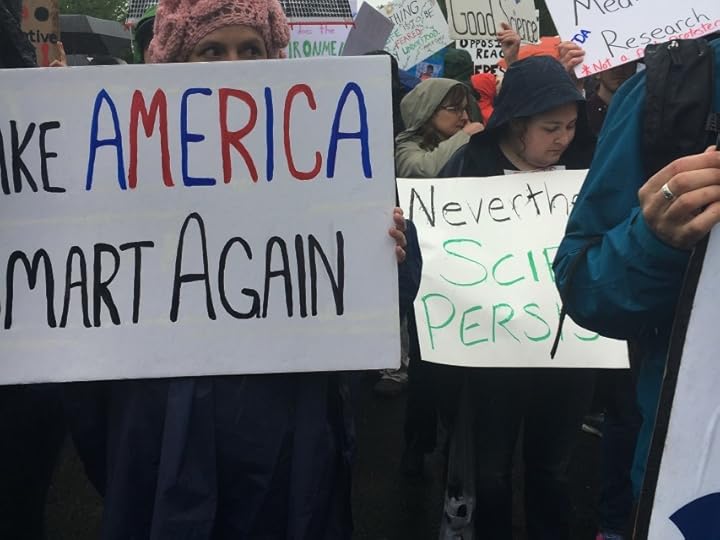
The world pre-pandemic was flawed. COVID-19 has exposed just how far the inequality created by the wealthy and privileged has overtaken most of our society.
Then, just to emphasize that, another black man has been killed by unnecessary police brutality. Now, it’s clear that the protests have been usurped by white supremacists and anarchists to sew chaos and precipitate some sort of domestic war.
Why? Because their way is dying. The minorities are becoming the majority. While, as far as I know, most people haven’t a problem with that – a small few find it so distressing that resorting to creating a false narrative of “us” versus “them” is the only way that they can see to maintain the “status quo.”
However, that “status quo” is false and never was. The USA was NEVER an all-white nation, even in the days of slavery. This is, apart from the Native Americans, a nation of immigrants from every race, creed, religion, and color you can imagine.
The present unrest is distressing, but it is largely being driven by how peaceful protest is received. Colin Kaepernick took a knee to protest injustice and violence against blacks – and the NFL responded by creating a policy against that. Hell, the man took that type of protest on at the behest of active servicemen, as I recall.
Peaceful marches are met with tear gas, clubs, rubber bullets, and violence. Why? Power and dominance. Unarmed black protestors and their allies are dispersed violently. Heavily armed white protestors get to disrupt everything with no consequences.
Is the system broken? Yes. And those in power at the highest echelons of American politics are too selfish to do the right thing.
This is change at its most painful. They stand on the wrong side of history.
The upheaval of the masses should come as no surprise
The pandemic revealed how far inequality has spread. Far too many people have no choice but to live paycheck to paycheck, can hardly afford health insurance, have no savings – and yet are expected to just accept that this is how it is.
The majority of people have no protections, and the government is not providing them anywhere to turn.
There are options to make this all better – but instead, the greedy leadership practices the tried and true lie of trickle-down economics. Let’s keep cutting the taxes on the wealthy because they’ll pass that money down to everyone else.
They’ve told us this idea for almost 40 years. But the money is not trickling down. Instead, it’s being hoarded, offshored, and kept to a small group who cares only for themselves. Look at the wealth gap, and how little the top pays in taxes compared to just 60 years ago. You can clearly see the bullshit that is the trickle-down theory exposed in all its vanity and lies.
Universal Basic Income – now, more than ever – would save the economy and the American people. Guarantee the ability to cover rent and necessities and everything over that goes back into the economy as people buy stuff. Trickle-up has always worked in the past – just look at the end result of FDR’s New Deal.
UBI would change the entire narrative.
Where would the money come from? Same place it always does – the non-existent ethers.
All money is fiat money, people. In other words, it’s currency that you believe has value – because without your belief in it there is no value to it.
Notice how there is always money to be found to make war – but no money to educate or treat the sick. What’s that all about?
Change is happening right now
Even with outsiders trying to usurp protests and create violence to their own ends, the message is clear. The way things have been cannot continue and need to be changed. The people are speaking – and they will not be silenced.
Cities are being burned – and that sucks. People are getting hurt and that is painful. But this is why real change can be painful. Because sometimes you can’t just sit back and wait for it – you need to create it.
Because of COVID-19, I can’t attend protests right now. But I probably would if not for the risk factor to my loved ones. I feel like these words are not sufficient to express how I support this movement. But I agree that Black Lives Matter, that the systemic racism needs to be addressed and not ignored, and that the current administration has GOT to go.
Violent or not, this change is painful. Part of that is because, in a fear-based society, we have been fed such a steady and unhealthy diet (literally and figuratively). Too much artificial crap, narratives of lack and scarcity that are utter bullshit. The whole notion of “us” versus “them” when, in truth, we are all people with hopes, dreams, and desires – no matter the color of your skin, the religion you practice, the gender you ascribe to, and so on.
For a small few, this change represents an incredible loss. No amount of logic nor reason will convince them that they are truly losing nothing at all. In truth, the loss they fear so much has nothing to do with them – just those who have convinced them that they will suffer.
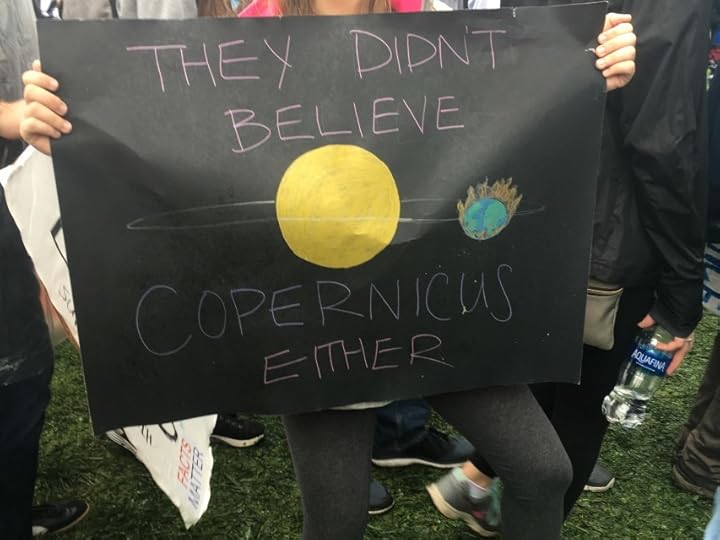
Positivity feels disingenuous
How in the hell can anyone have any sort of positivity when people are being hurt and cities are burning? Because without it, the end result of any change will likely be negative.
You cannot deny the terrible, painful things happening right now. Nor should you. They can’t be replaced by a positive, Pollyanna attitude because that’s just as blind and unreasonable as the fear driving this change.
But the positivity you can look to is a better end result. Not a bullshit, fairytale happy ending – but change for the better coming out of all this. Toppling the entrenched, arrogant, selfish politicians and business owners. Altering the narrative to address and change the systemic racism. Elevating new leaders to represent the people rather than the wealthy few and special interests.
Without that sort of positivity – then why bother to demand change at all? Nobody wants this to get worse.
This change is painful, and most of us can do little for it. But we can work together towards a positive outcome. You and I can support those most aggrieved, being hurt, and do our part to stand with them to overcome this pain.
I see you. And I hear you. Most of all, I stand with you. We can overcome the pain of this change and find and/or create something incredible on the other side.
Finding and/or creating positivity isn’t hard – but it does require action
Knowing that real change can be painful, you can work through it by seeing a positive outcome on the other side of the pain. When you are mindful of your thoughts, feelings, and the intent of your actions, you can choose to be proactive, to work with, and through the pain to direct, impact, and alter change and how it affects you. That ultimately empowers you.
When you feel empowered, your mindfulness increases, you become more aware overall, and that can spread to people around you. It can create a feedback loop of awareness and positivity.
As such, you can build more positive feelings and discover more reasons to feel positivity and gratitude. That can be the impetus to improve numerous aspects of your life for the better, help overcome the overwhelming negativity of the current situation, and generate yet more positivity and gratitude.
That can then spread to change the world for the better.
An attitude of gratitude is an attitude of immense positivity that can generate even more good energies – and that, like you, is always worthwhile.
This is the three-hundred and thirtieth entry of my Positivity series. It is my hope these weekly messages might help spread positive energies for everyone. Feel free to share, re-blog, and spread the positivity.
Please visit here to explore all of my published works – both fiction and non-fiction.
Please take a moment to sign up for my newsletter. Fill in the info and click the submit button below and receive a free eBook.
Please enable JavaScript in your browser to complete this form.Name *FirstLastEmail *NameSubmit
The post Real Change Can be Painful appeared first on The Ramblings of the Titanium Don.
May 27, 2020
Have you lost your way – or – has the way lost you?
How can you recognize the state of your way and what can you do about it?

There is no avoiding present circumstances. The world is in the midst of turmoil and change like nobody has ever encountered before. Between COVID-19, ludicrous politics, greed on levels never before imagined, and countless other negatives I could point out here – everything is uncertain.
Not just a few things. EVERYTHING. Currently, life IS uncertainty. With a few exceptions, people are finding themselves coping with environments and experiences they didn’t plan for, certainly didn’t desire, and cannot see the end of.
We can’t go back and undo the past to change how we got here. The future is in motion and clouded in many ways. All we have is today, the present, this moment, the here-and-now.
To best work with that truth, it’s important to make a practice of mindfulness. Being aware of your thoughts, feelings, and actions makes you conscious, which puts you in the now.
Your subconscious is like a sponge. It is super-absorbent and will hold things you probably don’t want. Mindfulness is the act of wringing out the sponge to get rid of the ick.
Because of the amount of uncertainty for the future, the inundation of negativity because of the past and fears about the future, it is easy to lose your way. You may have had amazing plans laid out – but with a few exceptions, many are on hold, waylaid, or otherwise altered. The way you have been traveling may have become lost.
Or, it’s also possible, the way has lost YOU.
What’s the difference and why does it matter?
Where did the way go?
Because you are being bombarded by information, and it is often contradictory, your subconscious mind is absorbing a lot of info. Every news article, post on social media, email, and conversation lodges itself into your subconscious mind in one way or another.
Because of present circumstances, and the level of uncertainty about the future, even the most mindful people are getting inundated. There are days I just back away from Facebook and force myself to place my attention elsewhere for the sake of my sanity.
To be fair, there ARE people still living their life as they would choose – but even they are having to make choices and changes to protect themselves differently than ever before.
Let’s say that you were working with mindfulness and conscious reality creation. You were on a path, taking a way to get from point ‘A’ to point ‘B.’ Then a pandemic put the world on hold.
All of your clarity has become clouded. The plans you were making cannot be worked on because you have to stay at home. Adapting to this new way of being, for some, is a shift in mindset – while for others it requires new practices and plans.
Even practicing mindfulness and being aware of your thoughts, feelings, and actions, the way you were going can be lost. You may have shifted your path in a manner that you can still find your way. Or, the circumstances of the pandemic mean your way has shifted.
How can you tell if your path is lost or you are lost?
To best examine this, we need to look at a couple of examples.
Let’s say you were building a life-coaching practice. You had plans to hold seminars that would draw people and make you money. Now that’s out the window. No public gatherings, no seminars.
This, however, is the way losing you. When you adapt and shift your approach you can find alternatives. Hold an online webinar, for example. You can still draw people and make money – hell, in theory, more people and MORE money. The way was lost but can be found by choosing a new approach.
Let’s say you are a massage therapist. You currently can’t practice because of the pandemic, and perhaps you simply can’t imagine practicing again until there is a cure or vaccine. That’s probably further off than is practical – so you determine you need to change your career choice. Hence, you lost your way but can use mindfulness to choose another.
It is entirely possible to lose your way and have the way lose you at the same time. You had your heart set on doing this thing in this way and that’s no longer possible – so you lose interest in it, too.
Fortunately, you can adapt, change, and alter your path. This is often a matter of practicing mindfulness.
Mourning the loss
When you lose your way – or the way loses you – it can be a loss equal to a death. Who we are and what we seek to do with our lives can produce existential dread because it can be a deeply personal desire which can take up a lot of your being.
Thus, when such a loss occurs you can and should mourn it. Grief is perfectly natural.
One of the largest issues of toxic positivity is denial of negativity. That simply doesn’t work. Negative things happen – they are unavoidable.
You will experience negative things. And, frankly, you should. Life is never just happy-go-lucky-always sunny. Part of the human experience is bad things.
The key is learning from them. Some people make the bad their lives. For example, “If I didn’t have bad luck, I would have no luck at all.” This fatalistic attitude makes it hard to change – especially since like attracts like and consciousness creates reality.
Twenty years ago, I got hit by a car and had to spend a year recovering from my injuries. I endured physical and occupational therapies, multiple surgeries, and fighting my body to work as it had before. The experience sucked – and it could have broken me.
I saw before me two choices. Curl up in a ball and whine, cry, complain, and rue my life – or – fight, heal, push to get back all I had before.
The lessons learned from that experience have carried through to now. Sure, I had incredible medical professionals work on me and get me well – but my mindset and belief in nothing but total healing played its part, too. For the first time, I used conscious reality creation and recovered with greater speed and totality than even the doctors had expected.
Empower yourself and find your way
Whether your way has been lost – or you have lost your way – here-and-now you can make a choice.
Find and/or create a new wayJust go with whatever life throws at youGive up
Mourn the loss and experience the grief as long as you need – but – be mindful of doing this. Be cautious and make sure that grief and loss are not dictating your life. That way lies madness.
Use mindfulness to be aware of what you are thinking, what and how you are feeling, and actions you intend to take. That will help you to find and/or create a new way to be.
Even during this pandemic, and these uncertain times, life happens. Here-and-now is the most real reality there is. Be present, be conscious, and see all the potential and possibilities available to you. Keeping that mindset helps you move past this – and in turn, can influence and inspire others the same.
If you have lost your way – or the way has lost you – you’re capable of finding it again, finding and/or creating a new way, and deciding for yourself what it will take to best experience the now and see hope for the future.
Do you know your way?
This is the four-hundred and fortieth article for my Pathwalking philosophy. These weekly essays are ideas for – and my personal experiences with – mindfulness and walking along the path of life to consciously create reality. I share this journey as part of my desire to make a difference in this world along the way. I further desire to empower myself and my readers with conscious reality creation.
Thank you for joining me. Feel free to re-blog and share this.
The first year of Pathwalking, including expanded ideas, is available here. My additional writing, both fiction and non-fiction, are available here.
Please take a moment to subscribe to my mailing list. Fill in the info and click the submit button below and receive your free eBook. Thank you!
Please enable JavaScript in your browser to complete this form.Name *FirstLastEmail *EmailSubmit
The post Have you lost your way – or – has the way lost you? appeared first on The Ramblings of the Titanium Don.
May 25, 2020
Why do we need positivity now more than ever?
Because fighting fire with fire (or negativity with negativity) never works. Positivity matters in conscious reality creation.
Perfect vision is indicated by 20/20. It is not without irony that the year 2020 is proving to be among the cloudiest and least clear years on record.
COVID-19 has created the greatest amount of uncertainty and related negativity most of us have ever experienced. Never before has the future been so utterly lacking in clarity.
When will we be able to cease practicing social distancing? How at risk am I for getting sick? What will happen to the elections in November? What batshit insane conspiracy theory will people believe next?
If it was just uncertainty, that would be one thing. But it is so much more than that. With a total lack of leadership at the top in the United States, people are prone to believe a lot of lies and misinformation about the coronavirus. The level of fear being driven is maddening. How can these “people” be so callous and outright cruel in the face of so many deaths? It is massively distressing.
Negativity is dominating every aspect of society right now. Disputes over absolutely ludicrous things are unbelievably common. Nobody is trampling on anybody’s rights by requiring masks and social distancing. Stay at home orders are to protect the populace, not to deny anyone any liberties. Reason gets bulldozed by privilege, fear, and frankly – idiocy.
Now, more than ever, we need to find and/or create positivity. Every little bit in the fight for sanity within the collective consciousness counts.
Negativity builds upon itself
I don’t know about you, but I do not need to find more things to anger, upset, and depress me right now. More and more I encounter new and worse stories about things people are doing, not doing, and the surreal heartlessness of those who can and should make a difference for the better.
In the face of all of that, what can I do?
The answer is to pay attention to my headspace, my mindset, and mindfulness. Nobody else is in my head unless I allow them to take residence there. I am the only one capable of thinking, feeling, and acting for me.
All of this negativity is like waves crashing against the shore – the shore in this regard being my subconscious. Some of the waves wash over it and leave a mark – unless I build a better barrier. In this case – consciousness.
Mindfulness makes me aware of what I am thinking, what and how I am feeling, and what intention is behind my actions. That puts me in the here-and-now and makes me conscious.
When you are conscious of your mindset/headspace/psyche you can overcome the negativity washing over your subconscious. You can choose to continue to feed the negativity – or take another approach.
Toxic positivity ignores the negative. That’s not the kind of positivity this is about. You need to know what is going on out there – all the bad – so that you can do that which is within your power to resist it, alter it, change it, and so on. Positivity, in this regard, is small things to build upon in directing your consciousness to be proactive instead of reactive.
Proactive versus reactive
All too often we are reactive. Things happen and you react to them. Frequently, that is because shit happens beyond our control. You didn’t want the car accident, to be fired from your job, to lose your loved one, and so on.
However, after the initial reaction what you do is up to you. You can choose to continue to be in a position where you will be constantly reacting – or you can do things proactively to handle this.
There is no one-size-fits-all way to approach this. Every reaction to every situation is different. The thoughts and emotions produced take each of us to different places in different ways. But being mindful of THAT opens you to be able to make choices in the now to impact the long run.
It is not in the present society to think in terms of the long run. However, neither is it common to think in the now.
More than anything, the problem is being reactive. Thing “X” happens, and we need to address it. Never mind thing “Y” and thing “Z” that have also happened with or because of thing “X.” All focus is at “X.” Society goes after the symptom but ignores the overall disease.
COVID-19 doesn’t care about your social class, race, religion, nationality, gender, or what-have-you. It is a virus that we still do not fully understand. It will not just magically go away or stop infecting people. Until there is a viable vaccine or real cure precautions will be necessary.
Mindfulness of this opens you to take a more proactive approach. In this instance that means staying home more than gathering in public, wearing a mask when in stores and anywhere crowded, and maintaining at least six feet distance between one another.
Where does positivity come into this?
For all the negativity inherent in this situation, there ARE positives. Giving them focus and attention will help keep you calm, level, centered, and sane.
What are some of these positives?
You are alive.If you are reading this, you have access to technology.There are people you love. People love you.You can make decisions about where you are, where you are going, and what you are doing.There are choices available to you.You can choose to complain or to seek and find actions to help.You are capable of seeing possibility and potential for bettering the world on the other side of this situation.
There are many other things that are positive. But all of them are personal. That’s because the feelings of positivity or negativity lie within you, your mindset, your headspace, your psyche.
When you practice mindfulness, you are practicing being conscious. That makes you present in the here-and-now. With your presence you can choose to keep reacting to life – or – take a more proactive stance.
It is impossible to be positive all the time. That’s not a bad thing – negativity can show you where change is needed. But since you cannot fight fire with fire – or negativity with negativity – the best tool in your arsenal is it’s opposite – positivity.
Now, more than ever, finding and/or creating positivity can help you help yourself. Once you are better able to find your center, your peace, and your mindset/headspace/psyche, you can help others to do the same.
When you work on being proactive and employing positivity you can help spread that. More positivity in the world can help us come out on the other side of this situation somewhere good – rather than somewhere borne of our worst fears.
Finding and/or creating positivity isn’t hard – but it does require action
Knowing that you can combat the deluge of negativity on your subconscious by employing mindfulness, you can prevent becoming overwhelmed and broken by the present situation. When you are mindful of your thoughts, feelings, and the intent of your actions, you can choose to be proactive, to make use of the little positives to build bigger and better – which ultimately empowers you.
When you feel empowered, your mindfulness increases, you become more aware overall, and that can spread to people around you. It can create a feedback loop of awareness and positivity.
As such, you can build more positive feelings and discover more reasons to feel positivity and gratitude. That can be the impetus to improve numerous aspects of your life for the better, help overcome the overwhelming negativity of the current situation, and generate yet more positivity and gratitude.
That can then spread to change the world for the better.
An attitude of gratitude is an attitude of immense positivity that can generate even more good energies – and that, like you, is always worthwhile.
This is the three-hundred and twenty-ninth entry of my Positivity series. It is my hope these weekly messages might help spread positive energies for everyone. Feel free to share, re-blog, and spread the positivity.
Please visit here to explore all of my published works – both fiction and non-fiction.
Please take a moment to sign up for my newsletter. Fill in the info and click the submit button below and receive a free eBook.
Please enable JavaScript in your browser to complete this form.Name *FirstLastEmail *MessageSubmit
The post Why do we need positivity now more than ever? appeared first on The Ramblings of the Titanium Don.
May 20, 2020
You Can Learn a Lot by Watching and Listening
Sometimes it’s in your best interest not to speak, but just to observe.

There is a particular topic I have been working with for many years now. I’ve had a great deal of time, practice, and experience, and I think I have developed some knowledge along the way.
I know I am not the only one with knowledge and experience on this topic. However, because of the length of time I have been working with this, my age, and some other factors, my experience has become less relevant to the current leadership.
This gets frustrating. I feel like no matter what I say my knowledge bears far less relevance than once it did.
So what do I do? Keep talking and get frustrated because of how people are reacting and not reacting to me? Or keep quiet, keep watching and listening?
That’s a judgment call that only I can make. But over the years I have found that there is a great deal of value in just watching and listening.
You learn a lot from watching and listening in silence
When there is a topic on hand which I have some knowledge in – I tend to have opinions. While I have spent a great deal of my life as a jack-of-all-trades, I have within those a couple of specialties.
I know a little about a lot, but I also know a lot about a little. For example, I have dabbled in photography, carpentry, drawing, painting, archery, and weightlifting. I know a little about each of these topics – but acknowledge that I am by no stretch of the imagination a subject matter expert on any of them. These are just a few of the many things I know a little about.
Then there are the topics I know a lot about. Writing, fencing, and cooking, for example. I have been practicing all of these for decades and am continuing to improve my knowledge. I know a lot about these topics – but I also acknowledge that I am not a subject matter expert on any of them.
Or more specifically, while I have a level of expertise I am still learning.
When I was younger, I believed in the notion of mastery on a given topic. As I have gotten older and studied various things, I’ve come to see that those with true mastery still consider themselves students.
Why? Because there is always more to be learned – even on a thing where you know a lot already.
Learning is evolving
Take fencing, for example. Twenty-eight years ago, when I started fencing in the medieval reenactment society, it looked VERY different. The primary weapons we used were different, how we studied and taught fencing was not how we study and teach it now.
That is not a bad thing. The weapons have evolved, our practice with more medieval styles and techniques has evolved and continues to do so.
When it comes to writing I am always learning new things. New words occur and get used for any number of reasons. How you craft your words changes (like one space instead of two spaces after a period in typing). The more you write the more you gain insight on multiple levels and become a better written communicator.
And cooking? So many foods, so many recipes, so many options. I love to learn new techniques, styles, spices, and I know that as good a cook as I am – the amount I can and do learn is mindboggling.
Even these places where I claim to know a lot I can still learn and know more. As much as open discussion and sharing the knowledge I have can be useful to both myself and others, watching and listening can have quite the payoff.
Let go of ego
One of the pitfalls about both knowing a little about a lot and a lot about a little is that you develop some egotism with knowledge. That’s perfectly normal and human of you. Unless you take it too far and become egotistical.
This can take two distinct forms – both negative. Intentional and unintentional.
The unintentional egotist tends to be borne of lack. Mostly a lack of self-confidence, self-assurance, self-worth, and so on. You compensate for that feeling of lack and present an egotistical side to the world as a defense-mechanism.
Usually, when you find that you are doing this you will take action to cease to do it. That was me twenty years ago.
The intentional egotist is also borne of lack. They, too, have an issue with self-confidence, self-assurance, self-worth, and so on. But they use egotism to place themselves above other people. It’s still compensation for the feeling of lack, but they intentionally present themselves as a subject-matter expert and tell you how they are a “stable genius,” for example.
I recognize that my frustration – in regards to the particular topic I started out discussing today – is borne of my ego. Since nobody but I can feel how I feel I need to let go of my ego in this regard.
Watch, listen, and learn. Easier said than done – but still worthwhile.
Watching and listening can be empowering
I write the things I do to share what I have been learning. It is my desire to help you in your evolution and to work with any changes you seek to make in your life.
Self-help is about the self. But there are many resources and ideas to choose from. No one answer is right, true, and perfect.
As much as I share my experience, ideas, knowledge, and so-on – I gain more from watching and learning. Everyone has something they can teach you. Some of those lessons are taught unwittingly – but they are just as valid.
Watching and learning opens me to possibility and potential I can’t find when I am sharing, teaching, inspiring, speaking, or typing out ideas. Even if I claim mastery and expertise on a topic, I am still the student.
I believe that a true master – of anything – knows that they are still a student.
Sometimes it’s in your best interest not to speak, but just to observe. What have you learned from watching and listening?
This is the four-hundred and thirty-ninth article for my Pathwalking philosophy. These weekly essays are ideas for – and my personal experiences with – mindfulness and walking along the path of life to consciously create reality. I share this journey as part of my desire to make a difference in this world along the way. I further desire to empower myself and my readers with conscious reality creation.
Thank you for joining me. Feel free to re-blog and share this.
The first year of Pathwalking, including expanded ideas, is availablehere. My additional writing, both fiction and non-fiction, are available here.
Please take a moment to subscribe to my mailing list. Fill in the info and click the submit button below and receive your free eBook. Thank you!
The post You Can Learn a Lot by Watching and Listening appeared first on The Ramblings of the Titanium Don.
May 18, 2020
Living is an Intentional Action
Living and just existing are two different notions.
I read a quote that inspired me the other day. It is attributed to Oscar Wilde.
“To live is the rarest thing in the world. Most people exist, that is all.”
Everyone exists, but not everyone chooses to truly live.
What’s the difference? I believe it is intention. Intentional action, to be specific.
Every single day you exist. You breathe, do things, go about your day, and exist. A lot of this is by rote, following routines and patterns that carry you along.
Living, on the other hand, is not simply existing. It is done with intent and purpose. It is experiencing what your day has in store for you.
The difference really does come down to mindfulness.
Mindfulness is awareness
When you practice mindfulness you practice being aware of the here-and-now, and being conscious of all that is happening with, to, and around you. That means you are aware of your thoughts, feelings, and actions in the present.
Since the present is the only time that truly exists, this means your awareness of it gives you influence, control, and more to do with it.
This is about your ability to know where you are, see what you are thinking, what and how you are feeling, and what you are doing. Right now. That consciousness opens you up to control. If you don’t like any of the things you find in this moment you empower yourself to change them.
Life is always in motion. That’s because, at its core, EVERYTHING is made of energy. From the smallest subatomic particle to the largest galaxy in the cosmos, all of it is comprised of energy. Energy vibrates at a frequency. Vibration is a form of movement.
This is one place where science and the hooky-spooky agree. Mindfulness, thus, is a claim on the awareness of your vibrational frequency and a means to opening yourself to controlling and altering it.
Hence, choosing to live versus just existing. Living is applying some control to what you find when you are aware.
True, you can only control yourself – but that’s still a whole lot of control.
Your part of the big picture
The “big picture” is the overall notion of reality that has been accepted by the collective consciousness of the world. Within the big picture, we agree on the existence of politics, money, religions, race, nationality, and perceived differences and divides among ourselves. Even physical differences – skin color, hair color, genitalia, and so on become applied to notions of how we differ in the greater scheme of things.
Most people exist within this. They take a label and cling to it like a life raft in a stormy sea. Which is rather apropos in current times.
The pandemic is the stormy sea we are all navigating right now. The impact of that and how we go with it tends to be up to each of us.
You can lose yourself inside the “big picture.” That’s easy to do, especially given that those “in power” focus on labeling you so that they can maintain control. You exist within that big picture and your identity and awareness get swept away in the current.
However, you can choose to swim against the current. You can decide that you prefer to be mindful and rather than just accept existence within this big picture to stand-up and live.
How? Be being mindful and aware of your thoughts and feelings. When you practice this, you gain consciousness of the here-and-now, and that opens you up to choosing intentional actions.
Living is intentional action
For years, I accepted this idea that I was expected to follow the current. I went to college, got my degree, then hopped from unsatisfactory job to unsatisfactory job to fulfill the expectation of how I was to exist. Why? Because I accepted someone else’s idea that I could not succeed in any of my chosen desires. Theatre, radio, writing – it didn’t matter, success in those fields was the privilege of a chosen few. I was not one of them.
Then I began to unknowingly practice mindfulness. Not all the time, but I was opened to the idea by my best friend.
And then I got hit by a car and spent a year recovering – far faster and more completely than medical science expected. I started to see that living – especially after nearly dying – was a choice beyond and more interesting than just existing.
After numerous fits and starts over the next 5-10 years, I started to understand better what it all meant. In time, I began to practice making more use of mindfulness and choosing living along the way.
There are so many options, so many experiences to be had both tangible and intangible. I made choices to help me to have more of these.
Of course, there are times when you will just go with the flow of the current and exist. Extenuating circumstances outside of your control may cause you to choose this to clear your head or take a break in general. However, even then, you are choosing to exist just as you would be choosing to live.
What actions are you taking? Why are you taking them? How do they make you think and feel – or – are they a result of your thoughts and feelings? When you can identify and answer these questions you are choosing living over existing.
Intentional action is a gateway to positivity

When all is said and done, and we return to the truth that everything is energy and all energy vibrates at a frequency, low vibration is negative while high vibration is positive. Since most people prefer to feel good over feeling bad, a primary reason to choose living over existing is to blaze your own trail and do things that make you feel good.
Feeling good, in this respect, is more about contentedness and purposefulness. It’s that sense of control over your destiny.
This is how intentional action is a gateway to positivity. Making conscious, mindful choices for how to live tend to be acts of positivity. In a fear-based world the more positivity you can find and/or create the more you can be living rather than existing.
When more people live, they inspire others to make the same choice.
The individuals within the “big picture” of reality can only change it one pixel at a time. Do you want to just be existing while you are here, or living and experiencing all the wonder available to you?
Living rather than existing isn’t hard – but it does require action
Knowing that you can choose to exist or to live, you can make use of mindfulness to be aware of your conscious options and take intentional actions towards. When you work from a place of mindfulness you are aware of thoughts, feelings, and actions, which opens you to numerous options for living your life outside the collective consciousness – and that ultimately empowers you.
When you feel empowered, your mindfulness increases, you become more aware overall, and that can spread to people around you. It can create a feedback loop of awareness and positivity.
As such, you can build more positive feelings and discover more reasons to feel positivity and gratitude. That can be the impetus to improve numerous aspects of your life for the better, generating yet more positivity and gratitude.
Then, that can spread to change the world for the better.
An attitude of gratitude is an attitude of immense positivity that can generate even more good energies – and that, like you, is always worthwhile.
This is the three-hundred and twenty-eighth entry of my Positivity series. It is my hope these weekly messages might help spread positive energies for everyone. Feel free to share, re-blog, and spread the positivity.
Please visit here to explore all of my published works – both fiction and non-fiction.
Please take a moment to sign up for my newsletter. Fill in the info and click the submit button below and receive a free eBook.
Please enable JavaScript in your browser to complete this form.Name *FirstLastEmail *EmailSubmit
The post Living is an Intentional Action appeared first on The Ramblings of the Titanium Don.
May 13, 2020
What is Attachment Versus Connection?
Understanding the pitfalls of attachment is a challenge – but will help you better relate to change.

The first step is to understand what attachment is.
According to Dictionary.com, attachment is:
noun
an act of attaching or the state of being attached.a feeling that binds one to a person, thing, cause, ideal, or the like; devotion; regard: a fond attachment to his cousin; a profound attachment to the cause of peace.
Psychology.
an emotional bond between an infant or toddler and primary caregiver, a strong bond being vital for the child’s normal behavioral and social development.an enduring emotional bond that develops between one adult and another in an intimate relationship: romantic attachment.
It is a binding that is mental or emotional (let’s ignore the physical here) which involves a bond, regard, and a connection with depth.
Why does this matter? Because attachment can be the cause of poor choices in life that can keep you from walking a path you might choose – or – cause you to hold onto a path that ceases to serve you.
Attachment can be applied to both tangibles and intangibles equally. It can be a cause of a lot of stress and suffering because it transcends reason and logic into a purely emotional state.
How does attachment become problematic?
My first exposure to this came in the form of Yoda in The Empire Strikes Back. As he instructed Luke in the ways of the Force, he explained that Luke’s attachment to his friends denied him the freedom to truly embrace the Force training he had sought in the first place.
This notion gets expanded upon a lot in the prequel movies. Anakin’s attachment to Padme and her attachment to him bring down the Republic. Their attachment puts blinders on them both – to the point that they cannot see it for what it is.
Buddhism in the real world has a lot to say about attachment. Buddhism and Hinduism both see attachment as the primary obstacle to finding serenity and fulfillment in life.
It took me a long time to understand the meaning of this. Why is attachment so problematic? While I know my comprehension is imperfect – I think I am starting to understand.
Attachment is a distraction
Whether it is a person, place, or thing – material or immaterial – attachment distracts you.
How? By taking up residence inside your psyche in such a way that you become incapable of letting go.
Why does letting go matter? Because of the impermanence of life in general.
The one absolute constant in the Universe is change. Like it or not, change happens. When you form attachments, it creates comfort. While some comfort is a good thing – the fabrics you wear, hygiene, a full belly, and the like – too much comfort makes change undesirable.
Yes, some changes are undesirable. I hate seeing how many aspects of our culture are regressing rather than progressing, for example. But they can be changed in the opposite direction – much more easily when you don’t hold onto attachments.
When you form attachments, you become less able to handle the truth of the impermanence of the Universe. Because change is constant – and everything will change – nothing is permanent.
And I mean nothing. Even stars die in time.
Attachment can create an unhealthy tether to something that can make the inevitable change painful.
Things you might attach to
I have a favorite coffee mug. It came from a restaurant I love in Sedona, AZ. It’s a deep, deep blue, and it’s rather square and unique.
I have a set of four of these – each a different color. But I have a particular attachment to the deep blue mug. It’s my favorite, and I have been drinking my morning coffee out of it for several years now.
How will I feel when it gets broken? Or lost? Or otherwise ceases to be useable? How will that feeling distract me?
You might think this is insignificant. Perhaps. But what if the loss of this mug – say due to a mistake on my part – starts a negative emotional spiral? I can’t even protect my favorite mug – what else will I screw up today? That, in turn, could alter my intention for that day, which could mean that I lose out on something that could have made my life better or miss out on an opportunity because of my distraction.
Is that far-fetched? No, because similar things have happened before.
That’s attachment to a thing. What about a person? When you lose that person – whether due to a change in you or them, a shift in emotion, death, or what-have-you – will it destroy you emotionally?
One note of caution – in no way am I saying you should not have people and things in your life you get used to and develop affections for. What I am saying is that if you base your everything on them and become too attached, their loss could be more devastating than it needs to be.
You can be emotional without becoming attached.
FYI – in recognition of my attachment to the coffee mug, I have started to rotate which of the four I use.
Bonds and connection without attachment
Bonding and connecting with people and things are not bad. We need connection because we are social creatures – and we form connections to things because we have likes and dislikes.
Connection differs from attachment in that you are more able to let go and detach from the thing. Whether it’s material or immaterial, the ability to let go allows you to handle and work with change more easily.
To some, this idea is cold and impersonal. But it’s not – because when you approach everything with an eye to connection without attachment you are better able to roll with the punches. When change happens – and it always does – lack of attachment helps you to either go with it or take a stand to alter, influence, or otherwise direct/redirect the change.
Attachment is too much feeling
Finally, when it comes to conscious reality creation and mindfulness, you need a balance of thought, feeling, and action. Attachment is an overabundance of feeling. The strength of your attachment can lessen how conscious you are of not just the world around you, but more concerning of yourself.
Mindfulness is awareness of your psyche. When you become attached and feel too deeply it can cause you to be less aware of yourself. That means change becomes particularly difficult to handle because your focus on feeling lessens your ability to think and act.
How do you know you have formed an attachment? If you have something in your life that you “can’t stand to lose.” Tangible or intangible, when you recognize this you can see how the depth of your connection may not be as healthy as you would desire for it to be.
Connection is great. Attachment of holding on too tightly.
Understanding the pitfalls of attachment is a challenge – but will help you better relate to change. To work on detachment, start small – like what I have done with my favorite coffee mug.
What can you detach from today?
This is the four-hundred and thirty-eighth article for my Pathwalking philosophy. These weekly essays are ideas for – and my personal experiences with – mindfulness and walking along the path of life to consciously create reality. I share this journey as part of my desire to make a difference in this world along the way. I further desire to empower myself and my readers with conscious reality creation.
Thank you for joining me. Feel free to re-blog and share this.
The first year of Pathwalking, including expanded ideas, is availablehere. My additional writing, both fiction and non-fiction, are available here.
Please take a moment to subscribe to my mailing list. Fill in the info and click the submit button below and receive your free eBook. Thank you!
Please enable JavaScript in your browser to complete this form.Name *FirstLastEmail *NameSubmit
The post What is Attachment Versus Connection? appeared first on The Ramblings of the Titanium Don.